


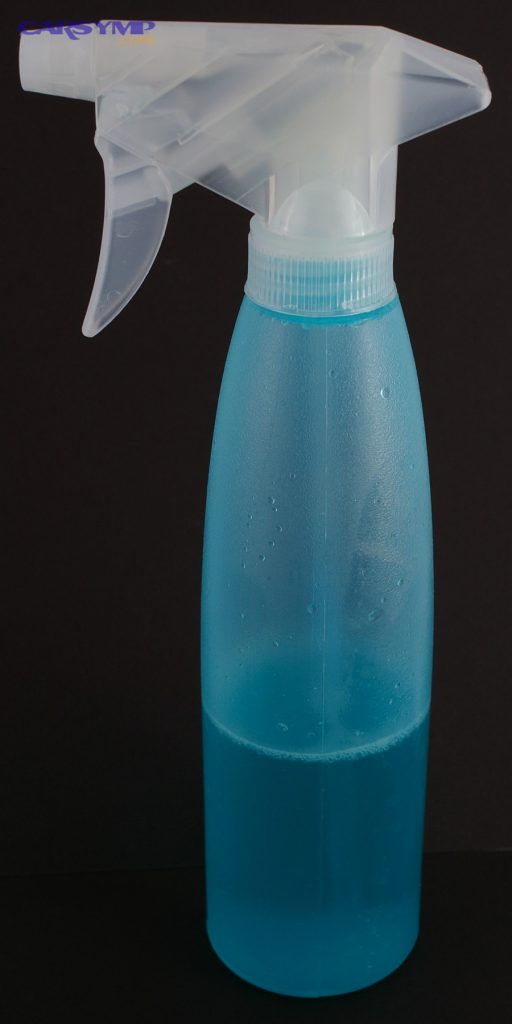
A soapy water test finds a leak by turning escaping air or gas into visible bubbles, so you can pinpoint the exact spot instead of guessing and replacing parts blindly. This guide walks you through the safest, most repeatable way to run the bubble test on common leak-prone areas like tire beads, valve stems, hoses, and threaded fittings.
Next, you’ll learn what the soapy water bubble test is (and what it isn’t), including why “bubble size and speed” matters more than a single foam patch. Then you’ll see what tools and mixture ratios make the test reliable—especially when wind, cold, or low pressure makes leaks harder to spot.
In addition, you’ll learn how to interpret your results and decide what to do next: tighten, replace a seal, patch a tire, or stop and call a professional when the risk is high (especially around fuel gas).
Introduce a new idea: once you can see the leak, you can fix it faster, prevent repeat failures, and avoid “mystery” Car Symptoms like slow pressure loss, intermittent hissing, or repeated low-tire warnings.
What is the soapy water test for finding leaks?
The soapy water test is a leak-detection method that uses a soap-and-water film to form bubbles where air or gas escapes, making small leaks visible on tires, hoses, valves, and threaded fittings.
Then, the key idea is simple: soap lowers surface tension and creates a stable film; escaping gas inflates that film into bubbles, and the bubble pattern tells you how active the leak is.
How does the bubble test work on tires, hoses, and threaded fittings?
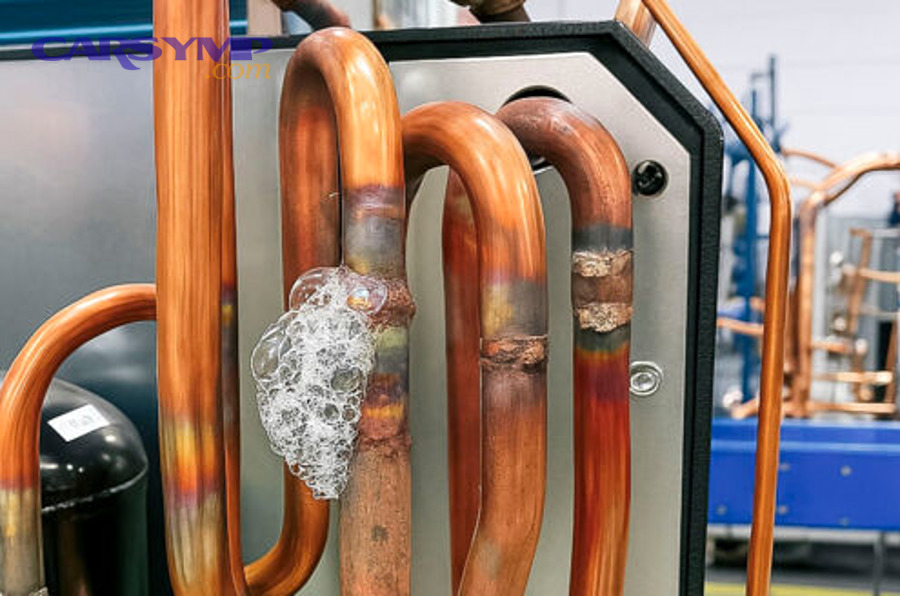
The bubble test works because escaping pressure forces gas through the soap film, and the film expands into bubbles at the exact exit point.
Specifically:
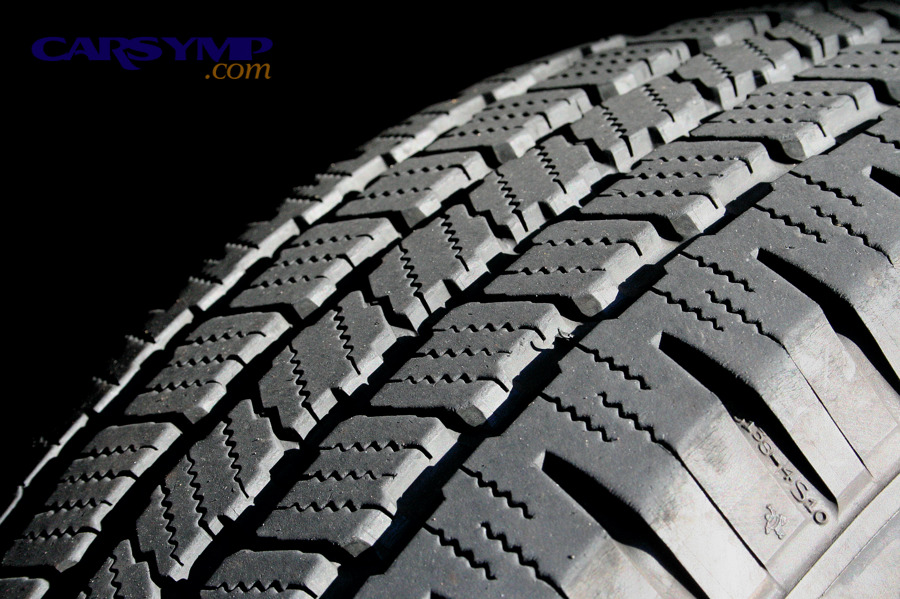
- Tires: bubbles form at tread punctures, bead leaks, rim corrosion spots, and valve stems/cores.
- Hoses: bubbles show cracks, pinholes, loose clamps, and split rubber near bends.
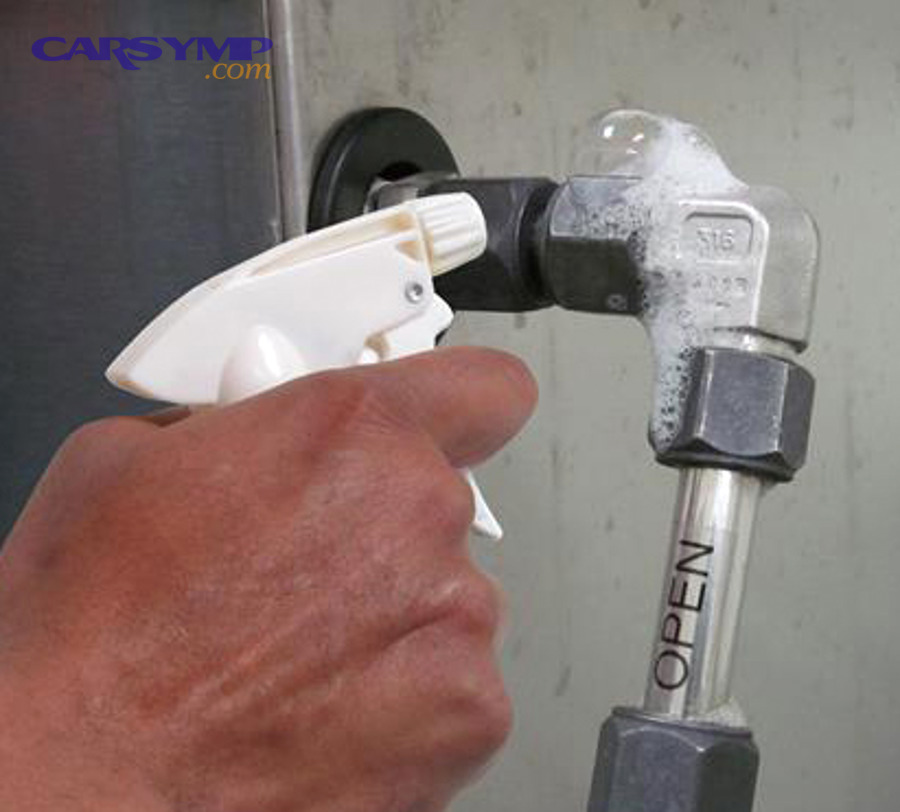
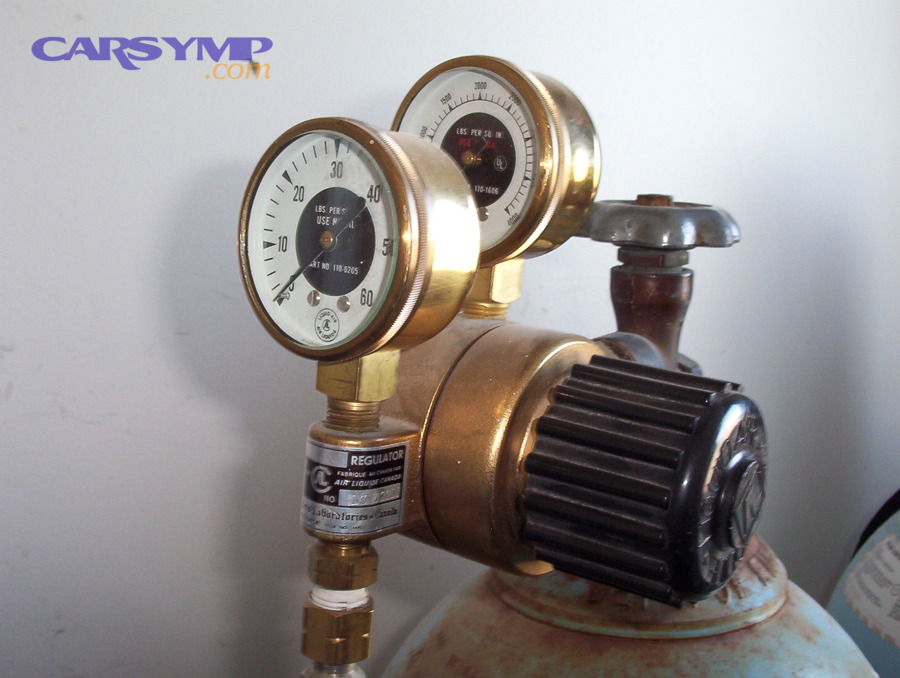
- Threaded fittings: bubbles reveal leakage at thread interfaces, unions, regulators, elbows, tees, and shutoff valves.
What is the difference between a “bubble test” and a “soap solution leak test”?
A “bubble test” is a synonym for a “soap solution leak test”—they’re the same method, just different labels.
However, people sometimes use “bubble test” to mean commercial leak-detection fluid (thicker and more stable), while “soap solution” often means a DIY dish-soap mix. The principle is identical; the difference is consistency, cling, and how long bubbles remain visible (especially in wind).
Is the soapy water leak test safe for car and home use?
Yes, the soapy water test for finding leaks is generally safe when you use mild soap, avoid energized electronics/ignition sources, and follow basic precautions, but it is not a substitute for professional help on high-risk fuel gas issues.
Next, safety matters because the bubble test is often performed right where leaks are most dangerous: around pressurized systems, rotating wheels, or fuel-gas fittings.
When should you NOT use the soapy water test?
You should not use the soapy water test when:
- You suspect a major fuel-gas leak (strong odor, loud hiss, rapid pressure drop, or symptoms that worsen fast).
- The leak area is near an ignition source you cannot control (sparking equipment, open flame, hot surfaces).
- The fitting is on the utility/supplier side of a gas meter or otherwise restricted work area (hands off; call the supplier).
For propane grill-style systems, safety guidance commonly emphasizes: do the soapy water check outdoors, and if a leak is confirmed and cannot be stopped by shutting off the tank, contact emergency services.
What safety steps reduce risk during a leak test?
Three practical safety steps reduce risk immediately:
- Ventilation + location control: work outdoors or in a wide-open area; avoid enclosed garages for suspected fuel-gas leaks.
- Ignition control: keep flames, smoking, and spark-producing tools away; don’t “test by lighting.”
- Eye/skin protection: wear eye protection and avoid spraying into connectors or sensitive components; soap in eyes is a needless injury.
What do you need for a reliable soapy water leak test?
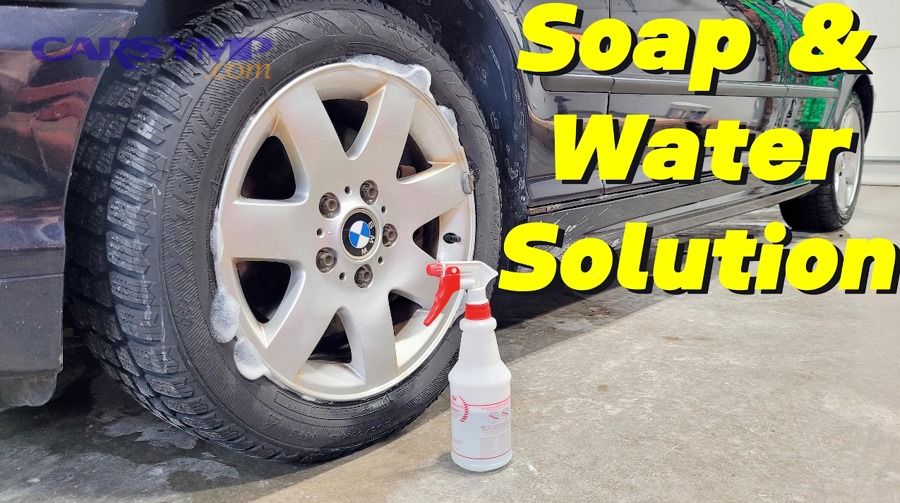
You need (1) the right soap mixture, (2) a sprayer or brush, and (3) stable pressure in the system so the bubbles can form consistently.
Then, reliability comes from controlling the variables that hide leaks: low pressure, wind, fast run-off, and dirty surfaces.
What soap-to-water ratio works best?
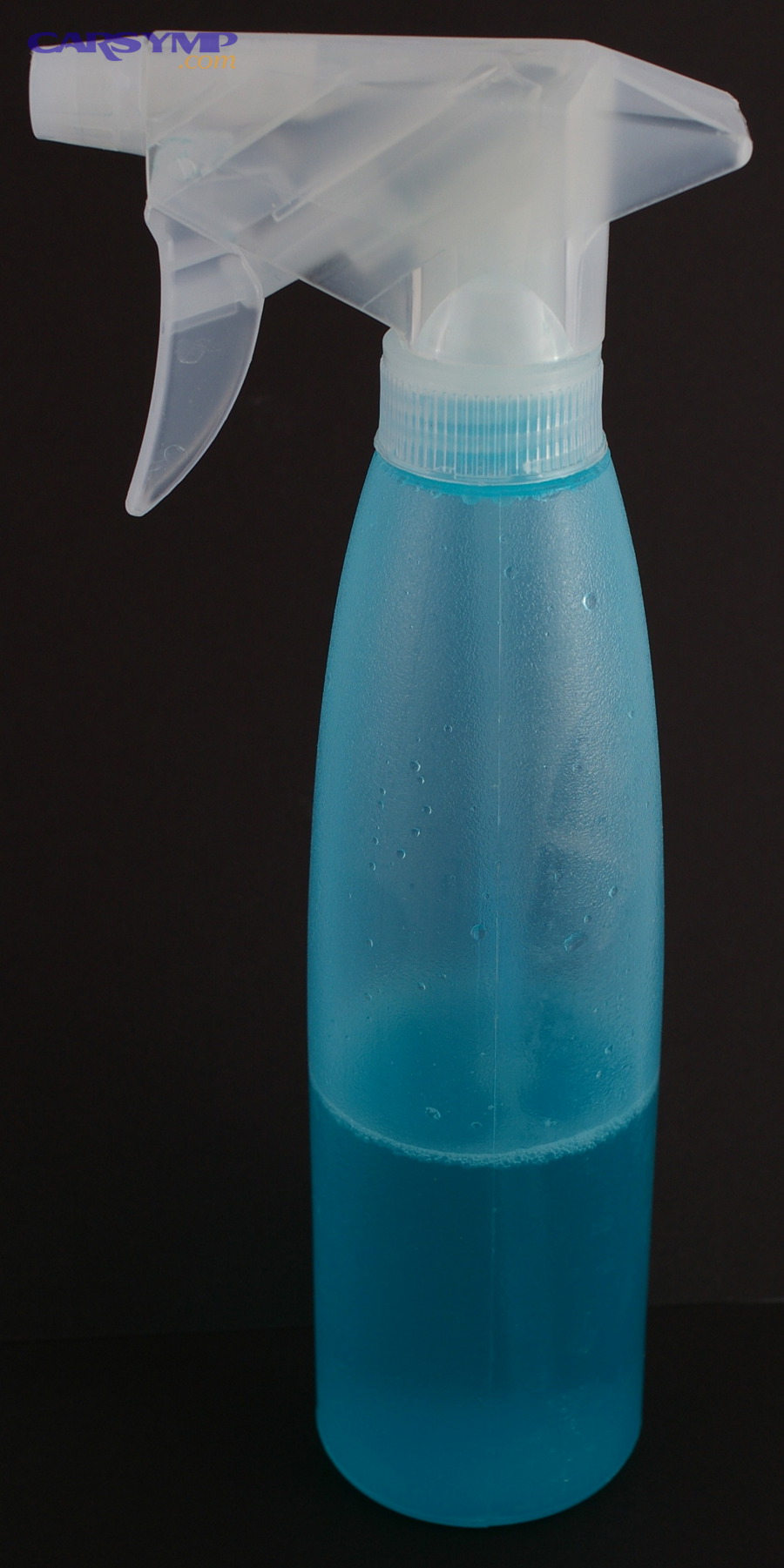
A practical, repeatable mix is about ¾ cup liquid dish soap per gallon of water, with optional glycerin (about ¼ cup per gallon) to help bubbles last longer in wind.
If you’re testing a car tire and only mixing a small bottle, scale it down:
- 1 gallon = 16 cups
- ¾ cup per gallon ≈ 3 tablespoons per quart (roughly), and glycerin is optional.
Which tools improve accuracy?
Tools that improve accuracy are the ones that apply a thick, even film and let you inspect slowly:
- Spray bottle or pump sprayer (even coverage)
- Soft brush (great for beads and threads where spray bounces)
- Rag to clean dirt/oil first (bubbles don’t form well on grime)
- Chalk/marker/tape to circle the leak once found (so you don’t “lose” it)
How do you find the leak with a soapy water test step-by-step?
To find the leak with a soapy water test, pressurize the system, apply a soap film to likely leak points, and watch for growing bubbles in 6 focused steps, ending with marking and confirming the exact source.
Next, the step sequence matters because skipping “clean + stabilize pressure” is how DIYers miss slow leaks and keep chasing the wrong part.
Step 1: Prepare the area and stabilize pressure
Start by making the system “bubble-ready”:
- Tires: inflate to the correct PSI (don’t guess); if it’s near-flat, bubbles may look dramatic everywhere because the bead is unseated.
- Hoses/fittings: ensure the system is pressurized and steady (not actively changing).
- Wipe off mud, grease, and wet grime—soap film needs contact.
If you’re diagnosing a slow leak that shows up as a low-pressure warning, treat it like a symptom-driven check: your goal is to reproduce the condition that triggers the Car Symptoms (e.g., overnight pressure drop).
Step 2: Apply the soap film to the highest-probability leak points first
Spray or brush a thick coat on:
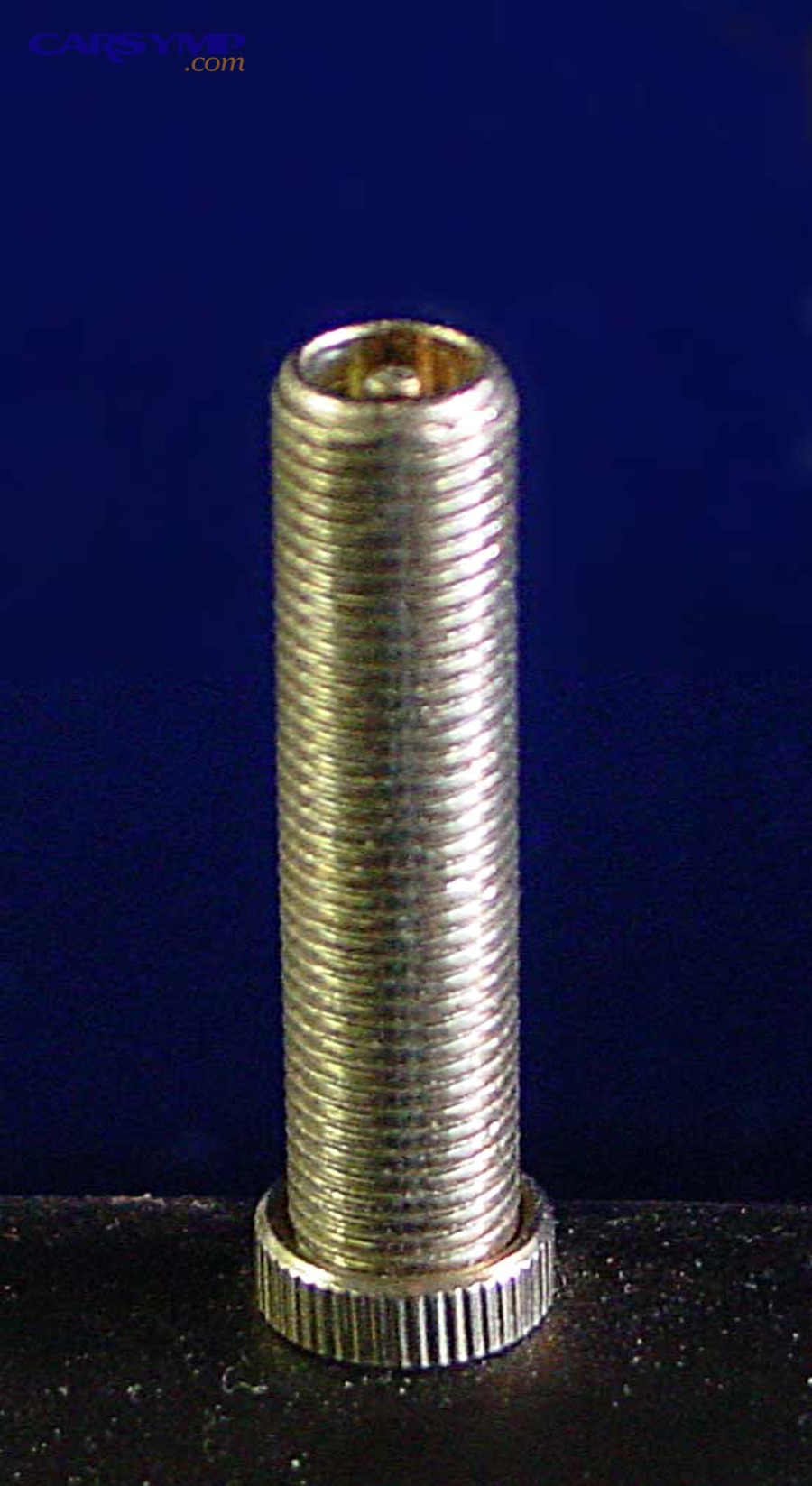
- Tire valve stem + valve core area
- Tire bead (both sides) where rubber meets rim
- Tread area for punctures (rotate slowly)
- Hose ends near clamps and bends
- Threaded joints (unions, elbows, tees, shutoffs)
Don’t mist lightly—thin mist dries fast and gives false negatives.
Step 3: Watch for “active bubbles,” not just foam
Look for:
- Bubbles that grow (inflating)
- Bubbles that repeat at the same point
- Foam that pulses in sync with pressure release
Ignore:
- Foam that sits still (often just spray texture)
- Random tiny fizz that stops instantly (can be trapped air on rough surfaces)
Step 4: Pinpoint the exact exit point (reduce the test area)
Once you see bubbles, narrow it down:
- For tires, rotate the wheel so the suspected spot is at eye level and reapply.
- For fittings, spray one joint at a time (don’t coat everything or you won’t know which joint is leaking).
A helpful technique is to blot lightly with a rag and reapply—true leaks restart bubbling fast.
Step 5: Mark the leak and confirm it twice
Circle the spot with chalk/marker or place tape nearby.
- Reapply soapy water.
- Confirm the bubbles appear in the same location and pattern.
This prevents the classic mistake: “I fixed the wrong joint” because bubbles traveled across wet surfaces.
Step 6: Decide the next action: tighten, replace, patch, or stop
Use this quick rule:
- Loose hardware → tighten to spec (don’t over-torque)
- Cracked rubber → replace (patching hoses rarely lasts)
- Valve core leak → replace the core (cheap, common win)
- Bead/rim corrosion → clean + reseat, or shop repair
- Fuel-gas fitting leak → shut off and service professionally if uncertain or the leak persists
If your immediate goal is to fix flat tire pressure loss safely on the road, consider using a spare instead of continuing to drive on a leaking tire, then diagnose the leak properly once you’re in a safe, controlled location.
Optional video walkthrough (one example)
How do you interpret bubbles to judge leak size and urgency?
You can interpret bubbles by how fast they form, how large they grow, and whether they keep replenishing, because those traits correlate with leak rate and risk.
Then, interpreting correctly prevents two expensive outcomes: panicking over harmless residue bubbles, or ignoring a leak that will get worse quickly.
Here’s a practical bubble-meaning table (it explains what to look for and what action usually fits).
| Bubble pattern you see | What it usually means | Best next move |
|---|---|---|
| Tiny bubbles appear slowly over 60–120 seconds | Very small leak / seep | Mark it; recheck; plan repair |
| Bubbles form steadily in one spot within 10–30 seconds | Moderate leak | Repair soon; don’t ignore |
| Large bubbles inflate quickly, continuously | Significant leak | Stop use; fix immediately |
| Foam everywhere but no single bubble source | Too much spray / dirty surface / moving water | Clean, reapply thicker, isolate joints |
| Bubbles at valve stem or core | Valve core or stem seal issue | Replace valve core; retest |
For gas piping contexts, guidance commonly classifies minor leaks as a small number of bubbles over a minute or two, while large leaks generate many bubbles quickly; severe leaks may be felt or heard.
What bubble patterns are false positives?
False positives often come from:
- Residual air trapped in knurled metal, tread sipes, or grime
- Runoff: bubbles drifting from a higher point to a lower point
- Spray texture: thick foam that looks “bubbly” but doesn’t grow
To eliminate them, dry the spot and test a smaller area.
What bubble patterns suggest “stop and call a pro”?
Stop and call a pro when:
- You confirm bubbles on fuel-gas fittings and the leak persists after shutting off and re-seating basic connections.
- You smell fuel gas, or the system behaves dangerously (pressure drops fast, loud hiss).
- The leak is on a regulated/supplier-controlled section (hands off).
Which leak points are most common in cars and DIY setups?
There are 4 main types of common leak points—valves, seals, hoses, and threaded joints—based on where pressure is contained and where movement/aging breaks that seal.
Next, this grouping helps you test smarter: start with the high-probability points before you soak everything.
Tires: valve core, bead, puncture, rim corrosion
The highest-frequency tire leak sources are:
- Valve core: tiny internal seal failure; easy fix
- Valve stem base: cracking rubber or TPMS seal issues
- Bead leak: dirt, damaged bead, or rim corrosion
- Punctures: nail/screw holes, slow leaks that show up overnight
If your immediate goal is to fix flat tire issues quickly, start with the valve area first because it’s the fastest, cheapest win, and it commonly mimics tread punctures.
Hoses and clamps: cracks, dry rot, loose connections
Hose leaks cluster where stress is highest:
- Near clamps (over-tightened or under-tightened)
- At bends and vibration points
- Where rubber meets a metal barb
A hose that bubbles along its length usually needs replacement, not patching.
Threaded fittings: unions, elbows, tees, regulators
Threaded connections leak when:
- Threads weren’t sealed correctly
- Connections loosen from vibration
- Sealing surfaces deform or corrode
In fuel-gas systems, guidance often advises testing each threaded connection and regulator fitting systematically.
How do you fix the leak after you find it and retest?
To fix the leak after a soapy water test, use the correct repair for the leak location (tighten, reseal, patch, or replace), then retest the same spot until bubbles stop, because a “no bubbles” retest is your verification.
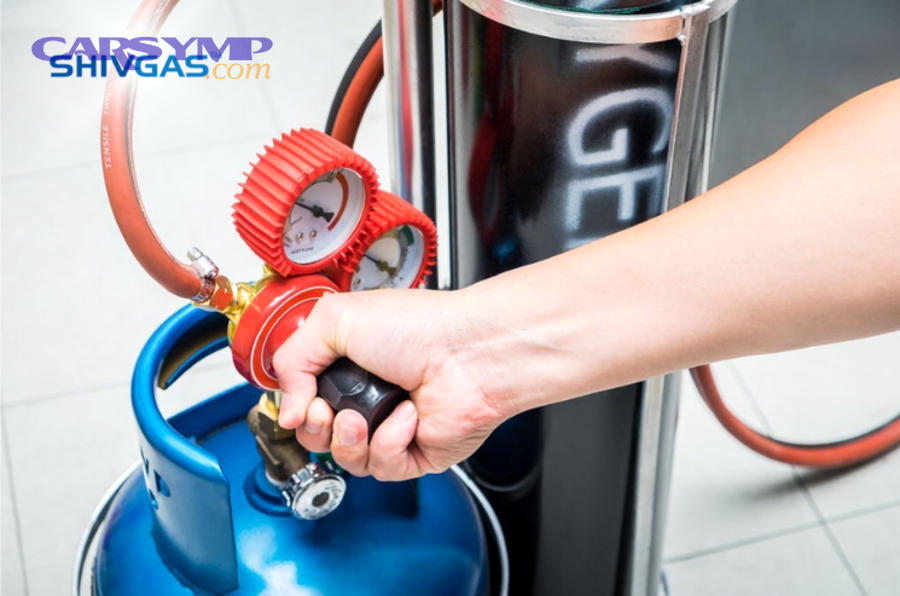
Next, the repair decision should match the failure mode—not just the part you can buy fastest.
Quick fixes vs proper repairs: what actually lasts?
Use this practical hierarchy:
1) Valve core leak (tires): replace the core
- Cheap, common, high success rate
- Retest at the core and at the stem base
2) Tread puncture: patch/plug correctly
- For a puncture in the repairable zone, use an approved repair method.
- Retest after repair to confirm no micro-leak remains.
3) Bead leak: clean + reseat
- Remove wheel (or have a shop break the bead), clean corrosion, reseat properly.
- Retest along the full bead circumference.
4) Hose leak: replace the hose
- Cracked rubber doesn’t “heal,” and tape fixes rarely survive heat and vibration.
5) Threaded joint leak: reseal and torque appropriately
- Disassemble, inspect, reseal with the correct sealant for the application, and reassemble.
- Retest each joint individually.
If you’re on the road and the leak becomes a safety issue, you may need a Spare tire change step-by-step approach: get to a safe location, chock, jack at the correct lift point, swap to the spare, and then do the bubble test later in a controlled environment (because road shoulder testing is rushed and error-prone).
How do you retest so you know the problem is truly solved?
Retesting should be done under the same or slightly harsher conditions:
- Inflate to normal PSI (tires) and wait 2–3 minutes.
- Apply soap film to the repaired spot and adjacent joints.
- Watch long enough to catch slow leaks (at least 60 seconds).
A good “done” condition is: no growing bubbles and no repeating bubble pattern.
How does preventing future leaks change your maintenance routine?
Preventing future flats and punctures is mostly about reducing the conditions that create slow failures:
- Maintain correct tire pressure (underinflation increases damage risk)
- Inspect valve caps/cores periodically
- Keep rims clean if you drive in salt/corrosive environments
- Replace aging hoses before they crack
- Recheck threaded fittings after major vibration events or service work
And for DIYers running air tools or compressors: leaks aren’t just annoying—they can waste a meaningful amount of energy, so fixing them early improves tool performance and reduces the chance of recurring Car Symptoms tied to pressure loss.
When is the soapy water test not enough, and what should you use instead?
The soapy water test is not enough when leaks are too small to visibly bubble, unsafe to approach, inside sealed assemblies, or intermittent, and in those cases you should switch to pressure decay testing, electronic sniffers, UV dye, or professional smoke testing depending on the system.
Then, the goal shifts from “make bubbles” to “measure loss” or “detect trace substances” with tools that see what your eyes can’t.
What alternatives work better for tiny or hidden leaks?
Good alternatives include:
- Pressure decay / leak-down test: isolate the system and measure pressure drop over time (excellent for tiny leaks).
- Electronic gas detector (“sniffer”): safer for fuel-gas tracing when used properly.
- UV dye (automotive A/C): finds leaks where bubbles can’t reach.
- Professional smoke machine: best for EVAP and intake leaks (often the fastest way to solve complex Car Symptoms tied to drivability).
How do you choose the right leak method for the system?
Use this selection logic:
- If the leak point is exposed and safe → soapy water bubble test first
- If it’s enclosed or intermittent → pressure decay or smoke testing
- If it’s fuel gas and risk is high → professional service first, bubble test only with strict safety discipline
- If it’s performance-related (rough idle, EVAP codes) → smoke test often wins on time and accuracy