


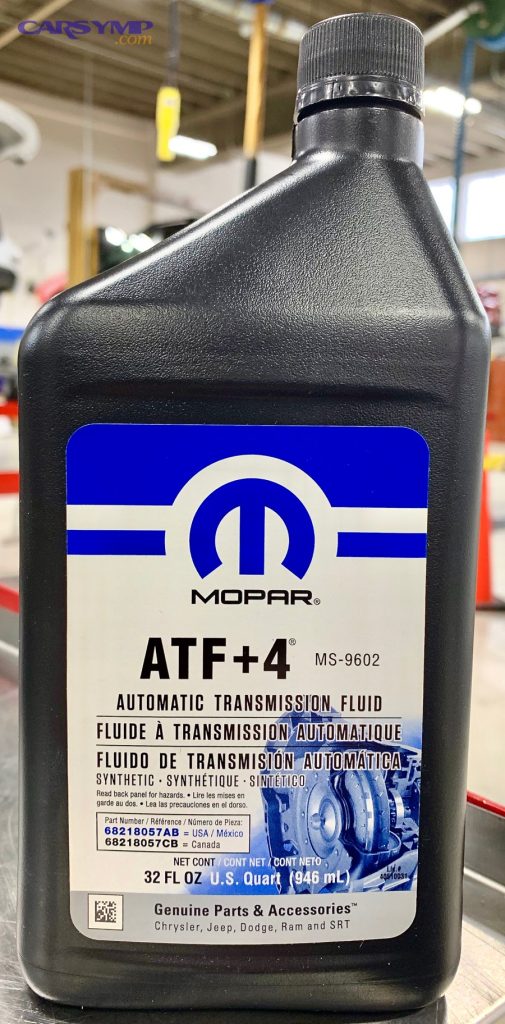
Choosing between a transmission fluid flush (full exchange) and a drain-and-fill comes down to one thing: matching the service method to your transmission’s condition, history, and risk tolerance so you protect shift quality now and reduce expensive failures later.
Next, you’ll learn what each service actually does—how a full-exchange flush moves fluid through the system, why a drain-and-fill is inherently partial, and which method aligns with typical maintenance schedules and real-world driving.
Moreover, you’ll see the pros, cons, and “when to choose” rules in plain language, including what changes for high-mileage vehicles, unknown maintenance history, and symptom-driven scenarios like shudder or harsh shifting.
Introduce a new idea: the best decision often isn’t “flush or drain-and-fill” in isolation—it’s about scope, process quality, and the right questions to ask the shop before you approve any work.
What is a transmission fluid flush (full exchange)?
A transmission fluid flush (full exchange) is a machine-assisted fluid replacement service that pushes old ATF out while pulling new ATF in, designed to exchange nearly all circulating fluid for cleaner lubrication and more stable shift behavior.
To better understand what you’re buying, it helps to separate the idea of a “flush” from the method used to perform the exchange.
How does a full-exchange flush work step by step?
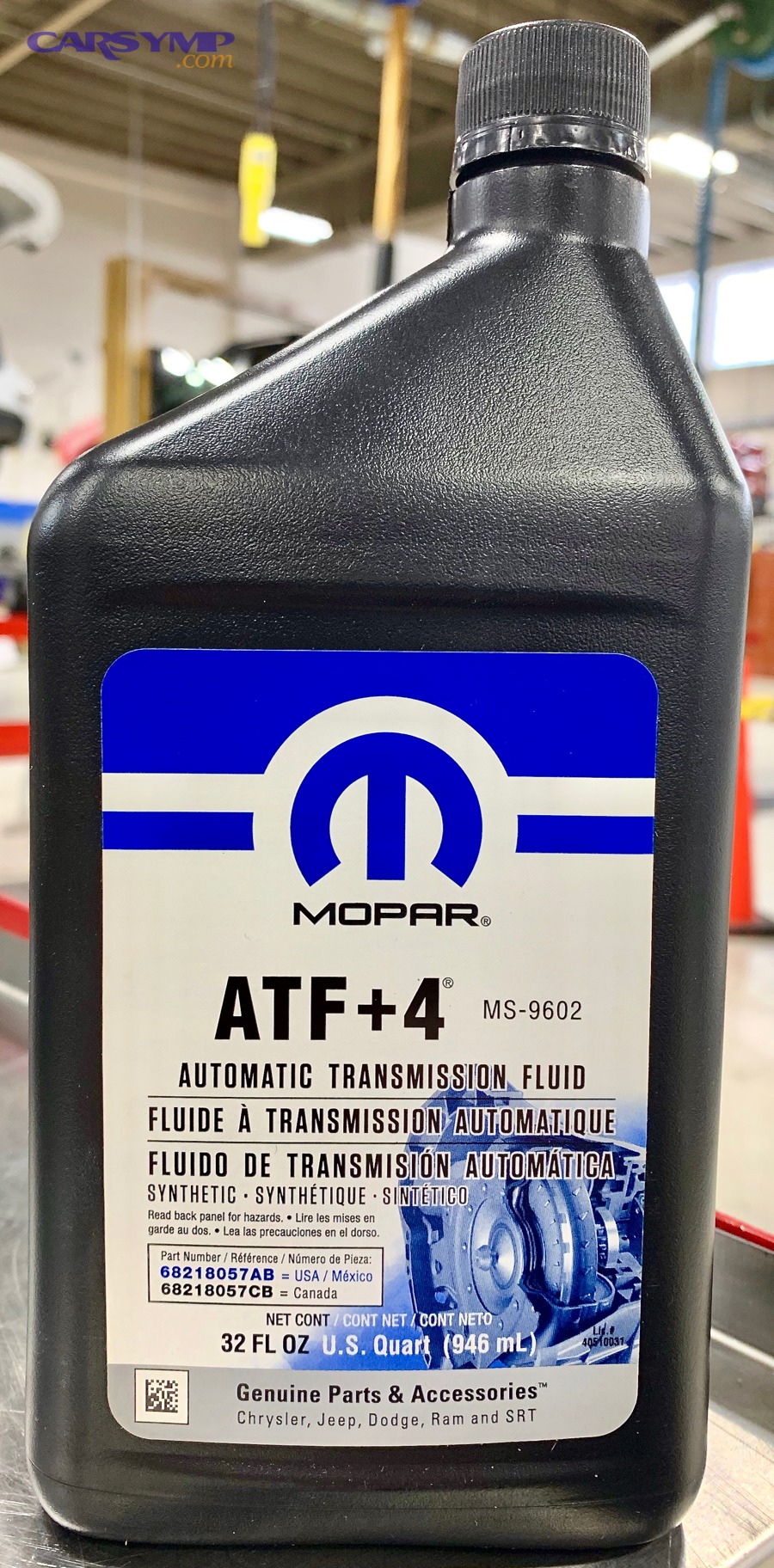
A full-exchange flush works by circulating transmission fluid through the system while an exchange machine (or cooler-line method) steadily replaces old fluid with new fluid at a controlled rate.
Specifically, the process usually follows a predictable sequence:
- Warm-up and baseline checks
- The technician confirms current shift feel and scans for transmission-related codes when appropriate.
- The goal is to avoid masking a mechanical fault with a fluid swap.
- Connection to the transmission’s fluid circuit
- Many systems connect at cooler lines, where fluid naturally flows out and back into the transmission during operation.
- The exchange process uses that circuit to move fluid without dismantling the transmission.
- Controlled fluid exchange
- Old fluid exits into a waste container while new fluid enters at roughly the same rate.
- A quality service monitors fluid temperature, because level checks and behavior can change with temperature.
- Correct level-setting and verification
- The technician verifies fluid level using the manufacturer’s method: dipstick, fill/overflow plug procedure, or scan-tool temperature window.
- A road test checks for leaks and shift consistency.
This is also the moment to clarify the phrase you’ll hear in a lot of service menus: fluid service can mean “exchange,” “drain-and-fill,” or “pan drop with filter,” depending on the shop.
Does a flush replace 100% of the old fluid?
No, a flush rarely replaces a perfect 100% of the old fluid, but a full-exchange service is intended to replace the vast majority of fluid in circulation, which is why it’s often called a “fluid exchange” rather than a literal flush in technical wording.
However, what matters for decision-making is not the marketing number—it’s the practical outcome:
- More complete replacement than a single drain-and-fill
- A drain-and-fill leaves fluid behind in areas like the torque converter and cooler lines.
- An exchange targets those areas by using the circulating path.
- Cleaner baseline for maintenance
- A more complete exchange helps you return the system closer to “known good” fluid condition, especially after overheating or contamination concerns.
- Higher sensitivity to doing it correctly
- Because the process moves more fluid through more pathways, correct fluid specification and proper level-setting matter even more.
Evidence: According to a study by Instituto Politécnico Nacional from the Escuela Superior de Ingeniería Química e Industrias Extractivas (ESIQIE), in 2021, researchers found that oxidized automatic transmission fluids increased wet-clutch friction coefficients and reduced anti-shudder behavior, showing degraded fluid can measurably change clutch and shift characteristics. (link.springer.com)
What is a drain-and-fill transmission service?
A drain-and-fill transmission service is a partial fluid replacement where a technician drains what can flow out of the pan or drain plug, then refills with fresh ATF—leaving a meaningful portion of old fluid behind in the system.
To better understand why drain-and-fill can still be a smart choice, you need to see what it does well: it changes fluid gently, often with fewer variables.
How much fluid does a drain-and-fill replace compared to a flush?
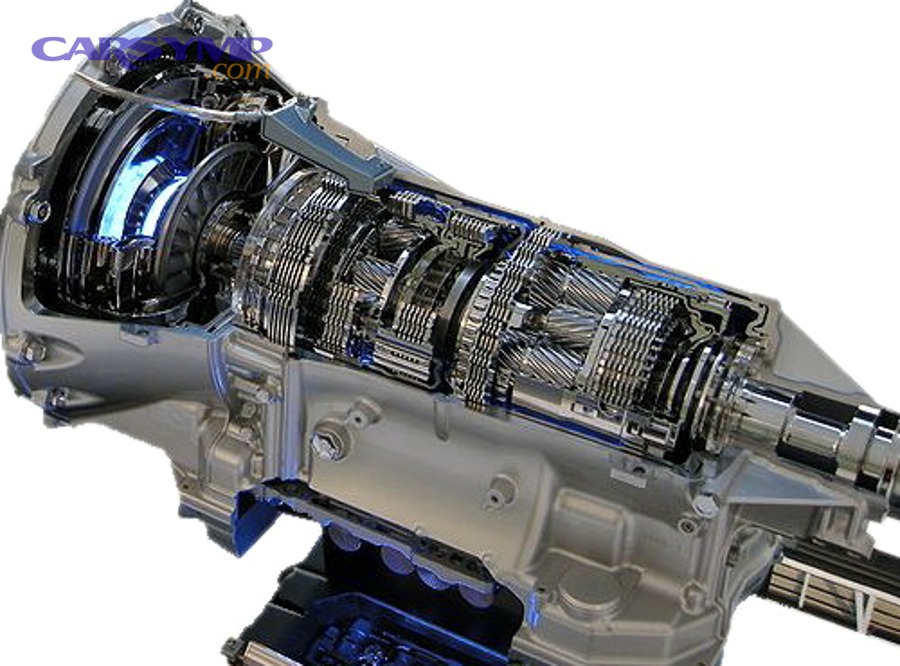
A flush typically replaces more fluid in one visit, while a drain-and-fill typically replaces only the fluid that can drain from the pan area, which is why it’s often described as “partial.” Many real-world explanations cite partial replacement because fluid remains in the torque converter and cooler lines. (jiffylube.com)
In practical terms, here’s what makes drain-and-fill partial:
- Torque converter retention
- On many vehicles, the torque converter holds a large volume of fluid that does not drain out during a simple service.
- Cooler lines and passages
- Fluid in the cooler circuit and internal pathways remains in place.
- Vehicle design differences
- Some transmissions have drain plugs; others require pan removal; some have “sealed” level procedures.
The key idea is the hook: partial does not mean pointless—it means you may choose multiple drain-and-fills over time if you want gradual improvement with lower shock to the system.
Is drain-and-fill the same as a “transmission fluid change”?
Yes, in many shop menus, a “transmission fluid change” is essentially a drain-and-refill service, but the label is inconsistent—so you should confirm what the shop will do before approving the work. (jiffylube.com)
To avoid misunderstandings, ask for the exact scope:
- Does “fluid change” mean drain-and-fill only, or pan drop + filter?
- How many quarts will be replaced?
- How will they set the final level (dipstick vs temperature-based procedure)?
- Will they use the exact ATF spec required by your transmission?
This keeps your terminology consistent and prevents the most common service mismatch: paying for an exchange while receiving a partial refill—or vice versa.
Flush vs drain-and-fill: what are the pros and cons for car owners?
A flush wins in one-visit completeness, a drain-and-fill is best for gentle incremental maintenance, and a multi-visit drain-and-fill plan is optimal for risk-managed improvement when maintenance history is unknown.
However, the real comparison is not “good vs bad”—it’s “best fit” based on condition, goals, and how confident you are in the service quality.
Before the details, here’s a quick decision snapshot (this table summarizes what the next sections explain and helps you choose faster):
| Decision Factor | Flush (Full Exchange) | Drain-and-Fill (Single Visit) | Drain-and-Fill (Staged Plan) |
|---|---|---|---|
| Completeness in one visit | Highest | Moderate | High over time |
| Gentleness on neglected units | Variable | High | Highest |
| Upfront cost | Usually higher | Usually lower | Spread across visits |
| Best for | Routine maintenance on maintained units | Budget + cautious maintenance | Unknown history + cautious improvement |
| Biggest risk | Wrong fluid / bad process | Under-changing fluid | Inconvenience / time |

Which option is safer for a high-mileage car with unknown maintenance history?
A drain-and-fill is often the safer starting point for a high-mileage car with unknown history because it changes fluid gradually, reduces the chance of abrupt behavior changes, and gives you a checkpoint to evaluate shift quality after each service.
More specifically, high mileage introduces uncertainty:
- You don’t know if the fluid has been severely oxidized
- Oxidized fluid can behave differently under heat and load.
- You don’t know if the transmission has internal wear masked by old fluid
- Fresh fluid doesn’t “cause” wear, but it may reveal issues that were already developing.
- You don’t know the shop’s process quality yet
- A staged approach reduces exposure to process mistakes.
A good middle-ground strategy is a drain-and-fill now, then repeat at a controlled interval if the first service improves behavior without introducing new problems.
Which option is better for routine maintenance on a well-maintained transmission?
A full-exchange flush is often better for routine maintenance when the transmission has a known service history because it quickly restores fluid condition closer to fresh, especially if the goal is consistent shift feel and long-term protection.
To illustrate why routine maintenance changes the logic:
- Known history lowers risk
- If the transmission has been serviced on schedule, you’re less likely to face sludge-like buildup.
- Your goal is prevention, not rescue
- Preventive work benefits from more complete renewal.
- You can align with OEM specs
- Correct fluid spec and correct level-setting deliver the biggest benefit.
This comparison also highlights the hook chain: maintenance context determines whether “complete” is worth the extra complexity.
When should you choose a flush vs a drain-and-fill?
There are 4 main situations to choose between a flush and a drain-and-fill: routine maintenance with service history, unknown history/high mileage, symptom-based diagnosis, and post-stress events (overheating, contamination).

Next, you’ll use these situations as decision rules so you can choose a service method without guessing.
Should you flush if the transmission is slipping, shuddering, or shifting hard?
No, you should not automatically flush a slipping, shuddering, or harsh-shifting transmission because symptoms often require diagnosis first, and a fluid exchange alone may not address a mechanical or control issue.
More importantly, symptoms create three decision risks:
- Misdiagnosis
- A slipping symptom can come from low fluid, incorrect fluid, clutch wear, solenoid issues, or software adaptation.
- Wrong expectation
- A flush is a maintenance tool, not a guaranteed fix.
- Process sensitivity
- If the transmission is already unstable, incorrect level-setting or wrong fluid spec can worsen behavior.
A safer path is:
- Verify fluid level and leaks.
- Scan for codes.
- Confirm the correct ATF spec.
- Then decide whether a gentle drain-and-fill is appropriate as part of a diagnostic plan.
What factors matter most when deciding (mileage, service records, fluid condition, OEM schedule)?
The decision is strongest when you rank factors in this order: service records, fluid condition, OEM procedure/spec, and then mileage—because mileage alone doesn’t tell you how the fluid and clutch packs have been treated.
Use this checklist to decide in minutes:
- Do you have service records?
- Yes → flush or drain-and-fill based on OEM method and budget.
- No → start with drain-and-fill and re-evaluate.
- What does the fluid look and smell like?
- Bright/normal odor → routine maintenance logic.
- Dark/burnt odor → diagnosis-first logic.
- What does the OEM specify?
- Specific ATF spec + temperature-based level setting → choose a shop that follows it precisely.
- Any recent stress events?
- Towing overload, overheating, water intrusion → consider more complete exchange after inspection.
This is where your terminology matters: your goal is to pick the right fluid service method, not just any “transmission service.”
What does each service include—and what should you ask the shop?
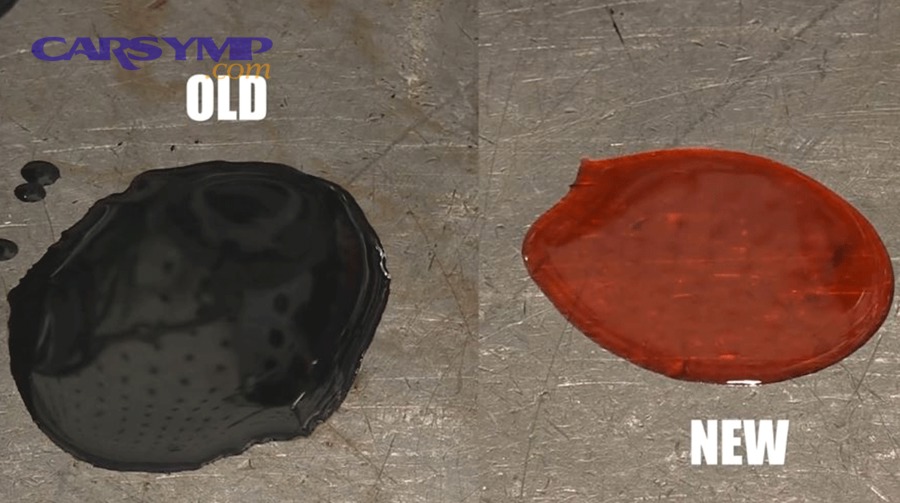
There are 4 core parts to verify in any transmission service: the method (exchange vs drain), the fluid spec, the level-setting procedure, and the inspection scope (filter/pan/magnets), because each part changes the risk and the result.
To better understand what you’re paying for, you need to treat the service like a defined scope, not a vague menu item.
Does the service include a filter change, pan gasket, and magnet cleaning?
Yes, it can include a filter change, pan gasket, and magnet cleaning—but only if the shop is doing a pan-drop style service, because an exchange-focused flush may not automatically include opening the pan.
More specifically, these items are “parts of the service” you should clarify:
- Filter or strainer
- Some transmissions have replaceable filters; others have strainers designed to last longer.
- Pan gasket
- A quality pan drop replaces the gasket (or seals) to reduce leak risk.
- Magnets
- Magnets collect fine wear particles; cleaning them provides a real inspection value.
- Pan inspection
- Seeing debris levels helps you decide whether to proceed with further services.
If your priority is inspection and filter service, you may prefer:
- Drain-and-fill + pan drop + filter (where applicable), rather than a pure exchange.
What questions confirm the correct fluid spec and procedure?
Ask these questions because they force clarity and reduce mistakes:
- “Which exact ATF spec will you use?”
- You want the exact manufacturer-required spec, not a generic substitute.
- “How will you set the final fluid level?”
- Dipstick vs fill/overflow plug procedure; many require a temperature window.
- “Will you verify temperature during level check?”
- Proper level depends on fluid expansion.
- “Will you check for software updates or relearn requirements?”
- Some vehicles adapt shifting based on fluid condition and driving inputs.
- “What’s included in your price—filter, gasket, disposal, diagnostics?”
- Prevents surprise add-ons.
This is also where you can request written documentation—fluid brand/spec, quantity used, and method—so future maintenance stays consistent.
How do cost and value compare between a flush and drain-and-fill?
A flush wins in speed of restoring fluid condition, a drain-and-fill is best for lowest upfront cost, and staged drain-and-fills are optimal for value when uncertainty is high because they spread cost and reduce decision risk.
However, the smartest cost analysis compares what’s included and how much fluid is actually replaced, not just the invoice total.
Before details, here’s the promised context: the following table provides a Cost estimate for common fluid services so you can budget realistically and understand why quotes vary.
| Service Type | Typical Cost Drivers | Why Prices Vary |
|---|---|---|
| Transmission drain-and-fill | Labor + fluid quantity | Access difficulty, level-setting procedure |
| Transmission full exchange | More fluid + equipment | Fluid volume, machine use, process time |
| Coolant drain vs flush | Chemical treatment + labor | Cleaner additives, pressure/flush equipment |
| Differential service | Gear oil + sealing/torque | Fill plug access, limited-slip additives |
| Transfer case service | Fluid type + access | AWD/4WD design, fluid spec sensitivity |
One widely cited example from a national service resource notes that a transmission flush can cost roughly twice a basic change due to higher fluid volume and process, and it highlights higher quart requirements for exchanges than changes. (jiffylube.com)
Why is a flush usually more expensive than a drain-and-fill?
A flush is usually more expensive because it uses more fluid, requires specialized equipment or setup, and often takes more time to verify correct operation and level-setting after a high-volume exchange. (jiffylube.com)
Specifically, the biggest cost drivers are:
- Fluid volume
- Exchanges can require significantly more quarts than a single drain-and-fill.
- Equipment and process control
- Machines and adapters add cost—and quality depends on proper setup.
- Procedure complexity
- Temperature-based level procedures increase labor time.
- Risk management
- A reputable shop builds verification (road test, leak check, scan) into the cost.
This is why “cheap flush” can be a red flag: the shop may be skipping verification steps that protect your transmission.
Is it better value to do multiple drain-and-fills instead of one flush?
Yes, multiple drain-and-fills can be better value when you want gradual improvement, especially for unknown history or high-mileage vehicles, because the staged approach can approximate a more complete exchange over time while reducing sudden changes.
More importantly, staged drain-and-fills deliver three value advantages:
- Decision checkpoints
- You can stop if shift feel worsens or if symptoms suggest deeper issues.
- Lower exposure to one-time mistakes
- A wrong fluid spec or level-setting error is less catastrophic when the scope is smaller.
- Smoother transition
- The transmission adapts gradually to the changing fluid condition.
A practical plan looks like:
- Drain-and-fill #1 → evaluate behavior for a few hundred to a couple thousand miles.
- Drain-and-fill #2 → confirm improvement and stability.
- Optional #3 → if the goal is to refresh more of the remaining old fluid.
This is the value logic behind “slow and steady” maintenance.
What special cases can change the best choice between flush and drain-and-fill?
There are 4 special cases that can change your best choice: CVT/DCT designs, sealed transmissions, fluid-spec sensitivity, and relearn/reset considerations, because these factors modify procedure risk and what “correct service” actually means.
Next, you’ll use these edge cases to prevent the most expensive mistake in transmission maintenance: doing the right service the wrong way.

Does the recommendation change for CVTs and dual-clutch transmissions (DCT/DSG)?
Yes, the recommendation can change for CVTs and dual-clutch transmissions because these designs often have tighter fluid-spec requirements and different clutch/friction behaviors, making procedure accuracy more important than the flush-vs-drain debate.
Specifically:
- CVTs
- Use specialized fluids designed for belt/pulley friction behavior.
- Incorrect fluid can cause shudder, overheating, or rapid wear.
- DCT/DSG
- May use wet-clutch systems that are sensitive to fluid condition and friction modifiers.
- Service may require precise fill procedures and sometimes adaptation steps.
If you own a CVT or DCT, prioritize:
- OEM fluid spec
- correct level-setting
- a shop experienced with your exact transmission family
What does “sealed transmission” really mean, and does it limit flush options?
A “sealed transmission” is usually a transmission without a traditional dipstick and with a controlled fill/check procedure, not a truly unserviceable unit, and it can limit flush options if the shop can’t correctly set fluid level afterward.
More specifically, sealed vs serviceable is an antonym-style contrast that matters:
- Sealed (no dipstick)
- Requires fill and overflow plugs and often a specific temperature range to check level.
- Serviceable
- May still be sealed but is designed with defined procedures and access points.
If the shop can’t explain:
- how they’ll measure temperature,
- how they’ll confirm level,
- what spec they’ll use,
then the “sealed” design increases risk—regardless of which method you choose.
Can the wrong ATF spec cause shifting problems even after a “successful” service?
Yes, the wrong ATF spec can cause shifting problems even if the service was performed cleanly, because friction modifiers, viscosity behavior, and additive packages directly influence clutch engagement timing and smoothness.
Here’s how this mistake happens:
- A “universal” ATF is used when the transmission requires a specific standard.
- The transmission shifts, but feels:
- delayed,
- harsh,
- shudder-prone,
- inconsistent hot vs cold.
Your prevention tool is simple: insist on the exact spec and get it written on the invoice. This one step often matters more than whether you choose exchange or drain-and-fill.
Is a transmission relearn/reset needed after a fluid service?
Sometimes, yes—a relearn or adaptation reset can be helpful after a fluid service, especially when fluid condition was severely degraded or when the vehicle’s control module has adapted to old fluid behavior over many miles.
More specifically:
- What you may notice without a relearn
- Slightly odd shift timing for a short period as the system adapts.
- When relearn is more likely
- After major changes in friction behavior (heavily degraded fluid → fresh fluid).
- On some modern transmissions with adaptive shift logic.
A good shop will tell you whether a relearn is recommended for your specific model—and will avoid unnecessary resets when the OEM procedure doesn’t call for it.
Evidence (if any)
- A national service resource explains that a transmission flush service is often priced higher than a basic change due to higher fluid volume and notes typical quart ranges for exchanges vs changes. (jiffylube.com)
- A peer-reviewed study of automatic transmission fluid oxidation reports that oxidized ATF can increase wet-clutch friction coefficients and reduce anti-shudder properties, indicating fluid degradation can affect clutch behavior and shift feel. (link.springer.com)
- A consumer automotive resource explains that flush-style procedures tend to be more complex and expensive than drain-and-fill methods in cooling systems, reinforcing the general service principle that flush processes add complexity and cost. (repairpal.com)