


STEP 1 — Title & outline analysis (quick):
– Main keyword (focus): differential and transfer case fluid service
– Predicate (main action): schedule (plan the service correctly)
– Relations Lexical used: Synonym — gear oil used as a closely related term for differential fluid (while transfer cases may use ATF or a specific transfer-case fluid)
If you’re trying to protect your drivetrain, differential and transfer case fluid service is one of the highest-impact maintenance items you can schedule because it reduces heat and wear inside gears, bearings, and clutch components.
Most people search this topic because they want to know whether the service is truly necessary and what happens if they delay it, especially if the fluid looks dark, smells burnt, or the vehicle sees towing or off-road use.
Next, you’ll also want a clear answer on when to change the fluid, what “severe duty” really means, and how to avoid common mistakes that lead to wrong fluid levels, leaks, or driveline noise.
Introduce a new idea: once you understand what the service includes and the warning signs, it becomes much easier to pick the right interval, budget accurately, and decide whether DIY makes sense for your skill level.
What is differential and transfer case fluid service?
Differential and transfer case fluid service is a maintenance procedure that replaces degraded lubricating fluid in drivetrain housings to restore protective film strength, cooling, and contamination control for gears, bearings, and clutch/chain components.
To better understand what you’re paying for, it helps to break down what’s actually being serviced and what “service” can mean in different shops.
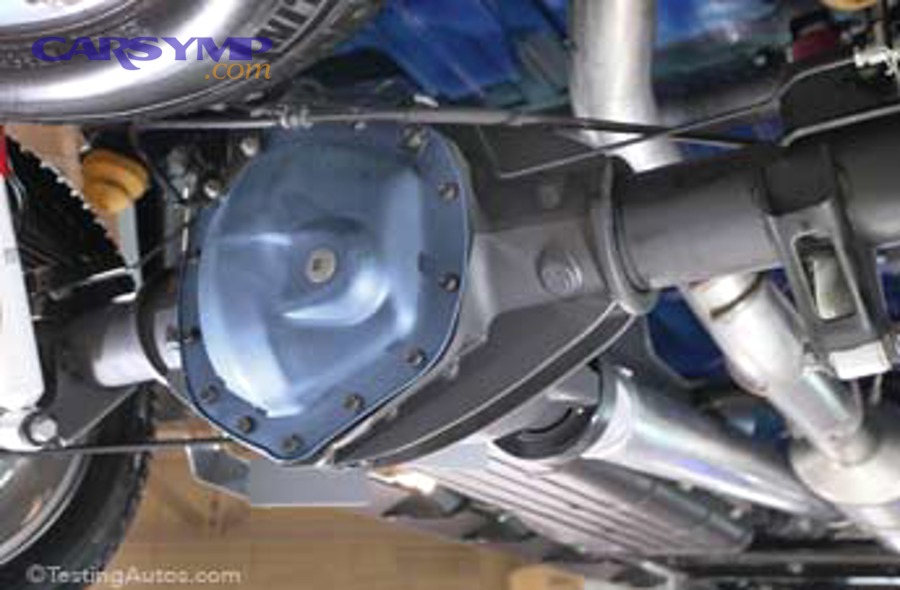
What parts does this service cover (front/rear diff, transfer case)?
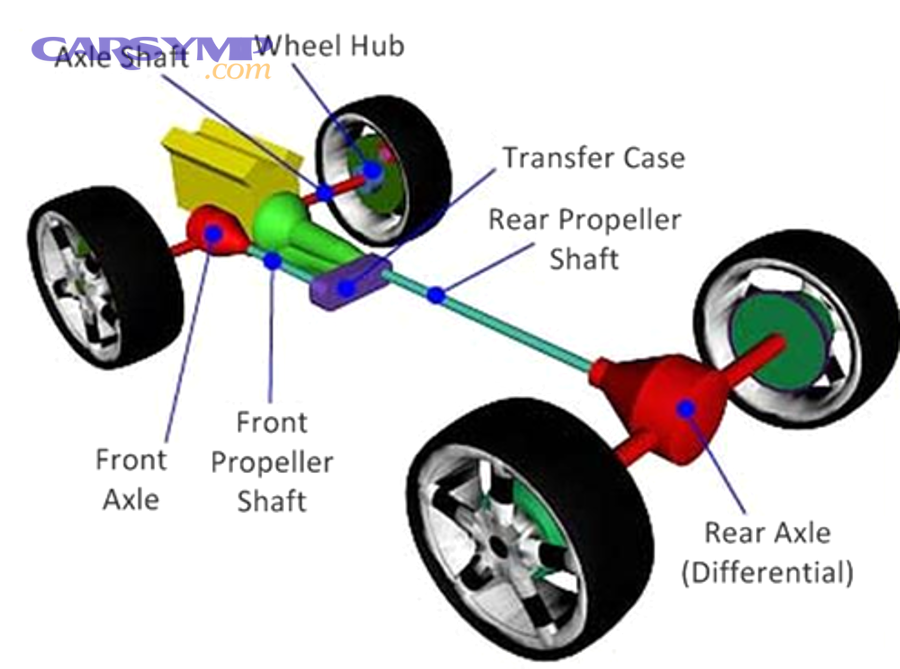
In most trucks and SUVs, this fluid service can involve up to three separate housings, and each one matters for a different reason:
- Rear differential: Sends power to the rear wheels and contains ring-and-pinion gears plus bearings. This is often the loudest component when lubrication is failing (classic whining/howling under load).
- Front differential (4WD/AWD): Similar job, but often smaller capacity and sometimes easier to neglect because symptoms can be subtle until load increases.
- Transfer case (4WD/AWD): Splits power front-to-rear and may include a chain drive, clutch packs, and an internal pump depending on design. Some transfer cases use gear oil, others use ATF or a dedicated transfer-case fluid—so the correct spec matters more than the name on the bottle. Some manufacturer-specific guidance and service-interval examples show how transfer case fluid can be treated as routine maintenance, with intervals that change under heavier use.
A practical way to think about it: differentials are gear-and-bearing heavy, while transfer cases may be gear-and-chain and sometimes clutch-controlled. That difference is why “one fluid fits all” advice can get people into trouble.
What’s the difference between a fluid change, exchange, and flush?
Most owners only need a drain-and-fill, but shops sometimes use different words. Here’s a Fluid flush vs drain-and-fill comparison you can use to understand what’s being offered:
This table explains common service terms, what they usually mean, and when each approach makes sense.
| Service term | What it usually means | Best for | Key risk |
|---|---|---|---|
| Drain-and-fill (“fluid change”) | Remove drain plug (or cover), drain old fluid, refill to correct level | Most routine maintenance | Underfilling/overfilling if leveling method is wrong |
| Exchange | Uses equipment or repeated drain/refill cycles to replace more of the old fluid | Some systems with trapped volume | Wrong equipment assumptions; still must use correct spec |
| “Flush” (marketing term varies) | Sometimes just a drain-and-fill; sometimes a more aggressive exchange | Only when manufacturer allows | Misuse of “flush” can lead to wrong procedure expectations |
For differentials and many transfer cases, drain-and-fill is the normal, safe baseline because it removes contamination while keeping the procedure simple and controllable.
Do you really need differential and transfer case fluid service?
Yes—differential and transfer case fluid service is worth doing because it reduces wear (contamination removal), prevents heat-related breakdown (restores viscosity/film strength), and protects expensive hard parts (gears, bearings, chains, and clutch components).
More importantly, the need becomes clearer when you look at what “bad fluid” actually does to metal surfaces over time.
Is it safe to keep driving if fluid looks dark or smells burnt?
Sometimes you can drive briefly, but it’s not “safe” in the sense of protecting the drivetrain.
Dark fluid alone can be normal-ish if it’s old (additives and microscopic metal darken the oil). What changes the risk is smell, texture, and symptoms:
- Burnt odor usually indicates overheating and oxidation—meaning the fluid’s protective film has weakened.
- Metallic glitter (more than a faint sheen) can indicate abnormal wear.
- Milky fluid suggests water contamination, which is especially bad because it reduces film strength and can accelerate corrosion and wear.
If the vehicle also has new noises, binding, or shuddering, treat it as time-sensitive—because continued driving can turn “service” into “parts replacement.”
Evidence: According to a study by the University of Leeds from the Department of Mechanical Engineering, in 2017, experiments on rolling–sliding contacts showed water contamination can measurably worsen micro-damage behavior, helping explain why water-contaminated lubricant accelerates surface distress. (etheses.whiterose.ac.uk)
Do AWD and 4WD vehicles need this service more often than 2WD?
Yes, AWD/4WD usually needs more frequent driveline fluid attention for three simple reasons:
- More components: You have additional housings (front diff + transfer case), so there are more fluids to age.
- More heat cycles: AWD systems often engage clutches or run components more frequently, increasing thermal load.
- More severe use patterns: Towing, off-roading, snow driving, and frequent low-speed high-torque conditions are more common with 4WD/AWD ownership.
Some service guidance examples explicitly recommend shorter intervals under demanding use such as towing or off-roading.
When should you change differential and transfer case fluid?
A practical way to schedule this service is to follow manufacturer guidance first, then adjust using 3 factors—mileage, severity (heat/load), and contamination risk—so you replace fluid before wear symptoms show up.
Below, you’ll see how to translate that into a real, repeatable interval you can stick to.
What are the normal Fluid service intervals by mileage?
A simple baseline approach (when you don’t have the owner’s manual in front of you) is:
- Normal use: often tens of thousands of miles between services
- Severe use: roughly half the normal interval
For example, one set of published interval guidance for a transfer case service recommends a range around 80,000–90,000 miles for normal conditions, and 40,000–50,000 miles under heavier use (towing, frequent 4WD use, off-roading).
For differentials, many vehicles land in similar “normal vs severe” logic, but the correct interval varies by platform, fluid type, and duty cycle—so your best move is to treat manufacturer specs as the anchor and severity as the adjustment.
What counts as “severe duty” and how does it change the interval?
“Severe duty” isn’t just extreme rock crawling. It includes anything that increases heat, load, or contamination:
- Towing/hauling regularly (heat + load)
- Off-roading (heat + water/dirt contamination risk)
- Frequent short trips in cold climates (condensation + incomplete warm-up)
- Deep water crossings / submersion risk (water intrusion)
Some procedures and service notes call out water exposure as a trigger for immediate service. (dieselhub.com)
If your vehicle checks two or more severe boxes, the scheduling logic is straightforward: move to the severe interval, and don’t wait for symptoms.
Should you service both at the same time?
Usually, yes—servicing differentials and the transfer case together is efficient because:
- The vehicle is already lifted and leveled.
- You can confirm driveline health in one inspection pass (leaks, vent hoses, plug condition, magnet debris).
- You reduce the chance that one neglected fluid becomes the weak link.
However, if budget is tight, prioritize by risk:
1) Any unit with a leak, contamination, or symptoms
2) Transfer case if it has known design sensitivity or frequent engagement
3) The remaining differential(s) by interval
What symptoms tell you the fluid is overdue?
There are 3 main symptom groups that suggest overdue driveline fluid service: (1) noise under load, (2) engagement/binding issues, and (3) visible leaks or contaminated fluid—each pointing to wear, heat breakdown, or intrusion.
More specifically, the location and “feel” of symptoms help you separate differential issues from transfer case behavior.
Which noises or vibrations point to differential issues?
Differentials most commonly communicate problems through sound under load:
- Whine/howl that changes with speed (often more noticeable on acceleration): can indicate gear wear or improper lubrication film.
- Clunk on throttle on/off transitions: can be backlash, worn mounts, or driveline slack; fluid won’t fix everything, but old fluid can worsen wear.
- Growl/hum that increases with speed: can also be bearings.
If the fluid is overdue, you might also see excessive metallic paste on the drain plug magnet (normal is a thin sludge; abnormal is heavy buildup or visible flakes).
Which symptoms are more likely transfer case related?
Transfer case symptoms often feel like engagement issues rather than a pure “gear whine”:
- Binding or hopping in turns (especially on dry pavement with 4WD engaged)
- Delayed or harsh engagement in electronically controlled systems
- Shudder/chatter during engagement (some systems rely on friction elements)
- Vibration at certain speeds that feels driveline-centered
Because transfer cases can use very specific fluids (sometimes not gear oil), correct fluid choice and correct level are critical—especially for systems with internal pumps or clutch packs. Some service procedure notes warn against using the wrong viscosity/type in transfer cases designed around ATF-like fluids. (dieselhub.com)
When is a leak or contamination an emergency?
Treat it as urgent when:
- Fluid is actively dripping (not just a damp seep).
- The unit shows signs of water contamination (milky fluid) after off-road or flood exposure.
- You hear new loud noises (howl/grind) that appeared suddenly.
At that point, the goal is not just a “routine fluid service.” It’s damage prevention, because running low fluid can cause rapid heat buildup and accelerated wear.
Evidence: According to a study by the University of Leeds from the Department of Mechanical Engineering, in 2017, controlled tribology experiments reported that water presence in lubricant can worsen micropitting-related behavior—supporting why milky, contaminated driveline fluid should be handled quickly. (etheses.whiterose.ac.uk)
How much does differential and transfer case fluid service cost?
There are 3 main cost buckets for differential and transfer case fluid service—(1) fluid and consumables, (2) labor time, and (3) design-specific extras—so the final price depends on capacity, fluid spec, and how accessible the plugs/covers are.
To illustrate what you’re paying for, it helps to separate “what’s replaced” from “what it takes to access it.”
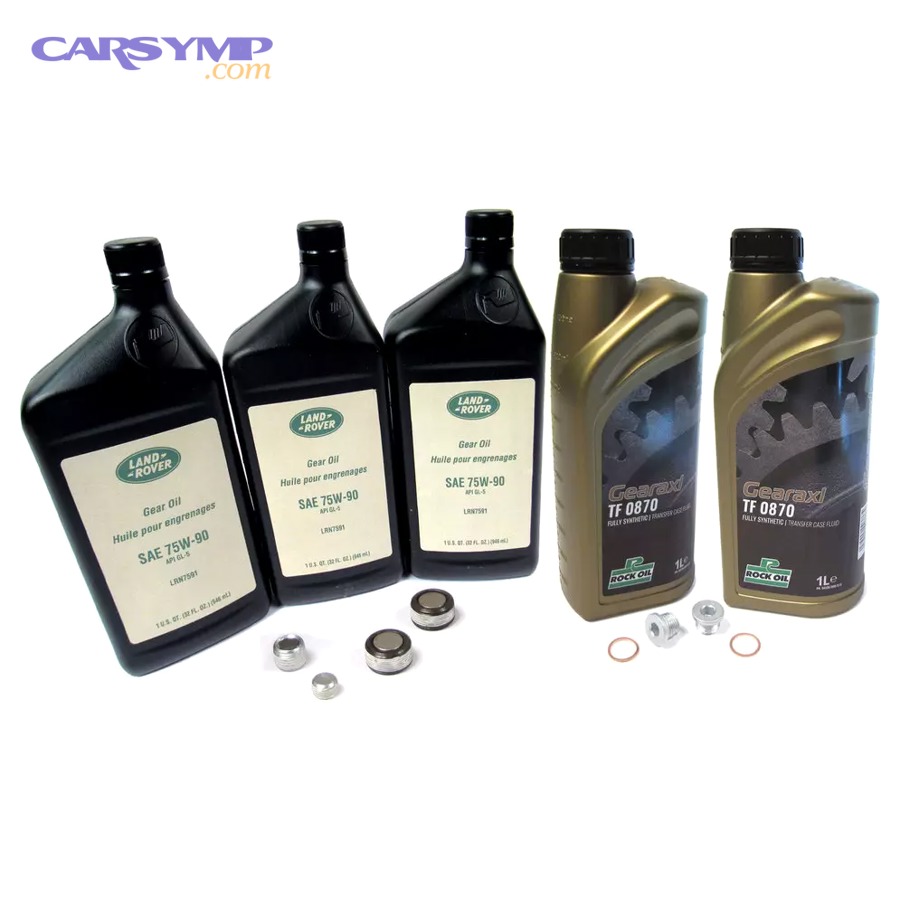
Typical price range for differential vs transfer case
In general (not a quote), you’ll usually see:
- Differential service: varies based on whether it’s a simple drain-and-fill or requires removing a cover and resealing it
- Transfer case service: can be quicker on many trucks (two plugs), but may require special fluid and strict leveling procedure
If a shop bundles front diff + rear diff + transfer case, the per-unit labor sometimes drops because the lift time and setup are shared.
Why quotes vary (fluid type, capacity, labor, plugs/gaskets)
Quotes change because of real variables:
- Fluid spec: Some transfer cases use manufacturer-specific fluids; some differentials need friction modifier for limited-slip units.
- Capacity: Larger housings cost more simply because they take more fluid.
- Access: Skid plates, seized plugs, and difficult fill locations increase labor.
- Seals/consumables: Some designs use single-use sealing washers or thread sealant; resealing a diff cover adds time and materials.
A good shop quote should also include a plan for plug condition (stripped threads, damaged heads) because that’s where “simple service” can become a complication.
What should a complete estimate include?
A complete estimate should list:
- Which housings are included (rear diff, front diff, transfer case)
- Fluid type/spec for each one
- Labor time per unit
- Consumables (washers, sealant, gasket/RTV if cover removal is required)
- Any inspection notes (leaks, vent hose routing, abnormal metal on magnet)
If a quote is vague (“driveline flush”), ask for clarification using the comparison table you saw earlier—because accuracy matters more than marketing terms when you’re dealing with expensive drivetrain parts.
Evidence: According to a study by NASA Glenn Research Center from its drivetrain/gear research work, in 2005, experimental testing showed lubricant viscosity and additive choices can significantly influence gear wear behavior—reinforcing why correct spec and fresh fluid matter for wear control. (ntrs.nasa.gov)
Should you DIY or pay a shop for fluid service?
DIY wins on cost and scheduling control, a shop is best for speed and experience with stuck plugs/leaks, and a hybrid approach (DIY inspection + shop service) is optimal when you want savings without risking mistakes.
Let’s explore how to choose based on your tools, risk tolerance, and the most common failure points.
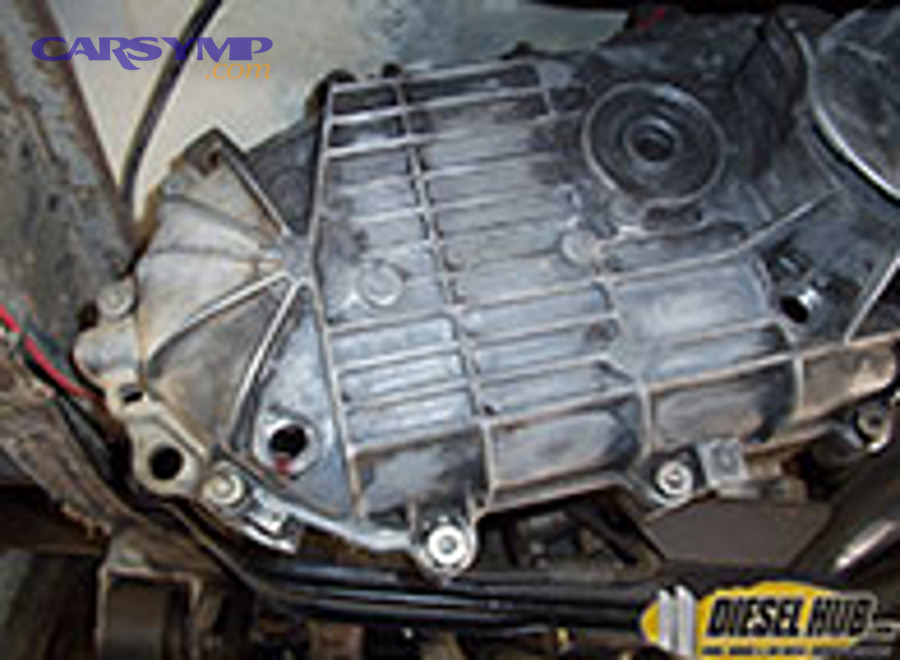
Is DIY safe for beginners?
Yes—DIY can be safe if you control three things: level vehicle, correct fluid spec, and correct final fill level.
A beginner-safe checklist looks like this:
- Use proper jack stands/ramps and keep the vehicle level for accurate leveling.
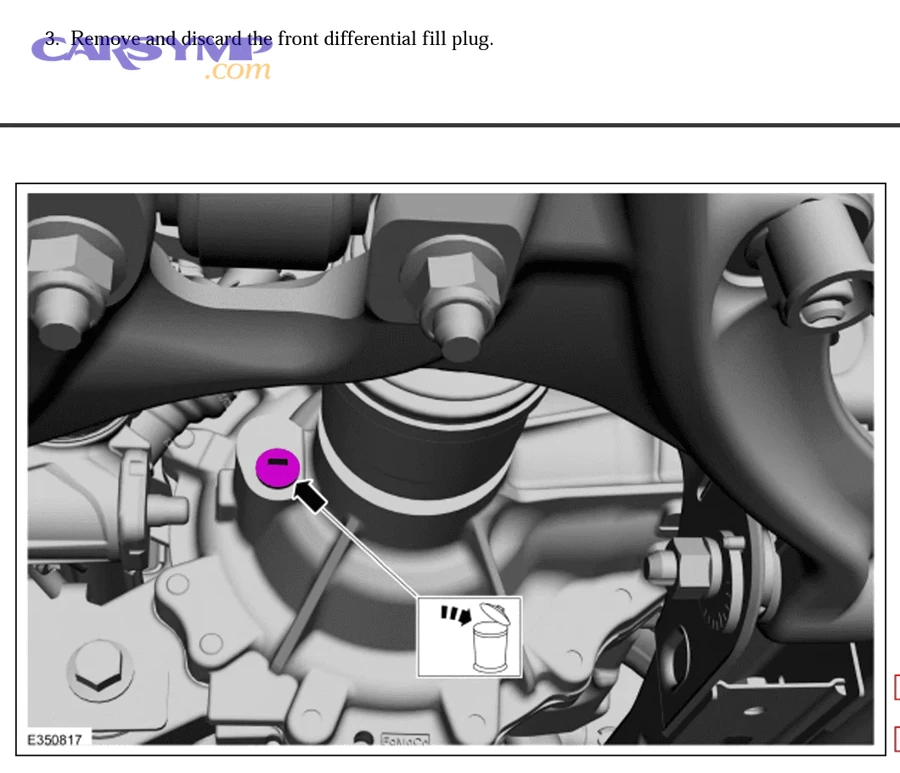
- Remove the fill plug first (so you don’t drain the unit and then discover you can’t refill it). Some procedure guides explicitly emphasize this order for practical reasons. (dieselhub.com)
- Confirm the exact fluid spec for each housing (transfer case especially).
- Fill slowly and stop at the correct level (often “fluid just begins to seep from fill hole” when level).
And if you want one skill that prevents most DIY disasters, it’s this: How to check fluid levels correctly—meaning level ground, correct temperature conditions when required, and correct fill-point interpretation for your specific drivetrain design.
What are the most common DIY mistakes?
These are the mistakes that turn a simple fluid service into noise, leaks, or damage:
- Using the wrong fluid type (common with transfer cases that require ATF-type fluid rather than gear oil).
- Overfilling or underfilling because the vehicle wasn’t level or the fill procedure was misunderstood.
- Stripping plugs (wrong tool engagement, using too much force, not cleaning the plug area first).
- Ignoring sealing surfaces (reusing crushed washers when the design expects replacement, or forgetting thread sealant where required).
- Not identifying limited-slip needs (some differentials require friction modifier or a fluid that includes it).
A good DIY habit is to photograph plugs before removal and to stage everything—fluid pump, catch pan, correct sockets—so you’re not improvising mid-service.
What should you ask a shop before approving the service?
If you’re paying a shop, three questions protect you:
- “Which fluid spec are you using for my transfer case and my differentials?” (Ask for the spec, not just a brand.)
- “Are you doing a drain-and-fill or an exchange?” (Language matters, because the procedure differs.)
- “Will you replace washers/gaskets/sealant as required, and will you check the magnet for abnormal debris?”
If the shop can’t answer clearly, that’s a sign they’re selling a generic package instead of a vehicle-correct service.
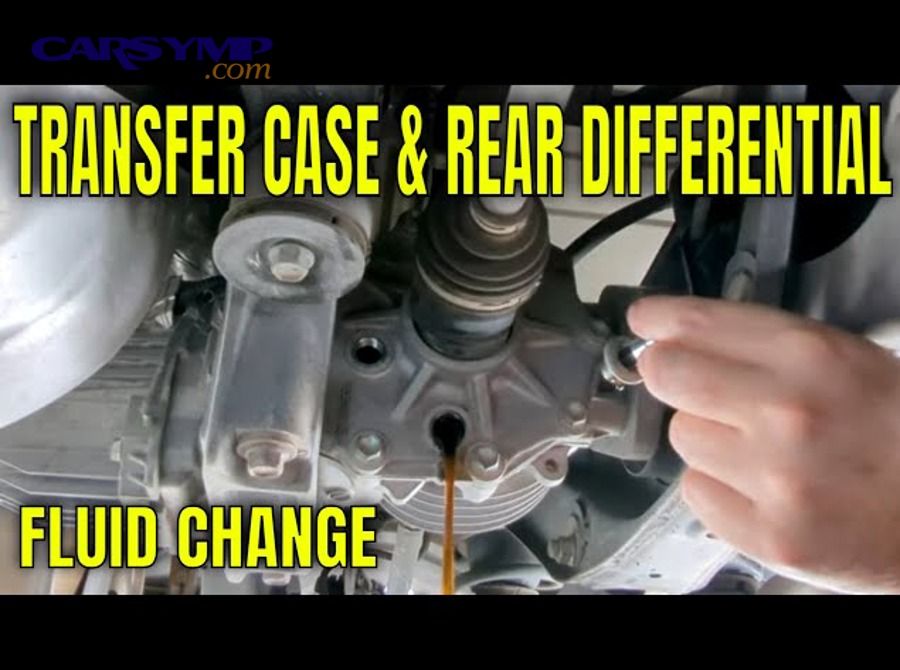
Optional video (DIY visual reference):
Contextual border
At this point, you know what the service is, whether you need it, when to schedule it, what symptoms to watch for, how much it can cost, and how to choose DIY vs shop. Next, we’ll expand into what happens when the service is skipped—or done incorrectly—so you can avoid the most expensive outcomes.
What happens if you skip the service (or use the wrong fluid)?
There are 4 main consequences of skipping differential and transfer case fluid service: accelerated wear, overheating/oxidation damage, contamination-driven corrosion or pitting, and drivability issues—while using the wrong fluid can trigger symptoms immediately by reducing film strength or upsetting clutch behavior.
In addition, this is where the “synonym trap” matters: calling everything “gear oil” can lead to the wrong product in a transfer case that needs a different fluid.
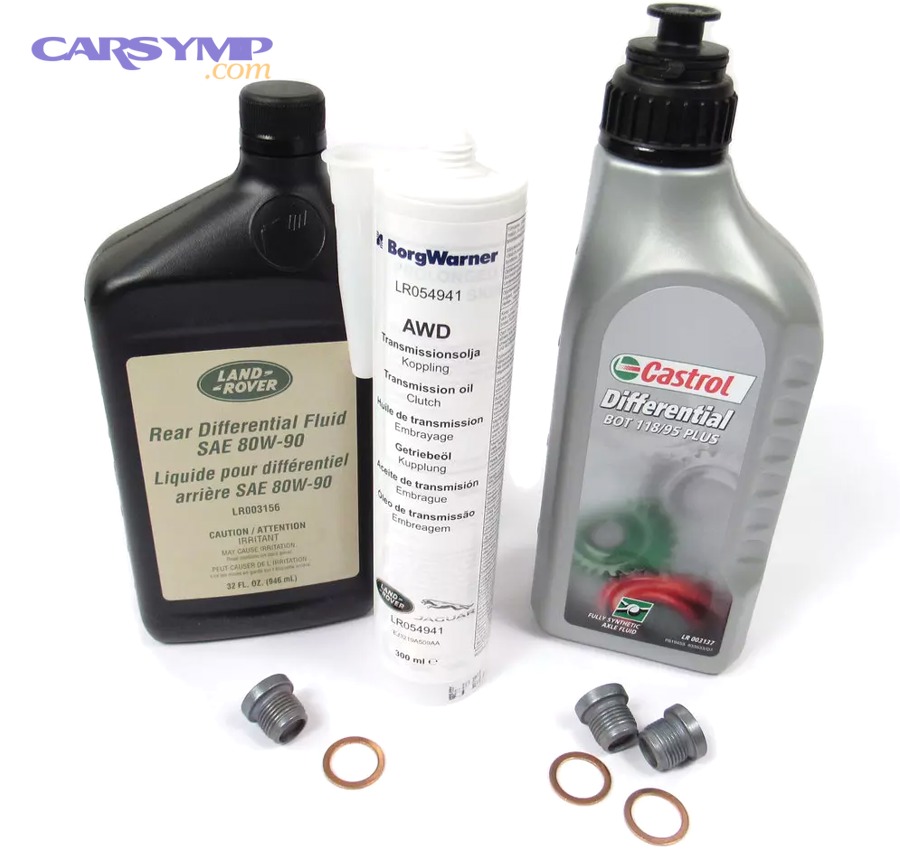
What damage can happen (wear, chain stretch, clutch pack chatter)?
Skipping service most often shows up as:
- Gear wear and bearing wear (differentials): noise under load, then permanent surface damage
- Chain stretch and sprocket wear (some transfer cases): engagement noise, vibration, slop
- Clutch pack chatter/shudder (some AWD/auto 4WD systems): wrong friction behavior, heat buildup
- Seal damage over time as heat cycles increase and contamination accelerates aging
This is not just theory. Gear and drivetrain research repeatedly shows that lubricant condition (viscosity, additives, contamination) influences wear behavior under load. (ntrs.nasa.gov)
Can the wrong fluid cause symptoms right away?
Yes, and it can happen fast for two reasons:
- Film thickness mismatch: Too-thick fluid may not circulate correctly in a system designed around a thinner fluid; too-thin fluid may not maintain load-bearing film strength.
- Friction behavior mismatch: A fluid not designed for clutch-controlled driveline parts can cause chatter, delayed engagement, or harshness.
Some transfer case service references explicitly warn against using gear oil in transfer cases designed for ATF-like fluid behavior and internal pumping. (dieselhub.com)
What’s the fastest way to avoid these failures?
The simplest “anti-failure” routine is:
- Use the correct spec fluid for each housing
- Follow a mileage-and-severity schedule
- Inspect for leaks and contamination at each oil change
- Keep records so the next interval is easy to hit
That’s what turns differential and transfer case fluid service from a confusing chore into a predictable maintenance win.