


A post-service fluid leak is preventable in most cases if you follow a leak-free routine right after maintenance: confirm the sealing parts were installed correctly, verify the contact surfaces are clean, and recheck after a short heat cycle so small drips don’t become a real loss of fluid.
Next, you’ll learn what “post-service fluid leak” actually means, why it shows up right after maintenance, and how to separate a harmless leftover spill from an active leak that needs immediate attention.
In addition, you’ll get a practical inspection order (drain plug → filter gasket → lines and fittings) plus a quick method to confirm the true source without guessing, so you don’t waste time “fixing” the wrong part.
Introduce a new idea: below is a step-by-step, intent-matched guide that turns any fluid service into a repeatable checklist you can follow every time.
What does “post-service fluid leak” mean, and why does it happen right after service?
A post-service fluid leak is an active seep or drip that appears soon after maintenance because a sealing surface, gasket, washer, fitting, or clamp was disturbed during service and didn’t reseal perfectly.
To better understand why this matters, it helps to separate “fresh leak” signals from normal cleanup residue and then connect each symptom to the most likely touched components.
A fluid service changes the conditions that were “holding” a marginal seal together. When you remove a drain plug, swap an oil filter, disconnect a cooler line, or open a coolant hose, you replace compression and friction with new contact pressure. That’s good—when it’s done correctly. But if the washer is reused, the gasket is mis-seated, or the threads are slightly damaged, the system will often reveal the problem right away.
Think of it like this: the service didn’t always “create” the leak; it often exposes a weak point while you still have time to correct it safely. That’s why a leak-free check should happen immediately after the job and again after a short drive.
Is a small drip after service ever “normal,” or is it always a problem?
No—an ongoing drip after a fluid service is not “normal,” because an active drip means the system is not sealed, and the leak can accelerate as fluid warms, thins, and pressure changes.
Then, the practical question becomes how to tell a harmless leftover spill from an active leak—and you can do that with three simple reasons:
- Active leaks renew themselves: If you wipe the area dry and the wetness returns, you’re seeing a real leak, not residue.
- Active leaks change the fluid level: A real leak trends toward a drop on the dipstick, reservoir, or sight method (even a small drop can matter for brake fluid).
- Active leaks show a “source point”: A fresh ring around a drain plug, a wet halo at an oil filter base, or a line fitting that stays damp after wiping is a seal failure, not a spill.
To illustrate, a few drops that appear only once—right after you start the engine—can be leftover oil that was spilled on the pan or skid plate during refilling. But if the same drop pattern appears after the next drive, you should treat it as an active leak.
A simple “wipe-and-wait” check works better than guessing:
- Wipe the suspected area clean with a lint-free rag.
- Start the engine (or bring the system up to normal temp if safe).
- Look for fresh wetness forming at one specific point.
- Place clean cardboard under the car overnight to confirm whether drips persist and where they land.
If you see fluid near hot exhaust parts, treat it as urgent even if the drip is small, because heat can turn a minor seep into smoke, odor, and a fire-risk situation.
Which fluids are most likely to leak after service, and how can you tell them apart?
There are 5 main types of post-service fluid leaks—engine oil, transmission fluid, coolant, power steering fluid, and brake fluid—based on where the system is serviced and how the fluid behaves.
More specifically, you can identify them fast using location, color/feel, and urgency:
- Engine oil: Often brown/amber to dark, slippery, usually found near the oil pan drain plug or oil filter area after an oil-change fluid service.
- Transmission fluid (ATF/CVT fluid): Often red/pink (varies by type), slick, can appear near the transmission pan, cooler lines, or service plugs after a transmission service.
- Coolant: Often bright (green/pink/orange depending on type), watery feel, sweet-ish odor; shows near hose connections, radiator drain, thermostat housing, or reservoir after coolant service.
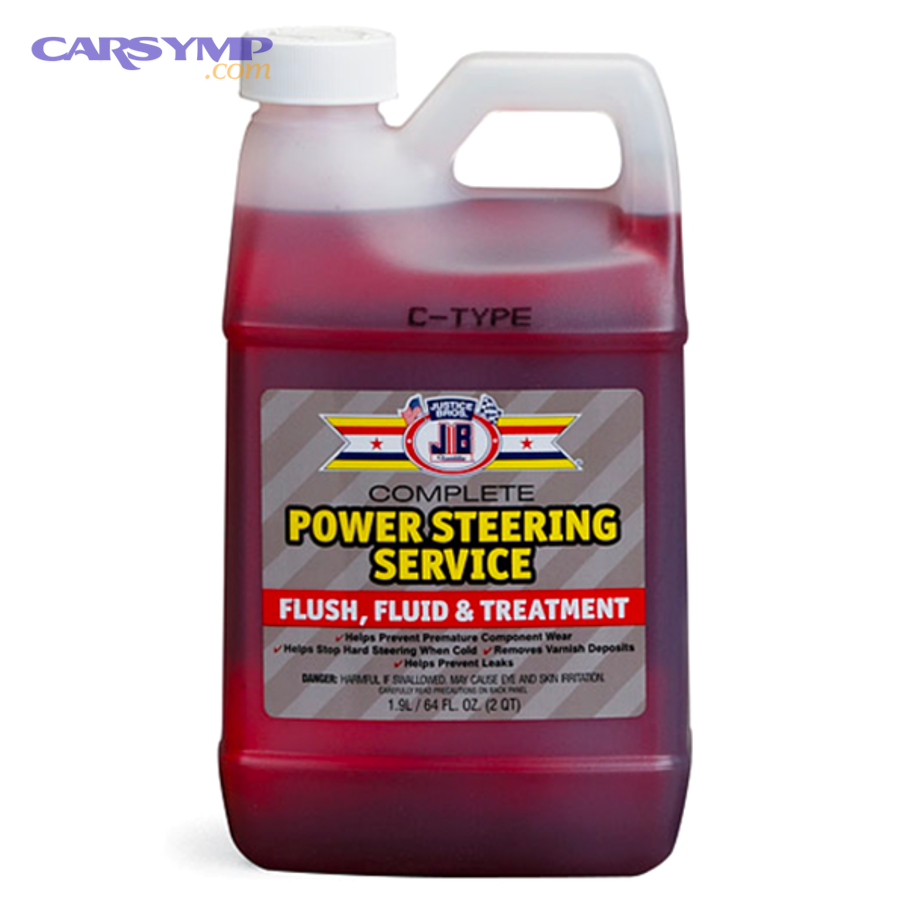
- Power steering fluid: Similar slick feel to ATF on many vehicles; shows near hose fittings, pump connections, or reservoir if those were disturbed.
- Brake fluid: Usually clear to light amber, slick but thinner; extremely high priority because any leak can reduce braking ability and damage paint.
A leak-free mindset is to rank urgency by safety: brake fluid first, then coolant if overheating risk, then engine oil if leaking near exhaust or losing level, then transmission/power steering based on rate and drivability symptoms.
Where should you check first to prevent leaks after a fluid service?
There are 3 main areas you should check first—drain plug/washer, filter gasket or housing seal, and disturbed lines/fittings—based on what was physically loosened during the service and what fails most often.
Next, you’ll use that order to run a fast leak-free checklist that catches 80% of post-service leaks in minutes.
The key is to start with the most common “seal points” because they are the easiest to confirm and the easiest to correct before you drive. You are not trying to inspect the entire vehicle; you’re trying to verify the exact components you just touched.
Is the drain plug and washer sealed correctly (and what’s the fastest way to confirm)?
Yes—the drain plug and washer can be confirmed as sealed quickly if you check for a dry sealing ring, correct washer presence, and stable tightness, because those three checks match the three most common post-service failures: missing/flattened washer, loose plug, and damaged threads.
Then, use this fastest confirmation routine:
- Look for a dry ring: The area around the drain plug should be dry after wiping. A fresh wet ring that reappears is a seal failure.
- Confirm the washer exists and matches: Many vehicles use a crush washer (often aluminum or copper). Reusing an old washer can reduce sealing force.
- Confirm the plug is snug—not “gorilla tight”: Over-tightening can deform the pan threads; under-tightening allows seepage.
A practical leak-free technique:
- Wipe the drain plug area clean.
- Idle the engine for 2–3 minutes (enough to get oil flowing).
- Shut down and inspect immediately with a light.
- Recheck after a short drive (heat changes can reveal a micro-seep).
If you find fresh wetness at the plug, the “fix” is not always more tightening. A damaged washer or cross-threaded plug will keep leaking even if you crank it harder.
Is the oil filter or filter housing gasket seated properly ?
Yes—you can confirm the oil filter or housing gasket is seated if the mounting surface is clean, the gasket is lubricated, and the filter/housing is tightened to the correct method, because those steps prevent the two most common failures: mis-seating and double-gasketing.
Moreover, the fastest double-gasket clue is a sudden oil leak around the filter base shortly after startup.
A double-gasket happens when the old rubber gasket sticks to the engine’s filter adapter and the new filter’s gasket seals on top of it, creating an unstable “stack.” A major preventive habit is to visually confirm the old gasket came off with the old filter and to inspect the mounting surface before installing the new filter. AutoZone’s oil-change steps specifically warn to ensure the old oil filter gasket isn’t left behind because it can stick to the housing. (autozone.com)
Use this leak-free filter checklist:
- Inspect the mounting surface: It should be smooth and clean, free of old rubber or grit.
- Lubricate the new gasket: A light film of clean oil helps the gasket seat evenly rather than twist.
- Tighten correctly: Many spin-on filters are “hand-tight plus a fraction turn” (vehicle-specific). Over-tightening can distort the gasket; under-tightening can seep.
If you have a cartridge filter housing:
- Confirm the O-ring is installed in the correct groove (some housings have multiple grooves).
- Confirm the cap is torqued correctly (plastic housings can crack if overtightened).
- Confirm any small drain plug on the housing has its seal.
Are lines, clamps, fittings, and service ports dry after a heat cycle?
Yes—lines, clamps, fittings, and service ports should be bone-dry after a heat cycle, because temperature changes expand materials, thin fluids, and increase system pressure, which is exactly when small sealing mistakes reveal themselves.
Especially after a fluid service, a short drive is the stress test that confirms real-world sealing.
Run this heat-cycle recheck:
- Drive 10–15 minutes under normal conditions.
- Park on a level surface.
- Inspect the exact disturbed points: cooler line connections, hose clamps, bleeder screws, service plugs, reservoir caps.
- Look for fresh wetness forming at the fitting—not just drips below.
If you serviced transmission fluid, inspect:
- Transmission pan perimeter (gasket seep)
- Drain plug (if present)
- Cooler lines at the radiator or external cooler
If you serviced coolant, inspect:
- Upper and lower radiator hose connections
- Thermostat housing area
- Radiator drain petcock area (if used)
- Expansion tank seams and cap area
These checks prevent the “it was fine in the garage” problem: many leaks only show up after pressure and heat do their work.
How do you confirm the exact leak source quickly without guessing?
Confirming the exact leak source is a clean-trace process: clean the suspected area, run the system briefly, then trace fresh wetness from the highest point down to the drip, because gravity and airflow make drips lie about where the leak started.
Next, you’ll apply a simple method that turns a messy undercarriage into a clear “first wet spot” diagnosis.
When people guess, they often replace the wrong part or tighten the wrong bolt, which can create new leaks. A leak-free approach is to force the leak to show you its origin.
Should you clean the area first before diagnosing the leak?
Yes—you should clean the area first because it removes old residue, reveals the first fresh wet spot, and prevents false trails caused by pooled fluid on shields or crossmembers.
Then, once the surface is clean, diagnosis becomes a short observation instead of a long debate.
Use safe cleaning habits:
- Work on a cool engine whenever possible.
- Use a rag and a mild degreaser where appropriate.
- Avoid blasting sensitive electrical connectors.
- Dry the area so you can spot new wetness.
After cleaning, run the system just long enough to reveal fresh seepage:
- Oil: idle 2–5 minutes, then inspect
- Coolant: warm to operating temp (only if safe), then inspect
- Power steering: turn wheel lock-to-lock briefly, then inspect (don’t hold at full lock long)
- Brakes: do not “test” leaks by pumping aggressively; inspect at the reservoir, lines, and calipers carefully
What’s the best way to map drip location to the real source (top-down tracing)?
The best method is top-down tracing: find the highest fresh wet point above the drip and follow the wet path downward, because the drip point is usually downstream from the source due to gravity, airflow, and vehicle underbody shapes.
To begin, treat drips as “where it ended,” not “where it started.”
Use a structured tracing routine:
- Identify where the drip hits the ground (cardboard helps).
- Look straight up for the lowest wet surface.
- Move upward and forward (toward the engine/transmission) until you find the highest wet point.
- Confirm by wiping that point and watching it re-wet.
Watch for common “drip misdirection” features:
- Undertrays/splash shields: Fluid can pool then drip far from the source.
- Crossmembers: Fluid runs along seams then drips at a corner.
- Airflow: Driving can blow fluid rearward, making the leak appear farther back.
If you’re unsure, a quick trick is to dust a dry surface lightly with talcum powder or chalk dust after cleaning; new fluid will create a visible track through the powder.
Which leak patterns point to “service mistake” vs “pre-existing seal failure”?
Service mistake patterns dominate at the exact touched components, while pre-existing seal failures usually seep from older gaskets and seals away from the fresh work area, so the strongest clue is location plus timing.
However, the most reliable classification comes from three comparisons:
- Timing: Immediate dripping right after the service points strongly toward a touched seal (plug, filter, hose).
- Location: Wetness centered on the drain plug, oil filter base, or a newly disturbed fitting points to a service-related issue.
- Surface condition: A clean, sharp wet trail often indicates a recent sealing failure; a wide, grimy “wet dirt” buildup suggests a long-term seep.
For example:
- Oil leaking from the filter base within minutes of startup suggests gasket seating or double-gasket risk.
- Coolant seeping at a hose neck right after a coolant service suggests clamp placement or hose seating.
- A slow oil seep at a valve cover gasket that was never touched is more likely pre-existing.
This distinction matters because it tells you whether you should correct a specific assembly step or plan a separate repair.
What should you do if you find a leak after service—tighten, replace, or stop driving?
A post-service leak decision is a comparison: tightening is appropriate for a clearly loose fastener, replacing is best when a seal/washer/gasket is compromised, and stopping is mandatory when the leak involves brake fluid, overheating risk, or oil on hot exhaust.
In addition, you’ll use a safety-first decision tree so you don’t “drive it and see” when the risk is high.
A leak-free mindset is to prioritize rate + fluid type + location:
- Rate: drip every few seconds vs damp film
- Fluid type: brake fluid is never “wait and see”
- Location: leaks onto exhaust or belts escalate fast
Is it safe to drive with a post-service leak if the fluid level is “still okay”?
No—it’s not automatically safe to drive just because the level looks okay, because the leak rate can increase with temperature, and some fluids (especially brake fluid and coolant) can create a sudden safety failure before the reservoir looks “empty.”
Then, apply these three reasons to make a safer call:
- Brake fluid leaks can cause braking loss even with small volume changes because the system relies on pressure integrity.
- Coolant leaks can trigger overheating quickly, and overheating can cause expensive engine damage.
- Oil leaks onto hot exhaust or belts can become smoke, smell, fire risk, or belt slip, even if the dipstick still shows oil.
Use a practical rule set:
- Stop driving immediately if you see brake fluid leaks, overheating, steam, or oil dripping onto the exhaust.
- Drive only to a safe repair location (short distance) if the leak is minor oil seep away from exhaust, and the level remains stable—but only after confirming it’s truly minor and not accelerating.
- Do not “test-drive” a transmission leak that is actively dripping; low ATF can quickly create shifting problems.
If the leak is fast enough to form a puddle in minutes, treat it as urgent.
Should you re-torque components (plug/filter/fittings), or does that risk making it worse?
Re-torquing wins when the fastener is clearly under-tightened, but it risks making things worse when threads are damaged or seals are already compromised, so the safest approach is “verify correct seal first, then torque to spec.”
On the other hand, blindly tightening often turns a small leak into stripped threads or cracked housings.
A safe re-torque approach:
- Use the correct tool and access angle (no rounding).
- Tighten in small increments.
- Stop if resistance feels wrong (spongy, gritty, sudden free-spin).
- Prefer a torque wrench when the component is known to be sensitive (plastic filter caps, aluminum pans).
Examples of “don’t tighten—replace instead” situations:
- Drain plug leak with a visibly flattened or missing crush washer
- Oil filter leak caused by a damaged gasket surface or double-gasket
- Transmission pan leak caused by a pinched gasket
- Coolant hose leak caused by a cracked plastic neck (tightening clamp can crack it further)
When should you return to the shop instead of DIY fixing it?
There are 4 clear cases where returning to the shop is the best move—brake fluid leaks, stripped threads/cracked housings, leaks involving sealed or temperature-dependent procedures (some transmissions), and any leak that worsens after a wipe-and-recheck—based on safety, liability, and proper tooling.
More importantly, returning early often prevents secondary damage.
Return to the shop when:
- The leak involves brake fluid or any brake component
- You suspect stripped drain plug threads or a cracked oil filter housing
- The vehicle uses a sealed transmission procedure you can’t verify
- You see coolant overheating symptoms or repeated coolant loss
- The leak persists after a proper reseat/washer replacement attempt
- The service was done under warranty or recent invoice—documentation matters
If you go back, bring:
- Photos of the wet point and puddle
- The service receipt and mileage
- A short timeline: “leak appeared within X minutes/miles after fluid service”
This improves the chance of a fast, fair resolution.
How can you prevent repeat leaks the next time you service fluids?
Preventing repeat leaks comes down to a leak-free workflow: use the correct sealing parts, prep sealing surfaces, tighten using the correct method, verify fluid level, and perform a post-drive recheck, because most comeback leaks come from small assembly shortcuts.
Next, you’ll turn that workflow into habits you can repeat for every fluid service, not just oil changes.
To connect this to broader maintenance, this is where a Brake/coolant/power steering fluid service overview becomes useful: each system has different pressure, temperature, and sealing behaviors, so your prevention steps must match the system, not just the tool.
Here’s a short table explaining what the next section covers and why it prevents leaks after maintenance:
| Prevention focus | What it controls | Why it reduces post-service leaks |
|---|---|---|
| Correct seal parts (washers, O-rings, gaskets) | Sealing force and contact area | Prevents seep paths and “can’t tighten it away” failures |
| Surface prep | Debris and old gasket residue | Prevents gaps that leak under pressure |
| Correct tightening method | Thread integrity and gasket compression | Prevents stripped threads and pinched gaskets |
| Heat-cycle recheck | Thermal expansion and pressure changes | Catches micro-seeps before they become fluid loss |
To include the secondary intent that many readers have, you should also understand a Fluid flush vs drain-and-fill comparison: a flush moves more fluid and may disturb more connections (raising the importance of post-service checks), while drain-and-fill is simpler but may require more frequent repeats depending on system recommendations.
Do you need a post-service recheck after the first drive (and what exactly should you recheck)?
Yes—you need a post-service recheck after the first drive because heat and pressure reveal micro-seeps, because fluid can redistribute on shields and crossmembers, and because the fluid level can settle after circulation.
Then, use this exact recheck list:
- Look for fresh wetness at the drain plug, filter base, and disturbed fittings
- Check for new drips on cardboard under the vehicle
- Verify fluid levels after the vehicle cools (oil dipstick, coolant reservoir marks, brake reservoir line, etc.)
- Smell-check for burning oil or coolant odor near the engine bay
- Scan the undertray area (if accessible) for pooled fluid
For coolant and brake systems, follow manufacturer cautions about checking levels and opening caps when hot. The goal is not to constantly open systems; the goal is to confirm stability.
Evidence matters most for safety-critical systems: according to a study published in Periodica Polytechnica Transportation Engineering by researchers affiliated with universities including the University of Žilina (published 2021), the share of tested vehicles with poor brake fluid quality increased from about 6% to around 25% over one year, and standards cited in the paper show brake fluid boiling points drop substantially as water content rises. (pp.bme.hu)
Which mistakes cause most “comeback leaks,” and how do you avoid them?
There are 7 main mistakes that cause comeback leaks—reused washers, leftover gasket material, double-gasketing, wrong tightening method, dirty sealing surfaces, misrouted or poorly seated hoses, and skipped heat-cycle rechecks—based on what most commonly breaks the seal right after service.
Moreover, each mistake has a specific prevention habit that makes your next fluid service leak-free.
- Reusing a crush washer
Avoid it: replace the washer when required; confirm correct size and material. - Leaving old gasket residue on the mating surface
Avoid it: wipe the sealing surface and confirm it’s clean and smooth. - Double-gasketing the oil filter
Avoid it: visually confirm the old gasket came off; inspect the mounting surface with a light before installing the new filter. (autozone.com) - Over-tightening and stripping threads
Avoid it: use the correct torque method; stop if the fastener feels wrong; don’t use extra leverage “just to be sure.” - Under-tightening due to fear of damage
Avoid it: follow the correct method (hand tight plus specified turn, or torque spec for housings). - Poor hose clamp placement after coolant or power steering service
Avoid it: place clamps behind the hose bead and confirm hose is fully seated. - Skipping the recheck
Avoid it: build the 10–15 minute heat-cycle inspection into your routine, every time.
If you adopt only one habit, make it this: wipe, run, inspect, recheck—because it catches the small problems while they’re still small.
What advanced methods and edge cases help you find stubborn leaks (and keep things leak-free)?
Advanced leak-finding uses tool-assisted confirmation (UV dye, pressure tests, vacuum filling) and edge-case awareness (undertrays, sealed transmissions, special coolant loops) to keep your vehicle leak-free when the basic checklist doesn’t reveal the source.
Next, you’ll expand from the primary intent into micro-level scenarios that commonly hide leaks after fluid service.
When should you use UV dye and a blacklight to trace a leak?
Use UV dye and a blacklight when the leak is slow, intermittent, or spreads across surfaces so widely that visual tracing can’t isolate the origin, because dye turns a confusing film into a clear glowing path.
Then, the method becomes a comparison of certainty: UV tracing often beats “wipe-and-guess” for micro-leaks.
Best use cases:
- Slow oil seep that only appears after highway driving
- Coolant seep that evaporates on hot surfaces and leaves little residue
- Power steering seep that spreads around hose fittings
How to use it safely:
- Use the correct dye for the fluid type (oil vs coolant vs ATF).
- Add the recommended small amount.
- Run the vehicle through a normal heat cycle.
- Inspect with a UV light in a darker area to spot the bright trace.
If you find dye around a fitting you just serviced, you’ve confirmed a post-service sealing issue rather than a random drip.
How can undertrays/splash shields create a “false leak source,” and how do you verify it?
Undertrays and splash shields create false sources by catching spilled fluid, pooling it, and dripping from the lowest corner far away from the actual leak point, so the drip location becomes misleading.
However, you can verify this quickly by inspecting above the tray and checking for pooled fluid patterns.
Verification steps:
- Look for wetness on top of the tray near the service area (if visible).
- Check tray fasteners and seams where fluid can exit.
- If safe and accessible, partially lower the tray and inspect the components directly above it.
- Clean the tray and recheck after a short drive to see if new fluid appears.
A leak-free habit after any messy fluid service is to wipe the tray area and crossmembers so old spills don’t mask a new seep.
How do sealed transmissions (CVT/DSG) and specific fill procedures change leak prevention after service?
Sealed transmissions and temperature-dependent fill procedures change leak prevention because the correct fluid level and sealing verification often depend on fluid temperature, special plugs, and controlled overflow methods, so “just top it off” can lead to leaks, aeration, or drivability problems.
In addition, many of these units require careful tightening and correct gasket placement at service plugs and pan edges.
Key leak-free checks for these systems:
- Inspect around service plugs and overflow tubes for fresh wetness
- Verify pan gasket seating and bolt pattern torque method
- Recheck cooler line connections after a heat cycle
- Confirm no seep at the fill adapter or quick-connect fittings
If you cannot confirm fill temperature requirements or don’t have the correct tool access, returning to a qualified shop is often the safest path.
What makes coolant services leak-prone (bleeding, vacuum fill, air pockets), and how do you prevent “phantom leaks”?
Coolant services become leak-prone because trapped air, imperfect hose seating, and pressure cycling can mimic leaks or push coolant out of weak seals, so you need correct bleeding or vacuum fill plus repeated checks to prevent phantom leaks.
Then, your goal is twofold: prevent real seepage and avoid misdiagnosing “burps” as a failed gasket.
What causes “phantom leak” symptoms:
- Air pockets expanding and pushing coolant into the reservoir
- A cap that vents early due to age or debris
- A hose clamp that seals cold but seeps hot
- Coolant spilled during refill that later drips from a bracket
Leak-free prevention steps:
- Use the correct bleed procedure if the system requires it.
- Confirm hose clamps sit behind the bead and the hose is fully seated.
- Recheck connections after reaching operating temperature and cooling down.
- Inspect for fresh wetness at the exact service points, not just under the car.
Evidence helps emphasize why coolant and brake systems deserve extra care: the brake fluid study cited earlier reports boiling point thresholds for new fluid versus fluid with elevated water content and shows measurable quality deterioration over time, reinforcing why fluid condition and sealing integrity directly affect safety. (pp.bme.hu)