


Most drivers can get a realistic cost estimate for common fluid services by using a simple rule: price is driven by fluid type + vehicle spec + labor access, so an accurate estimate is always a range until a shop matches your exact fluid and procedure. In practice, you can predict your likely out-the-door cost by identifying the service type (change vs exchange vs flush), your vehicle’s required fluid, and whether the job needs extra parts like filters, gaskets, or scan-tool steps.
Next, you’ll want to understand what shops actually mean when they recommend maintenance like “coolant exchange” or “brake fluid flush,” because those labels can hide big differences in what’s included—and that’s where pricing jumps.
Then, you can narrow your estimate further by knowing the three variables that most often inflate quotes: specialty fluids, difficult access, and add-on parts or diagnostics.
Introduce a new idea: once you see how the estimate is built, you can decide whether to DIY, bundle services, or request an apples-to-apples quote that’s fast and accurate.
What does “fluid service” mean, and why do shops recommend it?
A fluid service is a manufacturer-scheduled maintenance procedure (from the vehicle’s service schedule) that refreshes a working fluid by draining, exchanging, or flushing it—often paired with inspection—so the system keeps lubricating, cooling, or transferring pressure as designed.
To better understand why shops recommend it, start by linking the service to what the fluid actually does: each fluid either reduces friction, moves heat, prevents corrosion, or transmits hydraulic force, and those functions degrade over time.
Which vehicle fluids are considered “common fluid services”?
Most “common” services fall into a predictable set of fluids that nearly every car uses, plus a few that depend on drivetrain:
- Engine oil + filter (lubrication, heat removal, contamination control)
- Engine coolant/antifreeze (heat transfer, corrosion protection)
- Brake fluid (hydraulic pressure transfer, boiling-point safety margin)
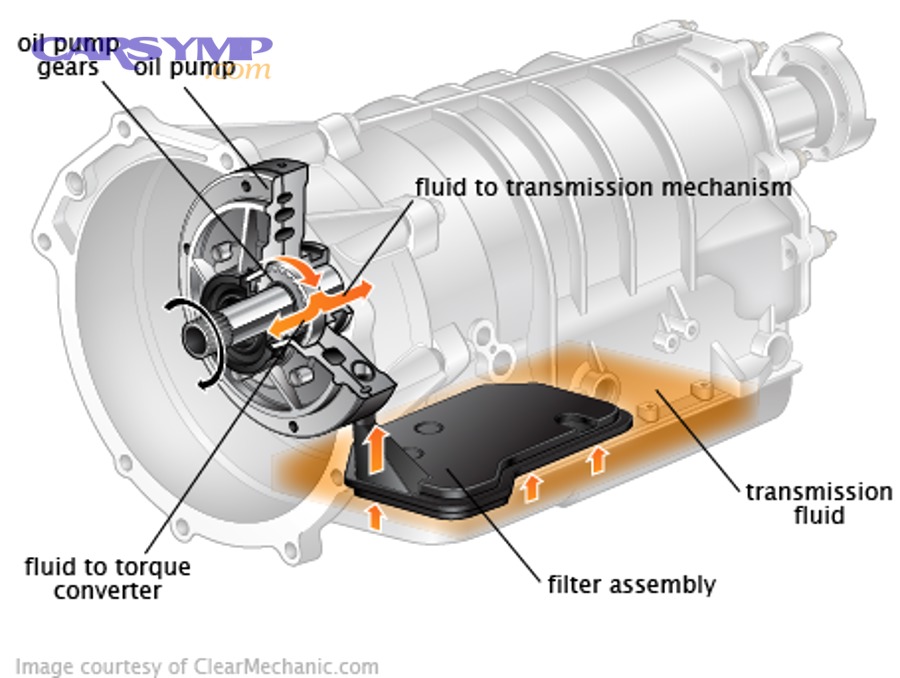
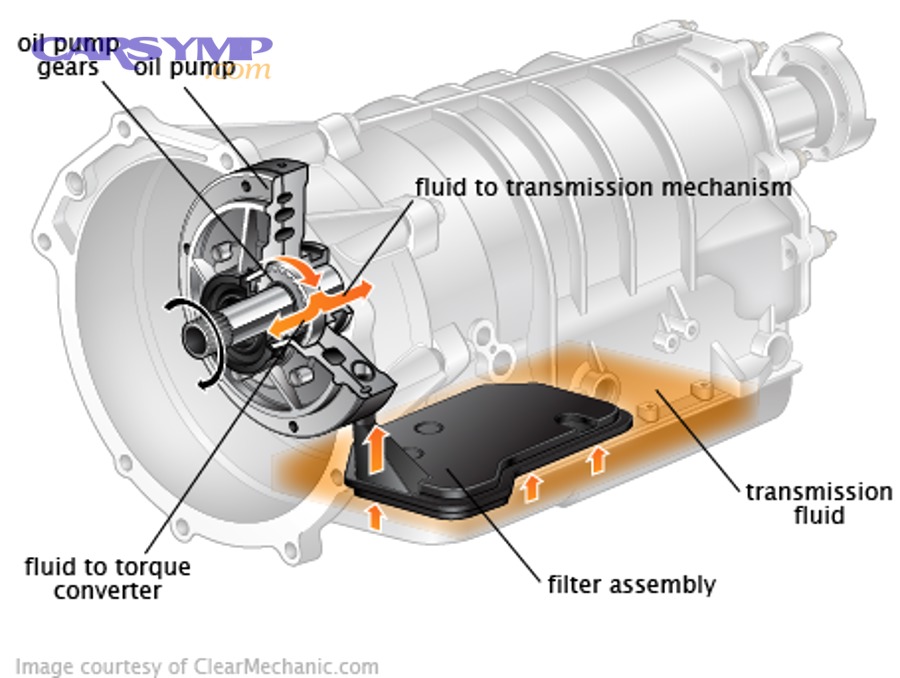
- Transmission fluid (lubrication, hydraulic control, cooling)
- Power steering fluid (hydraulic assist; sometimes shared with other systems)
- Differential / transfer case fluid (for RWD/AWD/4WD drivetrains; gear protection)
A key pricing insight is that shops may group these under one umbrella term, but each fluid has different specs, capacities, filters, and labor steps, so each one should be estimated separately before you compare quotes.
How do fluids break down over time?
Fluids don’t “expire” in one way—they degrade through multiple mechanisms, and each mechanism maps to a specific risk:
- Heat cycling breaks down additives and can darken fluid.
- Oxidation thickens lubricants and can form varnish or sludge.
- Moisture absorption lowers boiling point (especially in brake fluid).
- Contamination (metal particles, clutch material, gasket debris) increases wear.
- Additive depletion reduces corrosion protection in coolant and gear fluids.
According to a study by National Taipei University of Technology from the Department of Mechanical Engineering, in 2006, researchers reported that brake fluid’s hygroscopic nature allows moisture uptake, and that moisture in DOT 3 brake fluid correlates with measurable property changes that can degrade braking function.
What happens if you delay a needed fluid service?
Delaying isn’t automatically catastrophic—but it increases the odds you’ll pay for repairs instead of maintenance:
- Oil: more abrasive wear and deposits; higher risk under hard driving.
- Coolant: weaker corrosion protection, higher deposit risk, overheating under load.
- Brake fluid: softer pedal under heat, higher internal corrosion risk in hydraulics.
- Transmission fluid: harsher shifting, higher temperature, accelerated wear of control components.
- Gear fluids (diff/transfer case): noisy operation, accelerated gear wear, seal stress.
The practical takeaway: if a quote feels high, don’t skip blindly—ask what the shop found (fluid condition, contamination, leaks) and whether the service is preventive or corrective.
How much should common fluid services cost?
There are 4 main cost ranges for common fluid services—oil, coolant, brake, and transmission—based on fluid type, capacity, and whether the job is a basic drain/refill or a full exchange/flush.
Next, use cost ranges as your baseline and then adjust for your vehicle’s fluid spec and the procedure type (change vs flush), because that’s where “same service” quotes can differ by $100+.
Before the details, here’s a quick reference table showing typical U.S. price ranges and what’s usually included (your exact number varies by vehicle, location, and shop type):
| Service (common) | Typical range (parts + labor) | What’s usually included |
|---|---|---|
| Engine oil + filter change | $50–$120 | Oil + filter, basic inspection, reset reminder (varies) |
| Coolant exchange/flush | $131–$209 average | Drain/exchange coolant, refill/bleed; may include pressure test add-on |
| Brake fluid flush | $173–$205 average | Flush/bleed system, refill with spec fluid, test pedal feel |
| Transmission fluid change | $150–$175 (change) | Drain/refill, often no full exchange unless requested |
| Transmission fluid flush/exchange | $165–$290 (flush) | Machine exchange/flush method varies by shop |
| Power steering flush (if applicable) | $172–$204 average | Exchange/flush, refill, inspect hoses/pump |
| Differential drain/refill | ~$90–$200+ | Drain/refill gear oil; friction modifier if needed |
| Transfer case drain/refill | ~$90–$250+ | Drain/refill; fluid spec can be unique |
Note: Differential and transfer case fluid service is often priced like a “gear oil” job, but AWD/4WD packaging and special fluids can raise labor and parts.
What is the typical cost range for an engine oil and filter change?
An oil and filter change typically costs $50–$120, with the low end covering conventional oil on common vehicles and the high end reflecting full synthetic, larger capacities, premium filters, or higher labor rates.
Specifically, the biggest pricing levers are oil type (conventional vs synthetic), engine capacity, and filter cost. If your vehicle uses a cartridge filter, a skid plate, or a hard-to-access drain/filter setup, labor can rise modestly.
Use this as an estimate “anchor” because many shops bundle an oil change with inspections that can surface other needed services—sometimes legitimately, sometimes as upsells.
What is the typical cost range for a coolant exchange or flush?
A coolant exchange or flush typically averages $131–$209, depending on whether the shop is doing a straightforward exchange or addressing added steps like bleeding procedures, housing access, or leak diagnosis.
More specifically, the cost swings when:
- Your engine requires a specific coolant chemistry (and mixing is not allowed).
- The system needs proper bleeding/vacuum fill to avoid air pockets.
- There’s evidence of contamination (rust, oil mixing) or a leak.
According to a study by Chonnam National University from the Department of Materials Science and Engineering, in 2023, researchers found that adding a corrosion inhibitor to an ethylene glycol–water coolant environment helped form a more robust passive film and improved pitting corrosion resistance in aluminum alloys—supporting why correct coolant chemistry matters beyond “just keeping it cool.”
What is the typical cost range for a brake fluid flush?
A brake fluid flush typically averages $173–$205, and the difference usually comes down to fluid spec (DOT 3/4/5.1), bleeding method, and whether the shop includes a full-system bleed at each wheel.
However, brake work is safety-critical, so shops may include extra steps (test drive, ABS bleed procedure, inspection of rubber hoses) that raise labor but also improve confidence that the pedal feel and braking performance are correct.
If your estimate seems high, ask one clarifying question: “Is this a full flush at all four corners, and does it include any ABS bleed procedure if needed?” That single line often exposes whether you’re comparing apples to apples.
What is the typical cost range for a transmission fluid service?
A transmission fluid change is commonly $150–$175, while a flush/exchange is often $165–$290, because the method and the total fluid volume differ—and some vehicles require special steps, filters, or scan-tool procedures.
To illustrate why this matters: a “change” might replace only what drains from the pan, while an “exchange” aims to replace more of the fluid. Neither is universally “better” without context—what matters is manufacturer guidance and the transmission’s condition.
According to a study by Universiti Teknologi MARA from the Faculty of Mechanical Engineering, in 2019, researchers using FTIR oil analysis reported that contaminated automatic transmission fluid (including glycol contamination scenarios) can contribute to wear, corrosion, sludging, and lubricant breakdown—supporting the idea that fluid condition, not just mileage, should influence service decisions.
What factors change a fluid service cost estimate?
There are 3 main factors that change a fluid service cost estimate—vehicle/fluid specification, labor access and time, and parts/extras—and most quote differences are explained by one (or more) of these.
More importantly, once you identify which factor is driving the price, you can request a clearer line-item quote instead of guessing whether the shop is overcharging.

Does your vehicle type and fluid spec change the price?
Yes—fluid spec can be the #1 price lever because many modern vehicles require specific formulations that cost more and must not be mixed.
Common examples that raise estimates:
- CVT fluids (often more expensive and procedure-sensitive)
- Special OEM coolant chemistries
- European brake fluid specs (higher boiling point requirements)
- Limited-slip differential additives
- Sealed transmissions requiring temperature-based fill procedures
If a shop quotes a low number, confirm they’re using the correct spec. The cheapest quote is often the one most likely to “unquote” later when the right fluid is pulled up by VIN.
Do labor time and access difficulty change the price?
Yes—access and procedure complexity can double labor time even when the fluid cost is the same.
Labor tends to rise when:
- Undertrays/skid plates must be removed
- The system needs bleeding or vacuum filling
- Filters are internal (transmission pan filter) or require extra disassembly
- Fill ports are awkward and require special pumps/adapters
- The job includes cleaning mating surfaces and replacing seals
This is why the same “coolant flush” is cheaper on one vehicle and far more expensive on another.
Do parts and extras raise the quote?
Yes—parts and “extras” are often the hidden reason estimates jump.
Typical add-ons include:
- Filters (oil, transmission pan, sometimes screen filters)
- Gaskets and O-rings
- Drain/fill plug crush washers
- Shop supplies and hazardous waste disposal
- Diagnostics (pressure test, scan codes, leak tracing dye)
A good quote lists these explicitly. A vague quote often hides them until checkout.
Which is better for your budget: DIY fluid service or a shop?
DIY wins in material cost, a shop is best for speed and correct procedures, and a hybrid approach is optimal for drivers who want savings without risking mistakes.
However, the budget winner depends on whether your DIY can match the shop’s procedure—especially for coolant bleeding, transmission fills, and any service needing safe disposal.
When does DIY actually save money?
DIY saves the most when:
- The service is simple drain-and-fill (oil, some differentials, some power steering exchanges).
- You already own the basic tools (jack stands/ramps, torque wrench, fluid pump).
- You can buy fluid at reasonable prices and avoid overbuying.
DIY savings shrink when:
- The job needs special procedures (temperature-based transmission fill).
- You need to buy multiple one-time-use tools or adapters.
- You must dispose of fluids properly (time + possible fee).
A realistic rule: DIY is most cost-effective for oil changes and some easy-access gear oil services, but it’s not automatically cheaper for modern transmissions.
When is a professional service worth it?
A professional service is worth it when:
- The procedure is sensitive (coolant bleeding, sealed transmissions, some ABS-related brake bleeding).
- The shop can diagnose leaks and confirm the service solved the issue.
- You want a documented service record for warranty or resale.
- You don’t want risk from common errors (overfill, cross-contamination, stripped plugs).
If you’re choosing a shop primarily for cost, ask for their exact procedure in one sentence. The best shops answer clearly; the worst shops get defensive.
Should you bundle multiple fluid services or do them one at a time?
Bundling wins when labor overlaps, one-at-a-time is best when diagnostics are uncertain, and phased servicing is optimal for tight budgets that still want preventive coverage.
Next, treat bundling like a strategy: it’s not about doing “more,” it’s about paying labor once when tasks share setup steps.
When bundling lowers total labor cost
Bundling often saves money when:
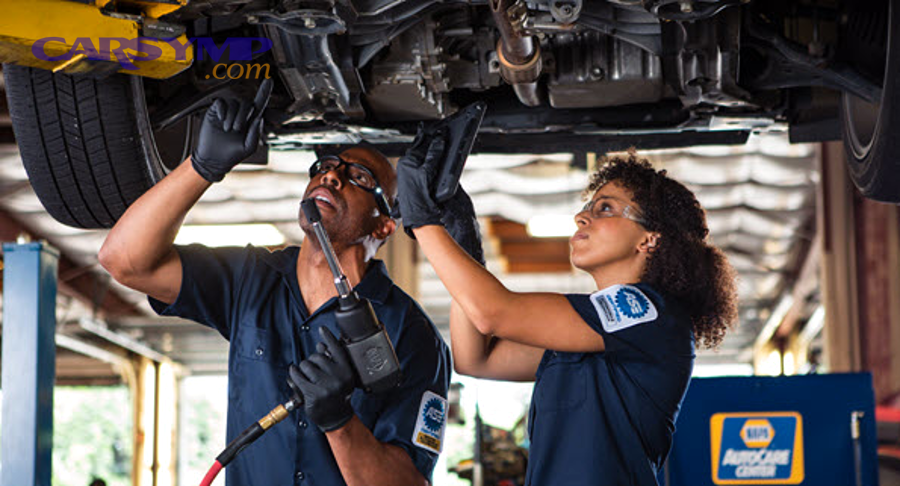
- The car is already on a lift and undertrays are removed
- Multiple drain/fill points are accessed from the same working position
- A shop offers a package discount or reduced shop-supplies fee
Bundling pairs that frequently make sense:
- Oil change + inspection + minor top-offs
- Coolant service + thermostat or hose replacement (if planned)
- Differential and transfer case fluid service together (AWD/4WD) when access overlaps
When bundling increases risk or waste
Bundling can be a mistake when:
- You’re bundling before confirming the real problem (e.g., doing three services to “fix” a symptom)
- The vehicle has an active leak (you may waste new fluid)
- The service interval isn’t due and the fluid is in good condition
- The shop pushes a “flush everything” package without evidence
A smart consumer move is to ask for fluid condition notes (color, odor, contamination indicators) before approving non-due services.
A simple decision rule for bundling
Use this rule:
- Bundle if services share labor setup and at least one is due now.
- Phase if none are due but you want preventive care (do the highest risk first: brake fluid and coolant condition checks).
- Delay if there’s a leak or diagnosis needed first—fix the root cause before refreshing fluids.
What is the fastest way to get an accurate cost estimate for your car?
Use a 3-step quote method—spec check, line-item request, and apples-to-apples comparison—to get an accurate estimate fast without agreeing to anything on the spot.
Then, you’ll move from “rough range” to “real quote” by supplying the exact details that determine fluid type, capacity, and procedure.
What information should you give a shop to get an accurate quote?
Give the shop the information that eliminates guesswork:
- Year / make / model / engine (or VIN for best accuracy)
- The exact service request: “drain and fill” vs “flush/exchange”
- Any context: leaks, overheating, spongy brakes, rough shifting
- Your preference on parts: OEM vs aftermarket filters/gaskets
Ask for line items:
- Fluid brand/spec and quantity
- Parts (filters, gaskets, washers)
- Labor time and labor rate
- Disposal/shop fees
- Taxes (if they can estimate)
A final tip: request two quotes if applicable—“change” vs “flush/exchange”—for coolant and transmission. That single comparison often reveals the best value option for your situation.
What are the most common mistakes after a fluid service, and how do you prevent leaks?
The most common mistakes after maintenance fall into 4 buckets—overfill/underfill, sealing errors, trapped air, and missed post-checks—and each one has a simple prevention step that reduces leak risk and protects the system.
Next, treat post-service checks as part of the job, because many “new leaks” are actually old seals reacting to new fluid, or loose fasteners that were never re-verified.
Why overfilling is a problem
Overfilling can cause:
- Aeration/foaming (reduces lubrication and hydraulic stability)
- Increased pressure that pushes past seals
- Poor shifting or steering feel on some systems
Prevent it by:
- Measuring what came out (where possible)
- Filling to spec procedure (including temperature-based checks)
- Re-checking after a short drive and cool-down when required
How to check for leaks the first 48 hours
The first 48 hours is when small sealing mistakes show up.
Do this:
- Park on clean cardboard overnight and look for drips
- Inspect drain/fill plugs for wetness
- Check hose connections (coolant) and clamp tension
- Re-check fluid levels per the correct procedure (not all fluids check “cold”)
This is the simplest way to catch small leaks before they become low-fluid damage.
What to do if the warning light comes on
If a warning light appears after service:
- Stop and verify fluid level if it’s safe to do so.
- Check for obvious leaks under the vehicle.
- Do not keep driving if the light indicates overheating, oil pressure, or brake warning.
- Call the shop and describe the timing: “light came on immediately after service” vs “after driving 20 miles.”
Fast, specific timing helps the shop pinpoint whether the issue is procedural (air pocket, sensor reset) or unrelated.
How to document the service for warranty
Documentation increases resale value and reduces disputes.
Keep:
- Itemized invoice (fluids, quantities, procedures)
- Mileage/date
- Photos of the invoice and any fluid spec used
- Notes if the shop recommended follow-ups (leak recheck, re-torque)
And if you’re focused on Preventing leaks after fluid service, the best documentation is also the simplest: a photo of a dry undercarriage area the day after service plus the invoice—proof that the system stayed sealed after the work.