


Checking fluid levels correctly means you get a true reading (not a guess) and you spot problems early—before a small leak, contamination, or overdue maintenance turns into a breakdown. This guide walks you through the right conditions, the right tools, and the right sequence so your results are accurate and actionable.
Next, you’ll learn which fluids matter most, where to find each reservoir or dipstick, and how to identify the correct cap so you don’t mix fluids or check the wrong system.
Then, you’ll follow step-by-step methods for engine oil, coolant, brake fluid, transmission fluid (when applicable), power steering fluid, and washer fluid—including safety precautions that prevent burns and messy mistakes.
Introduce a new idea: once you know how to check, the real value is knowing what your readings mean—so we’ll finish with the most common “wrong reading” traps and a simple routine to decide when to top off, monitor, or book service.
What does it mean to “check fluid levels correctly” in a car?
Checking fluid levels correctly is a repeatable process done under the right conditions (temperature, vehicle position, timing) so you get an accurate measurement, avoid contamination, and make the right next decision (top-off, monitor, or service).
To begin, accuracy comes from controlling variables—because even a slight tilt, a hot engine, or the wrong wipe-and-read method can create a “normal” reading that’s actually misleading.
What conditions make a fluid-level reading “accurate”?
Accurate readings come from level ground, correct engine state (cold/warm), proper waiting time, and the correct tool (dipstick vs. reservoir marks). More specifically, use this quick checklist:
- Park on level ground (a sloped driveway can shift fluid in reservoirs and pans).
- Know the fluid’s check state:
- Cold check: typically coolant (reservoir marks) and often brake fluid.
- Warm/hot check: some transmissions (if they even have a dipstick).
- Use clean tools: lint-free rag/paper towel for dipsticks; flashlight for reservoirs.
- Read the right indicator: dipstick crosshatch/holes; reservoir MIN/MAX lines; “COLD/HOT” bands.
Why does “checking correctly” prevent damage and wasted money?
Correct checks prevent underfilling, overfilling, and fluid mix-ups, which can cause foaming, overheating, poor braking, corrosion, leaks, or seal damage. Next, it also reduces unnecessary top-offs and helps you time a fluid service based on evidence (condition + trend) instead of guesswork—especially if you track small changes over weeks.
Which car fluids should you check, and where do you find each one?
There are six main under-hood fluids most DIY drivers can check: engine oil, coolant, brake fluid, transmission fluid (if serviceable), power steering fluid (if hydraulic), and windshield washer fluid, based on whether the system is user-checkable and has a visible level indicator.
Then, the fastest way to avoid mistakes is to identify each by cap label/symbol + reservoir shape + location rather than color alone.
What are the “must-check” fluids under the hood?
These are the usual DIY-check fluids and why they matter:
- Engine oil: lubrication + heat control; low oil risks engine wear.
- Coolant/antifreeze: temperature control + corrosion protection; low coolant risks overheating.
- Brake fluid: hydraulic pressure transfer; low/contaminated fluid risks braking performance.
- Transmission fluid (if dipstick-equipped): lubrication + hydraulic function; low fluid can cause shifting issues and overheating.
- Power steering fluid (if hydraulic): steering assist; low fluid can cause noise and heavy steering.
- Washer fluid: visibility; not critical to vehicle mechanics, but critical to safe driving.
Where is each reservoir or dipstick located?
Location varies by vehicle, but these patterns are common:
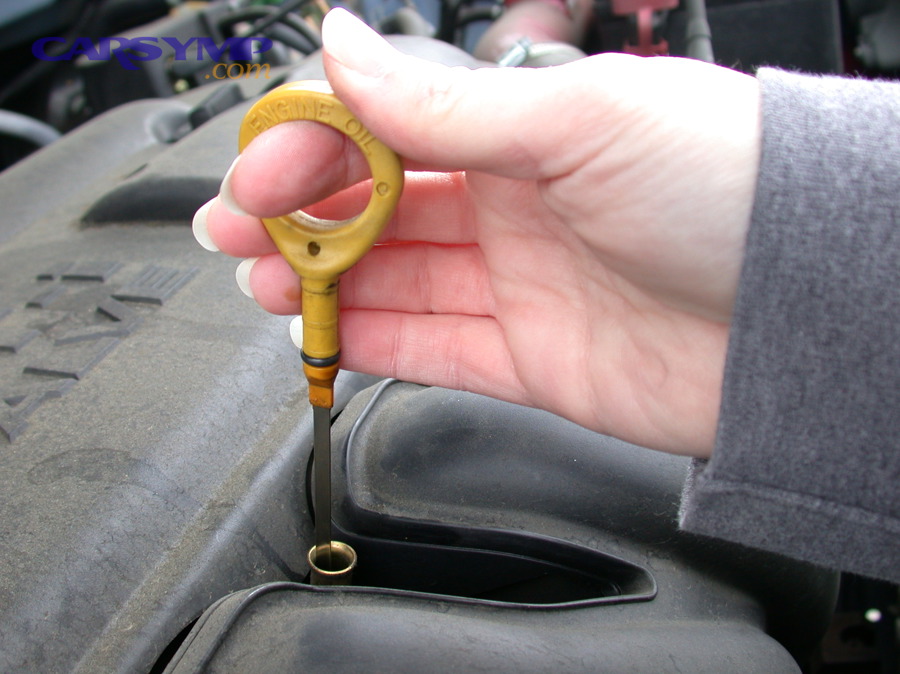
- Oil dipstick: often front/side of engine; bright handle (yellow/orange).
- Oil fill cap: on valve cover; oil-can icon.
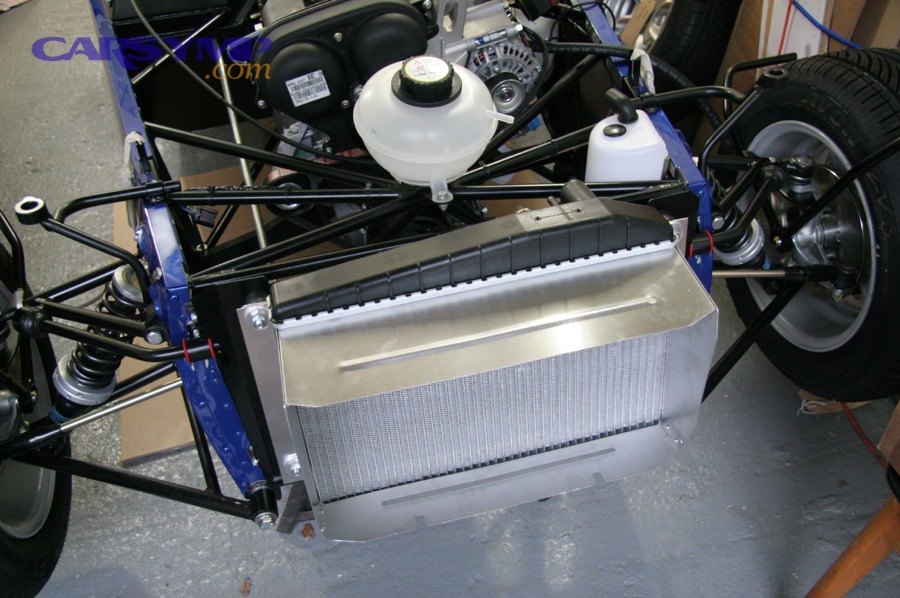
- Coolant reservoir: translucent plastic tank near radiator; MIN/MAX marks.
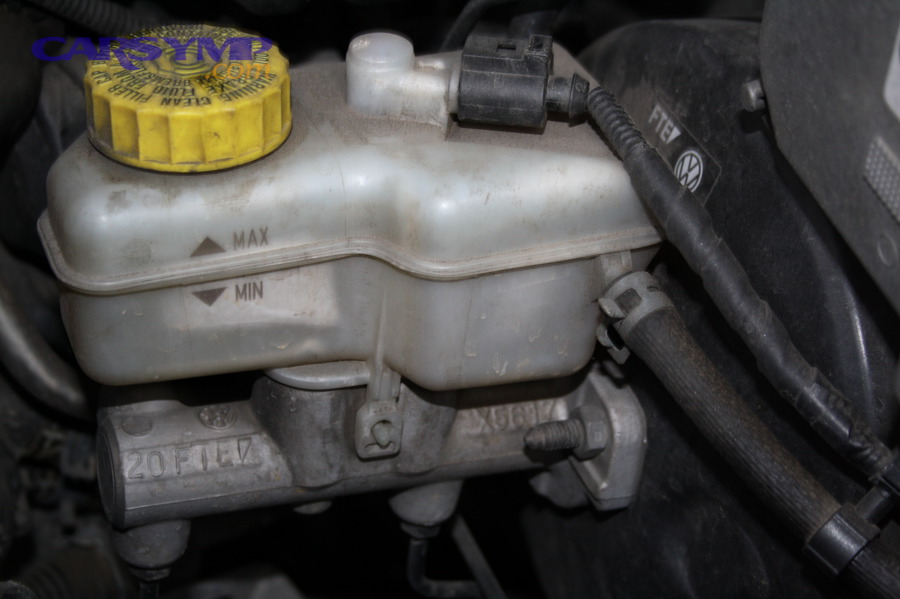
- Brake fluid reservoir: small translucent tank near firewall, on master cylinder; “DOT 3/4/5.1” style marking.
- Transmission dipstick (older automatics): toward rear of engine bay; often deeper, longer dipstick.
- Power steering reservoir: small round reservoir with steering wheel icon; may be near belt drive.
- Washer reservoir: cap with windshield/spray icon; larger plastic tank.
How do you check engine oil correctly using the dipstick?
The correct method is wipe → reinsert fully → pull → read between marks, using 4 key steps, so you get a stable oil level reading and avoid overfilling. Specifically, oil checks go wrong when you skip the wipe, don’t reinsert fully, or check immediately after shutdown without consistent timing.
Should you check oil hot or cold?
Yes—you can check oil either hot or cold, but you must stay consistent because temperature and drain-back time change the reading; the best practice is to follow the owner’s manual and use the same routine every time.
Moreover, here’s a practical approach that works for most daily drivers:
- Cold morning check (best for consistency):
- Park level the night before.
- Check before the first start.
- Warm check (also valid if consistent):
- Drive 10–15 minutes.
- Shut off and wait 5–10 minutes for drain-back.
- Check on level ground.
What is the exact dipstick procedure step-by-step?
Use this repeatable sequence:
- Park level, set parking brake, shut engine off.
- Pull dipstick, wipe clean with a lint-free towel.
- Reinsert fully (all the way seated).
- Pull again and hold horizontally.
- Read the oil film against the marks:
- Ideal: between MIN and MAX (or lower/upper holes).
- If low, add oil in small increments (e.g., ¼ quart), wait a minute, recheck.
- Do not exceed MAX—overfill can contribute to aeration/foaming and leaks.
To illustrate what oil condition clues look like while you’re here:
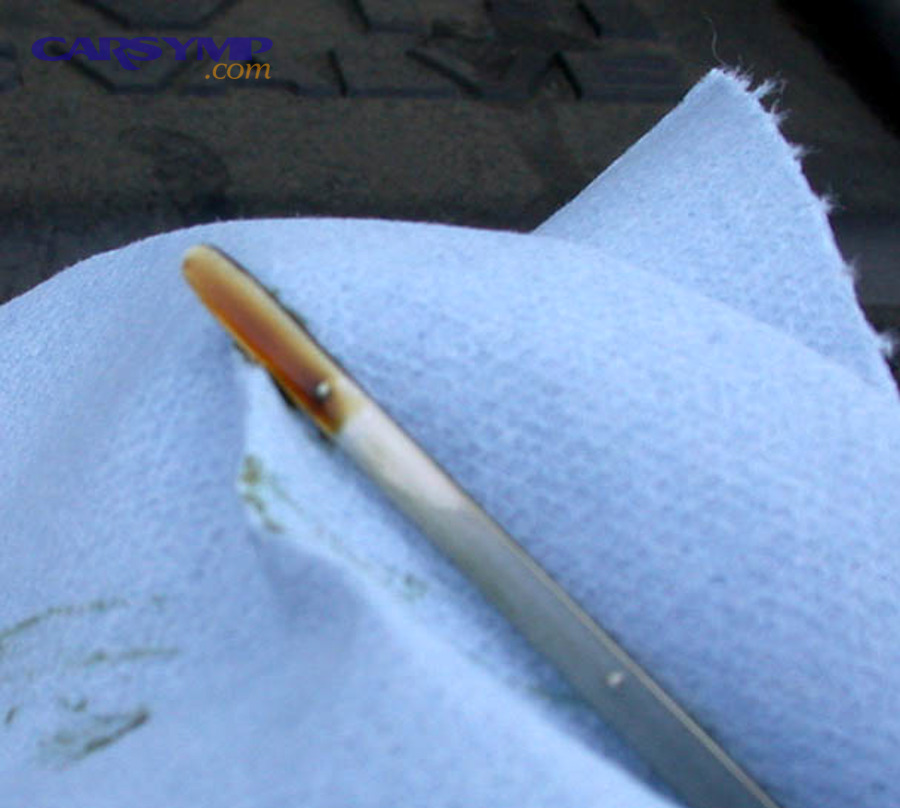
- Normal: amber to dark brown, smooth film.
- Concerning: milky/tan (possible coolant contamination), fuel smell (possible dilution), gritty feel (contamination).
Evidence: According to a study by Budapest University of Technology and Economics from the Department of Transportation Technology and Economics, in 2021, operational testing showed brake fluid quality can decline significantly over two years—supporting the idea that routine checks should include both level and condition, not level alone. (pp.bme.hu)
How do you check coolant safely without getting burned?
The safe method is check the coolant level at the reservoir when the engine is cold, using 3 steps, so you avoid pressurized steam and still confirm the system has enough coolant.
More importantly, coolant checks can become dangerous when you open a hot radiator cap—so the “correct” method starts with safety.
Is it safe to open the radiator cap to check coolant?
No, not when the engine is hot, because the cooling system can be pressurized and release scalding coolant/steam; instead, check the overflow/expansion reservoir and only open the radiator cap when fully cool and the manual permits.
In addition, if you must open it (cold only), use these safeguards:
- Engine fully cooled (often several hours).
- Thick cloth over the cap.
- Turn slowly to first stop to release any residual pressure.
- Never lean over the cap.
How do you read the coolant reservoir level marks correctly?
Most reservoirs have MIN/MAX lines and sometimes COLD/HOT ranges:
- Let engine cool completely.
- Locate the translucent reservoir and shine a flashlight behind it.
- Confirm coolant is between MIN and MAX for the current temperature band.
- If low, add the correct coolant type (per manual) to the reservoir, not plain water long-term.
Also check condition while you’re there:
- Healthy: clear and bright (color varies by type), no oil sheen.
- Concerning: rusty/brown (corrosion), oily film, sludge, floating debris.
Evidence: According to a study by University of Texas at Arlington from the Department of Mechanical and Aerospace Engineering, in 2016, corrosion modeling of aluminum radiator tubing in 50/50 ethylene glycol-water coolant identified electrolyte-driven mechanisms that can worsen with operating conditions—reinforcing why correct coolant and proper maintenance matter. (mavmatrix.uta.edu)
How do you check brake fluid level and condition correctly?
Brake fluid checking is a reservoir inspection done in 3 steps—locate, read MIN/MAX, and assess condition—so you confirm hydraulic safety without introducing contamination.
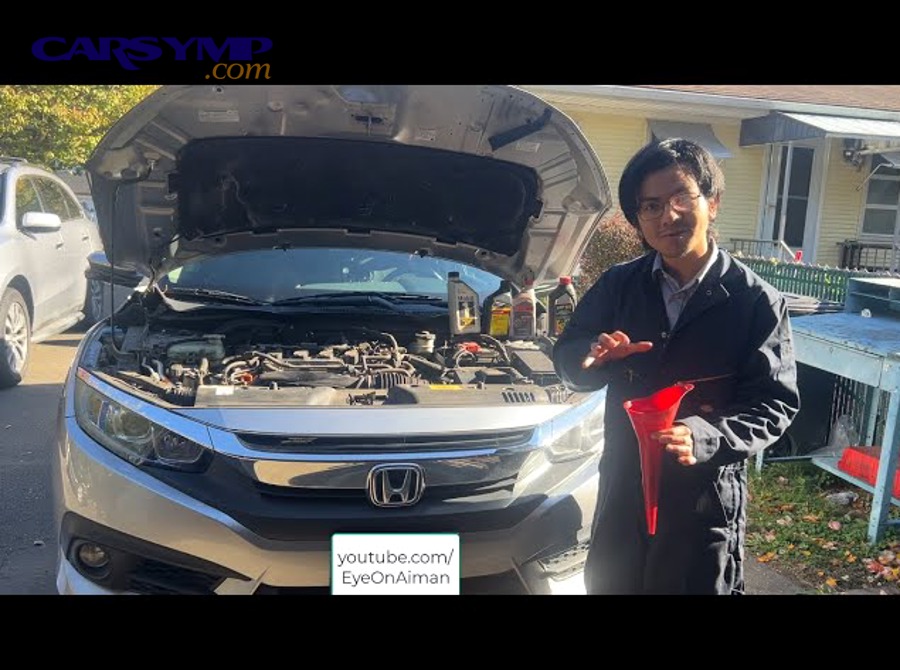
However, brake fluid is not a “top off and forget” fluid: level changes often signal pad wear or a leak, so your reading must include context.
What does a “low” brake fluid level really mean?
A low brake fluid level typically means one of three things:
- Normal brake pad wear (fluid level drops as pistons extend).
- A leak (urgent: lines, calipers, master cylinder).
- Recent service/air in system (if pedal feels spongy, it may need bleeding).
If the level is below MIN, treat it as a diagnostic moment—not just a refill moment.
How can you tell if brake fluid is contaminated or overdue?
You can’t fully “test” brake fluid by sight alone, but you can spot strong warning signals:
- Color: fresh is usually clear to light amber; very dark can suggest aging/contamination.
- Cloudiness/sediment: possible contamination.
- Rubber debris: deterioration in seals/hoses.
- Moisture risk: brake fluid absorbs water over time, which can lower boiling point.
This is where Signs fluid service is overdue becomes practical. Common signs include:
- Dark/dirty fluid in reservoir
- Spongy pedal feel (after confirming no air/leaks)
- Brake warning light combined with drifting level
- History unknown (used car) and fluid looks neglected
Evidence: According to a study by National Taipei University of Technology from the Department of Mechanical Engineering, in 2006, researchers found a measurable relationship between moisture content and DOT3 brake fluid properties—supporting routine checks and periodic replacement rather than indefinite use. (ntut.elsevierpure.com)
How do you check transmission fluid the right way (if your vehicle allows it)?
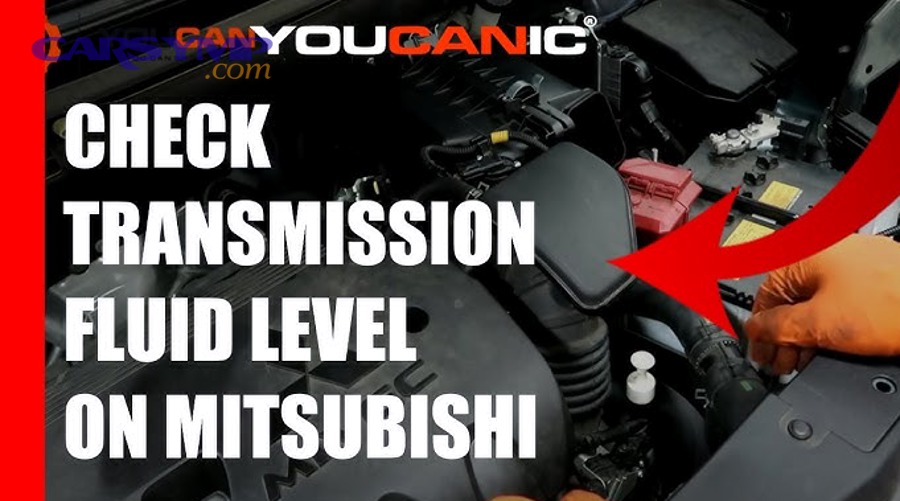
The right method is follow the manufacturer’s procedure (temperature + gear cycling + dipstick reading) in 5 steps, so your level isn’t falsely high/low and you don’t overfill. Meanwhile, many modern vehicles have “sealed” transmissions with no dipstick—so the “correct” check may be professional-only.
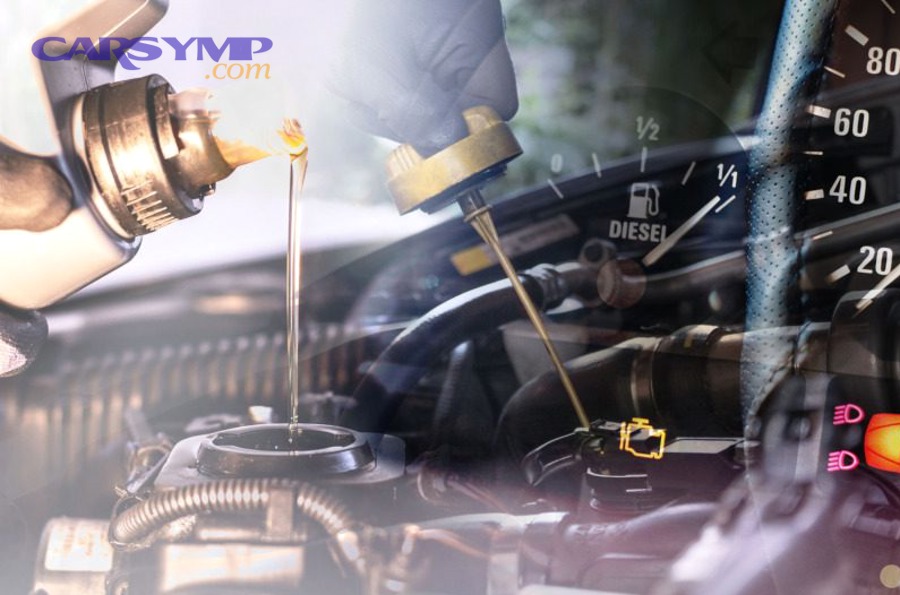
Do all cars have a transmission dipstick you can use?
No, because many newer vehicles use sealed transmissions that require a fill/level plug procedure at a specific temperature; older automatics often have a dipstick, and some manuals have no easy level check at all.
Next, look for these clues:
- Dipstick present: usually labeled ATF; often near rear of engine bay.
- No dipstick: check manual for “inspection plug,” “check plug,” or service procedure.
What’s the correct checking process for “hot check” vs “cold check”?
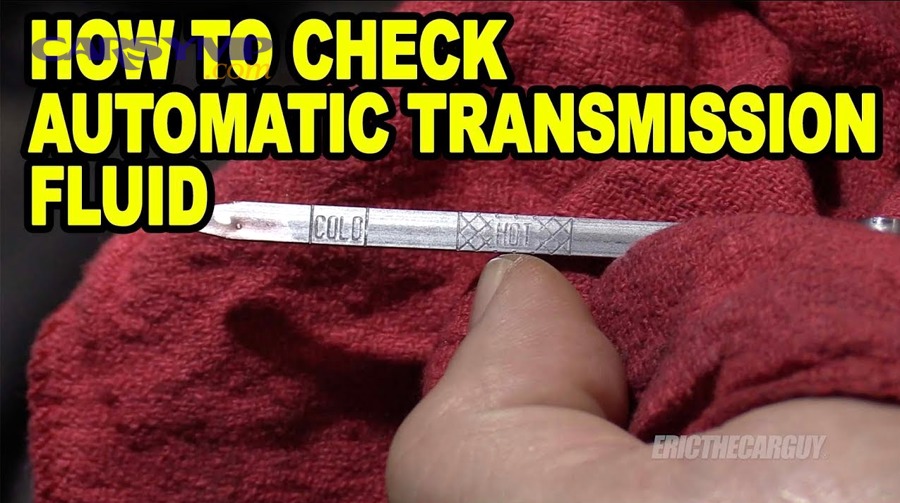
If your vehicle has a dipstick, common procedure patterns include:
Hot check (common):
- Drive until warm (often 10–20 minutes).
- Park level, engine running (sometimes required).
- Cycle shifter through gears (P-R-N-D and back), pausing briefly.
- Pull dipstick, wipe, reinsert fully.
- Read within the “HOT” crosshatch.
Cold check (some models):
- Similar wipe-and-read, but use the “COLD” range and verify after warming per manual.
Also interpret condition:
- Healthy ATF: usually red/pink (varies), mild petroleum smell.
- Concerning: burnt smell, dark brown/black, visible debris.
Evidence: According to a study by University of Windsor from the Department of Mechanical Automotive and Materials Engineering, in 2015, experimental testing of automatic transmission fluid heat transfer behavior highlighted how temperature and flow conditions affect ATF performance—reinforcing why correct check temperature/procedure matters. (researchgate.net)
How do you check power steering fluid and washer fluid correctly?
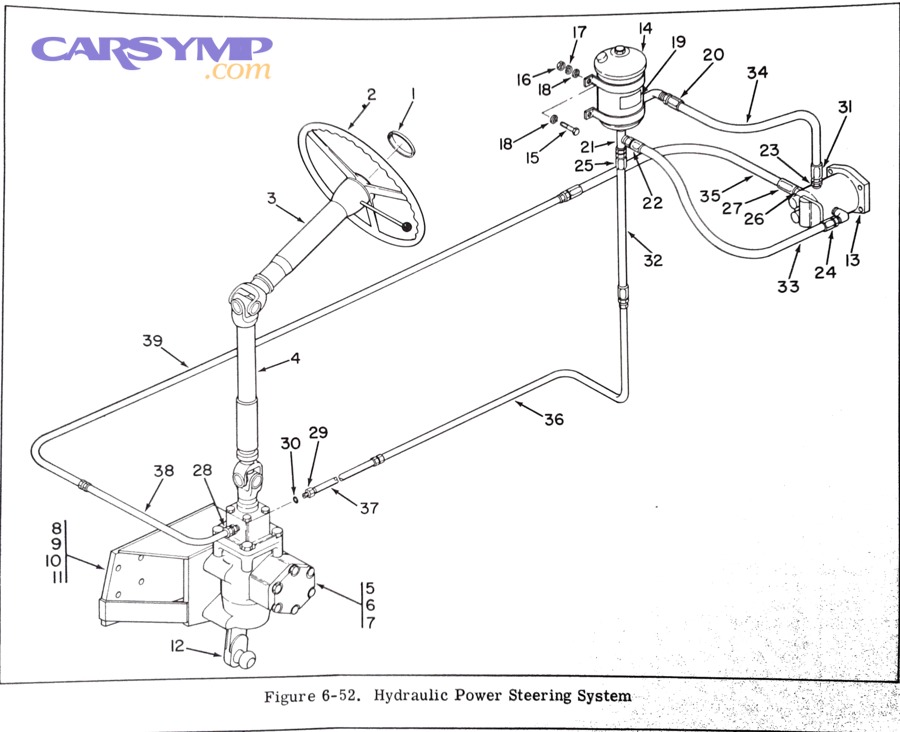
You check these correctly by reading the reservoir marks (often HOT/COLD) and topping off with the correct fluid type, using 3 steps, so you avoid pump noise, poor steering assist, and visibility issues.
Besides, these are the easiest fluids to check—but they’re also easy to mix up if you grab the wrong bottle.
How do you read “HOT” and “COLD” marks on a power steering reservoir?
Many hydraulic power steering reservoirs have two ranges:
- COLD: for engine off/cool
- HOT: for after driving and warming up
Use this method:
- Wipe reservoir cap area clean (prevent dirt ingress).
- Check level against the correct temperature band.
- If low, add the specified fluid (some systems use ATF; many require a specific PS fluid).
If you hear whining during turns or steering feels heavy, low fluid or aeration may be involved—but also check for leaks at hoses and rack.
What is the correct way to top off windshield washer fluid without spills?
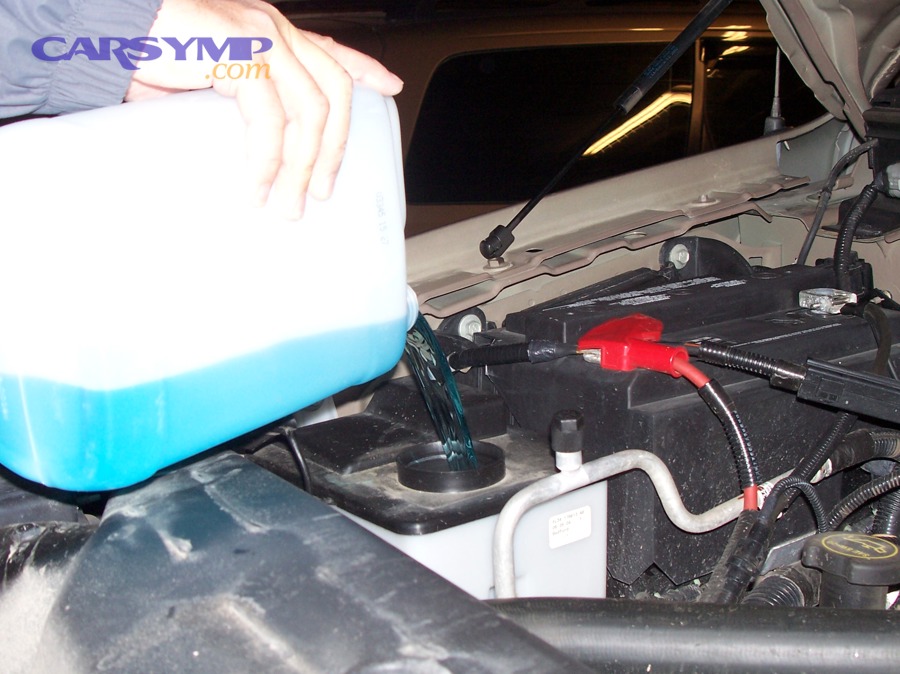
Washer fluid is straightforward:
- Open the cap with the windshield/spray icon.
- Use a funnel if the fill neck is narrow.
- Fill until near the top (it’s not pressurized like coolant).
In freezing climates, use the correct seasonal blend to prevent freezing in lines/nozzles.
What mistakes cause “wrong readings” (aka guessing), and how do you avoid them?
Wrong readings come from inconsistent conditions, incorrect procedure, and misidentifying reservoirs, and you avoid them by standardizing your routine and verifying labels before you open anything.
Especially with fluids, “close enough” becomes expensive when it leads to overfill, contamination, or missed leaks.
What are the most common errors DIY drivers make?
Here are the biggest accuracy killers:
- Not parked level (shifts fluid pool and skews dipstick/reservoir readings)
- Skipping wipe-and-reinsert on dipsticks (first pull smears and lies)
- Checking at random times (hot vs cold inconsistently)
- Reading the wrong side of the dipstick (oil streaking can confuse)
- Overfilling “to be safe” (can cause aeration/foaming and leaks)
- Opening coolant system hot (danger + potential coolant loss)
- Mixing fluids (e.g., washer fluid into coolant reservoir—rare, but it happens)
- Topping off brake fluid without diagnosing (hides leaks or pad wear)
How do you create a “repeatable routine” to avoid false readings?
Use a simple standard:
- Same location: same flat spot.
- Same timing: e.g., Sunday morning cold checks.
- Same tools: towel + flashlight + gloves.
- Same recording: photo of dipstick/reservoir or a note in your phone.
If you want a quick reference, the table below summarizes what “correct” means per fluid (check state, where to read, and what a warning sign looks like).
| Fluid | Best check state | Where you read it | Quick warning signs |
|---|---|---|---|
| Engine oil | Cold morning or warm + 5–10 min wait | Dipstick MIN/MAX | Below MIN, milky color, fuel smell |
| Coolant | Cold engine | Reservoir MIN/MAX | Below MIN, rusty/sludgy coolant, frequent drop |
| Brake fluid | Usually cool/ambient | Reservoir MIN/MAX | Drop below MIN, very dark fluid, spongy pedal |
| Transmission (if dipstick) | Often warm + gear cycle | Dipstick HOT range | Burnt smell, dark color, slipping shifts |
| Power steering (hydraulic) | Cold or hot per marks | Reservoir HOT/COLD | Whine, heavy steering, bubbling |
| Washer fluid | Any time | Reservoir fill level | Low spray output, empty tank |
How often should DIY drivers check fluid levels, and what should you do with your results?
DIY drivers should check key fluids monthly and before long trips, using a simple decision tree, because small leaks and gradual degradation are easiest (and cheapest) to catch early.
In short, the check itself is only half the job—the other half is choosing the right next action.
What’s a simple check schedule that fits most drivers?
A practical schedule (adjust for older vehicles or known leaks):
- Monthly: engine oil, coolant reservoir, washer fluid
- Every 2–3 months: brake fluid level (and quick condition glance)
- At every oil change: re-check all under-hood fluids
- Before road trips: oil, coolant, brake fluid level, washer fluid
If you drive in severe conditions (extreme heat/cold, towing, heavy traffic), check more often.
When should you top off, monitor, or book a service?
Use this three-outcome rule:
1) Top off when:
- Level is slightly low and there’s no sign of active leakage.
- You’re using the correct fluid type and you can recheck in a week.
2) Monitor when:
- Level is within range but trending downward slowly.
- Condition looks acceptable, but you want to confirm stability.
3) Book service when:
- Level drops repeatedly or suddenly.
- You see contamination (milky oil, rusty coolant, burnt ATF smell).
- You notice Signs fluid service is overdue (dark brake fluid, neglected history, recurring low levels, performance symptoms).
To make this actionable, here’s a Cost estimate for common fluid services table (typical shop ranges vary by vehicle, region, and fluid spec). Use it as a budgeting guide, not a quote:
| Service | Typical scope | Common price range (USD) |
|---|---|---|
| Oil & filter change | Drain + replace filter + refill | $40–$120 |
| Coolant exchange | Drain/flush (as needed) + refill + bleed | $100–$250 |
| Brake fluid flush | Bleed system + replace fluid | $90–$180 |
| Transmission service | Drain/refill or pan drop + filter (if applicable) | $150–$400+ |
| Power steering service | Drain/exchange (if hydraulic) | $80–$200 |
If your readings suggest a problem, it’s often cheaper to schedule a targeted diagnosis than to keep topping off blindly.
How do “sealed systems” and specialty fluids change the correct checking method?
Sealed systems change the correct method because level checks become temperature-controlled and procedure-driven, and specialty fluids require exact specs—so “eyeballing it” is not reliable.
Next, understanding what’s sealed vs serviceable prevents the most common modern DIY mistake: trying to check (or fill) a system that isn’t designed for casual top-offs.
What does “sealed transmission” actually mean for checking fluid?
A “sealed” transmission often means:
- No dipstick
- Level set through a check plug at a specified temperature range
- Requires scan-tool temperature reading or a precise warm-up procedure
The correct move is to follow the service manual procedure or use a qualified shop—because a small level error can affect shifting and heat management.
Which fluids must match exact specifications (and why)?
Some fluids are highly spec-dependent:
- Brake fluid: DOT rating matters; mixing can change performance/compatibility.
- Coolant: inhibitor packages differ; mixing types can reduce corrosion protection.
- ATF: friction modifiers vary; wrong ATF can cause shift issues.
- Power steering fluid: some systems require specific PS fluid or ATF.
If you’re unsure, match the cap label and owner’s manual exactly rather than relying on color.
How do you handle vehicles with electronic oil level sensors?
Some vehicles reduce or eliminate dipsticks and use an electronic level readout:
- Follow the exact steps (engine temp, idle time, menu path).
- Use the onboard reading as the “dipstick.”
- Still watch for leaks/consumption trends.
When should you stop DIY checking and see a professional?
Stop DIY and get help when:
- You must open a sealed system without the right procedure/tools.
- You suspect a leak (brake, coolant, ATF).
- You see contamination (milky oil, sludge, burnt ATF).
- You’re repeatedly topping off the same fluid (that’s a symptom, not a solution).
Evidence: According to a study by Washington State Department of Transportation from the Research Office, in 1997, a survey of vehicles found a notable share had brake fluid boiling points below a safety threshold—supporting routine brake fluid condition checks and timely replacement as part of safe maintenance. (wsdot.wa.gov)