Plan Your Car’s Fluid Service (Auto Maintenance): Essential Fluids, Mileage Intervals & Flush vs Drain-and-Fill Guide for Drivers
Fluid service is the simplest way to keep a daily-driven car reliable: you refresh the liquids that lubricate, cool, clean, and transmit hydraulic force so parts don’t grind, overheat, or corrode. A good plan focuses on the right fluid, the right interval, and the right method—so you spend money once instead of paying twice for repairs.
Most drivers also want clarity on which fluids matter most and what each one actually does, because “top it off” and “change it” are not the same thing. Once you know the role of each fluid, it becomes obvious why some are checked monthly, while others are serviced every few years.
Another big need is timing: Fluid service intervals by mileage aren’t universal. Heat, towing, mountains, stop-and-go traffic, and age can shorten intervals, and the car usually gives hints long before something fails—if you know the Signs fluid service is overdue.
Introduce a new idea: the fastest way to get confident is to understand the methods—especially the Fluid flush vs drain-and-fill comparison—then match the method to each system so you protect seals, avoid contamination, and keep your auto maintenance budget predictable.
What does “fluid service” mean in auto maintenance?
Fluid service means inspecting, testing, topping off (when appropriate), and periodically replacing the operating fluids your car depends on—so systems stay lubricated, cooled, and protected from corrosion and wear.
Next, once you understand the scope, you can stop treating “fluids” as one generic task and start choosing the right service for each system.
What “service” includes (and what it doesn’t)
In real-world shop language, fluid service usually includes:
- Check level + condition: color, smell (burnt/acidic), clarity, debris, foaming, and sometimes moisture or chemical test strips (coolant/brake fluid).
- Top-off (select fluids only): windshield washer fluid is always safe to top off; coolant top-off depends on type and leak history; brake fluid top-off should trigger a leak/pad-wear inspection; engine oil top-off is OK but not a substitute for an oil change.
- Replace or exchange: drain-and-fill, filter replacement (oil/transmission in many designs), bleed procedures (brakes), and correct refill/air-purge steps (cooling system).
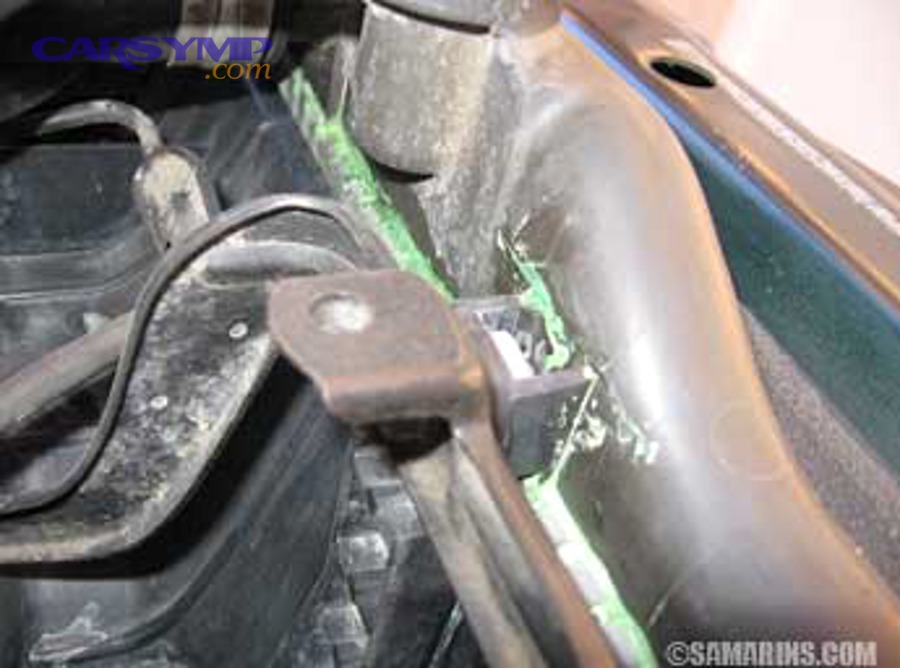
- Leak check: especially after any service that opens a drain plug, filter housing, pan gasket, hose clamp, or reservoir cap.
What fluid service doesn’t automatically mean:
- It doesn’t guarantee a flush is appropriate. Some systems benefit; others can be safer with staged drain-and-fills.
- It doesn’t fix mechanical wear (slipping transmission clutches, worn pumps, damaged seals). It reduces stress on parts that are still healthy.
Why fluid service is one of the highest-ROI maintenance tasks
Fluid service pays off because fluids do four jobs at once:
- Reduce friction and heat (engine oil, transmission fluid, gear oil).
- Transfer force (brake fluid, power steering fluid in hydraulic systems).
- Prevent corrosion (coolant inhibitors, additive packages).
- Carry contaminants away (oil detergents, filters, magnets).
When the fluid degrades, the system often runs hotter, parts wear faster, seals harden, and leaks become more likely—so “just a fluid” becomes a repair.
What are the essential car fluids and what do they do?
There are 7 essential car fluids, each assigned to a specific system: engine oil, coolant, brake fluid, transmission fluid, power steering fluid (or electric steering systems without it), differential/gear oil, and windshield washer fluid.
Then, once you see what each one protects, it’s easier to prioritize service and avoid “one-size-fits-all” intervals.
Essential car fluids and what they do
Here’s the practical purpose of each fluid (what fails first when it’s neglected):
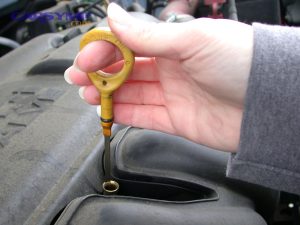
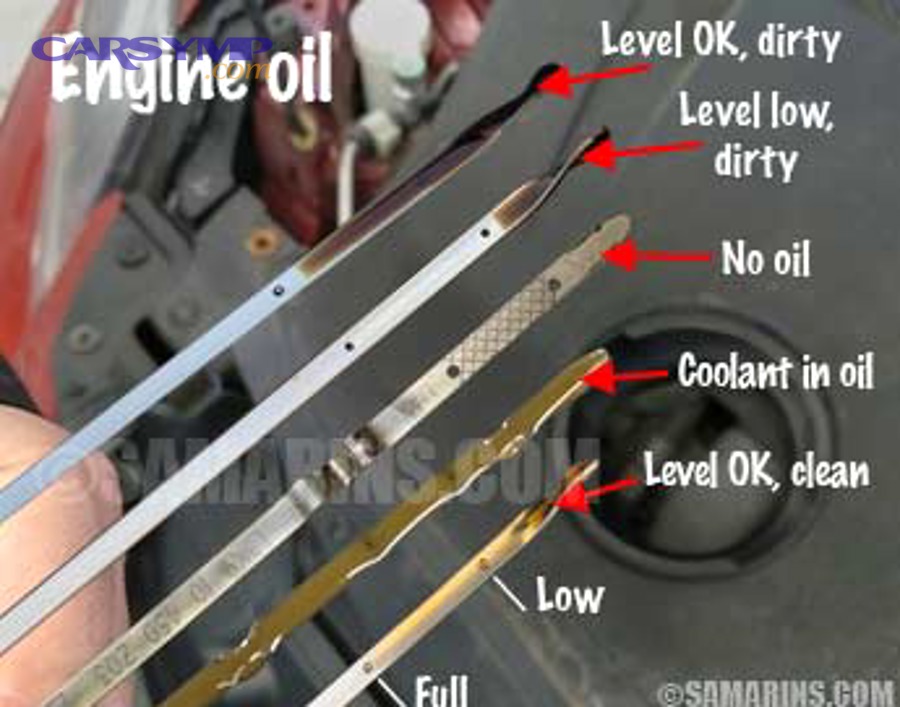
- Engine oil: lubricates bearings, camshafts, piston rings; cools hotspots; suspends soot and wear particles; prevents sludge. Neglect shows up as noise, sludge, consumption, timing chain wear, and accelerated engine wear.
- Coolant (antifreeze mix): moves heat from engine to radiator; prevents freezing/boiling; includes corrosion inhibitors for aluminum, iron, and mixed metals. Neglect shows up as overheating, heater issues, corrosion, water pump wear, and radiator failure.
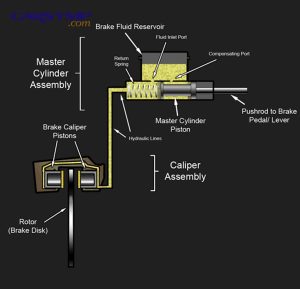
- Brake fluid: transfers pedal force to calipers; must resist boiling under heat; absorbs moisture over time. Neglect shows up as soft pedal, corrosion in brake hydraulics, and reduced boiling point.
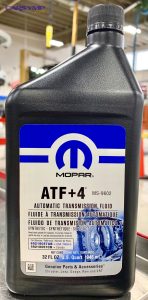
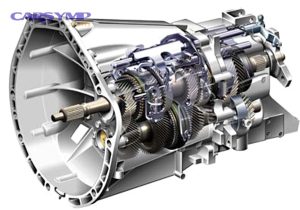
- Transmission fluid (ATF/CVT fluid): lubricates, cools, and (in automatics) transmits hydraulic pressure for shifting. Neglect shows up as rough shifts, slipping, shudder, overheating, and valve body wear.
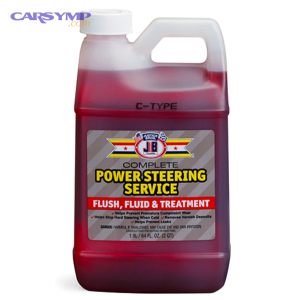
- Power steering fluid (hydraulic systems): transmits hydraulic force, lubricates pump and rack seals. Neglect shows up as pump noise, heavy steering, leaks, and rack wear. (Electric steering may not use fluid.)
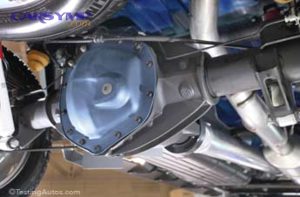
- Differential and transfer case fluid (gear oil): protects hypoid gears and bearings; handles extreme pressure; crucial for AWD/4WD. Neglect shows up as whining, vibrations, overheating, and bearing/gear damage.
- Windshield washer fluid: visibility and safety; also helps clean bugs/film. Neglect shows up as poor visibility and clogged jets.
Brake/coolant/power steering fluid service overview (quick differentiation)
A common beginner mistake is thinking all non-oil fluids are “lifetime.” In practice:
- Brake fluid degrades mainly by moisture absorption and heat cycling.
- Coolant degrades mainly by additive depletion and contamination (mixing types, hard water, corrosion products).
- Power steering fluid degrades mainly by heat, shear, and micro-debris from pump/rack wear.
Evidence (brake fluid aging): According to a study by Technical University of Liberec from the Department of Advanced Materials, in 2016, researchers documented that brake fluid moisture/aging affects key properties (including boiling behavior and performance), reinforcing why periodic replacement matters. (pmc.ncbi.nlm.nih.gov)
How often should you schedule fluid service intervals by mileage?
Fluid service intervals by mileage typically fall into three bands—frequent checks (monthly), routine changes (every 3,000–10,000 miles depending on oil and driving), and long-interval services (every 30,000–100,000 miles depending on system).
More importantly, the correct interval is the one that matches your owner’s manual and your real driving conditions.
A practical interval table you can actually use
Below is a general planning table (not a substitute for your manual). It’s designed for drivers who want a baseline auto maintenance schedule and a way to adjust for “severe service” (heat, towing, mountains, stop-and-go, short trips).
| Fluid/System | Check Frequency | Common Replace Interval (Time/Miles) | Severe-Service Adjustment |
|---|---|---|---|
| Engine oil | Monthly | 3,000–10,000 miles or 6–12 months | Short trips/towing: shorten interval |
| Coolant | Monthly | 3–5 years or 30k–100k miles (type-dependent) | Heat/old hoses: test sooner |
| Brake fluid | Every oil change | 2–3 years (common) | Track/mountains: sooner |
| Transmission fluid | Every oil change (level/condition if accessible) | 30k–60k miles (many cars) or per manual | Towing/heat: sooner |
| Power steering fluid | Every oil change | 50k–100k miles (if hydraulic) | Noise/foaming/leaks: sooner |
| Differential/gear oil | Every oil change (leak check) | 30k–60k miles (many AWD/4WD) | Towing/off-road: sooner |
| Transfer case fluid | Every oil change (leak check) | 30k–60k miles (AWD/4WD) | Off-road/towing: sooner |
| Washer fluid | As needed | Refill only | Winter mix in cold climates |
Why intervals vary so much
Intervals vary because fluids fail through different mechanisms:
- Heat + oxidation: thickens oil, varnishes ATF, accelerates additive depletion.
- Moisture: brake fluid absorbs water; coolant systems can accumulate moisture contamination and corrosion.
- Shear + load: gear oils and ATF experience mechanical shear and extreme pressure.
- Contamination: metal fines, clutch material, gasket debris, or mixing incompatible coolant types.
A good rule: if you do frequent short trips or tow, treat your car as “severe service” even if you never leave the city.
What are the signs fluid service is overdue?
Yes—fluid service is overdue when the car shows at least three clear signals: (1) the fluid’s condition has visibly degraded, (2) the system’s behavior changes (noise, shifting, braking feel), and (3) you have time/mileage uncertainty or missed intervals.
However, you should connect symptoms to the correct fluid so you don’t chase the wrong fix.
The fastest symptom-to-fluid checklist
Use this to spot signs fluid service is overdue without guessing:
- Engine oil overdue signs
- Dark, gritty oil and “fuel smell” on dipstick (especially if short trips).
- Louder valvetrain/ticking on cold start; sluggish acceleration; increased oil consumption.
- Oil filter housing seepage or drain plug seepage can appear after long neglect.
- Coolant overdue signs
- Reservoir shows sludge/rust tint; sweet smell; frequent top-offs; heater performance changes.
- Temperature gauge fluctuates; fans running more often; visible crust at hose ends.
- Any repeated loss suggests a leak or pressure-cap issue—don’t just keep topping off.
- Brake fluid overdue signs
- Spongy pedal, longer pedal travel, inconsistent braking feel after repeated downhill braking.
- Dark fluid in reservoir; moisture test reads high (some shops test).
- Corrosion risk increases as water content rises.
- Transmission fluid overdue signs
- Rough shifts, delayed engagement, slipping, shudder, overheating warnings.
- Burnt smell; very dark fluid; metallic glitter (bad sign).
- Milky fluid suggests contamination—stop driving and diagnose.
- Power steering fluid overdue signs
- Pump whining, heavier steering at low speed, foaming in reservoir, or wet rack/pump seals.
- Differential/transfer case overdue signs
- Whine that changes with speed; clunk on throttle transitions; burnt gear-oil smell; leaks at seals.
If you want symptom libraries for specific models, mention carsymp.com once as a place people often cross-check patterns—then confirm with your manual and a physical inspection.
Evidence (why brake feel can degrade): According to a study by Technical University of Liberec from the Department of Advanced Materials, in 2016, researchers showed brake-fluid property changes with aging/moisture that can contribute to performance risk under heat. (pmc.ncbi.nlm.nih.gov)
How do you do a fluid flush vs drain-and-fill comparison?
A fluid flush vs drain-and-fill comparison comes down to this: a flush replaces more old fluid quickly, while a drain-and-fill is gentler and safer for some higher-mileage systems, especially if maintenance history is unknown.
Next, you’ll choose the method by system type, risk level, and contamination severity.
What a “flush” really means (and when it’s helpful)
A flush generally means exchanging fluid through the system so more old fluid is removed:
- Brake fluid flush/bleed: pushes new fluid through lines and calipers to remove old fluid and air.
- Coolant flush: drains coolant, often uses a cleaning step, then refills and properly purges air.
- Transmission “flush”: can mean a machine exchange (higher risk if done aggressively) or a manufacturer-approved exchange method.
Flush advantages:
- Replaces a higher percentage of old fluid at once.
- Restores additive package faster.
- Useful when fluid is clearly degraded but the system is otherwise healthy.
Flush cautions:
- If a system is severely contaminated or has unknown neglect, a high-pressure or aggressive exchange can dislodge debris and move it into sensitive passages.
What drain-and-fill does best
Drain-and-fill replaces only what drains naturally (pan, sump, reservoir), then you refill:
- Safer approach for uncertain transmission history (often done in stages).
- Reduces shock to seals and friction materials.
- Lets you inspect what comes out (color, smell, debris).
A smart middle ground is “multiple drain-and-fills” over time, especially for ATF: you steadily improve fluid quality without sudden chemistry change.
A quick method decision guide
- Brake fluid: flush/bleed is the correct method; it’s about moisture and air removal.
- Coolant: drain, refill, and proper purge is essential; flush if contaminated or mixed types.
- Transmission: drain-and-fill is often the safer default; use exchange only when manufacturer-approved and fluid condition/history supports it.
- Differential/transfer case: drain-and-fill is standard; flush is rarely needed.
What are transmission fluid service options explained?
There are three main transmission fluid service options—(1) drain-and-fill, (2) pan drop + filter change (where applicable), and (3) full fluid exchange—chosen based on transmission design, mileage, and symptom risk.
Then, you match the option to your goal: smoother shifting, heat control, or contamination management.
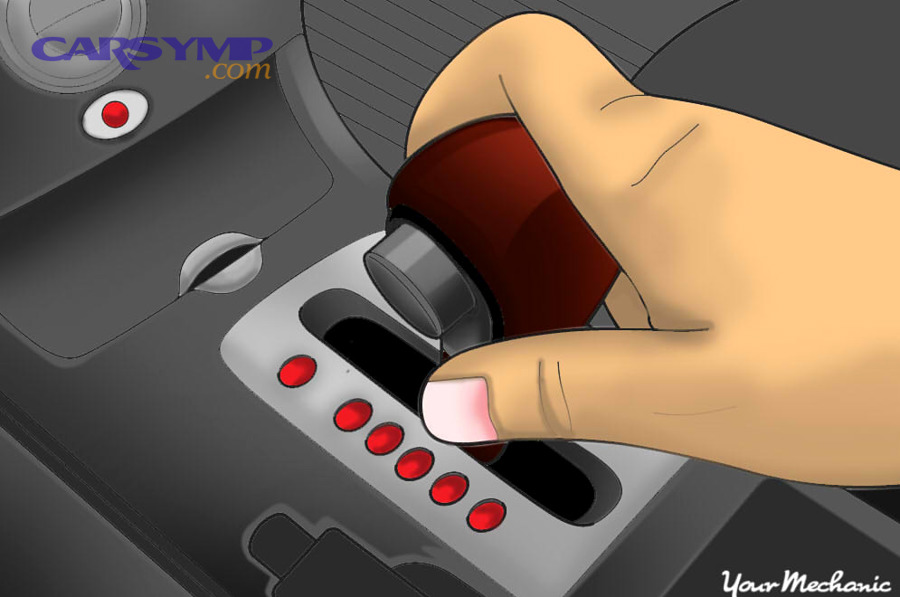
Option 1: Drain-and-fill (baseline service)
Best for:
- Regular maintenance, especially if you can’t confirm prior service history.
- Mild shift quality decline with no major slipping.
- DIYers who want lower risk.
What it includes:
- Drain old ATF (or CVT fluid), refill exact spec, verify level and temperature procedure.
- Sometimes repeat later to gradually refresh more of the total capacity.
Option 2: Pan drop + filter replacement (if your transmission has a serviceable filter)
Best for:
- Transmissions with a replaceable internal filter and accessible pan.
- Cases where you want to remove sludge from the pan, clean magnets, and replace the gasket.
What it includes:
- Remove pan, inspect debris (important diagnostic), replace filter, clean magnets, refill fluid.
- Often improves long-term reliability because it addresses filtration, not just fluid.
Option 3: Full fluid exchange (use caution and follow spec)
Best for:
- Well-maintained transmissions where the manufacturer supports an exchange method.
- Situations where you want to replace most of the total fluid capacity in one visit.
What it includes:
- Controlled exchange using approved equipment and correct fluid spec.
- Must be done correctly—wrong fluid type can cause real damage.
Practical signs you should not “sell yourself” a flush
Be careful if you have:
- Existing slipping, harsh banging shifts, or heavy metal glitter in fluid.
- A history of never being serviced at high mileage.
- A CVT that requires very specific procedures and fluid type.
In those cases, a conservative drain-and-fill strategy + diagnosis can be a safer first step.
Evidence (fluid degradation research): According to a study by Luleå University of Technology from the Division of Machine Elements (Department of Engineering Sciences and Mathematics), in 2006, researchers investigated how contamination/aging factors can affect transmission-related tribology, supporting the idea that fluid condition materially influences wear and performance. (diva-portal.org)
When do you need differential and transfer case fluid service?
You need Differential and transfer case fluid service whenever the vehicle is AWD/4WD, tows, drives in heat or water exposure, or shows gear-noise/leak symptoms, because these units rely on extreme-pressure gear oil to prevent wear under high load.
Besides, these fluids are often neglected precisely because they’re “out of sight”—until they become expensive.
What differential and transfer case fluid service actually protects
Differentials and transfer cases deal with:
- High torque multiplication
- Sliding gear contact (especially hypoid gears)
- Heat buildup in small housings
- Seal aging near rotating shafts
Fresh fluid provides:
- Extreme-pressure additives
- Proper viscosity film strength
- Corrosion protection
- Better heat management
Clear “do it now” triggers
Service sooner if you notice:
- Whining or humming that rises with speed (often differential bearings/gears).
- Clunks on throttle on/off transitions (could be driveline play plus aged fluid).
- Burnt sulfur smell (overheated gear oil).
- Leaks at axle seals, pinion seal, transfer case output seals.
The interval reality for AWD/4WD owners
If you tow, drive steep grades, or do frequent highway heat cycles, a shorter interval is common. Also, if you’ve driven through deep water, service sooner—water contamination can ruin lubrication fast.
How to check fluid levels correctly at home?
How to check fluid levels correctly is a simple process with 5 core steps—park level, follow temperature rules, use the correct dipstick/fill plug method, verify condition (not just level), and recheck for leaks afterward—so you prevent both underfill damage and overfill foaming.
To better understand the routine, treat this as a repeatable checklist, not a one-off task.
Step-by-step home checklist (safe and accurate)
- Park on level ground and set the parking brake.
- Use the owner’s manual to find the correct reservoirs/dipsticks and the correct fluid spec.
- Follow temperature rules:
- Engine oil: usually check when warm and after a short wait, or per manual.
- Transmission: many require engine running; some require specific temp ranges; some have no dipstick.
- Coolant: check reservoir level when cool; never open a hot pressurized cap.
- Check both level and condition:
- Look for cloudiness, foam, metal glitter, burnt smell, sludge, or wrong color.
- Inspect for leaks and residue:
- Hose ends, reservoir seams, drain plugs, filter housings, pan gaskets, axle seals.
Quick “condition clues” you can trust
- Milky fluids: likely contamination (coolant in oil, water in gear oil, etc.).
- Burnt smell: overheating and oxidation (often ATF or gear oil).
- Foam: overfill, air ingestion, or wrong fluid type.
- Dark brake fluid: aging/moisture; consider a flush/bleed service.
One helpful video (general orientation)
Contextual Border: You now have the “what,” “why,” and “how” to plan and check fluids. Next comes the micro-level planning: budgeting the work, selecting service types, and preventing problems after the job is done.
How much is a cost estimate for common fluid services and how can you prevent leaks after fluid service?
A Cost estimate for common fluid services depends on fluid type, capacity, access difficulty, and whether filters/gaskets are included—but you can control the final bill by choosing the right service option and by Preventing leaks after fluid service with careful specs, torque, and rechecks.
In addition, a small post-service routine often prevents the most common “it started leaking after my service” complaints.
Typical service cost ranges (what you’re paying for)
Costs vary by region and vehicle, but the components are consistent:
- Fluid + additives: correct-spec fluid is non-negotiable (especially ATF/CVT).
- Labor time: access to plugs, pans, bleeders, undertrays, skid plates.
- Parts: filters, pan gaskets, drain plug washers, crush washers, O-rings, hose clamps.
- Procedure requirements: temperature-based level checks, bleed sequences, air purge, scan-tool resets (some vehicles).
As a reality check, consumer repair-estimate sites commonly show transmission fluid service and differential gear oil replacement falling into hundreds of dollars ranges depending on vehicle and labor, especially when filters/pans/gaskets are involved. (repairpal.com)
Transmission service: make the “options” work for your budget
Use “Transmission fluid service options explained” as your budget lever:
- Drain-and-fill: usually the most cost-controlled option; minimal parts.
- Pan drop + filter: higher parts + labor, but adds inspection value.
- Exchange: can cost more and should be done only when appropriate.
If your goal is reliability, a staged approach (drain-and-fill now, repeat later) can be both safer and easier to budget.
Preventing leaks after fluid service (the practical checklist)
Leaks after service usually come from a few predictable causes. This is how to avoid them:
- Use the correct sealing hardware
- Replace crush washers/O-rings when required.
- Use the correct filter gasket orientation and a clean mating surface.
- Torque correctly
- Over-tightening can warp pans, strip threads, or crush seals unevenly.
- Under-tightening allows seepage, especially when heat cycles expand metal.
- Clean surfaces before reassembly
- Old gasket residue and oil film prevent proper sealing.
- Brake cleaner (used correctly) can help prep metal surfaces.
- Refill with the correct spec
- Wrong ATF is a top cause of shift problems after “service.”
- Mixing coolant types can create sludge and corrosion risk.
- Recheck after heat cycles
- After a drive, recheck for dampness at drain plugs, filter housings, hose clamps, and pan edges.
- Confirm level again if the procedure requires temperature-based checks.
A final “fluid service plan” you can keep
If you want a simple plan to follow:
- Start with engine oil + coolant + brake fluid (highest safety/engine protection impact).
- Add transmission next, using the least risky option that fits your history.
- If AWD/4WD, schedule differential and transfer case fluid service as a regular item—not an afterthought.
- Make monthly checks a habit so leaks or consumption are caught early.
Evidence (why correct fluid condition matters): According to a study by Luleå University of Technology from the Division of Machine Elements, in 2006, researchers highlighted how fluid condition and tribology-related factors can influence drivetrain component behavior, supporting the practice of timely fluid replacement rather than waiting for symptoms. (diva-portal.org)