


If you’re seeing electrical faults in your car, yes—there are clear moments when you should see a repair shop, especially when the problem threatens safety, damages expensive modules, or can leave you stranded without warning. The fastest way to decide is to match your symptoms to urgency: smoke/burning smells and charging loss are “now,” while intermittent glitches are often “soon, but scheduled.”
Then, it helps to separate what feels like an electrical problem from what is one. Many issues look similar from the driver’s seat, so this guide will show you the patterns—no-start behavior, flickering lights, random warning indicators—that point to real electrical faults and not just normal wear.
After that, we’ll map common symptoms to likely culprits—battery vs alternator vs starter vs wiring—so you can talk to a shop with confidence and avoid unnecessary parts swapping. You’ll also learn what quick checks are safe to do at home, including fuse replacement basics without creating new problems.
Introduce a new idea: once you know when to go and what to check, you’ll understand what a professional diagnostic actually involves and what factors push repairs from “simple” to “complex.”
Do you need to see a shop for electrical faults right away? (Yes/No)
Yes—you should see a repair shop right away for car electrical faults if you have safety risk, drivability risk, or escalating damage risk, because electrical heat can lead to fire, charging failure can stall the car mid-drive, and repeated voltage drops can confuse or harm control modules.
Next, the key is to triage your symptoms into “stop now” versus “drive carefully to a shop.”
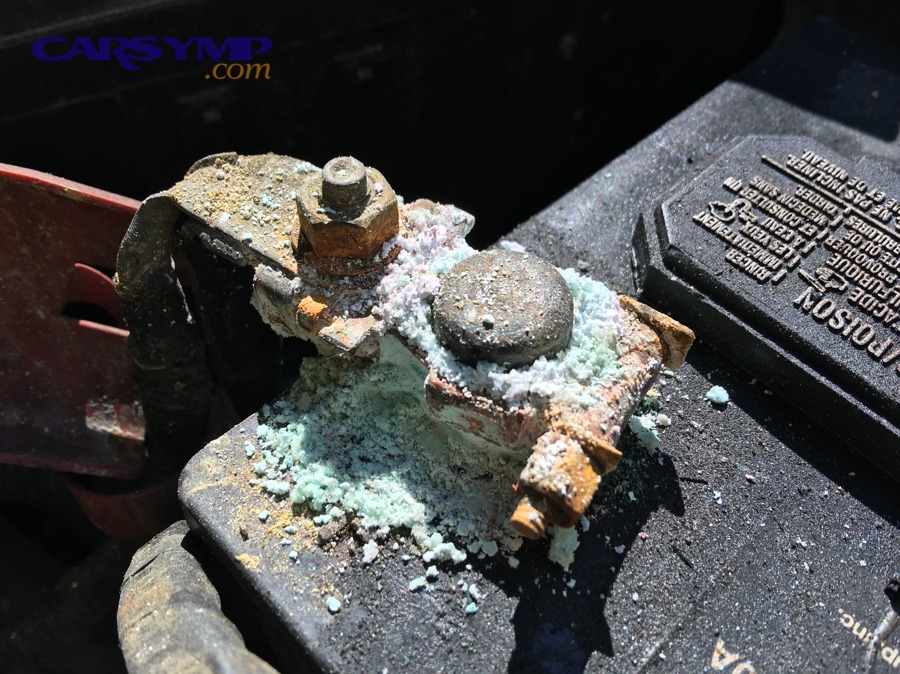
Electrical faults become urgent when they’re active failures, not minor inconveniences. An active failure is anything that creates heat, disables critical systems, or repeatedly collapses voltage. You don’t need to be an electrician to spot those—your senses and dashboard clues are enough.
Here are the three urgency triggers that should move you from “I’ll watch it” to “I’m going to a shop today”:
- Heat or burning signs: burning plastic smell, smoke, melting odor, or a hot electrical smell near the cabin, hood, or fuse box area.
- Charging system collapse: battery warning light on while driving, headlights dimming with RPM changes, or accessories shutting off one system at a time.
- Unpredictable power behavior: the car stalls, resets its dashboard, loses power steering assist, or shows multiple warning lights at once (“Christmas tree dash”).
Even if the car still moves, urgency matters because electrical faults often worsen under load. Turning on headlights, rear defroster, blower motor, and wipers increases current demand. Weak wiring connections or failing alternators can cross the line from “annoying” to “immobile” in minutes.
Is it unsafe to keep driving if you smell burning, see smoke, or notice hot wiring? (Yes/No)
Yes—it’s unsafe to keep driving with a burning smell, smoke, or hot wiring during electrical faults, because heat can ignite insulation, smoke can obscure visibility, and a short circuit can rapidly damage wiring harnesses.
Specifically, the safest move is to treat heat and smoke as an immediate stop condition.
If you smell burning plastic or see smoke, assume the fault is no longer just a symptom—it is now a hazard. Heat usually comes from one of these patterns:
- Short circuit (wire insulation damaged, wire contacts ground/metal)
- High resistance connection (loose terminal, corroded connection, weak ground strap) causing heat under current flow
- Overloaded circuit (wrong fuse rating, accessory wiring mistakes, failing component pulling too much current)
Do this in order:
- Signal and pull over safely.
- Shut the engine off and remove the key.
- If smoke is under the hood, do not open the hood fully—cracking it slightly reduces oxygen rush.
- Call for a tow if smoke persists or you see any melting.
- If you’re trained and it’s safe, disconnecting the negative battery terminal can stop current flow—but only if there’s no active smoke/flame near the battery.
This matters because electrical heat can build invisibly. A loose battery terminal may “work” until vibration or load spikes create arcing. That arcing can pit metal and increase resistance further, creating a loop that accelerates heat.
According to a study by L’viv State University of Life Safety from the Fire Safety Laboratory, in 2022, researchers reported that short-circuit arcs can instantly melt copper wiring and leave bead-like inclusions on the conductor surface—evidence of how quickly wiring can transition from fault to damage.
Can you drive to a shop if the battery light is on? (Yes/No)
It depends—but usually “No” if the battery light stays on and symptoms are worsening, because it often indicates charging failure that can strand you quickly, reduce engine control stability, and shut down electronics one system at a time.
Moreover, your next step is to judge distance versus deterioration.
A battery light while driving commonly means the alternator is not maintaining system voltage. When that happens, the car runs on battery reserve until voltage drops below what the engine computer and fuel system need.
You can sometimes limp a short distance if all of these are true:
- No burning smell, no smoke
- Headlights are not drastically dim
- Steering and braking feel normal
- You’re minutes away (not a long highway trip)
But it becomes a tow situation when:
- The dash starts flickering or rebooting
- Power windows slow dramatically
- You get multiple warning lights at once
- The engine begins to stumble or stall
A repair shop is the right destination, but arriving safely is the priority. If you’re not confident you can get there, towing is cheaper than getting stranded (or damaging modules due to voltage collapse).
What counts as an “electrical fault” in a car?
An electrical fault is a failure in your car’s power, ground, or signal circuits that prevents components from receiving stable voltage and correct commands, typically caused by wear, corrosion, heat, vibration, or damaged wiring.
To better understand when to visit a shop, it helps to know what “electrical fault” includes—and what it doesn’t.
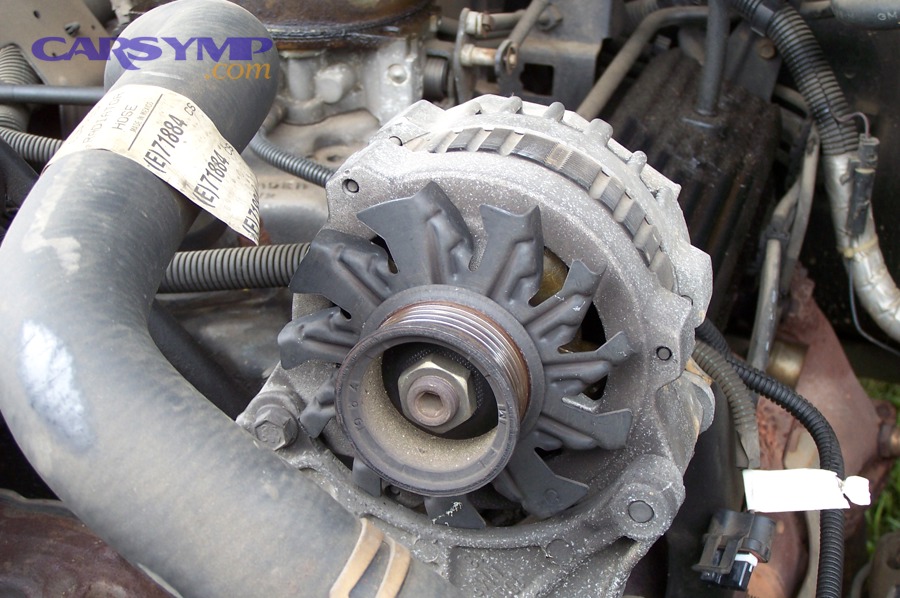
Drivers often call anything “electrical” when the car behaves strangely, but a repair shop will look at three technical categories:
- Power delivery faults: battery, alternator, main cables, fuse box feeds
- Ground faults: ground straps, chassis grounds, corroded terminals
- Signal/communication faults: sensors, switches, wiring integrity, module networks
An electrical fault can be a hard failure (car won’t start, blown fuse, dead alternator) or an intermittent failure (random warning lights, occasional no-crank, accessories cutting out over bumps).
What is not always an electrical fault?
- A worn mechanical part that triggers an electrical warning (e.g., a mechanical engine issue setting a check-engine light)
- A low battery caused by leaving lights on (not a fault unless it repeats)
- A single, isolated glitch that never returns (could be a one-time voltage dip)
The key definition you can use: if the symptom repeats or worsens under electrical load, it belongs in the electrical-fault category until proven otherwise.
What are the most common electrical fault symptoms drivers notice first?
There are 5 main types of early electrical-fault symptoms: starting issues, lighting changes, accessory glitches, warning indicators, and repeated battery drain, based on what system loses stable voltage first.
Then, each symptom type points you toward a different level of urgency.
Common early signs include:
- Slow crank or clicking when starting
- Dim or flickering lights, especially at idle
- Radio/infotainment resets or screen flickers
- Battery warning light or multiple warning lamps appearing together
- Battery that repeatedly dies overnight or after short trips
- Power windows slowing or behaving inconsistently
A repair shop becomes necessary when these symptoms stop being isolated and start clustering. For example, dim lights plus slow crank plus battery light suggests charging failure—not three separate problems.
Which warning signs mean it’s time to book a diagnostic appointment?
There are 6 major warning signs that mean it’s time to book an electrical diagnostic: repeated no-start behavior, persistent warning lights, flickering/dimming lights, accessory resets, repeated fuse failures, and intermittent power loss, based on symptom recurrence and system criticality.
Besides, booking early prevents a small connection issue from becoming a harness repair.
The phrase “book a diagnostic” matters because many electrical faults are not solved by guessing. A shop can test voltage drop, charging output, and circuit integrity in ways that a quick parts swap can’t.
These are “book it” signals:
- The issue happens more than once in a week
- The issue happens under the same condition (rain, bumps, engine hot)
- You’ve had to jump start more than once recently
- You experience intermittent stalling or sudden loss of accessories
- You have repeated fuse blows, even after replacing the fuse correctly
- Your car behaves differently when you turn on electrical loads (lights, HVAC, defroster)
What starting and no-start symptoms point to an electrical problem (slow crank, click, intermittent start)?
There are 4 main no-start patterns that point to electrical faults: slow crank, click-no-crank, no sound/no lights, and intermittent start, based on whether the battery can supply current and whether the starter circuit is being commanded.
Next, match your exact pattern to what a repair shop should test first.
- Slow crank (rr-rr-rr, sluggish turning):
Usually low battery state, weak battery, corroded terminals, or high resistance in cables. Cold weather makes this worse, but repeating in normal temps is a red flag. - Click-no-crank (single click, no spin):
Often starter solenoid engagement without enough current, a failing starter, poor ground, or a weak battery that voltage-sags under load. - No sound, dash lights weak or dead:
Battery connection, main power feed, or a major fuse/fusible link issue. - Intermittent start (works sometimes, fails other times):
Ignition switch signals, starter relay, neutral safety switch, loose terminals, or wiring that fails with heat/vibration.
A repair shop appointment is especially important for intermittent starts because they often leave no permanent trace—until the day they fail completely.
What lighting and accessory symptoms suggest wiring/ground or charging issues (flicker, dimming, resets)?
There are 3 main lighting/accessory patterns that suggest an electrical fault: RPM-linked dimming, bump-triggered flicker, and random resets, based on whether the cause is charging output, loose connections, or unstable supply voltage.
More specifically, the “when” of the symptom is your biggest clue.
- Lights dim at idle, brighten with RPM: alternator output weak at low speed, belt slip, or voltage regulation issues.
- Lights flicker when hitting bumps or turning: loose battery terminal, weak ground strap, or harness connection movement.
- Radio resets, screen flickers, clock resets: voltage drops below module threshold; often battery/alternator issues or bad main connections.
If your car’s electronics reset, it’s not just “annoying.” Modern modules depend on steady voltage. Repeated brown-outs can trigger false codes, erratic sensor readings, and unpredictable behavior that a shop must diagnose from root voltage stability.
What causes each symptom: battery vs alternator vs starter vs wiring?
Battery wins as the most common cause of repeat no-start after sitting, alternator is best known for dying while driving and battery-light events, starter is optimal to suspect for click/no-crank patterns, and wiring/grounds dominate intermittent and bump-triggered faults.
However, symptoms overlap, so the goal is not “perfect diagnosis”—it’s picking the right tests and the right urgency.
A shop will separate “component failure” from “connection failure.” Many “bad alternator” complaints are actually bad grounds. Many “dead battery” complaints are actually parasitic drain or charging issues.
Use these quick symptom-to-cause rules:
- After sitting overnight → battery / parasitic drain / poor terminal contact
- Dies while driving → alternator / belt / charging circuit
- Clicks but won’t crank → starter circuit / battery voltage sag / relay issues
- Random, intermittent weirdness → wiring/grounds / fuse box / module voltage stability
Battery vs alternator: which one is more likely when the car dies while driving?
Alternator wins when the car dies while driving, while the battery is best-fit when the car won’t start after sitting, and wiring is optimal to suspect when both happen intermittently, because driving relies on continuous charging output, while sitting relies on stored energy and clean connections.
Meanwhile, you can confirm the pattern with simple observation.
If the engine shuts off while moving and the dash lights up, think “charging system.” Here’s why:
- The alternator is what powers the vehicle after it’s running.
- If alternator output drops, voltage falls.
- Fuel injection, ignition control, and engine computers need stable voltage.
On the other hand, a car that starts fine after a jump but dies again after sitting often points to:
- Weak battery capacity
- Poor terminal contact/corrosion
- Parasitic drain from a device staying awake
A repair shop will test alternator output and battery load capacity separately, because replacing one without testing the other is a common waste.
Starter vs battery: what’s the difference between a click-no-start and a slow crank?
The battery wins as the likely cause of slow crank, the starter is best matched to consistent click-no-crank, and wiring/grounds are optimal suspects when either symptom is intermittent, because current delivery and engagement behavior differ.
To illustrate, your ears can guide the first test.
- Slow crank: the starter is turning, but not strongly. That often means the battery can’t deliver enough current, or resistance in cables/terminals is choking current flow.
- Click-no-crank: the solenoid may be trying to engage, but the motor doesn’t spin. That points to a failing starter, insufficient current, or control-side issues like a starter relay.
A shop will check:
- Battery voltage under load (voltage sag)
- Cable resistance/voltage drop
- Starter draw and engagement behavior
- Starter relay command signals
If the symptom changes with temperature (works cold, fails hot), that’s a strong sign you need professional diagnostics rather than repeated key turns.
Wiring/grounds vs fuses/relays: which fits intermittent problems and bumps-triggered failures?
Wiring/grounds win for intermittent and bump-triggered failures, fuses are best for clean, repeatable “this circuit is dead” failures, and relays are optimal for clicky, intermittent control-side faults, because physical movement and heat affect connections more than solid-state components.
More importantly, this is where “Relay vs fuse troubleshooting basics” prevents guesswork.
A fuse is a sacrificial protection device. If it blows, it usually means the circuit saw too much current. A relay is a switch that uses a small control signal to handle a larger load (like the fuel pump, starter solenoid, or cooling fan).
Relay vs fuse troubleshooting basics in plain terms:
- If a circuit is dead and the fuse is blown, you must ask why the current spiked.
- If a circuit is dead but the fuse is good, you test for power in and out—and relays become a prime suspect.
- If a circuit works sometimes and fails sometimes, relays and grounds rise to the top.
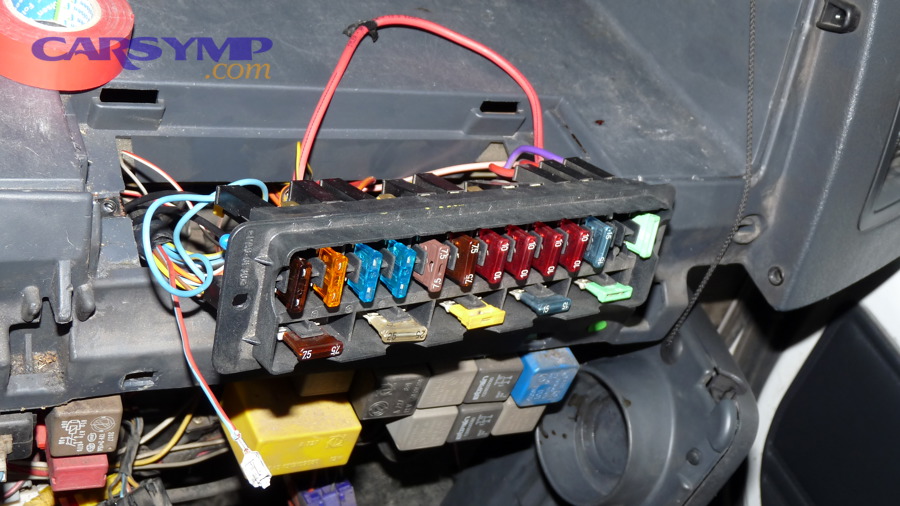
This is also where Fuse types and ratings explained matters. Automotive blade fuses come in different physical sizes and amperage ratings (mini, low-profile, standard, maxi). The color usually indicates the rating, but you must match the number printed on the fuse to avoid damage.
Never “upgrade” a fuse to a higher rating to stop it from blowing. That can turn a protected fault into melted wiring.
What quick checks can drivers do before going to a shop (without making it worse)?
You can do safe pre-shop checks by inspecting battery connections, checking belt condition, verifying obvious blown fuses, and confirming repeatable symptoms—typically in 4 steps—so you reduce guesswork without creating new electrical faults.
Then, the key is to keep checks non-invasive: look, verify, and document—don’t rewire.
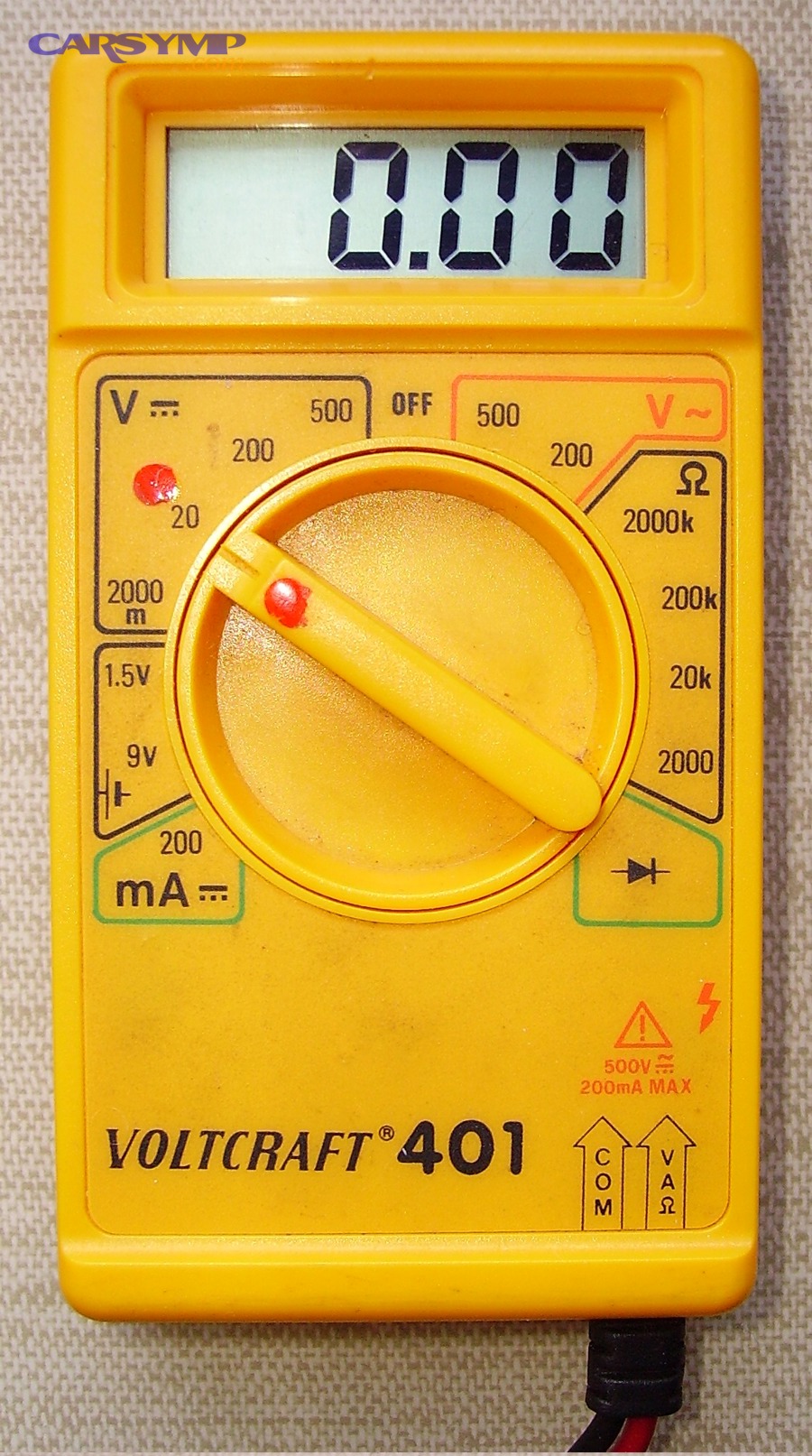
The goal of quick checks is not to “be the mechanic.” The goal is to:
- Avoid a preventable tow (like a loose terminal)
- Avoid damaging parts (like repeated cranking with low voltage)
- Provide the repair shop with better clues (conditions, frequency, triggers)
Safe quick checks that most drivers can do:
- Battery terminals: look for corrosion, looseness, cracked clamps
- Battery cables/grounds: inspect for fraying, looseness at chassis ground
- Alternator belt: look for obvious belt damage or looseness
- Fuse check: confirm whether a key circuit lost power due to a blown fuse
This is where fuse replacement becomes relevant: replacing a blown fuse can restore a circuit, but it must be done correctly—same type, same rating, and only after you consider why it blew.
Can you rule out a loose battery terminal or corrosion at home? (Yes/No)
Yes—you can often rule out a loose terminal or corrosion at home for electrical faults, because a visual inspection shows buildup, a gentle clamp check reveals looseness, and cleaning can restore contact when corrosion is mild.
Next, treat battery connections as the first “simple fix” checkpoint.
A loose or corroded terminal causes high resistance. High resistance causes voltage drop under load. Voltage drop causes:
- Slow crank
- Flickering lights
- Random resets
- False warning indicators
A safe approach:
- With the engine off, inspect: white/blue powder, green corrosion, moisture.
- Gently try to move the clamp (don’t yank). A clamp should not rotate freely.
- If corrosion is present, clean with proper battery-terminal tools or baking soda solution only if you’re comfortable and wearing protection.
If corrosion keeps coming back, that’s a clue for the shop—there may be acid seepage, overcharging, or a damaged terminal.
What fuses and relays can you safely check, and what does a repeatedly blown fuse mean?
There are 3 main fuse/relay checks drivers can safely do: visual fuse inspection, same-rating fuse swap, and relay swap with an identical relay, based on minimizing risk and avoiding wiring changes.
More specifically, these steps work because fuses and relays are designed to be serviceable.
A safe fuse process:
- Locate the fuse diagram (owner’s manual or fuse box cover).
- Identify the circuit you suspect (radio, headlights, power outlet).
- Pull the fuse with a fuse puller and inspect the metal strip.
If you want a more reliable answer than visual inspection, this is where How to test a fuse with a multimeter fits naturally. You can test continuity across the fuse:
- Set multimeter to continuity mode (or resistance/ohms).
- Touch probes to each blade of the removed fuse.
- Continuity beep or near-zero resistance suggests a good fuse; “OL” or very high resistance suggests a blown fuse.
To ground this in common practice, many technicians also test fuses in place using test points on the top of blade fuses (if your fuse design supports it). That’s faster and reduces wear on the fuse box.
What does a repeatedly blown fuse mean?
A fuse that blows again usually indicates a short to ground or a component drawing too much current. In that case:
- Replace the fuse once with the correct rating to confirm it’s not a one-off.
- If it blows again, stop—don’t keep feeding the fault.
- Book a repair shop diagnostic because wiring damage can escalate.
Here’s a simple table that shows what your fuse behavior usually implies and what action makes sense.
| Fuse behavior | What it usually indicates | Best next action |
|---|---|---|
| Blown once, then fine | Temporary surge or aging fuse | Replace once correctly and monitor |
| Blown immediately again | Short circuit or overloaded component | Stop replacing; schedule diagnostic |
| Fuse looks fine but circuit dead | Relay issue, upstream feed issue, or ground issue | Check relay swap; book diagnostic if unclear |
And because drivers often confuse fuses and relays: Fuse types and ratings explained is not trivia—it’s damage prevention. Always match:
- Physical type (mini, low-profile, standard, maxi)
- Amperage rating (printed number)
- Circuit location (correct slot)
Finally, if you suspect a relay, the simplest driver-level method is a same-part-number relay swap from a non-critical circuit (only if your manual indicates it’s safe). That’s a practical Relay vs fuse troubleshooting basics step that can validate a relay suspicion without tools.
When should you stop DIY and request a tow instead?
Yes—you should stop DIY and request a tow for electrical faults when there’s fire risk, repeated stalling, total power loss, or unpredictable dashboard resets, because continuing can strand you, damage modules, and turn a small fault into an expensive harness repair.
In addition, towing is often the safer “cheap decision” compared to gambling on intermittent power.
Electrical faults are different from many mechanical problems: they can cascade. One weak ground can cause voltage spikes and drops that confuse multiple modules. One short can overheat an entire branch of wiring. Once the fault is active, “trying again” can be harmful.
Is it a tow situation if the car stalls repeatedly or the dashboard lights up randomly? (Yes/No)
Yes—repeated stalling or random dashboard light-ups are tow situations for electrical faults, because they indicate unstable voltage, charging failure, or failing power/ground integrity that can cut engine control unexpectedly.
More importantly, unpredictable faults reduce your ability to drive defensively.
Treat it as tow-worthy when any of these happen:
- The engine stalls more than once in a short drive
- The steering assist changes suddenly (heavier or inconsistent)
- The dashboard reboots or multiple lights flash together
- The headlights dim drastically while driving
- You lose throttle response or transmission behavior becomes erratic
If you drive through a voltage collapse, you risk:
- Corrupting module memory (rare, but possible)
- Triggering limp mode far from help
- Losing safety-related functions dependent on stable voltage (ABS/ESC behavior can be affected by low voltage conditions)
A repair shop can diagnose this with controlled testing. On the road, you cannot control load, heat, and vibration well enough to keep it safe.
What happens during an electrical diagnostic—and what might it cost?
An electrical diagnostic usually includes battery/charging tests, circuit integrity checks, and scan-tool evaluation, and costs vary because simple failures (terminals, fuses, alternator) are quick while intermittent wiring faults take longer investigative time.
To better understand what you’re paying for, it helps to see the exact tests shops use and why time matters.
A good repair shop typically starts with “foundational electrical truth” before chasing symptoms:
- Is system voltage stable?
- Can the battery supply load?
- Is the alternator charging correctly under load?
- Are grounds and main feeds healthy?
- Are modules reporting low-voltage or communication faults?
This prevents the classic trap: replacing the battery, then the alternator, then the starter—when the real issue was a corroded ground.
What tests do shops use (battery load test, alternator output, voltage drop, scan tool)?
There are 4 core tests shops use: battery load testing, alternator output testing, voltage-drop testing, and scan-tool evaluation, based on confirming power supply, charging capacity, connection integrity, and module-reported faults.
Specifically, each test answers a different “root cause” question.
- Battery load test: checks whether the battery can deliver current without voltage collapsing.
- Alternator output test: checks charging voltage and current under load (lights, blower, defroster on).
- Voltage drop test: identifies high-resistance connections in cables and grounds that look “fine” visually.
- Scan tool: reads diagnostic trouble codes and monitors voltage-related data and network faults.
Voltage drop testing is a major separator between guessing and knowing. A cable can look intact but still drop too much voltage under load due to internal corrosion or loose crimps.
According to a study by L’viv State University of Life Safety from the Fire Safety Laboratory, in 2022, researchers described how short-circuit heating and arcing can transform copper wiring and produce surface beads and pits—one reason professionals look for evidence of electrical stress rather than relying on appearances alone.
Why do intermittent electrical faults take longer to diagnose than constant failures?
Intermittent electrical faults take longer because they require reproduction of the condition, isolation of the exact circuit state when it fails, and often heat/vibration testing to reveal weak connections, while constant failures show up immediately in tests.
Meanwhile, “time” is not wasted time—it’s the cost of certainty.
Intermittent faults often depend on:
- Temperature (hot soak after shutdown)
- Vibration (bumps, engine movement)
- Moisture (rain, humidity, washing the car)
- Load (only fails when multiple accessories are on)
Shops may use:
- Wiggle testing harnesses while monitoring voltage drop
- Heat/cool cycles
- Data logging
- Component substitution (swap a known-good relay)
- Circuit isolation to find the exact branch causing the collapse
That’s why a repair shop might quote diagnostic time rather than a fixed price until the issue is pinned down.
What rare causes should you mention to the shop (water intrusion, corrosion, aftermarket accessories)?
There are 3 rare-but-important causes to mention: water intrusion, deep corrosion in connectors/grounds, and aftermarket accessory wiring, because each can create hidden shorts, parasitic drain, or communication faults that mimic major component failure.
More importantly, telling the shop these details speeds diagnosis.
Bring these clues to your appointment:
- The problem started after heavy rain, flooding, or windshield replacement (possible water pathways)
- You’ve had rodent activity (chewed wiring)
- You installed accessories: remote start, audio amp, dash cam hardwire, LED conversions, trailer wiring
- The car sat unused for months (corrosion patterns and battery sulfation)
A shop can test faster when they know what changed. Electrical faults are often “context-driven.”
Is it usually a quick fix or a bigger repair (fuse/terminal vs alternator vs wiring harness)?
A fuse or terminal fix wins for speed and low cost, an alternator replacement is best for clear charging failure, and a wiring harness repair is optimal only when tests prove short circuits or high-resistance faults in the harness, because labor complexity increases sharply with wiring access.
In short, diagnosis determines whether the repair is simple or structural.
Typical “quick fix” outcomes:
- Cleaning/tightening battery terminals
- Replacing a correct-rated fuse once the root cause is addressed
- Replacing a relay that fails intermittently
- Replacing a worn battery that fails a load test
Typical “bigger repair” outcomes:
- Alternator replacement with belt/tension checks
- Repairing corroded grounds and main power feeds
- Locating and repairing a harness short (time-consuming but necessary)
If your issue includes smoke or burning smell, scope expands to safety and prevention. This is also where EVs and hybrids deserve a special note: high-voltage systems add risk and require specialized procedures.
According to a study by the University of Miami from the Department of Public Health Sciences, in 2024, investigators reported that during an electric vehicle fire, more than 100 chemicals can be released—one reason any smoke or burning electrical odor should be treated as a high-urgency event rather than a “drive it and see” situation.