


Unusual transmission sounds usually mean one of two things: something has changed in how parts mesh (gears, bearings, clutches), or something has changed in how the transmission is lubricated and hydraulically controlled (fluid level/condition, pump, valve body). This guide helps you decode the most common transmission/gearbox noise types and meanings so you can judge seriousness and choose the smartest next step.
Different noises tend to point to different subsystems. A high-pitched whine often tracks with gear mesh or pump flow; a grinding sound often tracks with shift synchronization or damaged rotating parts; a clunk often tracks with driveline lash, mounts, or a sudden torque transfer event. The “meaning” becomes much clearer when you pair the sound with when it happens.
Timing is the shortcut to accuracy. Whether the sound appears in neutral vs in gear, only on acceleration, only on decel, or only at certain road speeds can quickly separate gearbox-internal causes from wheel bearings, tires, exhaust contact, and other look-alikes.
Introduce a new idea: once you understand the sound + timing pattern, you can follow a simple gearbox noise diagnosis workflow—capture the noise safely, run isolation checks, and decide whether you can drive, should service fluid, or need a professional inspection.
What counts as a “transmission/gearbox noise,” and how do you tell it from normal drivetrain sounds?
A “transmission/gearbox noise” is a repeatable sound that changes with gear selection, load, road speed, or drivetrain torque flow—and it’s considered abnormal if it’s new, getting worse, or paired with shifting/driveability symptoms. Next, the key is separating gearbox noise from other drivetrain sources so you don’t chase the wrong repair.
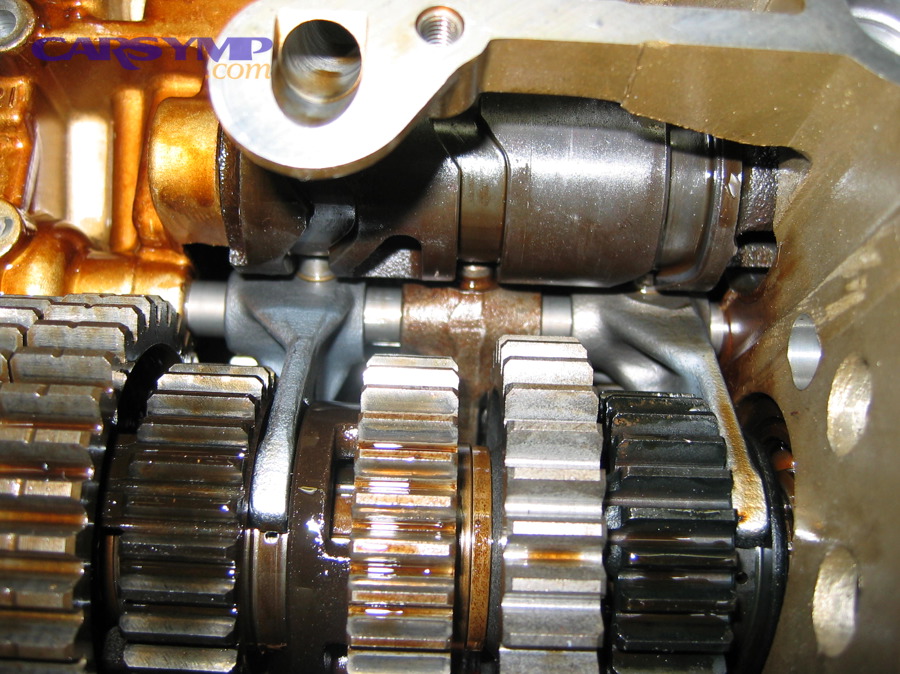
Is this sound really coming from the gearbox, or is it the engine/exhaust/tires?
Most misdiagnoses happen because many rotating parts “share” similar sound signatures. Use these quick differentiators:
- If the sound changes with vehicle speed, not engine RPM, suspect wheels/tires/bearings/differential more than the engine.
- If the sound changes with gear selection (P/R/N/D, or specific gears), suspect transmission/gearbox or driveline lash.
- If the sound appears when you press the clutch pedal (manual) or changes dramatically with clutch in/out, suspect input shaft, release bearing, pilot bearing, or the clutch assembly (not just gears).
- If the sound appears only when turning, suspect wheel bearings, CV joints, or differential side bearings—gearbox is less likely.
A practical trick: on a safe road, hold a steady road speed and lightly modulate throttle. A true gearbox-internal whine often changes with torque load (on/off throttle), while a tire howl or wheel bearing rumble often stays tied to speed.
What “normal” gearbox noise sounds like (and when it’s acceptable)
Some noise is normal—especially in older vehicles, performance gearsets, or certain designs:
- Light gear whir in lower gears (manual) can be normal because lower gears have higher torque multiplication and different tooth loading.
- A faint hydraulic “hiss/whirr” in automatics can be normal due to pump and fluid flow.
- Some CVTs produce a consistent, steady “electric motor-like” whine under load that is characteristic of their belt/chain and pump control strategy.
It becomes not normal when it is (1) new, (2) increasing over days/weeks, (3) accompanied by harsh shifts, slipping, delayed engagement, burning smell, leaks, or warning lights.
What symptoms (besides noise) matter most for meaning?
Noise is only half the story. These companions raise urgency dramatically:
- Slip or flare (engine revs rise without matching acceleration)
- Delayed engagement (not moving promptly after selecting D/R)
- Hard shifts or banging into gear
- Burnt smell / dark fluid / overheating
- Grinding during shifts (manual)
- Shudder (especially during light acceleration or torque converter lockup)
- Metal flakes in fluid (if inspected)
According to an overview of professional diagnostic approaches, isolating the source using road-test replication and tool-assisted listening is a key step because multiple components can transmit vibration through the chassis, making “where you hear it” misleading.
What do different transmission/gearbox noise types mean?
There are 7 main transmission/gearbox noise types—whining, humming/droning, grinding, clunking/thumping, rattling/chatter, squealing/chirping, and clicking/knocking—and each type is most diagnostic when you tie it to timing (when it happens) and load (on/off throttle). Then, use the sound profile as a “category label,” not a final verdict, because multiple failures can create similar sounds.
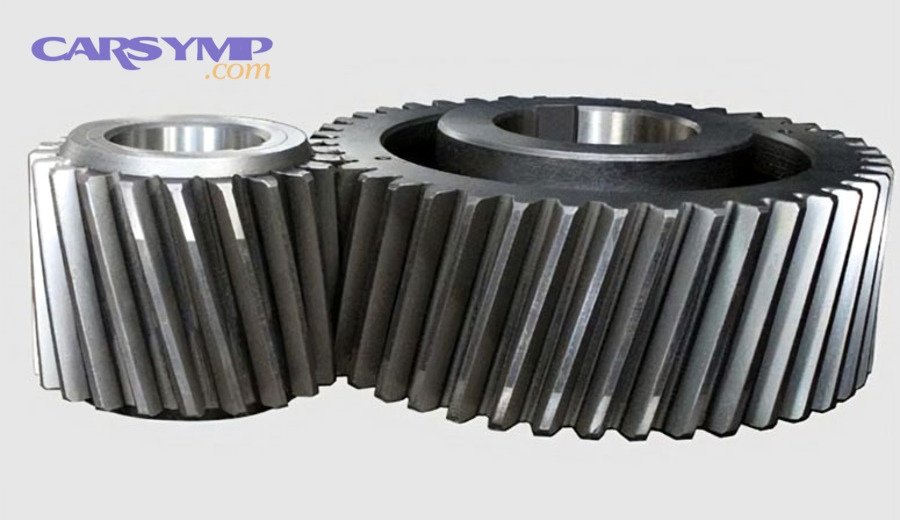
Before the details, this table summarizes what the sound usually points to and what to check first.
| Noise type | Typical meaning (first-pass) | Common first checks |
|---|---|---|
| Whine | Gear mesh/bearing or hydraulic pump flow | Fluid level/condition; load sensitivity |
| Hum / drone | Bearing-related or rotating mass resonance | Speed sensitivity; turning sensitivity |
| Grinding | Synchronizer/clutch release issue or damaged rotating parts | Shift timing; clutch in/out changes |
| Clunk / thump | Lash, mounts, CV/U-joints, harsh engagement | Mounts; driveline play; shift quality |
| Rattle / chatter | Loose parts, dual-mass flywheel, idle gear rattle, chain/belt slap | Idle vs load; neutral vs gear |
| Squeal / chirp | Belt-driven accessories or seals/bushings; sometimes clutch release bearing | RPM link; clutch pedal test |
| Click / knock | CV joints, broken teeth, damaged bearings, severe internal damage | Turning/load patterns; severity |
What does whining noise mean in a gearbox or transmission?
A whining noise usually means either (a) gear mesh/bearing-related vibration or (b) hydraulic pump flow/cavitation, depending on whether it tracks road speed/gear selection or fluid pressure demand. More importantly, whining is one of the most common reasons people search for gearbox noise diagnosis because it can be “minor wear” or “early warning.”
Key pattern clues:
- Whine that rises with vehicle speed in a specific gear → gear mesh or bearing on a specific shaft.
- Whine that rises with engine RPM even in neutral (manual) / park (auto) → pump/accessory-related or input-side components.
- Whine that gets louder on acceleration, quieter on decel → loaded gear mesh, pinion/diff, or bearing under torque.
Automatic transmission pump whine signs often include a high-pitched whir that worsens with cold fluid, low fluid level, or aeration—especially if it appears during engagement (D/R) or under steering/brake load when line pressure demand changes.
Evidence: According to a study by Michigan Technological University from the Department of Mechanical Engineering–Engineering Mechanics, in 2003, researchers linked measurable pressure fluctuations in an automotive torque converter to cavitation behavior—an important mechanism behind high-frequency hydraulic noise in fluid-coupled drivetrains. (me.mtu.edu)
What does humming or droning mean?
A hum or drone usually means a rotating component is producing a steady vibration that the body amplifies—most often a bearing, sometimes a gear pattern issue, and often something outside the transmission (wheel bearings/tires). Next, use “turning sensitivity” as your filter.
- Drone that gets louder when turning left → often right-side wheel bearing (and vice versa).
- Drone that changes with gear selection → transmission/differential more likely.
- Drone that’s present at a narrow speed band (e.g., 45–55 mph) → resonance (mounts, exhaust, driveshaft angles) as much as wear.
What does grinding mean (especially during shifting)?
Grinding usually means metal-to-metal contact during engagement, and in a manual it most often points to clutch release problems or worn synchronizers, not “random gears exploding.” Then, the fastest divider is whether grinding happens only during shifts or while driving in gear.
- Grinding only while selecting a gear (manual):
- Clutch not fully releasing (hydraulic issue, cable adjustment, warped disc)
- Worn synchronizer ring or cone surfaces (gear speed mismatch)
- Grinding while driving:
- Severely damaged bearings or gear teeth
- Debris circulation due to internal wear
If you’re specifically noticing Manual gearbox bearing noise symptoms, don’t confuse them with shift grinding: bearing issues more often produce a growl/whine that changes with load, while synchro problems produce a crunch/grind at the moment of engagement.
Evidence: According to a study by researchers at Chalmers University of Technology from the Department of Industrial and Materials Science, in 2012, gear whine modeling emphasized transmission error/mesh excitation as a primary pathway to audible tonal noise—supporting why gear-related whine intensifies under certain loads and gear states. (publications.lib.chalmers.se)
What does clunking or thumping mean?
A clunk or thump usually means torque is being taken up abruptly somewhere in the driveline, which is often mounts, joints, or lash, and only sometimes an internal transmission failure. Next, separate “single event” clunks from “repeatable per-rotation” thumps.
- Single clunk when shifting D↔R, or on throttle tip-in:
- Worn engine/trans mounts
- Excess driveline lash (U-joints, CV joints, differential backlash)
- Harsh shift calibration or low line pressure (auto)
- Repeated thump under load:
- CV joint issues (especially in turns)
- Driveshaft or carrier bearing issues (RWD/AWD)
What does rattling, chatter, or “marbles in a can” mean?
Rattle/chatter usually means clearance + vibration—parts tapping, teeth rattling under low load, or a chain/belt slapping—often most obvious at idle or light throttle. Then, the most diagnostic condition is idle/neutral vs in-gear.
- Manual in neutral at idle: gear rattle from input/countershaft, especially if the clutch is engaged (pedal up).
- Dual-mass flywheel wear: “bag of rocks” rattle at idle that changes with clutch.
- CVT chain/belt slap: rattle under certain torque transitions.
- Heat shields/exhaust contact: rattle that changes with bumps rather than gear/load.
What does squealing or chirping mean?
A squeal or chirp usually means a high-frequency friction event—often accessory belt slip, a dry bearing, or a seal/bushing contacting a rotating surface. Next, check whether it is tightly linked to engine RPM (not road speed).
- Serpentine belt slip or idler pulley
- Throwout (release) bearing chirp (manual) that changes with clutch pedal position
- Axle seal contact (rare, but possible if misinstalled)
What does clicking or knocking mean?
Clicking/knocking usually means a repeating impact—either a joint clicking under articulation or, in severe cases, a damaged tooth/bearing creating periodic shock. Next, treat intensity as a safety factor.
- Clicking in turns → CV joint classic pattern
- Knock that appears under load and worsens fast → stop driving and inspect; internal damage is possible
- Rhythmic knock that scales with road speed → rotating driveline component, not necessarily gearbox
When do transmission noises happen—and why does timing matter?
Timing matters because it tells you which rotating group is loaded (input side vs output side) and which mechanism is active (gear mesh vs pump pressure vs lash). Then, you can use timing to interpret “same sound, different meaning” cases.
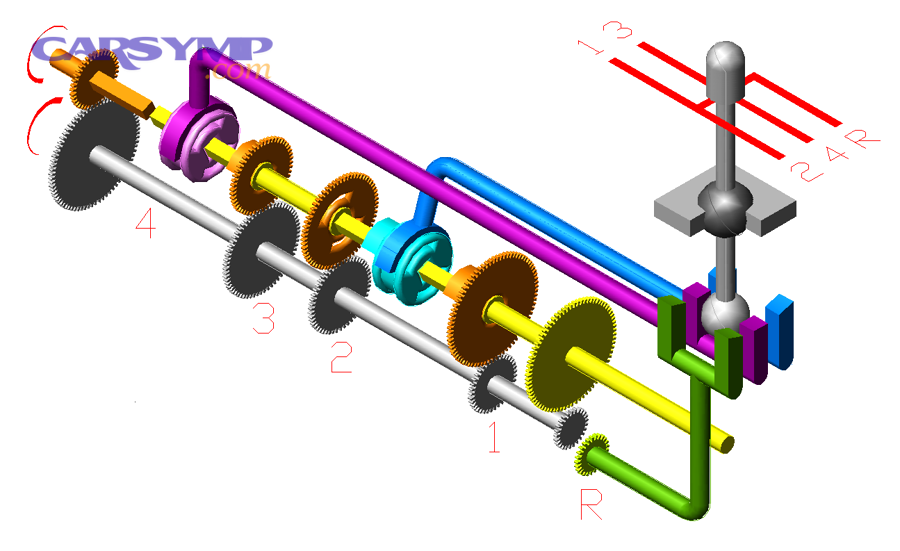
Why “noise in neutral vs in gear” is one of the biggest clues
Noise in neutral vs in gear is a major clue because neutral changes what is being driven and loaded.
- Manual, neutral, clutch pedal up (engaged): input shaft and countershaft spin. Noise here points to input bearing/countershaft bearings/gear rattle.
- Manual, neutral, clutch pedal down (disengaged): input side stops being driven. If noise disappears, it implicates input bearing, clutch disc, pilot bearing, or input-driven gears.
- Automatic, Park/Neutral: pump is still driven, but geartrain loading is different. Whine here can indicate pump or converter-related noise more than gear mesh under road load.
Noise in neutral vs in gear clues often narrow diagnosis from “entire gearbox” to one shaft or one system in minutes.
What does noise only on acceleration vs only on deceleration suggest?
- Only on acceleration usually means loaded gear mesh/bearing under torque, mounts taking torque reaction, or a joint binding under positive torque.
- Only on deceleration often points to:
- coast-side gear tooth contact pattern issues
- backlash take-up and release
- differential/pinion patterns (especially in RWD/AWD)
A true internal gear whine often shifts tone between accel and decel because tooth contact moves to a different flank.
What does noise that changes with vehicle speed (not engine RPM) mean?
If the sound scales with vehicle speed regardless of gear or engine RPM, suspect:
- Wheel bearings
- Tires (cupping, aggressive tread)
- Differential output bearings
- Driveshaft/support bearings
This is why a road-speed-linked drone should be tested with gentle lane changes and surface changes before blaming the transmission.
What does a noise that changes with engine RPM (even with clutch in) mean?
If the noise follows engine RPM even with the clutch disengaged (manual) or in Park (auto), suspect:
- Accessory drive components
- Torque converter/pump (auto)
- Release bearing chirp (manual, depending on pedal position)
What does noise only when turning, braking, or hitting bumps mean?
- Turning-only: CV joints, wheel bearings, differential side gears, AWD couplers
- Braking-only: brake hardware, backing plates, dust shields, or drivetrain “rock” due to mounts
- Bumps-only: exhaust contact, heat shields, loose mounts, subframe movement
What are the most likely causes behind each noise—and how serious are they?
The most likely causes fall into fluid/hydraulic issues, bearings, gear tooth damage, shift components, and driveline support parts, and seriousness depends on whether the failure mode is progressive wear or catastrophic damage. Next, treat this section like a “meaning-to-cause translator” so you can act appropriately.
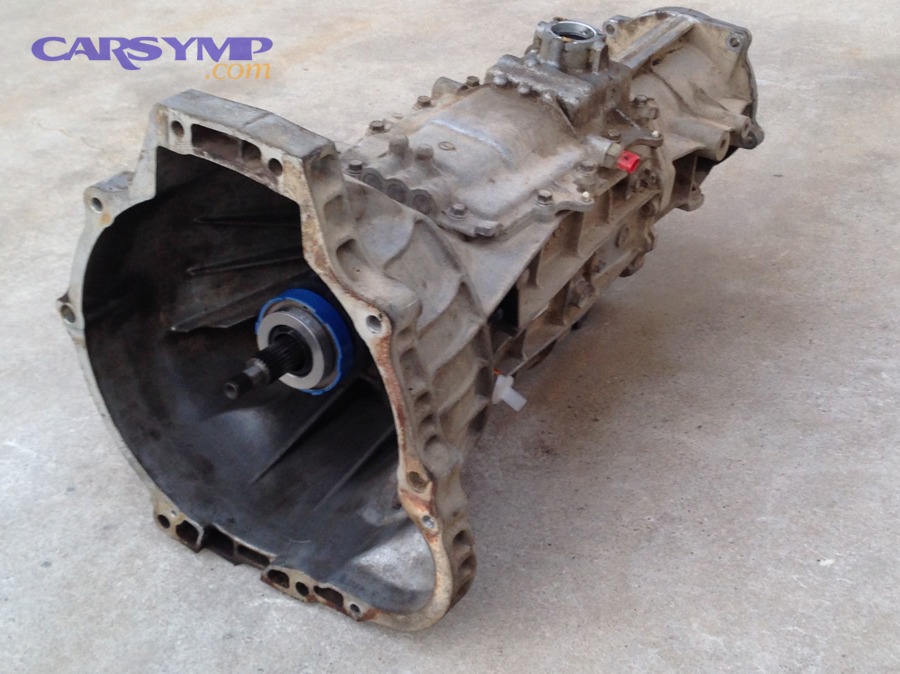
How low or degraded fluid creates noise (and which noises it tends to cause)
Low or degraded fluid creates noise because lubrication film weakens and hydraulic pressure becomes unstable.
- Whine: increased friction and pump demand; potential aeration/cavitation if level is low.
- Buzzing/humming: pressure regulation instability, solenoid activity (autos), or bearing film breakdown.
- Growl: bearings running with inadequate film thickness.
This is why fluid level/condition is a first-line check in almost every gearbox noise diagnosis: it is cheap, fast, and sometimes corrective.
A helpful concept from hydraulic lubrication practice is that aeration and cavitation can create high-frequency noise and accelerate wear when fluid pressure drops locally and bubbles collapse. (machinerylubrication.com)
What worn bearings sound like (input shaft, output shaft, differential bearings)
Bearings tend to produce growling, humming, or a rough whir that changes with load and speed.
- Input shaft bearing (manual): often audible in neutral with clutch engaged; may reduce with clutch pedal down.
- Output shaft/differential bearings: often track road speed; may change with turning load.
- Automatic planetary bearings: can produce a steady whir that changes with gear state.
Manual gearbox bearing noise symptoms often show up as a growl/whine that is strongest in one or two gears, and may be louder cold and slightly quieter warm—until wear progresses.
What gear tooth damage sounds like (pitting, spalling, chipped teeth)
Gear tooth damage often produces:
- Whine (tonal) from altered contact pattern and transmission error
- Click/knock if a tooth is chipped and impacts once per rotation
- Grinding/rumble if debris circulates and damages multiple meshes
Evidence: According to analysis published in NASA technical literature on gear noise mechanisms, transmission error is closely tied to noise emitted by gear pairs, helping explain why small profile/misalignment changes can create audible whine. (ntrs.nasa.gov)
What synchronizer and clutch issues sound like in manuals
Manual shift problems sound different depending on the mechanism:
- Worn synchronizer: grind/crunch during the shift into a specific gear; improves with double-clutching sometimes.
- Clutch not releasing fully: grind selecting reverse or first at a stop; vehicle may creep with clutch pressed.
- Release bearing: chirp/squeal that changes with pedal pressure.
- Pilot bearing: noise when clutch is depressed (load shifts to pilot).
What torque converter, pump, or valve body issues sound like in automatics
Automatics add hydraulic and converter-driven sound sources:
- Pump whine: high-pitched whir that can worsen with low fluid, cold fluid, or aeration.
- Converter-related noise: whine, shudder, or rumble during lockup events or at stall-like conditions.
- Valve body/solenoid buzz: buzzing or humming that may correlate with specific shift events.
If you’re chasing Automatic transmission pump whine signs, take note of whether the whine:
- appears immediately on selecting D/R,
- changes with steering/brake input (line pressure demand),
- worsens cold and improves slightly warm,
- comes with delayed engagement or harsh shifts.
What mounts, CV joints, U-joints, and driveline lash sound like (often mistaken for gearbox)
These are frequent “false gearbox” causes:
- Mounts: thump/clunk on gear changes, bumps, or throttle transitions.
- CV joints: clicking in turns; clunk when worn severely.
- U-joints / driveshaft: clunk on take-up; vibration + rumble at speed.
- Driveline lash: clunk when abruptly on/off throttle.
Because sound travels through the body, you can “hear” a mount clunk near the shifter even when it originates at the subframe.
When is it unsafe to drive (red-flag noises and symptoms)?
It’s often unsafe to drive if you have any of these combinations:
- Loud grinding while driving + loss of drive
- Rapidly worsening whine + burning smell + slipping or overheating
- Clunking that becomes banging under load
- Metal flakes/chunks found in fluid
- Warning light + harsh shifting + delayed engagement
If the sound is accompanied by loss of propulsion, smoke, or severe vibration, stop driving and tow—continued operation can turn a repair into a replacement.
What should you do next when you hear gearbox noise?
You should take 5 steps: capture the noise safely, note timing patterns, run isolation checks, check fluid/obvious external causes, and decide whether you can monitor, service, or seek a shop diagnosis. Then, you’ll avoid the two common mistakes: (1) throwing parts at it, or (2) ignoring a red-flag progression.
How to capture the noise so it’s diagnosable (safe test drive checklist)
To capture the noise diagnosably, record it in two conditions and annotate what you did:
- Steady cruise at the speed where it’s clearest (10–15 seconds)
- Light acceleration then lift-off (10–15 seconds)
Also note:
- Gear selected (or whether it’s in manual mode)
- Engine RPM range
- Road speed
- Temperature (cold start vs fully warm)
- Whether turning changes it
This “metadata” often matters more than audio quality.
How to do a quick “at-home” isolation test (no special tools)
Try these simple tests:
- Manual clutch test: at idle in neutral, pedal up vs pedal down. Does the sound change? That’s a major input-side clue.
- Gear-state test (auto): in Park/Neutral vs Drive with brakes held (only if safe and per manufacturer guidance). Does whine appear only in Drive?
- Load test: gentle throttle on/off at the same speed. Does whine change with load?
- Turning test: gentle lane change left/right at the same speed. Does drone change side-load?
Do not do aggressive braking, high-RPM neutral revving, or risky maneuvers. The goal is pattern detection, not stress testing.
What a shop will do differently (scan, pressure tests, chassis ears, teardown)
A shop adds tools and controlled verification:
- Scan tool data: slip counts, line pressure commands, solenoid activity, converter lockup behavior.
- Pressure tests (autos): verifies pump/valve body performance.
- Chassis ears / electronic stethoscope: microphones clipped to suspected components to pinpoint the loudest source while driving.
Here’s one demonstration video showing how chassis-ear style tools isolate noise sources:
Professional diagnostic guidance highlights that chassis-ear style tools can speed up pinpointing the true source when sounds transmit through the body.
What to fix first (decision tree by symptom severity)
Start with the highest-leverage, lowest-regret actions:
- If red flags (slip, delayed engagement, burning smell, loud grinding): stop driving → shop/tow.
- If fluid-related signs (whine + leak evidence, dark/burnt fluid, cold-worse): check for leaks, verify correct level/condition, service per spec.
- If clunk/thump: inspect mounts, CV/U-joints, driveline play before condemning the gearbox.
- If shift-only grinding (manual): check clutch release and linkage; synchro diagnosis next.
- If speed-linked drone: rule out tires/wheel bearings first.
Manual vs automatic vs CVT: how do the meanings of the same noise change?
Manual wins in mechanical simplicity, automatic is best for hydraulic complexity, and CVT is optimal for “steady-state” whine patterns—so the same noise can mean very different things depending on transmission type. Next, treat “noise meaning” as transmission-type-dependent rather than universal.
Which noises mean different things in a manual vs automatic
- Whine
- Manual: often gear mesh or bearings tied to a specific gear/shaft
- Automatic: could be pump/line pressure, converter flow, or planetary geartrain
- Grinding
- Manual: often clutch/synchro engagement
- Automatic: more concerning—could be internal hard-part contact
- Clunk
- Manual: driveline lash or mounts
- Automatic: may also include harsh engagement events due to pressure/control issues
How CVT noises differ (belt/chain, pulley, pump, stepper motor)
CVTs often create:
- A smooth, steady whine under load (belt/chain on pulleys + pump)
- A change in pitch without discrete “shift events” (because ratios vary continuously)
- Sometimes a rattle at low speed if the belt/chain or pulley surfaces are worn
CVT diagnosis leans heavily on fluid condition and control behavior because the system is sensitive to friction characteristics.
Where dual-clutch transmissions (DCT/DSG) fit in
DCT/DSG units blend manual-style geartrains with automated clutch control:
- You may hear gear whine like a manual (gear mesh)
- You may feel/hear engagement clunks if clutch adaptation is off or mounts are worn
- Low-speed “chatter” can happen depending on clutch strategy and wear
Why EV reductions gearboxes change the “meaning” of noise
EV drivetrains remove engine masking noise, so you may notice gear whine that would be “hidden” in an ICE vehicle. A mild whine at certain speeds can be normal—what matters is trend (getting worse) and new harmonics (new tones or roughness).
What advanced edge cases can imitate transmission noise—and how do you rule them out?
Advanced imitators include wheel bearings, tires, differential/transfer case, exhaust contact, and resonance effects that amplify normal noise into a “ghost” complaint—so you rule them out by matching sound behavior to the component’s load path and motion. Then, you’ll avoid expensive, unnecessary transmission work.
Could it be wheel bearings or tires instead of the transmission?
Yes—often. Rule-out logic:
- Tires: noise changes with road surface; may improve after rotation.
- Wheel bearings: drone changes with gentle left/right loading; often louder turning one direction.
Could it be the differential/transfer case?
If the vehicle is RWD/AWD/4WD, many “gearbox” noises originate downstream:
- Diff whine often changes with accel/decel like gear whine
- Transfer case can whine or chain-rattle under load transitions
The best clue is whether the noise changes with transmission gear selection or persists regardless of gear (more downstream).
Could it be heat shields, exhaust contact, or accessories?
Rattles and chirps commonly come from:
- Heat shields vibrating at a specific RPM band
- Exhaust contacting a crossmember under torque
- Accessory pulleys/belts chirping with engine RPM
These often correlate with bumps or engine RPM more than road speed.
Why “ghost whine” and resonance happen even in healthy gearboxes
Resonance happens when a normal vibration frequency matches a body/chassis “amplifier” frequency (mounts, panels, exhaust). That’s why some vehicles have a noticeable whine at a very specific speed band even when the gearbox is healthy. The diagnostic key is stability over time: resonance tends not to worsen quickly, while wear-related noise often does.