


A correct coolant-to-water (antifreeze) mix ratio improves heater performance because it stabilizes engine operating temperature, maintains reliable coolant flow through the heater core, and prevents freeze/boil issues that interrupt cabin heat—so most DIY drivers should target the manufacturer-recommended concentration (often 50/50) and confirm it with a simple test.
Next, if your heater is still weak or blows cold, you can troubleshoot the most coolant-related causes—low coolant level, trapped air, poor circulation, or a restricted heater core—because those problems can overpower even a perfect mix ratio.
Then, you can choose a ratio that fits your climate and driving conditions by weighing heat transfer, freeze protection, and boiling margin, since “more water runs cooler” is not the same as “more water heats the cabin faster” in real-world systems.
Introduce a new idea: you can finish the heater performance fix faster by following a diagnostic order that starts with the simplest checks and ends with the rare problems, so the main content below stays practical and decisive.
What coolant mix ratio best improves heater performance in most cars?
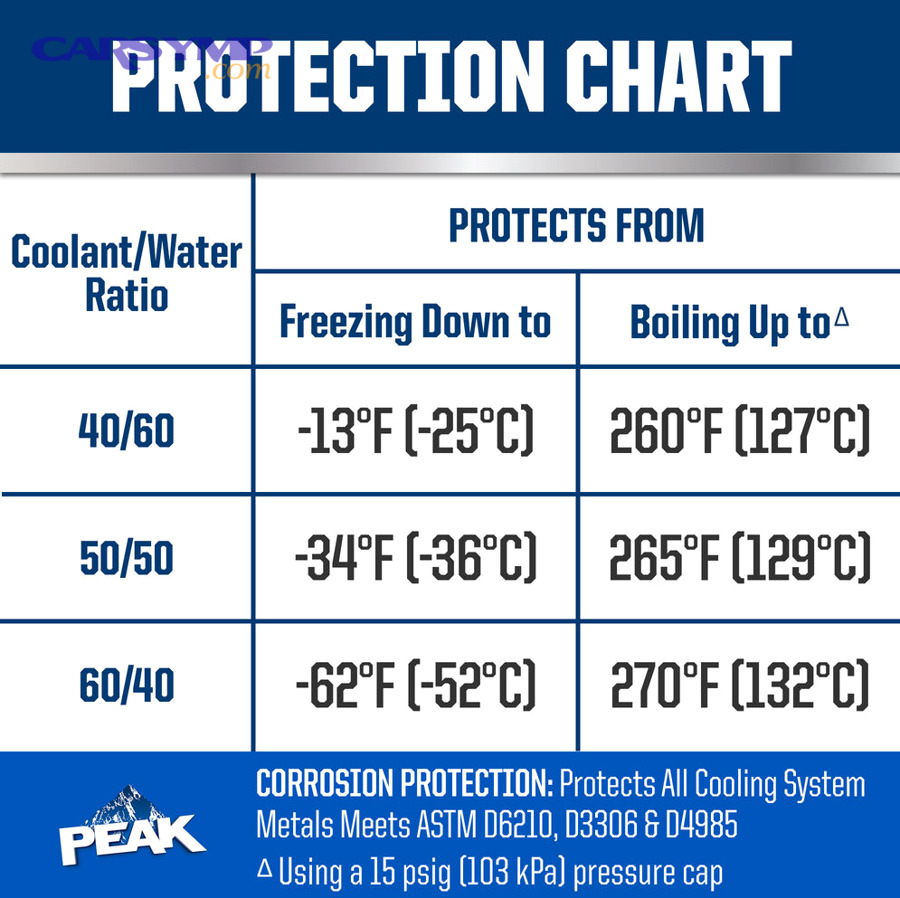
A 50/50 coolant-to-water (antifreeze) mix is the best all-around ratio for heater performance in most cars because it preserves heat transfer, protects against freezing and boiling, and supports consistent flow through the heater core.
To better understand why your cabin heat changes with coolant concentration, it helps to connect the ratio to what the heater core actually needs: hot coolant, steady circulation, and a system that can stay pressurized without forming air pockets.
Your heater is not a separate “heater system.” It is a branch of the cooling system. The HVAC box pushes cabin air across a small radiator (the heater core). If coolant entering that core is hot and flowing, you get warm air. If coolant is lukewarm, aerated, or not flowing well, you get weak heat output.
Key link in the chain: ratio → thermal properties + protection → stable engine temp + stable flow → heater core heat exchange → cabin heat.
Is a 50/50 coolant mix the best balance for heater performance and protection?
Yes—50/50 is usually the best balance for heater performance because it combines strong freeze/boil protection, corrosion control, and reliable circulation while keeping enough water in the mix for efficient heat transfer.
More specifically, the heater depends on temperature stability more than it depends on chasing the absolute “best” thermal conductivity.
- It keeps coolant liquid in winter, so the heater core can circulate hot coolant instead of battling slush or partial freezing in cold-soaked components.
- It increases boiling margin, which helps prevent localized boiling and vapor pockets near hot surfaces that can disrupt heater flow.
- It carries corrosion inhibitors correctly, which protects tiny passages in radiators and heater cores from gradually clogging.
- It is predictable, because many OEMs design capacity, hose routing, and thermostat behavior assuming roughly this concentration.
Practical takeaway: if you’re trying to restore cabin heat, 50/50 is the safest “default” ratio to return to before you chase deeper faults.
What does “too watery” coolant mean, and how can it reduce heater output?
“Too watery” coolant means the antifreeze concentration is below spec, and it can reduce heater output by lowering freeze/boil protection, accelerating corrosion and deposits, and increasing the chance that air pockets or hot-spot boiling interrupt heater-core circulation.
However, the most important reason “too watery” hurts the heater is not that water can’t carry heat—it’s that the system becomes less stable and less protected.
- Weak heat that changes with driving speed: higher RPM pushes more flow, masking circulation problems that show up at idle.
- Frequent top-offs: low concentration often happens when people repeatedly top off with plain water after small leaks.
- Rust-colored coolant or sediment: reduced inhibitor strength can speed internal corrosion, which eventually narrows heater core tubes.
The heater core is a “canary in the coal mine” because it often has small passages and sits in a place where air can collect. Once the mix is too diluted, the heater core may be the first component to feel “weak.”
What does “too much antifreeze” mean, and can it make the heater worse?
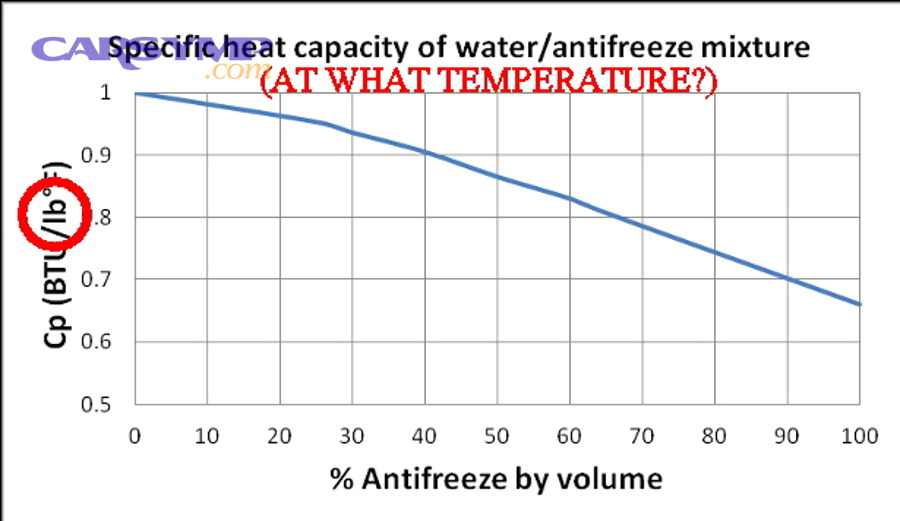
“Too much antifreeze” means the coolant has a higher-than-recommended glycol concentration, and it can make the heater worse by reducing heat transfer efficiency and increasing viscosity, which can reduce flow through the heater core—especially at idle and in cold weather.
Meanwhile, many DIYers accidentally create this problem by pouring concentrate into a system that still contains a lot of old coolant and water.
- Lower specific heat vs water: the mixture can carry less heat per unit mass for the same temperature rise.
- Higher viscosity: thicker fluid can reduce flow rate through small passages and create more pump load.
- Slower warm cabin air: you may get “eventually warm” heat, but it takes longer and feels weaker at idle.
Evidence: According to a study by Texas A&M Engineering Experiment Station (Turbomachinery Laboratory), in 2015, adding glycol to water increases viscosity and changes heat-transfer behavior in glycol/water mixtures, which is a key reason fluid selection emphasizes viscosity limits for thermal performance. (oaktrust.library.tamu.edu)
How does coolant ratio affect cabin heat, engine warm-up, and heater core flow?
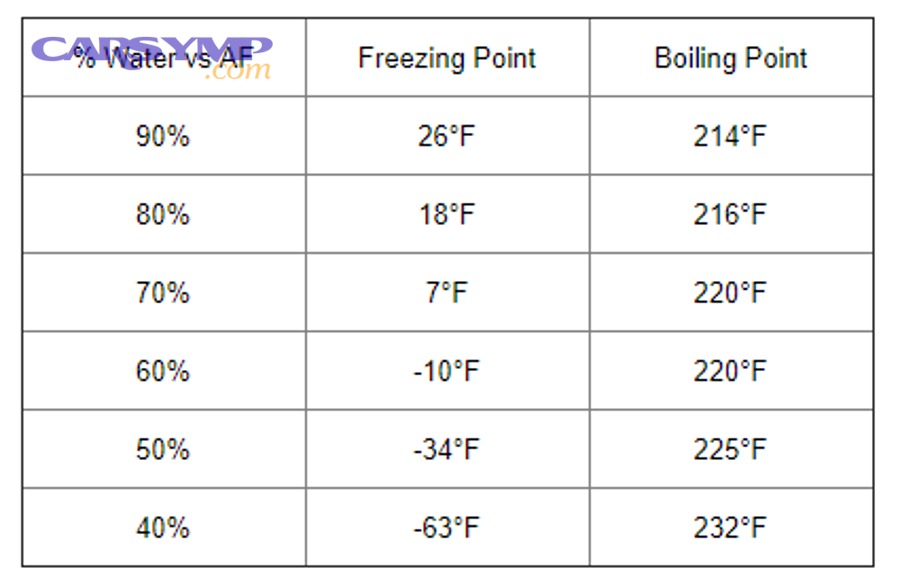
Coolant ratio affects cabin heat by changing the coolant’s heat capacity, viscosity, and boiling/freezing behavior, which together determine how quickly the engine reaches stable temperature and how consistently hot coolant flows through the heater core.
In addition, the heater doesn’t just need “hot coolant”—it needs hot coolant moving steadily through the core.
Think of heater performance as three gates:
- Heat available (engine reaches normal operating temperature)
- Heat delivered (coolant flows through heater core)
- Heat extracted (HVAC airflow carries that heat into cabin)
Does a higher water percentage make the heater hotter or just change warm-up speed?
A higher water percentage can improve raw heat transfer, but it usually changes warm-up behavior and protection limits more than it makes the heater “hotter,” because the thermostat regulates operating temperature and the system’s stability controls whether heat reaches the heater core consistently.
Specifically, most vehicles target a temperature range using a thermostat; your cabin heat depends on reaching and maintaining that range without air pockets or boiling.
- Warm-up speed: a suboptimal mix can make warm-up feel inconsistent if it encourages air pockets or temp swings.
- Heat at idle: viscosity and circulation effects show up most at idle; this is where incorrect concentration can feel like weak heat output.
- Heat under load: towing or climbing can reveal low boiling margin issues that create bubbles and heater fluctuations.
A useful rule: If your temperature gauge is steady and the heater is weak, suspect flow/airflow problems; if the gauge swings or runs cold, suspect thermostat/mix/air pockets.
Can the wrong mix ratio cause the heater to blow cold at idle but warm while driving?
Yes—the wrong mix ratio can contribute to cold-at-idle/warm-while-driving heat because it can thicken the coolant, worsen trapped-air behavior, and reduce effective circulation through the heater core at low pump speed, while higher RPM masks the issue.
However, this pattern often involves more than ratio alone, so you should interpret it as a “circulation clue,” not a final diagnosis.
- High glycol concentration → higher viscosity → low idle flow
- Low concentration + poor bleeding → air pocket in heater core
- Marginal water pump output at idle + partially restricted heater core
- Heater control valve not opening fully until higher RPM/vacuum changes (vehicle-dependent)
This is why the fastest diagnostic path usually starts by verifying coolant level and bleeding air before replacing parts.
Which coolant ratios should you use for different climates and driving conditions?
There are 4 practical coolant-ratio “bands” you can use—mild, cold, very cold, and high-load/hot—based on your climate’s freeze risk and your engine’s heat load, with 50/50 as the baseline and small adjustments only when your manual supports it.
Below, the key is to follow manufacturer limits because pushing concentration too far in either direction can harm protection or performance.
- Mild climates: typically stay near the OEM baseline (often ~50/50)
- Cold climates: baseline or slightly higher glycol only if approved
- Very cold: follow OEM freeze-protection targets; avoid guesswork
- High-load/hot use (towing, mountain driving): prioritize boiling margin and system health; ratio is only one lever
Which ratio is better: 60/40, 50/50, or 40/60 for cold weather heater performance?
50/50 wins for most drivers in cold weather, 60/40 can be useful only if your manufacturer approves it for colder freeze protection, and 40/60 is usually a poor choice in freezing conditions because it reduces freeze margin and long-term protection.
On the other hand, some people chase “more water for better heat” and accidentally reduce the very protection the heater system needs to stay reliable in winter.
- Choose 50/50 if you want the safest blend of heater performance and protection.
- Consider 60/40 (more antifreeze) only if your manual or coolant label specifies it for your climate.
- Avoid 40/60 (more water) when freezing is possible, especially if you park outside.
If your heater is weak in winter, don’t assume the mix is the only cause—low coolant level and trapped air are more common.
Should you ever run 70/30 or 30/70, and what happens to heater performance?
70/30 (very high antifreeze) is rarely a good idea for heater performance because it can reduce heat transfer and circulation, while 30/70 (very low antifreeze) can undermine protection and accelerate corrosion—both can cause Weak heat output causes and solutions to become more expensive later.
Moreover, these extreme ratios invite misleading “it felt warmer yesterday” observations because outside temperature and blower speed changes can hide the real effects.
- 70/30 (high glycol): thicker coolant, reduced heat transfer, potential idle weakness
- 30/70 (low glycol): higher corrosion risk, less freeze/boil protection, more deposits over time
The “best heater” is the one that stays consistent—ratio extremes typically reduce consistency.
Is running straight water or straight antifreeze ever acceptable for heater performance?
No—straight water or straight antifreeze is not acceptable for normal heater performance because straight water lacks freeze/corrosion protection while straight antifreeze transfers heat poorly and can flow less effectively, and both choices increase the chance of heater-core problems.
In short, even if your heater seems okay for a day, the long-term cost is usually corrosion, deposits, leaks, or overheating.
- Add the correct premix if available.
- If you must add water temporarily, plan to correct the mix soon and monitor freeze risk.
- If you must add concentrate, do it only if you understand what’s already in the system (otherwise you may overshoot).
How do you check if your current coolant mix ratio is wrong?
You can check if your coolant mix ratio is wrong by measuring concentration (freeze/boil protection) with a refractometer or hydrometer and confirming coolant condition and level, because symptoms alone can mislead you when air pockets or airflow problems are present.
Next, you’ll get the fastest clarity by combining a measurement with a quick “system reality check” (level, leaks, temperature stability).
Start with three observations before you test:
- Coolant level (in radiator when cold, and in reservoir at the correct mark)
- Temperature behavior (does it reach normal and stay steady?)
- Heater pattern (hot at speed/cold at idle, or always lukewarm?)
Then measure concentration so you’re not guessing.
Can you tell coolant ratio is wrong from symptoms alone (weak heat, temp gauge swings, overheating)?
No—you can’t reliably tell coolant ratio is wrong from symptoms alone because weak heat and temperature swings can also come from low coolant, trapped air, a stuck thermostat, restricted heater core, or Cabin airflow restrictions and cabin filter checks that limit heat delivery to the cabin.
To illustrate, a clogged cabin air filter can make “hot coolant + hot heater core” feel like a bad coolant mix simply because the cabin cannot move enough air across the HVAC box.
- Weak heat output: could be low coolant, air pocket, blend door issue, clogged cabin filter, or heater core restriction
- Gauge runs cold: often thermostat stuck open (not ratio)
- Overheating: can be low coolant, fan problems, restricted radiator, pump failure, or severe air pocket
So: symptoms guide your suspect list, but a concentration test confirms the ratio.
What tools accurately measure coolant concentration (refractometer vs hydrometer vs test strips)?
A refractometer is usually the most accurate DIY tool, a hydrometer is acceptable for quick checks on many coolants, and test strips are best for broader coolant condition checks (like pH/inhibitor status) rather than precise mix ratio.
However, accuracy only matters if you sample correctly and read the scale that matches your coolant type (ethylene vs propylene glycol).
- Refractometer (best for concentration)
- Pros: consistent readings, small sample, quick
- Cons: must use correct scale and calibrate occasionally
- Hydrometer (okay for many ethylene glycol mixes)
- Pros: cheap, simple
- Cons: can be less accurate with temperature and coolant type differences
- Test strips (best for condition, not ratio)
- Pros: checks pH/inhibitor reserve on some products
- Cons: does not replace a true concentration measurement
Evidence: According to a study by SAE International, in 1993, refractometer-based coolant freezing-point determination is sensitive to temperature and coolant concentration relationships, which is why correct scale selection and proper measurement conditions matter for accuracy. (sae.org)
How do you correct the coolant mix ratio safely without creating air pockets that kill heater performance?
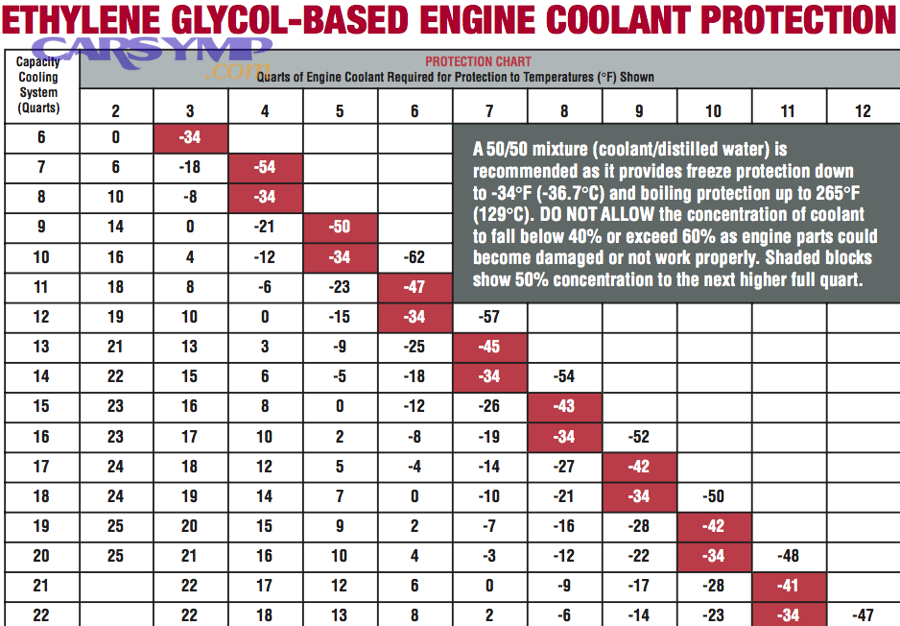
You can correct coolant mix ratio safely by using a simple 4-step method—calculate the target concentration, drain or extract a measured amount, refill with the correct fluid (premix or concentrate), and bleed air—so hot coolant reliably circulates through the heater core again.
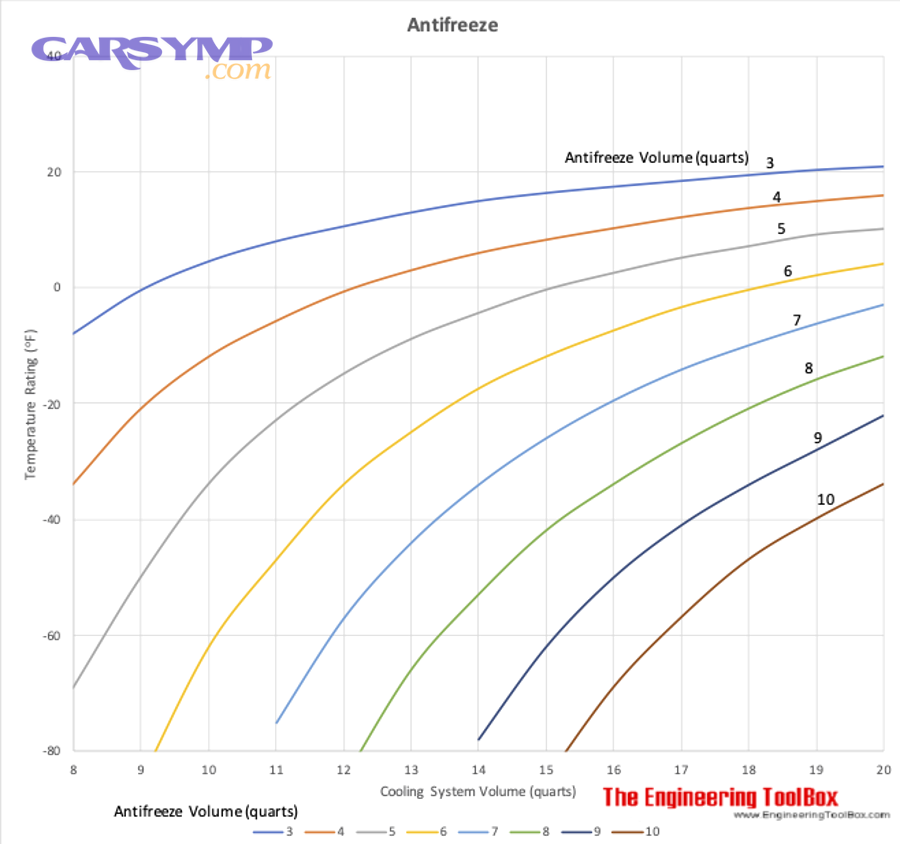
Then, because trapped air is the fastest way to “undo” your work, you should treat bleeding as part of the ratio correction, not an optional extra.
Here’s the safe DIY logic:
- Confirm what you have now (test concentration; note coolant type)
- Decide the correction approach (drain/refill vs measured adjustment)
- Refill correctly (avoid mixing incompatible types)
- Bleed air (restore heater-core circulation)
Should you drain and refill, or can you adjust concentration by removing and adding fluid?
Drain-and-refill wins when your coolant is old/dirty or your ratio is far off, while measured adjustment wins when coolant is clean and you only need a small correction—because controlling volumes prevents overshooting and reduces air ingestion.
More importantly, you should choose the method that keeps the system clean and predictable.
- Choose drain-and-refill if: coolant is rusty/brown, unknown type, contaminated, or severely off ratio
- Choose measured adjustment if: coolant is relatively fresh, correct type, and only slightly off target
Measured adjustment example (conceptual, not vehicle-specific math):
- If you tested “too watery,” you remove a measured amount of diluted coolant and replace it with concentrate (same chemistry) to raise concentration.
- If you tested “too strong,” you remove a measured amount of strong coolant and replace it with distilled water to lower concentration.
Safety note: never open a hot pressurized system.
How do you bleed air from the cooling system to restore heat after adjusting the mix?
Bleeding air restores heat by removing trapped bubbles that block heater-core flow, and you do it by filling correctly, running the engine to operating temperature with the heater on, opening any bleed points if equipped, and topping off after the thermostat cycles.
Specifically, the heater core can act like an air trap, so you must give bubbles a route to escape.
A practical bleeding sequence (generalized):
- Park on a safe, level surface (or nose-up if your vehicle procedure recommends it).
- Set HVAC to full heat and medium fan.
- Fill to the correct level using the right coolant mix.
- Start engine and watch for temperature rise and thermostat opening (upper hose warms).
- Monitor reservoir/radiator level and add fluid as bubbles purge.
- Confirm heater output becomes steady and hot.
- After full cool-down, recheck level and top off as needed.
Signs you still have air:
- Heater output surges hot/cold
- Gurgling behind dash
- Temperature gauge fluctuates
- Reservoir level swings dramatically
Can a correct ratio still give no heat if the coolant level is low or the heater core is restricted?
Yes—a correct ratio can still give no heat if coolant level is low or the heater core is restricted because the heater core needs enough coolant volume and flow, and restriction or air pockets can block circulation even when concentration is perfect.
Moreover, a small leak can keep reintroducing air and undo your bleeding.
In real diagnostics, “ratio is correct” only proves one thing: concentration is right. It does not prove:
- the system is full,
- the thermostat is working,
- the water pump is moving coolant properly,
- the heater core is clear,
- the HVAC airflow path is unobstructed.
That’s why the next section prioritizes the most common “still weak after correction” causes.
What are the most common coolant-related reasons the heater stays weak after you fix the ratio?
There are 5 common coolant-related reasons the heater stays weak after you fix the ratio: low coolant level, trapped air, thermostat issues, restricted heater core flow, and circulation problems (pump/valves)—and each can overpower a perfect 50/50 mix.
Besides, if your vehicle has a rear heater (many SUVs and vans), Rear heater issues in SUVs diagnosis adds one more branch you should check after the basics.
This is the practical order that saves time:
- Coolant level (cold check)
- Air trapped / incomplete bleed
- Thermostat behavior
- Heater core restriction
- Flow control issues (valves/pump)
- Rear heater branch (SUVs/vans)
- Airflow delivery (cabin filter, duct restrictions, blend doors)
Is low coolant the #1 reason for “no heat,” even with a perfect 50/50 mix?
Yes—low coolant is often the #1 reason for “no heat” even with a perfect 50/50 mix because the heater core can sit higher than parts of the cooling system, air enters first when level drops, and the heater core loses circulation before the engine fully overheats.
More specifically, the heater may become your earliest warning sign of a low-fill condition.
What to do:
- Check coolant level when cold (radiator fill point if accessible, not just the reservoir).
- Inspect for leaks: hoses, radiator end tanks, water pump weep hole, heater hoses, reservoir cracks.
- After topping off, bleed air again—because low coolant usually means trapped air.
If you want a fast confirmation: heater hoses at the firewall can tell you a lot (careful—hot surfaces):
- Both hoses hot: heater core likely flowing; look at airflow/blend door/cabin filter
- One hot, one cool: flow restriction or valve issue
- Both cool: coolant not hot yet (thermostat/gauge/engine warm-up issue)
Is a thermostat stuck open more likely than coolant ratio to cause lukewarm heat?
Yes—a thermostat stuck open is often more likely than coolant ratio to cause lukewarm heat because it prevents the engine from reaching normal operating temperature, so the heater core never receives consistently hot coolant regardless of concentration.
However, the symptom pattern matters, so you should match the diagnosis to what you observe.
Thermostat-stuck-open clues:
- Engine warms very slowly
- Temperature gauge sits lower than normal
- Heat is lukewarm on the highway and worse at idle
- Fuel economy may drop
Coolant-ratio clues:
- Measured concentration is off
- System history includes repeated water top-offs or wrong fluid use
- Protection issues appear (rust, deposits) along with heat inconsistency
If your gauge never reaches normal, fix temperature control first—your heater cannot outperform a cold engine.
How do you tell if the heater core is partially clogged (inlet hot/outlet cool)?
A partially clogged heater core usually shows a hot inlet hose and a noticeably cooler outlet hose because coolant enters the core but cannot flow through its small passages fast enough to carry heat across the full surface area.
Especially, this is where “weak heat output causes and solutions” often point to either flushing or replacement depending on severity.
What to check (safely):
- Bring engine to operating temperature.
- Set heater to max heat.
- Carefully compare the two heater hoses at the firewall:
- Inlet hot / outlet much cooler = restriction likely
- Both similar and hot = core flow likely okay; look at HVAC airflow/blend door
- Confirm coolant level is full and air is bled before you declare “clogged core.”
If you have an SUV/van with rear heat:
- A restriction may affect rear heat first or front heat first depending on hose routing.
- Compare rear heater hose temps if accessible; a cold rear circuit can point to a valve, air pocket, or restriction in that branch.
Don’t skip airflow: Cabin airflow restrictions and cabin filter checks can perfectly mimic a clogged heater core because even a hot core cannot warm the cabin if airflow is choked.
How can coolant type, water quality, and mixing mistakes silently reduce heater performance over time?
Coolant type, water quality, and mixing mistakes can silently reduce heater performance by creating deposits, gel, corrosion products, or scale that narrow heater-core passages and reduce heat exchange—even when the ratio tests “correct.”
More importantly, these slow problems are why two cars with the same 50/50 ratio can have totally different long-term heater results.
Can mixing incompatible coolant types clog a heater core even if the ratio is correct?
Yes—mixing incompatible coolant types can clog a heater core even if the ratio is correct because additive packages can react, form precipitates, or destabilize inhibitors, and the heater core’s small channels can trap that material early.
However, not every mix instantly gels; many problems appear months later as deposits build.
- Match the coolant spec your vehicle requires (not just “universal green”).
- If coolant history is unknown, do a full drain/flush procedure per manufacturer guidance before refilling.
(If you’ve already mixed types and now have weak heat, treat heater core restriction as a higher-probability suspect.)
Is distilled water better than tap water for mixing coolant, and can minerals reduce heater output?
Yes—distilled water is better for mixing coolant because it avoids minerals that can form scale, and that scale can reduce heater output by insulating heat-transfer surfaces and narrowing heater-core micro-passages over time.
In addition, mineral deposits can worsen hot spots and contribute to long-term flow reduction.
- Use distilled water when mixing concentrate.
- Prefer premix if you want to avoid dilution errors entirely (and the product matches your required coolant spec).
How do refractometer readings translate into freeze protection, and why can “50/50” still test wrong?
Refractometer readings translate concentration into freeze protection using the coolant’s refractive index, and “50/50” can still test wrong because leftover fluid in the system changes the final mix, premix assumptions can be incorrect, or the scale used doesn’t match ethylene vs propylene glycol.
To begin, “I poured 50/50” is not the same as “the system is 50/50” unless the system was fully drained.
- You added premix to a system that still had significant water inside.
- You topped off repeatedly with water over time.
- You used the wrong refractometer scale for the coolant chemistry.
- You sampled from the reservoir where stratification or partial mixing can occur (vehicle-dependent).
Evidence: According to a compilation and evaluation of thermophysical property measurements referenced in Melinder (2007), measurements from Umeå University align with concentration-dependent property changes at lower temperatures—supporting why accurate concentration measurement matters for real freeze protection, not just labels. (diva-portal.org)
What maintenance habits prevent heater performance drop (flush intervals, correct top-off strategy, leak checks)?
There are 4 maintenance habits that prevent heater performance drop: use the correct coolant type, keep concentration stable with proper top-offs, prevent air entry by fixing leaks early, and refresh coolant on a schedule so inhibitors keep heater-core passages clean.
Thus, you reduce the chance that the heater becomes “weak again” after you finally get it working.
- Top off with the correct fluid (premix or concentrate+distilled water) rather than plain water by habit.
- Fix small leaks early so you don’t keep reintroducing air (air pockets are heater killers).
- Replace the cabin air filter on schedule so airflow can carry heat into the cabin (a silent heater killer).
- Flush/replace coolant when due based on your vehicle’s maintenance schedule and coolant type.
- For SUVs/vans with rear heat: run rear heat occasionally and watch for early symptoms (rear circuit issues often show up as “rear cold, front warm” or the reverse).
If you’ve done the ratio correction and bleeding but heat is still weak, the fastest next step is to separate coolant flow problems (heater hose temps) from airflow problems (fan strength, duct output, cabin filter)—because that split tells you whether you’re dealing with plumbing or HVAC delivery.