


A knocking or clunking sound becomes solvable when you treat it like a map: where you hear it (front, rear, under-hood, or center floor) points to the most likely parts that can move, loosen, or hit under load. (jdpower.com)
You’ll also learn a practical “location + trigger” method so you can narrow the noise fast—especially when it only happens over bumps, while braking, when turning, or during acceleration.
Next, you’ll get a safety-first framework for deciding whether the car is safe to drive today, plus what symptoms mean you should stop driving immediately.
Introduce a new idea: once you can describe the noise clearly, you can also shorten repair time (and avoid unnecessary parts) by bringing the right notes—what you heard, where you heard it, and exactly when it happens—to the shop.
What does a “knocking” vs “clunking” sound usually mean in a car?
Knocking and clunking are impact noises that usually mean two parts are contacting each other because something is loose, worn, or shifting under load—most commonly in suspension, steering, brakes, mounts, or drivetrain connections. (jdpower.com) Specifically, the sound word matters because it hints at energy and clearance: a clunk is typically a heavier, slower “thud,” while a knock can be sharper and more repetitive.
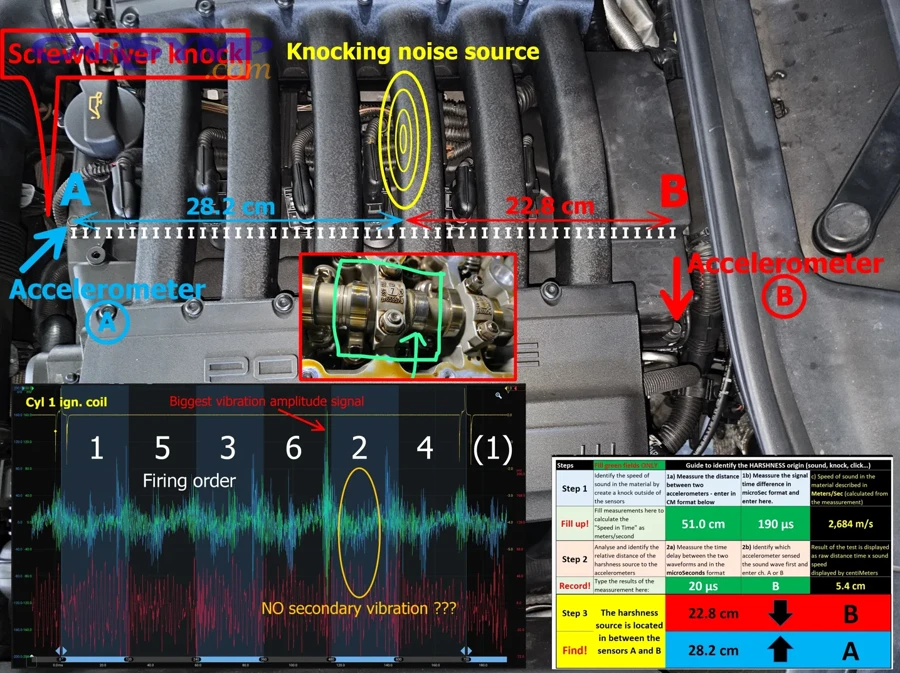
The simple translation: sound → movement
- Clunk (dull, heavy): larger movement or mass shifting (control arm bushing play, strut mount movement, engine mount shift, loose subframe bolt).
- Knock (sharper, rhythmic): repeated contact with smaller travel (sway bar end link play, loose caliper hardware, accessory pulley play).
- Thud (one-time impact): something bottoms out or hits once (broken bump stop, loose spare tire, exhaust hitting body).
- Rattle (light, fast): thin metal vibrating (heat shield, loose undertray fasteners).
Why this matters for your location map
Sound alone can mislead because vibration travels through the body, but impact noises almost always come from a component that changes position under a force—a bump, steering load, brake torque, or engine torque. (jdpower.com)
Is the noise actually tied to a location, and how can you confirm where it’s coming from?
Yes—most clunks and knocks can be tied to a location if you combine (1) where you hear/feel it with (2) the driving trigger and (3) which side is loaded when it happens. To better understand the location, start by confirming whether it’s front vs rear, left vs right, or under-hood vs under-floor.
A quick “location confirmation” routine
- Choose one road that reliably reproduces the sound.
- Toggle one variable at a time: braking vs coasting, left vs right turns, smooth vs rough pavement.
- Listen and feel: does it come through the steering wheel (front/steering), seat base (rear), pedals/floor (drivetrain/under-car), or dashboard (under-hood/body)?
To keep the diagnosis consistent, use the same terminology throughout: knocking/clunking noise sources by location.
A small table that narrows the system fast
The table below groups the most common triggers and what system they usually implicate, so you can connect your symptom to the correct “zone.”
| Trigger you notice | Most likely system zone | Why it points there |
|---|---|---|
| Over bumps (no braking) | Suspension/anti-roll bar | Vertical wheel travel loads bushings, links, struts/shocks |
| Braking at low speed | Brakes or suspension | Brake torque shifts caliper/pads; suspension bushings load |
| Turning into a driveway | Steering/CV joints/sway bar | Side-load + articulation exposes play |
| Acceleration / gear change | Drivetrain / mounts | Engine/driveline torque shifts mounts and joints |
| Idle / startup | Under-hood accessories / mounts / shields | No wheel input; engine vibration excites loose parts |
Can you safely reproduce the noise to diagnose it (Yes/No)?
Yes, you can safely reproduce a knocking noise diagnosis if you use three safety rules: test at low speed, choose a low-traffic route, and stop immediately if handling or braking changes. Next, keep the issue controlled by reproducing the sound gently—small bumps, light brake pressure, and slow turns—rather than “stress testing” the car.
Safe testing checklist
- Keep speed under neighborhood limits and avoid highways.
- Use a straight, familiar route with predictable pavement.
- If you feel steering looseness, braking pull, or wheel wobble, stop testing and inspect. (jdpower.com)
Which quick observations best narrow the cause: bumps, braking, turning, or acceleration?
There are 4 main observation groups that narrow location-based knocks: bumps, braking, turning, and acceleration—because each applies a different force to different parts. Below, use these observations as your “decision tree.”
- Bumps → suspension/links/bushings: Vertical travel loads struts/shocks, control arms, sway bar links. (jdpower.com)
- Braking → brakes + bushings: Caliper/pad movement or worn arm bushings can clunk under brake torque. (jdpower.com)
- Turning → steering/CV/sway bar: Side load exposes play in tie rods, rack mounts, CV joints.
- Acceleration → drivetrain/mounts: Torque shifts engine/trans mounts, CV/U-joints, driveshaft supports.
What are the most common front-end knocking/clunking sources (driver/passenger side)?
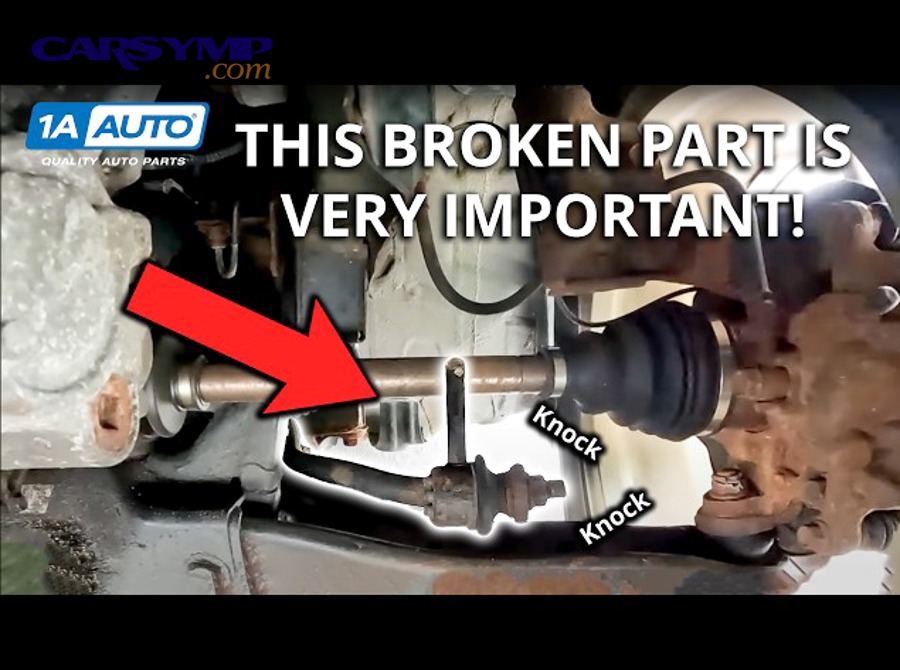
There are 5 main front-end knocking sources by location: anti-roll bar links/bushings, strut mounts, control arm bushings, ball joints, and brake hardware—ranked by how often they loosen and how directly they clunk over bumps. (jdpower.com) Moreover, the “front end” is where steering, braking, and most suspension joints combine, so small wear can sound dramatic.
Which suspension parts most often cause front knocking over bumps?
There are 5 main suspension culprits for front knocking over bumps: sway bar end links, sway bar bushings, strut mounts, control arm bushings, and loose/worn ball joints—based on how they handle vertical wheel travel. (jdpower.com)
1) Sway bar end links (very common)
- Sound: sharp knock/clack on small bumps.
- Why: ball/socket or bushing play lets the link tap.
- Quick check: with the car safely lifted, try moving the link by hand; look for torn boots.
2) Sway bar bushings
- Sound: dull clunk, often when one wheel hits a bump.
- Why: bar shifts inside worn bushings.
- Quick check: look for cracked rubber and shiny “rub marks” on the bar.
3) Strut mount / top bearing
- Sound: clunk when bumps + sometimes when turning.
- Why: mount separates or bearing binds, then releases.
- Quick check: listen while someone turns the wheel at a stop; feel for “popping” at the strut tower.
4) Control arm bushings
- Sound: heavier clunk, worse under braking or uneven bumps.
- Why: arm shifts fore/aft when rubber is torn.
- Quick check: look for cracks/leaks (hydraulic bushings) and abnormal tire wear.
5) Ball joints
- Sound: knocking/clunking over bumps or while turning.
- Why: joint play allows the knuckle to move. (jdpower.com)
- Quick check: jack-and-check wheel play (following safe lifting procedures).
Evidence: According to a study by Jilin University from the College of Materials Science and Engineering, in 2023, researchers emphasized how bushing behavior affects vibration/noise performance in chassis connections, highlighting why worn bushings can become major NVH (noise/vibration/harshness) contributors. (pmc.ncbi.nlm.nih.gov)
Which steering-related faults can sound like a front knock when turning?
There are 4 main steering-related knock sources: outer tie rod ends, inner tie rods/rack play, rack mounting bushings, and loose steering knuckle/hub hardware—based on how steering load shifts left/right. Besides, turning changes load direction, so play that’s “quiet” on bumps can knock loudly in a parking lot.
Tie rod end play
- Knock is often single or double when direction changes.
- Symptom pairing: wandering steering or uneven toe wear.
Rack mount movement
- Feels like a knock through the steering wheel.
- Often more noticeable when you “saw” the wheel slightly left-right at low speed.
Hub/knuckle hardware
- Usually follows recent repairs (brakes, wheel bearing, strut work).
- Look for missing fasteners, loose splash shields, or incorrect torque.
How do front brake issues mimic a knock ?
Suspension wins for “knock over bumps,” brakes are best for “knock on brake application,” and drivetrain is optimal for “knock on throttle”—so you can separate front brake knock by testing whether it appears only when brakes are applied. (jdpower.com) Meanwhile, brake-related knocks often happen as a single clunk at the moment you press or release the pedal.
Brake knock clues
- Clunk happens only when braking or right as you stop.
- Noise changes with light vs firm pedal pressure.
- You may feel a tap in the pedal if hardware shifts.
Suspension knock clues
- Clunk happens on bumps even while coasting.
- Noise changes with one-wheel bumps (pothole on one side).
This is where the phrase engine vs suspension becomes practical: front-end clunks are frequently suspension-related, but under-hood knocks can be engine/accessory related, and braking adds a third category that mimics both.
What are the most common rear knocking/clunking sources (rear axle / trunk area)?
There are 5 main rear knocking sources by location: rear shocks/strut mounts, trailing arm bushings, sway bar links/bushings, loose cargo/spare-tire hardware, and exhaust contact—based on what moves when the rear wheels hit bumps. In addition, the rear is famous for “false knocks” caused by items that aren’t mechanical failures at all.
Which rear suspension components commonly knock on bumps?
There are 4 main rear suspension parts that commonly knock: rear shocks/upper mounts, trailing arms/bushings, rear sway bar links, and coil spring seating/bump stops—based on vertical travel and fore/aft axle movement. More specifically, rear knocks often grow louder with passengers or cargo because load increases suspension movement.
Rear shock / upper mount
- Dull knock over bumps.
- If the mount is torn, you may hear it even at low speeds.
Trailing arm bushing
- Clunk under braking or when transitioning on/off throttle.
- Can create rear “steer” feeling (car feels like it shifts slightly).
Rear sway bar link
- Similar to front: sharp knocking over small bumps.
Spring seating/bump stops
- Thud when the suspension compresses deeply (driveway dip, speed bump).
Can loose cargo, spare tire, or seat latches cause a “rear suspension” knock (Yes/No)?
Yes—loose cargo, a spare tire well cover, rear seat latches, or a jack/tool kit can cause a rear “suspension” knock because they hit the body with the same timing as bumps, and they often do it in three repeatable ways: over speed bumps, driveway ramps, and potholes. Next, eliminate the easy wins before chasing parts.
Fast elimination list
- Empty trunk/cargo area completely.
- Check spare tire clamp and jack/tool tray.
- Fold seats down and re-latch firmly; listen for change.
How do exhaust and heat shields create rear clunks, and how is that different from suspension?
Suspension wins for “clunk that scales with bumps,” exhaust is best for “tinny rattle that changes with RPM,” and heat shields are optimal for “buzzing at certain speeds”—so you can separate rear exhaust contact by checking whether the noise changes when the engine revs in neutral. Especially, a loose heat shield can sound like the rear suspension is failing, even when the suspension is fine.
Exhaust/heat-shield signatures
- Noise can appear at idle or during light acceleration without bumps.
- Sound is often metallic rather than dull.
What are the most common under-hood knocking sources at idle or on startup?
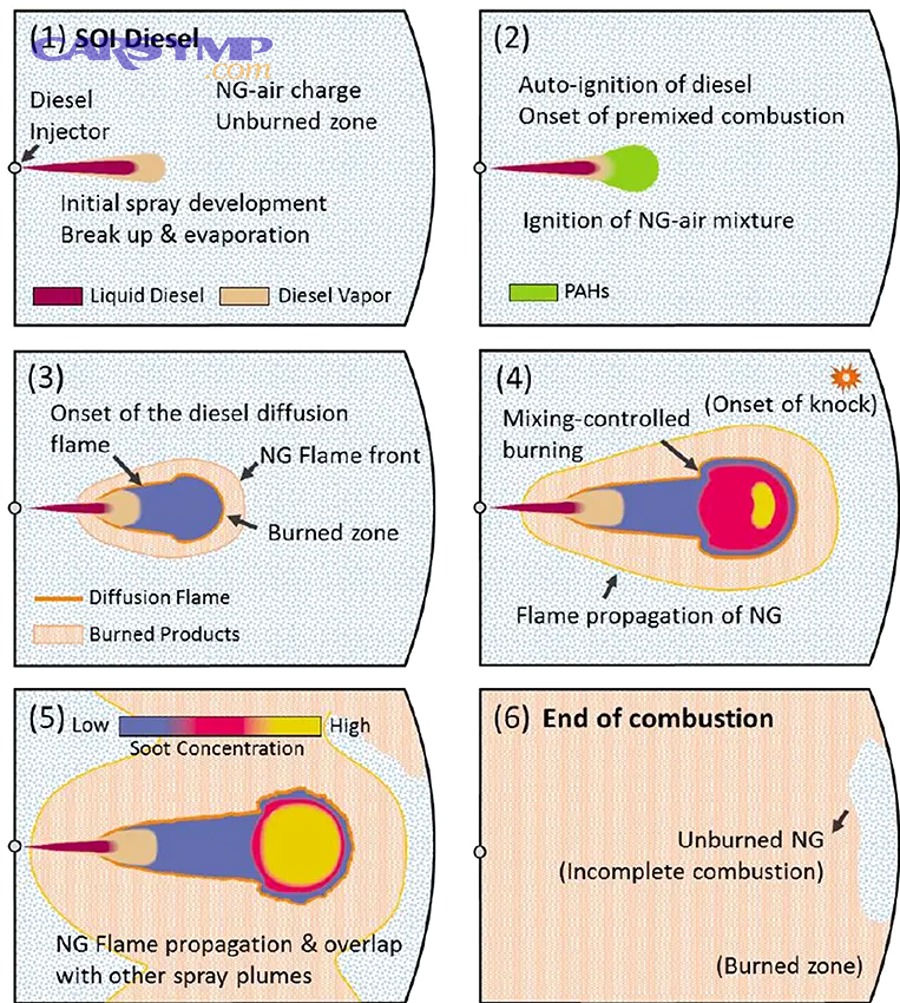
There are 4 main under-hood knocking sources at idle/startup: accessory drive components, engine/trans mounts, exhaust heat shields, and true combustion-related engine knock—based on whether the sound tracks engine RPM or vehicle movement. (pmc.ncbi.nlm.nih.gov) Moreover, this is where Knock at idle vs acceleration clues become your shortcut.
Which belt, pulley, and tensioner problems can sound like knocking?
There are 3 main accessory-drive knock types: a loose/failed tensioner knock, a worn pulley bearing knock, and a belt slap knock—based on how RPM changes the sound frequency. For example, if the knock speed increases smoothly as RPM rises, suspect accessories.
Accessory knock clues
- Loudest with hood open.
- Changes when you turn on A/C or electrical load (changes belt load).
- Can be localized with careful listening (without touching moving parts).
Can engine mounts cause a “knock” you feel more than hear (Yes/No)?
Yes—engine mounts can cause a knock you feel more than hear because they allow the engine to shift and hit its stops, and you’ll usually notice it in three situations: shifting into Drive/Reverse, quick throttle blips, and accelerating from a stop. Then, confirm by observing engine movement (safely) while a helper shifts with the brake held.
What is the difference between true engine knock and a loose component knock?
Engine knock wins in “under-load pinging tied to combustion,” suspension/loose parts are best for “impact knocks tied to bumps,” and accessory/heat shield issues are optimal for “RPM-linked tapping or buzzing”—so you can separate true engine knock by whether it appears mainly under load and changes with fuel/octane conditions. (pmc.ncbi.nlm.nih.gov) Meanwhile, loose components often knock at idle simply because vibration shakes them.
True engine knock (combustion-related)
- Often described as pinging under acceleration.
- Strongest under load (hill climb, passing).
- May reduce with correct octane and proper engine operation. (pmc.ncbi.nlm.nih.gov)
Loose component knock
- Often present at idle or light rev.
- May disappear when you press on a heat shield or tighten hardware (inspection required).
Evidence: According to a study by King Abdullah University of Science and Technology (KAUST) from the Clean Combustion Research Center, in 2022, researchers reported that higher research octane behavior relates to reduced tendency toward auto-ignition/knock in spark-ignition contexts, reinforcing why combustion knock is tied to fuel/combustion conditions rather than road bumps. (pmc.ncbi.nlm.nih.gov)
What does a knocking sound from the center floor or while accelerating usually indicate?
A center-floor knock during acceleration usually indicates drivetrain movement, and there are 4 main drivetrain zones: CV joints/axles, U-joints/driveshaft, center support bearings, and differential mounts—based on whether the knock follows torque and speed. More importantly, this category is where a “front” or “rear” impression can be wrong, because the floor transmits vibration.
Which drivetrain parts most often cause knocking during acceleration or shifting?
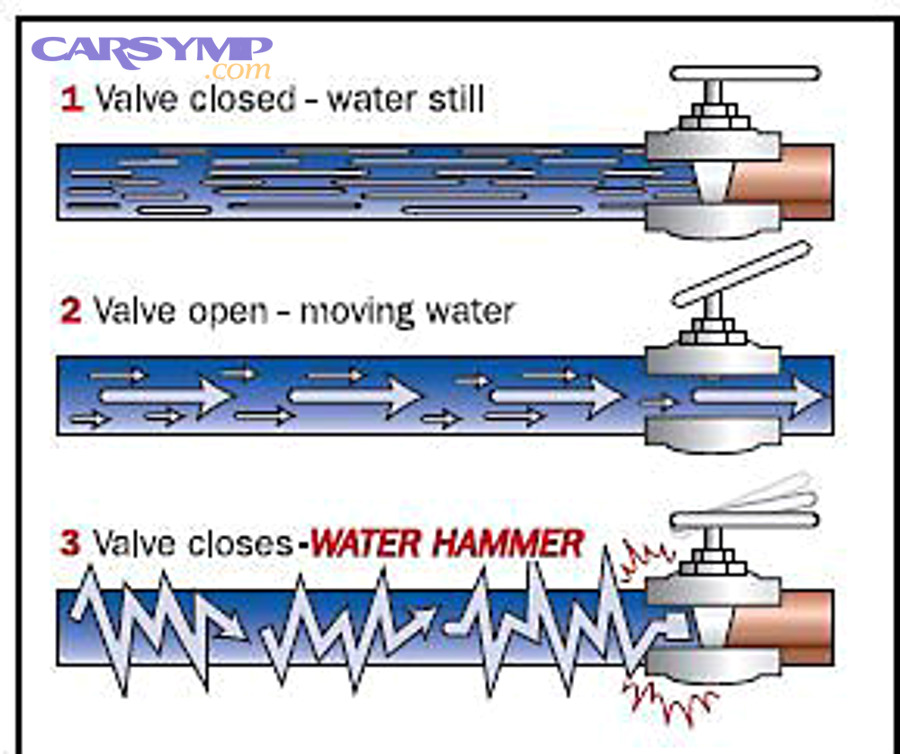
There are 4 main drivetrain parts that cause knocks on acceleration/shift: worn CV joints (FWD/AWD), worn U-joints (RWD), a failing center support bearing, and loose differential or subframe mounts—based on how torque reversals load the driveline. To illustrate, a clunk when you go from coast → throttle is often “lash” being taken up in joints or mounts.
CV joint/axle knock (often turning + acceleration)
- Clicking is classic, but a worn joint can clunk when torque applies.
U-joint clunk (RWD)
- Often one clunk at takeoff or gear change.
Center support bearing (two-piece driveshaft)
- Thump or knock that worsens with speed and load.
Differential mount/subframe bushing
- Heavy clunk on throttle transitions.
How is a wheel bearing noise different from a knock (and why does location mislead)?
Wheel bearings win for “steady hum/growl that changes with speed,” suspension is best for “clunk on bumps,” and drivetrain is optimal for “single clunk on torque change”—so you can tell wheel bearing noise by its continuous nature and its speed dependence rather than impact timing. However, wheel bearing noise can seem to come from “everywhere” because it resonates through the body, which is why location alone isn’t enough without the trigger test.
Is it safe to drive with a knocking/clunking noise (Yes/No)?
No, it’s not automatically safe to drive with a clunking noise sources by location problem because (1) steering or suspension play can escalate quickly, (2) brake hardware movement can reduce stopping consistency, and (3) drivetrain failures can cause sudden loss of control or damage. (jdpower.com) Next, use a simple severity filter: does the car’s behavior change? If yes, treat it as urgent.
Which symptoms mean you should stop driving immediately?
There are 6 main “stop now” symptoms: steering wander, clunk with a pull during braking, wheel wobble/vibration that suddenly appears, loud new bang after a bump, visible fluid leaks near wheels, or rapid worsening over minutes—based on safety and control risk. Especially, ball joint or steering looseness can become dangerous if a joint separates. (jdpower.com)
Stop and inspect (or tow) if you notice
- Steering feels loose, vague, or the car “changes lanes” by itself.
- Braking causes a pull or a strong clunk.
- The knock becomes a loud bang after hitting a bump.
- You see fresh grease (CV boot), brake fluid, or coolant leaks near the noise area.
Which symptoms suggest it’s likely minor (but still needs inspection soon)?
There are 4 common “likely minor but inspect soon” patterns: light knock only on small bumps, no steering/braking change, no vibration at speed, and stable loudness over time—based on low-risk NVH issues like sway bar links, bushings, or shields. Besides, “minor” does not mean “ignore,” because small play often grows into bigger play.
What information should you record before seeing a mechanic to speed diagnosis?
A good noise record is a short “symptom brief” that includes location, trigger, conditions, and recent work—because it lets a technician reproduce the noise quickly and avoid swapping parts by guesswork. Then, your notes become the fastest path to a precise repair plan and a realistic Repair cost estimate for common knocks.
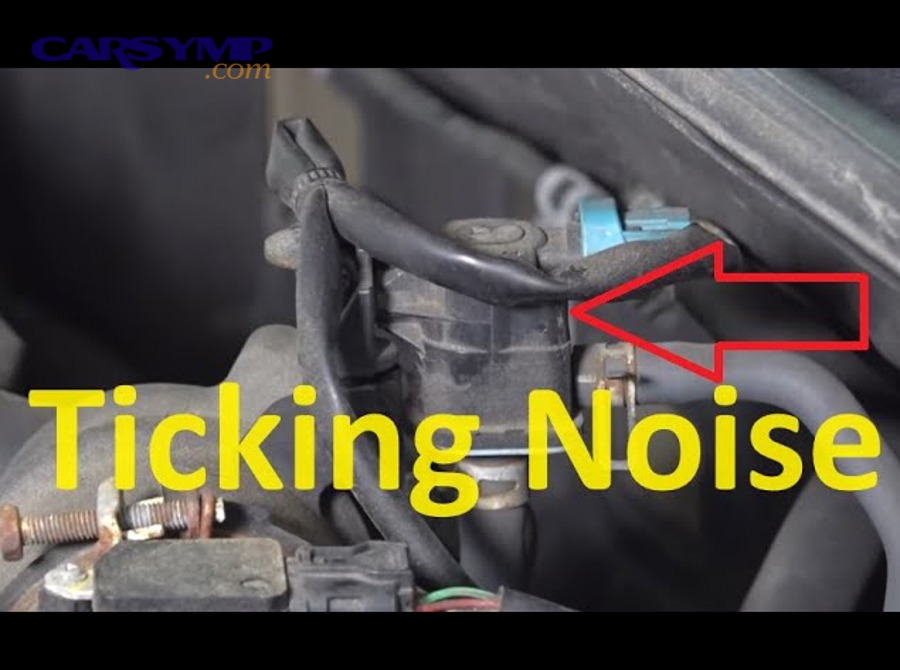
Your 60-second “noise brief” template
Write this down (or paste into your phone notes):
- Location: front left / front right / rear / under-hood / center floor.
- Trigger: bumps / braking / turning / acceleration / idle.
- Speed: parking lot speeds, 25–35 mph, highway, etc.
- Temperature: cold start only? after warm-up?
- Frequency: single clunk, repeated knock, constant rattle.
- Feel: through steering wheel, seat, pedals, or just sound.
- Recent events: curb hit, pothole, tire change, brake job, suspension work.
Audio/video tips that actually help
- Record inside the cabin and outside near the suspected corner (two short clips).
- Say out loud: “coasting… braking… turning left… bump” so the trigger is captured.
- If safe, capture a clip at idle with the hood open (standing clear of moving parts).
A simple decision note: “engine vs suspension”
Include one sentence in your notes that frames the suspicion:
- “Noise happens only with bumps → likely suspension.”
- “Noise happens at idle and follows RPM → likely under-hood accessory or engine-related.”
This is the most useful “engine vs suspension” divider a shop can receive, and it aligns perfectly with real-world knocking noise diagnosis workflow.
How do vehicle type, drivetrain layout, and uncommon issues change knocking-noise diagnosis?
FWD wins for CV-joint-style torque/turn noises, RWD is best known for driveshaft/U-joint clunks, and AWD is optimal for center driveline and multiple-joint complexity—so your vehicle layout changes the “most likely” list even when the noise location sounds the same. Especially, uncommon “after repair” issues and resonances can imitate common knocks, so you should consider them after you rule out the basics.
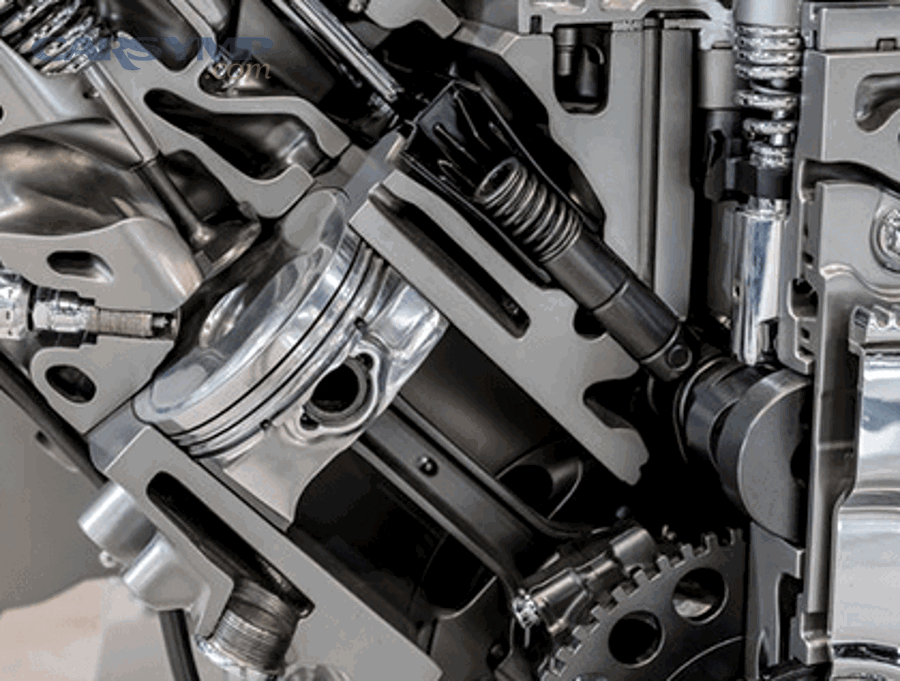
How do FWD vs RWD vs AWD layouts change the most likely knocking sources?
- FWD (front-wheel drive): Front-located knocks during acceleration/turning often point to axles/CV joints because the driven wheels also steer.
- RWD (rear-wheel drive): Center-floor clunks on takeoff often point to U-joints or driveshaft play because torque travels down the shaft to the rear.
- AWD (all-wheel drive): More joints, more mounts, more potential for center driveline knocks—center support bearings and driveline couplers become more important suspects.
Which rare “after repair” causes create knocks (loose subframe, missing hardware, torque-to-yield fasteners)?
There are 4 rare post-repair knock causes: loose subframe fasteners, missing splash shield/undertray clips, incorrectly seated springs/strut mounts, and brake hardware not secured—based on parts that were recently disturbed and now shift under load. For example, a knock that begins immediately after a brake job may be hardware or caliper bracket torque, not a “sudden suspension failure.”
Can heat shields and body-panel resonance mimic suspension knock (Yes/No), and how do you isolate it?
Yes—heat shields and panels can mimic suspension knock because thin metal resonates at certain RPM or road vibrations, and you can isolate it using three checks: reproduce it at idle with light revs, tap-test shields when cool, and listen for a metallic buzz rather than a dull thud. Then, if the sound appears with RPM even when parked, it’s almost never a suspension-only problem.
What hybrid/EV-specific noises are commonly mistaken for knocking?
There are 3 common hybrid/EV noise lookalikes: coolant pumps/fans cycling at idle, regenerative braking transitions creating a “step” feel/noise, and active aero/actuators (where equipped) clicking—based on systems that operate independently of engine RPM. If a sound occurs when the engine is off (EV mode) but the car is powered on, that observation alone can reshape your diagnosis.
Evidence (if any)
According to a study by Jilin University from the College of Materials Science and Engineering, in 2023, researchers described how rubber bushings are central to vibration attenuation and noise behavior in chassis connections, which supports why bushing wear often presents as clunks/knocks under load. (pmc.ncbi.nlm.nih.gov)
According to a study by King Abdullah University of Science and Technology (KAUST) from the Clean Combustion Research Center, in 2022, researchers discussed how higher research octane behavior relates to suppressing knock/auto-ignition tendencies in spark-ignition contexts, supporting the practical distinction between combustion knock and bump-induced suspension clunks. (pmc.ncbi.nlm.nih.gov)