


Car maintenance cost by mileage intervals is predictable enough that you can build a practical maintenance cost estimate before you ever hit the next milestone—because most routine services repeat on a 5,000–10,000-mile rhythm, then “stack” into larger packages at 30k, 60k, and 100k miles.
Next, this guide breaks down what’s typically included at each mileage interval (like oil service, tire rotation, filters, and fluid checks), so you can match the right checklist to your odometer instead of guessing—or overbuying a generic package.
Then, you’ll learn why the same 30k or 60k service can have a wide price range, including Dealer vs independent maintenance pricing, driving conditions, parts quality, and whether your car follows a normal or “severe” maintenance schedule.
Introduce a new idea: once you can predict costs and services by mileage, you can also use written quotes and service records to control the final bill—and to plan future intervals with much less stress.
What does “maintenance cost by mileage intervals” mean for drivers?
Maintenance cost by mileage intervals is a mileage-based budgeting approach that ties routine service work to odometer milestones (like 5k, 10k, 30k, 60k, and 100k miles) so drivers can forecast which services are due and how costs typically rise as wear items accumulate.
To better understand why this matters, it helps to separate “planned maintenance” from “unexpected repairs” and to see how mileage intervals work alongside time-based recommendations.

Most manufacturers design maintenance schedules around predictable wear patterns: engine oil degrades, tires wear, filters clog, brake friction material thins, and certain fluids lose protective additives over time. Mileage intervals turn that reality into an actionable plan: you’re not asking “What might break?”—you’re asking “What is typically due now, and what will it cost if I do it on schedule?”
That distinction changes how you spend money:
- Planned maintenance is the stuff you can forecast (oil, rotation, filters, fluids, inspections).
- Repairs are the stuff you manage with diagnosis (a failed alternator, a leaking water pump, a sensor fault).
When people search for maintenance cost by mileage intervals, they usually want a stable framework: a checklist that matches the odometer and a cost range that makes budgeting realistic. That’s what mileage-interval planning does best—especially at the “milestone services” where multiple items are due at once.
Is maintenance by mileage the same as repairs by mileage?
No—maintenance by mileage is a planned schedule of routine services, while repairs by mileage are unplanned fixes that may happen more often as mileage increases because parts wear out or fail.
However, the confusion is understandable because high-mileage cars often need both at the same time. A 100k-mile visit might include planned items (spark plugs, fluids) and also address a new issue (a worn engine mount causing vibration). That’s why budgeting works better when you treat these as two different buckets:
Bucket 1: Maintenance (predictable)
- Oil & filter service
- Tire rotation, balance checks
- Engine and cabin air filters
- Fluid services (varies by vehicle)
- Inspection checkpoints (brakes, suspension, belts)
Bucket 2: Repairs (less predictable)
- Electrical failures (battery/alternator)
- Leaks (oil, coolant)
- Component wear beyond routine (wheel bearings, sensors)
The most helpful way to plan is to budget maintenance by mileage intervals, then keep a separate “repair reserve” that grows as the vehicle ages. AAA notes that routine maintenance items are often dictated by mileage intervals or the age of a part, and are easier to budget when you follow the maintenance schedule in the owner’s manual. (cluballiance.aaa.com)
Do mileage intervals matter if you drive very little each year?
Yes—mileage intervals still matter, but you must also follow time-based intervals because some maintenance is triggered by time even when miles are low.
Then, the key rule is “whichever comes first”: if your manual says oil changes every X miles or Y months, you don’t “earn” extra time just because you didn’t drive far. Oil can absorb moisture and contaminants, rubber can age, and some fluids can degrade. NerdWallet notes that if you drive only a few thousand miles a year, you should still change your oil at least every 12 months regardless of mileage. (nerdwallet.com)
This matters even more for drivers who:
- Take many short trips (oil doesn’t fully warm up as often)
- Drive in heat, dust, or stop-and-go traffic
- Park outdoors in harsh climates
Mileage planning is still useful—you’ll just layer in time triggers so your budget and schedule stay accurate.
Which services are typically included at each mileage interval (5k to 100k)?
There are 5 common mileage-interval service groupings (5k, 10k–15k, 30k, 60k, 100k) based on how frequently key maintenance items wear or degrade, and each grouping “builds” on the smaller ones rather than replacing them.
Below, the goal is simple: match a typical checklist to each mileage milestone so you know what’s usually included before you request a quote.
One caution keeps the checklist honest: schedules vary by make/model, engine type, and “severe service” definitions. Use these checklists as a baseline, then verify your exact intervals in the owner’s manual.
What maintenance is usually done every 5,000 miles?
There are 3 core tasks typically associated with a 5,000-mile interval: oil & filter service, tire rotation, and a multi-point inspection, based on the fact that oil and tires experience constant wear with every drive.
Specifically, a typical 5k visit includes:
- Engine oil and oil filter change (interval varies by oil type and vehicle)
- Tire rotation (front-to-rear pattern depends on drivetrain and tire type)
- Visual checks: brake pad thickness, fluid levels, battery condition, lights, wipers, belts/hoses, tire condition/pressure
Why this interval is so common: it’s short enough to catch developing issues early, and long enough to be manageable for most drivers. Kelley Blue Book notes that many modern oil change intervals are commonly in the 5,000 to 10,000-mile range depending on the vehicle and oil type. (kbb.com)
What maintenance is usually done every 10,000–15,000 miles?
There are 4 common add-ons at 10k–15k: filter checks/replacements, tire balance/alignment evaluation, brake inspection depth, and fluid condition checks, based on how quickly filters load up and how alignment and braking wear become measurable over time.
Then, typical items include:
- Cabin air filter inspection/replacement (often needed sooner in dusty/pollen-heavy areas)
- Engine air filter inspection/replacement (depends on environment)
- Tire balance check if vibration appears; alignment check if wear is uneven
- More detailed brake inspection and measurement (pads/rotors, caliper function)
- Top-off and condition check of coolant, brake fluid, power steering (if applicable), windshield washer fluid
This is also where many drivers start noticing early “feel” changes—slightly longer braking distance, mild steering pull, new vibration. If you’ve got a Car Symp like steering shimmy or braking pulsation, it’s a signal to tighten the inspection portion of the interval rather than just doing the basics.
What maintenance shows up around 30,000 miles?
There are 3 main categories of 30k-mile service: deeper inspections, fluid/filter services, and wear-item evaluation based on the fact that by 30k miles, small degradations have had time to turn into measurable wear.
More specifically, common 30k-mile inclusions are:
- Comprehensive inspection (suspension joints, CV boots, mounts, exhaust, steering components)
- Filter replacements not already done (engine air, cabin air)
- Fluid services depending on OEM schedule (some vehicles recommend brake fluid service by time; others specify mileage for certain fluids)
- Tire service: rotate; evaluate tread depth and wear pattern; consider alignment if abnormal wear appears
- Brakes: pads may or may not need replacement yet, but measurement becomes meaningful
AAA describes 30,000 miles as a major milestone scheduled service that often includes thorough inspection and replacement of various fluids and filters (depending on vehicle schedule). (acg.aaa.com)
Practical note: 30k services are where “packages” vary wildly between shops. One place may quote mostly inspections and filters, while another adds fluid services that your car may not yet need. That’s why you’ll later use How to compare written estimates to keep apples-to-apples comparisons.
What are the “big ticket” services around 60,000–100,000 miles?
There are 4 big-ticket clusters that often appear between 60k and 100k: spark plugs/ignition maintenance, major fluid services (including transmission in many cases), belt and cooling-system attention, and brake/tire/suspension wear items, based on cumulative heat cycles and long-term wear.
However, “big ticket” does not mean “always due.” It means “commonly due for many vehicles.” Typical categories include:
Ignition / combustion maintenance
- Spark plugs (many engines require them around this range; some earlier/later)
- Intake/fuel system checks (as recommended; avoid unnecessary “cleaning” upsells)
Fluids
- Coolant service (many modern coolants last longer, but not forever)
- Transmission service (especially important for certain designs; follow OEM spec)
- Brake fluid service often triggered by time more than miles
Belts and components
- Serpentine belt inspection; possible replacement
- Tensioners/idlers as needed
- Timing belt (only if your engine uses one; schedules vary significantly)
Wear items
- Brakes: pads and possibly rotors depending on driving style and terrain
- Tires (usually multiple sets by 100k)
- Suspension wear may begin showing clearly: shocks/struts, bushings, end links
At this stage, you’re not just “maintaining”—you’re protecting the vehicle’s reliability curve. Doing the right work at 60k and 100k can prevent the more expensive failures that happen when maintenance is deferred.
How much does maintenance typically cost at 5k, 10k, 30k, 60k, and 100k miles?
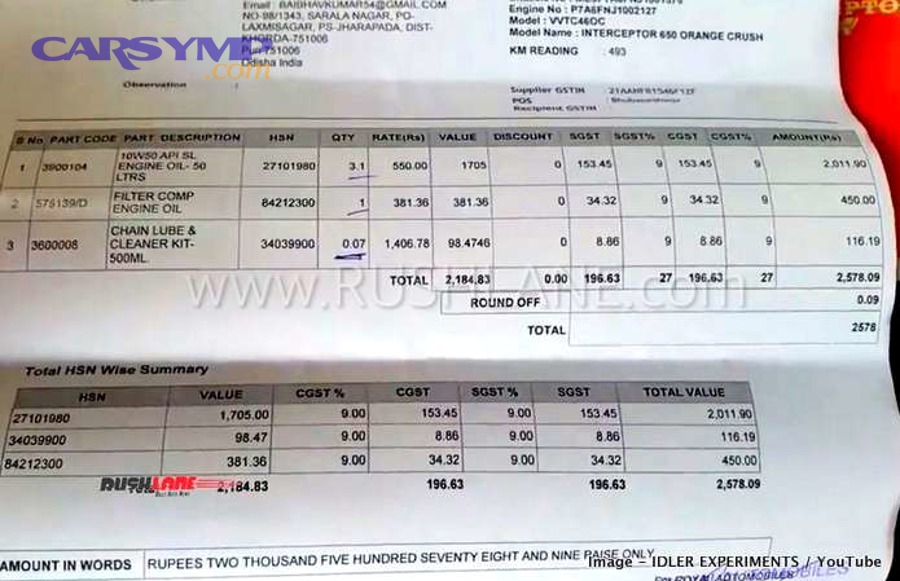
A realistic maintenance cost estimate is best expressed as low/typical/high ranges for each milestone because the same interval can vary by vehicle design, location, and whether the visit includes only essentials or bundled add-ons.
To illustrate what “typical” means, the ranges below assume a mainstream vehicle, using reputable parts and fluids, with professional labor—then you can adjust for your region and vehicle type in the next sections.
A quick rule for interpreting costs:
- Lower end often means: only essentials, fewer add-ons, efficient shop, smaller engine, fewer fluids required.
- Higher end often means: more services included, premium fluids/parts, higher labor rates, dealer pricing, or additional inspections/diagnostics.
What’s a realistic 5k–10k mile maintenance cost range?
A realistic 5k–10k interval cost is usually lowest because it’s dominated by oil service and tire rotation, and those tasks have predictable labor time.
Then, common ranges look like this:
- Oil & filter service: varies widely by vehicle, oil type, and region
- Tire rotation: may be included with tire purchase or charged separately
- Inspection: sometimes included with oil service
NerdWallet reports an average oil change cost range (depending on the car) spanning from about $60 to $274. (nerdwallet.com)
That wide range is why you should treat early intervals as “variable within a narrow service list”: the tasks are consistent, but the price swings with oil capacity, filter type, and labor rates.
Cost-control moves that still protect the car:
- Use the correct oil spec and quality filter (don’t downgrade the spec to save $10)
- Ask whether tire rotation is included with oil service
- Confirm whether the shop resets the oil-life monitor (if equipped)
What’s a realistic 30k mile maintenance cost range—and what drives the spread?
A realistic 30k interval cost is typically mid-range because multiple inspection items and filters stack together, and some vehicles add fluid services at this point.
More specifically, 30k costs spread because of:
- What’s actually included (filters and inspections vs fluid services and add-ons)
- Vehicle complexity (AWD systems, turbo engines, tighter packaging)
- Shop type and labor rates (independent vs dealership)
This is where How to compare written estimates becomes the difference between paying for the right work and paying for a generic “package.” A 30k estimate should clearly list:
- The service items (not just “30k service”)
- The exact fluid types/specs (if any are being changed)
- Parts vs labor breakdown or, at minimum, itemized lines
If you request an itemized quote, you can quickly remove questionable add-ons and keep the core schedule intact.
What’s a realistic 60k mile maintenance cost range—and why it spikes?
A realistic 60k interval cost often spikes because labor-intensive and component-specific services start to appear, and some of those services require more fluid volume, more disassembly, or more inspection time.
Then, common cost drivers at 60k include:
- Spark plug replacement labor (varies dramatically by engine layout)
- Transmission service (fluid type and capacity vary)
- Coolant service (less frequent, but more involved)
- Brake service if due (pads/rotors and labor)
The “spike” is not inherently bad—it’s often the point where preventive work is still cheaper than reactive repair. Your strategy here is to keep the work aligned to the vehicle schedule and your driving conditions, not to a one-size-fits-all menu.
What’s a realistic 100k mile maintenance cost range—and what should you plan for?
A realistic 100k interval cost is best planned as a combination of “scheduled” items plus a growing chance of wear-item replacement, because many parts are now deep into their lifecycle.
More specifically, plan 100k service in two layers:
Layer 1: Scheduled / due-soon items
- Plugs (if not already done)
- Fluids per manual (coolant, transmission, brake fluid by time)
- Belts and related components (as recommended/inspected)
Layer 2: Likely wear items (not guaranteed, but common)
- Brakes and tires (often multiple sets by now)
- Battery (age-based)
- Suspension wear becomes more visible (ride quality, tire wear patterns)
At higher mileage, a good budget move is to separate “today’s required work” from “next 12 months likely work,” so you don’t overpay in one visit. That’s also where Using service records to predict costs becomes extremely powerful, because your history tells you what has already been done and what’s coming next.
What factors change maintenance costs between mileage intervals?
Maintenance costs change between mileage intervals because the same checklist can require different labor time, parts quality, and frequency depending on driving conditions, vehicle design, and shop pricing—so the interval is the same, but the inputs are not.
Moreover, once you understand the cost drivers, you can predict your costs more accurately than any generic online average.

Think of interval cost as a simple equation:
Interval cost = (parts + fluids) + (labor time × labor rate) + (fees/taxes) ± (optional add-ons you accept)
That’s why two quotes for “the same interval” can be hundreds of dollars apart—especially once you compare what’s included.
Does “severe service” maintenance cost more than normal service?
Yes—severe service maintenance usually costs more than normal service because it requires more frequent intervals, it accelerates wear on consumables (oil, brakes, tires), and it increases inspection needs to catch issues early.
However, the key is that severe service doesn’t necessarily mean “hard driving.” Many normal-looking patterns qualify:
- Frequent short trips
- Heavy stop-and-go traffic
- Dusty roads
- Towing or carrying heavy loads
- Very hot or very cold climates
Severe service raises costs mainly by compressing the schedule: you’re doing the same tasks more often. But it also protects the car, because deferred maintenance under severe conditions is where expensive failures become more likely.
How much do vehicle type and engine design affect interval costs?
Vehicle type and engine design affect interval costs by changing how much labor is required, which fluids are needed, and which wear items are stressed—so complexity tends to increase costs even if the mileage interval is the same.
More specifically:
- AWD/4WD can add driveline fluid services and inspection points.
- Turbo engines can be more sensitive to oil quality and severe-service patterns.
- Luxury vehicles often have higher parts costs and tighter packaging (more labor time).
- Some hybrids/EVs can reduce certain maintenance tasks but still consume tires and need coolant or brake system attention.
This is why “average cost” is only a starting point. Your interval budget becomes accurate when you add vehicle-specific realities on top of the general checklist.
Do OEM vs aftermarket parts change the cost without changing the interval?
OEM parts tend to win on spec certainty, while aftermarket parts can be best for value when they meet the same specification and quality level; the best choice depends on the part category, warranty considerations, and risk tolerance.
Then, the practical comparison looks like this:
OEM advantages
- Exact fit and spec match
- Fewer surprises
- Often preferred for warranty-era service
Aftermarket advantages
- More price tiers (economy to premium)
- Sometimes equal or better quality from top-tier brands
- Better value for high-mileage vehicles
Where people get burned is not “aftermarket vs OEM,” but “unknown spec vs correct spec.” If your vehicle requires a specific fluid standard or plug type, using the wrong substitute can create performance issues or shorten service life.
How can drivers build a mileage-based maintenance budget (and avoid surprise bills)?
Drivers can build a mileage-based maintenance budget by using a milestone schedule, a per-interval cost range, and a simple reserve fund—then validating future needs with service records and comparing itemized written estimates before approving work.
In addition, the budgeting method becomes far more reliable when you treat the schedule as a repeatable system rather than a one-time checklist.

Here’s a simple framework that works without complicated math:
- Choose your interval rhythm (5k or 10k depending on your car and driving style).
- Mark milestone services (30k, 60k, 100k).
- Assign ranges (low/typical/high) for each milestone.
- Fund a maintenance reserve monthly so the milestone spikes don’t feel like emergencies.
- Use service records to confirm what’s already done so you don’t pay twice.
To connect this to real-world ownership costs, NerdWallet cites AAA data showing an average of 11.04 cents per mile for vehicle repairs, maintenance, and tires (as part of total ownership costing). (nerdwallet.com)
You don’t need that exact number for your car, but it reinforces the idea that maintenance is a predictable “per-mile” reality—and budgeting is about smoothing it.
Should you budget maintenance as “cost per mile” or “cost per year”?
Cost-per-mile wins for variable driving patterns, cost-per-year is best for stable routines, and a hybrid approach is optimal for most drivers because it keeps you accurate month-to-month while still preparing for mileage milestones.
However, the best fit depends on how you drive:
Cost per mile works best if you:
- Drive more some months than others
- Take road trips seasonally
- Track expenses and want proportional budgeting
Cost per year works best if you:
- Drive a similar amount every month
- Want a simple monthly reserve number
- Prefer stable budgeting without recalculating
A hybrid method is simple: set a base monthly reserve (annual budgeting), then increase contributions during high-mileage months (mileage budgeting). That keeps the plan stable but responsive.
Which services should you never skip even if you’re trying to save money?
There are 5 service categories you should not skip: oil service, tire safety (pressure/tread/rotation), brake inspections, critical fluid checks, and warning-light diagnosis—because skipping them increases the risk of high-cost failures and safety problems.
More importantly, “never skip” doesn’t mean “always buy the biggest package.” It means protect the essentials:
- Oil and filter service (correct spec)
- Tire condition and rotation (even wear preserves tire life and safety)
- Brake inspection and timely replacement (stopping ability is non-negotiable)
- Coolant/brake fluid condition checks (prevent corrosion and overheating risk)
- Diagnostic follow-up for warning lights or new symptoms
Savings should come from removing unnecessary add-ons, not from neglecting fundamentals.
How do you compare quotes for the same mileage interval service?
To compare quotes correctly, use a 4-step method—match the checklist, match the specs, match the labor/fees, then judge value by transparency—so you can choose the best price for the same work instead of the lowest price for different work.
To better understand this, treat your comparison like a controlled experiment:
Step 1: Match the checklist
- Each quote should list the same tasks
- Avoid quotes that only say “30k service” without detail
Step 2: Match the specifications
- Confirm oil grade/spec, fluid standards, plug types, filter quality tier
- If specs aren’t listed, request them before comparing
Step 3: Match labor and fees
- Ask about shop supplies, disposal fees, diagnostic fees
- Clarify what’s included in “inspection”
Step 4: Judge transparency and warranty
- Clear line items beat vague bundles
- Ask about warranty on parts and labor
This is the practical heart of How to compare written estimates. If you can’t see what you’re paying for, you can’t compare it—and you can’t control it.
If you’re deciding between shop types, this is also where Dealer vs independent maintenance pricing becomes visible. Dealers may offer OEM parts and brand-specific tooling, while independent shops may offer competitive labor rates and flexible parts choices. Your best value is the shop that matches your vehicle needs and provides the clearest estimate—not the shop with the best-sounding package name.
How do maintenance costs by mileage differ for EVs, hybrids, and high-mileage vehicles?
EVs tend to have fewer routine maintenance items per interval than gas cars, hybrids sit in the middle, and high-mileage vehicles require more wear-item budgeting—because powertrain complexity and component lifecycle change what’s due at each mileage milestone.
Below, this section expands your mileage-interval planning into specialized cases so you can keep your budget accurate when the vehicle type or life stage changes.

Do EVs have lower maintenance costs per mileage interval than gas cars?
Yes—EVs often have lower maintenance costs per mileage interval than gas cars because they don’t require engine oil changes, they have fewer engine-related filters and ignition components, and they reduce brake wear through regenerative braking.
However, EV maintenance is not “free,” and budgeting still matters:
- Tires can wear faster due to torque and vehicle weight
- Cabin air filters still need replacement
- Coolant systems for batteries/motors still exist (and have service needs)
- Suspension, alignment, and brakes still require inspection
So the interval checklist shrinks, but it doesn’t disappear. Your best EV budgeting move is to shift money from oil-service frequency into tires and long-term coolant/inspection planning.
What interval costs change most for hybrids compared to ICE?
Hybrid interval costs change most in brake wear patterns and engine service frequency because regenerative braking can reduce brake wear while the gasoline engine may run fewer hours per mile—yet the engine still needs correct oil service based on time and usage.
Then, hybrid budgeting tends to look like:
- Potentially longer brake pad life (driver-dependent)
- Oil service still required (check manual and oil-life monitor if equipped)
- Cooling systems and electronics require inspection discipline
- Tires remain a major recurring cost
Hybrids reward consistency: follow the schedule, document services, and keep the inspections strong to prevent small issues from becoming expensive.
What’s different about maintenance planning once a car passes 100,000 miles?
Once a car passes 100,000 miles, maintenance planning becomes lifecycle-based instead of purely schedule-based because rubber components, seals, mounts, and suspension parts may age out even if the basic interval checklist is followed perfectly.
Specifically, your planning shifts in three ways:
- More inspection-driven decisions (you look for developing wear)
- More emphasis on drivability symptoms (vibration, noise, pulling, leaks)
- More reliance on records (what’s already been replaced matters more than what “should” be due)
This is where Using service records to predict costs becomes the most valuable habit you can build. If you know when brakes, tires, battery, and major fluids were last done, you can forecast the next 12–24 months with surprising accuracy—and avoid duplicate services in estimates.
When does a maintenance plan or dealership package actually save money?
A maintenance plan saves money when its covered services match your real interval needs, its price is below the sum of itemized services you would actually buy, and its exclusions/fees don’t erase the discount—otherwise it’s mainly a convenience product.
To evaluate a plan quickly:
- Compare the plan price against your own mileage-based schedule for the plan period
- Confirm whether it covers milestone services or only basic oil/rotation
- Ask whether it requires dealership-only service and whether appointment availability affects you
- Check for add-on fees not included in the plan
In short, the best plans align tightly with your mileage reality. If you drive more than average, plans can be valuable. If you drive less, you may overpay for convenience.
Evidence (if any)
According to AAA’s consumer guidance on car repair and maintenance costs, routine maintenance items are often dictated by mileage intervals or part age and can be budgeted using the intervals listed in the owner’s manual. (cluballiance.aaa.com)
According to NerdWallet’s routine maintenance cost breakdown (Dec 15, 2022), the average cost of an oil change can range from about $60 to $274 depending on the car, and low-mileage drivers should still change oil at least every 12 months. (nerdwallet.com)
According to Kelley Blue Book’s maintenance schedule guidance, many modern oil change intervals have shifted to around 5,000 miles or even 10,000 miles for some automakers. (kbb.com)
According to NerdWallet’s summary of AAA driving cost data (Jan 14, 2026), drivers average about 11.04 cents per mile for vehicle repairs, maintenance, and tires in AAA’s methodology. (nerdwallet.com)
According to Vincentric’s Maintenance Data methodology, maintenance cost calculations can incorporate parts pricing, labor times, and labor rates to estimate maintenance costs over mileage ranges. (vincentric.com)