


Diagnostics in healthcare are the tests and clinical tools used to find the “why” behind symptoms, confirm or rule out a condition, and guide the next medical decision. This guide explains what diagnostic tests are, how they fit into real-life care, and how patients can use results to make safer, clearer choices.
Beyond the definition, you’ll learn the major types of diagnostic tests you’re most likely to encounter—especially lab tests and imaging—plus what each type is designed to detect. That way, you can recognize what a test can reasonably answer and what it cannot.
You’ll also see how clinicians choose the right test for the right moment, why “stepwise testing” is common, and what preparation matters most. Understanding the workflow helps you avoid wasted time, missed context, and unnecessary worry.
Introduce a new idea: you’ll finish with practical guidance for reading results, asking the right follow-up questions, and spotting decision-making red flags—similar to how you’d evaluate any service you’re searching for, even something as everyday as a “mobile mechanic near me,” where you want clarity, scope, and honesty before you commit.
What are diagnostics in healthcare, and what counts as a “diagnostic test”?
Diagnostics in healthcare are methods and tools clinicians use to identify, confirm, or monitor a medical condition, typically starting from symptoms or risk factors and ending in a decision about next steps (treatment, follow-up, or reassurance). Next, it helps to separate the broad idea of “diagnostics” from the specific tests you may receive.

At a patient level, a “diagnostic test” usually means something that produces measurable information—numbers, images, signals, or tissue findings. Common examples include bloodwork, urine testing, X-rays, ultrasound, CT scans, MRIs, EKGs, and biopsies.
A diagnostic test is not the same as a diagnosis. A diagnosis is the clinician’s conclusion after combining:
- Your symptoms and story (history)
- Physical exam findings
- Test results (diagnostics)
- Risk factors (age, family history, exposures, medications)
- Time course (what changed and when)
That combination matters because the same test result can mean different things depending on context. A mildly elevated lab value can be normal variation in one person and a warning sign in another.
Are “diagnostics” and “diagnostic tests” the same thing?
No—diagnostics is the broader process and field, while diagnostic tests are the specific tools used inside that process. Specifically, “diagnostics” includes the strategy (which test first, which test next, whether to repeat) plus the interpretation and follow-up actions.
A helpful way to think about it is the difference between repair diagnostics and repair tools. If you search “mobile mechanic near me,” you are really looking for a diagnostic process—someone who can evaluate symptoms, narrow causes, and recommend the correct fix—not just a person who owns tools. In medicine, the test is only useful when it is chosen and interpreted well.
What are the main goals of diagnostic testing: screening, diagnosing, or monitoring?
There are three main goals of diagnostic testing—screening, diagnosing, and monitoring—based on what question the clinician is trying to answer. Next, these goals explain why the “same” test may be used in different ways.
- Screening (finding risk early)
- Used when you may feel fine
- Looks for early disease or risk markers
- Examples: cholesterol testing, colon cancer screening options, blood pressure checks, certain infectious screening in pregnancy
- Diagnosing (explaining symptoms or confirming disease)
- Used when you have symptoms or a concerning finding
- Aims to confirm or rule out a condition
- Examples: strep test for sore throat, troponin for chest pain evaluation, imaging for suspected fracture
- Monitoring (tracking response or progression)
- Used after diagnosis, during treatment, or for chronic care
- Checks whether a condition is stable, improving, or worsening
- Examples: A1C for diabetes trend, INR for warfarin management, imaging follow-up for certain findings
If you know which goal applies to you, your next-step questions become clearer: “Is this test to screen, diagnose, or monitor? What changes if it’s abnormal?”
What types of diagnostic tests do patients most commonly encounter?
There are four main types of diagnostic tests patients commonly encounter—lab tests, imaging, biopsies/pathology, and functional tests—based on what kind of evidence they measure (chemistry, structure, cells/tissue, or performance). Next, understanding the categories prevents “test confusion,” where people expect one test to answer a different category’s question.

A quick mental shortcut:
- Lab tests measure chemistry and biology in fluids
- Imaging shows structures inside the body
- Pathology/biopsy examines cells and tissue directly
- Functional tests measure how an organ performs
What are lab tests, and what can blood, urine, and swab tests reveal?
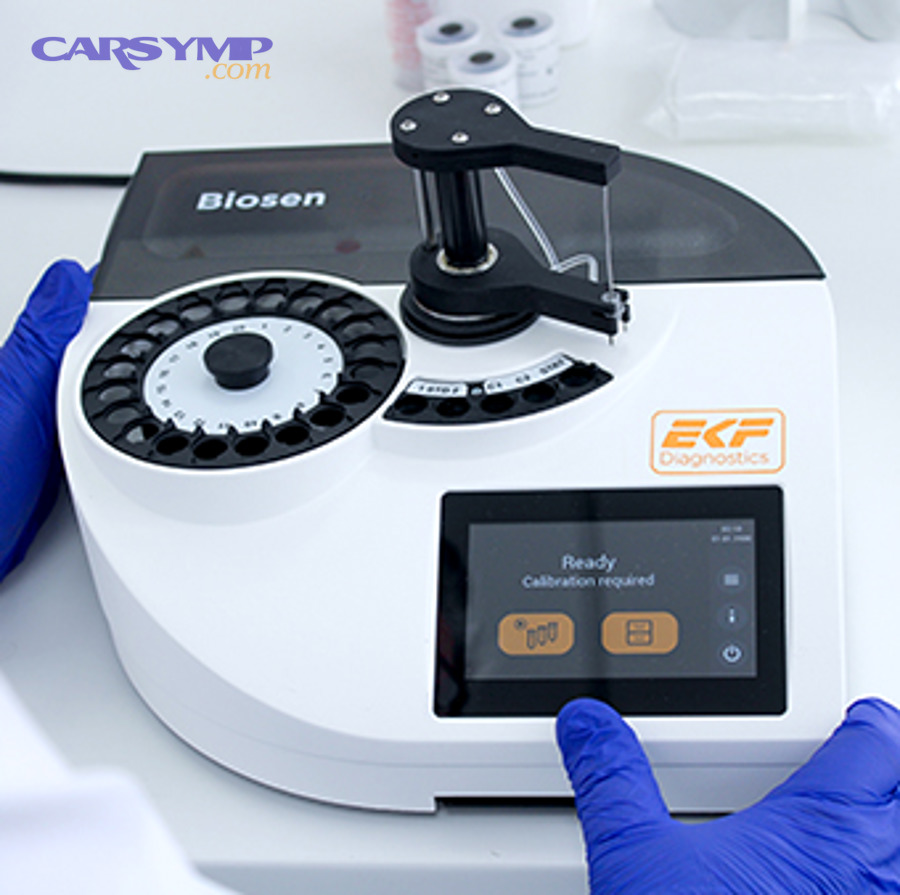
Lab tests are medical measurements of biomarkers in body fluids (like blood, urine, or swabs) that reveal organ function, inflammation, infection clues, hormone balance, and metabolic status. Next, these tests are often the first step because they’re fast, widely available, and can narrow the problem efficiently.
Common lab test groupings patients see include:
1) Baseline “big picture” panels
- CBC (Complete Blood Count): anemia clues, infection markers, platelet issues
- CMP/BMP (Metabolic Panels): kidney function, electrolytes, liver enzymes, glucose
2) Condition-focused tests
- A1C: average blood sugar over ~3 months (diabetes monitoring/diagnosis support)
- TSH and thyroid panel: thyroid function
- Lipid panel: cholesterol-related risk markers
3) Infection testing
- Rapid antigen tests (some settings)
- PCR tests (often more sensitive; depends on condition)
- Urine culture or throat culture (identifying bacteria and antibiotic sensitivity)
4) Urinalysis
- Hydration clues, kidney issues, infection signs, blood or protein in urine
What lab tests usually can do:
- Show patterns consistent with inflammation or infection
- Reveal organ stress (kidney/liver)
- Track medication effects (like electrolytes on certain drugs)
What lab tests usually can’t do alone:
- Pinpoint a single cause without context
- Guarantee a diagnosis if the condition is intermittent or early
- Replace imaging when structure matters (fracture, stones, masses)
This is similar to “What mobile mechanics can and can’t do”: a mechanic can scan a car’s codes, but that doesn’t always identify the broken part without further inspection. In medicine, a lab abnormality can be a “code,” not the final answer.
What is medical imaging, and when do X-ray, CT, MRI, and ultrasound get used?
Medical imaging is a group of technologies that create pictures of internal structures to detect injuries, blockages, masses, inflammation, and anatomical changes. Next, imaging is often used when a clinician needs to “see” something labs cannot confirm.
Here’s a patient-friendly grouping:
X-ray
- Best for: bones, certain chest findings (like pneumonia clues)
- Pros: fast, widely available
- Limits: less detail for soft tissues
Ultrasound
- Best for: gallbladder, pregnancy imaging, blood flow checks, some soft tissue questions
- Pros: no ionizing radiation, portable
- Limits: image quality can depend on body type and operator skill
CT (Computed Tomography)
- Best for: detailed cross-sections, trauma assessment, some stroke and abdominal emergencies
- Pros: fast, detailed, useful in urgent settings
- Limits: uses ionizing radiation; sometimes uses contrast dye
MRI
- Best for: soft tissue detail (brain/spine, ligaments, some abdominal/pelvic questions)
- Pros: excellent detail; no ionizing radiation
- Limits: longer test time; can be difficult with claustrophobia; metal/implant restrictions
If you want a quick visual overview of imaging types and how they’re used, this explainer is helpful:
What are biopsies and pathology tests, and when are they necessary?
A biopsy is a procedure that removes a small sample of tissue (or cells) so a lab can examine it directly, often to confirm or rule out conditions that imaging and blood tests can’t definitively classify. Next, this matters because tissue-level evidence can change decisions dramatically.
Common biopsy/pathology examples:
- Skin biopsy for suspicious lesions
- Breast biopsy after concerning imaging
- Endoscopy biopsies for stomach/esophagus issues
- Lymph node biopsy in certain evaluations
Pathology can include:
- Microscopic structure
- Cell type and abnormality patterns
- Special stains and markers (in specific contexts)
Biopsies are often used when a clinician needs to answer a high-stakes question with higher certainty. They are more invasive than labs or imaging, so clinicians typically consider risk/benefit carefully.
What are functional tests (EKG, stress tests, spirometry), and what do they measure?
Functional tests are measurements of how an organ performs in real time—such as heart rhythm, lung capacity, or exercise response—rather than what it looks like on a picture. Next, these tests help when symptoms relate to performance limits, not just structural changes.
Common functional tests:
- EKG/ECG: heart rhythm and electrical patterns (quick, noninvasive)
- Cardiac stress test: how the heart responds to exertion
- Spirometry: airflow and lung function (asthma/COPD evaluation support)
- Sleep study (in certain cases): breathing and oxygen patterns during sleep
Functional tests can complement imaging and labs, especially when symptoms occur during activity or under specific triggers.
How do doctors choose the right diagnostic test for your symptoms?
Doctors choose diagnostic tests by matching your symptoms, risk level, and exam findings to the test most likely to change medical decisions—often using a stepwise approach to reduce risk, cost, and confusion. Next, this explains why you may start with “basic” tests even when you feel the problem is serious.
A practical way to understand test choice is to focus on decision impact:
- Will this test result change what we do next?
- Does it reduce uncertainty meaningfully?
- Are safer or simpler tests likely to answer the question first?
Clinicians also consider “pre-test probability,” which is a formal way of saying: How likely is this condition before testing, based on your story and exam? A test is more useful when it is applied to the right population at the right time.
Is it normal to start with simpler tests before advanced imaging?
Yes—starting with simpler tests is normal in diagnostics because it often provides (1) safer first steps, (2) faster narrowing of causes, and (3) higher value for decision-making before more invasive or expensive options. Next, this stepwise approach can prevent cascading tests that don’t improve outcomes.
Reason 1: Safety first
- Many lab tests are low-risk
- Some imaging (like CT) includes radiation
- Some procedures (like biopsies) carry bleeding/infection risks
Reason 2: Efficiency
- A basic CBC/CMP can reveal dehydration, infection clues, anemia, electrolyte issues
- If those results explain symptoms, you may avoid unnecessary imaging
Reason 3: Better targeting
- Basic results can guide which imaging is most appropriate
- Targeted testing can improve accuracy and reduce incidental findings
This principle is similar to how a responsible mobile mechanic works: a good mechanic doesn’t jump straight to replacing major parts without confirming the simplest likely causes first.
How do “rule-out” tests differ from “rule-in” tests?
Rule-out tests are designed to reduce concern that a condition is present, while rule-in tests are designed to increase confidence that a condition is present—and the best choice depends on what decision you’re trying to make. Next, this distinction helps you interpret why a “negative” can be more powerful for some tests than a “positive.”
In patient-friendly terms:
- A rule-out test is most helpful when a negative result makes a serious condition unlikely.
- A rule-in test is most helpful when a positive result strongly supports the diagnosis.
Clinicians often pair testing with clinical context:
- If a test is positive but the overall likelihood is low, they may confirm with a second test.
- If a test is negative but symptoms are worsening, they may repeat or choose a different test.
If you’re unsure, ask:
- “Is this test meant to rule out something dangerous?”
- “What happens if the result is borderline?”
- “Will we confirm this with a follow-up test?”
How should patients prepare for diagnostic tests, and what happens during the process?
Patients should prepare for diagnostic tests by following test-specific instructions (like fasting, medication timing, hydration, and arrival logistics) because preparation reduces false results and makes the test safer and easier. Next, knowing what to expect lowers anxiety and increases the chance the test answers the intended question.

Preparation isn’t just “rules.” It directly affects outcomes:
- Eating can change glucose and lipid readings
- Dehydration can concentrate certain lab values
- Some medications can interfere with hormone tests or imaging contrast decisions
Do you need to fast for bloodwork, and which tests commonly require it?
Yes—fasting is sometimes needed for diagnostic bloodwork because (1) food can change key markers, (2) fasting improves comparability across results, and (3) it reduces confusing borderline readings that trigger unnecessary follow-ups. Next, the important part is to follow your clinician’s instruction, because requirements vary.
Tests that commonly require fasting (often 8–12 hours, depending on the lab):
- Fasting glucose (sometimes required)
- Lipid panel (some clinicians prefer fasting; non-fasting is also used in many settings)
- Certain specialized metabolic tests
Tests that usually do not require fasting:
- CBC
- Many electrolytes and kidney tests
- Many thyroid tests (depends on context)
Practical tips:
- Drink water unless told otherwise (hydration helps with blood draw and some readings)
- Ask whether black coffee is allowed (rules vary)
- Tell the lab staff about supplements (biotin can affect some tests)
What should you tell your clinician before imaging with contrast or sedation?
Before imaging with contrast or sedation, you should tell your clinician about (1) allergies or prior contrast reactions, (2) kidney problems or dehydration risk, and (3) pregnancy status or possibility, because these factors change the safety plan and test choice. Next, this reduces preventable side effects and last-minute cancellations.
Key disclosures that matter:
- Prior contrast reactions
- Kidney disease history or recent lab results (some contrast decisions depend on kidney function)
- Diabetes medications (some protocols involve timing adjustments)
- Asthma history (in some contrast planning contexts)
- Implanted devices (for MRI safety screening)
- Claustrophobia (MRI planning; sedation options in some centers)
If you’re nervous about imaging, ask:
- “How long will the test take?”
- “Will I need contrast, and why?”
- “What sensations are normal during contrast?”
- “What do we do if I can’t tolerate the MRI?”
How accurate are diagnostic tests, and why can results be “abnormal” without disease?
Diagnostic tests can be very accurate, but no test is perfect—results can be abnormal without disease because of normal variation, temporary changes, measurement limits, or context mismatches. Next, this is why clinicians interpret patterns and trends rather than isolating a single number.

Accuracy depends on:
- The condition being tested
- Timing (early vs late in illness)
- Sample quality (swab technique, blood draw issues)
- The person’s baseline (age, sex, activity level, pregnancy)
- Pre-test probability
Can a test be wrong even if it’s “positive” or “negative”?
Yes—a test can be “wrong” because (1) false positives can occur, (2) false negatives can occur, and (3) timing and sampling can miss the signal even when disease is present. Next, this is why confirmatory testing and follow-up plans exist.
Examples of why false results happen:
- False positives: cross-reactivity, non-disease causes of marker elevation, low-prevalence screening effects
- False negatives: testing too early, low viral/bacterial load, intermittent symptoms, sample collection errors
- Borderline results: thresholds vary; mild abnormalities may normalize
What patients can do:
- Ask if the test is a screening test or diagnostic-confirmation test
- Ask whether a repeat test is standard
- Share symptom timing (when it started, peak severity)
This is also where “Red flags and scam avoidance” becomes relevant—because uncertainty creates vulnerability. In healthcare, be cautious if someone promises certainty from a single test without context or pressures you into expensive add-ons without explaining how it changes decisions.
What do “reference ranges” mean, and why do they differ by lab and person?
Reference ranges are statistical “typical” boundaries derived from a healthy population that help interpret results, and they differ by lab and person because methods, populations, and biological factors vary. Next, this explains why an “abnormal” flag does not always mean you have a disease.
Why ranges vary:
- Different analyzers and measurement techniques
- Different reference populations
- Age- and sex-related physiology
- Pregnancy-related changes
- Athletic training effects (certain labs shift with conditioning)
How to interpret responsibly:
- Look for degree of abnormality (slightly vs strongly out of range)
- Compare with symptoms and history
- Review related markers (pattern recognition)
- Repeat when appropriate (trends are often more meaningful)
A useful question to ask:
- “Is this result clinically significant, or just statistically outside the reference range?”
What should you do after you get your results?
After you receive results, you should (1) confirm what question the test was meant to answer, (2) review significance with your clinician, and (3) clarify the next step—treatment, follow-up testing, or monitoring—based on your symptoms and risk. Next, this turns raw results into a safe plan.

Results are most useful when you connect them to decisions. If you have access to a patient portal, avoid reading a single flagged value in isolation. Instead, scan for:
- The clinician’s note (if available)
- The overall impression
- Whether a repeat test is ordered
- Any urgent warnings or “critical” flags
Practical follow-up questions (high value, low friction):
- “What was the test trying to confirm or rule out?”
- “What are the most likely explanations for this result?”
- “Do we need to repeat it, and when?”
- “What symptoms should trigger urgent care?”
- “What lifestyle or medication changes, if any, are recommended now?”
When diagnostics are part of a bigger maintenance plan—like routine monitoring for chronic conditions—your role becomes active: you’re tracking trends and matching them to how you feel.
When should you call your doctor immediately about test results?
Yes—you should call immediately (or seek urgent care) if results are paired with (1) severe or worsening symptoms, (2) a “critical value” notification, or (3) red-flag symptom clusters that suggest an emergency. Next, urgent action is about safety, not fear.
Examples of urgent symptom patterns (general guidance):
- Chest pain with shortness of breath, fainting, or sweating
- Severe headache with neurological changes (weakness, confusion, speech issues)
- Trouble breathing, blue lips, or oxygen concerns
- High fever with neck stiffness, severe confusion, or dehydration signs
- Heavy bleeding or signs of shock (lightheadedness, rapid heartbeat)
If you’re unsure, it’s reasonable to ask the office:
- “Is this result time-sensitive?”
- “What’s the safest next step today?”
How can you compare results over time to track your health?
You can compare results over time by tracking trends (not single points), using the same test method when possible, and linking changes to treatment or lifestyle events because trends reveal direction and stability. Next, this approach reduces overreaction to one-off fluctuations.
Use a simple tracking approach:
- Date
- Test name and units
- Value
- Notes (med changes, illness, fasting status, major stress, new exercise routine)
Here’s a quick example table showing what a trend log might contain and how it helps you spot meaningful changes rather than noise:
| Date | Test | Result | Context note | Why it matters |
|---|---|---|---|---|
| Jan 10 | A1C | 7.8% | New meds started | Establish baseline |
| Apr 12 | A1C | 7.1% | Better diet adherence | Improvement trend |
| Jul 15 | A1C | 6.8% | Consistent routine | Goal progress |
This kind of tracking also supports “scam avoidance” because it keeps the focus on measurable, clinically meaningful outcomes—not dramatic claims.
Introduce a new idea: now that you understand what diagnostic tests are, the major categories, how clinicians choose tests, and how to interpret results safely, the final section goes deeper into specialized diagnostics and common pitfalls that can matter in more complex situations.
What advanced and specialized diagnostics might you encounter, and what are the trade-offs?
Advanced diagnostics include point-of-care testing, at-home testing, and molecular methods that can increase speed or precision—but they also introduce trade-offs like confirmatory needs, interpretation complexity, and incidental findings. Next, these trade-offs are where patients benefit most from clear questions and scope boundaries.

This is also where your “consumer skills” apply. Just as you’d want clarity on “What mobile mechanics can and can’t do,” you want clarity on what an advanced diagnostic can and cannot conclude, and what action it will trigger.
What is point-of-care testing (POCT), and how does it differ from central lab testing?
Point-of-care testing (POCT) is testing done near the patient (clinic, bedside, pharmacy) for rapid results, while central lab testing is processed in specialized laboratories for broader panels and sometimes higher throughput. Next, the key difference is the speed-versus-scope trade-off.
POCT advantages:
- Faster decision-making (triage, immediate treatment decisions)
- Convenience in urgent settings
- Useful for certain conditions (examples vary by clinic)
Central lab advantages:
- Broader test menus and panels
- Standardized workflows and quality systems
- Better for complex or confirmatory testing in many cases
A good question to ask:
- “Will this point-of-care result be confirmed by a lab test if it’s positive/negative?”
What are at-home diagnostic tests, and when should you trust or repeat them?
At-home diagnostic tests are consumer- or clinician-directed tests performed outside a clinic (often rapid tests or mail-in kits) that provide convenience, but sometimes require repeat or confirmatory testing when results conflict with symptoms. Next, reliability depends heavily on timing and technique.
When at-home tests can be helpful:
- When used exactly as instructed
- When timing aligns with symptom onset or exposure window
- When you know what a positive result changes (isolation, treatment eligibility, follow-up)
When you should consider repeat/confirmatory testing:
- If symptoms are strong but the test is negative
- If the test is positive but you have low likelihood and no symptoms
- If the instructions were not followed precisely
This is a real-world version of “Red flags and scam avoidance”: be cautious of services that sell expensive at-home panels without explaining clinical relevance, follow-up plans, or false-positive risks.
What is molecular diagnostics (PCR/NGS), and when is it used?
Molecular diagnostics are tests that analyze genetic material (DNA/RNA) or specific molecular markers to detect infections, inherited variants, or disease-related changes, often offering high sensitivity or detailed characterization. Next, these tests are powerful but can be over-ordered when the result won’t change management.
Common use cases (high-level):
- PCR for detecting infectious organisms in many contexts
- NGS (next-generation sequencing) for deeper genetic or tumor profiling in specific clinical scenarios
- Targeted genetic tests when family history or clinical presentation suggests benefit
Key patient questions:
- “What decision will this molecular result change?”
- “Is this diagnostic, confirmatory, or exploratory?”
- “How will uncertain results (variants of unknown significance) be handled?”
Can more testing ever be harmful (overdiagnosis or incidental findings)?
Yes—more testing can be harmful because (1) incidental findings can trigger anxiety and invasive follow-ups, (2) overdiagnosis can label harmless conditions as disease, and (3) unnecessary testing can distract from the real cause of symptoms. Next, the safest path is often “the right test at the right time,” not “every possible test.”
Common ways harm happens:
- Imaging finds incidental nodules that require repeat scans
- Broad panels produce mild abnormalities that don’t matter clinically
- Follow-up procedures create risks (biopsy complications, contrast reactions, radiation exposure)
A practical guardrail:
- Before any additional test, ask: “What are we looking for, what’s the likelihood, and what will we do differently depending on the result?”
And if you’re managing a mechanical-health analogy in your head, this maps cleanly to Common services: brakes—you don’t replace brakes just because a sensor blinks without checking wear, noise, and safety thresholds. In healthcare diagnostics, you don’t escalate testing just because a value is slightly off without confirming clinical significance.
Evidence (if any):
According to a study by the University of Oxford from the Nuffield Department of Primary Care Health Sciences, in 2018, researchers highlighted that overdiagnosis can lead to unnecessary labeling and treatment when conditions detected by testing would not have caused harm if left undiscovered.