


An OBD2 scan can tell you what the car’s computer noticed—and it can’t tell you the exact part to replace without follow-up testing. The scan is a powerful starting point because it shows fault codes, snapshots of conditions, and basic operating data, but it still stops short of proving root cause.
Next, this guide shows how to interpret what you see on the scanner—like stored vs pending codes, freeze frame, and the most useful live data—so you can connect results to symptoms without guessing.
Then, you’ll get a practical workflow to turn scan results into a real diagnosis: what to check first, which quick tests matter most, and when it’s smarter (and cheaper) to escalate to a shop.
Introduce a new idea: once you understand the basics, you’ll also see why “clearing codes” can backfire—especially around emissions testing—so you can avoid confusion later and move into the main content with a clear plan.
What is an OBD2 scan, and what does it actually read from your car?
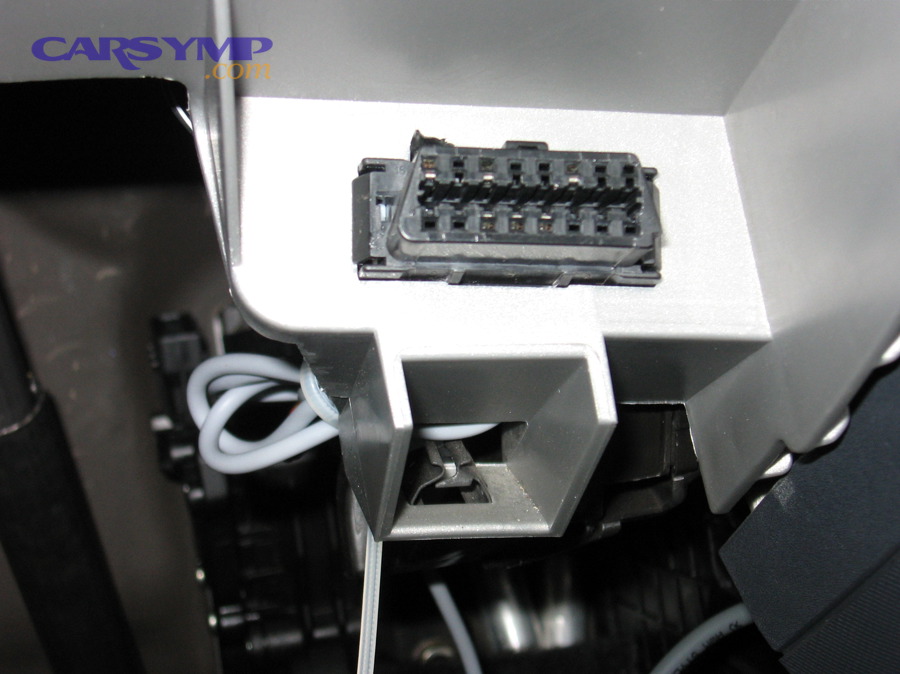
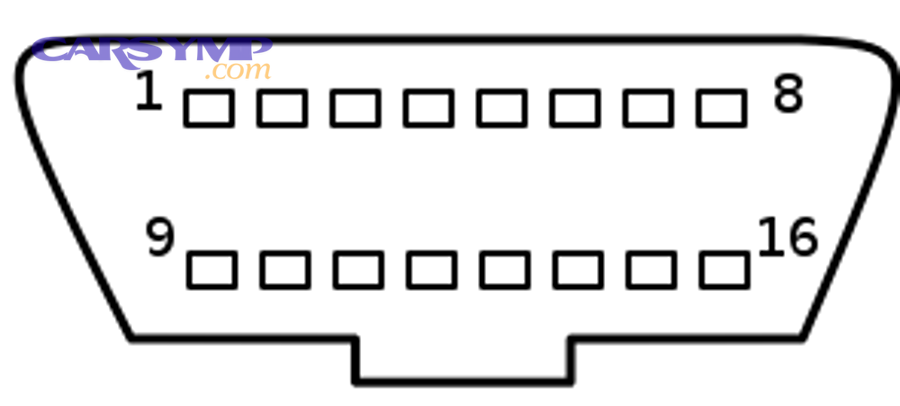
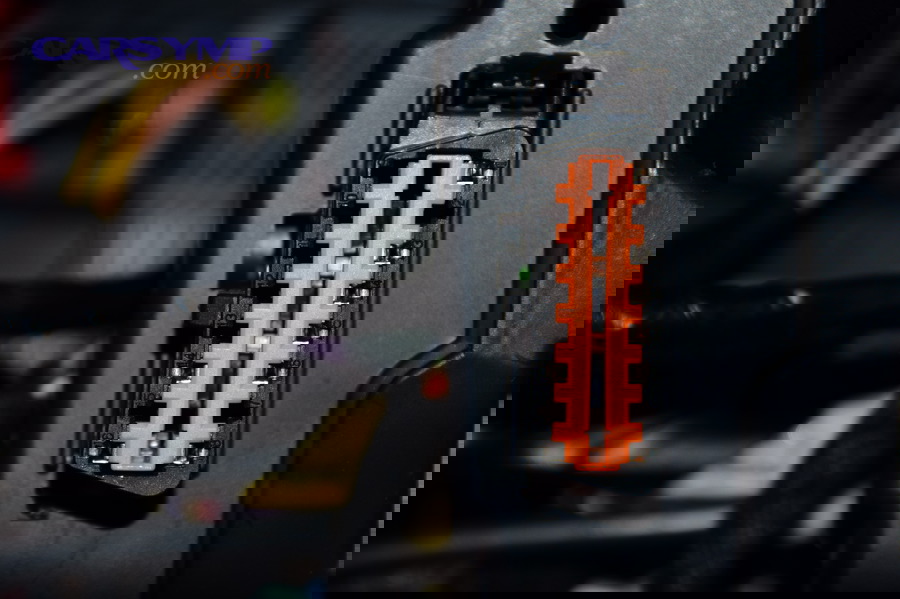
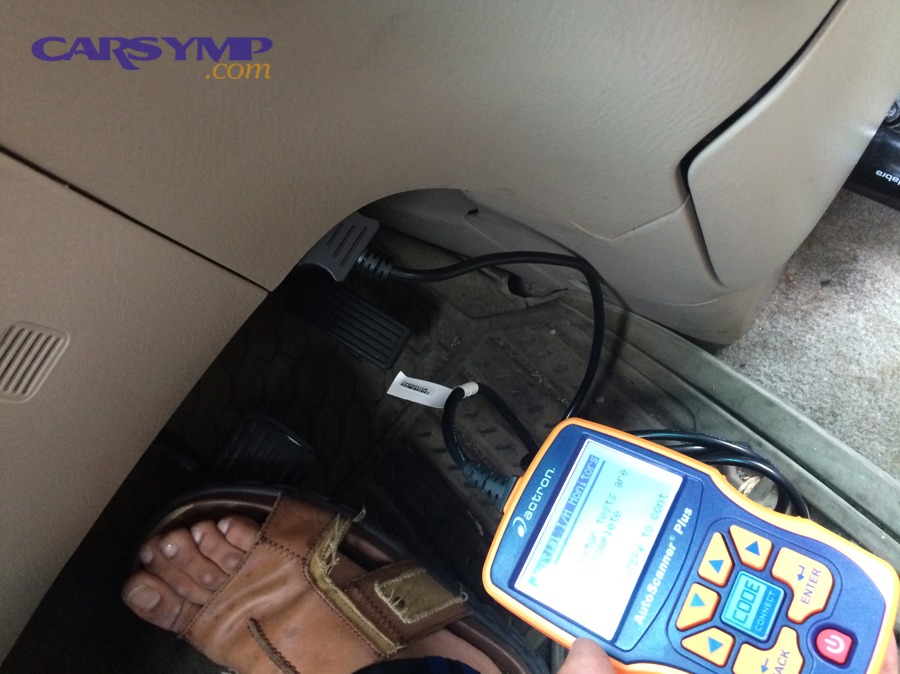
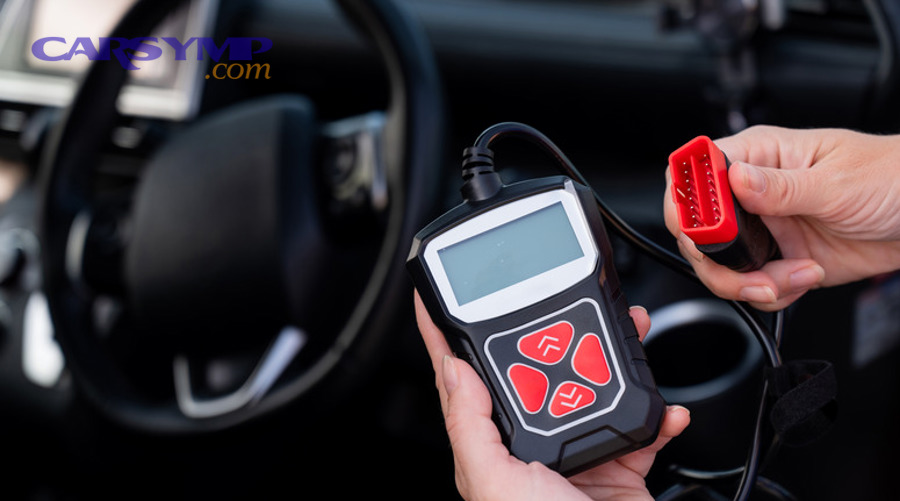
An OBD2 scan is a standardized way to query your vehicle’s onboard computer for diagnostic trouble codes and operating data, created to support emissions-related diagnostics and basic fault reporting across vehicles with the 16-pin OBD-II connector. (ww2.arb.ca.gov)
To better understand why the scan is helpful—but not magical—let’s connect what the scan tool reads to what the car actually measures.
Is an OBD2 scan the same thing as a full diagnosis?
No—an OBD2 scan is not the same thing as a full diagnosis, because (1) it reports symptoms the computer detected, not confirmed causes, (2) many failures share the same code pattern, and (3) the scan tool cannot physically test fuel pressure, compression, vacuum leaks, wiring integrity, or mechanical timing.
Specifically, a scan is like reading the car’s “complaint log.” It can be extremely accurate about what condition was out of range (for example, a catalyst efficiency threshold or a cylinder misfire rate), but it usually cannot prove why it happened. A professional diagnosis adds verification steps: inspecting connectors, load-testing circuits, smoke-testing the intake for leaks, measuring fuel pressure under load, and confirming mechanical condition.
Here’s the key mental model: codes point you toward a test plan, not a shopping list. If you keep that model, you avoid the most common parts-cannon mistakes.
What information does an OBD2 scan usually show first?
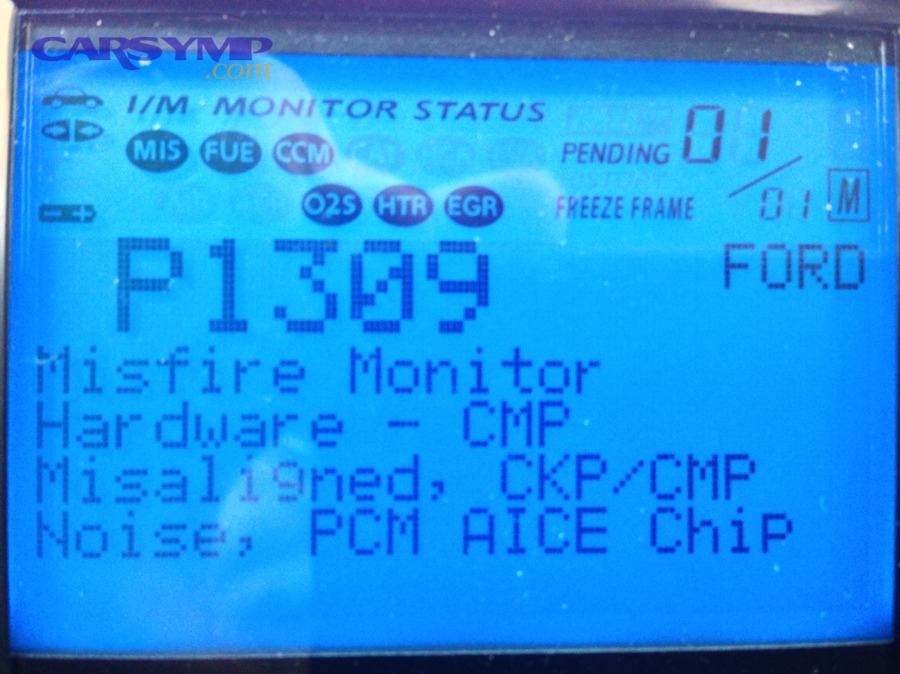
There are four main types of information an OBD2 scan usually shows first: fault codes, fault status, snapshot context, and readiness state, based on what the ECU/PCM has stored and what the scan tool is capable of displaying.
More specifically, most scan menus include:
- Stored (confirmed) diagnostic trouble codes (DTCs): faults that met the criteria to be saved.
- Pending DTCs: faults detected but not yet confirmed over enough drive cycles.
- Freeze frame data: a snapshot of engine conditions when a fault set (often for the first code).
- I/M readiness status: whether emissions monitors have completed self-tests.
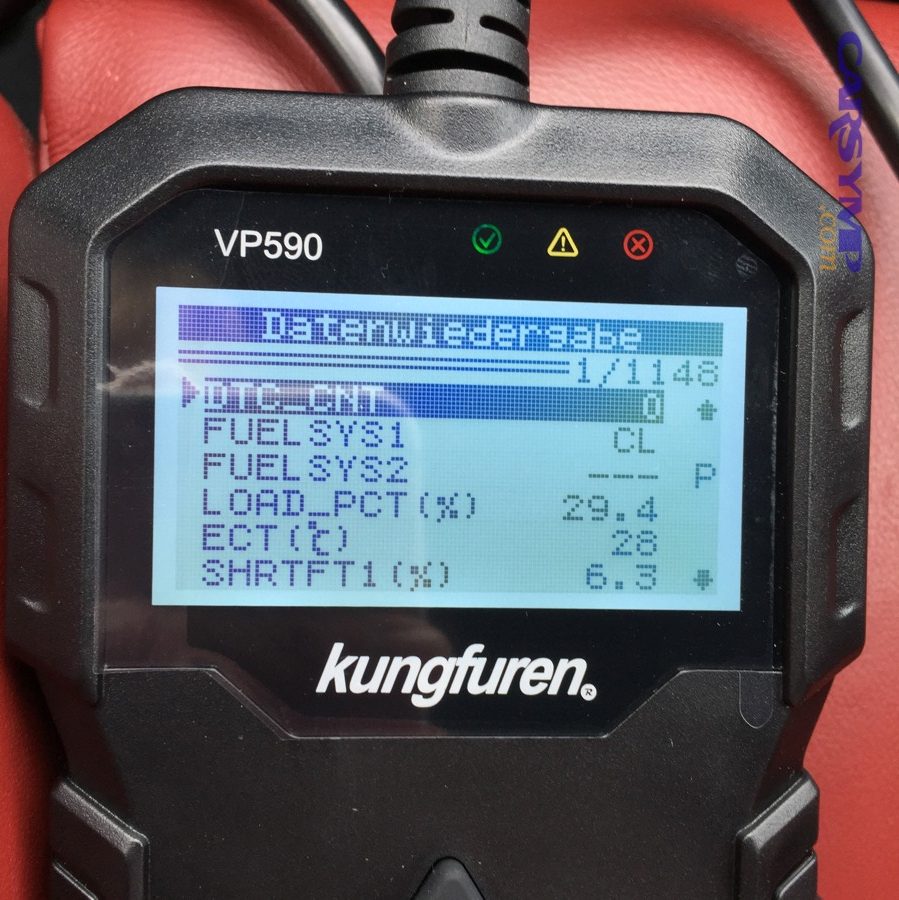
On many vehicles you can also view live data—sensor readings such as coolant temperature, RPM, engine load, throttle position, and oxygen sensor or air-fuel ratio behavior—though the depth varies widely by tool and car.
Can an OBD2 scan tell you what part to replace?
No—an OBD2 scan usually cannot tell you exactly what part to replace, because (1) a DTC can be triggered by multiple upstream causes, (2) the same symptom can be produced by mechanical, electrical, or airflow/fuel problems, and (3) the computer often detects “out-of-range results,” not the failed component itself.
However, you can use the scan result to dramatically narrow the search—if you translate the code into a hypothesis and then test that hypothesis with simple checks.
What do OBD2 codes mean in plain English?
OBD2 codes are standardized labels for faults, typically grouped by system and described as a condition the computer detected, with key features like “circuit,” “range/performance,” or “efficiency” that hint at the kind of problem.
To illustrate, the code structure generally follows patterns like:
- P0xxx: generic powertrain codes (widely standardized)
- P1xxx: manufacturer-specific powertrain codes (more OEM-specific meaning)
- Bxxxx / Cxxxx / Uxxxx: body, chassis, and network communication codes (often not accessible with basic readers)
The important translation step is this: many codes describe the effect, not the cause. A “sensor circuit” code might reflect a wiring fault, a connector corrosion issue, a reference voltage problem, or a sensor that is genuinely dead. A “system too lean” code is even more symptom-based—it can come from unmetered air, low fuel pressure, exhaust leaks upstream of sensors, or incorrect airflow measurement.
Why can the same code have multiple causes?
The same code can have multiple causes because the ECU observes outcomes through sensors, then flags a fault when a threshold is crossed—yet many different failures can push the same measured outcome out of range.
For example, a lean condition can happen if:
- Air enters the engine without being measured (vacuum leak)
- Fuel delivery is weak under load (pump, filter, regulator, injector issue)
- Air measurement is inaccurate (MAF contamination or wiring issues)
- Exhaust oxygen readings are skewed (exhaust leak or sensor heater problem)
The computer cannot “see” the vacuum leak itself; it sees oxygen imbalance and fuel trim compensation. That is why a code alone rarely proves the failed part.
What are the common mistakes interpreting codes that lead to wrong repairs?
The Common mistakes interpreting codes usually happen when people treat the code description like a verdict rather than a starting clue.
Below are the most costly patterns DIYers fall into:
- Replacing the named sensor immediately: “O2 sensor code = replace O2 sensor” is the classic trap. Many O2-related codes are actually mixture problems.
- Ignoring freeze frame context: you miss whether it happened cold, hot, at idle, at cruise, or under load.
- Clearing codes before documenting data: you erase the only “snapshot” that tells you conditions during failure.
- Focusing on the first code only: secondary codes sometimes reveal the upstream cause (misfires, airflow faults, communication issues).
- Not checking basics: loose intake boot, cracked hose, weak battery voltage, blown fuse, poor ground, unplugged connector.
- Assuming a code guarantees drivability symptoms: some codes affect emissions but feel fine; others feel terrible with no code yet.
A simple discipline prevents most of these: record codes + freeze frame + readiness + a short live-data screenshot before touching anything.
What CAN an OBD2 scan tell you with high confidence?
There are four main things an OBD2 scan can tell you with high confidence: what the ECU flagged, how consistently it happened, under what conditions it occurred, and whether emissions self-tests are complete, based on stored/pending data and monitor status.
Next, you’ll see how each of those categories turns confusion into a structured troubleshooting path.
What can stored vs pending codes tell you about severity and frequency?
Stored codes usually indicate the fault met confirmation criteria (often repeated or severe enough), while pending codes suggest the system detected a problem but hasn’t seen it enough times to “lock it in.”
More specifically:
- Stored/confirmed often means the condition occurred across multiple checks or exceeded a set threshold.
- Pending often means it happened once (or intermittently), or only under specific conditions not often repeated.
This difference matters because intermittent issues require a different strategy: you must reproduce conditions and look for patterns, rather than replacing parts blindly.
How does freeze frame data help you recreate the fault conditions?
Freeze frame data is a recorded snapshot of key engine parameters at the moment a fault was detected, and it helps because it tells you how the engine was operating when the computer decided something was wrong.
To illustrate, freeze frame typically includes variables such as:
- Engine coolant temperature (cold start vs warmed up)
- Engine RPM (idle vs cruising vs accelerating)
- Vehicle speed and load
- Fuel system status
- Fuel trim at the moment of fault (on many vehicles)
If a code set during a cold start, you suspect different causes than a code that sets after a long highway cruise. If it sets at idle with high positive fuel trim, you lean toward unmetered air leaks; if it sets under load, you lean toward fuel delivery or airflow measurement under higher demand.
Which live data signals are most useful for DIY troubleshooting?
There are six main live data signals that give DIYers the most diagnostic value: coolant temperature, fuel trims, engine load/airflow, upstream oxygen/AFR behavior, RPM stability/misfire indicators (if available), and battery/charging voltage, because they directly describe how the engine control system is responding.
More specifically, prioritize these:
- Coolant temp (ECT): verifies warm-up behavior; thermostat issues can skew fueling and readiness.
- Short-term fuel trim (STFT) + long-term fuel trim (LTFT): shows how much correction the ECU is applying.
- MAF or MAP + calculated load: helps validate air measurement; sudden mismatches suggest leaks or sensor issues.
- Upstream O2/AFR sensor behavior: shows mixture feedback (with caveats by sensor type).
- Misfire counters / Mode $06 (if available): can show cylinder-specific trends before a hard code.
- System voltage: low voltage can create “ghost” faults and communication issues.
If your tool supports graphing, trends are more important than single numbers. You are looking for repeatable patterns that match the freeze frame.
What CAN’T an OBD2 scan tell you (even if the check engine light is on)?
An OBD2 scan cannot directly confirm many physical failures, because (1) the computer can only flag what sensors and tests can infer, (2) many mechanical problems have no direct sensor, and (3) basic scan tools may not access all modules that store critical codes.
Then, once you know these limits, you’ll stop expecting the scan to “solve” the car and start using it to choose the next best test.
Can an OBD2 scan detect mechanical problems like low compression or timing issues?
No—an OBD2 scan cannot directly detect low compression or incorrect mechanical timing, because it lacks a sensor that measures compression or valve timing integrity in a definitive way.
However, it can hint at mechanical problems indirectly. Persistent misfires, abnormal fuel trims, and inconsistent idle stability can all suggest mechanical issues, but you still need mechanical confirmation (compression test, leak-down test, timing verification).
Can an OBD2 scan find problems when there is no check engine light?
Yes—an OBD2 scan can sometimes find problems without a check engine light, because pending codes, history data, and some test results may exist before the MIL turns on.
More specifically, you might find:
- Pending codes that haven’t matured into a MIL.
- Mode $06 test results (on tools that support it) showing borderline performance.
- Readiness issues indicating self-tests not completing (which can itself be a clue).
Still, many drivability issues (like a weak fuel pump only under heavy load, or a mechanical rattle, or a slipping transmission without a monitored fault) may not set engine codes—especially early on.
What problems are often “invisible” to basic scanners?
There are four main problem categories often invisible to basic scanners: non-engine module faults, intermittent electrical issues, mechanical failures, and network problems, based on what modules your tool can access and what the car is programmed to report.
To illustrate:
- ABS/SRS/airbag faults often require enhanced scanning beyond generic OBD2.
- Transmission control issues may be stored in the TCM and not shown on basic readers.
- Body control faults (BCM) won’t appear in engine-only scans.
- CAN/network communication issues can exist as U-codes that basic tools don’t show, or they appear as “no communication.”
If your scanner only reads generic powertrain codes, it may be blind to the exact module that holds the answer.
How do you turn an OBD2 scan into a real diagnosis (step-by-step)?
You turn an OBD2 scan into a real diagnosis by following a repeatable 6-step method—document, verify, narrow, test, repair, and confirm—so you move from code symptoms to a proven root cause without guesswork.
Next, we’ll convert that method into a practical checklist you can run in your driveway.
What is the best “after the scan” checklist to confirm the root cause?
A good after-scan checklist starts with low-effort, high-payoff checks that commonly cause false conclusions. Use this sequence:
- Record everything first
- Stored + pending codes
- Freeze frame
- Readiness status
- A few key live data readings (especially fuel trims and ECT)
- Verify the symptom
- When does it happen? Cold start, idle, cruise, acceleration, hills, A/C on?
- Does it match the freeze frame conditions?
- Do a fast visual inspection
- Intake boots, vacuum lines, PCV hoses
- Loose clamps, cracked plastic fittings
- Oil cap, dipstick seating (unmetered air paths on some engines)
- Obvious exhaust leaks near the manifold (can affect sensor readings)
- Check the electrical basics
- Battery terminals tight and clean
- Grounds intact
- Fuses related to the sensor/heater/circuit
- Wiggle test connectors for intermittency (engine off first, safely)
- Run one targeted test based on the type of code
- “Too lean” → smoke test for leaks or check trims at idle vs 2500 RPM
- “Misfire” → swap coil/plug (if applicable) to see if misfire follows; check fuel and compression if it doesn’t
- “Sensor circuit” → inspect wiring; verify reference voltage/ground if you have a multimeter
- Confirm the fix
- Re-scan after repair
- Confirm readiness strategy (don’t rush to clear codes if inspection is near)
- Road test under the original freeze frame conditions
This is the point where DIY work becomes diagnosis: each step either strengthens or weakens a hypothesis.
When should you clear codes—and when should you NOT?
Clearing codes is best done after you document data and complete a repair, while clearing codes is a bad idea before you capture freeze frame or if you need emissions readiness soon.
On the other hand, clearing codes can be useful when:
- You have fixed a confirmed issue and want to verify the code does not return.
- You need to reset adaptive learning after a repair (vehicle-dependent).
Meanwhile, avoid clearing codes when:
- You haven’t recorded freeze frame and trims.
- The problem is intermittent and you need history to reproduce it.
- You’re close to an emissions inspection and readiness state matters (we’ll cover this in detail later).
When does a DIYer stop and go to a professional diagnostic?
Yes—you should stop DIY troubleshooting and go to a professional diagnostic when (1) the issue involves safety-critical systems, (2) required tests exceed your tools (fuel pressure, smoke machine, scope), or (3) repeated parts swaps haven’t changed the evidence.
More importantly, escalation is smart when:
- The engine runs dangerously lean/misfires severely (risking catalyst damage).
- You have U-codes or “no communication” problems (network diagnostics is specialized).
- A repair requires programming, immobilizer work, or module coding.
Here’s a reality check that saves money: a paid diagnostic is often cheaper than two wrong parts.
What’s the difference between a free scan and a full diagnosis differences at a shop?
A Free scan vs full diagnosis differences come down to intent and proof: a free scan typically retrieves codes and maybe clears them, while a full diagnosis tests the system, verifies the failure mode, and confirms the repair with measured evidence.
Next, this distinction matters because it changes what you should expect from scan results—and how you budget time and money.
What does a free scan usually include—and what does it exclude?
A free scan usually includes:
- Reading generic powertrain codes (sometimes pending as well)
- A basic printed or on-screen code description
- Occasionally clearing codes (varies by location/policy)
A free scan usually excludes:
- Testing wiring integrity or sensor power/ground
- Smoke testing the intake/EVAP system
- Fuel pressure/volume testing
- Compression/leak-down tests
- OEM service information diagnostics and TSB checks
- Full-system module scans (ABS/SRS/BCM/TCM)
This gap is why people leave a free scan with a code number but no proven answer.
What does “diagnosis” include that scanning doesn’t?
Diagnosis includes confirmation steps that turn “possible causes” into “this is the cause.” To illustrate, a shop diagnosis typically involves:
- A structured test plan based on the code type and vehicle system
- Pinpoint tests (voltage drop, resistance, signal integrity)
- System verification (smoke tests, fuel tests, vacuum tests, exhaust backpressure checks)
- Service information usage (OEM flowcharts, known issues, TSB review)
- Post-repair confirmation (road test and rescanning to verify return-to-normal)
To make this concrete, here’s a quick comparison table of what you pay for:
The table below compares what you typically get at each level so you can match expectations to outcomes.
| Service level | What you receive | What it’s good for | What it can’t do reliably |
|---|---|---|---|
| Free code scan | Code retrieval + basic description | Directional clue, “something happened” | Prove root cause, validate repair |
| DIY scan + basic tests | Codes + freeze frame + limited live data + visual checks | Common issues, pattern-based narrowing | Specialized measurement, module programming |
| Full diagnosis | Measured tests + OEM procedures + confirmation | Accurate root cause + correct repair path | Not always cheap, may require time |
How do readiness monitors and inspection readiness change what you should do after scanning?
Readiness monitors and inspection readiness change your strategy because clearing codes or disconnecting the battery can reset monitor status, and many emissions programs require monitors to be “ready” before the vehicle can pass an inspection.
Then, once you understand how monitors behave, you can plan repairs and retesting without accidentally delaying your inspection window.
Does clearing codes reset readiness monitors and delay inspections?
Yes—clearing codes resets readiness monitors and can delay inspections for three key reasons: (1) monitors must re-run under specific driving conditions, (2) some monitors are “non-continuous” and may take time to complete, and (3) an underlying problem can prevent a monitor from ever completing.
More specifically, after a reset you may see multiple monitors listed as “Not Ready,” which can fail an OBD-based inspection even if the car feels fine. State programs and inspection guidance commonly warn that “Not Ready” status can result from recent maintenance or battery disconnects, and the vehicle must be driven until self-tests complete. (cleanairforce.com)
According to guidance from the U.S. EPA on readiness best practices, after codes are cleared some vehicles may need two to three weeks of driving to allow readiness monitor setting before inspection (notably discussed in the context of OBD readiness procedures). (epa.gov)
Which readiness monitors matter most, and how do they become “ready”?
There are two main types of readiness monitors—continuous and non-continuous—and they become “ready” only when the vehicle experiences the driving conditions each monitor requires.
To illustrate common monitor categories:
- Continuous monitors: run whenever the engine operates (examples include misfire monitoring and fuel system monitoring on many vehicles).
- Non-continuous monitors: require specific conditions (common examples include catalyst, EVAP, oxygen sensor, oxygen heater, EGR—varies by vehicle).
“Ready” doesn’t mean “perfect.” It means the self-test has completed. If the self-test fails, the car may set codes or keep a monitor from completing, which becomes a diagnostic clue in itself.
Which advanced OBD2 features (Mode $06, enhanced data, full-system scans) help you go beyond basic codes?
Three advanced features help you go beyond basic codes: Mode $06 test results for early detection, enhanced/OEM data access for deeper context, and full-system scans for non-engine modules—because many real problems live outside generic powertrain code lists.
Next, these features matter most when the vehicle is intermittent, borderline, or failing inspection readiness without obvious stored codes.
What is Mode $06, and can it reveal problems before a code sets?
Mode $06 is a standardized set of on-board test results that can show how close certain monitored systems are to failing, and yes, it can reveal borderline issues before a code matures—if your tool can decode the results meaningfully.
More specifically, Mode $06 can expose early trends like weak catalyst efficiency performance, marginal oxygen sensor switching behavior, or misfire counts that have not yet triggered the MIL threshold. The downside is that Mode $06 data can be hard to interpret without good scan software and vehicle-specific context.
Do “enhanced” scanners read more than engine codes—and which modules matter most?
Yes—enhanced scanners often read more than engine codes, and the modules that matter most for real-world troubleshooting are typically ABS, SRS/airbag, transmission control, and body control, because they store faults that generic OBD readers may never show.
On the other hand, “enhanced” doesn’t automatically mean “everything.” Tool capability varies, and some vehicles require OEM-level tools for certain functions. Still, moving from engine-only to full-system scanning often explains “mystery” warnings and drivability complaints that have no P-codes.
How do generic codes differ from manufacturer-specific codes in accuracy and next steps?
Generic codes provide broad standardized meaning, while manufacturer-specific codes often provide narrower, more accurate diagnostic direction for that specific vehicle platform.
To illustrate, a generic code might indicate a system-level issue (“fuel trim too lean”), while an OEM-specific code may point to a particular subsystem behavior or test failure condition. The practical next step difference is this: generic codes guide your category of testing, while OEM codes can guide your exact test procedure sooner.
When do U-codes and communication faults point to wiring/network issues instead of bad parts?
U-codes point to wiring/network issues when the pattern shows module communication loss, voltage instability, or intermittent network dropouts—especially if multiple modules report communication faults at once.
More importantly, communication problems often relate to:
- Low battery voltage or weak charging under load
- Corroded grounds and shared ground points
- Harness damage near common rub points
- Water intrusion in connectors
If you see a cluster of U-codes across modules, replacing a single component rarely fixes it. You usually need a network-minded inspection and electrical testing.
According to a study by Georgia Institute of Technology from the School of Public Policy, in 2011, researchers found that older vehicles showed significantly lower agreement between OBD II test outcomes and remote-sensing observations compared with newer vehicles, suggesting OBD-based assessment reliability can decline as vehicles age. (pubmed.ncbi.nlm.nih.gov)
Evidence (if any)
- OBD-II requirement timeline and scope for 1996+ gasoline vehicles is summarized in an official CARB fact sheet. (ww2.arb.ca.gov)
- Clearing codes can reset monitor status and contribute to “Not Ready” states that affect inspection outcomes, as described in readiness guidance. (cleanairforce.com)
- EPA readiness best-practices guidance notes that after codes are cleared, vehicles may require extended driving (e.g., weeks in some contexts) to set readiness monitors before inspection. (epa.gov)
- Academic evidence on OBD-based test validity and reliability by vehicle age is reported in a peer-reviewed study with Georgia Tech affiliation. (pubmed.ncbi.nlm.nih.gov)