


If you’re trying to figure out what an OBD2 scan costs, the fastest, most accurate answer is this: many auto parts stores will read your check-engine codes for free, while repair shops typically charge a diagnostic fee that’s often around one hour of labor (commonly about $50–$150+, depending on location and complexity). (oreillyauto.com)
The catch is that “free scan” and “paid diagnostic” are not the same service. Free services usually focus on pulling codes and giving general guidance, while paid diagnostics include technician time, testing, and confirmation of the real root cause before you buy parts. (oreillyauto.com)
To make the decision easy, this guide breaks down typical pricing by provider type, what you get for the money, and the common situations where paying a shop saves you more than it costs.
Introduce a new idea: the rest of the article turns those comparisons into clear checklists and decision rules you can actually use.
What is an OBD2 scan, and what does it actually tell you?
An OBD2 scan is a standardized way to read vehicle diagnostic information (especially trouble codes) from the on-board computer, helping you identify which system reported a problem and what conditions were present when the fault was detected.
To better understand why this matters, it helps to separate what a scan reveals from what it cannot confirm.
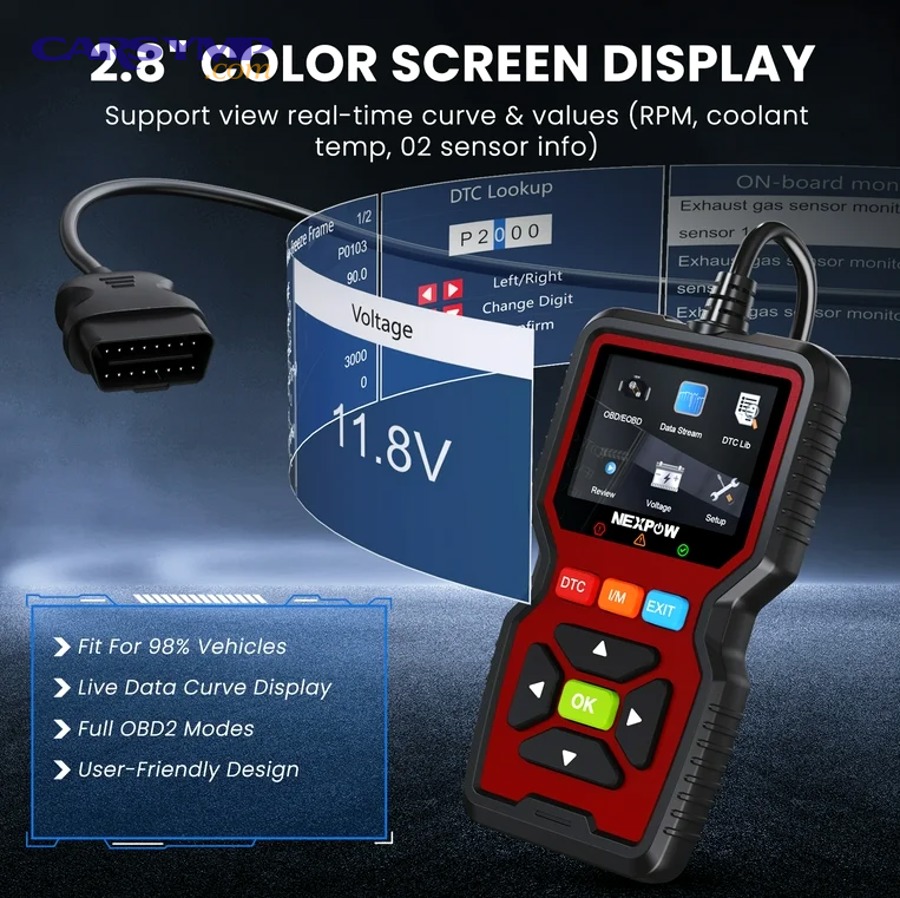
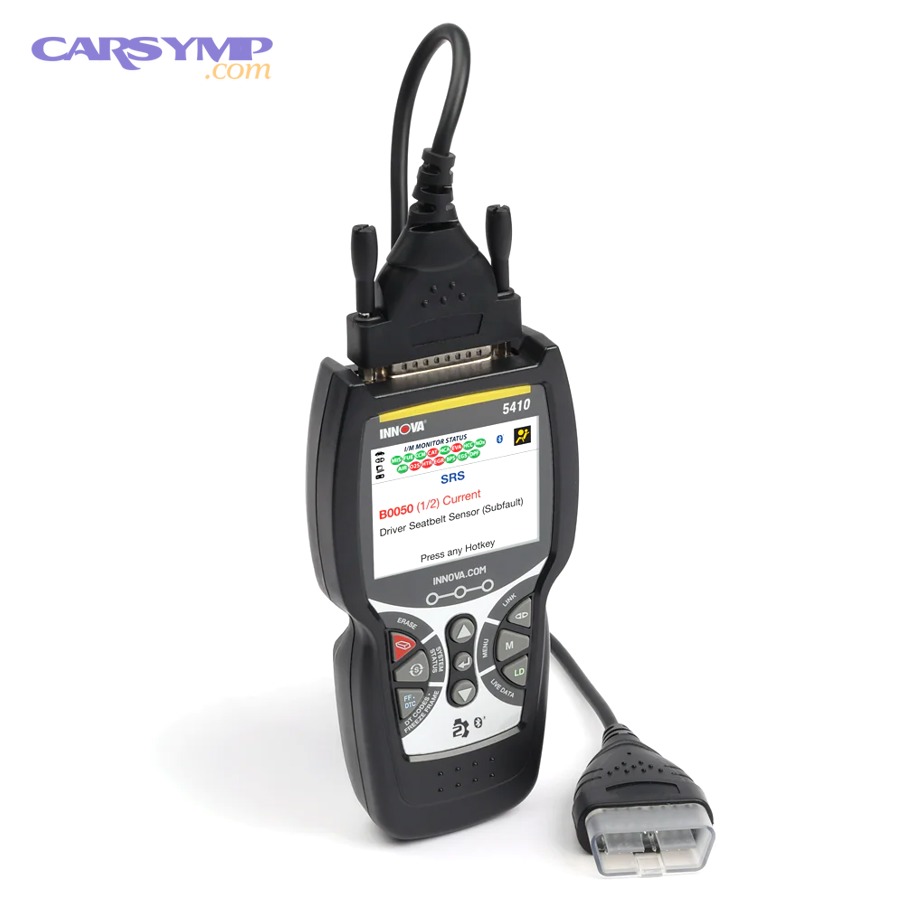
In practice, an OBD2 scan usually means connecting a scan tool to the OBD-II port (most cars 1996+ in the U.S.) and pulling diagnostic information such as:
- Stored diagnostic trouble codes (DTCs) (the “check engine light” codes)
- Pending codes (faults the computer has noticed but hasn’t confirmed enough to turn the light on)
- Freeze frame data (a snapshot of operating conditions when a code set)
- Monitor status / readiness (whether self-tests have completed)
That leads directly into the question most people are really asking: What an OBD2 scan can and can’t tell you. A scan can point you toward a system or symptom pattern, but it often cannot prove which part has failed without additional testing.
Is an OBD2 scan the same as a diagnostic test?
No—an OBD2 scan is not the same as a diagnostic test because a scan primarily retrieves codes/data, while diagnosis requires confirming the root cause with tests, measurements, and verification under real conditions.
More importantly, the difference shows up in three practical ways: scope, certainty, and accountability.
- Scope: A basic scan may only pull powertrain codes, while diagnosis can include deeper module checks and mechanical testing.
- Certainty: A code can be triggered by multiple causes; diagnosis narrows it to the true failure.
- Accountability: A professional diagnostic usually ends with a documented finding and a repair plan, not just a code description.
That’s why many parts stores describe their service as code reading and guidance, while repair shops charge for diagnostic time and testing. (oreillyauto.com)
What information can a basic code scan pull from your car?
There are 4 main “buckets” of information a basic scan can pull: codes, snapshots, status flags, and basic live readings, based on what the tool and vehicle support.
- Codes (DTCs): Stored and pending codes that identify the system reporting a fault.
- Freeze Frame: Operating conditions captured at the moment a fault was set (RPM, coolant temp, fuel trim, etc.).
- Readiness / MIL Status: Whether monitors have completed and whether the MIL (check engine light) is commanded on.
- Basic Live Data (sometimes limited): Sensor readings like O2 sensor voltage, short/long-term fuel trim, coolant temperature, and airflow.
Some store-branded services also produce a printed report and potential causes, but the output is still largely driven by what the code suggests—not by hands-on confirmation. (autozone.com)
What can’t an OBD2 scan tell you (and why do people misread codes)?
An OBD2 scan cannot reliably tell you which single part to replace because codes usually describe a condition (like “system too lean” or “catalyst efficiency below threshold”), not a guaranteed failed component.
Next, this is where the most expensive DIY mistakes happen: a code points to where to test, not what to buy.
Common mistakes interpreting codes include:
- Treating the code description as a parts list. Example: a misfire code can be spark plugs, coils, injector, compression, or even vacuum leaks.
- Ignoring freeze frame. The conditions (hot/cold, highway/idle, load level) often hint at the true cause.
- Fixing the first code, not the cause chain. One fault can trigger others; you need to prioritize “root” codes.
- Clearing codes too early. Clearing can erase clues and reset monitor status, making diagnosis harder (and inspection harder).
According to a study by New York State Department of Motor Vehicles from its emissions inspection guidance, in 2024, readiness monitors indicate whether the vehicle computer has completed required self-tests during driving—meaning clearing codes can wipe out that status and delay inspection readiness. (dmv.ny.gov)
How much does an OBD2 scan cost at auto parts stores vs repair shops?
Parts stores win on price (often free), independent shops are best for practical diagnosis value, and dealerships can be optimal when you need OEM-level tools or model-specific expertise—at a usually higher rate.
However, the real comparison isn’t just dollars; it’s what’s included in the service.
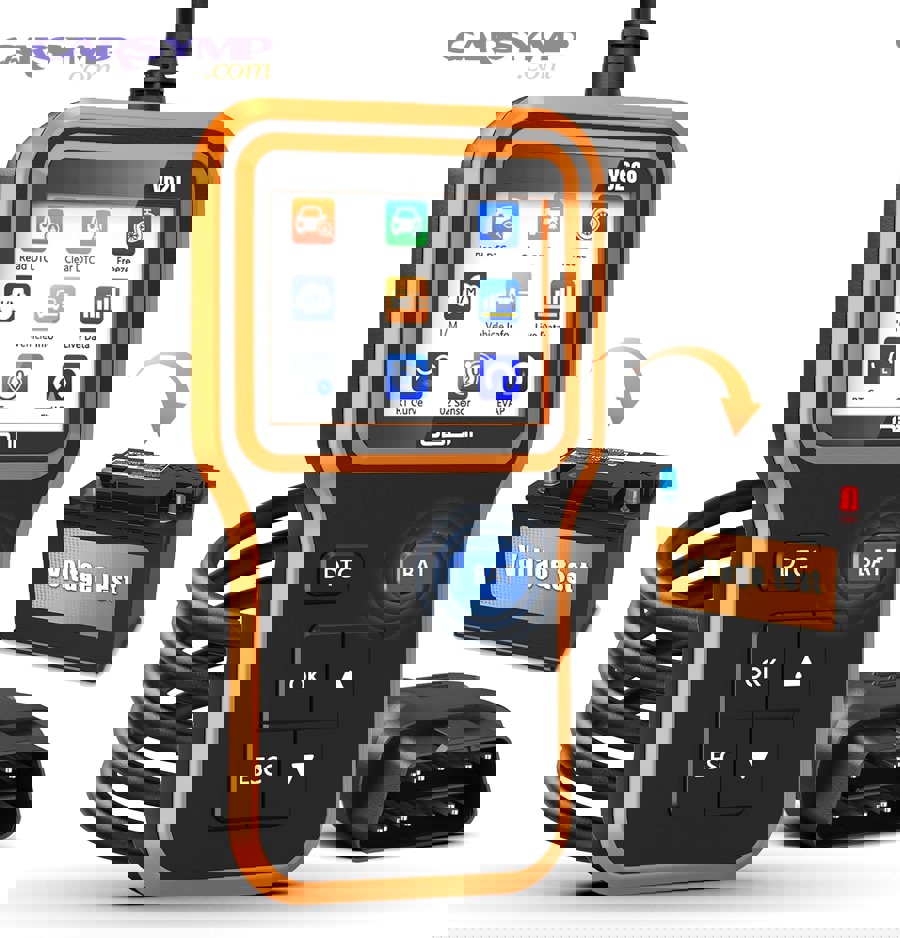
Here’s the most common pricing reality described across store services and repair guidance:
- Auto parts stores: commonly free code reading for check-engine concerns (service varies by location and tool). (autozone.com)
- Repair shops: often charge a diagnostic fee commonly around one hour of labor, and some sources cite around $50–$100 as a typical range (but it can be higher in expensive areas or for complex systems). (oreillyauto.com)
Are OBD2 scans free at parts stores like AutoZone, O’Reilly, or Advance?
Yes—many chain auto parts stores offer a free OBD2 code read because it’s a quick service that helps customers understand why a light is on and what parts might be involved.
Then, the important nuance is what “free” usually means: it’s typically a code pull + a short explanation + a report, not a full diagnostic process.
For example, AutoZone’s Fix Finder markets a free tool that reads information from the Check Engine, ABS, and maintenance lights and provides a report with suggested solutions. (autozone.com)
O’Reilly describes its free VeriScan as reading OBD-II codes and providing possible causes/solutions. (oreillyauto.com)
What is the typical diagnostic fee at an independent repair shop?
A typical independent-shop diagnostic fee is often priced like one hour of labor (commonly around $100 as a national-average estimate, with many markets lower or higher) because the shop is charging for technician time, tooling, and test procedures—not just code retrieval.
More specifically, O’Reilly’s own explanation notes that diagnostic testing at repair shops is often around $100 or about one hour of shop labor, while promoting its free code-reading alternative. (oreillyauto.com)
What you’re really paying for at an independent shop is the structured process:
- Verify the complaint (what the driver experiences)
- Pull codes and freeze frame
- Inspect basics (wiring, connectors, hoses, obvious leaks)
- Use scan data and tests to confirm the failure
- Provide a repair recommendation and estimate
According to a study by Telle Tire from its automotive service cost breakdown in 2023, a car diagnostic test typically ranges from $50 to $100 on average, while noting that parts stores may offer simpler code reads for free. (telletire.com)
How do dealership diagnostic prices compare to independent shops?
Independent shops often win on cost flexibility, dealerships are often best for OEM-specific workflows, and the best choice depends on whether your issue is generic or model-specific.
Meanwhile, it helps to compare dealerships vs independents on three criteria:
- Labor rate and fee structure: Dealership labor rates are often higher, and diagnostic fees may reflect that.
- Tools and service information: Dealers tend to have OEM scan tools, access to factory procedures, and up-to-date technical service bulletins (TSBs).
- Special cases: Some modern vehicles (especially newer models) may require programming, module setup, or OEM authentication that dealers handle more routinely.
If your issue involves advanced driver-assistance systems, module coding, or brand-specific problems, the dealership premium can buy speed and accuracy. If your issue is typical (misfire, EVAP leak, sensor plausibility), a strong independent shop can often diagnose effectively for less.
What factors make scan/diagnostic prices go up or down?
There are 6 main factors that change OBD2 scan and diagnosis pricing: location, labor rate, system complexity, symptom type, access time, and the “module level” involved, based on how much work is required to confirm the root cause.
- Region and local labor rates: Higher-cost metros usually mean higher diagnostic fees.
- Vehicle make/model complexity: Turbos, direct injection, hybrid systems, and dense engine bays increase time.
- Which system is involved: Powertrain vs ABS/SRS vs transmission vs body network can change the tool/time required.
- Intermittent vs constant problem: Intermittent faults often require longer verification.
- Required testing: Smoke test, fuel pressure test, electrical load testing, or oscilloscope work can add time.
- Policy and deliverables: Some shops credit diagnostic fees toward repair; others don’t.
According to a study by Ohio Environmental Protection Agency from its OBD readiness FAQ in 2021, an OBD monitor is a computer test (or series of tests) used to determine whether an emission control device or system is operational—meaning diagnosis can expand beyond code reading into verification of monitor behavior. (epa.ohio.gov)
What do you actually get for free vs paid (scope checklist)?
Free parts-store scans win on immediacy and cost, paid shop diagnostics are best for confirmed root-cause accuracy, and dealership diagnostics can be optimal for OEM-level coverage and programming-related issues.
Next, seeing the deliverables side-by-side makes the “free vs paid” gap obvious.
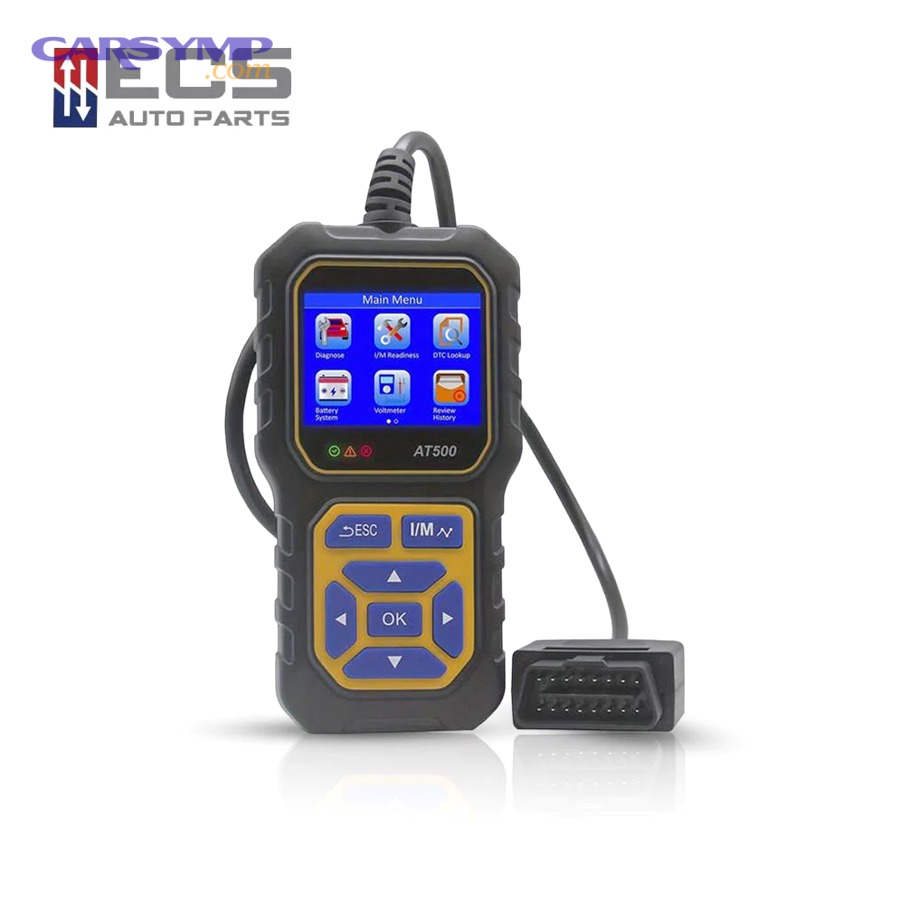
Below is a quick comparison table so you know what service you’re buying. (This table summarizes typical deliverables; exact offerings vary by location and tool.)
| Service type | Typical cost | What you usually get | Best for |
|---|---|---|---|
| Parts store code read | $0 | Codes + basic description + possible causes/parts suggestions | First step for a new CEL with no drivability symptoms |
| Independent shop diagnostic | $50–$150+ | Codes + data review + testing + confirmed cause + estimate | Most check-engine issues where you want certainty |
| Dealership diagnostic | Varies (often higher) | OEM scan coverage + factory procedures + programming-capable path | Brand-specific faults, module coding, warranty workflows |
The key phrase to remember is “Free scan vs full diagnosis differences.” Free is a clue; paid is confirmation.
What does a free parts-store scan include, step-by-step?
A free parts-store scan usually includes 3 steps: code retrieval, report/explanation, and general next-step guidance, with the goal of getting you pointed in the right direction fast.
Then, to set expectations, here’s what that typically looks like:
- Plug in and read codes: A staff member connects a tool to the OBD-II port and pulls DTCs.
- Review a report: Many stores provide a printed or digital summary of what the code “means” and common causes.
- Suggest potential solutions: You may get recommendations for parts that commonly relate to that code.
AutoZone describes Fix Finder as a quick read (often under a minute once connected) that can read the Check Engine, ABS, and maintenance lights and provide an easy-to-understand report with recommended solutions. (autozone.com)
O’Reilly similarly describes free code reading and guidance through its store services. (oreillyauto.com)
What does a paid shop diagnostic include that a free scan doesn’t?
There are 5 main components a paid shop diagnostic adds: verification, testing, measurement, documentation, and accountability, based on what’s required to prove the root cause rather than guess it.
- Complaint verification: The tech confirms symptoms and checks for related signs.
- Targeted testing: Smoke tests for EVAP, fuel pressure tests, compression checks, electrical circuit tests, etc.
- Data interpretation: Live data, fuel trims, sensor plausibility, and sometimes advanced mode results.
- Root cause confirmation: The shop identifies the failed component or condition with evidence.
- Repair plan: A clear recommendation and cost estimate, often with options.
This is why many shops charge diagnostic fees: the skill and time are the product.
Can a free scan read ABS/SRS/airbag or body codes?
No, not reliably—most free parts-store scans are not consistent for reading ABS/SRS/airbag and body module codes, because those often require enhanced scan tool access and manufacturer-specific coverage.
However, some store services may read limited non-powertrain lights depending on the tool (AutoZone notes its service can read ABS and maintenance lights as part of Fix Finder), but coverage varies by vehicle and situation. (autozone.com)
If your ABS or airbag light is on, treat it as a safety system issue and prioritize professional diagnosis. Even when a tool displays an ABS-related code, confirming the cause typically requires tests (wheel speed sensor waveform checks, wiring inspection, tone ring checks, hydraulic unit evaluation).
How accurate are “parts recommendations” from a free scan?
Free scan recommendations can be helpful for common patterns, but paid diagnostics are best for accuracy because parts suggestions are based on probabilities, not confirmation.
More specifically, code-based suggestions often assume “the most common fix,” which can be wrong when:
- A wiring/connector issue mimics a bad sensor
- A vacuum leak triggers mixture codes that look like sensor failure
- A failing catalytic converter code is actually caused by upstream misfires or exhaust leaks
The safest way to use free recommendations is to treat them as a starting hypothesis—then confirm with inspection and testing before spending money.
According to a study by California Air Resources Board from its OBD readiness criteria guidance, in 2024, resetting the OBD system through code clearing can require time and operation to return monitors to a fully “ready” state—supporting the idea that diagnostics should be verified rather than guessed and repeatedly cleared. (ww2.arb.ca.gov)
When should you use a free scan vs pay for diagnosis?
A free scan is best for first-pass clarity, paid diagnosis is best for avoiding wrong parts and wasted time, and immediate professional help is optimal for safety or drivability red flags.
Let’s explore the decision like a simple checklist you can run in two minutes.
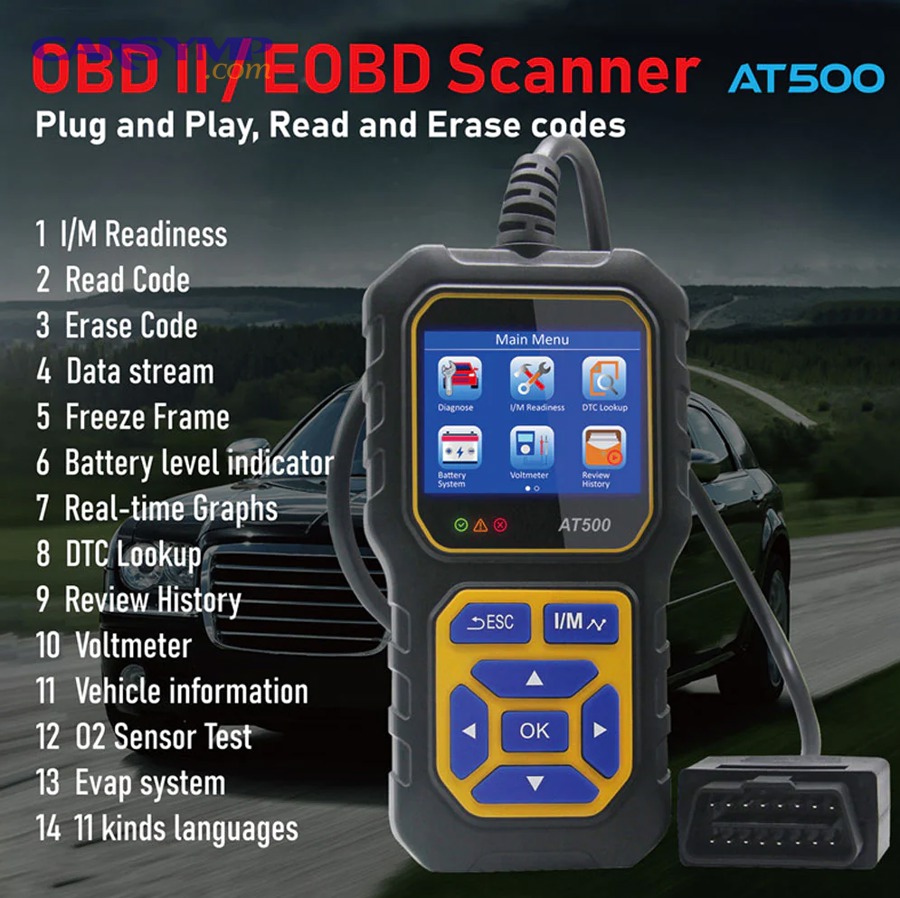
Is a free scan enough for a check engine light that just came on?
Yes, a free scan is often enough as a first step if the car drives normally, the light is steady (not flashing), and you want to identify the code and the conditions it appeared under.
Then, the three reasons it works well early are:
- Speed: You can get a code read quickly, sometimes same day.
- Direction: The code narrows the system (fuel, emissions, ignition, sensor circuit).
- Planning: You can decide whether this is DIY-able, needs a shop, or can wait.
But a free scan is usually the beginning of the process, not the end. Once you know the code, your next move should be confirmation steps—especially if the fix is expensive.
Which symptoms mean you should skip free scans and go straight to a shop?
There are 7 symptom groups that justify skipping the “free scan only” route: flashing MIL, drivability issues, safety lights, overheating, fuel smell, no-start, and repeated returns, based on risk and cost escalation.
- Flashing check engine light (can indicate active misfire that can damage the catalyst)
- Rough running, stalling, or reduced power (limp mode)
- Overheating or coolant warning signs
- ABS or airbag/SRS warning lights
- Fuel smell, visible leaks, or smoke
- No-start or hard-start conditions
- Same code returns after a recent repair
In these cases, the question isn’t “what code is stored?”—it’s “what test proves the failure and prevents collateral damage?”
How can you avoid the most common mistakes interpreting codes?
You can avoid most costly mistakes by using a 4-step confirmation habit: document, inspect, test, verify, which keeps you from buying parts based on guesswork.
More specifically:
- Document first: Write down the codes, note whether they’re stored or pending, and record freeze frame conditions if available.
- Inspect basics: Check obvious vacuum hoses, loose connectors, battery voltage, and intake leaks.
- Test the hypothesis: Use a simple test appropriate to the code (smoke test for EVAP, spark test for misfire, multimeter check for circuit faults).
- Verify the repair: Confirm the symptom is gone and the system behaves normally.
This is the mindset shift: a code is a clue, not a verdict.
Should you clear codes after a scan?
No, you generally should not clear codes right after an OBD2 scan because (1) you can erase freeze frame clues, (2) you can reset readiness monitors, and (3) you can make intermittent faults harder to reproduce and diagnose.
Besides, Clearing codes safely and when not to comes down to timing: clear only after you’ve documented the data and you have a reason (post-repair verification, or a directed troubleshooting step).
Here’s a practical rule set:
- Do not clear codes if you’re going to a shop soon (you want the tech to see stored data).
- Do not clear codes right before an emissions inspection (you may reset monitors to “not ready”). (dmv.ny.gov)
- Clear codes only after repairs and after you’ve documented the original codes and symptoms.
According to a study by OBD Auto Doctor from its readiness monitor explanation published in 2013, clearing diagnostic trouble codes resets monitor statuses, which can leave a vehicle “not ready” until driving completes the required tests again. (obdautodoctor.com)
How to shop for diagnostics: what to ask and how to control cost
You can control diagnostic costs by asking scope-first questions, setting a time cap, and requesting clear deliverables, which reduces surprises and makes the fee “worth it.”
In addition, many shops are happy to explain their process—because good diagnosis is a skill product, not a commodity.
Do shops apply diagnostic fees toward the repair cost?
Yes, many shops apply diagnostic fees toward the repair cost, because the diagnostic work is part of the repair process—but policies vary, and you should confirm before approving.
More importantly, fee-credit policies usually fall into one of these patterns:
- Full credit if you approve repair (common customer-friendly model)
- Partial credit (some credit, especially if diagnosis time was extensive)
- No credit (diagnosis is billed independently as its own service)
If you ask up front, you can choose the shop model that fits your budget and expectations.
What questions should you ask before approving a diagnostic charge?
There are 8 questions that protect your wallet and improve diagnostic outcomes, based on getting clarity about scope and deliverables:
- What does the diagnostic fee include? (code scan only vs testing)
- Is there a time cap? (e.g., “up to 1 hour”)
- Will you provide a written finding or report?
- Will you test to confirm the root cause before recommending parts?
- Is the diagnostic fee credited toward the repair?
- What’s the estimated timeline? (same day vs scheduled)
- Will you call me before spending more time? (approval thresholds)
- What happens if the problem is intermittent? (next steps)
These questions shift the conversation from “how much?” to “what do I get?”—which is how you actually compare value.
What should a good diagnostic report/summary include?
A good diagnostic summary should include 5 essential elements: symptoms verified, data captured, tests performed, root cause concluded, and repair options, so you can make an informed decision even if you decline the repair.
To illustrate, a strong report often contains:
- Customer concern stated clearly (“CEL on, rough idle at stop”)
- Codes listed (stored/pending) and freeze frame notes
- Visual inspection findings (vacuum hose cracked, corrosion at connector)
- Test results (smoke test showed EVAP leak at purge line)
- Recommendation with reasoning (“replace purge hose, retest EVAP monitor”)
That’s the difference between “we pulled code P0442” and “we proved the leak is here.”
Contextual Border: You now have the full answer to the primary intent—cost comparison plus what’s included and when to choose free vs paid. The next section expands into inspection readiness and monitor behavior, which matters in specific scenarios.
How do readiness monitors and inspection readiness affect scan decisions and costs?
Readiness monitors matter because a car can have the check engine light off and still fail an emissions inspection if monitors are not “ready,” and code clearing often resets those monitors back to incomplete.
More importantly, this is where scan decisions become time-sensitive—especially right before inspection.

What are OBD2 readiness monitors, and why do they matter for emissions testing?
OBD2 readiness monitors are self-tests the vehicle computer runs during driving to confirm emissions-related systems are functioning, and inspection programs often check monitor status to verify the vehicle has completed those tests.
Then, the practical impact is simple: if monitors are incomplete, you may be told the car is “not ready” and asked to drive more before re-testing.
New York’s DMV explains that readiness monitors identify whether the vehicle computer has completed required tests while the vehicle is being driven. (dmv.ny.gov)
Ohio EPA similarly describes monitors as computer tests used to determine whether emission control systems are operational. (epa.ohio.gov)
Can a free scan check readiness monitors reliably?
Yes, sometimes—but not reliably in all cases, because readiness reporting depends on the scan tool’s capability and how it presents monitor status across different vehicles.
However, many free services focus on codes and simple explanations, while a shop-grade scanner is more likely to show:
- Monitor-by-monitor readiness state
- Pending codes that keep monitors from completing
- Additional related data that explains why a monitor won’t run
If inspection is coming up soon, it can be worth paying for a deeper check to avoid repeat failures and wasted test fees.
How long does it take to set monitors after clearing codes?
It typically takes multiple drive cycles and varied driving conditions to set readiness monitors after code clearing, because different monitors only run under specific temperatures, speeds, fuel levels, and operating patterns.
More specifically, the time isn’t a fixed number of miles; it’s about meeting the monitor’s conditions.
The important takeaway is planning: if you clear codes right before inspection, you may force yourself into days of “drive cycle” time just to regain readiness. (obdautodoctor.com)
When does a “diagnostic fee” pay off for inspection-related problems?
A diagnostic fee pays off most when you’re stuck in a readiness/inspection loop—where guessing and clearing codes wastes time, keeps monitors incomplete, and risks repeat failures.
On the other hand, a targeted diagnostic can quickly identify the real blocker:
- EVAP leaks that prevent EVAP monitor completion
- Misfires or fuel-trim issues that block catalyst/O2 monitor completion
- Sensor plausibility issues that don’t always set a hard code but still fail monitor tests
According to a study by California Air Resources Board from its OBD readiness guidance, in 2024, if the OBD system has been reset or cleared, it takes time and vehicle operation to return the system to a fully ready state—making repeated code clearing an expensive strategy compared to confirmed diagnosis. (ww2.arb.ca.gov)
Evidence (if any)
- Free parts-store code reading services and what they include: AutoZone Fix Finder service description; O’Reilly VeriScan store service description. (autozone.com)
- Typical shop diagnostic fee framing and national-average claim (~one hour labor / around $100): O’Reilly’s educational page describing shop diagnostic costs. (oreillyauto.com)
- Average diagnostic test range ($50–$100) and the “free scan is limited” caveat: Telle Tire cost overview. (telletire.com)
- Readiness monitors meaning and inspection “not ready” concept: New York State DMV and Ohio EPA explanations. (dmv.ny.gov)
- Clearing codes resets readiness/monitor status: OBD Auto Doctor readiness explanation; California Air Resources Board readiness criteria on reset/clearing. (obdautodoctor.com)