


Oil consumption after turbo issues usually comes from oil being pushed or pulled into the intake/exhaust path, not “oil disappearing by magic.” The fastest way to diagnose it is to treat the turbo system as a pathway (oil feed/drain + seals + pressure control) and then prove whether the oil is coming from outside leaks or internal consumption.
If you suspect the turbo is “leaking oil,” you still need to confirm why—because a healthy turbo can look guilty when the real trigger is crankcase pressure (PCV/CCV faults), a restricted turbo oil drain, incorrect oil level, or excessive blow-by.
Next, you’ll use a structured, repeatable oil consumption diagnosis workflow: measure the actual rate, inspect for external leaks, check intake tract and exhaust evidence, and test crankcase ventilation before condemning expensive parts.
Introduce a new idea: once you identify the oil’s route (intake side vs exhaust side vs external), the repair becomes straightforward—and you avoid replacing a turbo that gets “re-killed” by the same underlying condition.
What does oil consumption after turbo issues mean?
Oil consumption after turbo issues means the engine oil level drops between checks because oil is either leaking externally, being burned internally, or being carried through the turbo/PCV airflow path and then burned—often showing up as smoke, oily charge pipes, or fouled plugs. Next, to avoid guessing, you’ll quantify the loss and map it to the most likely route.

How much oil loss is “real” vs a measurement illusion?
Oil level readings can swing a lot if the car isn’t on level ground, the engine isn’t at a consistent temperature, or oil hasn’t drained back to the pan.
- Standardize the check: same parking spot, engine off 5–10 minutes, wipe dipstick twice, then read.
- Measure consumption rate: record miles and oil added. A simple log prevents “it feels like it’s using oil” from becoming your only data.
- Don’t ignore oil dilution: on some driving patterns, fuel can dilute oil and temporarily raise level, masking true consumption until a longer drive evaporates the fuel.
What “routes” can oil take after a turbo problem?
In a turbocharged engine, oil can end up in places it shouldn’t through three broad routes:
- External leaks: oil feed line, return line, valve cover, front/rear main seal, oil cooler lines, oil filter housing, turbo center section fittings.
- Intake-side carryover: PCV/CCV oil mist, failed separator, excessive blow-by, turbo compressor seal issues, pooled oil in intercooler/charge pipes.
- Exhaust-side burning: turbo turbine-side seal issues, excessive backpressure, restricted drain causing oil to push past seals, or internal engine wear.
Why turbo “issues” often trigger oil use even after the turbo is replaced
A replaced turbo can still show oil in the intake or exhaust if:
- The intercooler/charge pipes still contain old oil from the previous failure.
- The turbo oil drain has poor gravity drop (kinked, coked, restricted, wrong routing).
- The PCV system causing oil consumption was never addressed, so crankcase pressure remains high and pushes oil into the intake stream.
- The engine has ring/valve-seal wear that only became obvious once boost returned.
Is the turbocharger the real cause of oil consumption?
Yes—the turbocharger can be the real cause of oil consumption, but only when at least three conditions line up: (1) oil is entering the compressor or turbine housing, (2) the turbo oil drain/feed conditions are correct, and (3) crankcase pressure and backpressure aren’t forcing oil past seals. Then, to avoid misdiagnosis, you’ll prove turbo involvement with targeted checks before blaming the turbo core.
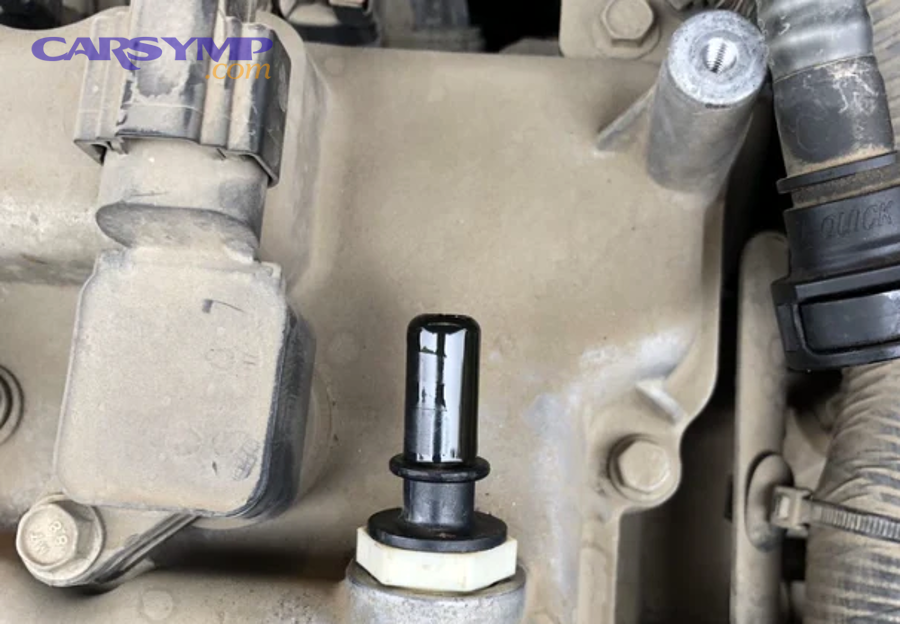
What signs point to compressor-side oil vs turbine-side oil?
Use the evidence trail:
- Compressor-side (intake path):
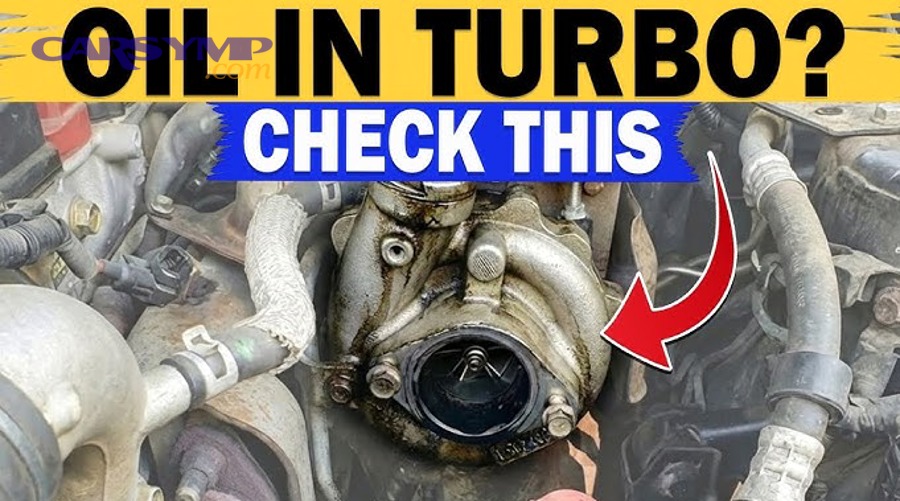
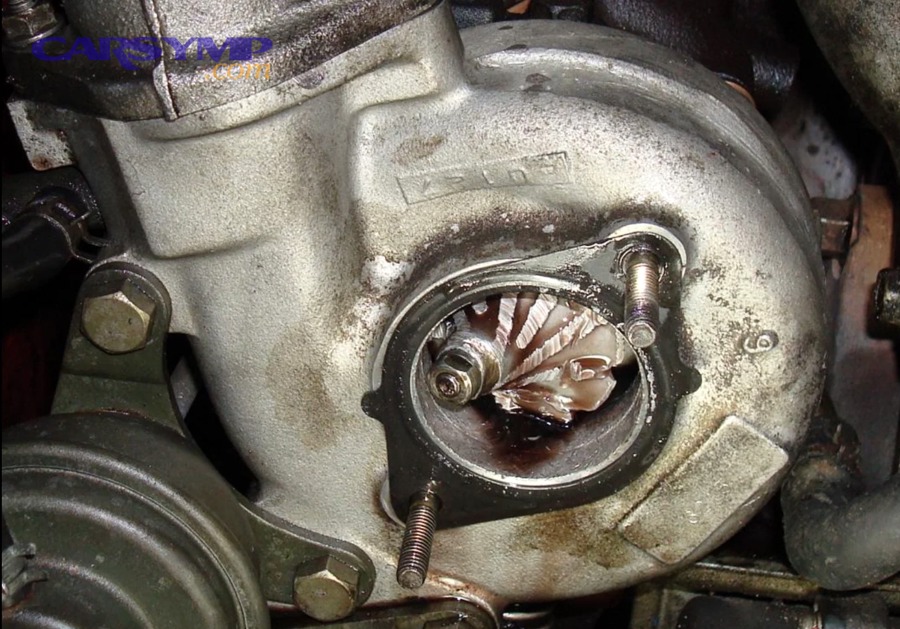
- Oily residue at compressor outlet, charge pipes, intercooler.
- Oil film inside boost hoses (some film can be normal; puddles are not).
- Smoke may appear after idling then accelerating if oil pools and gets ingested.
- Turbine-side (exhaust path):
- Blue smoke from exhaust, often under decel or after long idle.
- Oily residue in downpipe/turbine outlet (requires inspection).
- Catalytic converter efficiency codes may appear if burning oil long-term.
How a restricted turbo oil drain mimics a “bad turbo”
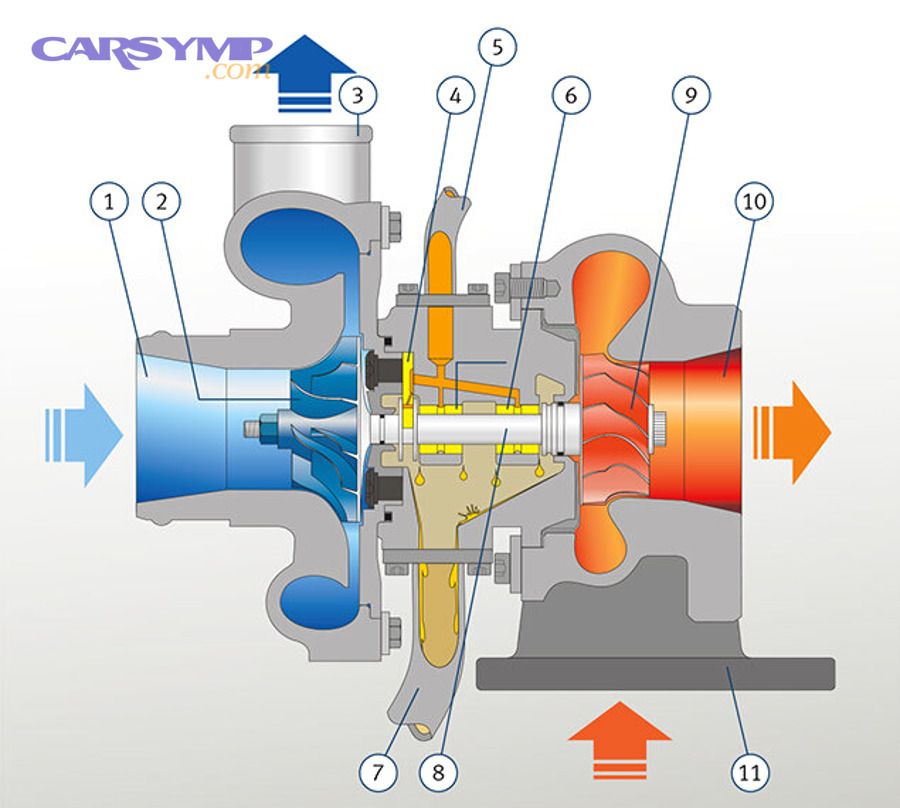
A turbo’s seals are not like a simple lip seal; they rely on pressure balance. If oil can’t drain freely, oil backs up in the center housing and is more likely to pass into the compressor/turbine side.
Key drain realities:
- Drain should be short, straight, downhill, and unrestricted.
- Coking/sludge can partially block the return.
- Incorrect gasket/sealant use can intrude into the passage.
A turbo manufacturer note emphasizes that drain restriction can cause oil to back up and leak into compressor or turbine ends. (borgwarner.com)
What role crankcase pressure plays in “turbo oil leaks”
Even a good turbo can show oil leakage symptoms if the crankcase can’t vent. Excess crankcase pressure fights gravity drain and increases oil carryover through the ventilation system.
That’s why many “turbo oil leak” cases are actually:
- PCV valve stuck (open/closed depending on design)
- Failed oil separator
- Collapsed/blocked breather hose
- Excessive blow-by from ring wear
How do you run an external leaks vs internal consumption checklist?
You can run an External leaks vs internal consumption checklist by following 4 steps—(1) clean and baseline, (2) inspect external leak points, (3) check intake/exhaust evidence, and (4) verify crankcase ventilation and blow-by indicators. Next, the goal is to identify the first visible oil location—that’s usually closest to the true source.
Step 1: Clean, baseline, and measure correctly
- Degrease the engine and undertray if possible (old residue lies).
- Fill oil to the correct mark—overfilling raises crankcase windage and can increase carryover.
- Log miles and oil level changes.
Step 2: External leak inspection points (turbo engines)
Look for wetness, drips, and “oil tracks” (dust stuck to oil):
- Turbo oil feed line fittings and banjo bolts
- Turbo oil return/drain flange and hose
- Valve cover gasket area
- Timing cover edges
- Oil filter housing/cooler seals
- Front/rear main seal areas (bellhousing seep = rear main suspicion)
- Oil pan gasket and drain plug area
Tip: If you can, use UV dye and a UV light for high-confidence results.
Step 3: Intake tract inspection (where oil hides)
Check in order:
- Turbo inlet (airbox-to-turbo tube)
- Compressor outlet
- Intercooler inlet/outlet
- Throttle body/intake manifold
Interpretation rules:
- Light oil film can be normal on some engines.
- Pools/drips suggest a problem (turbo seal/drain, separator failure, severe blow-by).
Step 4: Exhaust evidence checks
- Tailpipe: oily soot is suggestive, not definitive.
- Decel smoke: often valve seals/guide issues; can also be turbo turbine-side oil.
- Persistent smoke under boost: can be turbo or ring blow-by.
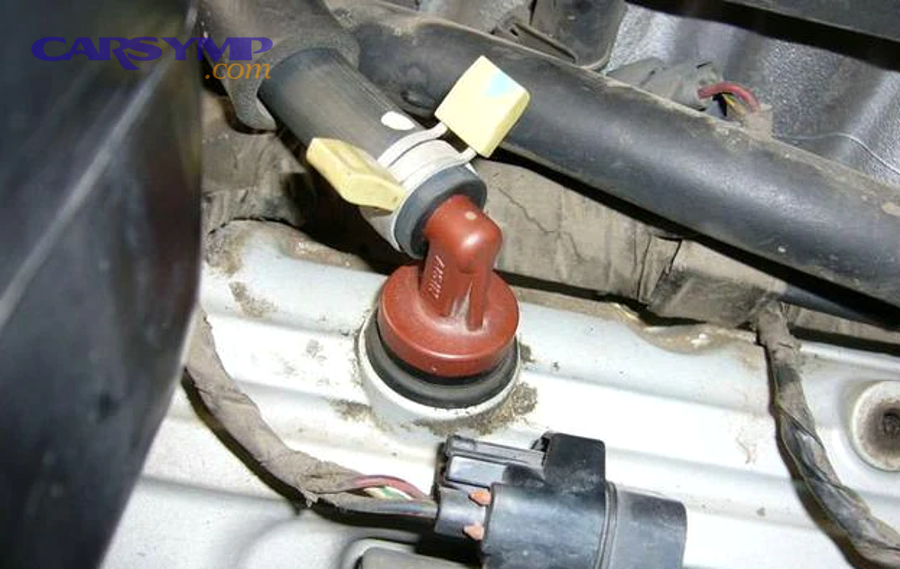
What Car Symptoms point to PCV system causing oil consumption?
The most common Car Symptoms that point to the PCV system causing oil consumption are (1) rough idle or lean codes from unmetered air, (2) oil in the intake tract/charge pipes without clear turbo failure, and (3) new or worsening gasket seepage from crankcase overpressure. Then, because PCV faults can masquerade as turbo failure, you’ll test the system instead of only inspecting it.
What does a failing PCV/CCV do on a turbo engine?
Turbo engines see wider pressure swings, so PCV design is critical. When it fails, it can:
- Pull too much oil mist into the intake under vacuum conditions
- Fail to vent under boost, raising crankcase pressure
- Overwhelm the separator, sending oil downstream
In practice, this can look like “the turbo is passing oil.”
Quick PCV checks you can do without special tools
- Vacuum feel test (where appropriate for your engine design): check for reasonable suction at the PCV port at idle.
- Hose condition check: collapsed, soft, cracked, or oil-soaked hoses can restrict flow or leak.
- Oil cap behavior: excessive pressure (cap wants to lift) suggests ventilation/blow-by issues; excessive vacuum (cap hard to remove) can suggest stuck-open behavior on some setups.
How to distinguish PCV oil carryover from turbo seal oil
Use pattern + location:
- PCV carryover often coats the intake manifold/throttle body and may be worse in stop-and-go or long idle periods.
- Turbo compressor-seal/drain issues often show heavier oil nearer compressor outlet/charge pipe and may correlate with boost/load events.
Evidence context (why this matters): research on closed crankcase ventilation systems shows that controlling and filtering crankcase gases can dramatically reduce oil particles carried into the intake stream, with filtration efficiencies reported in the high 99% range in controlled testing. (mdpi.com)
How do you confirm internal engine wear (rings/valve seals) after turbo failure?
You confirm internal engine wear after turbo failure by using 3 tests—(1) compression and/or leak-down to assess sealing, (2) plug/borescope inspection to locate oil entry, and (3) smoke-pattern analysis under specific driving conditions. Next, you’ll combine results, because no single symptom is perfect.
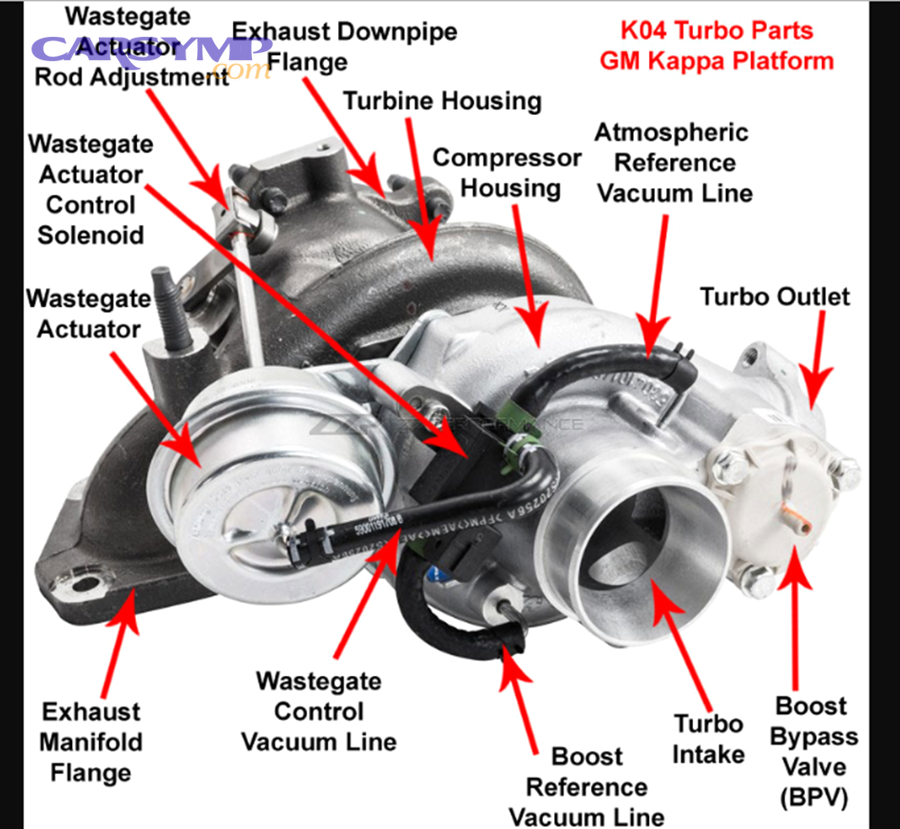
Compression vs leak-down: which is more useful for oil consumption?
- Compression test is quick and can flag a big problem.
- Leak-down test is more diagnostic: it can point toward rings vs valves by where the air escapes.
Interpretation guide:
- Air heard in oil filler/dipstick tube → ring/cylinder sealing issue (blow-by pathway).
- Air heard at intake/exhaust → valve sealing issue.
Borescope and plug reads: what you’re looking for
- Oil-fouled plug(s) localized to one cylinder → valve seal/guide or ring issue on that cylinder.
- Even oiling across cylinders → PCV carryover, generalized wear, or systemic turbo/ventilation issue.
Smoke-pattern clues that separate rings from valve seals (imperfect but helpful)
- Blue smoke after long idle, then clearing: often valve seals/guides.
- Blue smoke under sustained boost/load: often ring blow-by or turbo-related, depending on where oil is found.
- Blue smoke on decel: intake vacuum can pull oil past valve seals; turbine-side turbo oil can also show here.
How do you choose the next repair: fix turbo system, PCV, or engine?
You choose the next repair by ranking the likely causes using a decision matrix: turbo oiling/drain integrity, crankcase ventilation health, and internal sealing condition—then repairing the highest-confidence, lowest-regret item first. Then, you’ll retest consumption rate after each fix to avoid stacking unnecessary repairs.
A practical decision matrix (what to fix first)
Below is a quick guide to what each “cluster” of findings usually means:
| What you find | Most likely cause cluster | Best next step |
|---|---|---|
| External wet oil at turbo feed/return + undertray drips | External leak | Repair seals/lines, recheck rate |
| Oil pooling in intercooler + crankcase pressure signs | PCV/CCV + drain issues | Fix ventilation + verify drain routing |
| Oil mainly in exhaust/downpipe + drain ok + pressure ok | Turbo turbine-side issue | Inspect turbo, check backpressure/drain |
| High leak-down into crankcase + widespread oil burning | Internal wear | Engine mechanical repair plan |
Don’t skip the “cleanup retest”
After any turbo failure, old oil can stay trapped in:
- intercooler
- low points in charge pipes
- intake plumbing
If you don’t clean it, you can misread “ongoing oil use” for weeks.
One embedded walkthrough video (optional)
What preventive maintenance reduces oil consumption risk in turbo engines?
Preventive maintenance reduces oil consumption risk in turbo engines by keeping oil quality, crankcase ventilation flow, and turbo oil drain conditions within spec—so oil doesn’t coke, back up, or get aerosolized into the intake. Next, this matters most after you’ve repaired the current issue, because prevention is how you avoid repeat failures.
What to maintain (micro-level) after a turbo-related oil event
- Correct oil level (avoid chronic overfill)
- Shorter oil intervals if driving includes short trips, heavy boost, or high heat
- PCV/CCV service: replace brittle hoses, inspect separator function
- Turbo oil feed and drain health: ensure no kinks, restrictions, or heat damage
- Warm-up/cool-down habits: avoid shutting down immediately after sustained high load (helps reduce coking risk)
Why controlling crankcase oil particles matters
A controlled crankcase ventilation setup that filters oil mist can materially reduce oil particle carryover. In controlled testing on an industrial engine, a CCV configuration reported oil filtration efficiency roughly in the 99% range while reducing oil particle concentrations in crankcase gases. (mdpi.com)
If you paste your engine type (gasoline/diesel), turbo style (single/twin-scroll/VGT), and the exact symptoms , I can map your case to the decision matrix above and suggest the most efficient test order.