


Blue (bluish-gray) exhaust smoke patterns usually mean your engine is burning oil, and the timing of the smoke (startup, acceleration, deceleration, idle) is the fastest clue to what’s letting oil into the combustion process.
Next, you’ll learn how to read each pattern like a symptom map—so you can move from “I saw blue smoke” to “this is the short list of likely causes” without guessing or replacing parts blindly.
Then, you’ll get a practical set of quick checks for oil consumption diagnosis, including how to confirm it’s oil smoke (not steam) and how to separate external leaks from true internal oil burning.
Introduce a new idea: once you’ve matched the pattern and confirmed oil use, you’ll know what to do next—when it’s safe to drive briefly, when to stop, and what evidence to bring to a mechanic to speed up the fix.
What is “blue (bluish-gray) exhaust smoke,” and why does it usually mean oil is burning?
Blue (bluish-gray) exhaust smoke is oil-derived smoke created when engine oil enters the combustion chamber (or hot exhaust stream) and burns, producing a distinct bluish/gray haze and an oily odor rather than pure white steam.
To better understand why it matters, it helps to separate what you’re seeing (the smoke color) from what’s happening (oil crossing a seal or pathway where it shouldn’t).
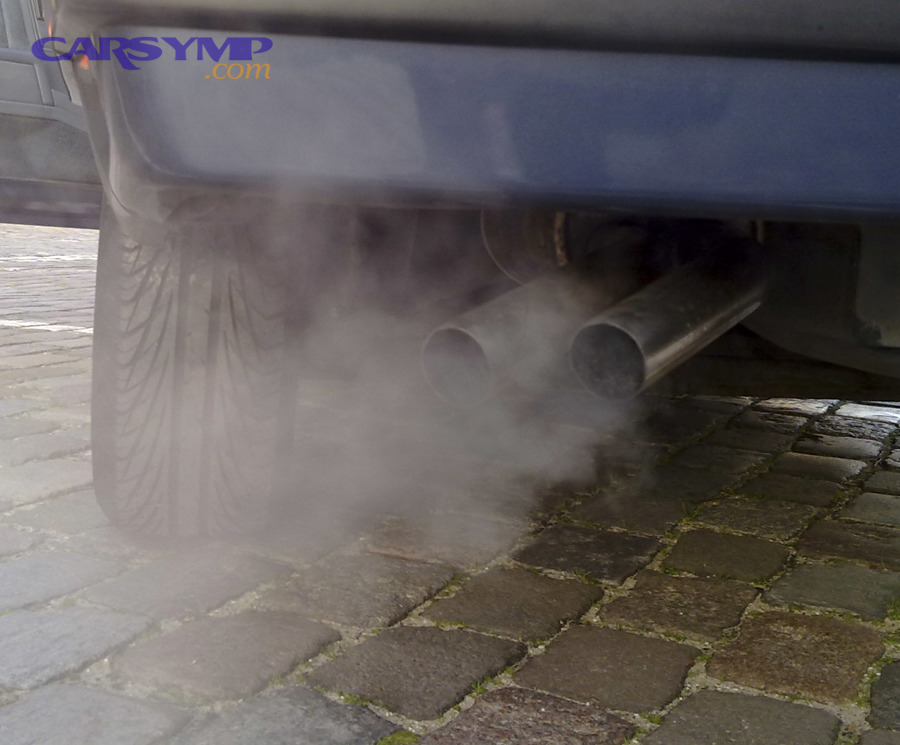
Oil is supposed to stay in controlled places: on cylinder walls as a thin film for lubrication, inside turbo bearings (if equipped), and inside the valve train area. Blue smoke appears when oil escapes those boundaries and gets burned with air-fuel mixture (or contacts super-hot exhaust parts).
Is blue smoke always a serious problem? (Yes/No)
No—blue (bluish-gray) exhaust smoke patterns are not always a catastrophe, but they are always meaningful because they often signal (1) oil is entering combustion, (2) the engine is consuming oil faster than designed, and (3) prolonged burning oil can foul plugs/sensors and stress the catalytic converter.
However, the pattern decides urgency:
- One brief puff at startup after the car sits can point to minor seepage past valve stem seals—often a “monitor and plan” issue.
- Blue smoke under load (acceleration/boost) can point to ring wear or turbo oil leakage—often a “diagnose soon” issue.
- Continuous blue smoke at all times plus fast oil loss is a “stop and fix” issue because running low on oil risks engine damage.
In addition, the rate of oil loss is what turns a symptom into a risk. That’s why “Monitoring oil use accurately” becomes part of diagnosis—not an afterthought.
What’s the fastest way to confirm it’s oil smoke and not white steam or black fuel smoke?
Blue wins in “oil-burning likelihood,” white wins in “water vapor/coolant likelihood,” and black wins in “too much fuel/soot likelihood,” based on smell, duration, and operating conditions.
More specifically, use this quick comparison:
- Blue / bluish-gray smoke: lingers in the air, often has a burnt-oil smell, tends to match patterns (startup/accel/decel/idle), and correlates with dropping oil level.
- White steam (condensation): most common at cold start, thins out quickly as the exhaust warms, usually smells like “wet air,” and doesn’t typically coincide with oil loss.
- Thick white smoke (possible coolant burning): may persist when warm and can have a sweet smell—often paired with coolant loss or overheating.
- Black smoke: heavier soot look, commonly linked to rich fueling, misfire, clogged air filter, or diesel fueling issues.
If you’re unsure, treat it like a confirmation task: check tailpipe residue (dry soot vs oily soot), track oil level for a week, and note when smoke appears. That combination is far more reliable than color alone.
Which blue smoke pattern do you see, and what does that pattern indicate?
There are 4 main types of blue (bluish-gray) exhaust smoke patterns—cold start puff, acceleration smoke, deceleration smoke, and idle/after-idle smoke—based on when the smoke appears, and each pattern points to a different “oil entry pathway.”
Let’s explore the pattern map, because timing is your best shortcut to the likely cause.
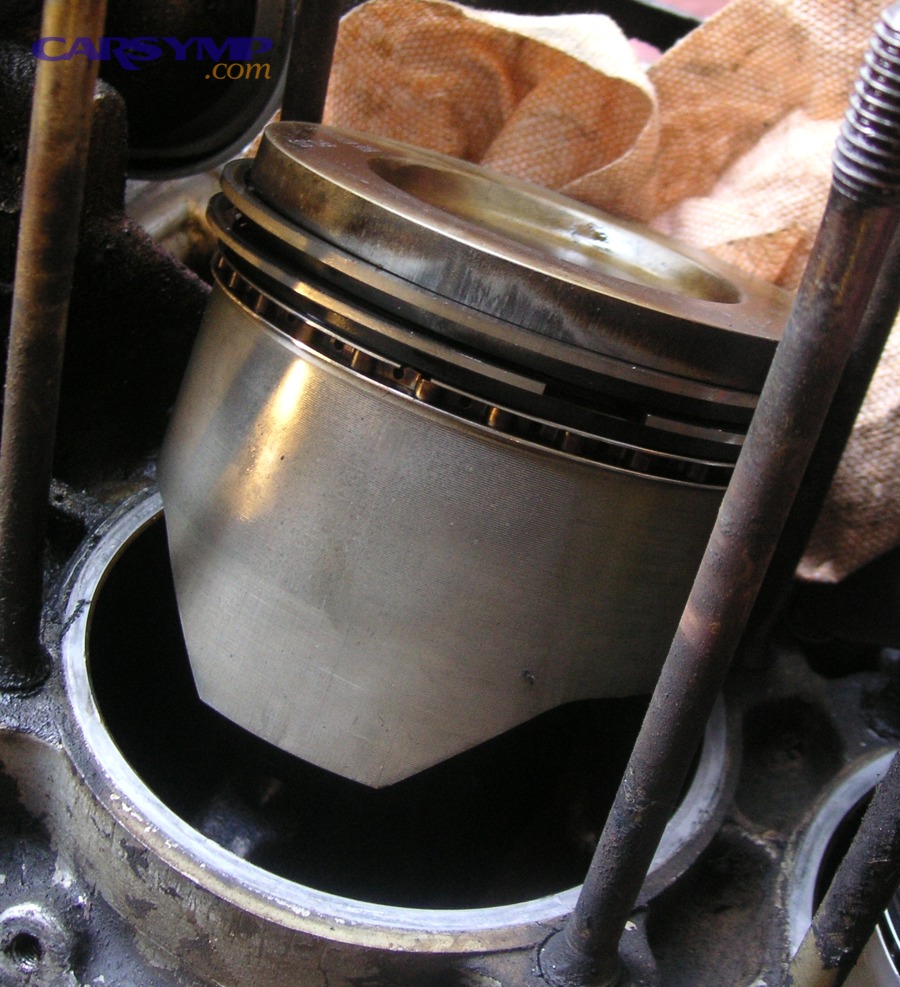
What does a blue puff at cold start indicate?
A blue puff at cold start usually indicates oil seepage while the engine is off, commonly past valve stem seals/guides (oil drips into the intake/combustion area overnight), or less commonly oil pooling in a specific cylinder area.
Specifically, look for these supportive clues:
- The puff is brief (seconds), then clears.
- It’s worse after the car sits overnight or longer.
- Oil consumption is slow but noticeable over time.
- Spark plugs may show oily deposits in one or two cylinders (if inspected).
Why valve seals fit the pattern: when parked, oil can slowly migrate down the valve stem area. On start, that oil burns quickly, creating a distinct puff.
What to do next:
- Start logging oil level weekly (same parking spot, same temperature window if possible).
- If the puff worsens, plan a compression test or leak-down test to rule out deeper wear—but don’t assume rings first based on a pure startup puff.
What does blue smoke during acceleration indicate?
Blue smoke during acceleration typically indicates oil entering combustion under load, often from worn piston rings/cylinder wear (oil control rings can’t keep oil off the cylinder wall) or from turbo oil leakage in turbocharged engines.
Then, narrow it with two questions:
- Does it show up mainly when you floor it or climb hills?
- That leans toward load-related oil entry (ring wear, blow-by, turbo seal issues).
- Is the smoke worse after extended idling, then hard acceleration?
- That can still be valve seals, because oil pools during idle and burns when revved.
A strong acceleration pattern often pairs with measurable oil use, which is why an organized “Normal vs excessive oil consumption guide” mindset helps: you’re not just noticing smoke—you’re quantifying whether consumption is truly abnormal for your engine.
If the car is turbocharged, don’t skip the turbo pathway: oil in the charge system (pipes/intercooler) can be a major hint, and it ties directly into Oil consumption after turbo issues diagnosis.
What does blue smoke during deceleration or downhill engine braking indicate?
Blue smoke during deceleration or downhill engine braking usually indicates oil being drawn past valve guides/seals under high intake vacuum, a pattern that often looks like “no smoke on throttle, smoke when you lift.”
However, the pattern must be consistent to be meaningful:
- It appears when you let off the throttle in gear (engine braking).
- It may disappear when you reapply throttle.
- It can be more obvious after a long downhill coast.
Why this happens: high vacuum conditions can pull oil from the top end past worn guides/seals, so the smoke shows up when the throttle is closed and vacuum spikes.
A safe way to observe (without aggressive driving): note smoke behavior during a gentle deceleration from neighborhood speeds after the engine is warm. If it repeats reliably, that’s a strong clue.
What does blue smoke at idle or after long idling indicate?
Blue smoke at idle or after long idling often indicates oil pooling or oil being pulled into intake airflow at low load, commonly linked to valve seals, PCV/CCV system issues, or turbo drain/return issues (for turbo engines).
Besides timing, pay attention to the “idle then rev” moment:
- If it idles clean, then puffs blue when you rev, that’s classic “oil pooled somewhere, then burned quickly.”
- If it smokes continuously at idle, it can be heavier wear or a PCV system pulling oil mist into intake consistently.
This is where quick checks matter, because idle-related blue smoke can be caused by a relatively simple ventilation fault—not only engine wear.
How can you narrow the cause with quick checks before buying parts or booking major repairs?
You can narrow blue (bluish-gray) exhaust smoke patterns with 3 fast checks—oil tracking, ventilation inspection, and intake/exhaust evidence—so you can separate ring wear, valve seal seepage, turbo leakage, and PCV-related oil pull without guessing.
More specifically, this section gives you a simple triage path that supports oil consumption diagnosis and prevents “parts cannon” repairs.
Can oil level/condition trends confirm internal oil burning? (Yes/No)
Yes—oil level and oil condition trends can confirm internal oil burning, because (1) a steady drop with no external leak points to consumption, (2) oil that darkens unusually fast can reflect contamination or heavy blow-by, and (3) consumption rate correlates with how severe the smoke pattern is.
However, you only get a trustworthy answer if you track it consistently—this is the core of Monitoring oil use accurately:
- Park on the same level surface.
- Check at the same engine state (often after sitting 5–10 minutes warm-off, or cold in the morning—just be consistent).
- Record date, mileage, oil level (dipstick mark), and note smoke events (startup/accel/decel/idle).
- Re-check after 300–500 miles if you’re actively diagnosing.
This approach turns a vague complaint into an actionable trendline, and it supports a practical “Normal vs excessive oil consumption guide” approach: you can’t call it “excessive” until you’ve measured it.
Evidence (why operating condition matters): According to a study by Massachusetts Institute of Technology from the Department of Mechanical Engineering, in 2004, experiments found blow-by-related oil consumption increased with engine load and speed, showing why some engines smoke more during acceleration than at idle. (dspace.mit.edu)
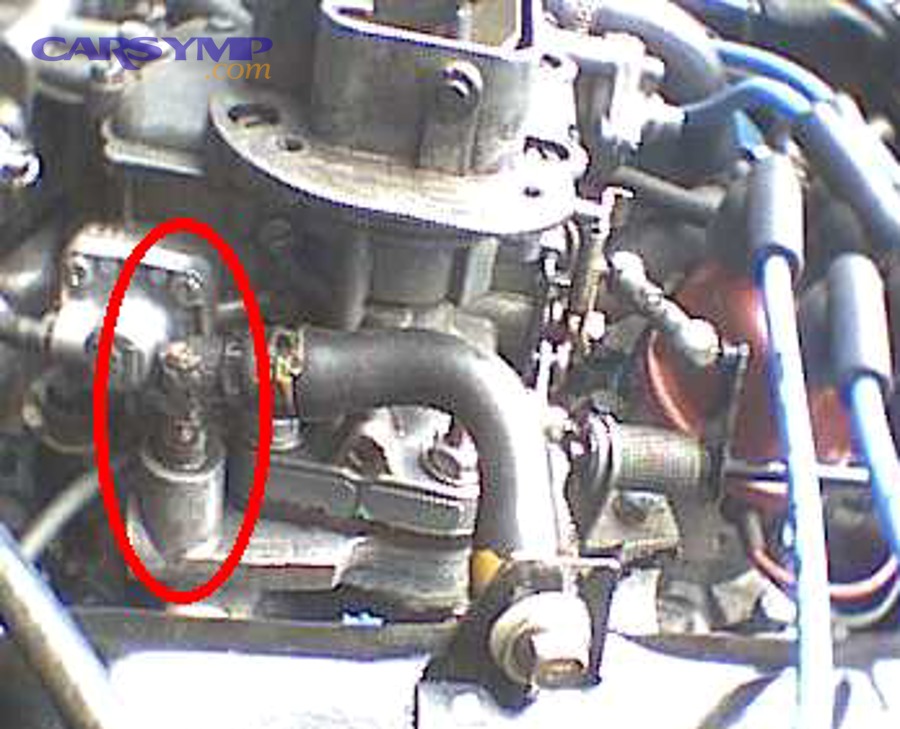
Which simple inspections help spot PCV/CCV or crankcase pressure issues?
Simple inspections can reveal PCV/CCV faults by checking (1) whether the system is flowing and not clogged, (2) whether crankcase vapors carry excessive oil mist, and (3) whether pressure is building where it shouldn’t.
Then, do these low-effort checks:
- Visual hose and valve inspection
- Look for cracked PCV hoses, collapsed sections, loose connections, or oily pooling in hoses.
- If your engine has an oil separator or catch can, check for unusual accumulation.
- PCV valve function check (basic)
- A stuck or restricted PCV valve can increase crankcase pressure and push oil into places it shouldn’t go.
- A failed valve can also allow too much oil vapor ingestion, creating smoke and consumption.
- Look for oil in the intake tract
- Remove the intake tube (where accessible) and check for wet oil film.
- Heavy oil presence can suggest ventilation pulling oil mist, or turbo leakage on boosted engines.
Why PCV/CCV matters for consumption: research on crankcase ventilation systems has long focused on how oil mist travels through the ventilation loop and contributes to total oil consumption. (dspace.mit.edu)
What should you look for in the intake tract and tailpipe to distinguish rings vs valve seals vs turbo?
Rings win when smoke correlates with load and blow-by signs, valve seals win when smoke matches startup/deceleration vacuum patterns, and turbo leakage wins when oil evidence shows up in the charge system (especially under boost).
Specifically, look for these “evidence anchors”:
Tailpipe evidence
- Dry, powdery soot is more typical of rich fueling/soot.
- Oily, wet residue can support oil burning (though short trips can confuse residue).
Intake/charge system evidence (turbo engines)
- Oil film in charge pipes can be normal in tiny amounts, but puddling oil in intercoolers/hoses is a stronger warning.
- Smoke that spikes after boost events supports the turbo pathway.
Engine behavior evidence
- Rings: higher crankcase blow-by, reduced compression, more smoke under load.
- Valve seals: smoke at startup, smoke on decel, “idle then rev” puff.
- PCV/CCV: oil in intake + inconsistent smoke + sometimes rough idle.
Evidence (why sources of oil consumption differ): According to a study by West Virginia University from the Mechanical and Aerospace Engineering program, in 2008, graduate research investigated lubricant oil consumption and its contribution to particulate matter emissions, reinforcing that measurable oil consumption is not just a maintenance issue—it also affects exhaust emissions. (researchrepository.wvu.edu)
What should you do next based on the pattern (and when should you stop driving)?
You should act on blue (bluish-gray) exhaust smoke patterns by choosing one of three paths—monitor, diagnose soon, or stop driving—based on pattern severity, oil consumption rate, and warning signs, because that combination predicts risk better than smoke color alone.
Next, you’ll translate your pattern into a safe decision—without panic, but without ignoring a real oil-burning problem.
Can you keep driving with blue smoke if the car runs fine? (Yes/No)
Yes, sometimes you can keep driving briefly—but only if blue (bluish-gray) exhaust smoke patterns are mild and stable, because (1) the engine still needs sufficient oil, (2) light intermittent smoke may not be immediately destructive, and (3) controlled monitoring can prevent sudden oil starvation.
However, “briefly” has boundaries. You should stop driving (or drive only to a repair location) if you see any of these:
- Oil pressure warning light or low-oil warning
- Noticeably rapid oil loss (dipstick drops quickly)
- Smoke becomes continuous or dramatically thicker
- Misfires, rough running, or catalytic converter overheating smell
- Any sign of overheating or mixed coolant/oil symptoms
If you do drive short-term, commit to Monitoring oil use accurately: check oil frequently, keep it at the proper level, and avoid heavy load/boost until diagnosis is complete.
What are the most common repairs tied to each pattern?
There are 4 common repair groups tied to blue (bluish-gray) exhaust smoke patterns—valve seal work, ring/cylinder work, ventilation service, and turbo system repair—based on the pathway letting oil burn.
Let’s map pattern → likely repair category:
- Cold start puff (brief)
- Likely: valve stem seals/guides seepage
- Common repair: valve seal replacement (sometimes head work depending on design)
- Deceleration/downhill smoke
- Likely: valve seals/guides under high vacuum
- Common repair: valve seals; sometimes guides if worn
- Acceleration/boost smoke
- Likely: rings/cylinder wear or turbo oil leakage
- Common repair: compression/leak-down confirmation → ring/cylinder service; turbo inspection/repair if oil pathway evidence supports it
- Idle/after-idle puff
- Likely: valve seals, PCV/CCV ingestion, turbo drain/return issues
- Common repair: PCV/CCV service first if evidence supports it; then deeper mechanical work if needed
If you’re specifically dealing with a boosted engine, treat “Oil consumption after turbo issues diagnosis” as its own mini-process: check charge pipes/intercooler oil, confirm drain routing, and verify crankcase ventilation health, because crankcase pressure can worsen turbo oil leakage symptoms.
What evidence should you bring to a mechanic to speed up diagnosis?
Bring 3 types of evidence—pattern notes, oil-use measurements, and visual proof—because they reduce diagnostic time and prevent misdiagnosis.
Specifically, collect:
- A short log: when smoke happens (startup/accel/decel/idle), how long it lasts, and whether it’s worse hot/cold
- Oil tracking: mileage interval and oil level changes (your “Normal vs excessive oil consumption guide” notes)
- Photos/video of the smoke event (especially decel or boost-related smoke)
- Any recent maintenance history (oil type/viscosity, PCV service, turbo work)
- Any trouble codes or misfire history (even if not “check engine” yet)
If you want a simple, mechanic-friendly one-liner:
“I’m seeing blue (bluish-gray) exhaust smoke mainly on [pattern], and my measured oil use is [amount per miles], with [any intake/tailpipe oil evidence].”
What else can mimic blue smoke (or make it look bluish-gray), and how do you avoid misdiagnosis?
Several conditions can mimic blue (bluish-gray) exhaust smoke patterns—especially white steam in cold weather, temporary burn-off after service, or oil overfill/viscosity issues—so the safest approach is to confirm with timing + smell + oil trend rather than color alone.
Below, you’ll tighten the diagnosis by handling the most common look-alikes and a few “rare but real” edge cases.
How do white steam and blue oil smoke differ in cold weather?
Blue oil smoke tends to linger and smell oily, while cold-weather steam tends to dissipate quickly as the exhaust warms—so duration is often the easiest separator.
More specifically:
- Condensation steam: most visible at cold start, fades as the system heats, often appears “cloudy white.”
- Oil smoke: may show at cold start too, but it often has a bluish hue, hangs longer, and repeats as a pattern (startup puff, decel, accel).
If you drive short trips, you may see steam frequently; that’s normal. The deciding factor is whether oil level trends confirm consumption and whether the pattern repeats after the engine is fully warm.
Can the wrong oil viscosity, overfilling, or additives create blue-ish smoke patterns? (Yes/No)
Yes—wrong viscosity, overfilling, or certain additives can create blue-ish smoke patterns, because (1) overfilled oil can be pulled into ventilation pathways, (2) thin oil may pass worn seals more easily, and (3) some treatments can temporarily change burn characteristics.
However, don’t let this become a distraction. Use it as a control check:
- If smoke started right after an oil change, confirm the oil level isn’t above the safe mark.
- Confirm the viscosity matches the manufacturer’s recommendation.
- If you used an additive, note it and observe whether smoke changes after a few heat cycles.
This is also where your oil tracking matters: if the level is correct and consumption continues, the problem is unlikely to be “just viscosity.”
How do turbocharged engines change the “pattern-to-cause” map for blue smoke?
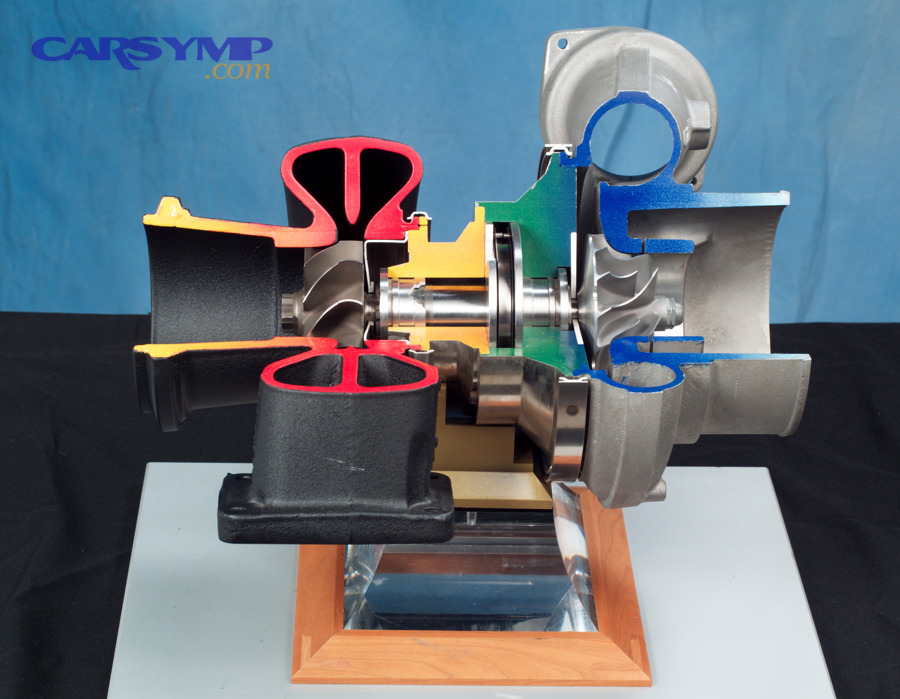
Turbocharged engines add a second oil-fed component (the turbo bearing area), so blue (bluish-gray) exhaust smoke patterns can come from turbo oil leakage as well as the engine itself.
Specifically, turbo-related clues include:
- Smoke increases after boost events or sustained highway load
- Oil present in charge pipes/intercooler beyond a light film
- Smoke worsens if crankcase ventilation is restricted (pressure can oppose oil drain return)
This is why “Oil consumption after turbo issues diagnosis” should always include both the turbo pathway and the ventilation pathway: a healthy turbo can still look “bad” if crankcase pressure or drain routing is wrong.
What are the “rare but real” scenarios: downhill vacuum draw, oil dilution, or special engine types?
There are a few less-common scenarios that can muddy the picture:
- Downhill vacuum draw: prolonged engine braking can amplify decel smoke even if seals are only moderately worn.
- Oil dilution (fuel dilution): can thin oil and change how it passes clearances; it may also change oil smell/level behavior.
- Special engine types: two-stroke engines (where oil is part of combustion by design) will not follow typical “blue smoke means a failure” logic.
If you suspect an edge case, don’t guess—measure oil trends, note patterns, and confirm whether smoke persists after warm-up and under repeatable conditions.
Evidence (if any)
According to a study by Massachusetts Institute of Technology from the Department of Mechanical Engineering, in 2004, experimental results showed blow-by oil consumption increased with engine load and speed, supporting why blue smoke often intensifies during acceleration patterns rather than steady idle. (dspace.mit.edu)
According to a study by West Virginia University from the Mechanical and Aerospace Engineering program, in 2008, a graduate research work investigated lubricant oil consumption and its contribution to particulate matter emissions, reinforcing that measurable oil consumption is not just a maintenance issue—it also affects exhaust emissions. (researchrepository.wvu.edu)