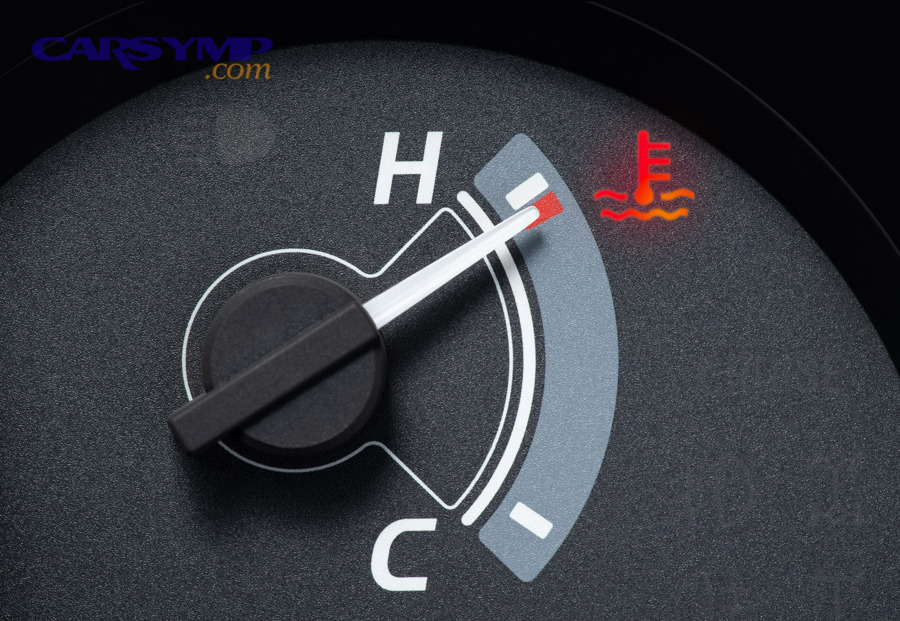
If your temperature gauge climbs while you’re sitting at a light, the safest default is not to keep driving—because overheating can escalate quickly from a warning to costly engine damage. Your best move is to decide fast: stop immediately, cool the engine safely, and tow when the signs point to a real cooling failure.
Next, you’ll learn the right immediate actions to protect yourself and your engine—what to do in the first minutes, what not to do, and how to reduce risk if you must move briefly to safety.
Moreover, you’ll get a clear Stop vs Tow decision framework with practical thresholds: steam, warning lights, coolant loss, repeated spikes, and “safe-to-move” exceptions that exist only to avoid traffic danger—not to “limp it home.”
Introduce a new idea: once you understand the decision, you can run a few no-tools checks to narrow the cause (fan vs coolant/flow) and use a simple Overheating at idle causes checklist to explain why it happens most at stoplights.
Is it safe to keep driving when your car overheats at idle? (Yes/No)
No—keeping driving when your car is overheating at idle is generally not safe because (1) coolant can boil and lose pressure, (2) metal parts can warp from heat stress, and (3) the cause often worsens at low airflow, making the spike repeat faster. Then, this matters because the “idle-only” pattern can trick drivers into thinking motion will fix everything—until the next stop pushes temps into the red again.
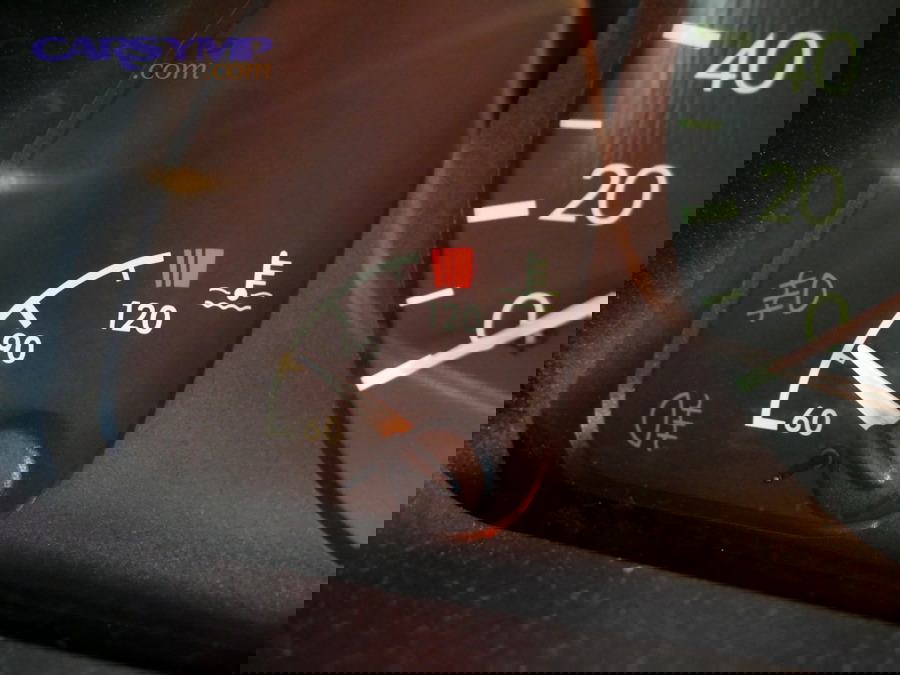
When an engine overheats, the cooling system stops doing its core job: keeping metal temperatures stable. Coolant isn’t just “liquid in a tank”—it’s a heat-transfer and pressure-managed system. If the system can’t hold pressure, coolant can boil at a lower temperature, pockets of steam form, and circulation becomes less effective. That’s why overheating can go from “a little hot” to “dangerous” quickly.
The second reason is mechanical: overheating expands components beyond normal operating tolerances. Aluminum cylinder heads are especially sensitive to heat stress and uneven temperature gradients. Once tolerances shift, sealing surfaces and gaskets can suffer.
The third reason ties directly to your symptom: overheating at idle often points to missing airflow or fan control. If airflow is the limiting factor, every stoplight recreates the worst condition. In other words, you don’t just have one overheating event—you have a repeated trigger.
Should you stop immediately if the temperature warning light is on or steam is visible? (Yes/No)
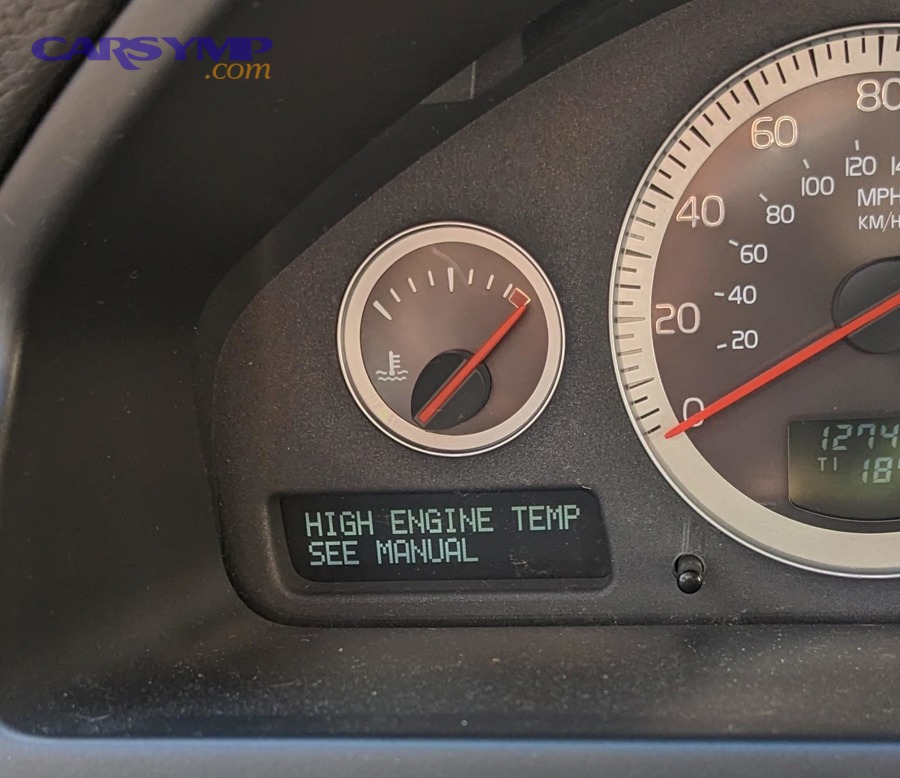
Yes—if the temperature warning light is on or you see steam, you should stop immediately because (1) steam suggests boiling coolant and pressure loss, (2) continued operation increases the chance of head gasket failure, and (3) coolant loss can turn a manageable issue into severe engine damage within minutes. Specifically, the warning light and visible steam are designed to be “stop now” signals—not “monitor and see.”
Steam can be confusing because it’s not always thick clouds; sometimes it’s a faint white vapor near the hood seam, or it smells sweet (coolant). If steam is present, your system may already be venting pressure. That pressure is what raises boiling point and helps prevent localized hotspots. Once pressure drops, boiling and overheating can accelerate.
What to do right now (safely):
- Signal and pull over as soon as you can do so without causing an accident.
- Turn off A/C.
- If the gauge is high but you’re still moving, keep RPM low and avoid hard acceleration.
- Once stopped, shut the engine off (unless you’re in an unsafe spot—see next section).
- Do not open the radiator cap.
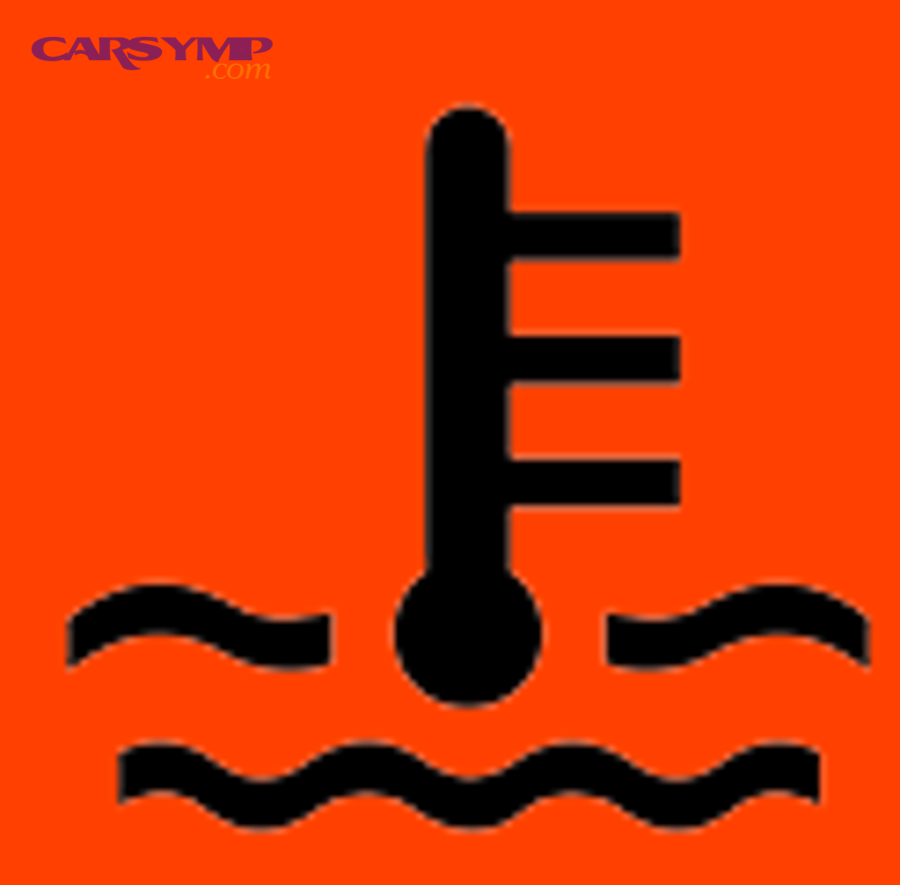
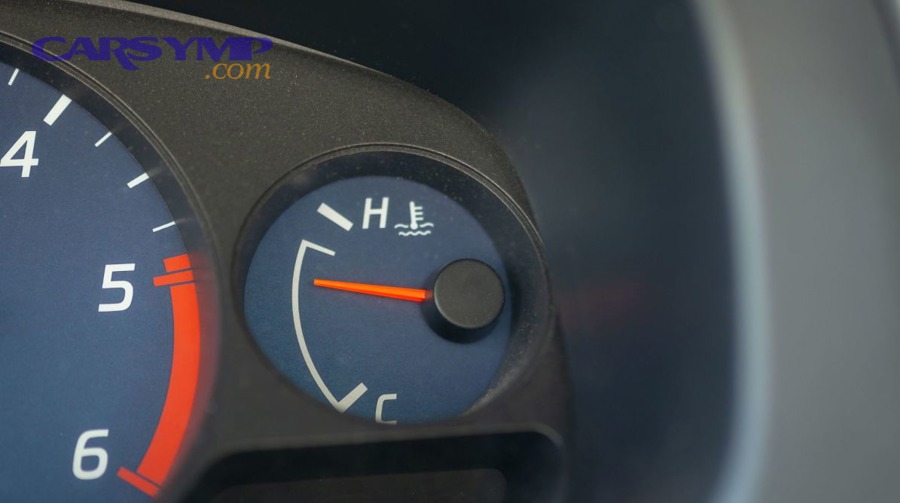
If you need a visual reference for common “coolant temperature” warning symbols, this icon is typical across many dashboards:
Can you drive a short distance to a safe place if you’re in danger (traffic/shoulder)? (Yes/No)
Yes—but only to reach immediate safety, because (1) personal safety outweighs mechanical risk, (2) stopping in a live lane can cause a crash, and (3) a short, gentle move can reduce danger if the engine hasn’t reached the red zone or produced steam. However, “short distance” is not “drive home”—it means the nearest shoulder, parking lot, or safe turnout.
Use a strict rule: move only if you must, and only if you can keep the needle out of the red. If the gauge is pegged hot, a warning light is flashing, or you see steam, do not keep rolling unless a collision risk is immediate. Put hazards on, coast to safety, and shut down.
Low-risk technique if you must move:
- Keep speed low and steady.
- Avoid heavy throttle.
- Turn heat to max (if it still blows hot air), and crack windows.
- Do not idle for long once you reach a safe stop—shut down and begin cooldown.
What does “overheating at idle” mean and why is it different from overheating while driving?
Overheating at idle is a cooling failure pattern where engine temperature rises mainly while stationary or at very low speed, usually because airflow or fan-controlled heat rejection is insufficient, even though temperatures may improve once the vehicle moves and natural airflow increases. To better understand it, focus on what changes between “stopped” and “moving”: airflow, fan activation, and heat load.
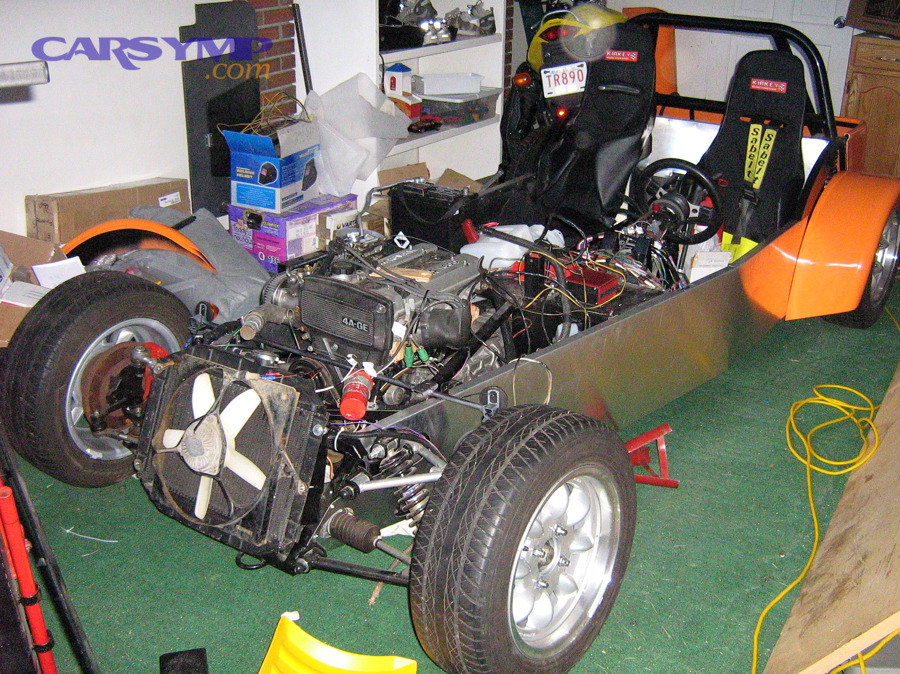
When you’re driving, air is forced through the radiator and A/C condenser. That airflow can hide a weak fan, a failing relay, or a clogged condenser face. At idle, the car must rely heavily on the cooling fan system, which is why fan problems are so strongly tied to this symptom.
Also, “idle overheating” can be influenced by heat load. In traffic, engine bay heat accumulates, and under-hood temperatures rise. This reduces the temperature difference your radiator relies on to shed heat efficiently.
Why does the temperature rise at stoplights but drop once you drive again?
The temperature rises at stoplights because airflow through the radiator drops sharply, and if the fan system can’t compensate, the radiator can’t reject heat fast enough; once you drive again, forced airflow increases heat rejection and temperature may temporarily fall. For example, this is why a driver might see the gauge climb in a drive-thru line, then stabilize on the road—until the next long stop.
This pattern is a diagnostic clue, not a reassurance. It narrows likely causes (airflow/fan/condenser restriction) but does not guarantee safety. If the underlying failure is coolant loss or circulation problems, the “drops while driving” effect may be brief or disappear entirely.
Does turning on the A/C make overheating at idle worse? (Yes/No)
Yes—A/C can make overheating at idle worse because (1) the condenser adds heat load in front of the radiator, (2) the engine works harder to drive the compressor, and (3) fan demand increases, exposing weak fans, relays, or wiring. Meanwhile, in some vehicles, A/C also forces fans on—so a no-fan condition can become obvious the moment you switch A/C on.
If your car overheats faster with A/C running, treat that as a strong signal to check the fan system and condenser airflow. The A/C “stress test” is not something you should keep doing while overheating—use it as a clue, then shut A/C off and prioritize safety.
Here’s a practical explainer video that focuses on overheating behavior at idle (including A/C-related airflow issues):
What should you do immediately when overheating at idle happens?
There are 6 main immediate actions to take when overheating at idle happens: (1) get to a safe stop, (2) reduce load, (3) maximize cabin heat if needed, (4) shut down at the right time, (5) cool down safely, and (6) check for obvious leaks only after cooling. Next, these steps work because they reduce heat production, increase heat rejection, and prevent risky mistakes like opening a pressurized cap.
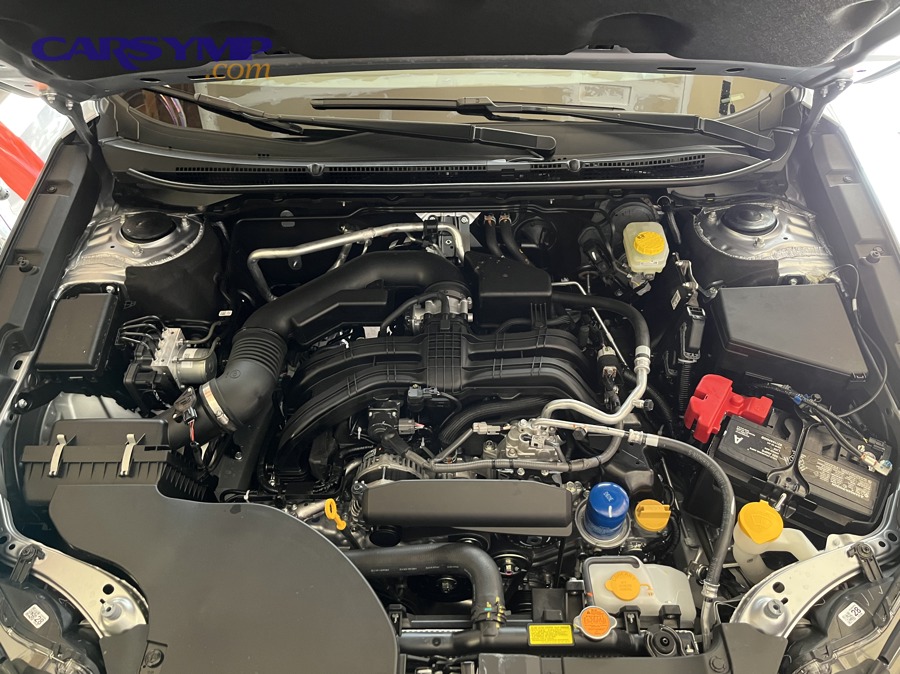
This section is about your first minutes—your decisions here determine whether you protect the engine or accidentally push it into a failure. Treat the situation like a controlled emergency: calm actions, correct order, and no shortcuts.
What are the safest “do now” steps in the first 5 minutes?
There are 5 safest first-5-minute steps: pull over safely, turn off A/C, use cabin heat if you need a temporary buffer, shut the engine off once safe, and begin cooldown while watching for steam/leaks. Then, each step builds on the previous one: you reduce load first, then stop heat buildup, then avoid pressure hazards.
Step-by-step (in order):
- Pull over safely: hazards on, avoid stopping in live lanes.
- Turn off A/C: removes heat load and compressor work.
- Set heater to max (optional buffer): if the cabin heater still blows hot, it can act like a small extra radiator. Open windows.
- Shut off the engine once you’re safely stopped. If you’re in immediate danger, move to safety first.
- Pop the hood carefully (if safe) to let heat escape. Keep hands and face away from the front edge—steam can vent upward.
Key practical cues:
- If the gauge is climbing fast, don’t wait for “one more light.”
- If the warning light is on, treat it as the decision point.
- If you smell coolant or see vapor, prioritize shutdown and towing decisions.
What should you NOT do while the engine is hot?
There are 6 common mistakes to avoid while the engine is hot: don’t open the radiator cap, don’t pour cold water on hot components, don’t keep idling to “cool it,” don’t ignore steam, don’t remove hoses, and don’t continue driving normally. Moreover, these mistakes create injuries and engine damage because they trigger pressure release, thermal shock, or extended overheating time.
Avoid these specifically:
- Do not open the radiator cap: pressurized coolant can erupt and cause severe burns.
- Do not dump cold water on a hot engine: thermal shock can crack components.
- Do not keep the car idling “hoping the fan kicks on” if the temperature is already high—idling can still generate significant heat.
- Do not drive aggressively to “force airflow”—hard throttle increases heat.
- Do not assume the gauge is wrong—treat it as real until proven otherwise.
Evidence: According to a study by University of Education, Winneba from the Department of Authomotive and Electrical Technology Education, in 2021, experiments on a diesel engine showed that under very low or dry coolant conditions, engine and coolant sensors could indicate a large temperature disparity, with engine temperature readings as high as 130°C while coolant sensor readings were as low as 20°C, highlighting how coolant loss can mislead readings and escalate overheating risk. (ir.uew.edu.gh)
Stop vs Tow: which choice is safer and when?
Stopping immediately wins for preventing rapid damage, towing is best for confirmed cooling failure or repeated overheating, and cautiously driving a very short distance is only optimal for reaching safety when stopping immediately would put you in danger. However, the confusion comes from the middle case—drivers feel the car “still runs,” so they keep going. The safer framework is symptom-based, not hope-based.
To make this decision practical, the table below summarizes common signs and the safest action. (This table shows “symptom → safest choice” so you can decide quickly under stress.)
| Symptom you observe | Safest choice | Why it’s the safest choice |
|---|---|---|
| Steam/vapor from hood | Tow (after safe stop) | Likely boiling/pressure loss; high risk of damage |
| Temp gauge in red / warning light on | Stop now; Tow if it returns | Red zone indicates dangerous operating temp |
| Coolant puddle under car | Tow | Coolant loss makes overheating repeat quickly |
| Temp rises only at idle, no steam, stabilizes after cooldown | Stop + diagnose; short drive only to shop | Possible fan/airflow issue—still risky |
| No cabin heat while gauge is hot | Tow | Possible low coolant/air pockets/flow issue |
| Overheats again within minutes after cooling | Tow | Pattern suggests failure, not a one-off |
When is towing the correct decision even if the car still moves?
There are 7 situations where towing is the correct decision even if the car still moves: steam, active coolant leak, repeated overheating, warning light/red zone, loss of power/limp mode, engine knock/misfire, or no heater output with a hot gauge. Especially, repeated overheating is the giveaway: the system can’t hold a stable operating temperature.
Choose towing when you see any of these:
- Steam or strong coolant smell
- Coolant level dropping (reservoir emptying repeatedly)
- Overheat returns quickly after cooldown
- Gauge pegs hot or warning light persists
- Engine runs rough or misfires under heat
- Heater blows cold while gauge reads hot
- Visible leaks near radiator, hoses, water pump, or reservoir
This is also the section where “Water pump weak flow symptoms” matter. A failing pump can circulate enough coolant at higher RPM to look “okay” while driving, but fail to move enough coolant at idle, letting temperatures creep upward. That’s why some cars appear to “cool down on the road” but overheat in traffic again.
When can you cautiously drive to a nearby shop after cooldown?
Cautious driving to a nearby shop can be acceptable only when it wins on safety (you’re not in a tow-friendly location), coolant appears stable, and temperature control remains steady; towing is best for reliability, while stopping and diagnosing is optimal for preventing recurrence. Meanwhile, the rule is strict: if you can’t maintain stable temperature, you don’t keep driving.
A “cautious drive” is only for a short hop (think: a few minutes, not a commute) and only after:
- You have no steam
- The temperature returns to normal and stays normal at idle for a short observation period
- The cabin heater still works normally (not always required, but helpful)
- You can drive gently and monitor the gauge continuously
- You can pull over quickly if temperature rises again
If temperature climbs again at the next red light, you’ve learned what you need: this is not a “nurse it” situation; it’s a tow-and-fix situation.
What are the most common causes of overheating at idle?
There are 6 main causes of overheating at idle: (1) cooling fan not running or running weak, (2) low coolant or air pockets, (3) radiator/condenser airflow restriction, (4) thermostat or flow control issues, (5) water pump weak circulation, and (6) pressure cap or system pressure loss. Next, these causes matter because they match the idle pattern: airflow and circulation are most stressed when you’re not moving.
Use this as an overheating at idle causes checklist: start with the most likely (fan/airflow), then confirm coolant level and circulation clues, then consider less obvious pressure and component failures.
Is a radiator fan not coming on the #1 cause at idle? (Yes/No)
Yes—radiator fan failure is often the #1 cause of overheating at idle because (1) idle cooling depends heavily on fan airflow, (2) a fan can fail electrically without obvious noise, and (3) relays, fuses, sensors, or wiring faults commonly prevent fan activation right when it’s needed most. Then, this links directly to your symptom: temperatures rise while stopped, then recover with speed-driven airflow.
What “fan not coming on” can mean:
- Fan motor failure (won’t spin)
- Relay/fuse failure (no power)
- Temperature sensor or control module issue (fan never gets the command)
- Fan runs but weakly (worn motor, high resistance, damaged blades)
- One fan works, the other doesn’t (dual-fan systems)
Easy observation (from a safe distance): With the engine hot and A/C on, many cars should command at least one fan on. If both stay off and the temperature rises, suspect fan control. (Don’t keep the engine hot just to test—safety first.)
Can low coolant or trapped air cause overheating mostly at idle? (Yes/No)
Yes—low coolant or trapped air can cause overheating mostly at idle because (1) air pockets reduce heat transfer and circulation, (2) coolant level can drop below the water pump pickup at idle conditions, and (3) the system can’t maintain consistent pressure and flow, creating hotspots that appear first in slow traffic. Moreover, this is why a small leak can produce a big symptom: the system needs to be full to operate correctly.
Common clues of low coolant/air pockets:
- Coolant reservoir is below minimum (when cold)
- Heater output becomes inconsistent or cold
- Gurgling sounds behind the dash
- Temperature spikes suddenly then drops
- You see dried coolant residue near hose connections
The evidence from UEW’s 2021 experimental work reinforces why low coolant is dangerous: sensor readings can become misleading when coolant quantity is compromised, which is exactly why overheating events can surprise drivers even if the dashboard seems “not that bad.” (ir.uew.edu.gh)
How can you do quick checks without tools to confirm “fan issue” vs “coolant/flow issue”?
Fan/airflow issues win as the likely cause when temps rise mainly at stops and improve with speed, coolant/flow issues are more likely when the heater goes cold or temps spike unpredictably, and combined issues are optimal to suspect when overheating happens both at idle and while driving. However, you still need quick, safe checks—because guessing wrong can lead you to drive when you should tow.
The goal here is not to “repair on the roadside.” It’s to classify the problem safely:
- Category A: Airflow/fan problem
- Category B: Coolant level/flow problem
- Category C: Mixed/unknown → treat as tow
Does the cabin heater blowing cold while the gauge is hot indicate low coolant/air pockets? (Yes/No)
Yes—cold cabin heat while the gauge reads hot often indicates low coolant or air pockets because (1) coolant may not be flowing through the heater core, (2) air can block circulation, and (3) the water pump may be moving vapor instead of coolant, reducing heat transfer. Then, this is a powerful clue because the cabin heater is like a “live indicator” of coolant circulation.
What to watch for:
- Heater was hot, then suddenly turns cool as the gauge rises
- Heat returns briefly when you rev slightly, then fades at idle
- You hear sloshing/gurgling (possible trapped air)
Caveat: blend-door or HVAC issues can also cause cold air, but in an overheating event, sudden loss of heat is more suspicious for coolant/flow problems than a sudden HVAC failure.
If the fans run but it still overheats at idle, what does that suggest?
If the fans run but overheating continues at idle, it suggests the problem may be reduced coolant circulation, restricted heat exchange (radiator/condenser blockage), pressure loss, or “Water pump weak flow symptoms” where the pump can’t move enough coolant at low RPM to stabilize temperature. More specifically, “fans spinning” is not the same as “enough airflow and heat transfer.”
No-tools checks that keep you safe:
- Look for airflow restriction: leaves, plastic bags, heavy debris on the front of the radiator/condenser stack.
- Look for leaks: wet spots, crusty residue, puddles after stopping.
- Listen and smell: sweet coolant smell, hissing, ticking after shutdown (normal heat soak noises exist, but hissing can signal pressure venting).
- Observe the pattern:
- Overheats only stopped → fan/airflow more likely
- Overheats randomly or under load too → flow/pressure more likely
- Overheats quickly after any restart → tow
If you’re seeing Water pump weak flow symptoms, the pattern can look like this:
- Temperature creeps upward at idle even with fans on
- Temperature improves slightly with gentle revs (more pump speed)
- Heater output varies with RPM
- Overheating becomes more frequent over time
What less-obvious scenarios can mimic overheating at idle, and how can you prevent repeat incidents?
There are 4 less-obvious scenarios that can mimic or amplify overheating at idle—heat soak spikes, stop-start/hybrid cooling behavior, sensor/control quirks, and airflow maintenance neglect—and preventing repeat incidents works best when you address coolant integrity, fan reliability, and radiator/condenser cleanliness as a system. In addition, this is where micro-details help you avoid false confidence: some “spikes” look scary but are transient, while others are early warnings of a real failure.
Can heat soak after shutdown make the gauge spike even if the cooling system is “okay”? (Yes/No)
Yes—heat soak after shutdown can make the gauge spike because (1) coolant flow slows or stops, (2) under-hood temperatures rise briefly without airflow, and (3) heat migrates from hot metal into coolant near sensors, raising local readings even as the engine is no longer producing heat. However, heat soak is not a free pass—if the spike is severe, repeats often, or comes with steam, you still treat it as real overheating.
How to tell the difference (practical, not perfect):
- Heat soak spikes happen right after shutdown, then settle.
- True overheating often happens while idling/driving, worsens with time, and can produce steam or smell.
Do stop-start or hybrid systems change how overheating at idle shows up? (Yes/No)
Yes—stop-start and hybrid systems can change the symptom because (1) the engine may shut off at stops, reducing heat generation, (2) electric fans and electric coolant pumps may operate differently, and (3) control logic may mask or delay the classic “rising at idle” pattern. Meanwhile, that means you should pay closer attention to warning messages and fan behavior rather than relying only on the “traffic makes it hot” pattern.
Some vehicles continue circulating coolant with electric pumps even when the engine is off at a stop. Others rely on fan control to manage condenser and radiator heat. When those systems misbehave, you may see intermittent warnings, unusual fan cycling, or temperature behavior that doesn’t match older cars.
What OBD-II codes and dashboard behaviors are commonly linked to idle overheating?
There are 4 common groups of indicators linked to idle overheating: fan control faults, coolant temperature sensor faults, thermostat performance faults, and overheat protection behaviors like limp mode or “A/C disabled” messages. Besides, these indicators help you communicate clearly to a shop even if you don’t scan codes yourself.
What to note (even without a scanner):
- Does the A/C shut off automatically?
- Does the car enter reduced power (limp mode)?
- Does a “coolant temperature high” message appear?
- Do fans run constantly or never run?
Even if you don’t pull codes, recording the exact warning text and when it occurs (idle vs moving, A/C on vs off) improves diagnosis speed.
How can you prevent overheating at idle with maintenance (coolant, cap, airflow)?
There are 5 prevention priorities for overheating at idle: maintain correct coolant level and mixture, replace weak caps/aging hoses, keep radiator/condenser fins clean, verify fan operation before hot weather, and address small leaks early to prevent air pockets. In short, prevention works because idle cooling has less margin—small weaknesses show up faster when you’re not moving.
Simple maintenance habits that pay off:
- Check coolant level when cold (reservoir marks).
- Inspect for dried coolant residue around hose clamps and radiator seams.
- Keep the front of the condenser/radiator clear of debris.
- Listen for fan operation during normal warm-ups (some cars cycle fans even without A/C).
- Don’t ignore minor overheating events—repeat events compound damage risk.
Evidence (if any)
According to a study by the University of Education, Winneba from the Department of Authomotive and Electrical Technology Education, in 2021, experiments showed that under very low or dry coolant conditions, engine and coolant temperature sensors could display a large temperature disparity, with engine temperature readings as high as 130°C while coolant sensor readings were as low as 20°C, underscoring how coolant loss can accelerate overheating risk and confuse monitoring. (ir.uew.edu.gh)