Diagnose & Fix Engine Overheating at Idle (Not While Driving): Cooling Fan, Thermostat & Coolant Checklist for Car Owners
If your engine is overheating at idle but not while driving, you can usually diagnose the root cause quickly by focusing on airflow and coolant control—especially the radiator fan circuit, coolant level, and thermostat behavior. This guide turns that pattern into a step-by-step plan to stop car overheating before it becomes engine damage.
Next, you’ll learn why the “idles hot, cruises fine” pattern is more than a coincidence—and how it points you toward a short list of likely failures. You’ll also see how AC on causes overheating at idle in some cars by increasing heat load and forcing the fan strategy to work harder.
Then, you’ll get a practical, no-guesswork workflow: Radiator fan not coming on diagnosis, Thermostat and coolant flow checks, and how to spot Low coolant and air pockets at idle without turning your driveway into a science project.
Introduce a new idea: once you know what’s failing, you can choose the safest next move—DIY fix, temporary mitigation, or shop testing—using Safe-to-drive guidance when overheating at idle plus a realistic Repair cost estimate for common causes to avoid wasted parts and repeat breakdowns.
Is engine overheating at idle but not while driving a real diagnostic clue?
Yes—overheating at idle but not while driving is a strong diagnostic clue because it usually signals an airflow or fan-control problem, it reveals heat-load sensitivity (like A/C), and it narrows the causes to a small set you can test quickly. Then, to better understand why that clue matters, you need to connect what changes at idle (airflow, fan duty, coolant circulation at low RPM) to what changes on the road (ram air through the radiator).
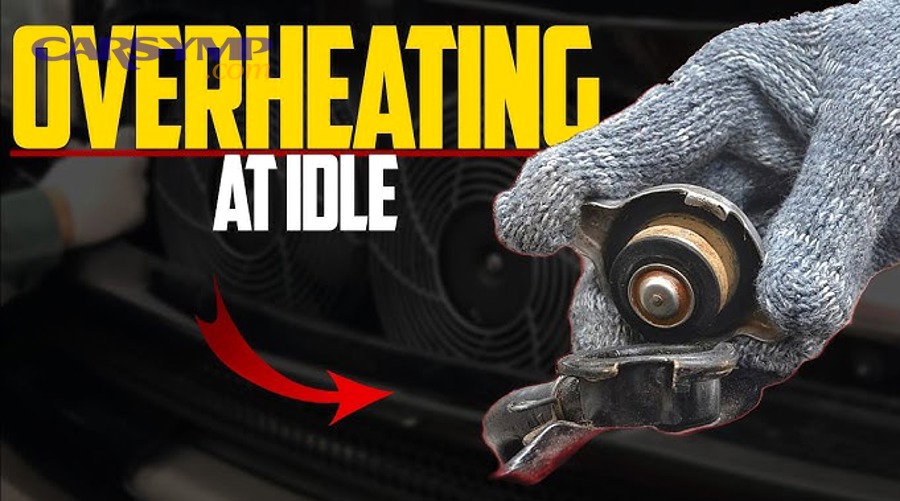
Yes or no: Does “overheats at idle, cools while driving” usually indicate a cooling fan problem?
Yes—this pattern usually indicates a cooling fan/airflow problem because road speed provides natural airflow, idle depends on fan-generated airflow, and a weak or non-functioning fan can’t remove heat fast enough when stopped. More specifically, this is why the “it’s fine on the highway” story is so common:
- At speed, airflow is free. Even with a marginal radiator, the car often stays stable because moving air carries heat away.
- At idle, airflow must be manufactured. Electric fans (or a clutch fan) become the only way to pull air across the radiator and A/C condenser.
- A/C can expose the weakness fast. When AC on causes overheating at idle, it’s often because the condenser dumps extra heat in front of the radiator, and the fan must work harder to clear it.
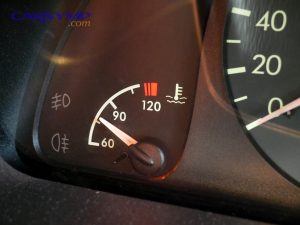
A fast sanity check: if your temperature climbs while stopped, then drops once you’re moving, the fan system (fan motor, relays, fuses, wiring, fan control module, or clutch fan) is the first place to focus. A shop-style workflow for Radiator fan not coming on diagnosis also usually begins here. (youtube.com)
What does it mean if it overheats at idle and also overheats while driving?
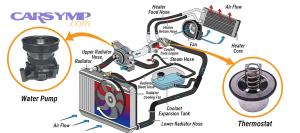
If it overheats at idle and also overheats while driving, the problem is more likely coolant loss, circulation failure, or heat exchanger restriction than airflow alone. In addition, this broader pattern raises the odds of:
- Low coolant level / leaks (heat transfer collapses when coolant volume drops)
- Thermostat stuck closed or sluggish
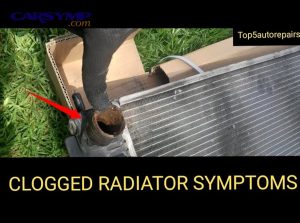
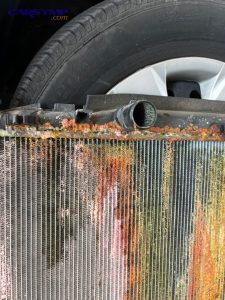
- Clogged radiator symptoms at low speed that progress to higher speeds (internal restriction, scaling, or external fin blockage severe enough to matter even with airflow)
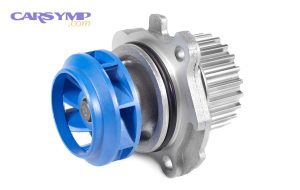
- Water pump weak flow symptoms (especially at higher RPM if the impeller is damaged or slipping, or at idle if circulation is poor)
- In severe cases, combustion gases entering coolant (head gasket or related failure)
According to a study by California Polytechnic State University from the Mechanical Engineering program, in a Formula SAE cooling system design report, the radiator fan strategy was designed around coolant temperature thresholds (fan activation tied to coolant temperature entering the radiator), underscoring how tightly idle temperature control depends on fan operation and coolant management. (digitalcommons.calpoly.edu)
What are the most common causes of overheating at idle?
There are 6 main causes of overheating at idle: (1) fan not running/weak airflow, (2) low coolant or leaks, (3) air pockets, (4) thermostat issues, (5) radiator restriction, and (6) weak circulation from the water pump—grouped by whether they reduce airflow or reduce coolant heat transfer. Next, let’s explore how this “Overheating at idle causes checklist” helps you stop guessing and start confirming.
Which airflow-related faults cause idle overheating?
There are 4 main airflow-related fault groups at idle: fan operation failure, fan effectiveness loss, airflow path blockage, and control-command issues. Specifically, here’s what that looks like in real cars:
- Fan doesn’t run when it should
- Burned-out fan motor
- Failed relay or blown fuse
- Broken connector/wiring corrosion
- Faulty fan control module (common on some platforms)
- Fan runs but doesn’t move enough air
- Wrong fan installed (aftermarket mismatch)
- Broken fan blades / missing shroud
- Fan spinning backwards (rare but happens after incorrect wiring)
- Clutch fan slipping excessively (mechanical fan systems)
- Airflow path is blocked
- Leaves/plastic bags/debris packed into radiator or condenser fins
- Bent fins reducing effective surface area
- Missing undertray or damaged seals causing recirculation in some designs
- Control-command problems
- Temperature sensor reporting wrong values
- ECU not commanding fan due to sensor bias or logic errors
- A/C pressure sensor faults affecting fan staging (can link to AC on causes overheating at idle)
A practical way to anchor this is: if your car overheats in traffic, you’re often chasing an airflow/fan control issue first. (natewade.com)
Which coolant/circulation faults cause idle overheating?
There are 4 main coolant/circulation fault groups: low coolant/leaks, trapped air, thermostat restriction, and pump/flow weakness—each reducing how fast heat leaves the engine. For example:
- Low coolant and air pockets at idle can appear together: a small leak lets coolant drop, then the system ingests air and circulation becomes erratic.
- Thermostat and coolant flow checks matter because a thermostat that opens late can create an idle heat spike, especially after warm-up.
- Water pump weak flow symptoms often include inconsistent cabin heat, overheating that worsens after idling, and temperature swings that don’t match fan behavior.
If you’re unsure which bucket you’re in, the next section’s diagnostic flow will separate airflow faults from circulation faults quickly.
What is the fastest checklist to diagnose overheating at idle (without guesswork)?
The fastest way to diagnose overheating at idle is a 5-step checklist—verify coolant level, confirm fan activation, check airflow/obstructions, validate thermostat behavior, and screen for weak circulation—so you can isolate the cause in under an hour. Below, we’ll turn this into a repeatable workflow you can follow every time car overheating shows up.
What should you check first under the hood (in 5–10 minutes)?
Start with 6 quick checks: coolant level (cold), visible leaks, fan/shroud condition, radiator/condenser fin blockage, belt condition (if applicable), and overflow bottle behavior—because these reveal the most common failures fast. Then, to keep it safe and accurate:
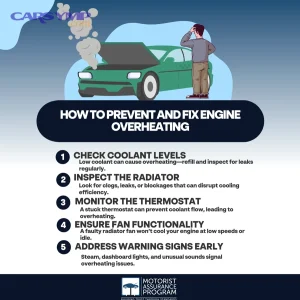
- Check coolant only when cold. Never open a hot radiator cap.
- Look for wetness/crust at hose ends, radiator seams, and around the water pump weep hole.
- Inspect the radiator face: clogged radiator symptoms at low speed often come from blocked fins, not internal failure.
- Confirm the fan shroud is present and seated; missing shrouds can cut effective airflow dramatically at idle.
- If the overflow bottle is empty but the radiator is low, treat it like a leak/air pocket situation.
Quick note: if you smell coolant (sweet odor) or see steam, stop the test and move to safety steps later in the article.
How do you test whether the radiator fan is working correctly at idle?
To test radiator fan operation at idle, you confirm whether the fan turns on at the expected temperature, whether it moves strong air through the radiator, and whether it responds to A/C demand—because the ECU often commands fan staging with A/C on. More specifically, use this safe process:
- Warm the engine while parked (hood open, clear of moving parts).
- Watch the temperature rise and listen for the fan.
- Turn A/C on (if your system is functional). Many vehicles command at least low fan speed when A/C requests cooling.
- If the fan never comes on, move into Radiator fan not coming on diagnosis:
- Check fuse(s) and relay(s)
- Inspect the fan connector for heat damage/corrosion
- If you have tools/skills, test power and ground at the fan connector (do not improvise with unsafe jumpers)
If the fan comes on but airflow feels weak, suspect a failing motor, incorrect fan, missing shroud, or airflow blockage rather than ECU logic.
You can also learn the expected fan behavior on many platforms by watching a diagnostic walk-through video; for example, fan relay and circuit checks are commonly demonstrated step-by-step. (youtube.com)
How can you tell if the thermostat is stuck or slow to open?
A thermostat is likely stuck or slow if the temperature rises quickly after warm-up, the upper radiator hose stays cool then suddenly gets hot, and cabin heat output fluctuates—because coolant flow is being restricted at the thermostat. Then, to confirm without specialized equipment:
- Start from cold, idle the car, and feel the upper radiator hose periodically (carefully).
- A normal system warms gradually; a stuck thermostat often creates a delayed “snap” change where the hose goes from cool to very hot quickly.
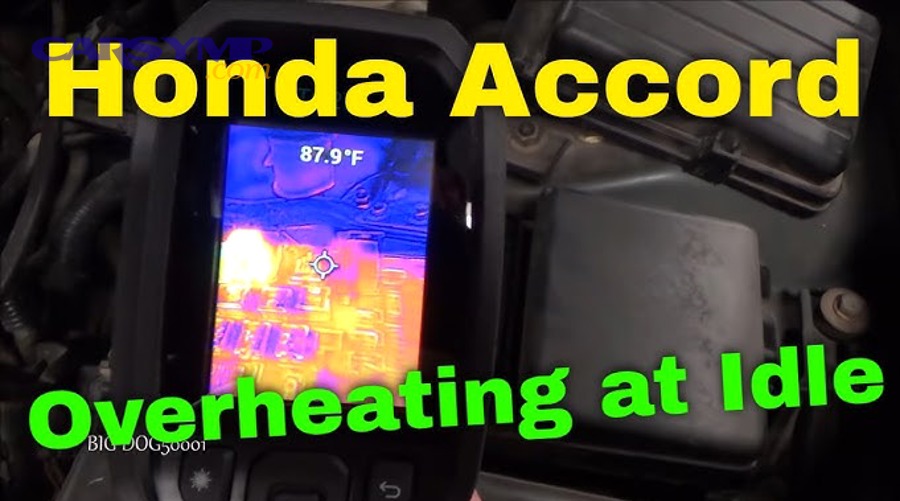
- If you have an infrared thermometer, measure temperature at:
- thermostat housing
- radiator inlet (top tank)
- radiator outlet (bottom tank)
That temperature pattern supports your Thermostat and coolant flow checks without disassembly.
How do you spot air in the cooling system after repairs?
Air pockets are likely if the gauge spikes at idle, the cabin heater blows cold intermittently, and you hear gurgling behind the dash—because trapped air disrupts circulation and can prevent the thermostat from seeing true coolant temperature. Next, focus on where air enters:
- Recent coolant service, hose replacement, radiator swap, or thermostat replacement
- Coolant level that keeps dropping without obvious leaks (air replaces lost coolant)
- Overflow bottle that bubbles continuously even after warm-up (can also suggest combustion gases—covered later)
If you suspect Low coolant and air pockets at idle, correct filling and bleeding is often the real fix—but bleeding methods are vehicle-specific, so follow the correct procedure for your engine layout.
How do you fix overheating at idle based on what you find?
You fix overheating at idle by matching the confirmed failure to the correct repair—fan circuit repairs for airflow failures, leak repair and proper bleeding for coolant loss/air, thermostat replacement for flow restriction, radiator service for restriction, and water pump replacement for weak circulation. Now, let’s connect diagnosis to action so each repair actually solves the problem.
What are the fixes if the fan doesn’t turn on (or is weak)?
If the fan doesn’t turn on or is weak, the fixes typically include replacing the fan motor/assembly, repairing the relay/fuse/wiring, restoring the fan shroud/air seals, or addressing fan control inputs—because idle cooling depends on commanded airflow. More specifically, a practical repair order is:
- Fuse and relay checks (cheap, fast)
- Connector and wiring inspection (heat damage, corrosion, broken grounds)
- Fan motor/assembly replacement if the motor fails power/ground testing or draws excessive current
- Shroud and airflow path restoration (missing shroud = weak pull through the core)
- If fan is ECU-controlled: verify sensor inputs (coolant temp sensor, A/C pressure input)
This is the core of Radiator fan not coming on diagnosis, and it’s why a “fan spins” test alone isn’t enough—you need “fan moves air through the radiator” at idle.
What are the fixes if coolant is low or leaking?
If coolant is low or leaking, the fix is to repair the leak source, restore coolant level with the correct mix, and bleed air properly—because even small coolant loss can trigger idle overheating and hot spots. Then, prioritize leak sources by likelihood:
- Hose ends and clamps
- Radiator seams/tank crimps
- Water pump weep hole
- Thermostat housing gasket
- Heater core connections (often seen as wet carpet or sweet smell inside)
After leak repair, refill correctly and address Low coolant and air pockets at idle with the proper bleeding procedure (some cars require bleed screws or vacuum fill to prevent trapped air).
What are the fixes if the thermostat or radiator is the bottleneck?
If the thermostat or radiator is the bottleneck, the fix is thermostat replacement for flow control failures and radiator cleaning/flush or replacement for restriction—because heat transfer depends on both flow and core efficiency. More specifically:
- Thermostat issues:
- Replace thermostat and gasket
- Refill/bleed properly
- Recheck warm-up behavior to confirm stable operation
- Radiator issues:
- Clean the external fins (compressed air/water from engine side outward)
- If internal restriction is suspected (cold spots, poor delta across core), consider professional flushing or replacement
- Watch for clogged radiator symptoms at low speed like overheating in traffic, weak heat rejection even with fan on, and repeated coolant discoloration
Repair cost estimate for common causes (table)
The table below summarizes common repairs associated with overheating at idle so you can budget realistically before authorizing work.
| Confirmed cause | Typical repair | Typical cost range (US averages) |
|---|---|---|
| Fan assembly failure | Replace radiator fan assembly | $1,026–$1,144 (repairpal.com) |
| Fan motor failure | Replace radiator fan motor | $809–$922 (repairpal.com) |
| Thermostat stuck/sluggish | Replace thermostat | $574–$667 (repairpal.com) |
| Water pump weak/failed | Replace water pump | $857–$1,106 (repairpal.com) |
| Radiator leaking/restricted | Replace radiator | $1,307–$1,471 (repairpal.com) |
Use these ranges as a planning tool—not a quote—because vehicle layout and labor rates swing costs. Still, having a Repair cost estimate for common causes helps you decide whether to test deeper first or replace a confirmed failed part.
When is overheating at idle a warning sign of serious engine damage?
Overheating at idle is a serious warning sign when it repeats quickly, coincides with coolant loss, creates continuous bubbles in the reservoir, contaminates oil, or persists even with confirmed fan operation—because those patterns can indicate combustion gas intrusion or major circulation failure. Moreover, this is the point where you stop “try another part” repairs and start verifying with tests.
Yes or no: Can you keep driving if it only overheats at idle?
No—you should not keep driving when overheating at idle occurs because repeated heat spikes can warp components, coolant boil-over can create air pockets and hot spots, and overheating can escalate from a fan issue to engine damage rapidly. In addition, even “mild” overheating can become expensive if you push it:
- Overheating stresses head gasket sealing surfaces
- Coolant can boil locally, creating steam pockets that stop heat transfer
- Plastic cooling components and hoses become brittle under repeated heat cycles
This is your Safe-to-drive guidance when overheating at idle: treat “overheating” as “pull over and diagnose,” not “drive until it gets worse.”
How do you differentiate fan-related idle overheating vs head gasket symptoms?
Fan-related idle overheating usually improves immediately with road speed or confirmed fan operation, while head gasket-related overheating often includes persistent coolant pressurization, unexplained coolant loss, continuous bubbling, and overheating that worsens under load. Then, use this comparison approach:
More consistent with fan/airflow issue
- Overheats stopped, cools moving
- Fan doesn’t run or airflow is weak
- No constant bubbling in reservoir after bleeding
- Coolant level stable once repaired
More consistent with combustion gas intrusion
- Coolant level drops repeatedly without visible leaks
- Bubbles continue after proper bleeding
- Heater performance becomes erratic
- Exhaust smells sweet or looks steamy after warm-up
- Overheating happens both at idle and under load
According to a study archived by Purdue University, in 2006, CFD-based front-end cooling investigations were validated against experimental comparisons to understand cooling airflow behavior—supporting why airflow and heat exchanger performance at low-speed conditions can be decisive in idle-overheating cases too. (docs.lib.purdue.edu)
What should you do immediately when the temperature rises at idle?
When temperature rises at idle, the safest response is to reduce heat load, increase available heat rejection, and stop before damage occurs—using a clear set of steps that protects you and the engine. Below is the practical “do this now” plan that fits real traffic situations.

What is the safest step-by-step response when you’re stuck in traffic and it starts overheating?
If your car starts overheating at idle in traffic, you should (1) turn off A/C, (2) turn cabin heat on, (3) move to a safe stop, and (4) shut down and cool safely—because these steps reduce heat input and buy time before damage. Then, follow this sequence:
- Turn A/C off immediately
This directly addresses cases where AC on causes overheating at idle by removing condenser heat load. - Turn cabin heat to HOT and fan to HIGH
The heater core becomes a secondary radiator. It’s uncomfortable, but it can stabilize temperature. - If safe, shift to a safe area and stop
Don’t sit in the hottest lane if you can safely exit. - If the gauge is climbing into the danger zone, shut the engine off
Let it cool with the hood closed initially (safety first), then open carefully when safe. - Never open the radiator cap hot
Pressurized coolant can flash-boil and cause serious burns. - If coolant is visibly boiling or you see steam, call for help
Towing is cheaper than an engine.
This is the core of Safe-to-drive guidance when overheating at idle: you’re not trying to “make it home,” you’re trying to prevent a small fault from becoming a major repair.
What uncommon or “hard-to-pinpoint” issues can cause overheating at idle, and how do you confirm them?
Uncommon idle-overheating issues include sensor/gauge mismatch, radiator cap pressure failure, internal radiator restriction that hides at speed, and intermittent combustion gas intrusion—and you confirm them with live data, temperature mapping, and targeted tests rather than part swapping. Next, let’s deepen the micro-diagnostics so you can solve the “everything looks fine” cases too.
How can OBD-II live data confirm whether the gauge is lying (ECT sensor vs dashboard reading)?
Your dashboard gauge is filtered; OBD-II live data can show the actual Engine Coolant Temperature (ECT) value the ECU is using. If the gauge spikes but ECT is stable—or ECT spikes unrealistically fast—you may be dealing with sensor bias, wiring issues, or air pockets around the sensor.
A practical approach:
- Compare ECT to observed behavior (fan activation, heater performance)
- Look for sudden jumps that don’t match engine heat soak reality
- If available, check fan command state or fan duty through scan data
How can an infrared thermometer reveal radiator restriction or poor heat transfer?
Infrared temperature checks let you “see” heat movement across the radiator:
- A healthy radiator often shows a meaningful inlet-to-outlet temperature drop after warm-up.
- Internal restriction can show “cold stripes” where coolant isn’t flowing well.
- External blockage can show high inlet temps with poor overall heat shedding.
This method helps confirm clogged radiator symptoms at low speed without tearing the system apart.
Could radiator cap pressure or coolant chemistry cause idle overheating, and how do you test it?
A weak radiator cap can reduce system pressure, lowering the effective boiling point and making idle heat soak harder to control. Industry references commonly note that higher system pressure raises boiling point by about ~3°F per psi, so pressure integrity matters when stopped and heat builds quickly. (help.summitracing.com)
Also consider coolant condition:
- Incorrect mix ratio
- Contamination/sludge
- Wrong coolant type for the vehicle (compatibility matters long-term)
A cooling-system pressure test and cap test are fast at most shops and can prevent repeat overheating.
When should you suspect combustion gases in the coolant, and which test confirms it fastest?
Suspect combustion gases when:
- Coolant disappears repeatedly with no visible leak
- The reservoir bubbles continuously after proper bleeding
- Hoses get rock-hard quickly from pressure
- Overheating becomes less tied to idle airflow
A block test (chemical test for combustion gases) is a common “fast confirmation” step once the basic airflow/coolant checks are done.
To reduce repeat failures, focus on Preventing idle overheating with maintenance: keep coolant at the correct level and mix, keep radiator fins clean, verify fan operation seasonally (especially before summer), and address small leaks early. If you publish this as a diagnostic guide on carsymp.com, consider adding internal links to your coolant leak diagnosis and fan relay testing articles to strengthen topical authority and keep readers in the troubleshooting flow.