


If your engine is using oil and you’re spotting new leaks, a failing PCV system can absolutely be the hidden cause—yes, because it can (1) pull oil into the intake, (2) build crankcase pressure that pushes oil past seals, and (3) amplify small seepage into obvious leaks.
Next, you’ll learn why this happens in plain language—especially the difference between too much vacuum (oil gets sucked into the intake and burned) and too much pressure (oil gets forced outward through gaskets and seals).
Then, you’ll get a DIY diagnostic workflow you can do in under 30 minutes—simple checks first, then “confirming” tests, and finally what results mean before you spend money on parts.
Introduce a new idea: once you can confidently connect symptoms to cause, you can choose the right repair—whether that’s a quick PCV valve replacement, a hose/port cleanup, or a deeper diagnosis when the PCV system isn’t the real culprit.
Is a Bad PCV Valve Causing Your Oil Consumption and Oil Leaks? (Yes/No Checklist)
Yes—PCV problems can cause oil consumption and oil leaks because a failed PCV system (1) disrupts crankcase vacuum, (2) increases blow-by pressure or excessive suction, and (3) moves oil into places it shouldn’t be (intake tract or outside seals).
To begin, the fastest path is a checklist that ties symptoms to the “PCV pattern,” so you don’t mistake PCV issues for rings, valve seals, or random gasket seepage.
Do You Have the “PCV Pattern” of Symptoms?
A “PCV pattern” is a cluster of symptoms that show up together because crankcase ventilation is out of balance. Use this grouping to score your situation:
Group A — Oil consumption clues (oil is being burned):
- You’re adding oil more often, but you don’t always see drips on the ground.
- Blue-ish smoke appears after idle, on startup, or during long deceleration.
- The intake tube or throttle body has more than a light oil film.
- Oil is found in the intercooler piping (turbo engines) beyond what’s typical for your platform norms.
Group B — Oil leak clues (oil is escaping outward):
- New seepage appears at multiple points: valve cover gasket, oil cap area, front seal area, rear main area.
- The dipstick tube looks oily around the top; sometimes you see oil mist.
- The engine smells like burning oil near the exhaust manifold (fresh seepage dripping onto hot surfaces).
Group C — Driveability clues (airflow/vacuum metering is wrong):
- Rough idle, whistle noises, or “lean” symptoms.
- Check engine light related to fuel trims (varies by vehicle).
- Idle changes when you remove the oil cap (can be normal to a point, but extremes matter).
How to interpret the grouping:
- If you have 2+ items from Group A plus 1+ from Group C, PCV-driven oil ingestion becomes likely.
- If you have 2+ items from Group B plus pressure clues (next section), PCV restriction or failure becomes likely.
- If you only have one isolated symptom (just a small seep, or just mild oil use), PCV may still be involved—but you’ll need testing to avoid guessing.
Can Crankcase Pressure/Vacuum Point to PCV as the Cause?
Yes—crankcase pressure/vacuum behavior can point to PCV issues because (1) a restricted PCV raises pressure, (2) a stuck-open PCV can create excessive vacuum/suction, and (3) both conditions change how oil moves through seals and into the intake.
Next, look for the simplest “directional” clues:
Signs of excessive crankcase pressure (often PCV stuck closed/restricted):
- Oil cap removal produces a noticeable puff or pushes against your hand.
- Dipstick feels like it wants to lift slightly; you may see oil misting.
- Multiple seals begin to seep around the same timeframe.
Signs of excessive suction (often PCV stuck open/wrong valve):
- Strong vacuum at the oil cap opening (noticeable pull).
- Whistling noises, idle changes, and sometimes lean codes.
- Oil consumption increases because oil mist is pulled into the intake stream.
Practical takeaway: PCV problems aren’t just “a bad valve.” They’re a pressure management failure—and oil follows pressure gradients.
What Is a PCV Valve and How Can It Cause Oil Consumption and Leaks?
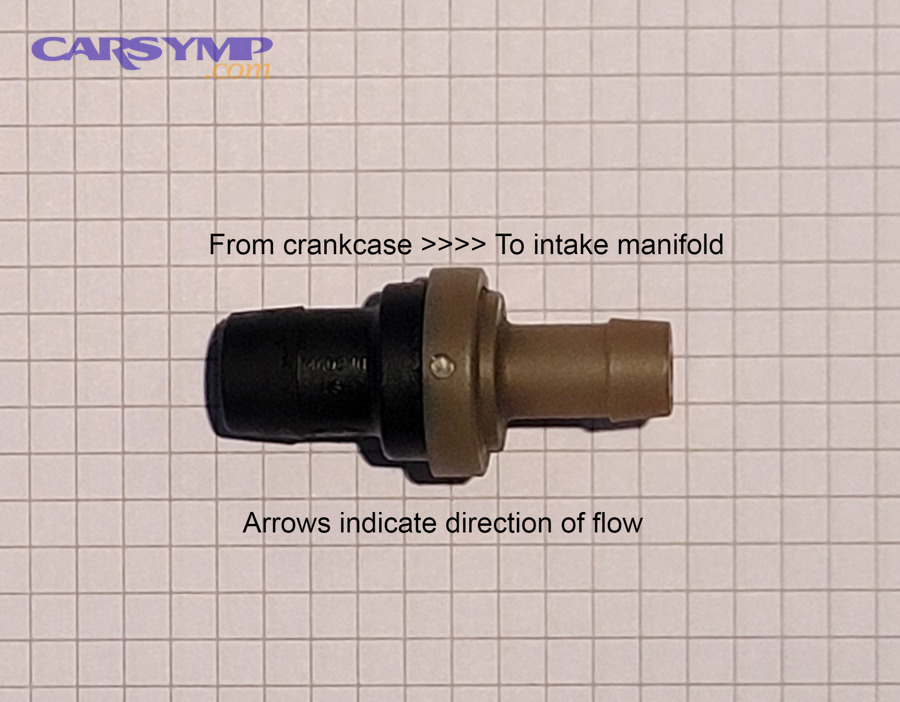
A PCV valve is a crankcase ventilation metering/check device that routes blow-by gases from the engine crankcase back into the intake to be burned, while regulating flow so the crankcase stays in a safe vacuum/pressure range.
Specifically, the PCV system matters because when crankcase gases can’t exit correctly—or exit too aggressively—oil gets carried with those gases, and seals see forces they weren’t designed for.
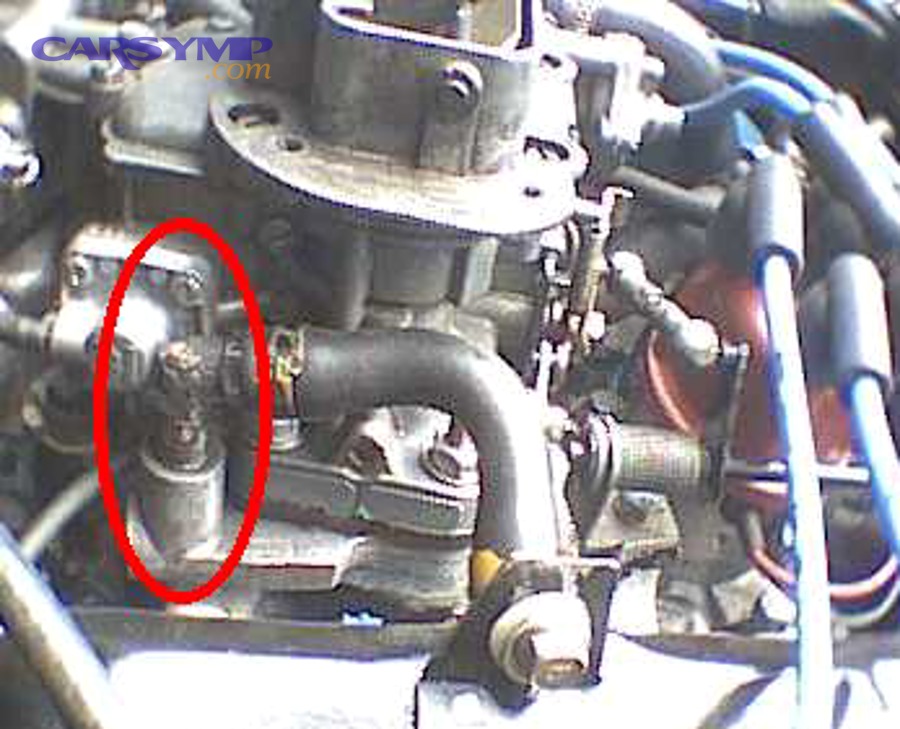
What Does “Positive Crankcase Ventilation” Mean in Plain English?
Positive Crankcase Ventilation means the engine actively pulls unwanted gases out of the crankcase and sends them into the intake to be burned, instead of letting those gases build pressure or vent to the atmosphere. (en.wikipedia.org)
Here’s the plain-English chain:
- Combustion gases leak past piston rings in small amounts (blow-by).
- Blow-by carries vapor, fuel, and microscopic oil mist into the crankcase.
- The PCV system routes those vapors back into the engine to be burned.
- The valve (or orifice) meters flow so the engine doesn’t create a giant vacuum leak.
If that chain breaks, the crankcase becomes either a pressure cooker (leaks) or a vacuum cleaner (oil ingestion).
How Does PCV Failure Create Oil Burning vs Oil Leaks?
Oil burning (consumption) happens when vacuum wins, while oil leaks happen when pressure wins—and a failing PCV system can cause either depending on failure mode.
To illustrate:
Path 1: Oil consumption via intake ingestion
- When PCV flow is too high (stuck open, incorrect valve, missing restriction), intake vacuum can pull oil mist through the ventilation path.
- That oil reaches the intake manifold, then the cylinders, and burns.
- You see oil loss without obvious drips, plus oily intake components.
Path 2: Oil leaks via crankcase pressure
- When the PCV path is restricted (stuck closed, clogged hose, sludged port, frozen condensation), blow-by gases build pressure.
- Pressure pushes oil outward past weak seals and gaskets.
- You see “new leaks everywhere,” and sometimes oil mist near breathers.
This is why Bad PCV valve symptoms often look like two different problems—until you view them as one pressure-control issue.
What’s the Difference Between a PCV Valve Stuck Open vs Stuck Closed?
A PCV valve stuck open tends to worsen oil consumption and idle issues, while a PCV valve stuck closed/restricted tends to create crankcase pressure and oil leaks—because they fail in opposite pressure directions. (en.wikipedia.org)
Here’s a quick comparison table (use it to interpret your tests later).
What this table contains: a side-by-side map of failure mode → pressure effect → symptom pattern → typical DIY observation.
| Failure mode | Crankcase condition | What oil does | Most common symptoms |
|---|---|---|---|
| Stuck open / wrong high-flow valve | Excess vacuum / uncontrolled airflow | Gets pulled into intake | Oil consumption, oily intake, rough idle, whistling, possible lean trims |
| Stuck closed / clogged passages | Excess pressure | Gets pushed outward | Multiple leaks, oil cap puffing, dipstick misting, seepage increases |
| Restricted breather/return path | Pressure spikes | Escapes at weakest points | Intermittent leaks, oil smell after driving, sudden seepage |
| Normal valve but poor oil separation | Normal-ish pressure | Mist carries over | Mild intake oiling; may be “normal” by design on some engines |
What Symptoms Most Strongly Suggest PCV-Related Oil Consumption?
There are 3 main symptom groups that suggest PCV-related oil consumption—intake oil evidence, smoke timing patterns, and combustion-side clues—based on where the oil is traveling and when it gets burned.
More specifically, oil consumption from PCV issues is usually about oil being carried with airflow, not oil simply disappearing by magic.
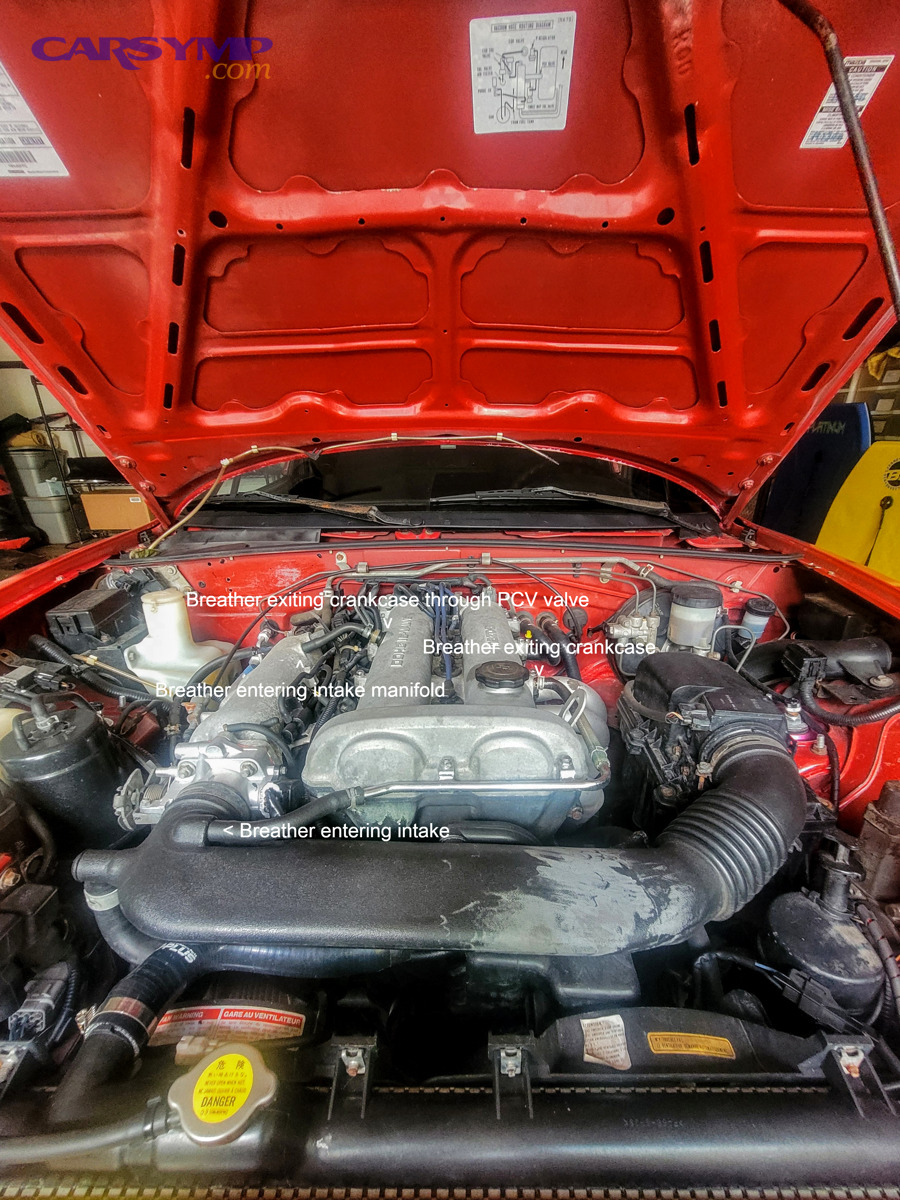
Is There Oil in the Intake Tube, Throttle Body, or Intercooler Piping?
Yes—oil in the intake tract can strongly suggest PCV oil ingestion because (1) crankcase vapors carry oil mist, (2) excessive flow increases carryover, and (3) oil deposits collect where airflow changes direction (tubes, throttle body, intercooler).
Then, check in this order (fastest to slowest):
- Air intake tube near the throttle body (look for wet oil, not just dust-darkened film).
- Throttle body edge and bore (a thin film can be normal; pooling is not).
- Intake manifold runner entrance (if accessible).
- Turbo/intercooler piping (turbo engines often show some oil haze; compare to your platform norms).
How to avoid overcalling it:
- A light oil film can be normal on many engines, especially turbocharged ones.
- “Strong evidence” is when you find wet oil, drips, or pooling that doesn’t match your engine’s typical behavior.
When Does the Smoke Happen—Start-Up, Idle, Boost, or Decel?
There are 4 common smoke timing patterns, and each points to a different “why,” which helps you decide whether PCV is likely:
- Smoke on start-up after sitting
- Can be valve seals, but also can be oil pooled in the intake from ventilation carryover.
- PCV involvement becomes more likely if intake oil is visible.
- Smoke after extended idle
- Vacuum is high at idle; if PCV is pulling oil, you can see smoke when you rev after idling.
- This is a classic PCV-style trigger on many engines.
- Smoke on deceleration
- High vacuum conditions can pull oil through weak pathways.
- PCV can contribute, especially if the valve is stuck open or mis-metered.
- Smoke under boost or heavy load (turbo engines)
- Boost changes the pressure game; PCV check behavior matters.
- If crankcase pressure is elevated, oil control suffers and smoke may appear.
Key interpretation: PCV-related oil consumption often shows up during vacuum-heavy moments (idle/decel) or when oil mist carryover is excessive.
Do Spark Plugs and Tailpipe Deposits Support an Oil-Ingestion Diagnosis?
Spark plugs and tailpipe deposits can support an oil-ingestion diagnosis by showing oil combustion patterns, but they rarely “prove” PCV on their own because multiple faults create similar residue.
Next, use them as corroboration:
- Spark plugs: look for oily wetness, heavy deposits, or unusual plug-to-plug differences. A single oily cylinder can point away from PCV and toward localized mechanical issues.
- Tailpipe: oily soot is a soft clue; modern engines and catalysts can mask signs.
Best practice for DIY confirmation: pair plug observations with intake oil evidence and crankcase pressure/vacuum checks—triangulation beats guesswork.
What Symptoms Most Strongly Suggest PCV-Related Oil Leaks?
There are 3 main PCV-related leak patterns—multi-point seepage, pressure escape clues, and system restriction signs—based on how crankcase pressure finds the weakest exit.
In addition, when PCV restriction is the driver, leaks tend to appear or worsen together, not one at a time over years.
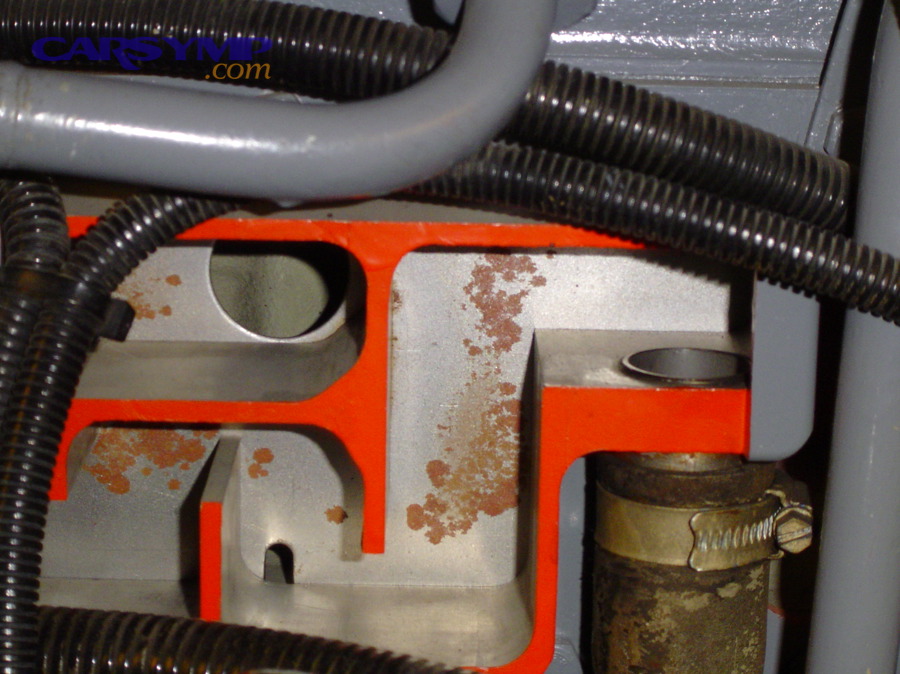
Are Multiple Seals/Gaskets Seeping at Once (Valve Cover, Front/Rear Main)?
Yes—multiple simultaneous seep points can suggest crankcase pressure from PCV restriction because (1) pressure loads every seal, (2) old gaskets stop sealing under added force, and (3) oil mist looks like “new leaks everywhere.”
Then, look for these patterns:
- Valve cover seep + oil cap area seep + front seal dampness appearing in the same month.
- Leaks that worsen after highway driving (more blow-by volume).
- Seepage that returns quickly after cleaning, without obvious external damage.
Important nuance: PCV issues don’t create new torn gaskets out of thin air—they often turn marginal seals into leaking seals.
Does the Oil Cap/Dipstick Show Pressure (Smoke Puffing, Hissing, Oil Mist)?
Yes—pressure at the oil cap or dipstick can indicate PCV flow restriction because (1) blow-by must exit somewhere, (2) blocked ventilation raises crankcase pressure, and (3) that pressure carries oil mist with it.
To better understand, do a safe, quick check:
- Warm engine, idle stable.
- Crack the oil cap gently:
- Light vacuum pull can be normal.
- A strong push/puff suggests pressure.
- Observe the dipstick tube area for fresh misting.
Safety note: Keep hands, clothing, and tools away from belts and fans.
Can a Clogged PCV Hose or Breather Cause Leaks Even If the Valve Looks Fine?
Yes—a clogged hose, port, or breather can cause PCV-style leaks because (1) the system is only as open as its most restricted passage, (2) sludge/condensation can block small ports, and (3) restriction creates pressure even with a “good-looking” valve.
Next, focus on restriction hotspots:
- Soft hoses collapsing under vacuum.
- Hard plastic lines cracking internally or blocking with sludge.
- Valve cover baffles/oil separators clogging (common on some designs).
- Frozen condensation in cold climates (short trips make it worse).
Bottom line: a PCV “valve” may test fine in your hand, while the system is still failing on the engine.
How Can DIY Drivers Test the PCV Valve/System in Under 30 Minutes?
You can test the PCV system using a 5-step DIY method—visual inspection, hose integrity check, vacuum behavior check, pinch/response test, and intake oil check—to reach a practical diagnosis and avoid unnecessary parts swapping.
Below, each step builds on the previous one, so your result is a conclusion—not a guess.
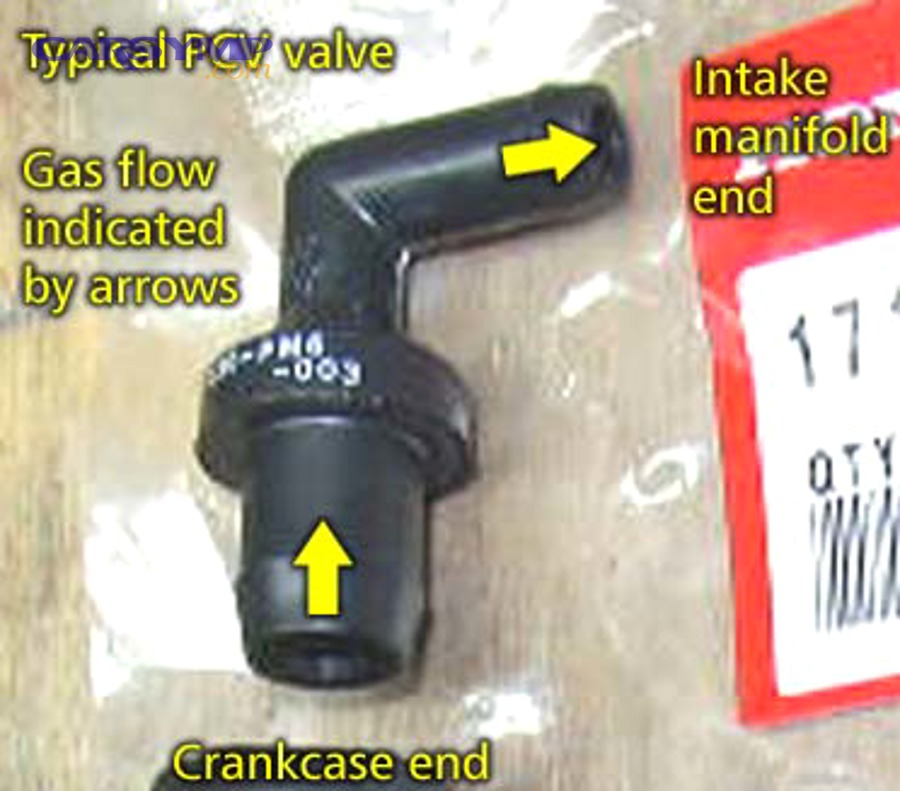
What Quick Visual Checks Find PCV Problems Fast?
Start with a 3-minute walkaround under the hood:
1) Hose routing and condition
- Cracks, splits, loose clamps, oily wetness around connections.
- Collapsed hose sections (especially if soft rubber).
2) Grommets, fittings, and valve cover ports
- A hardened grommet can leak and act like a vacuum leak.
- Sludge at the port suggests restriction.
3) “Wrong part” red flags
- Universal PCV valves that don’t match OEM flow.
- Missing restrictors/orifices on designs that require them.
If you see obvious cracks or disconnected lines, fix those first—testing a broken system wastes time.
How Do You Check PCV Function With Basic Tools (Vacuum/Flow)?
A basic PCV function check measures whether the engine is creating a reasonable crankcase vacuum and whether airflow changes when you control the PCV path.
Try these simple checks:
Oil cap vacuum feel (quick baseline)
- With engine idling, loosen the oil cap.
- You should feel some vacuum or gentle pulsing on many engines.
- Strong suction + poor idle suggests excessive airflow (stuck open or mis-metered).
- Pressure puff suggests restriction or stuck closed.
Pinch test (hose control)
- Identify the PCV hose leading to the intake manifold (or vacuum source).
- Briefly pinch it (use caution, don’t damage brittle lines).
- Observe idle behavior:
- If idle improves dramatically, the PCV path may be acting like a vacuum leak.
- If nothing changes, the valve may be stuck closed or the path may be blocked—or your engine control may be compensating.
Optional tool upgrade
- A simple vacuum gauge can provide additional confidence, but it’s not mandatory for most DIY triage.
How Do You Confirm It’s PCV (and Not Just Normal Blow-By)?
PCV issues and normal blow-by can look similar, but PCV problems show directionality and system failure patterns, while normal blow-by is usually stable and proportional to engine wear.
Use this comparison:
More likely PCV:
- Symptoms changed suddenly (new oil consumption, new leaks).
- Multiple symptoms across intake + leaks + idle/fuel trim behavior.
- Evidence of restriction (sludge, collapsed hoses) or wrong valve.
- Intake oil that’s clearly excessive for your engine type.
More likely general wear (not primarily PCV):
- Long-term gradual oil use without new leak patterns.
- Consistent blow-by without strong pressure swings.
- No intake oiling beyond a light film, and PCV tests normal.
Practical decision: If PCV looks likely, do the repair and verify oil level trend afterward. If it doesn’t improve, you pivot to deeper mechanical checks rather than endlessly swapping PCV parts.
What Should You Fix First If PCV Is the Likely Cause?
Yes—you should fix the PCV system first when it matches your symptoms because (1) it’s a high-leverage, low-cost repair, (2) it directly controls the pressure that causes both consumption and leaks, and (3) it’s one of the few oil-loss causes you can verify quickly after repair.
Moreover, doing a targeted PCV repair first prevents you from misdiagnosing rings or seals when the real issue is crankcase ventilation.
Should You Replace the PCV Valve, the Hoses, or the Whole Assembly?
A standalone valve replacement wins for cost, hose replacement wins for reliability, and a full assembly replacement is optimal for integrated designs—because PCV systems vary widely by engine architecture.
Choose PCV valve replacement when:
- Your engine uses a serviceable valve (not integrated).
- You found evidence of sticking, wrong part, or poor metering.
- Hoses and ports are clean and intact.
Choose hose replacement/refresh when:
- Hoses are soft, cracked, collapsed, or oil-soaked.
- Plastic lines are brittle or partially blocked.
- You see oil wetness at connections (leaks + vacuum issues).
Choose assembly replacement (common on some modern engines) when:
- The PCV is integrated into the valve cover with a built-in separator.
- You’ve confirmed restriction inside the cover/baffle area.
- Repeated clogging occurs due to design or usage pattern.
This is where a realistic PCV valve replacement cost estimate depends on design: a simple valve can be inexpensive, while integrated assemblies often cost more due to parts and labor complexity.
How Do You Verify the Fix Reduced Oil Consumption and Leaks?
Verification is a simple before/after trend check: measure oil level change per miles driven, confirm reduced intake oil accumulation, and re-check leak sites after heat cycles.
Then, use this verification routine:
- Reset your baseline: top off to the same oil mark and record mileage.
- Track oil use: check at consistent intervals (e.g., every fuel fill).
- Reinspect intake: after 300–1,000 miles, check for fresh pooling.
- Reinspect leaks: clean suspected leak areas, then check after a few drives.
What “success” looks like:
- Oil top-offs become less frequent.
- New seepage slows or stops.
- Idle/whistle issues reduce if they were PCV-driven.
When Is the Problem Too Serious for a PCV Fix Alone?
Yes—sometimes oil consumption/leaks are too severe for PCV alone because (1) excessive blow-by from worn rings overwhelms ventilation, (2) turbo seal or valve seal issues can dominate, and (3) major gasket failures won’t seal just because pressure improves.
Watch for red flags:
- Rapid oil loss (dangerously low between short intervals).
- Constant heavy blue smoke regardless of operating condition.
- Strong persistent crankcase pressure even after PCV repair.
- Misfire symptoms tied to oil-fouled plugs repeatedly.
In these cases, PCV repair may still help—but it becomes a stabilizing step, not the final fix.
Evidence: According to a study by the Massachusetts Institute of Technology from the Department of Mechanical Engineering, in 2004, research on engine oil consumption identified blow-by-related pathways as a significant contributor to oil consumption under certain operating conditions. (dspace.mit.edu)
What PCV System Variations and Edge Cases Change the Diagnosis?
Traditional spring-valve PCV wins for serviceability, fixed-orifice designs are best for stable calibrated flow, and integrated valve-cover PCV is optimal for packaging—but each design changes failure symptoms and testing clues.
Especially, if you treat every engine like it has the same PCV layout, you’ll misread results (and mis-spend money).
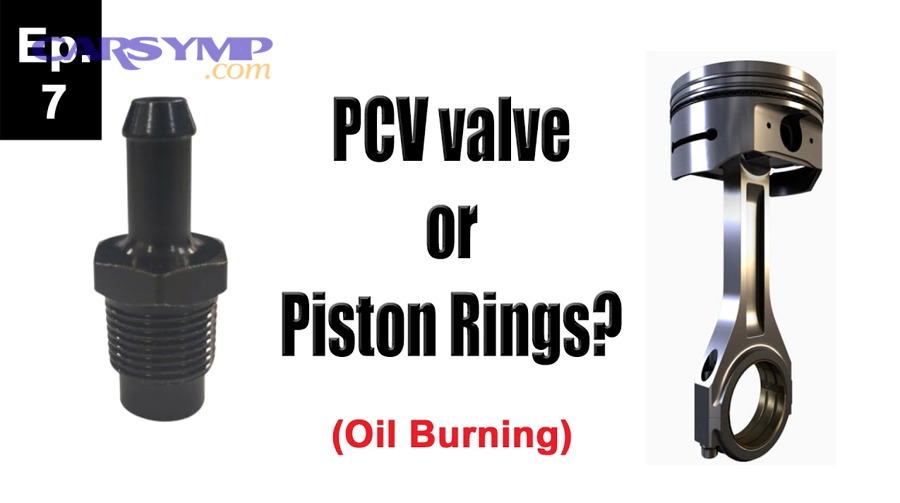
Is Your PCV a Fixed-Orifice, Integrated Valve-Cover PCV, or a Traditional Spring Valve?
There are 3 common PCV design types, grouped by how they meter airflow:
- Traditional spring-loaded PCV valve
- Replaceable part, often connected by a hose to the intake manifold.
- Failure often shows up as sticking open/closed and inconsistent metering.
- Fixed-orifice PCV (calibrated restriction)
- Uses a designed restriction instead of a moving valve.
- Problems often come from clogging or missing/replaced incorrect orifice pieces.
- Integrated valve-cover PCV with oil separation
- PCV metering and oil baffles live in the valve cover assembly.
- Symptoms may mimic “mysterious” oil consumption until the separator clogs or ruptures.
Why this matters: The right “PCV valve replacement” on one engine is the wrong fix on another if the system isn’t a serviceable valve.
Do Turbo Engines Have Extra PCV Failure Paths (Boost, Check Valves, Oil in Intercooler)?
Yes—turbo engines add extra failure paths because (1) boost introduces positive pressure that can force PCV valves shut, (2) check-valve behavior becomes critical, and (3) oil mist often accumulates in intercooler piping where it’s easy to over- or under-diagnose. (en.wikipedia.org)
Then, interpret turbo clues carefully:
- Some oil haze in charge piping can be normal; pooling is not.
- A failed check mechanism can allow boost pressure into the crankcase, worsening leaks.
- Poor drainage and high pressure can worsen oil control under load.
Can Cold Weather Condensation Freeze/Restrict PCV and Suddenly Increase Leaks?
Yes—cold weather can restrict PCV flow because (1) short trips create moisture, (2) condensation can form sludge-like emulsions, and (3) freezing temperatures can narrow already-small passages, raising crankcase pressure.
Next, consider this edge case if:
- Symptoms spike only in winter.
- You drive many short trips where the oil never fully warms.
- You find milky residue near ventilation lines or caps (not always, but often).
Prevention is simple: longer warm-up drives occasionally, correct oil spec, and keeping the ventilation path clean.
Is an Oil Catch Can a Fix, a Band-Aid, or a Diagnostic Tool?
A catch can is best as a diagnostic tool for excessive oil mist, a band-aid for designs with weak separation, and only a “fix” when it’s part of a properly engineered ventilation strategy—because it doesn’t automatically correct pressure control or metering.
Use it intelligently:
- If it fills quickly with oil, you’ve confirmed high carryover.
- If it stays mostly dry but you still consume oil, the cause may be elsewhere.
- If you install one but ignore a restricted PCV path, you can still build pressure and leak.
Evidence: According to a study led by University of Michigan School of Public Health researchers, in 2024, testing of in-cabin air on nearly 600 trips found clean air technologies—including closed crankcase ventilation—could produce up to 50% reductions in particle concentrations in that context. (pmc.ncbi.nlm.nih.gov)
Evidence (if any)
- According to a study by the Massachusetts Institute of Technology from the Department of Mechanical Engineering, in 2004, research identified blow-by-related pathways as a significant contributor to engine oil consumption under certain operating conditions. (dspace.mit.edu)
- According to a study led by University of Michigan School of Public Health researchers, in 2024, field testing referenced in their report associated clean air technologies— including closed crankcase ventilation— with up to 50% reductions in particle concentrations in that measured setting. (pmc.ncbi.nlm.nih.gov)