


Testing your PCV valve at home requires five straightforward methods: the shake test, finger suction test, oil cap paper test, hose pinch test, and airflow direction check, all of which can be performed without specialized tools to determine if your valve is functioning properly. These DIY diagnostic techniques help car owners identify a failing PCV valve by detecting issues like reduced suction, abnormal sounds, or improper airflow, potentially saving hundreds of dollars in unnecessary mechanic visits while preventing engine damage caused by crankcase pressure buildup.
Understanding what a PCV valve does and recognizing failure symptoms forms the foundation for effective home testing. A malfunctioning PCV valve creates observable signs including rough idle, excessive oil consumption, whistling noises, and check engine lights, all of which indicate the need for immediate testing to prevent costly engine repairs down the road.
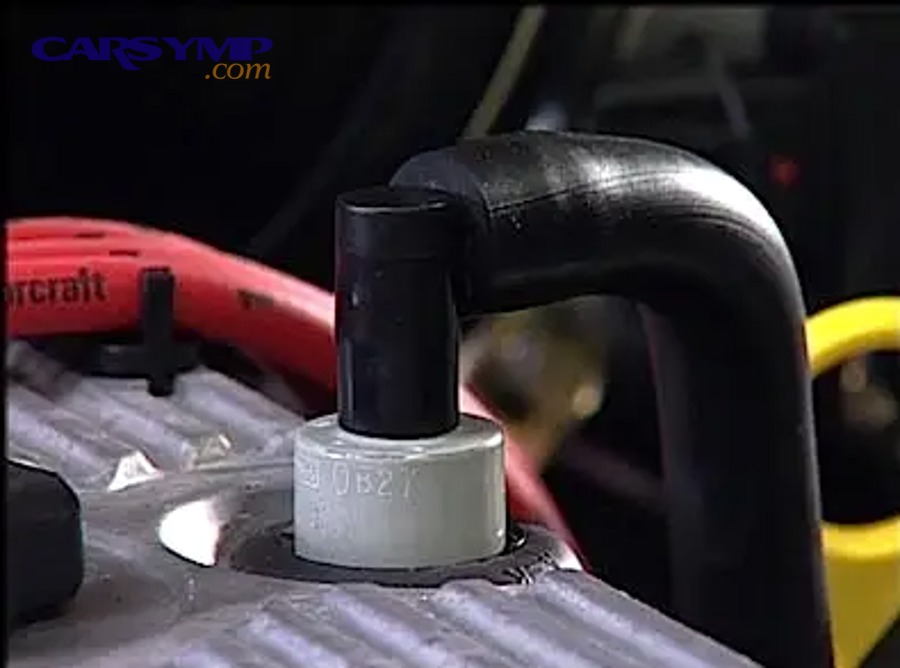
Locating your PCV valve correctly before beginning any test ensures accurate results and prevents wasted effort. Most vehicles position the valve on the valve cover or intake manifold, connected by rubber hoses that channel crankcase gases back into the combustion system, and accessing it typically requires minimal to no tools depending on your vehicle’s configuration.
Interpreting test results accurately separates working valves from failed ones, guiding your decision between simple cleaning procedures and full PCV valve replacement. Below, we’ll explore each testing method in detail, explain how to read your results, and help you determine the best course of action for maintaining a healthy PCV system.
What Is a PCV Valve and Why Does It Need Testing?
A PCV valve is a one-way check valve that regulates crankcase ventilation by controlling the flow of blow-by gases from the engine’s crankcase back into the intake manifold for re-combustion. Testing this component becomes necessary because accumulated sludge, carbon deposits, or mechanical wear can cause the valve to stick open, stick closed, or become completely clogged, leading to increased crankcase pressure that forces oil past gaskets and seals.
To better understand why regular testing matters, we need to examine how this small but critical component functions within your engine’s ventilation system.
How Does a PCV Valve Work in Your Engine?
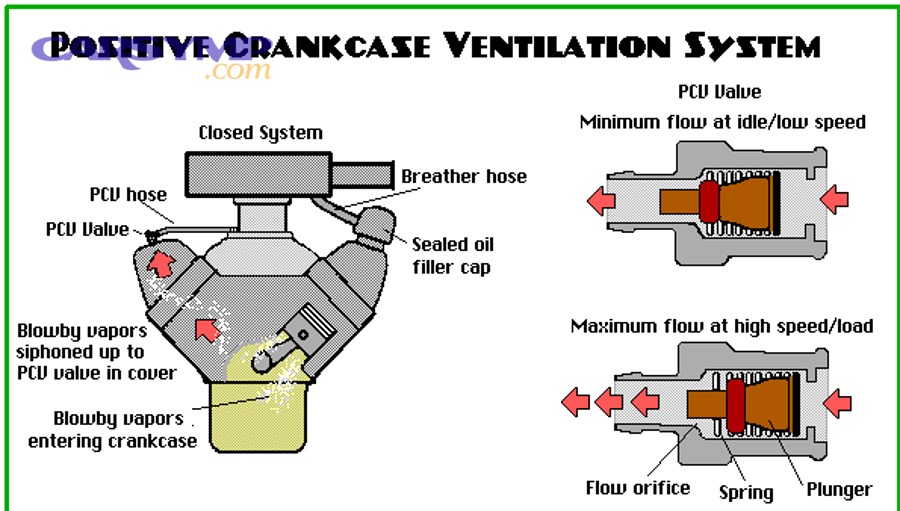
The PCV valve operates through a spring-loaded mechanism that responds to intake manifold vacuum pressure. When your engine idles, high manifold vacuum pulls the valve’s internal plunger or ball partially open, allowing a controlled amount of crankcase gases to flow into the intake system. During acceleration or high-load conditions when manifold vacuum decreases, the spring pushes the valve more open to accommodate increased blow-by gases generated by higher combustion pressures.
This ventilation system addresses a fundamental engineering challenge in internal combustion engines. As pistons move up and down within cylinders, small amounts of combustion gases inevitably escape past the piston rings into the crankcase—a phenomenon called blow-by. Without proper ventilation, these gases would increase crankcase pressure, forcing engine oil out through gaskets, seals, and the dipstick tube while also contaminating the oil with acidic combustion byproducts and moisture.
The valve’s one-way design prevents backflow during certain operating conditions. When the engine experiences a backfire or deceleration, the sudden pressure spike in the intake manifold could force air backward into the crankcase if not for the PCV valve’s check mechanism. This protective function preserves the delicate pressure balance within the crankcase while routing harmful blow-by gases back through the combustion process where they’re burned rather than released into the atmosphere.
What Happens When a PCV Valve Fails?
PCV valve failure manifests in three primary modes, each creating distinct problems for your engine. A valve stuck in the closed position blocks crankcase ventilation entirely, causing pressure to build rapidly until oil is forced past every available seal and gasket. You’ll notice oil leaks around the valve cover gasket, oil pan gasket, rear main seal, and even oil seeping from the dipstick tube or breather cap.
A valve stuck in the open position creates an unmetered vacuum leak that disrupts the air-fuel mixture. Your engine computer detects more air entering than expected through the mass airflow sensor readings, leading to a lean fuel condition, rough idle, hesitation during acceleration, and potential misfires. The check engine light illuminates with diagnostic codes related to fuel trim corrections or intake air system leaks.
A partially clogged valve represents the most common failure mode, restricting but not completely blocking airflow. This condition produces symptoms that progressively worsen: gradually increasing oil consumption as crankcase pressure pushes oil past valve stem seals, oil residue accumulating in the intake manifold and throttle body, reduced fuel economy from incomplete combustion of blow-by gases, and a characteristic whistling or hissing sound as gases struggle to pass through the restricted valve opening. Preventing sludge with a healthy PCV system depends on catching these early warning signs before complete failure occurs.
What Are the Signs That Your PCV Valve Needs Testing?
The primary signs indicating your PCV valve needs testing include rough or erratic idle, increased engine oil consumption between changes, oil leaks from multiple gaskets, a whistling or hissing sound from the engine bay, and an illuminated check engine light with specific diagnostic codes. These symptoms often appear gradually rather than suddenly, making them easy to dismiss until they become severe enough to affect daily driving.
Recognizing these warning signs early allows you to test and address PCV valve problems before they cause expensive secondary damage to engine components.
Can a Bad PCV Valve Cause a Check Engine Light?
Yes, a bad PCV valve can trigger a check engine light by creating vacuum leaks, disrupting fuel trim, or causing abnormal airflow readings that generate diagnostic trouble codes P0106, P0171, P0172, P0174, P2279, and related lean/rich fuel mixture codes. The engine control module monitors various sensors including the manifold absolute pressure (MAP) sensor, mass airflow (MAF) sensor, and oxygen sensors to maintain optimal air-fuel ratios, and a malfunctioning PCV valve interferes with these carefully calibrated readings.
When the PCV valve sticks open, it creates an unmetered air leak into the intake manifold. The MAF sensor measures incoming air at the air filter housing, but additional air enters through the PCV system downstream of this measurement point. The engine computer sees less fuel being burned than expected based on oxygen sensor feedback, interprets this as a lean condition, and attempts to compensate by adding more fuel. If the correction exceeds programmed limits, the system stores a fault code and illuminates the check engine light.
Code P0106 specifically relates to manifold absolute pressure sensor performance issues, which can result from excessive vacuum fluctuations caused by a stuck-open PCV valve. Code P2279 indicates an intake air system leak, a category that includes PCV valve failures. Codes P0171 and P0174 report lean fuel conditions on bank 1 and bank 2 respectively, while P0172 indicates rich conditions that may occur if the valve is stuck closed and oil vapors contaminate the oxygen sensors.
Testing your PCV valve should be your first diagnostic step when encountering these codes, especially if you’ve already ruled out common causes like vacuum hose leaks, damaged air intake boots, or faulty sensors. Many car owners waste money replacing oxygen sensors or MAF sensors when a simple $15 PCV valve replacement would have resolved the issue.
What Does a Failing PCV Valve Sound Like?
A failing PCV valve produces a distinctive whistling or hissing sound that intensifies at idle and often changes pitch when you increase engine RPM. This noise originates from restricted airflow forcing gases through a partially clogged valve opening, similar to the sound created when you blow across the top of a bottle. The sound typically emanates from the valve cover area on the driver’s side or passenger side of the engine depending on your vehicle’s configuration.
Distinguishing PCV valve sounds from other engine noises requires careful listening. A PCV whistle remains relatively constant and doesn’t change with steering wheel movement, unlike power steering pump whine. It won’t exhibit the rhythmic ticking associated with valve train noise or the grinding characteristic of bearing problems. The whistle often becomes more pronounced during deceleration when manifold vacuum reaches its peak, pulling harder against a restricted valve.
Some failing PCV valves produce a rattling sound rather than a whistle when the internal components have broken loose but remain partially functional. This rattle differs from normal valve rattling because it continues at a consistent frequency regardless of engine speed, whereas the healthy shake-test rattle only occurs when you physically shake the disconnected valve.
You might also hear a sucking or slurping sound near the oil filler cap when the PCV system is working overtime to evacuate excessive crankcase pressure. If you hear oil gurgling or bubbling at the valve cover breather, this indicates serious crankcase pressure issues that demand immediate PCV system inspection. These audio clues provide valuable diagnostic information before you even begin formal testing procedures.
How Do You Locate Your PCV Valve Before Testing?
You locate your PCV valve by following the ventilation hoses from your engine’s valve cover to find a cylindrical component measuring 3-4 inches long and roughly thumb-sized in diameter, typically positioned either directly on the valve cover, in a nearby intake manifold port, or along the hose connecting these two points. Most vehicles use a rubber grommet installation that allows the valve to be pulled free by hand, though some engines employ threaded valves that require counterclockwise rotation for removal.
Successful location depends on understanding the common mounting configurations and identifying the characteristic hoses that mark the PCV system.
Where Is the PCV Valve Located on Most Cars?
The PCV valve on most four-cylinder and V6 engines mounts directly into a rubber grommet on the valve cover, connected by a vacuum hose that routes to the intake manifold or throttle body. Four-cylinder engines typically position the valve on the driver’s side of the valve cover toward the firewall, making it accessible from above without removing other components. V6 and V8 configurations often place the valve on the rear bank valve cover where it’s less visible but still reachable with basic hand tools.
Some vehicles integrate the PCV valve into the intake manifold itself rather than the valve cover. These configurations use a longer hose from the valve cover breather to the intake manifold where the PCV valve controls flow before gases enter the combustion system. BMW, some Volkswagen models, and certain European vehicles favor this design, which requires you to follow the large-diameter hose from the valve cover to locate the valve at its termination point.
Modern engines occasionally incorporate the PCV function into the valve cover itself as a non-serviceable integrated unit. These systems lack a traditional removable valve and instead use internal baffles, check valves, and oil separators molded into the valve cover assembly. Testing these systems requires different procedures since you cannot remove a discrete valve component, and PCV valve replacement labor time increases significantly because the entire valve cover must be replaced rather than a simple valve swap.
Crankcase ventilation systems always include a “fresh air” inlet, usually located on the opposite valve cover from the PCV valve or integrated into the air intake tube. This inlet allows clean filtered air to enter the crankcase, creating a flow path that sweeps blow-by gases toward the PCV valve outlet. Identifying both the PCV valve outlet and the fresh air inlet helps you understand the complete ventilation circuit before beginning your tests.
What Tools Do You Need to Access the PCV Valve?
Most PCV valve testing requires no tools whatsoever beyond your hands, making it one of the most accessible DIY diagnostic procedures for home mechanics. The typical grommet-mounted valve pulls free with moderate hand pressure once you disconnect the attached vacuum hose, which usually requires only a gentle twisting and pulling motion to release from its barbed connection. Your fingers serve as the primary testing instruments for the suction test, and your ears perform the shake test evaluation.
Threaded PCV valves may require a small adjustable wrench, combination wrench, or pliers to grip the valve body while turning counterclockwise. Some valves feature a hex-shaped base designed to accept a 19mm, 22mm, or 24mm wrench, depending on the manufacturer. If the valve has been in place for many years, corrosion and heat cycling may make it difficult to unscrew, requiring penetrating oil applied 15-30 minutes before attempted removal.
Certain vehicles bury the PCV valve beneath other components such as plastic engine covers, ignition coils, or intake manifold components. Accessing these valves might require a 10mm socket, socket extension, ratchet, and possibly a T25 or T30 Torx bit to remove decorative engine covers. Japanese vehicles often use 10mm bolts for engine covers while European vehicles prefer Torx fasteners or plastic clips that release with gentle prying.
Optional tools that improve the testing process include a flashlight or headlamp for visibility in dark engine bays, a piece of stiff paper or cardboard for the oil cap test, nitrile gloves to keep your hands clean from engine oil residue, and a small container to catch any oil that might drip when you remove the valve. A smartphone camera with video recording capability helps document any unusual sounds, oil leaks, or test results for later reference or when consulting with experienced mechanics online.
What Are the 5 Simple Methods to Test a PCV Valve at Home?
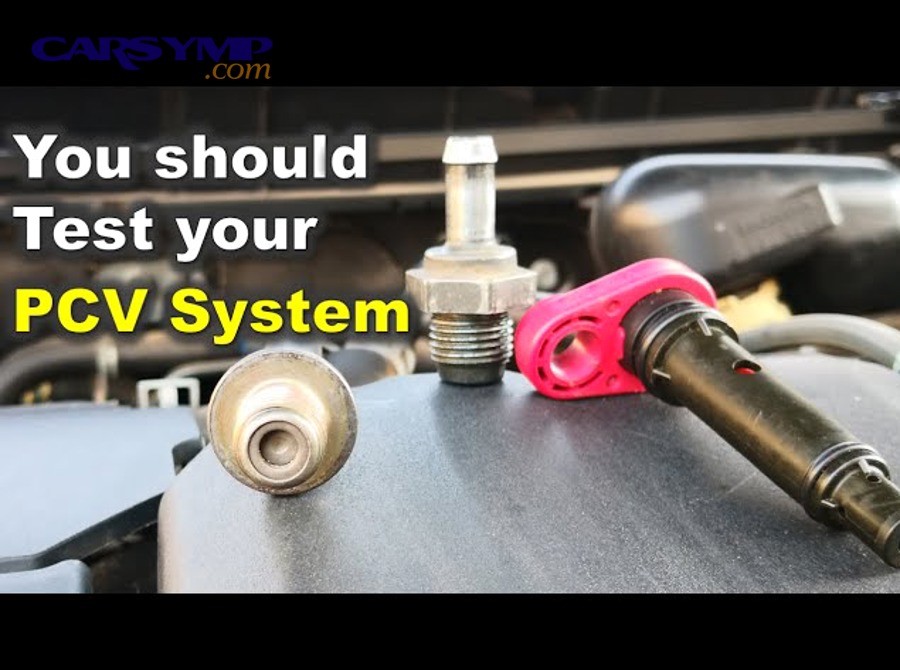
The five simple methods to test a PCV valve at home are the shake test (listening for a metallic rattle), the finger suction test (feeling vacuum pressure), the oil cap paper test (observing crankcase vacuum), the hose pinch test (monitoring RPM changes), and the airflow direction check (verifying one-way valve operation). Each method evaluates different aspects of PCV valve function, and using multiple tests together provides the most comprehensive assessment of valve condition without requiring diagnostic equipment.
Understanding the proper procedure for each test ensures accurate results that guide your maintenance decisions. Let’s examine each method in detail.
Method 1: How Do You Perform the Shake Test?
You perform the shake test by removing the PCV valve from its mounting location, holding it near your ear, and shaking it vigorously to listen for a sharp metallic rattling sound that indicates the internal check mechanism is free to move. A properly functioning valve produces a clear, crisp clicking or tinkling noise similar to shaking a small bell or whistle, caused by the spring-loaded plunger or ball bouncing against its seat inside the valve body.
The quality and character of the rattle tell you about the valve’s internal condition. A healthy valve creates a high-pitched, distinct “tink-tink-tink” sound with each shake because the internal components move freely without obstruction. The rattle should be immediate and responsive, starting the instant you begin shaking and stopping cleanly when you halt the motion. Multiple distinct clicks indicate the internal mechanism isn’t stuck or gummed up with carbon deposits.
A failing or clogged valve produces a dull “thunk” sound instead of a sharp rattle, or may produce no sound at all. This muted response indicates that carbon buildup, sludge, or varnish deposits have restricted the internal plunger or ball from moving freely. Some partially clogged valves produce an inconsistent rattle where you hear occasional clicks mixed with silence, suggesting the mechanism only moves intermittently through its range of motion.
The shake test has limitations as a standalone diagnostic tool. A valve can rattle properly yet still fail to regulate airflow correctly if the sealing surfaces have worn, the spring has weakened, or the valve body has cracked. Additionally, some modern PCV valves use disc or diaphragm designs rather than ball-and-spring mechanisms, and these may produce different sounds or no sound at all despite functioning correctly. Always combine the shake test with at least one other testing method for confident diagnosis.
Method 2: How Do You Test PCV Valve Suction With Your Finger?
You test PCV valve suction with your finger by warming the engine to operating temperature, removing the PCV valve from the valve cover while leaving it connected to its vacuum hose, then placing your finger firmly over the open valve port to feel for steady suction from the crankcase ventilation system. A properly functioning valve and healthy engine create noticeable vacuum that pulls your fingertip against the valve opening, similar to placing your finger over a running vacuum cleaner hose at reduced power.
Start this test with a fully warmed engine that has idled for at least 15-20 minutes to ensure all components have reached normal operating temperature. Pull the PCV valve straight out of its grommet or unscrew it from the valve cover, being careful not to disconnect the vacuum hose that leads to the intake manifold. Position yourself where you can safely reach the valve without touching hot engine components or moving belts.
Press your finger flatly and firmly over the valve cover port where the valve was previously installed. You should immediately feel suction pulling your finger downward into the opening. Simultaneously, you may notice the engine’s idle speed drop by approximately 40-80 RPM for a moment before the engine control module compensates by adjusting idle air control. This RPM dip confirms that the PCV system is drawing air and that blocking it temporarily affects the engine’s air-fuel mixture.
If you feel very strong suction and the engine RPM drops more than 100 RPM or the idle becomes rough, your PCV valve may be stuck in the wide-open position, allowing excessive crankcase vapors to enter the intake. This condition creates a vacuum leak that disturbs the air-fuel ratio. Conversely, if you feel no suction at all, either the PCV valve is completely clogged, the connecting hoses are blocked or disconnected, or you have excessive crankcase pressure from worn piston rings allowing too much blow-by.
Test the valve itself by placing your finger over the end that connects to the intake manifold vacuum hose while the engine runs. You should feel strong suction pulling your fingertip into the valve opening. If you feel suction at this end but not at the valve cover port, the valve is working but a blockage exists elsewhere in the system—check for clogged hoses, a restricted air intake tube, or a blocked valve cover breather.
Method 3: How Do You Perform the Oil Cap Paper Test?
You perform the oil cap paper test by warming your engine to operating temperature, removing the oil filler cap from the valve cover, placing a stiff piece of paper or light cardboard over the opening, and observing whether the paper is pulled firmly against the hole by crankcase vacuum within 1-2 seconds. This test evaluates the overall PCV system function by measuring whether adequate vacuum exists in the crankcase to draw the paper downward and hold it in place.
Select a piece of paper with appropriate stiffness—standard printer paper, an index card, or thin cardboard from a cereal box work well. The material needs enough rigidity to resist crumpling but not so much stiffness that normal crankcase vacuum can’t pull it flush against the oil filler opening. Cut the paper slightly larger than the filler hole opening, approximately 4-5 inches square, to ensure complete coverage.
With the engine at idle and fully warmed, carefully unscrew and remove the oil filler cap, taking care not to burn yourself on hot engine components. Immediately place the paper over the opening and release it. A properly functioning PCV system creates measurable vacuum in the crankcase that pulls the paper tight against the valve cover within one to two seconds. The paper should remain stuck to the opening as long as the engine runs, requiring gentle force to pull it free.
If the paper fails to stick or falls away immediately, your PCV system is not generating adequate crankcase vacuum. This result indicates either a completely clogged PCV valve, disconnected or crimped vacuum hoses, a stuck-closed valve, or excessive blow-by from worn piston rings overwhelming the PCV system’s capacity. In engines with severe ring wear, you might even see oil droplets or mist spraying upward from the oil filler hole rather than the expected downward suction.
Be aware that some engines with integrated PCV systems or specific ventilation designs may not show strong suction at the oil filler cap even when functioning correctly. Additionally, if your engine has a separate breather system or crankcase ventilation configuration with multiple outlets, the paper test may give inconclusive results. This method works best on traditional PCV systems with a single valve controlling crankcase ventilation and a fresh air inlet on the opposite side of the engine.
Method 4: How Do You Test PCV Valve by Pinching the Hose?
You test the PCV valve by pinching the hose connecting it to the intake manifold while the engine idles, then observing the immediate change in engine speed and smoothness to determine if the valve is regulating airflow properly. A healthy PCV system responds to hose pinching with a slight RPM drop of 40-80 RPM as you block the airflow, followed by stable idle once you release the hose.
Locate the vacuum hose running from the PCV valve to the intake manifold—this is typically a rubber hose ranging from 3/8 inch to 5/8 inch in diameter and 6-18 inches in length depending on your engine configuration. With the engine warmed to operating temperature and idling, use your fingers to squeeze the hose completely flat about halfway along its length, or use a pair of hose pinch pliers if you prefer not to risk burning your fingers near hot engine components.
When you pinch off the hose, you’re temporarily blocking the flow of crankcase gases into the intake manifold. A properly functioning system responds with a minor RPM decrease and possibly a slight roughening of the idle quality because you’ve removed a small source of combustible vapors from the air-fuel mixture. Release the hose and the idle should return to normal within 1-2 seconds as airflow resumes through the PCV valve.
If pinching the hose causes the idle speed to increase or the engine to run noticeably smoother, your PCV valve is likely stuck in the wide-open position. In this failure mode, excessive crankcase vapors constantly dilute the incoming air-fuel mixture, creating a rich condition or unstable combustion. When you block this flow, you actually improve the mixture quality and the engine responds positively.
An engine that shows no response whatsoever to hose pinching suggests either a completely clogged PCV valve that was already passing no flow, or a PCV system that’s so overwhelmed by excessive blow-by from worn rings that the valve’s contribution is negligible compared to total crankcase pressure. In severely worn engines, you might even hear a hissing sound as pressure escapes past the pinched section of hose, indicating that crankcase pressure exceeds atmospheric pressure—an abnormal condition requiring engine repairs beyond simple PCV valve replacement.
Method 5: How Do You Check for PCV Valve Airflow Direction?
You check for PCV valve airflow direction by removing the valve completely from the engine, holding it upright, and attempting to blow air through it from the intake manifold end while observing that little to no air should pass through in this reverse direction. This test verifies the one-way check valve function that prevents intake manifold pressure from back-flowing into the crankcase during certain operating conditions like deceleration or backfire events.
Remove the PCV valve from both its mounting location and the connecting vacuum hose. Hold the valve with the end that normally inserts into the valve cover pointing upward and the end that connects to the intake manifold vacuum hose pointing downward toward the ground. Take a deep breath and blow forcefully into the intake manifold end (the lower end in this orientation).
A properly functioning PCV valve allows no airflow or only minimal leakage when you blow into the reverse direction. The internal check mechanism—whether a spring-loaded ball, plunger, or disc—should seat firmly against its stop, blocking your exhaled breath from passing through the valve. You might feel resistance building up in your cheeks as pressure accumulates but cannot escape through the valve body.
Now reverse your test orientation. Hold the valve with the intake manifold end pointing upward and the valve cover end pointing downward. Blow into the valve cover end and you should feel air passing through relatively freely, though some restriction is normal depending on the valve’s design and the strength of its internal spring. The air should flow in this direction—from crankcase to intake manifold—which represents the normal operating flow path during engine operation.
If air passes easily in both directions, the PCV valve is stuck open or has lost its check valve function. This failure allows intake manifold pulses to transmit back into the crankcase, potentially creating pressure spikes that force oil past gaskets and seals. If air won’t pass in either direction, the valve is completely clogged with carbon deposits and requires replacement or thorough cleaning with carburetor cleaner solvent.
Some modern PCV valves incorporate complex internal geometries, multiple chambers, or electronically controlled solenoids that make traditional blow-through testing unreliable. Consult your vehicle’s service manual if you’re uncertain whether your particular PCV design should allow blow-through in one direction or if it uses a different operating principle.
How Do You Interpret PCV Valve Test Results?
You interpret PCV valve test results by comparing your observations against expected values: a working valve rattles crisply when shaken, creates noticeable finger suction, pulls paper against the oil cap opening, causes a 40-80 RPM drop when its hose is pinched, and blocks airflow in the reverse direction while allowing forward flow. Any significant deviation from these benchmarks indicates valve malfunction requiring either cleaning or replacement depending on the severity and nature of the failure.
Understanding what constitutes passing versus failing results for each test method helps you make confident decisions about your next steps.
What Test Results Mean Your PCV Valve Is Working Properly?
Test results indicating a properly working PCV valve include a sharp metallic rattle during the shake test, moderate steady suction you can feel with your finger, paper held firmly against the oil filler opening, a small RPM dip (40-80 RPM) when pinching the vacuum hose, and one-way airflow that blocks reverse flow while allowing forward flow. These combined indicators confirm that the valve’s internal mechanism moves freely, creates appropriate vacuum in the crankcase, and regulates pressure effectively throughout various engine operating conditions.
The shake test passes when you hear 3-5 distinct metallic clicks or rattles each time you shake the valve vigorously. The sound should be crisp, immediate, and consistent with each shake. This confirms the internal plunger or ball moves freely without sticking to carbon deposits or sludge buildup.
Finger suction test success means you feel definite pulling force against your fingertip when covering either the valve cover port or the valve itself. The suction should be continuous and steady, not intermittent or pulsing. If you can hold your finger over the opening for 10-15 seconds without the suction weakening, the valve maintains proper sealing and regulation.
The oil cap paper test passes when paper or cardboard adheres to the filler opening within 1-2 seconds and remains stuck until you physically remove it. The paper shouldn’t flutter or show signs of positive pressure escaping from the valve cover, which would indicate excessive blow-by from worn piston rings overwhelming the PCV system capacity.
A passing hose pinch test shows RPM dropping by 40-80 revolutions per minute when you compress the vacuum hose, with the engine returning to stable idle within 1-2 seconds of releasing the hose. The idle shouldn’t become rough or unstable, and the engine shouldn’t stall. This moderate response confirms the PCV valve is contributing appropriate flow without creating a massive vacuum leak.
Your airflow direction check passes if you cannot easily blow air backward through the valve (from intake manifold end toward valve cover end) but can blow through with some resistance in the forward direction (from valve cover end toward intake manifold end). Some resistance in the forward direction is normal and desirable—complete free-flow would indicate a stuck-open valve.
When all five tests yield passing results, your PCV valve is functioning correctly and requires no immediate action. Consider re-testing in 6-12 months or at your next oil change interval as preventive maintenance, especially if your engine has accumulated over 75,000 miles or if you’ve noticed any slight increase in oil consumption.
What Test Results Indicate You Need a New PCV Valve?
Test results indicating you need a new PCV valve include no rattle or dull thunking during shaking, absence of suction at the finger test, paper blowing away from or showing no movement at the oil cap, excessive RPM drop (more than 100 RPM) or improvement in idle quality when pinching the hose, and air flowing freely in both directions through the valve. These failure indicators suggest internal valve damage, carbon accumulation, or spring failure that prevents proper pressure regulation.
The shake test fails definitively when you hear no sound at all or only a single heavy “thunk” rather than multiple crisp rattles. Complete silence indicates the internal mechanism has seized in place due to carbon buildup, while a single thud suggests the component is broken free inside the valve body but too contaminated to move through its full range of motion. Neither condition allows the valve to regulate pressure properly.
Finger suction test failure appears as weak, intermittent, or completely absent vacuum at either test point. If you feel no suction whatsoever when covering the valve cover port with the PCV valve removed, the valve is stuck closed, the connecting hoses are blocked, or excessive blow-by has overwhelmed the system. If you feel suction at the intake manifold end of the valve but not at the valve cover port, the valve itself is clogged internally.
The oil cap paper test fails critically if the paper blows away from the opening or if you see oil mist, droplets, or smoke emerging from the filler hole. These symptoms indicate positive crankcase pressure rather than the normal negative pressure (vacuum) that should exist in a healthy engine. While severely worn piston rings can cause this condition independent of PCV valve function, a stuck-closed valve will also produce this result in an otherwise healthy engine.
Hose pinch test failure manifests as either no RPM change at all (indicating zero flow through a clogged valve) or a dramatic RPM drop exceeding 100 RPM combined with rough running (indicating the valve is stuck wide open and flowing excessively). Even more telling is when the engine idles smoother and faster when you pinch the hose—this proves the PCV valve is allowing so much flow that it’s actually degrading engine performance, creating a large vacuum leak that disturbs the air-fuel mixture.
The airflow direction test fails if air passes easily in both directions through the valve or in neither direction. Free flow both ways means the check valve has failed and can no longer prevent backflow, while complete blockage both ways indicates total carbon clogging. Either failure mode requires valve replacement.
If you encounter any two of these five failure indicators, replacement is strongly recommended. If three or more tests fail, PCV valve replacement is mandatory to prevent engine damage. A valve showing marginal results—perhaps a weak but present rattle, slight suction, or partial paper adhesion—might benefit from cleaning attempts using carburetor cleaner, but replacement remains the more reliable long-term solution given the low cost of most PCV valves ($10-$40 for the part).

Should You Clean or Replace a Failed PCV Valve?
You should replace a failed PCV valve rather than clean it in most cases because replacement costs only $10-$40 for the part plus 10-30 minutes of labor, while cleaning provides unreliable results that may last only a few weeks before deposits re-accumulate. Cleaning makes sense only for valves showing marginal performance with light carbon buildup when you lack immediate access to replacement parts, but replacement guarantees proper function and eliminates the testing uncertainty associated with cleaned valves.
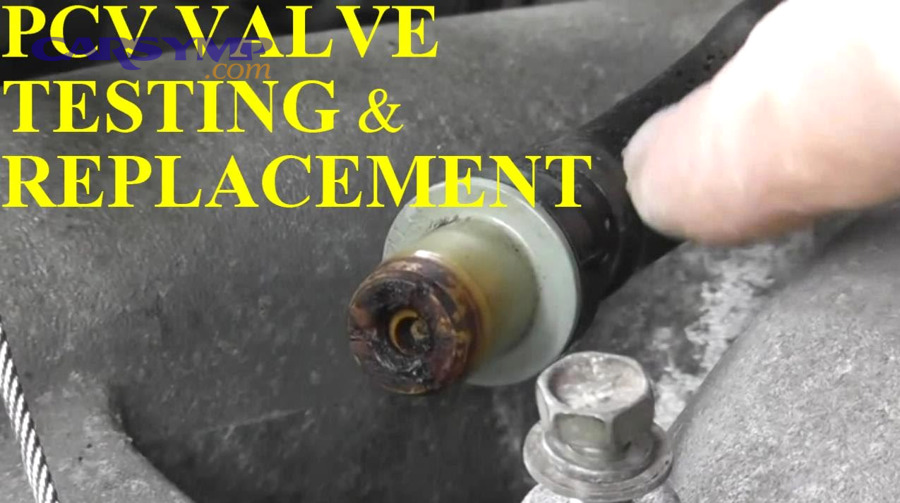
The decision between cleaning and replacement depends on the severity of contamination, the valve’s cost and availability, and your confidence in restoration versus guaranteed performance.
How Do You Clean a Clogged PCV Valve?
You clean a clogged PCV valve by soaking it in carburetor cleaner or lacquer thinner for 10-15 minutes, agitating it periodically to dislodge carbon deposits, then rinsing with water and allowing it to dry completely before re-testing with the shake test. This process dissolves varnish, sludge, and light carbon accumulation that restricts the internal plunger or ball movement, potentially restoring function to a valve that previously failed testing.
Begin by removing the PCV valve completely from both the valve cover and its connecting vacuum hose. Place the valve in a small container such as a glass jar, metal can, or disposable plastic cup. Pour in enough carburetor cleaner to fully submerge the valve—typically 4-6 ounces of fluid suffices for a single valve. Carburetor cleaner works best because its aggressive solvents specifically target the petroleum-based deposits and carbon accumulations found inside PCV valves.
Allow the valve to soak undisturbed for the first 5 minutes as the solvent begins penetrating the deposits. After this initial soak, shake the container vigorously for 10-15 seconds to create agitation that helps dislodge loosened particles. Return the valve to its bath and let it soak another 5-10 minutes. For heavily contaminated valves, extend the total soak time to 20-30 minutes with periodic agitation every 5 minutes.
Remove the valve from the solvent and shake it vigorously to hear if the internal mechanism has freed up. A successful cleaning produces the characteristic metallic rattle that was previously absent or muffled. If you still hear dull thuds or silence, return the valve to the solvent for an additional 10-minute soak, or use a small brush—an old toothbrush or pipe cleaner works well—to mechanically scrub the valve’s external ports and any accessible internal areas.
Rinse the cleaned valve thoroughly with water to remove all solvent residue, which could damage rubber components or contaminate engine oil if left on the valve. Tap water works perfectly fine for this purpose. Shake excess water from the valve, then allow it to air-dry for at least 2-3 hours, or accelerate drying using compressed air if available. The valve must be completely dry before reinstallation to prevent water from entering the crankcase.
Re-test the cleaned valve using the shake test and airflow direction test before reinstalling it. If these tests now pass, the valve may function adequately, though you should monitor oil consumption and engine performance closely over the next few hundred miles. If tests still fail after thorough cleaning, the valve has sustained permanent damage from corrosion, spring fatigue, or physical wear that cleaning cannot address—proceed to replacement.
How Do You Replace a PCV Valve at Home?
You replace a PCV valve at home by first ensuring the engine has cooled sufficiently to prevent burns, removing the old valve by pulling it from its grommet or unscrewing it from the valve cover, installing the new valve with its fresh grommet if supplied, reconnecting the vacuum hose, and starting the engine to verify no leaks exist in the system. The entire PCV valve replacement labor time typically requires 10-30 minutes depending on valve accessibility and whether you need to remove engine covers or other components blocking access.
Before starting, verify you’ve purchased the correct replacement valve for your vehicle’s specific year, make, model, and engine size. PCV valves are not universal—each design includes specific internal springs and orifice sizes calibrated for your engine’s displacement and airflow characteristics. Using an incorrect valve can cause rough idle, poor fuel economy, or inadequate crankcase ventilation.
Allow the engine to cool for at least 30-45 minutes after operation to prevent burns from hot valve covers, hoses, or nearby exhaust components. While waiting, gather your new PCV valve, replacement vacuum hose if the original shows cracks or deterioration, new hose clamps if needed, and your basic tools.
Locate the PCV valve and disconnect its vacuum hose by grasping the hose close to where it connects to the valve, then twisting and pulling gently to release it from the barbed fitting. If the hose has become brittle or stuck, you may need to cut it free with a utility knife and plan to install a new hose section. Inspect the removed hose for cracks, splits, soft spots, or oil saturation—any of these conditions require hose replacement to maintain proper PCV system function.
For grommet-mounted valves, grasp the valve body firmly and pull straight upward with steady pressure. The valve should release from the rubber grommet with moderate force. If the valve spins but won’t pull free, it may be threaded—try rotating counterclockwise while pulling. Extremely stuck valves may require gentle rocking side-to-side while pulling, but avoid excessive force that could tear the grommet or damage the valve cover.
For threaded valves, use an appropriately sized wrench on the valve’s hex fitting and turn counterclockwise to unscrew. If the valve has been in place for many years, corrosion may make removal difficult. Apply penetrating oil around the threads and wait 15-30 minutes before attempting removal. Use smooth, steady pressure rather than jerky motions to avoid stripping the threads or breaking the valve off in the valve cover.
Inspect the valve cover grommet after removing the old valve. The grommet should be pliable, not brittle or cracked, and should return to its original shape rather than remaining deformed. If the grommet shows deterioration, replace it by prying it out of the valve cover with a small screwdriver and pressing the new grommet into place. Some replacement PCV valves include a new grommet; others require separate purchase.
Install the new PCV valve by reversing the removal process. For grommet-mounted valves, align the valve with the opening and push firmly straight downward until you feel the grommet seat fully around the valve body. The valve should sit flush and stable, not wobbling or sitting crooked. For threaded valves, start the threads by hand to prevent cross-threading, then tighten with a wrench until snug—avoid overtightening which can strip aluminum threads in the valve cover.
Reconnect the vacuum hose to the new valve, ensuring it seats completely over the barbed fitting. If using a new hose section, route it to match the original path, avoiding contact with hot exhaust manifolds or moving accessory belts. Install hose clamps on both ends if they weren’t present originally, or if the hose fits loosely on either the valve or intake manifold connection.
Start the engine and allow it to idle while you inspect all connections for vacuum leaks. Listen for hissing sounds near the valve, feel for suction at hose connections by running your hand nearby (without touching hot components), and verify that idle quality is smooth and stable. A properly installed PCV valve should produce no noticeable change in engine operation compared to before replacement.
Perform a final verification by conducting the finger suction test and paper test to confirm the new valve is functioning correctly. This baseline testing ensures the replacement solved your original problem and provides reference points for future diagnostic work.
What Are Common Mistakes When Testing a PCV Valve at Home?
Common mistakes when testing a PCV valve at home include performing tests on a cold engine, relying on a single test method instead of multiple verification tests, ignoring the condition of hoses and grommets, and misinterpreting normal operating sounds as failure symptoms. These errors lead to incorrect diagnoses that waste time and money on unnecessary replacements or, worse, overlook actual problems until they cause expensive engine damage.
Avoiding these testing pitfalls ensures you obtain accurate diagnostic information and make correct repair decisions.
Can You Test a PCV Valve on a Cold Engine?
No, you cannot accurately test a PCV valve on a cold engine because crankcase pressure, oil viscosity, and engine vacuum all differ significantly from normal operating conditions, producing misleading test results that don’t reflect how the valve performs during actual driving. Testing requires a fully warmed engine that has reached normal operating temperature—typically 15-20 minutes of running time—to establish the correct thermal expansion, oil flow characteristics, and combustion conditions that affect PCV system operation.
Cold engine testing produces multiple false-negative results. When engine oil remains cold and thick, it flows slowly through the PCV system passages, potentially blocking narrow orifices and giving the appearance of a clogged valve when the valve itself is actually fine. Cold metal components haven’t expanded to their proper operating dimensions, potentially creating air gaps or seal issues that disappear once everything warms up.
Manifold vacuum also differs between cold and warm operation. Modern engines use variable valve timing, intake runner controls, and other technologies that modify vacuum characteristics as the engine computer adjusts calibration from cold-start enrichment to normal closed-loop operation. The PCV valve responds to these vacuum changes, so testing during warm-up may show erratic results that don’t represent actual in-service performance.
Crankcase pressure varies dramatically based on temperature. As engine oil warms, it becomes less viscous and more prone to vaporization, increasing the volume of oil vapors the PCV system must evacuate. A valve that seems to work adequately when cold may prove completely inadequate once normal operating temperatures generate higher vapor loads.
Always allow your engine to idle for a minimum of 15 minutes before beginning PCV valve tests. In cold weather or with engines using thick oil, extend warm-up time to 20-25 minutes to ensure all components have reached stable operating temperature. Check that the temperature gauge reads normal operating range—typically the halfway point or slightly lower depending on your vehicle’s cooling system efficiency.
What If Different Test Methods Give Conflicting Results?
If different test methods give conflicting results, prioritize the finger suction test and hose pinch test as the most reliable indicators of actual PCV valve function during engine operation, then investigate whether contaminated hoses, blocked passages, or excessive blow-by from worn rings are creating symptoms that mimic valve failure. Conflicting results often indicate system-wide problems rather than isolated valve failure, requiring you to examine all PCV system components rather than simply replacing the valve.
Conflicting test results typically appear as combinations like a valve that rattles properly during shake testing but shows no suction during finger testing, or a valve that demonstrates good suction but fails the paper test at the oil cap. These contradictions reveal that multiple factors are affecting PCV system performance simultaneously.
A valve showing good shake test results but poor suction indicates the internal mechanism moves freely but hoses may be disconnected, crimped, or blocked with deposits. Trace the entire hose path from valve cover to intake manifold, feeling for soft spots, cracks, or collapsed sections. Remove hoses completely and inspect their inner surfaces for sludge buildup that restricts airflow despite appearing intact externally.
When suction tests pass but the oil cap paper test fails, suspect excessive blow-by from worn piston rings or cylinder walls overwhelming an otherwise functional PCV valve. The valve can’t create crankcase vacuum if blow-by generates more pressure than the valve can evacuate. Perform a compression test or leak-down test to evaluate ring and cylinder condition before condemning the PCV valve.
A valve that shows strong suction but causes excessive RPM drop when its hose is pinched is stuck partially open, flowing more than normal idle conditions require. This creates a vacuum leak that affects air-fuel mixture. The valve physically works but doesn’t regulate properly—replacement is necessary even though some tests seem to pass.
Resolve conflicts by testing in this order: (1) perform finger suction test first to verify basic airflow, (2) conduct hose pinch test to evaluate flow regulation, (3) execute shake test to confirm internal mechanism freedom, (4) attempt paper test to assess overall system vacuum, (5) check airflow direction to verify check valve function. This sequence moves from dynamic operational tests to static mechanical tests, building a complete picture of valve condition.
If three or more tests agree on failure while one or two suggest passing, trust the majority conclusion. A single passing test amid multiple failures usually indicates that particular test was performed incorrectly or that specific test doesn’t apply to your valve design.
Should You Test the Entire PCV System or Just the Valve?
You should test the entire PCV system including hoses, grommets, connections, and the fresh air inlet in addition to the valve itself because system-wide problems produce symptoms identical to valve failure, and replacing a good valve won’t fix issues caused by collapsed hoses or clogged intake passages. Comprehensive system testing takes only 5-10 minutes longer than valve-only testing but prevents the frustration of replacing a valve only to discover the actual problem was a $5 deteriorated hose.
The PCV system functions as an integrated circuit where problems anywhere in the flow path produce similar symptoms. A perfectly good valve can’t create proper crankcase vacuum if the intake manifold connection has separated, the fresh air inlet is clogged with debris, or the hose has collapsed internally from heat damage.
Begin system testing by visually inspecting all rubber hoses for cracks, splits, or soft deteriorated sections. Squeeze hoses gently—they should feel firm and resilient, not spongy or brittle. Look for oil saturation that makes hoses feel slippery and appear darkened, indicating internal degradation. Check hose routing to ensure none contact hot exhaust manifolds or sharp metal edges that could wear through the rubber.
Inspect all connection points where hoses attach to the PCV valve, valve cover, intake manifold, and air intake tube. These connections should be tight with no gaps visible between hose and fitting. Loose connections allow unmetered air to enter the intake system, creating the same lean fuel conditions and rough idle associated with a stuck-open PCV valve.
Examine the valve cover grommet that holds the PCV valve in place. This rubber grommet should be pliable and conform tightly around the valve body. Deteriorated grommets become hard, cracked, or permanently deformed, allowing air to leak past the valve installation point. Pull gently on the installed valve—it should resist removal, not slip loosely in its grommet.
Check the fresh air inlet on the opposite end of the PCV system, usually located in the air intake tube, on the other valve cover, or integrated into a breather cap. This inlet should be clean and unobstructed. Remove and inspect any breather filters for oil saturation or clogging. A blocked fresh air inlet prevents clean air from entering the crankcase to sweep blow-by gases toward the PCV valve outlet.
Perform a smoke test if you have access to an automotive smoke machine. Introducing smoke into the PCV system while the engine is off reveals leaks at connections, cracks in hoses, or deteriorated grommets that aren’t visible during normal inspection. Smoke escaping anywhere except the PCV valve outlet into the intake manifold indicates repair needs.
Testing reveals that approximately 40% of suspected PCV valve failures actually result from deteriorated hoses or loose connections rather than the valve itself. Spending an extra few minutes on system-wide inspection can save the cost and effort of unnecessary valve replacement while ensuring you address the actual root cause.
How Often Should You Test Your PCV Valve as Preventive Maintenance?
You should test your PCV valve every 30,000-50,000 miles as preventive maintenance, or annually if you drive fewer miles, to catch early signs of clogging before they progress to complete failure that damages engine seals and gaskets. More frequent testing at 15,000-20,000 mile intervals is advisable for vehicles operating in severe service conditions including extensive idling, short trips, dusty environments, or extended oil change intervals that accelerate carbon buildup.
Most vehicle manufacturers recommend PCV valve replacement every 30,000-60,000 miles depending on the specific engine design and operating conditions. However, many car owners and quick-lube shops overlook this maintenance item because it doesn’t appear on the highly-visible service stickers placed on windshields. Testing before the recommended replacement interval allows you to determine if your valve is actually deteriorating or if it remains functional despite high mileage.
Incorporate PCV valve testing into your regular oil change routine. Since both services involve opening the hood and accessing the valve cover area, testing adds minimal time to your maintenance session. This twice-yearly or quarterly cadence (depending on your oil change schedule) ensures you catch problems early before they manifest as oil leaks or rough idle.
Engines using conventional oil rather than synthetic typically require more frequent PCV testing because conventional oil creates more deposits and sludge as it oxidizes. If you’ve extended oil change intervals to 7,500-10,000 miles using full synthetic, consider testing the PCV valve at the midpoint between oil changes to verify it’s handling the longer service interval without excessive buildup.
Severe service conditions dramatically accelerate PCV valve contamination. These conditions include frequent short trips where engines don’t fully warm up, extended idling such as police vehicles or delivery trucks, driving in dusty or dirty environments that introduce more contaminants through the air filter, operating in extreme cold where condensation accumulates in the crankcase, and high-mileage engines with worn rings producing excessive blow-by.
Track your testing results in a maintenance log, noting the date, mileage, and which tests the valve passed or failed. This historical data helps you identify degradation trends. A valve that shows strong rattle and suction at 50,000 miles but weak rattle and moderate suction at 75,000 miles is telling you it’s approaching end-of-life and should be scheduled for replacement soon, even though it hasn’t completely failed yet.
Vehicles showing any symptoms of PCV problems—increased oil consumption, rough idle, oil leaks, or check engine codes related to fuel trim or intake leaks—should be tested immediately regardless of mileage since last testing. Don’t wait for the next scheduled maintenance interval if symptoms appear.
By establishing a regular PCV valve testing schedule, you transform this reactive repair (fixing it after it fails) into predictive maintenance (replacing it before failure), avoiding the inconvenience of breakdowns and the expense of secondary damage to engine components caused by prolonged operation with a failed valve.
Testing your PCV valve at home empowers you to diagnose and maintain this critical emissions control component without expensive mechanic visits. The five simple methods—shake test, finger suction test, paper test, hose pinch test, and airflow direction check—provide comprehensive evaluation using nothing more than your hands and basic household items. By performing these tests every 30,000-50,000 miles and interpreting results correctly, you’ll catch PCV valve problems early, prevent oil leaks and engine damage, and make informed decisions about whether cleaning or replacement best serves your vehicle’s needs. Remember that testing the complete PCV system rather than just the valve itself ensures you identify all potential problems, and always test on a fully warmed engine for accurate results that reflect real-world operating conditions.