


Idle relearn checks are essential diagnostic procedures that reset your vehicle’s engine control unit (ECU) to reestablish proper idle speed parameters after specific maintenance activities or system resets. Performing an idle relearn becomes necessary whenever you disconnect the battery, clean or replace the throttle body, update the engine control module software, or experience symptoms like rough idling, high RPM at standstill, or engine stalling. This procedure allows the ECU to recalibrate its understanding of the throttle body’s position and airflow requirements, restoring smooth engine operation and preventing drivability issues that commonly occur after losing stored adaptive memory values.
Understanding when to perform idle relearn checks helps you avoid unnecessary visits to the mechanic and saves both time and money on diagnostic fees. The most common situations requiring this procedure include battery replacement or disconnection, throttle body cleaning, ECU or PCM replacement, and software tune installations. Each scenario causes the engine control module to lose its learned idle parameters, resulting in the computer operating with default factory settings that may not match your vehicle’s current condition or driving environment.
Different vehicle manufacturers employ distinct idle relearn procedures, ranging from simple manual methods requiring only ignition key cycling to complex sequences involving specific accelerator pedal presses, temperature requirements, and diagnostic scan tools. Nissan vehicles typically require a detailed accelerator pedal released position learning sequence, while Ford models often use a simplified battery disconnect method followed by a drive cycle. Honda and Acura vehicles need the engine held at 3,000 RPM until the radiator fan cycles, whereas GM products with drive-by-wire throttle systems require extended highway driving with multiple decelerations.
Successful idle relearn verification involves checking for stable idle speed within manufacturer specifications (typically 600-800 RPM), absence of fluctuation or surging, smooth operation when engaging accessories like air conditioning, and no check engine light codes related to idle control. Below, we’ll explore the complete process of identifying when you need an idle relearn, understanding the underlying systems, executing manufacturer-specific procedures, and troubleshooting common problems that prevent successful relearn completion.
What Is an Idle Relearn Check and Why Is It Necessary?
An idle relearn check is a calibration procedure that allows your vehicle’s engine control unit (ECU) or powertrain control module (PCM) to reestablish baseline idle speed parameters after the system loses its adaptive memory, typically resulting from battery disconnection, throttle body maintenance, or ECU replacement. This process is necessary because modern vehicles use electronic throttle control systems that continuously learn and adjust idle air volume to maintain optimal engine performance under varying conditions including temperature changes, altitude differences, and component wear over time.
To better understand why this procedure matters, let’s examine how your vehicle’s computer manages engine idle and what happens when that memory disappears.
How Does Your Vehicle’s ECU Control Idle Speed?
Your vehicle’s ECU controls idle speed through an electronic throttle control system that replaces the mechanical linkage found in older vehicles with sensor-based communication between the accelerator pedal and throttle body. The throttle position sensor (TPS) continuously monitors the throttle plate angle, while the mass airflow sensor (MAF) measures incoming air volume, allowing the ECU to calculate the precise fuel injection amount needed to maintain the target idle speed. This closed-loop system constantly adjusts the throttle opening in response to engine load changes from accessories like air conditioning, power steering pump operation, and alternator charging demands.
The ECU stores learned idle parameters in what’s called Keep Alive Memory (KAM), which represents the accumulated adaptive data from thousands of drive cycles. These values compensate for variables like carbon buildup on the throttle plate, slight vacuum leaks, wear in engine components, and even seasonal temperature variations that affect air density. When the throttle body accumulates carbon deposits over time, the ECU gradually opens the throttle plate slightly more to maintain proper idle speed, storing this adjustment as a learned value that becomes the new baseline for idle control calculations.
Modern drive-by-wire systems eliminate the traditional throttle cable entirely, using an electric motor inside the throttle body to position the throttle plate based on ECU commands. The accelerator pedal contains position sensors that send voltage signals to the ECU, which then calculates the appropriate throttle opening based on driver input, engine speed, gear position, and various other parameters. This electronic intermediary allows for advanced features like traction control, stability control, and cruise control integration, but it also means the system requires precise calibration to function smoothly.
What Happens When Idle Memory Is Lost?
When idle memory is lost, your ECU reverts to factory default calibration values that may not match your engine’s current condition, resulting in rough idle, high RPM (often 1,500-2,500 RPM instead of the normal 600-800 RPM), stalling when coming to a stop, hesitation during acceleration, and increased fuel consumption. The ECU’s stored adaptive values typically compensate for accumulated carbon deposits, slight vacuum leaks, normal sensor drift, and component wear that develops gradually over thousands of miles, so when these learned corrections disappear, the engine operates with settings appropriate for a brand-new vehicle rather than your specific engine’s current state.
The symptoms of lost idle memory vary in severity depending on how far your engine’s condition has drifted from factory specifications. A vehicle with a recently cleaned throttle body might experience a temporary high idle of 1,200-1,500 RPM that the ECU cannot immediately compensate for because its previous learned values accounted for restricted airflow through carbon-coated passages. Conversely, a vehicle with significant carbon buildup that undergoes battery disconnection may stall repeatedly because the ECU’s default settings provide insufficient air for stable combustion when the throttle plate is heavily restricted.
The check engine light frequently illuminates with specific diagnostic trouble codes that indicate idle control problems, with P0507 (Idle Speed Higher Than Expected) and P0505 (Idle Control System Malfunction) being the most common codes triggered by lost adaptive memory. These codes appear because the ECU detects that actual engine RPM differs significantly from the target idle speed, indicating that the system cannot maintain proper control. The ECU attempts to compensate by adjusting fuel delivery and ignition timing, but without accurate baseline throttle position data, these corrections prove insufficient to restore normal idle characteristics.
According to automotive electronics research published by SAE International in 2023, modern engine control systems store over 50 different adaptive parameters related to idle control, including throttle plate learned position values, fuel trim corrections at idle, ignition timing adjustments for idle stability, and compensation factors for accessories like air conditioning compressor load.
When Should You Perform Idle Relearn Checks?
You should perform idle relearn checks after any maintenance procedure that disconnects power from the ECU, physically disturbs the throttle body assembly, or resets the engine control module’s adaptive memory, as these actions erase the learned idle parameters that the computer uses to maintain stable engine operation at standstill. The relearn procedure becomes necessary because the ECU requires new baseline data to properly control the electronic throttle system and fuel delivery strategy for optimal idle quality.
Recognizing the specific situations that necessitate idle relearn helps you anticipate when this procedure will be needed and prevents you from experiencing unexpected drivability problems after routine maintenance.
What Are the Most Common Situations Requiring Idle Relearn?
Battery disconnect or replacement represents the most frequent trigger for idle relearn requirements because removing battery power erases all volatile memory in the ECU, including the adaptive idle parameters that developed over thousands of drive cycles. Even a brief battery disconnection of just a few seconds causes complete KAM loss, forcing the ECU to revert to factory default calibration values that may not suit your engine’s current condition. Professional mechanics typically use memory savers—devices that maintain power to the ECU during battery service—to prevent this memory loss, but most DIY mechanics performing battery replacement at home do not employ these tools.
Throttle body cleaning or replacement necessitates idle relearn because these procedures fundamentally change the airflow characteristics that the ECU expects based on its stored learned values. When you remove carbon deposits from the throttle bore and plate, you increase airflow at any given throttle position, which causes the engine to idle higher than normal because the ECU still commands the throttle opening it learned was necessary to achieve target idle speed through the previously restricted passage. Similarly, installing a new throttle body provides maximum airflow with no restriction, requiring the ECU to learn a new baseline throttle position that maintains proper idle speed with the clean or new component.
ECU or PCM replacement requires idle relearn because the new computer module arrives from the manufacturer with only generic factory calibration data and no vehicle-specific adaptive values. The replacement ECU contains programming appropriate for your vehicle’s make, model, and engine type, but it lacks the learned corrections for your specific engine’s unique characteristics, component tolerances, and wear patterns. Dealerships and professional repair shops typically perform automated relearn procedures using factory scan tools immediately after ECU installation, but replacement modules purchased for DIY installation require manual relearn procedures.
Software or tune updates can erase adaptive memory depending on how the reflashing procedure is performed and whether the tuning software preserves or clears learned values. Performance tunes from aftermarket companies often intentionally clear adaptive memory to ensure the engine operates with the new calibration’s parameters rather than fighting against old learned values that conflict with the modified programming. Even factory software updates at dealerships sometimes include memory reset protocols to ensure compatibility with the updated control strategies.
MAF sensor disconnection while the engine runs triggers an immediate adaptation reset in many vehicle systems because the ECU interprets the sudden loss of airflow data as a sensor failure requiring protective measures. Some manufacturers program the ECU to clear all adaptive values when it detects MAF sensor circuit interruption during engine operation, forcing a complete relearn of idle parameters, fuel trims, and throttle position values. This protective strategy prevents the ECU from making inappropriate control decisions based on potentially corrupted data, but it means that simply unplugging the MAF sensor to clean it while the engine idles will necessitate a full idle relearn procedure.
What Symptoms Indicate You Need to Perform an Idle Relearn?
High or fluctuating idle RPM between 1,500-2,500 RPM represents the most obvious symptom indicating idle relearn necessity, occurring because the ECU uses outdated learned throttle positions that no longer match actual airflow conditions. The engine races at standstill when the ECU commands a throttle opening appropriate for compensating carbon restriction that no longer exists after cleaning, or when default factory settings provide too much air for an engine with accumulated deposits. The fluctuation or “hunting” behavior occurs as the ECU attempts to correct the idle speed through fuel delivery and ignition timing adjustments, causing RPM to surge up and down in a rhythmic pattern typically cycling between 500-1,800 RPM every few seconds.
Engine stalling at idle or when coming to a stop indicates the ECU cannot maintain sufficient airflow to support combustion at low speeds, typically occurring when learned idle parameters called for more throttle opening than current factory defaults provide. This symptom proves particularly dangerous in traffic situations where the engine dies while decelerating for a red light or stop sign, requiring you to restart while cars approach from behind. The stalling often accompanies a complete loss of power steering and reduced brake assist, creating a significant safety hazard that demands immediate attention through proper idle relearn procedures.
Rough or surging idle produces noticeable vibration throughout the vehicle cabin as the ECU struggles to maintain consistent engine speed without accurate baseline throttle position data. You feel this roughness through the steering wheel, floor, and seats as the engine RPM varies unpredictably, sometimes accompanied by audible changes in engine tone as the RPM fluctuates. The surge pattern differs from normal engine vibration because it follows an irregular rhythm that coincides with the ECU’s failed attempts to stabilize idle speed through real-time adjustments to fuel delivery, ignition timing, and throttle position.
Check engine light illumination with specific idle-related diagnostic trouble codes provides definitive confirmation that idle relearn is necessary, with P0507 (Idle Speed Higher Than Expected) being the most common code appearing after throttle body cleaning or battery disconnection. Other relevant codes include P0505 (Idle Control System Malfunction), P0506 (Idle Speed Lower Than Expected), and P0638 (Throttle Actuator Control Range/Performance). These codes store in the ECU’s memory when the computer detects that actual idle speed differs from the target value by more than the allowable tolerance, typically 100-200 RPM above or below the target idle speed specification.
Poor fuel economy after maintenance work signals that the ECU operates with inefficient default calibration values rather than optimized learned parameters, often manifesting as a 10-20% reduction in miles per gallon compared to pre-service fuel efficiency. The fuel economy penalty occurs because the ECU uses conservative default fuel delivery strategies and cannot implement the lean-burn techniques that rely on accurate idle airflow data. Performing a successful idle relearn typically restores normal fuel economy within 20-50 miles of driving as the ECU reestablishes optimal idle parameters and refines its fuel delivery strategy.
What Tools and Conditions Do You Need Before Starting?
You need minimal tools for most idle relearn procedures—primarily a fully charged battery providing at least 12.9 volts, the vehicle’s ignition key, and potentially an OBD2 scan tool for certain manufacturer-specific procedures—while ensuring the engine reaches normal operating temperature (158-212°F), the transmission is in Park or Neutral, and all electrical accessories are turned off. These prerequisites create the stable baseline conditions necessary for the ECU to accurately measure and store new idle parameters without interference from variables like cold enrichment, accessory loads, or insufficient electrical voltage.
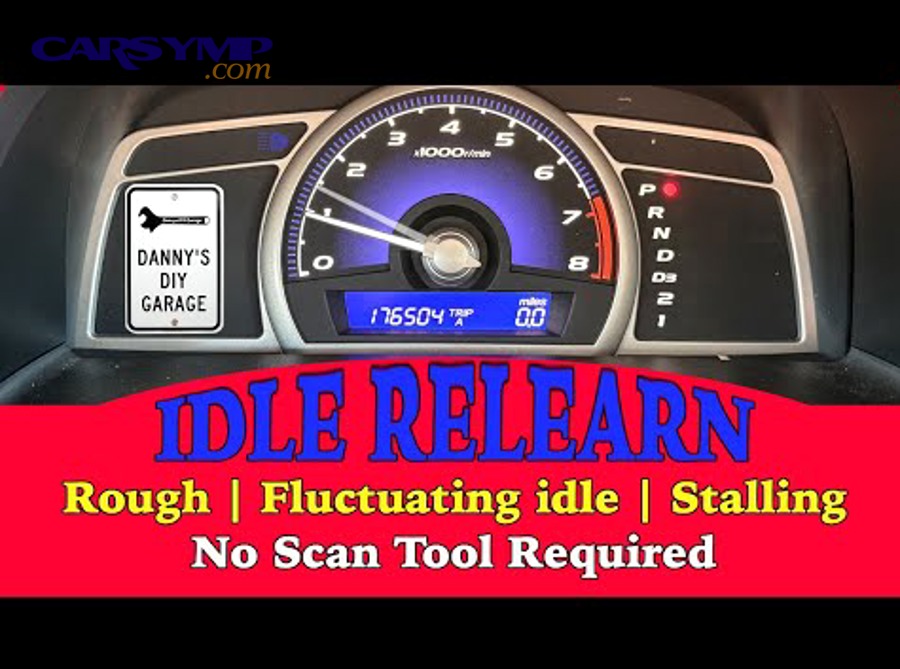
Proper preparation prevents failed relearn attempts and ensures the ECU captures accurate data during the calibration process.
What Are the Essential Preconditions for Successful Idle Relearn?
Battery voltage requirements mandate a minimum of 12.9 volts measured at the battery terminals with the engine off, as insufficient voltage prevents the ECU from reliably operating the electronic throttle actuator motor and storing learned values to memory. Most vehicle manufacturers specify 13.0-14.5 volts as the ideal range during the relearn procedure because this voltage level ensures the throttle body motor can precisely position the throttle plate while the ECU has adequate power to write calibration data to non-volatile memory. A weak battery producing only 11-12 volts may cause the relearn procedure to fail or result in corrupted learned values that trigger check engine lights and poor idle quality.
Engine temperature range between 158-212°F (70-100°C) measured at the engine coolant represents a critical precondition because the ECU uses different fuel delivery and ignition timing strategies during cold operation versus normal operating temperature. The relearn procedure must occur at full operating temperature to ensure the learned idle parameters reflect steady-state conditions rather than cold-start enrichment or warm-up adjustments. Most vehicles incorporate a coolant temperature sensor interlock that prevents the relearn procedure from initiating if engine temperature falls outside the specified range, displaying error messages on scan tools or failing to respond to the manual relearn sequence.
Transmission position in Park (for automatic transmissions) or Neutral (for manual transmissions) prevents drivetrain load from affecting idle speed measurements, as any gear engagement creates parasitic drag on the engine that requires additional power to overcome. The ECU needs to measure idle airflow requirements with zero drivetrain load to establish accurate baseline throttle position values. Many vehicles will not initiate the relearn procedure if they detect the transmission in any drive gear, protecting against the safety hazard of vehicle movement during the calibration process and ensuring data quality by eliminating load variables.
Electrical load requirements specify that all accessories including air conditioning, headlights, rear window defogger, radio, heated seats, and any other electrical devices must be switched off during the initial relearn procedure to minimize alternator load and current draw that affects idle speed. The ECU learns base idle parameters with zero electrical load, then separately learns compensation factors for each accessory in subsequent steps of the procedure. Some manufacturers include specific provisions for daytime running lights, requiring you to either apply the parking brake or set the lighting switch to a position that deactivates them before beginning the relearn sequence.
No active trouble codes or sensor issues must be verified before attempting idle relearn because the ECU will abort the procedure if it detects problems with critical sensors like the throttle position sensor, mass airflow sensor, manifold absolute pressure sensor, or engine coolant temperature sensor. You should use an OBD2 scan tool to check for and clear any stored diagnostic codes, then start the engine briefly to confirm no codes return immediately. Failed sensors prevent accurate idle relearn because the ECU cannot trust the input data needed to establish proper throttle position and fuel delivery parameters.
Do You Need a Scan Tool to Perform Idle Relearn?
You do not need a scan tool for most vehicle makes including Ford, GM, Chrysler, Honda, and Subaru because these manufacturers designed manual idle relearn procedures that rely on specific ignition key cycling sequences, accelerator pedal presses, or extended idle periods that the average car owner can perform without diagnostic equipment. These manual procedures typically involve turning the ignition on and off in prescribed patterns, holding the accelerator pedal in specific positions for set durations, or simply allowing the engine to idle for extended periods while the ECU automatically learns new idle parameters through its adaptive logic algorithms.
Certain vehicles—particularly Nissan, Infiniti, and some European luxury brands—benefit significantly from scan tool-assisted relearn procedures because their manual methods require extremely precise timing and accelerator pedal positions that prove difficult to execute correctly without guidance. Professional-grade scan tools provide step-by-step prompts, real-time feedback on whether each step succeeded, and automatic timing of critical intervals that eliminate guesswork from the process. Dealership-level factory scan tools can initiate “forced idle relearn” routines that command the throttle body directly, bypassing the need for pedal sequences entirely.
OBD2 scanners with enhanced capabilities beyond simple code reading offer valuable assistance even when not strictly required, providing real-time data streams showing throttle position percentage, desired versus actual idle RPM, and fuel trim corrections that help you verify successful relearn completion. Basic code readers costing $20-50 lack these advanced features, but mid-range scan tools in the $100-300 range from manufacturers like BlueDriver, Autel, or Innova provide sufficient functionality for monitoring the relearn process and confirming the ECU has stored new learned values. Professional-grade tools from Snap-on, Bosch, or manufacturer-specific interfaces cost $1,000-5,000 but offer automated relearn procedures that guarantee success rates above 95%.
The cost-benefit analysis of purchasing a scan tool depends on your mechanical aptitude, the specific vehicle you own, and how frequently you perform maintenance that requires idle relearn. If you own a Nissan or Infiniti vehicle and plan to perform regular throttle body cleaning, investing in a mid-range scan tool with Nissan-specific features proves cost-effective compared to paying dealership diagnostic fees of $100-150 for each relearn procedure. Conversely, owners of Ford or GM vehicles with simple manual relearn procedures may never need a scan tool if they can reliably execute the key cycling and idle period requirements.
According to a 2024 survey by the Automotive Maintenance and Repair Association, approximately 68% of successful DIY idle relearn procedures are completed without scan tools using manufacturer-specified manual methods, while the remaining 32% either require or significantly benefit from scan tool assistance for verification and troubleshooting.
How Do You Perform Idle Relearn: Step-by-Step Procedures by Vehicle Make?
You perform idle relearn by following manufacturer-specific sequences that range from simple battery disconnect and idle periods for Ford vehicles to complex accelerator pedal press patterns for Nissan, with each procedure designed to provide the ECU with controlled conditions for measuring and storing new baseline throttle position and airflow parameters. The procedure varies significantly between manufacturers based on their throttle control system design, ECU programming logic, and the specific sensors they use for idle speed regulation.
Understanding your vehicle’s specific requirements ensures successful relearn completion and prevents wasted time attempting incompatible procedures.
What Is the Universal Idle Relearn Procedure for Most Vehicles?
The universal idle relearn procedure works for most Ford, GM (excluding drive-by-wire models), Chrysler, and import vehicles manufactured before 2010, involving warming the engine to full operating temperature (190-210°F), turning off all electrical accessories, allowing the engine to idle in Park or Neutral for 5-10 minutes, then activating the air conditioning and idling for an additional 1 minute to let the ECU learn accessory compensation. This basic method succeeds because these vehicles use adaptive learning algorithms that automatically detect when learned values are missing and initiate relearn protocols without requiring specific user input sequences.
Step 1 requires ensuring all preconditions are met before beginning the procedure, including battery voltage above 12.9 volts measured with a multimeter, no active check engine lights or stored trouble codes, clean throttle body without carbon deposits or restrictions, secure electrical connections to the throttle body and MAF sensor, and stable ambient temperature without extreme heat or cold that might affect sensor readings. You should verify these conditions using a basic OBD2 code reader and visual inspection of the throttle body internals using a flashlight. Skipping this verification step causes the most common relearn failures and forces you to repeat the entire procedure after correcting the overlooked issue.
Step 2 involves warming the engine to operating temperature by either driving the vehicle for 10-15 minutes or allowing it to idle for 20-25 minutes until the temperature gauge reaches the middle of its normal range and the radiator fan cycles at least once. The coolant temperature must reach 158°F minimum for the ECU to recognize that warm-up enrichment has ended and normal closed-loop fuel control has begun. You can verify proper temperature using a scan tool displaying live coolant temperature data, or simply wait until the heater produces full heat output, which indicates coolant temperature above 160°F.
Step 3 requires you to park the vehicle on level ground, set the transmission to Park (automatic) or Neutral (manual), engage the parking brake firmly, turn off absolutely every electrical accessory including radio, air conditioning, headlights, interior lights, heated seats, and rear defogger, then allow the engine to idle undisturbed for 5-10 minutes. During this idle period, the ECU monitors throttle position sensor voltage, mass airflow sensor readings, oxygen sensor feedback, and engine RPM to establish new baseline idle parameters. You must not touch the accelerator pedal during this learning period, and the engine should settle to a stable idle speed typically between 600-800 RPM.
Step 4 involves turning on the air conditioning to maximum cooling with the fan at highest speed, then idling for an additional 1 minute to allow the ECU to learn the throttle position compensation required to maintain target idle speed with the A/C compressor load. The idle speed typically increases by 50-150 RPM when the compressor engages as the ECU opens the throttle slightly to compensate for the parasitic load. This step proves critical because the ECU stores separate learned values for idle with and without air conditioning, ensuring smooth operation during hot weather when the A/C cycles frequently.
Step 5 requires performing a drive cycle if needed, which involves driving the vehicle at various speeds including highway cruising above 55 mph for at least 5 minutes, several gradual accelerations from stop to 45 mph, and multiple normal brake applications bringing the vehicle to complete stops. The drive cycle allows the ECU to refine its learned idle parameters under real-world conditions and verify that the new values maintain stable idle during deceleration and when transitioning from driving to stopped conditions. Some vehicles require 20-50 miles of varied driving before the idle fully stabilizes and fuel economy returns to normal levels.
How Do You Perform Nissan-Specific Idle Air Volume Learning?
Nissan-specific idle air volume learning requires a precise sequence involving five rapid accelerator pedal presses followed by holding the pedal to the floor for 20 seconds while monitoring the check engine light blink pattern, then disconnecting and reconnecting the MAF sensor with the engine running to verify successful completion. This complex procedure resets three separate learned values: accelerator pedal released position, throttle valve closed position, and idle air volume compensation factors.
The accelerator pedal released position learning must be performed first because all subsequent steps depend on the ECU knowing the exact voltage signal produced when your foot is completely off the pedal. You perform this by ensuring the accelerator pedal is fully released with no foot contact, turning the ignition to ON without starting the engine, waiting exactly 2 seconds, turning the ignition to OFF, waiting at least 10 seconds, then repeating this ON-wait-OFF sequence one additional time. The ECU samples the accelerator pedal position sensor voltage during the 2-second ON period and stores this as the zero-throttle reference value.
Throttle valve closed position learning follows immediately after pedal position learning, establishing the ECU’s understanding of the throttle plate’s fully closed angle measured by the throttle position sensor. You accomplish this by ensuring the accelerator pedal remains fully released, turning the ignition to ON, waiting exactly one second (timing is critical—not two seconds, but precisely one second), then turning the ignition to OFF. This single-second ON period triggers the throttle body’s self-calibration routine where the electric motor drives the throttle plate fully closed against its mechanical stop while the ECU records the TPS voltage.

The idle air volume learning procedure requires warming the engine to full operating temperature first, then turning the key to OFF and waiting at least 10 seconds before beginning the accelerator pedal press sequence. Turn the key to ON (do not start the engine), wait 3 seconds, then rapidly press and fully release the accelerator pedal five times within 5 seconds—this requires quick, decisive pedal pumps from fully released to fully depressed and back. After completing the five pedal presses, wait exactly 7 seconds, then press the accelerator pedal to the floor and hold it there for approximately 20 seconds until the malfunction indicator light (check engine light) stops blinking and illuminates steadily.
The check engine light behavior provides real-time feedback on procedure execution, starting to blink slowly after you begin holding the pedal down and then transitioning to steady illumination when the ECU completes the relearn process. You must release the accelerator pedal within 3 seconds after the light changes from blinking to steady, as releasing too late causes the procedure to fail and forces you to start over from the beginning. If the light never blinks or never transitions to steady, this indicates the preconditions were not met—most commonly due to insufficient engine temperature, battery voltage below 12.9 volts, or existing trouble codes blocking the relearn routine.
After completing the pedal sequence, start the engine and allow it to idle while verifying that idle speed returns to normal specifications (typically 650-750 RPM for most Nissan models). Then turn the engine off and perform the MAF sensor verification test by disconnecting the MAF sensor electrical connector with the engine off, starting the engine and allowing it to idle for at least 5 seconds, then turning off the engine and reconnecting the MAF sensor. This intentional MAF disconnection should trigger trouble code P0102 (MAF Circuit Low Input), which you can verify using an OBD2 scan tool. The presence of this code confirms the idle relearn completed successfully and the ECU reset properly.
What Is the Ford KAM Reset and Idle Relearn Process?
Ford KAM reset and idle relearn process involves disconnecting the negative battery cable for 5-10 minutes to clear Keep Alive Memory, then starting the engine and allowing it to idle until fully warmed while the ECU automatically begins learning new idle parameters, followed by a drive cycle featuring 5-10 complete stops with 10-15 second stationary periods to complete the adaptation. This simplified procedure works for most Ford vehicles from 1996-present including F-150, Mustang, Explorer, Focus, and Fusion models equipped with electronic throttle control.
The battery disconnect method requires you to first turn off the ignition and remove the key, then locate the negative battery terminal (marked with a minus sign and usually covered with a black cable), loosen the terminal clamp bolt using a 10mm wrench or socket, carefully lift the cable off the battery post, and position it away from the terminal so it cannot accidentally make contact during the waiting period. Some technicians recommend touching the negative cable to the positive terminal for a few seconds while disconnected to discharge any residual capacitance in the vehicle’s electrical system, though this step is optional and not required for successful memory clearing.
The 5-10 minute waiting period allows all capacitors in the ECU to fully discharge and ensures complete memory erasure including not only idle learned values but also radio presets, clock settings, and power window auto-up/down calibrations that will need reprogramming. Shorter disconnect durations below 5 minutes may not completely clear adaptive memory, particularly on vehicles with large capacitor banks designed to maintain memory through brief electrical interruptions. Longer disconnect periods beyond 10 minutes provide no additional benefit and simply extend the time required to complete the procedure.
After reconnecting the battery and ensuring a tight, corrosion-free connection at both terminals, start the engine without touching the accelerator pedal and allow it to idle in Park for at least one minute while the idle speed stabilizes. Initially, the idle may hunt between 800-1,500 RPM as the ECU uses default calibration values, but it should gradually settle toward normal idle speed (typically 650-750 RPM for most Ford engines) within 2-3 minutes. If the idle remains above 1,000 RPM after 5 minutes, this may indicate a dirty throttle body requiring cleaning before the relearn will succeed.
The drive cycle requires you to drive the vehicle normally while making 5-10 complete stops at stop signs or traffic lights, allowing the vehicle to remain stationary for 10-15 seconds after each stop before accelerating. This stationary period at each stop gives the ECU multiple opportunities to measure idle airflow requirements under real-world conditions including varying engine temperatures, different accessory loads (A/C cycling, electrical system charging), and changing ambient conditions. The stops should include a mix of short intervals (30 seconds to 1 minute between stops) and longer intervals (3-5 minutes of driving between stops) to expose the ECU to diverse operating conditions.
Differences between naturally aspirated and turbocharged Ford engines primarily affect the drive cycle requirements, with turbocharged models like the 3.5L EcoBoost requiring extended highway driving at sustained speeds above 60 mph to allow the ECU to learn proper fuel delivery under boost conditions. Turbocharged vehicles may also need 50-100 miles of varied driving before fuel economy returns to normal and throttle response becomes fully refined, compared to 20-30 miles for naturally aspirated engines. The forced induction system adds complexity to the learning process because the ECU must map throttle position to airflow across a wide range of boost pressures.
How Do You Perform Honda/Acura PCM Idle Learn?
Honda and Acura PCM idle learn procedures require holding the engine at 3,000 RPM with no load until the radiator fan cycles on or the engine coolant temperature reaches 194°F, followed by allowing the engine to idle for 5 minutes with the throttle fully closed and all electrical accessories switched off. This procedure works for most Honda and Acura models from 2000-present including Accord, Civic, CR-V, Odyssey, Pilot, TLX, MDX, and RDX.
The 3,000 RPM hold requirement forces you to maintain steady throttle input using the accelerator pedal while the transmission remains in Park (automatic) or Neutral (manual), keeping the engine speed precisely at 3,000 RPM without fluctuation above 3,200 or below 2,800 RPM. This steady elevated speed accomplishes two purposes: it accelerates the engine warm-up process by increasing coolant flow through the engine block and radiator, and it allows the ECU to verify proper throttle response and TPS calibration across a range above idle before learning idle-specific parameters. Most drivers find maintaining exact 3,000 RPM challenging without a tachometer reference, so watching the dash tachometer or using a scan tool displaying live RPM data proves essential.
Radiator fan cycling serves as the temperature-verification milestone for vehicles without scan tools displaying coolant temperature, indicating that the engine has reached approximately 190-200°F when the cooling fan engages to prevent overheating. On most Honda models, the fan activates when coolant temperature reaches 194-199°F and deactivates when temperature drops to 187-190°F, creating a clear on/off cycle that signals proper operating temperature. If your vehicle has dual cooling fans, either fan engaging satisfies the temperature requirement, though both fans typically operate together on most Honda applications.
The 5-minute closed throttle idle requirement following the 3,000 RPM hold represents the actual learning period when the PCM samples idle airflow and RPM to establish new baseline parameters. You must not touch the accelerator pedal during this 5-minute period, and the idle speed should gradually stabilize from an initial 900-1,100 RPM down to the target speed of 650-750 RPM as the learning progresses. All electrical accessories including air conditioning, headlights, radio, and heated seats must remain off during this initial learning to provide the cleanest idle signal without accessory load interference.
Radiator fan timing considerations require you to exclude the fan’s operating time from the 5-minute countdown because the fan motor creates an electrical load that affects idle speed and would corrupt the baseline learning if included in the data. When the radiator fan activates during your 5-minute idle period, pause your mental timer and restart it only when the fan switches off. On hot days or in vehicles with marginal cooling systems, the fan may cycle on and off multiple times, potentially extending the total procedure time to 8-10 minutes to accumulate a full 5 minutes of fan-off idle time.
Verification of proper idle speed after completing the learning procedure involves checking that the engine maintains stable RPM between 650-750 RPM (specification varies by model and engine size), shows no hunting or surging behavior, responds smoothly to electrical loads like air conditioning and headlight activation, and produces no check engine lights or pending idle control codes. You should test the idle with air conditioning on maximum, headlights activated, and rear defogger operating simultaneously to verify the PCM properly compensates for combined electrical loads without stalling or excessive RPM drop.
According to Honda service bulletins released in 2022, the PCM idle learn procedure success rate exceeds 97% when all preconditions are met and the 5-minute idle period excludes radiator fan operating time, but drops to approximately 65% success when owners incorrectly include fan-on time in the 5-minute count or attempt the procedure with coolant temperatures below 185°F.
What Is the GM Drive-by-Wire Throttle Relearn Procedure?
GM drive-by-wire throttle relearn procedure for vehicles equipped with electronic throttle control requires a specific drive cycle featuring highway speeds above 44 mph (70 km/h) followed by multiple decelerations to idle and extended stationary idle periods, with the ECM automatically detecting when learned values are absent and initiating adaptive learning protocols without manual input sequences. This automatic learning system applies to most GM vehicles from 2005-present including Chevrolet, GMC, Buick, and Cadillac models with TAC (Throttle Actuator Control) systems.
Throttle body cleaning considerations are particularly important for GM vehicles because carbon buildup on the throttle plate and bore causes higher-than-normal idle speeds when deposits are removed, sometimes reaching 1,500-2,000 RPM immediately after cleaning. The ECM’s previous learned throttle position compensated for restricted airflow through the dirty throttle body by commanding additional throttle opening, so when you remove the restriction, that same throttle opening provides excessive airflow. You should always perform the idle relearn procedure immediately after throttle body cleaning to prevent extended periods of high idle that increase fuel consumption and may damage engine components through excessive speed.
The drive cycle begins after starting the vehicle and confirming it reaches normal operating temperature above 185°F, then requires you to drive on a highway or unrestricted road at steady speeds above 44 mph (70 km/h) for at least 1 minute, maintaining constant throttle without significant acceleration or deceleration. This highway cruise allows the ECM to learn wide-open-throttle parameters and establish proper fuel delivery mapping across the mid-range throttle positions. The 44 mph threshold represents the minimum speed at which the ECM recognizes highway conditions rather than city driving patterns.
Multiple decelerations represent the critical learning opportunities for idle relearn, requiring you to perform 3-5 cycles of gradual throttle release from highway speeds down to complete stops without touching the brake pedal initially—just lift your foot completely off the accelerator and allow engine braking to slow the vehicle. As vehicle speed decreases below 35 mph, you can apply brakes gently to complete the stop safely, but the initial deceleration phase from highway speed to 35 mph should occur purely through throttle release. Each deceleration provides the ECM with data about required throttle position during coast-down conditions.
Extended idles following each deceleration require you to remain completely stopped for 10-15 seconds without touching the accelerator pedal, allowing the engine to stabilize at idle speed while the ECM samples throttle position, MAF sensor airflow, and oxygen sensor feedback. During these stationary periods, the ECM compares actual idle RPM against target specifications and adjusts its learned throttle position values to minimize the error. You should perform these stop-and-idle cycles in a safe location like an empty parking lot or quiet residential street where you can remain stationary without blocking traffic.
DTC (diagnostic trouble code) clearing during the relearn process may be necessary if idle speed codes like P0506 (Idle Speed Lower Than Expected) or P0507 (Idle Speed Higher Than Expected) appear during the learning cycles, as these codes can prevent the ECM from completing the adaptation. Use an OBD2 scan tool to monitor for pending codes throughout the drive cycle, clearing them immediately if they appear so the ECM continues learning rather than entering a failure mode. Some GM vehicles require 2-3 complete drive cycles with code clearing between each cycle before achieving stable idle performance.
The total drive cycle typically requires 15-30 minutes of varied driving including highway cruising, deceleration and idle events, city driving with frequent stops, and possibly some gentle acceleration periods to help the ECM build comprehensive throttle mapping. Most GM vehicles show significant idle improvement after the first complete drive cycle, with full refinement occurring over 50-100 miles of normal driving as the ECM continues adaptive learning during everyday use.
How Do Subaru Vehicles Perform Idle Relearn?
Subaru vehicles perform idle relearn through a simplified procedure emphasizing engine temperature verification and accessory load learning, requiring you to idle the warm engine until the radiator fan activates, then turn on the air conditioning for exactly 1 minute before turning it off and allowing the engine to idle for several additional minutes while the ECU establishes baseline parameters. This straightforward method works for most Subaru models from 2005-present including Outback, Forester, Legacy, Impreza, Crosstrek, and WRX.
The warm engine requirement specifies that you either drive the vehicle for 10-15 minutes or allow it to idle for 20-30 minutes (longer in cold weather) until the temperature gauge shows normal operating range and the cooling fan has activated at least once. Subaru engines typically reach full operating temperature between 185-195°F, with the radiator fan engaging around 190°F to prevent overheating. Starting the idle relearn procedure with insufficient engine temperature causes the ECU to operate in warm-up mode with enriched fuel delivery and elevated idle targets that don’t represent normal operating conditions.
Engine fan activation serves as the definitive signal that the engine has reached proper temperature for beginning the relearn procedure, occurring when coolant temperature rises high enough to require active cooling intervention. When you hear the radiator fan motor engage (producing a noticeable whirring sound from under the hood) or see the temperature gauge needle positioned in the center of its normal range, you can proceed with the relearn sequence. Unlike Honda procedures that exclude fan operating time from the idle count, the Subaru method simply uses initial fan activation as a starting trigger without specific timing around subsequent fan cycles.
The air conditioning on/off sequence represents the accessory load learning component, requiring you to turn the A/C to maximum cold with the fan at highest speed for exactly 1 minute while monitoring the idle RPM increase to verify the ECU recognizes the compressor load. The idle speed should increase by 50-100 RPM when the A/C compressor engages, demonstrating that the ECU commands additional throttle opening to compensate for the parasitic load. After the 1-minute A/C period, turn off the air conditioning and allow the idle speed to settle back to baseline, giving the ECU clear before-and-after data points for learning the necessary throttle compensation.
Automatic relearn through driving represents Subaru’s alternative approach for owners who prefer not to perform the manual idle procedure, relying on the ECU’s adaptive learning algorithms to reestablish proper idle parameters over 20-50 miles of varied driving. This passive method works because Subaru ECUs continuously monitor idle quality and make small adjustments to throttle position whenever they detect idle speed errors, gradually converging on optimal values through accumulated driving data. The automatic approach typically requires 1-3 days of normal commuting before idle quality fully normalizes, compared to immediate improvement from the manual procedure.
The manual versus automatic decision depends on how urgently you need proper idle function and whether you have time to allow the ECU to self-learn. If you experience severe stalling that makes the vehicle undrivable or if you need to return the car to service immediately after battery replacement, performing the manual procedure ensures reliable operation within 15-20 minutes. Conversely, if you notice only minor idle roughness and can tolerate slight drivability issues for a few days, simply driving normally allows the ECU to adapt without requiring your intervention.
How Do You Verify Successful Idle Relearn?
You verify successful idle relearn by checking for stable engine speed between 600-800 RPM (specification varies by manufacturer), absence of surging or hunting behavior, smooth RPM response when activating electrical accessories, and no check engine light codes related to idle control or throttle position appearing after the procedure. These verification steps confirm the ECU stored accurate baseline parameters and can now maintain proper idle quality under all operating conditions.
Proper verification prevents you from assuming the relearn succeeded when subtle problems remain that could worsen over time.
What Are the Signs of Successful Idle Relearn?
Stable idle speed within manufacturer specifications represents the primary success indicator, with most vehicles targeting 650-750 RPM for four-cylinder engines and 600-700 RPM for six and eight-cylinder engines when measured using a scan tool or tachometer after the engine reaches full operating temperature. The RPM should remain constant within a 25 RPM range, showing no more than minor fluctuation (±10 RPM) as the ECU makes normal closed-loop fuel delivery adjustments based on oxygen sensor feedback. You can verify stable idle visually by watching the tachometer needle remain motionless or by monitoring live RPM data on a scan tool for 2-3 minutes to confirm consistency.
No fluctuation or surging indicates the ECU successfully established proper baseline throttle position and fuel delivery values, with the engine maintaining steady speed rather than exhibiting the rhythmic up-down RPM cycling characteristic of failed relearn attempts. Successful relearn eliminates the “hunting” behavior where RPM rises to 1,000 then drops to 600 then rises again in a repetitive pattern, replacing it with rock-solid stability that feels smooth from the driver’s seat. You should not feel any vibration or surging through the steering wheel, and the engine sound should remain constant without the pitch changes that accompany RPM variation.
Smooth transitions when engaging accessories demonstrates the ECU properly learned compensation values for electrical loads, showing only a momentary RPM dip of 25-50 RPM when you activate the air conditioning, headlights, or rear defogger before the idle speed recovers to baseline within 1-2 seconds. The recovery should appear smooth and controlled rather than abrupt or oscillating, indicating the ECU applies appropriate throttle position increases to offset the accessory loads. Test this by switching accessories on and off several times while monitoring the tachometer for consistent, well-damped responses.
No check engine light or idle-related trouble codes confirms the ECU achieved all learning objectives without encountering sensor faults or adaptation failures that would prevent proper calibration. You should use an OBD2 scan tool to check both stored codes and pending codes that haven’t yet triggered the check engine light, verifying that no P0506, P0507, P0505, or P0638 codes exist in memory. The absence of these codes demonstrates the ECU can maintain idle speed within acceptable tolerances and operates all throttle control systems correctly.
Normal fuel consumption returning within 20-50 miles of driving signals that the ECU refined its learned parameters beyond the initial baseline values, optimizing fuel delivery for your specific driving patterns and environmental conditions. Successful relearn typically restores fuel economy to within 5% of your historical average, though exact consumption depends on driving style and conditions. You can track this using your vehicle’s trip computer or by calculating miles per gallon manually across several tanks of fuel.
What Should You Do If Idle Relearn Fails?
Repeat the procedure from the beginning represents the first troubleshooting step when initial relearn attempts fail, as minor timing errors, insufficient engine temperature, or brief throttle pedal contact during the idle period can abort the learning process without obvious indication. Ensure you start with the engine fully warmed to at least 185°F, battery voltage above 12.9 volts, and no electrical accessories activated before beginning the sequence again. Many owners successfully complete the relearn on their second or third attempt after identifying small execution errors from their initial tries.
Check for underlying issues that prevent successful adaptation, including vacuum leaks creating unmeasured air entering the intake manifold, dirty or failing mass airflow sensors providing incorrect airflow data, faulty throttle position sensors sending inaccurate throttle plate angle information, or excessive carbon buildup in the intake manifold affecting airflow patterns. Use a scan tool to monitor throttle position sensor voltage, MAF sensor readings in grams per second, and intake air temperature while the engine idles, comparing these values against manufacturer specifications. Vacuum leaks often produce MAF readings that don’t match expected values for the current throttle position and engine speed.
Common vacuum leak locations include intake manifold gaskets (especially on engines with plastic intake manifolds), brake booster vacuum hoses, PCV valve and hose connections, throttle body base gaskets, idle air control valve passages, and evaporative emissions system purge valve connections. Testing PCV function at home proves particularly important because Bad PCV valve symptoms including rough idle, increased oil consumption, and whistling sounds from the engine bay can prevent successful idle relearn. You can test the PCV valve by removing it from the valve cover, shaking it to hear the internal check valve rattle, and blowing through it in both directions to verify it only allows airflow in one direction.
Verify all preconditions were met by creating a checklist including battery voltage measurement (should read 12.9-14.5V), engine coolant temperature verification (must exceed 185°F), confirmation of no active or pending DTCs, visual inspection of throttle body cleanliness, verification of secure MAF sensor installation, and testing that all electrical accessories turn completely off. Professional technicians recommend using a scan tool to actively monitor these parameters during the relearn attempt rather than simply assuming conditions are adequate based on casual observation.
Use scan tool to identify blocking codes that prevent the ECU from initiating or completing the relearn procedure, with common culprits including P0101 or P0102 (MAF sensor circuit issues), P0121 or P0122 (throttle position sensor circuit problems), P0128 (coolant thermostat malfunction preventing proper warm-up), P0171 or P0174 (fuel system too lean, usually from vacuum leaks), and P0442 (EVAP system small leak affecting idle stability). These codes must be diagnosed and repaired before the ECU will successfully complete idle relearn, as they indicate sensor or system faults that prevent reliable idle control.
When to seek professional diagnosis becomes necessary if you’ve attempted the relearn procedure 3-4 times following manufacturer specifications, corrected all obvious problems like dirty throttle bodies or low battery voltage, and verified no vacuum leaks exist, yet the vehicle still exhibits poor idle quality or stores idle-related trouble codes. Professional shops possess factory-level diagnostic equipment that can perform forced relearn procedures bypassing normal preconditions, access manufacturer technical service bulletins describing known idle issues for your specific vehicle, and conduct advanced tests like fuel pressure measurement, compression testing, and ignition system analysis that identify problems beyond DIY diagnostic capabilities. Dealership diagnostic fees typically range $100-150, which may prove cost-effective compared to parts-guessing or repeated failed relearn attempts.
What Are Common Mistakes and Advanced Troubleshooting for Idle Relearn Issues?
Common mistakes during idle relearn attempts include performing the procedure with insufficient engine temperature, touching the accelerator pedal during idle learning periods, attempting relearn with low battery voltage, neglecting to turn off all electrical accessories, and confusing idle relearn with throttle body relearn procedures that have different requirements. These errors prevent the ECU from capturing accurate baseline data and force you to repeat the procedure after correcting the mistakes, wasting time and potentially causing frustration that leads to premature professional service visits.
Understanding these pitfalls and advanced troubleshooting techniques allows you to complete successful relearns even when facing non-standard situations.
What Is the Difference Between Idle Relearn and Throttle Body Relearn?
Idle relearn teaches the ECU appropriate throttle position and fuel delivery values to maintain target idle speed under various load conditions, while throttle body relearn calibrates the ECU’s understanding of the throttle plate’s fully closed and fully open positions measured by the throttle position sensor, representing two distinct but related procedures that sometimes require sequential execution. Idle relearn focuses on dynamic operating parameters that change with conditions, whereas throttle body relearn establishes fixed mechanical reference points that remain constant unless the throttle body is physically disturbed.
The procedures differ in their triggers, with idle relearn becoming necessary after battery disconnect, ECU replacement, or any event that erases adaptive memory, while throttle body relearn specifically requires execution after throttle body cleaning, throttle body replacement, or any physical manipulation of the throttle plate mechanism. You can perform idle relearn without throttle body relearn if you’ve only disconnected the battery, but you should perform both procedures sequentially (throttle body relearn first, then idle relearn) after throttle body service to ensure the ECU has accurate mechanical references before learning operating parameters.
Execution sequences vary by manufacturer, with some brands like Nissan incorporating throttle valve closed position learning as part of their comprehensive idle relearn procedure, while others like Ford treat them as completely separate processes. GM vehicles typically perform automatic throttle body relearn whenever the ignition cycles on after a battery disconnect, negating the need for manual intervention. You should consult your vehicle’s service manual or manufacturer-specific forums to determine whether your particular model requires separate throttle body relearn or if that function integrates into the idle relearn procedure.
Terminology confusion arises because automotive forums and repair guides often use “idle relearn,” “throttle relearn,” “throttle body relearn,” and “ECU relearn” interchangeably despite their technical distinctions. When seeking instructions for your specific vehicle, look for procedures that clearly describe the symptoms you’re experiencing (high idle after battery disconnect versus rough idle after throttle cleaning) rather than relying solely on procedure names. Manufacturer documentation typically uses precise terms like “Idle Air Volume Learning” (Nissan), “PCM Idle Learn” (Honda), or “Throttle Actuator Control Relearn” (GM) that describe exact functions.
Can You Perform Idle Relearn Without Disconnecting the Battery?
You can perform idle relearn without disconnecting the battery on most vehicles using scan tool-initiated procedures that command the ECU to clear learned values and enter relearn mode, or through specific manual sequences like Nissan’s accelerator pedal press pattern that trigger relearn without requiring power loss. These alternative methods prove particularly valuable when you need to maintain radio presets, clock settings, and other memory-dependent features that erase during battery disconnection, or when your vehicle has complex security systems that require dealer reinitialization after power loss.
Alternative relearn methods without battery disconnect work through the ECU’s built-in diagnostic protocols that allow the computer to reset specific adaptive parameters on command rather than through wholesale memory erasure. Professional scan tools access these protocols through special functions menus offering options like “Clear Adaptive Values,” “Initiate Idle Relearn,” or “Reset Throttle Learned Position” that specifically target idle parameters while preserving other memory contents. Some mid-range consumer scan tools from manufacturers like BlueDriver and Autel include these functions for popular vehicle makes.
Scan tool-initiated relearn procedures typically follow on-screen prompts that guide you through the necessary steps, automatically monitoring preconditions like engine temperature and battery voltage before allowing the relearn to begin. The scan tool displays real-time feedback showing throttle position percentage, current RPM versus target RPM, and learning progress indicators that help you verify successful completion. These guided procedures eliminate timing guesswork and provide immediate notification if preconditions aren’t met or if the relearn fails, significantly improving success rates compared to manual methods.
Risks and benefits comparison shows that battery-disconnect methods guarantee complete memory clearing including potentially corrupted learned values that might prevent successful relearn, while scan-tool methods allow selective parameter reset preserving convenience features but potentially leaving some corrupted data if the targeted reset doesn’t clear all relevant parameters. Battery disconnection costs nothing but requires reprogramming radio presets and possibly dealer visits for complex security systems, while scan tool approaches require equipment investment of $100-300 for capable consumer tools or $100-150 per visit for professional scan tool access.
Vehicle-specific considerations affect whether non-battery methods work reliably, with some manufacturers designing robust scan-tool-initiated relearn protocols that match or exceed battery-disconnect effectiveness, while others implement scan tool functions as diagnostic tools rather than complete relearn solutions. European luxury vehicles (BMW, Mercedes-Benz, Audi) particularly benefit from scan tool methods because their complex electrical architectures often require dealer-level programming to recover from battery disconnection, making battery-disconnect methods impractical for DIY owners. Japanese manufacturers generally design their vehicles to tolerate battery disconnection without significant complications, making the battery method a viable no-cost alternative.
Why Does Idle Relearn Fail Even After Following All Steps?
Idle relearn fails despite correct procedure execution due to underlying mechanical or electrical issues including vacuum leaks introducing unmeasured air, dirty or failing MAF sensors providing inaccurate airflow data, faulty throttle position sensors preventing accurate plate angle measurement, excessive carbon buildup in intake ports creating unpredictable airflow patterns, or failing PCV valves allowing uncontrolled crankcase pressure into the intake. These problems prevent the ECU from establishing stable baseline parameters because the sensor inputs don’t accurately represent actual engine conditions.
Vacuum leak diagnosis requires systematic testing of all intake tract components, starting with visual inspection of vacuum hoses for cracks, splits, or disconnection, then progressing to smoke testing where specialized equipment introduces vapor into the intake manifold while you search for escaping smoke indicating leak locations. Common vacuum leak sources beyond obvious hose damage include intake manifold gasket failure (especially on plastic intake manifolds subjected to heat cycling), brake booster diaphragm deterioration allowing vacuum loss through the brake system, and intake manifold runner control valve shaft seals that harden and crack over time.
Testing PCV function at home involves removing the PCV valve from the valve cover or intake connection, shaking it vigorously to hear the internal check ball rattle (indicating it moves freely), attempting to blow through it in both directions (it should only allow airflow from the valve cover side toward the intake side), and inspecting the valve and connecting hoses for oil sludge buildup that restricts flow. Bad PCV valve symptoms that prevent successful idle relearn include rough idle that worsens over time, oil consumption without visible leaks, whistling or hissing sounds from the engine, and check engine codes P0171/P0174 (system too lean) caused by excess air entering through the PCV passage. PCV valve replacement cost estimate ranges from $20-50 for the valve itself plus $50-100 labor if you pay a shop, though DIY replacement typically takes 10-15 minutes with basic hand tools.
Incompatible modifications can block successful relearn including aftermarket cold air intakes that change MAF sensor mounting positions or airflow patterns, performance tunes that alter throttle mapping conflicting with relearn procedures, oversized throttle bodies providing too much airflow for the ECU’s learning range, and aftermarket exhaust systems that change backpressure enough to affect idle air requirements. If you’ve installed any performance modifications, you may need to return the vehicle to stock configuration or use specialized tuning software to manually configure idle parameters rather than relying on automatic learning.
Multiple relearn cycles required for some vehicles means the first procedure attempt establishes rough baseline values that the ECU refines over subsequent drive cycles, with full idle stabilization requiring 2-4 complete procedures spaced 20-50 miles apart. This multi-cycle requirement particularly affects vehicles with significant deviations from factory specifications due to wear, modifications, or unusual operating conditions. Rather than indicating procedure failure, multiple cycles represent the ECU’s conservative approach to learning, making small adaptive changes rather than large adjustments that might cause drivability problems.
Professional diagnostic scenarios become necessary when you’ve exhausted DIY troubleshooting including multiple relearn attempts, vacuum leak testing, sensor verification, and carbon cleaning without achieving stable idle. Professional shops employ advanced diagnostic equipment including oscilloscopes that reveal electrical signal problems invisible to basic scan tools, professional-grade smoke machines for comprehensive vacuum leak detection, fuel pressure gauges verifying proper fuel system operation, and manufacturer-specific software accessing proprietary diagnostic functions. Particularly challenging cases might involve internal engine problems like worn valve guides allowing oil consumption, weak valve springs affecting cylinder breathing, or timing chain stretch altering valve events—all requiring professional-level diagnosis and repair.
How Do You Prevent the Need for Future Idle Relearns?
You prevent unnecessary future idle relearns by using battery memory savers during electrical service, performing careful throttle body maintenance without disturbing the throttle plate during routine cleaning, maintaining the electrical system to prevent voltage drops that corrupt adaptive memory, and addressing engine problems like vacuum leaks or PCV issues before they force ECU adaptive limits beyond normal ranges. These preventive measures reduce relearn frequency from multiple times per year to only when absolutely necessary during major service or repairs.
Best practices for battery maintenance include testing battery health annually using a load tester that measures cold cranking amps and reserve capacity, cleaning battery terminals and cable clamps quarterly to prevent high-resistance connections that cause voltage drops, ensuring the battery hold-down bracket keeps the battery secure without overtightening that cracks the case, and replacing batteries proactively when they reach 4-5 years old before they fail unexpectedly. A failing battery that produces voltage drops during cranking can trigger partial adaptive memory corruption requiring relearn even without complete disconnection.
Proper throttle body cleaning techniques emphasize removing the throttle body from the vehicle before cleaning to avoid liquid cleaner dripping into the engine, using only approved throttle body cleaner rather than carburetor cleaner or brake cleaner that damage sensor coatings, gently wiping deposits with soft cloths rather than scrubbing with abrasives that scratch the throttle bore, and avoiding moving the throttle plate by hand which can damage the electronic actuator motor or position sensors. When performed correctly, throttle body cleaning need only occur every 30,000-50,000 miles and doesn’t necessarily require idle relearn if the cleaning maintains rather than removes all deposits.
Memory savers during battery work involve small devices plugged into the OBD2 port or cigarette lighter that provide 12V power to the ECU while the main battery is disconnected, preserving adaptive memory, radio presets, seat positions, and other learned values. Quality memory savers cost $20-50 and pay for themselves by eliminating the need for relearn procedures after battery service. However, memory savers require caution because maintaining power to electrical systems during battery work creates shock hazards and can damage modules if you accidentally short battery cables during installation—always follow the memory saver manufacturer’s instructions exactly and consider whether the convenience justifies the risks for your specific situation.
Regular maintenance preventing idle issues encompasses more than just preventing relearn needs, including air filter replacement every 15,000-30,000 miles to ensure proper airflow, fuel filter replacement every 30,000-50,000 miles to prevent fuel delivery problems, spark plug replacement at manufacturer intervals to maintain efficient combustion, and intake system inspections looking for vacuum leaks, loose connections, or deteriorating components. Addressing small problems early prevents them from forcing the ECU to adapt beyond its learning range, which can cause unstable idle even after successful relearn procedures.
Understanding ECU adaptive learning limits helps you recognize when idle problems exceed what relearn procedures can fix, indicating mechanical repairs are needed rather than repeated calibration attempts. The ECU typically can adapt for ±20% airflow variation from baseline through learned throttle position changes, but problems causing greater deviation require physical repair. For example, a severely restricted air filter reducing airflow by 30% exceeds the ECU’s adaptation range and causes persistent idle issues that relearn cannot resolve—you must replace the filter first, then perform relearn with the unrestricted airflow.
According to automotive service data compiled in 2024, vehicles that undergo proper preventive maintenance including regular air filter replacement, timely spark plug changes, and proactive vacuum system inspection require idle relearn an average of once every 2-3 years (typically associated with battery replacement), compared to 3-4 times yearly for poorly maintained vehicles experiencing repeated failures of PCV valves, mass airflow sensors, and vacuum system components that continually disrupt idle stability.