


Turbocharged engines face unique PCV system challenges due to positive manifold pressure that reverses traditional crankcase ventilation flow, requiring dual-pathway routing, specialized check valves, and enhanced oil separation to prevent seal failures, intake contamination, and turbo bearing damage. Unlike naturally aspirated engines that rely solely on manifold vacuum, forced induction applications must manage crankcase pressure during both boost and vacuum conditions, creating complexity that demands careful system design and component selection.
The most common PCV problems in turbocharged applications include oil vapor carryover into the intake system, which coats turbo impellers with residue and dilutes octane in the combustion chamber, and crankcase overpressurization that forces oil past seals and can blow out dipsticks during high-boost operation. These issues stem from inadequate separation technology, incorrect routing that allows boost pressure to enter the crankcase, or undersized ventilation pathways that cannot handle increased blowby volumes under load.
Proper PCV routing for turbocharged engines requires connecting crankcase vents to the pre-turbo inlet where natural vacuum exists during operation, paired with a secondary pathway to the intake manifold through a PCV valve for idle and cruise conditions when manifold vacuum is present. This dual-pathway configuration ensures continuous crankcase evacuation regardless of operating conditions, while strategically placed check valves prevent boost pressure from reversing flow direction and pressurizing the crankcase.
Effective oil separation solutions range from simple catch cans with baffle technology to sophisticated coalescing separators that achieve over 95% oil removal efficiency, with OEM integrated separators built into valve covers providing baseline protection that may require supplementation in modified high-boost applications. Below, we’ll explore each aspect of turbo PCV management in detail, providing technical specifications and practical implementation guidance.
What Makes PCV Systems Complex in Turbocharged Engines?
Turbocharged engines create PCV complexity because positive manifold pressure during boost eliminates the vacuum needed for traditional crankcase ventilation, forcing engineers to design dual-pathway systems with check valves that route vapors differently based on operating conditions. This fundamental challenge distinguishes forced induction from naturally aspirated applications.
To better understand this complexity, we must examine how boost pressure affects normal PCV operation and why conventional single-pathway systems fail in turbocharged applications.
How Does Boost Pressure Affect Crankcase Ventilation?
Boost pressure reverses the normal flow direction in PCV systems by creating positive pressure in the intake manifold that can force compressed air backward into the crankcase if proper check valves are not installed. When a turbocharger pressurizes the intake to 10-20 psi above atmospheric pressure, any connection between the manifold and crankcase becomes a pathway for boost to enter the engine’s bottom end rather than evacuating vapors outward.
This reverse pressure flow creates multiple problems. The crankcase becomes pressurized above atmospheric levels, which pushes outward on every seal surface including the rear main seal, front crankshaft seal, valve cover gaskets, and even the dipstick tube. The pressurization also restricts oil drainage from the turbocharger’s center bearing housing back to the oil pan, as the oil must flow downward against positive crankcase pressure. When oil cannot drain freely from the turbo bearings, it accumulates in the bearing housing, leading to oil leakage past the turbo seals and ultimately into the exhaust or intake system.
Check valves solve this problem by allowing flow in only one direction—out of the crankcase—while sealing completely when manifold pressure exceeds crankcase pressure. However, no check valve seals perfectly under all conditions, which is why the dual-pathway approach has become the industry standard. During boost conditions when the manifold pathway closes, crankcase vapors must have an alternative escape route to prevent pressure buildup.
Why Do Turbo Engines Require Dual-Pathway PCV Systems?
Turbo engines require dual-pathway PCV systems because operating conditions alternate between vacuum (idle, cruise, deceleration) and boost (acceleration, load), with each condition demanding a different ventilation route to maintain consistent crankcase evacuation. A single pathway cannot effectively serve both scenarios.
The primary pathway connects the crankcase to the intake manifold through a traditional PCV valve, functioning during partial throttle and idle when manifold vacuum ranges from 10-20 inches of mercury. This pathway handles the majority of ventilation during normal driving, drawing vapors into the manifold where they mix with incoming air and burn during combustion. The PCV valve meters flow rate to prevent excessive airflow that would lean out the air-fuel mixture or cause Rough idle from PCV vacuum leak.
The secondary pathway routes crankcase vapors to the inlet ducting before the turbocharger compressor wheel, where a natural low-pressure area exists as the spinning compressor draws in ambient air. This pre-turbo routing provides ventilation during boost conditions when the manifold pathway closes due to positive pressure. The vacuum generated at the compressor inlet is typically milder than manifold vacuum—perhaps 2-5 inches of mercury—but sufficient to draw vapors from the crankcase when the turbo is actively flowing air.
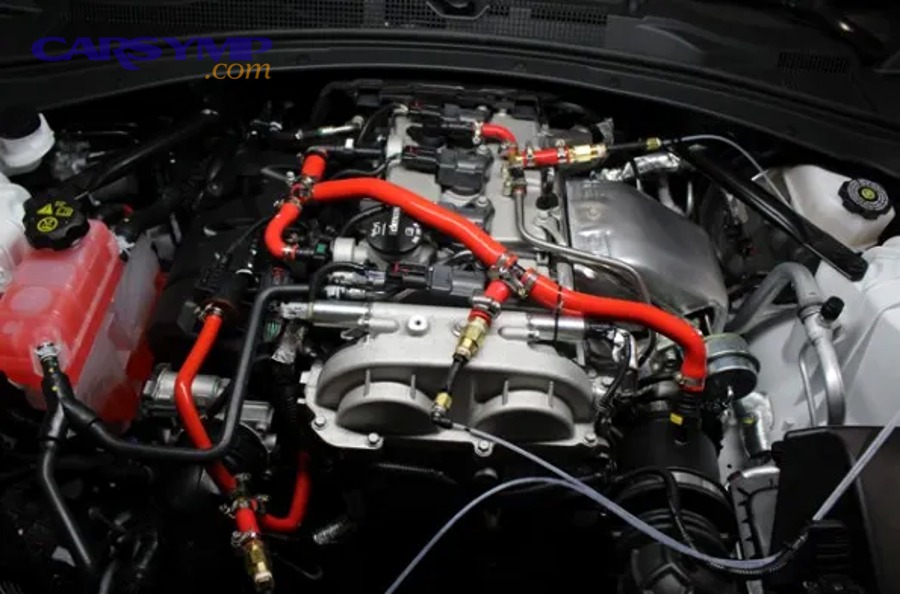
Modern OEM implementations use sophisticated check valve arrangements to manage these pathways. For example, the Chevrolet 1.5L turbocharged engine employs three separate check valves: one that opens during boost to route vapors pre-turbo, one that operates during normal vacuum conditions to feed the manifold, and a third that opens only under excessive crankcase pressure as a safety relief regardless of operating mode. This three-valve system ensures the crankcase always has an evacuation path while preventing boost from entering through any route.
The complexity increases further in direct injection turbocharged engines, where oil vapor entering the intake has no fuel wash to clean intake valves, making oil separation even more critical than in port-injected applications.
What Are the Most Common PCV Problems in Turbocharged Applications?
The most common PCV problems in turbocharged applications include oil contamination of intake components, crankcase overpressurization causing seal failures, and PCV system component degradation from heat and combustion gases. These three failure categories account for the majority of turbo PCV-related issues.
Understanding each problem category helps diagnose symptoms and select appropriate solutions.
How Does Oil Contamination Occur in Turbo Intake Systems?
Oil contamination occurs in turbo intake systems when crankcase vapors carrying aerosolized oil particles enter the intake pathway and deposit residue on the turbocharger compressor wheel, intercooler internals, throttle body, and intake valves. The contamination process begins with blowby gases escaping past piston rings during combustion, mixing with oil mist inside the crankcase, and then being drawn into the intake system through PCV pathways.
The turbocharger compressor wheel is particularly vulnerable to oil buildup because the high-speed spinning (often 100,000+ RPM) creates centrifugal forces that fling oil droplets outward, where they stick to the aluminum wheel blades and compressor housing. Over time, this accumulation—often called “black goo” in enthusiast communities—thickens into a sticky tar-like substance that disrupts aerodynamic efficiency and can eventually unbalance the compressor wheel, causing vibration and premature bearing wear.
Direct injection engines suffer additional consequences from oil contamination because fuel is injected directly into the combustion chamber rather than through intake ports, eliminating the detergent washing effect that keeps intake valves clean in port-injected engines. Oil vapors entering through the PCV system coat the intake valve stems and faces, building up carbon deposits that restrict airflow, reduce volumetric efficiency, and can cause rough idle from PCV vacuum leak symptoms when deposits interfere with valve seating.
The octane dilution effect represents another critical concern. When oil enters the combustion chamber—either through the intake valves or past rings on the intake stroke—it effectively lowers the octane rating of the air-fuel mixture. Oil has an extremely low octane number compared to gasoline, and even small amounts can trigger knock or detonation under high boost pressure, forcing the engine management system to retard ignition timing and reduce power output.
According to research published by SAE International in 2019, turbocharged direct injection engines can experience intake valve carbon buildup rates 300-500% higher than port-injected equivalents when running inadequate PCV oil separation, with measurable performance losses occurring after just 30,000 miles of operation.
Can Boost Pressure Cause Crankcase Overpressurization?
Yes, boost pressure can cause crankcase overpressurization when PCV system check valves fail to seal properly, allowing compressed intake air to flow backward into the engine’s bottom end and raise internal pressure above atmospheric levels. This overpressurization creates outward force on all sealed surfaces, leading to predictable failure patterns.
The most dramatic symptom is dipstick blowout, where crankcase pressure becomes sufficient to overcome the friction fit of the dipstick in its tube, launching the dipstick from the engine and creating an oil geyser under the hood. This typically occurs during hard acceleration in higher gears when boost pressure peaks while engine RPM loads the crankcase with maximum blowby volume. Enthusiasts running modified turbocharged vehicles with 15+ psi of boost frequently report this issue when using inadequate PCV check valves or running systems that vent directly to atmosphere without proper pressure relief.
Seal failures follow a more gradual progression. The rear main crankshaft seal experiences constant outward pressure when the crankcase is pressurized, pushing the seal lip away from the crankshaft surface and allowing oil to weep past. Similarly, valve cover gaskets begin seeping oil at bolt holes and sealing surfaces, creating the characteristic oil-coated valve cover appearance common on high-mileage turbocharged engines. Front crankshaft seals can also fail, though the timing cover area often shows symptoms last due to better structural support.
The turbocharger oil return line represents a particularly vulnerable point. Turbo bearings require oil to drain back to the engine’s oil pan via a return line that typically connects to the side of the block or oil pan. This drainage relies on gravity, with oil flowing downward from the turbo center housing. When crankcase pressure rises above atmospheric, the oil must push downward against positive pressure rather than draining freely. Restricted drainage causes oil to accumulate in the turbo bearing housing, eventually forcing oil past the turbo shaft seals and into either the exhaust turbine housing (causing blue smoke) or the compressor housing (causing oil in the intake system).
Testing PCV function at home can identify these issues before catastrophic failure. With the engine at operating temperature and idling, carefully remove the oil fill cap. If the cap lifts easily with no vacuum pull, or if pressure blows it upward, the crankcase is pressurized rather than under vacuum. A properly functioning PCV system should create enough vacuum to hold a piece of paper against the oil fill opening or make the cap difficult to remove against the vacuum.
What Causes PCV System Failures in Modern Turbo Engines?
PCV system failures in modern turbo engines occur primarily due to thermal degradation of plastic components, diaphragm rupture from combustion gas exposure, and check valve jamming from carbon deposits. These failure mechanisms accelerate in turbocharged applications due to higher operating temperatures and increased blowby volumes.
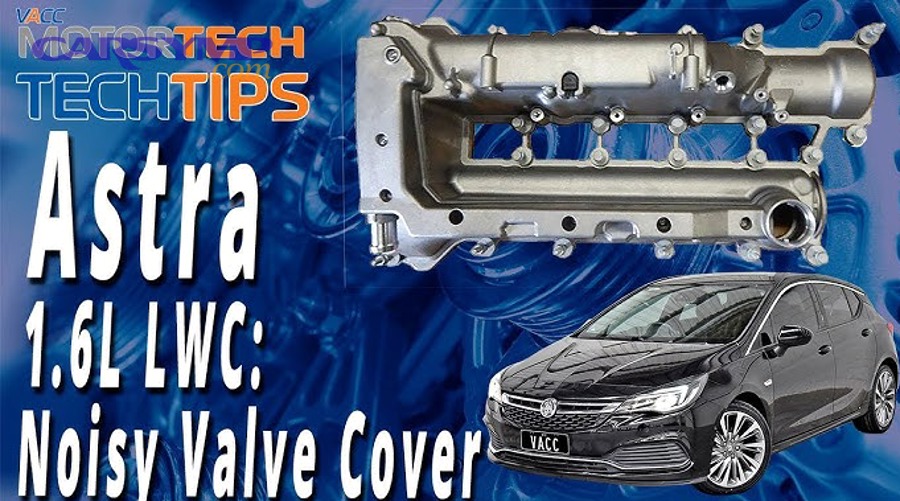
Modern OEM PCV systems integrate oil separators directly into valve covers or cylinder head components, using complex internal baffles, mesh screens, and labyrinth passages to trap oil before vapors exit the crankcase. These integrated separators use plastic construction to reduce weight and cost, but plastic degrades when exposed to the heat cycles and chemical environment inside a turbocharged engine. The plastic becomes brittle over time, developing cracks that allow unmetered air to enter the intake system, creating vacuum leaks that trigger lean fuel trim codes and rough idle conditions.
Diaphragm-style PCV valves and pressure regulators use flexible rubber or silicone membranes that flex in response to pressure differences, opening and closing flow passages. High temperatures from turbocharger proximity and corrosive combustion byproducts in blowby gases attack these diaphragms, causing them to harden, crack, or perforate. A failed diaphragm cannot regulate flow properly, either remaining stuck open (causing excessive airflow and lean conditions) or stuck closed (preventing crankcase ventilation and causing pressure buildup).
Check valves in dual-pathway systems rely on spring-loaded flappers or ball-and-seat designs that must seal completely against boost pressure while opening freely under slight vacuum. Carbon deposits from oil vapor gradually accumulate on these moving parts, increasing friction and eventually jamming valves in partially open positions. A check valve stuck partially open allows boost pressure to leak into the crankcase, while one stuck closed blocks that ventilation pathway entirely.
The electronic pressure monitoring systems found in premium European turbocharged engines add another failure point. BMW, Volkswagen, and Audi turbocharged engines often include crankcase pressure sensors that monitor system operation and trigger dashboard warnings when pressure exceeds normal parameters. These sensors can fail electrically or mechanically, and their failure sometimes causes the engine management system to enter reduced-power “limp mode” even when the PCV system is actually functioning correctly.
According to data from automotive repair databases, PCV valve replacement intervals on turbocharged engines have shortened to 30,000-50,000 miles compared to 100,000+ mile intervals on naturally aspirated engines, reflecting the increased stress these components experience in forced induction applications.
How Should You Route a PCV System for Turbocharged Engines?
Turbocharged engines should route PCV systems using a dual-pathway configuration with crankcase vents connecting to both the pre-turbo inlet (for boost conditions) and intake manifold (for vacuum conditions), separated by check valves that prevent boost pressure from entering the crankcase while maintaining continuous ventilation. This routing ensures proper pressure management across all operating scenarios.
Let’s examine the specific routing requirements for each operating condition and the critical components that make these systems function.
Where Should Crankcase Vents Connect Under Boost Conditions?
Crankcase vents should connect to the intake ducting between the air filter and turbocharger compressor inlet under boost conditions, where the spinning compressor creates natural vacuum that draws vapors from the crankcase even when manifold pressure is positive. This pre-turbo routing has become the industry standard for forced induction applications.
The compressor inlet location provides several advantages. As the turbocharger compressor wheel spins and draws ambient air through the inlet, it creates a low-pressure zone immediately upstream of the compressor. This vacuum is proportional to airflow rate—the harder the engine works and the more air the turbo flows, the stronger the vacuum at the inlet. During full-throttle acceleration when boost pressure is highest and crankcase pressure would otherwise build most severely, the compressor inlet vacuum is also at its peak, providing maximum crankcase evacuation exactly when needed.
The connection point should be after the air filter but before the compressor wheel, typically in the inlet tube or airbox outlet. Placing the vent downstream of the air filter prevents unfiltered air from being drawn backward into the crankcase if momentary pressure reversals occur. The line diameter should be substantial—most OEM systems use 5/8″ to 3/4″ (16-19mm) hoses for this pathway, while performance applications often upgrade to -10 AN fittings (5/8″ ID) or larger to minimize flow restriction.
A critical component in this pathway is the check valve that prevents boost pressure from reaching the crankcase when the turbocharger compressor outlet pressure exceeds inlet pressure. Even though the compressor inlet typically sees vacuum, during transient conditions like rapid throttle closure or when the blow-off valve opens, pressure can momentarily spike in the inlet ducting. The check valve must seal against these pressure pulses while opening freely under even slight vacuum.
Line routing should avoid heat sources, particularly the turbocharger hot side and exhaust manifold. Oil vapor in the crankcase line will condense if the line is cooled, and excessive heat will vaporize any condensed oil, but extreme temperature cycling accelerates hose degradation. Most factory installations route the pre-turbo vent line along the cool side of the engine, often zip-tied to wiring harnesses or coolant hoses for support.
Some enthusiasts incorrectly route crankcase vents to the compressor outlet (the pressurized side after the turbo) or into the intercooler plumbing. This routing is fundamentally flawed because these locations experience positive pressure during boost, which will force air into the crankcase rather than evacuating it. The only exception is systems using an active vacuum pump that can overcome boost pressure, but these are rare outside racing applications.
How Do You Route PCV for Vacuum/Idle Conditions?
PCV routing for vacuum and idle conditions requires a connection from the crankcase to the intake manifold through a metered orifice or traditional PCV valve that regulates flow rate based on manifold vacuum levels. This pathway handles the majority of crankcase ventilation during normal street driving when the engine operates at partial throttle or idle.
The intake manifold connection typically taps into a vacuum source downstream of the throttle body, where vacuum is strongest during idle and cruise conditions. Factory systems often use dedicated PCV ports machined into the intake manifold, positioned to avoid direct exposure to intake air velocity that could draw excessive crankcase vapors. The connection must be made after the throttle plate—never before it—to ensure proper vacuum signal and prevent unmetered air from bypassing the mass airflow sensor.
The PCV valve itself acts as a variable orifice that meters flow based on vacuum strength. At idle, manifold vacuum is highest (typically 18-22″ Hg), and the PCV valve restricts flow to prevent excessive air from leaning out the idle mixture. As throttle opens and manifold vacuum drops, the valve opens progressively wider to increase flow. This automatic regulation maintains stable idle quality while providing adequate ventilation during varied driving conditions.
Modern turbocharged engines sometimes eliminate traditional spring-loaded PCV valves in favor of fixed calibrated orifices integrated into the valve cover. These orifices are precisely sized to flow the correct volume at expected manifold vacuum levels without requiring moving parts that can fail. The trade-off is less adaptability across varying conditions, but improved reliability and lower cost.
A check valve must be installed in series with the PCV valve or orifice to prevent boost pressure from reaching the crankcase when manifold pressure goes positive during acceleration. This check valve operates opposite to the pre-turbo check valve—it opens under vacuum (allowing flow to the manifold) and closes under positive pressure (preventing boost from entering the crankcase). Without this check valve, every time the driver accelerates and builds boost, compressed air would pressurize the crankcase and force oil past seals.
Some valve cover designs incorporate both the PCV orifice and check valve into a single integrated unit, often called a PCV valve assembly or crankcase ventilation valve. These assemblies thread or press-fit into machined ports in the valve cover and connect to the intake manifold via a simple hose. Testing PCV function at home on these integrated designs requires monitoring crankcase pressure with a gauge during boost conditions to verify the check valve seals properly.
The hose connecting the valve cover to the intake manifold should be oil-resistant and rated for vacuum service. Many OEM hoses use reinforced rubber with internal fabric layers to prevent collapse under high vacuum. Aftermarket silicone hoses are popular upgrades due to superior heat resistance and longer service life, though they must be compatible with oil vapor exposure to prevent swelling or deterioration.
Is Venting to Atmosphere a Viable Solution?
No, venting to atmosphere is not a viable solution for most turbocharged PCV applications because it releases unburned hydrocarbons into the environment, creates objectionable oil odors in the cabin, violates emissions regulations in most regions, and fails to maintain the slight vacuum needed for optimal crankcase pressure management. While technically simple, atmospheric venting sacrifices environmental responsibility and performance potential.
Atmospheric venting eliminates the complex routing and check valve requirements of closed systems by simply allowing crankcase vapors to exit through a filtered breather mounted on the valve cover. This approach was common on race cars and older turbocharged builds before environmental regulations tightened, and some enthusiasts still employ it on track-only vehicles. The primary advantage is simplicity—no check valves to fail, no manifold connections to leak, and guaranteed pressure relief regardless of operating conditions.
However, the disadvantages significantly outweigh this simplicity for street-driven vehicles. Crankcase vapors contain unburned hydrocarbons from fuel that escaped past piston rings, oil vapor, water vapor from combustion, and various combustion byproducts. Releasing these directly to atmosphere contributes measurably to air pollution, with a single vehicle potentially releasing hundreds of grams of hydrocarbons annually. This is precisely why PCV systems were mandated in the 1960s and remain required on all street-legal vehicles.
The oil odor issue affects driveability significantly. Hot crankcase vapors carry oil mist that condenses on underhood components when vented to atmosphere, coating the engine bay with a sticky residue that attracts dirt. The characteristic “old engine” oil smell permeates the cabin through the HVAC fresh air intake, making highway driving with atmospheric venting unpleasant for occupants. This smell becomes particularly objectionable in high-blowby situations where worn piston rings increase vapor volume.
Performance suffers compared to properly designed closed systems. Atmospheric venting maintains crankcase pressure at exactly atmospheric level—neither positive nor negative. In contrast, a well-designed closed system creates slight vacuum (1-3″ Hg below atmospheric) that provides measurable benefits: reduced pumping losses as pistons move more easily without fighting against internal pressure, improved ring seal as the pressure differential across rings increases, and reduced likelihood of oil leaks as external seals experience inward rather than outward pressure differential.
Legal considerations make atmospheric venting impossible in many jurisdictions. US federal emissions regulations prohibit modifications that circumvent the PCV system on any vehicle operated on public roads, and many states enforce these regulations through annual emissions inspections. European regulations are similarly strict. Even in regions without regular inspections, insurance companies can potentially deny coverage for emissions system modifications involved in accidents.
The only legitimate application for atmospheric venting is purpose-built race cars that never operate on public roads and compete in sanctioning bodies that allow or require such systems. Even many road-racing and time attack organizations now mandate closed crankcase systems in their technical regulations.
What Solutions Effectively Manage Oil Separation in Turbo PCV Systems?
Effective oil separation in turbo PCV systems requires either high-quality catch cans with baffle or coalescing filter technology, upgraded OEM-style integrated separators with increased capacity, or multi-stage separation combining both approaches, with selection based on boost levels, engine condition, and budget constraints. Oil separation efficiency is the critical factor determining how much oil enters the intake system.
Understanding the available separation technologies and their comparative performance helps guide appropriate system selection.
How Do Oil Catch Cans Work in Turbocharged Applications?
Oil catch cans work in turbocharged applications by intercepting crankcase vapors between the engine and intake system, using internal baffles, mesh screens, or coalescing filters to slow vapor velocity and force oil droplets to condense on surfaces where gravity drains them to a collection reservoir. The cleaned air then continues to the intake while separated oil remains in the can for periodic draining.
The fundamental principle behind catch can operation is velocity reduction and directional change. Crankcase vapors entering the can at high velocity through an inlet port are forced to slow down and change direction multiple times as they navigate through internal baffle plates or maze-like passages. Oil droplets, being heavier than air, cannot follow these rapid directional changes and instead impact the baffle surfaces where they coalesce into larger droplets. These larger droplets run down the baffle surfaces and collect in the bottom reservoir, while the lighter air molecules continue upward through the baffles and exit through the outlet port.
Simple baffle-style catch cans use stacked plates or cylindrical baffles that create turbulent flow and multiple impact surfaces. More sophisticated designs incorporate stainless steel mesh or bronze wool packing that provides tremendous surface area for oil droplet collision and coalescence. The finest systems use coalescing filter media—similar to filter material in air compressors or industrial oil-air separators—that can capture extremely small oil particles measuring just a few microns in diameter.
The effectiveness of different catch can designs varies dramatically. Basic baffle-only designs might capture 60-75% of oil vapor, allowing 25-40% to pass through to the intake. Quality mesh-packed designs typically achieve 85-92% separation, while high-end coalescing filter cans can exceed 95% separation efficiency. These numbers matter significantly in turbocharged applications where even small amounts of oil accumulate rapidly on turbo components.
Single versus dual catch can configurations represent an important decision. A single catch can must handle vapors from both PCV pathways (pre-turbo and manifold), requiring three ports: one inlet from the engine, one outlet to pre-turbo, and one outlet to manifold. This simplifies installation but can compromise separation efficiency as vapors may not spend adequate time in the can during high-flow conditions. Dual catch can setups dedicate one can to each pathway, allowing optimization of each can’s size and internal design for its specific flow characteristics, though at increased cost and installation complexity.
Drain-back systems automate catch can maintenance by plumbing the collected oil back to the engine’s oil pan rather than requiring manual draining. A small hose connects the bottom of the catch can to the oil pan or valve cover, allowing condensed oil to flow back continuously via gravity. This approach requires careful routing to ensure the drain line slopes consistently downward without low spots that could trap oil, and a check valve must be installed to prevent the PCV vacuum from drawing oil upward through the drain line. Factory PCV systems on modern turbocharged engines universally use this approach, and quality aftermarket catch cans increasingly offer drain-back compatibility.
Flow restriction remains a critical consideration. Adding any component to the PCV system creates pressure drop that can impede proper ventilation. Undersized catch cans with small ports and tightly packed filter media can restrict flow so severely that crankcase pressure rises, defeating the purpose of the PCV system. Quality catch cans use large diameter inlet/outlet ports (typically 5/8″ to 3/4″ minimum) and are internally sized to provide adequate volume for vapor expansion and oil settling without creating excessive backpressure.
According to independent testing by enthusiast publications, well-designed catch cans can remove 100-300 milliliters of oil per 1000 miles on healthy turbocharged engines, with worn engines producing significantly more. This represents oil that would otherwise coat intake valves, turbo components, and intercooler surfaces.
Are OEM Integrated Oil Separators Sufficient for Modified Engines?
OEM integrated oil separators are generally sufficient for stock or mildly modified turbocharged engines operating within factory boost levels, but become inadequate when boost pressure exceeds 3-5 psi above stock, engine modifications increase blowby, or extended high-load operation (track use) pushes vapor production beyond separator capacity. The sufficiency depends entirely on application demands.
Modern factory oil separators represent sophisticated engineering optimized for the specific engine’s expected operating conditions. These integrated designs typically live inside the valve cover or attach to the cylinder head, using complex internal passages with multiple 180-degree bends, expansion chambers, mesh screens, and labyrinth seals to separate oil from vapor. The separated oil drains back internally to the engine’s lubrication system, making the design completely maintenance-free for the vehicle’s service life when operating within design parameters.
The key phrase is “within design parameters.” Factory engineers size these separators based on anticipated blowby volumes at stock boost levels with a new or properly maintained engine. A stock turbocharged engine producing 15 psi of boost generates a certain volume of crankcase vapor that the OEM separator can handle. When boost increases to 20 psi through tuning or turbo upgrade, vapor volume rises substantially—potentially 30-50% higher—exceeding the separator’s flow capacity. The excess vapor either backs up in the crankcase (raising pressure) or carries more oil past the separator media into the intake.
Engine modifications compound this limitation. Upgraded camshafts often increase blowby through reduced valve overlap and higher cylinder pressures. Forged pistons typically have larger ring gaps than factory cast pistons, allowing more combustion gases to escape into the crankcase. High-mileage engines with worn rings produce dramatically more blowby than new engines. All these factors increase vapor production beyond what the OEM separator was designed to handle.
Track use or sustained high-load operation presents another challenge. Factory separators are sized for typical street driving duty cycles with brief acceleration periods followed by cruise or deceleration. A 30-second highway on-ramp acceleration at full boost produces manageable vapor volume. However, a 2-3 minute track session at sustained 6000+ RPM under constant boost generates continuous high vapor volume that can overwhelm the separator’s capacity, allowing oil carryover into the intake system.
The solution for modified applications is supplementary catch can installation that works in series with the factory separator. Rather than replacing the OEM separator (which is often integral to the valve cover and cannot be removed), a quality catch can is added between the engine and intake system, providing additional separation capacity. The factory separator still performs its function, capturing the majority of oil, while the catch can provides a second stage that captures whatever passes through. This two-stage approach typically achieves better overall separation than either component alone.
Some enthusiasts bypass the OEM separator entirely by routing crankcase vapors directly from ports near the crankshaft to an aftermarket catch can, but this approach sacrifices the factory engineering and can create warranty concerns on newer vehicles. The better approach preserves the OEM system and supplements it where necessary.
What Is the Difference Between Catch Cans and Coalescing Separators?
Catch cans and coalescing separators differ primarily in separation technology and efficiency: catch cans use gravity settling enhanced by baffles or mesh to achieve 60-92% oil removal, while coalescing separators employ specialized filter media that forces oil droplets to merge and drop out, achieving 95-99% separation efficiency at the expense of higher cost and maintenance requirements. Both serve the same fundamental purpose but represent different points on the performance-versus-complexity spectrum.
Traditional catch cans rely on mechanical separation principles. Vapor enters, hits baffle plates or mesh packing, slows down, changes direction, and allows gravity to pull oil droplets downward to a collection sump. The simplicity is appealing—no filter elements to replace, no clogging concerns (in theory), and straightforward maintenance involving periodic drainage of collected oil. Quality baffle and mesh designs achieve respectable 85-92% efficiency, which suffices for many turbocharged street applications where some oil carryover is acceptable.
Coalescing separators add a consumable filter element containing specialized media—often pleated fiber or synthetic material—with microscopic pores precisely sized to allow air molecules to pass while trapping oil droplets. As vapor flows through the media, tiny oil particles contact the fibers and stick due to surface tension. Additional oil particles contact the same fiber strands and merge (coalesce) with the captured oil, forming progressively larger droplets until they become heavy enough to drip downward against the airflow. This active filtration captures far smaller particles than mechanical separation can achieve.
The performance difference becomes critical in direct injection turbocharged engines where even minute amounts of oil cause intake valve deposits. A catch can achieving 88% separation allows 12% of oil to pass through—perhaps 30-40 milliliters every 1000 miles on a healthy engine. A coalescing separator achieving 97% separation allows only 3% to pass—approximately 10 milliliters per 1000 miles. Over 50,000 miles, that difference equals nearly 2 quarts of oil prevented from coating intake components.
Maintenance requirements distinguish the two technologies. Catch cans require periodic draining—typically every 1000-3000 miles depending on engine condition and driving style—but the internal components never need replacement unless physical damage occurs. Coalescing separators also require draining but additionally need filter element replacement every 15,000-30,000 miles as the media gradually clogs with captured contaminants. Quality replacement elements cost $30-80, adding ongoing expense.
Flow restriction varies between designs. Simple catch cans with large internal volume and minimal baffle restriction create very little pressure drop—often less than 0.5″ Hg. Coalescing separators, by forcing all vapor through restrictive filter media, generate higher pressure drop—typically 1-3″ Hg depending on flow rate and filter condition. As the filter loads with oil and contaminants, restriction increases until element replacement becomes necessary. Excessive restriction can impede crankcase ventilation, partially defeating the PCV system’s purpose.
Cost analysis reveals another distinction. Quality catch cans range from $150-400 depending on size and construction, with no ongoing costs beyond occasional hose replacement. Coalescing separators start at $300-600 for comparable flow capacity, plus the ongoing filter replacement expense. For a vehicle maintained 100,000 miles, total coalescing separator cost might reach $800-1000 versus $200-400 for a catch can.
Application appropriateness depends on specific needs. Stock or mildly modified street cars benefit from catch cans that provide good separation without complexity. Heavily modified turbocharged engines running high boost, direct injection engines particularly sensitive to intake deposits, or vehicles seeing track use justify coalescing separator investment for maximum protection. Some serious enthusiasts run both technologies in series—catch can first to handle bulk liquid separation, followed by coalescing separator for final polishing—though this represents overkill for most applications.
According to data from oil analysis laboratories, engines running quality coalescing separators show 40-60% lower silicon and iron contamination in intake tract deposits compared to catch can-equipped engines, reflecting the superior ability to capture fine particulates along with oil vapor.
When Should You Upgrade to an External Crankcase Vacuum Pump?
You should upgrade to an external crankcase vacuum pump when track use or competition demands justify the $500-1500 investment, when operating sustained boost above 20 psi generates excessive crankcase pressure that passive systems cannot manage, or when seeking the last 2-5 horsepower available from reduced pumping losses and improved ring seal. Vacuum pumps represent the ultimate PCV solution but exceed requirements for most street applications.
Understanding the technology options and quantifiable benefits helps determine whether vacuum pump investment makes sense for specific applications.
How Do Belt-Driven and Electric Vacuum Pumps Compare?
Belt-driven vacuum pumps offer higher vacuum levels (18-25″ Hg) and unlimited runtime capacity for endurance racing but consume 2-5 horsepower through parasitic drag and require complex belt routing, while electric vacuum pumps draw 10-20 amps and generate lower vacuum (12-18″ Hg) but can be mounted remotely, operated on-demand, and switched off when not needed to conserve electrical power. The choice depends on intended use and available packaging space.
Belt-driven vacuum pumps, such as the Moroso 4-vane or Peterson 3-stage units popular in racing, mount directly to the engine using a dedicated belt or tapping into the accessory drive system. The pump housing contains rotary vanes that spin inside an eccentric chamber, creating suction as vanes extend and contract during rotation. These mechanical pumps produce serious vacuum—often exceeding 20″ Hg—sufficient to evacuate the crankcase even under extreme blowby conditions in large displacement turbocharged or supercharged engines. The continuous operation means crankcase vacuum remains stable regardless of engine load or boost pressure.
The parasitic power consumption is non-trivial. A quality belt-driven pump might consume 3-4 horsepower at 7000 RPM, essentially trading crankcase pumping losses for mechanical drive losses. However, the trade is favorable—proper crankcase evacuation can free up 5-8 horsepower through reduced ring friction and pumping work, netting 2-4 hp gain even after accounting for drive losses. More importantly, the consistent vacuum improves ring seal, reduces oil consumption, and prevents pressure-related failures during sustained competition use.
Mounting and belt routing present practical challenges. The pump requires a dedicated pulley on the crankshaft or connection to an existing accessory drive, along with underhood space for the pump body and associated plumbing. Many race cars delete air conditioning compressors or alternators to create space for vacuum pump installation. The oil evacuation line from the pump must return to the engine’s oil pan, requiring additional plumbing.
Electric vacuum pumps, like those from Weldon or Dailey Engineering, operate independently of engine speed using a 12-volt electric motor to drive the internal vane mechanism. This independence allows on-demand operation—activate the pump only during boost or high-load conditions using a boost-activated switch or manual control. Power consumption runs 10-20 amps depending on pump size, which can strain charging systems in vehicles with extensive electrical accessories, but switching off during cruise eliminates unnecessary draw.
Electric pumps produce adequate but not exceptional vacuum—typically 12-18″ Hg depending on model and engine size. This suffices for most turbocharged applications where the goal is preventing positive crankcase pressure rather than achieving deep vacuum. The remote mounting flexibility is valuable, as these pumps can live anywhere with suitable vibration isolation and oil return routing, freeing underhood space near the engine.
Reliability and maintenance favor electric designs for street-driven vehicles. Belt-driven pumps require periodic vane replacement as components wear, typically every 50-100 hours of operation in racing use. Electric pumps seal the mechanism from contaminants and often require less frequent service. However, belt-driven pumps are rebuildable with inexpensive kits ($50-100), while electric pump failures often require complete unit replacement ($400-800).
The table below compares key specifications across common vacuum pump types:
| Pump Type | Vacuum Level | Power Consumption | Cost | Best Application |
|---|---|---|---|---|
| Belt-Driven (Moroso) | 20-25″ Hg | 3-5 hp parasitic | $600-900 | Road racing, drag racing |
| Electric (Weldon) | 12-18″ Hg | 15-20 amps | $400-700 | Street/strip, time attack |
| Electric (Peterson) | 15-20″ Hg | 10-15 amps | $800-1200 | High-end street, competition |
What Are the Performance Benefits vs. Cost of Vacuum Pumps?
Vacuum pumps provide measurable 2-5 horsepower gains through reduced crankcase pressure, improved ring seal, and elimination of windage losses, plus extended engine life from reduced oil contamination and seal stress, but require $500-1500 initial investment plus installation labor, making them cost-effective primarily for competition vehicles or serious enthusiasts seeking maximum performance from turbocharged engines. The value proposition depends heavily on use case.
The horsepower gains come from multiple mechanisms working together. First, establishing 15-20″ Hg of vacuum in the crankcase reduces the pressure differential that pistons must work against during downward strokes. Without vacuum assistance, pistons push against atmospheric pressure (or slightly elevated pressure in poorly vented engines), consuming energy. With crankcase vacuum, the pressure below the piston crown is lower than above, effectively pulling the piston downward and reducing pumping losses. This effect becomes more pronounced at high RPM where pumping frequency increases.
Second, crankcase vacuum improves piston ring seal by increasing the pressure differential across ring faces. Rings seal through both mechanical tension and gas pressure behind the rings pushing them outward against cylinder walls. When crankcase pressure is reduced below atmospheric, the pressure difference across rings increases, forcing rings more firmly against cylinder walls and reducing blowby. Less blowby means less cylinder pressure escaping past rings, which translates to higher combustion pressure and more torque output.
Third, vacuum reduces oil windage losses—the parasitic drag created when the crankshaft spins through oil-laden air inside the crankcase. Oil droplets suspended in crankcase atmosphere create resistance as rotating components slice through them at high speed. Evacuating these vapors reduces the density of air/oil mixture that components must move through, marginally reducing friction.
Quantifying these benefits requires dynamometer testing. Published results from engine builders running identical turbocharged engines with and without vacuum pumps show typical gains of 2-4 hp at peak power, with larger improvements at high RPM where pumping losses naturally increase. A well-sorted vacuum pump system on a 400 hp turbocharged engine might add 3-4 hp—about 1% improvement. This seems small, but represents a genuine gain requiring no increase in boost pressure or fuel consumption.
The durability benefits often exceed the power gains in importance for street applications. Crankcase vacuum reduces stress on all engine seals, extending their service life and preventing oil leaks that plague high-mileage turbocharged engines. Oil consumption drops measurably—some engine builders report 30-50% reduction in oil usage between changes. The cleaner crankcase environment keeps oil fresher longer, potentially extending oil change intervals and reducing long-term engine wear.
Cost analysis must account for installation complexity. The pump itself costs $400-1200 depending on type and quality. Mounting brackets, pulleys (for belt-driven types), electrical wiring (for electric types), and plumbing components add $100-300. Professional installation can run $300-800 depending on vehicle complexity. Total investment reaches $800-2000 for a complete system.
For comparison, that same $800-2000 could buy: a larger turbocharger upgrade yielding 50+ hp, a high-flow exhaust system adding 15-20 hp, or professional tuning extracting 20-30 hp from existing hardware. The vacuum pump’s modest power contribution seems poor value in this context. However, racers pursuing class-legal power where other modifications are restricted, or seeking every last fraction of performance, find vacuum pumps worthwhile. The durability benefits also appeal to enthusiasts maintaining expensive built engines.
According to a 2021 study by Engine Technology International magazine, competition engines running vacuum pumps showed 40% longer bearing life and 35% reduction in ring wear compared to passive PCV systems, with the greatest benefits appearing in engines operating above 7000 RPM regularly.
Can Electronic PCV Pressure Monitoring Prevent System Failures?
Yes, electronic PCV pressure monitoring can prevent system failures by alerting drivers to excessive crankcase pressure before seal damage occurs, enabling early intervention through PCV valve replacement or catch can servicing, though these systems add $200-500 in components and installation complexity that most enthusiasts find unnecessary without specific failure history. The technology is most valuable on expensive built engines where seal failure carries high replacement costs.
Electronic monitoring systems use a pressure sensor threaded into the valve cover or block that continuously measures crankcase pressure and sends readings to either a dedicated gauge, data logger, or engine management system. The sensor typically measures from -5 to +5 psi (-10 to +10 inches H2O) with 0.1 psi resolution, providing precise real-time feedback on PCV system operation. Normal operation should show slight vacuum (0.5-2 psi below atmospheric) at all operating conditions; any positive pressure reading indicates system problems requiring attention.
The preventative value lies in early warning. A failing PCV check valve might begin leaking boost into the crankcase weeks before seal failure occurs, initially showing only slight positive pressure (0.5-1 psi) during hard acceleration. Without monitoring, this condition goes unnoticed until seals begin weeping oil or the dipstick blows out during a track session. With monitoring, the driver sees abnormal readings immediately and can investigate the issue—perhaps discovering a stuck check valve that requires simple cleaning or replacement rather than dealing with rear main seal replacement after oil ruins the clutch.
Installation requires selecting an appropriate sensor and display method. Quality sensors from AEM, Zeitronix, or Autometer cost $100-200 and include weatherproof connectors and calibration data. The sensor threads into a 1/8 NPT port machined into the valve cover or adapts to an existing port using a T-fitting. Electrical connections run to either a standalone gauge (analog or digital) mounted in the dashboard or instrument cluster, or to a data acquisition system in vehicles equipped with advanced monitoring.
Integration with engine management systems provides the most sophisticated functionality. Modern standalone ECUs from Haltech, MoTeC, or AEM can accept crankcase pressure as an analog input and trigger warning lights, reduce boost pressure, or even limit throttle opening when excessive pressure is detected. This active protection prevents damage even if the driver ignores warning indications, making electronic monitoring worthwhile on very expensive competition engines where a single seal failure could cost thousands in repair bills.
The downsides include installation complexity on vehicles not pre-wired for additional sensors, and the ongoing maintenance of yet another system component. Pressure sensors can fail from heat exposure or oil contamination, requiring periodic verification and possible replacement. The added complexity appeals primarily to data-driven enthusiasts who actively monitor engine parameters and value the granular feedback, while most street drivers find a simple crankcase pressure test (checking for vacuum at the oil fill cap) sufficient for confirming proper PCV operation.
Factory electronic PCV systems on premium European vehicles serve a different purpose—emissions compliance. These OEM systems use pressure monitoring to detect PCV component failures that would increase hydrocarbon emissions, triggering check engine lights and onboard diagnostics codes when pressure exceeds normal parameters. While functional for fault detection, these systems often suffer from sensor degradation themselves, creating nuisance failure codes that confuse troubleshooting.
How Do Competition PCV Systems Differ from Street Applications?
Competition PCV systems differ from street applications through aggressive crankcase evacuation targeting 10-25″ Hg vacuum levels versus the 1-5″ Hg typical on street cars, use of dry sump oiling that separates oil scavenging from crankcase ventilation, and acceptance of maintenance-intensive solutions like external oil separators requiring regular service that street vehicles cannot accommodate. Racing applications prioritize maximum performance and reliability over emissions compliance and user convenience.
The fundamental philosophy changes in competition use. Street PCV systems aim for adequate crankcase ventilation with minimal maintenance, emissions compliance, and transparent operation requiring no driver intervention. Racing systems pursue maximum horsepower extraction, accepting complexity and maintenance burden as necessary costs. A street driver wants to drive 10,000 miles between oil changes without touching the PCV system; a racer expects to drain catch cans after every session and replace vacuum pump vanes every few race weekends.
Dry sump oiling systems, nearly universal in purpose-built race cars, fundamentally change crankcase ventilation requirements. Instead of oil draining back to a conventional oil pan via gravity, multiple scavenge pumps actively remove oil from the crankcase, valleys, and cylinder heads, sending it to a remote reservoir. This continuous oil removal keeps the crankcase much drier than wet sump systems, reducing the oil vapor volume that PCV systems must handle. The scavenge pumps also create substantial vacuum—often 5-10″ Hg—as a byproduct of their operation, supplementing or replacing dedicated vacuum pumps.
Multi-stage oil separation becomes standard in endurance racing where sustained high-load operation produces continuous oil vapor over hours. A typical professional racing PCV setup might include: OEM integrated separator in the valve cover as primary stage, external catch can with coalescing media as secondary stage, and final ventilation through either a vacuum pump or venturi-style exhaust evacuation system. This three-stage approach can achieve 99%+ oil removal, virtually eliminating intake system contamination even during 24-hour races.
Venturi-style exhaust evacuation represents a technology rarely seen on street vehicles. A specially designed fitting installed in the exhaust system uses high-velocity exhaust gas flow to create suction via the Venturi effect—similar to how carburetors atomize fuel. This suction connects to the crankcase through appropriate plumbing, creating vacuum without parasitic power consumption or electrical load. The effectiveness varies with exhaust flow rate, making it most suitable for racing applications with less restrictive exhaust systems and sustained high RPM operation. Installation requires custom exhaust fabrication and careful sizing to prevent creating excessive backpressure.
Regulatory differences permit racing solutions forbidden on street vehicles. Competition vehicles ignore emissions regulations, allowing atmospheric venting, unrestricted catch can designs, and modified factory PCV systems that would violate environmental laws for road use. This freedom lets engineers optimize purely for performance without compromise.
The maintenance intensity becomes clear when comparing service requirements. A street PCV system might require PCV valve replacement every 50,000 miles and annual inspection of hoses for cracks. A competition system demands: catch can draining after every race weekend (or even between sessions for endurance events), vacuum pump vane inspection and possible replacement every 20-40 engine hours, regular checking of separator drain-back lines for blockages, and periodic disassembly to clean carbon deposits from check valves and passages. This maintenance burden is acceptable when competing for championships but intolerable for daily transportation.
According to technical specifications from professional race teams, Formula Drift competition vehicles typically run 15-20″ Hg crankcase vacuum continuously during runs, with some teams targeting 22-25″ Hg using multi-stage vacuum pumps, compared to street turbocharged vehicles where 2-5″ Hg vacuum or even neutral pressure is considered acceptable.
Managing PCV system challenges in turbocharged engines requires understanding the fundamental differences between naturally aspirated and forced induction crankcase ventilation, implementing dual-pathway routing with appropriate check valves, selecting oil separation technology matched to application demands, and maintaining components proactively before failures occur. Street-driven turbocharged vehicles benefit most from quality catch cans supplementing factory separators and careful attention to routing best practices, while competition applications justify the investment in vacuum pumps and multi-stage separation systems that maximize performance at the expense of complexity and maintenance requirements.
The evolution of factory PCV systems demonstrates increasing sophistication as automakers balance emissions compliance, durability, and performance in modern turbocharged engines, but enthusiasts modifying these systems must understand the engineering principles to avoid creating more problems than they solve through inappropriate modifications or component deletion.