PCV hose and oil separator (crankcase breather) issues are diagnosable and fixable at home when you follow a simple order: confirm the symptom, identify whether you have a vacuum leak or crankcase pressure problem, then repair the failed hose/separator and verify the result with a short post-fix check.
Next, you’ll learn the most reliable symptoms that point to this system—like rough idle, hissing, oil leaks, oil in the intake tract, smoke, and common “it drives fine but…” check-engine-light scenarios—so you don’t replace parts blindly.
Then, you’ll get a step-by-step DIY diagnostic path (visual checks → simple tests → when to smoke-test) and a clear repair decision on replace vs clean, including where PCV causing oil consumption and leaks typically shows up first.
Introduce a new idea: once you understand the basics on a normal engine, you’ll also be able to handle Turbo engines and PCV system complexities (extra check valves, boost behavior, and different failure patterns) without guessing.
What does the PCV hose and oil separator (crankcase breather) system do, and why does it fail?
The PCV hose and oil separator (crankcase breather) system is an emissions-and-engine-health circuit that pulls blow-by vapors out of the crankcase, separates oil mist, and routes cleaned vapors back into the intake to be burned instead of vented to the atmosphere. Next, because the system handles heat, oil vapor, and vacuum/pressure cycling every drive, it eventually fails through cracking, clogging, or stuck-flow behavior.
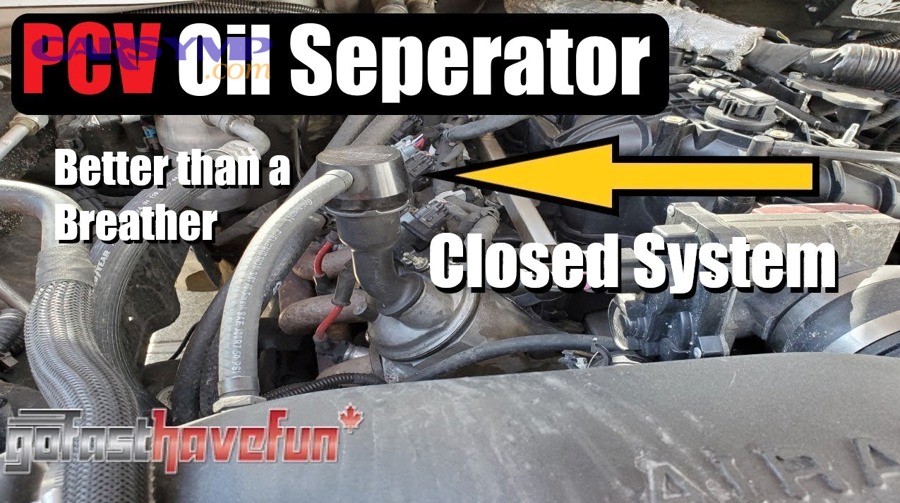
A healthy crankcase ventilation system does three jobs at the same time:
- Moves vapor out of the crankcase (so moisture and fuel vapors don’t sit in the oil and create sludge).
- Prevents crankcase pressure buildup (so seals and gaskets aren’t pushed outward and forced to leak).
- Limits how much oil mist gets pulled into the intake (so you don’t turn the intake tract into an oily sludge collector).
From an emissions standpoint, positive crankcase ventilation (PCV) exists because crankcase vapors contain hydrocarbons; routing them into the engine to be burned reduces pollution compared with open venting to the atmosphere.
What parts make up the PCV hose and oil separator system on most engines?
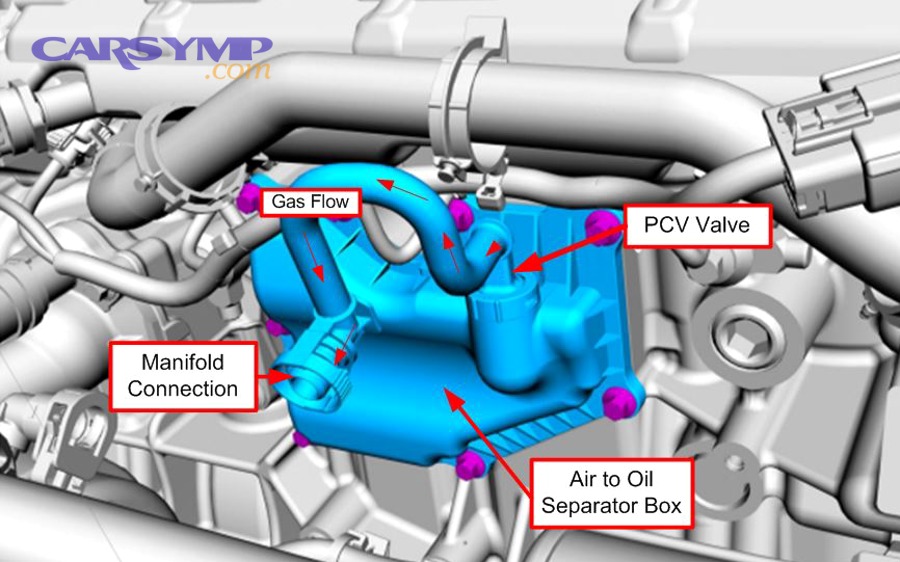
There are six core components you’ll see on most vehicles, and recognizing them makes diagnosis faster because you can “trace the path” instead of staring at a tangle of hoses.
- Crankcase outlet / valve cover outlet
- The place vapors leave the crankcase area (often a port on the valve cover, block, or a housing).
- Oil separator / breather box (sometimes built-in)
- A baffle/cyclone/diaphragm-style unit that drops oil mist out of the airflow so more oil stays in the engine.
- PCV valve or calibrated orifice
- A metered path that controls flow into intake vacuum. Some engines use a simple valve; others use a fixed restriction and multiple check valves.
- PCV hose(s) and fittings
- The rubber/plastic lines that connect everything. They’re often the first failure point due to heat and brittleness.
- Intake manifold connection (vacuum source)
- Where cleaned vapors enter the intake at idle/cruise under vacuum.
- Fresh-air makeup inlet (filtered air source)
- Typically connected to the intake tube/airbox so fresh filtered air can flow through the crankcase and carry vapors out.
If you want a quick mental model: the PCV system is basically a controlled “airflow loop” through the crankcase—fresh air goes in, contaminated vapor comes out, oil gets separated, and vapor gets burned.
How does a clogged separator differ from a cracked PCV hose in what it causes?
A clogged oil separator mainly causes crankcase pressure problems, while a cracked PCV hose mainly causes vacuum leak problems—and the difference tells you where to look first.
Clogged separator / restricted flow (pressure problem):
- Pressure can build inside the crankcase, especially under load.
- Oil finds the easiest exit: gaskets, seals, dipstick tube, oil cap seal.
- You may see growing oil seepage and sometimes oil mist around the engine bay.
- In some cases, oil is pushed into places it shouldn’t be, contributing to PCV causing oil consumption and leaks.
Cracked/disconnected PCV hose (vacuum leak problem):
- Unmetered air enters the intake (or vapors escape in the wrong direction).
- Idle becomes rough or high/erratic.
- Fuel trims often go positive (engine adds fuel to compensate).
- Lean codes or idle-related codes may appear.
CarParts notes that PCV/breather box problems can show up as rough/unstable idle, oil consumption, oil in the air intake path, oil leaks, and certain diagnostic trouble codes.
Is a little oil in PCV hoses “normal,” or a sign of a failing separator?
Yes—some oil film can be normal, but pooled oil is not, and there are at least three reasons why this matters. Next, the key is to judge amount and pattern, not the mere presence of oil.
Reason 1: Oil mist exists in crankcase vapor by design.
Even a healthy engine creates an oil haze inside the crankcase, so a light oily coating inside hoses doesn’t automatically mean a failed separator.
Reason 2: Pooling oil usually indicates separation failure or abnormal blow-by.
If you remove a hose and oil drips out, or you find thick sludge in the intake tract, suspect:
- A restricted/failed oil separator
- Excessive blow-by (worn rings, high load use)
- Turbocharger-related oil carryover (on turbo engines)
Reason 3: Oil in the intake becomes a “dirt magnet.”
Oil film traps dust and soot. Over time, this can contribute to sticky throttle bodies, gunked sensors, and carbon buildup—one reason Preventing sludge with a healthy PCV system is not just a slogan; it’s a real maintenance outcome.
A practical rule for DIYers:
- Light film: monitor + inspect hoses/seals.
- Wet, dripping oil: diagnose separator function and crankcase pressure, and plan repair.
What symptoms point to PCV hose or oil separator issues?
There are two main symptom groups—vacuum-leak symptoms and crankcase-pressure symptoms—and you can usually tell which group you’re in by how the engine idles and where oil starts leaking. Then, once you classify symptoms correctly, you stop buying random parts and start testing in the right direction.
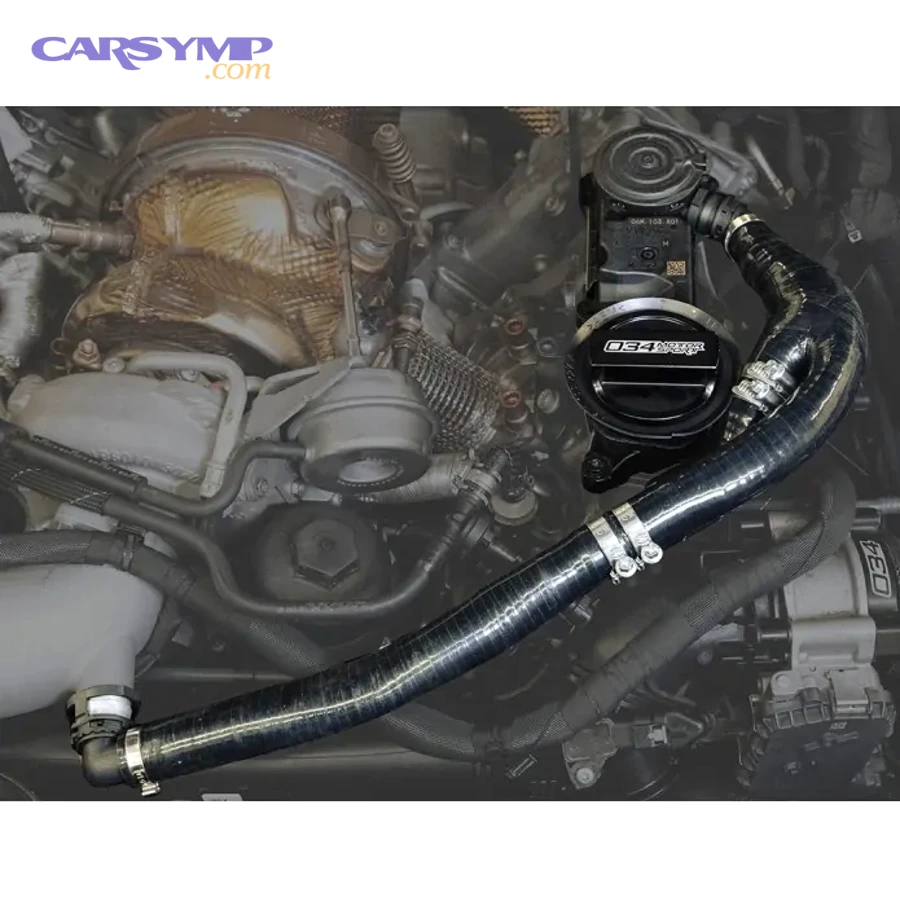
Which symptoms suggest a vacuum leak from the PCV hose (lean condition)?
There are six common vacuum-leak symptoms tied to a cracked PCV hose or leaking PCV valve housing, based on the criterion “unmetered air affects idle and mixture control.”
- Rough idle or unstable idle
- The engine struggles to maintain a steady idle because extra air enters downstream of the MAF (or bypasses expected airflow modeling).
- High idle / idle surge
- A sizable leak can act like a partially open throttle.
- Hissing sound near the engine
- Often loudest around PCV connections, valve cover ports, or intake manifold nipples.
- Lean trouble codes
- Common examples include bank lean codes or airflow correlation issues (exact codes vary by vehicle).
- Hesitation on tip-in
- Small throttle openings are most sensitive to vacuum leaks.
- Fuel trim numbers rising (if you have a scanner)
- Positive short-term or long-term fuel trim suggests the ECU is adding fuel to match the extra air.
If your vehicle’s PCV layout includes multiple plastic elbows and quick-connects, pay extra attention: tiny cracks at bends can create big drivability symptoms.
Which symptoms suggest crankcase overpressure from a clogged separator?
There are five major overpressure symptoms, grouped by the criterion “pressure forces oil outward and vapor flow backward.”
- New or worsening oil leaks
- Valve cover gasket seepage, timing cover seepage, oil pan seepage, or rear main seal leaks can accelerate if pressure is consistently high.
- Dipstick tube pressure behavior
- Dipstick may feel pushed up or you may see oil mist around the tube.
- Oil smell or burning oil on hot surfaces
- Oil pushed past seals can land on the exhaust and burn.
- Blue smoke in some cases
- Especially if oil is carried into the intake stream and burned.
- Wet intake tract / oil in air inlet components
- If separator efficiency collapses, oil can travel through the PCV hoses and collect in intake plumbing.
This is the category most people notice as “mysterious oil leaks” that seem to come back after replacing a gasket—because the root pressure problem never got fixed.
Can PCV problems trigger a check engine light even if the car “drives fine”?
Yes, PCV problems can trigger a check engine light even when drivability feels normal, and there are at least three reasons why. Moreover, the ECU can be “happy enough” for you not to feel it, while still unhappy enough to log a code.
Reason 1: Small PCV leaks are often most visible at idle, not at cruise.
At cruise, airflow is higher and the relative effect of a small leak can be masked. At idle, the same leak becomes a large percentage of total airflow.
Reason 2: The ECU’s mixture correction has limits.
Fuel trims can compensate…until they can’t, especially with temperature changes or when the leak worsens.
Reason 3: Some PCV failures show up as airflow plausibility problems.
If crankcase flow changes unexpectedly, sensors like MAF/MAP can disagree with modeled airflow, setting codes without dramatic symptoms.
CarParts’ breather-box diagnostic guide specifically notes that PCV system issues can set diagnostic trouble codes alongside oil leaks and oil consumption.
How can you diagnose PCV hose and separator issues step-by-step at home?
A reliable DIY diagnosis is a progressive checklist—start with visual inspection, then use simple idle/pressure clues, then escalate to smoke testing—so you identify the failure mode before you buy parts. Below, this order matters because it prevents the most common DIY mistake: replacing the PCV valve first when the real problem is a cracked hose or a clogged separator.
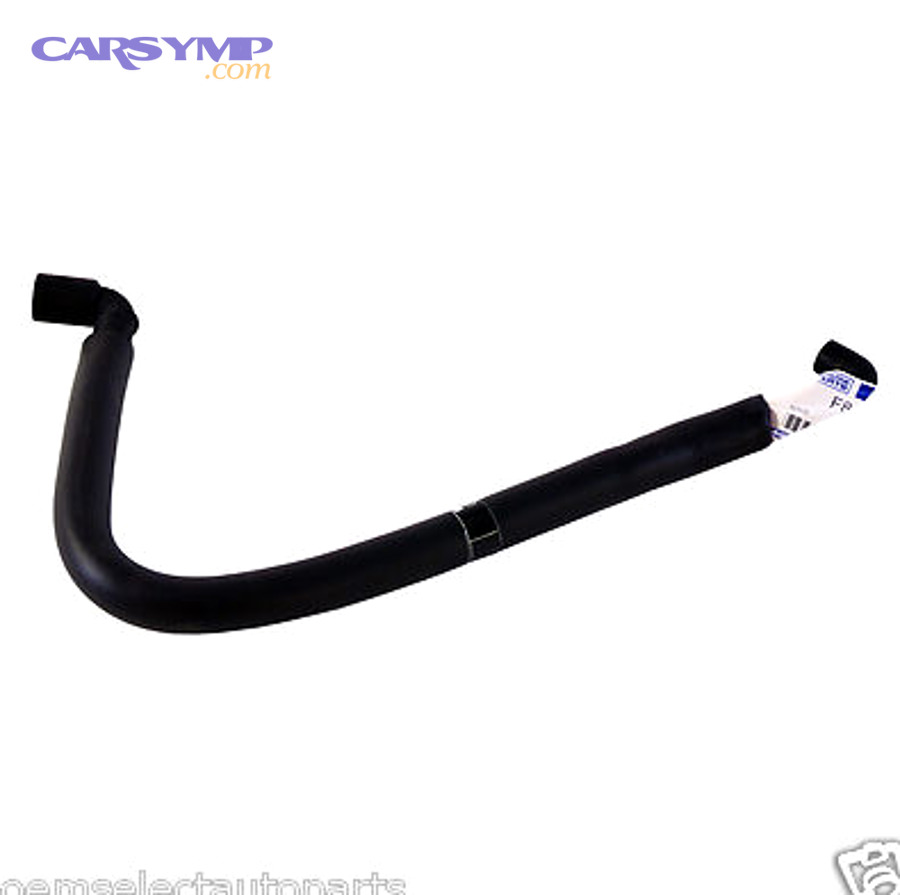
What’s the fastest visual inspection checklist for PCV hoses and fittings?
There are 8 fast checks you can do in under 10 minutes, based on the criterion “most PCV hose failures are visible at connection points.”
- Check for cracked elbows and bends
- Flex the elbow gently; hairline cracks often open when you bend it.
- Inspect quick-connect ends and O-rings
- Loose fit or hardened O-ring = leak path.
- Look for collapsed hose sections
- Soft hoses can collapse under vacuum, acting like a restriction.
- Check for oil saturation and swelling
- Some hose materials swell when soaked in oil vapor, loosening connections.
- Look for broken clips or missing retainers
- A hose that “sort of” sits in place can leak under vibration.
- Trace the full routing
- Make sure the hose didn’t rub through on a bracket or heat shield.
- Inspect grommets at valve cover/block ports
- Hardened grommets leak even when the hose looks fine.
- Check nearby oil leak patterns
- Fresh oil near a seal can be the effect, not the cause, of crankcase pressure.
Pro tip for consistency: take a photo before disassembly so routing and clip orientation are easy to restore.
How do you tell “vacuum leak” vs “crankcase pressure” without special tools?
A quick diagnosis comes from a comparison: vacuum leaks primarily disturb idle and fuel control, while overpressure primarily drives oil outward and pushes vapor where it shouldn’t go. However, you need to use multiple clues because some symptoms overlap.
Here’s a simple comparison table (what it contains: the most common observable clues and what they usually indicate):
| Clue you notice | More consistent with vacuum leak | More consistent with crankcase pressure |
|---|---|---|
| Rough/high/erratic idle | ✅ | sometimes |
| Loud hissing near PCV line | ✅ | sometimes |
| New oil leaks spreading over weeks | sometimes | ✅ |
| Oil mist around dipstick / seals | rare | ✅ |
| Fuel trims high positive (scanner) | ✅ | sometimes |
| Oil pooling in intake/hoses | sometimes | ✅ |
A safe “no-tools” check you can do:
- Listen at idle near PCV junctions.
- Feel for suction at the PCV hose connection point (careful—moving parts and hot surfaces).
- Observe oil leak progression: pressure-related leaks often worsen after highway driving or higher load.
Avoid overinterpreting the “oil cap test” (removing the oil cap at idle). Some engines have normal mild vacuum, and some have stronger vacuum by design; the goal is to detect extremes—like an oil cap that is very hard to remove (excess vacuum) or pressure puffing out (overpressure).
When is it worth using a smoke test or a crankcase pressure/vacuum gauge?
Yes, it’s worth using a smoke test or crankcase pressure/vacuum gauge when basic checks don’t clearly identify the leak or restriction, and there are at least three strong reasons. Especially, these tools save you money when the system is buried under covers or the leak is intermittent.
Reason 1: Smoke testing reveals tiny cracks you can’t see.
Plastic valve cover PCV circuits and hidden hoses can leak only under vacuum. Smoke makes the leak location obvious.
Reason 2: A gauge clarifies whether you have abnormal vacuum or pressure.
If crankcase pressure is high under load, you’ll stop blaming gaskets and focus on ventilation flow and blow-by.
Reason 3: These tools prevent “parts roulette.”
If you’re choosing between PCV valve replacement and replacing an oil separator assembly, a test can stop you from buying the wrong thing.
Here’s one useful diagnostic video you can use as a reference for smoke-testing PCV-related leaks:
What are the most common causes of PCV hose and oil separator failure?
PCV hose and oil separator failures usually come from heat aging, oil vapor exposure, and contamination buildup, and most problems fall into the categories of cracking, collapsing, clogging, or valve/diaphragm malfunction. Next, when you link the cause to the symptom, you also get a prevention plan instead of just a repair plan.
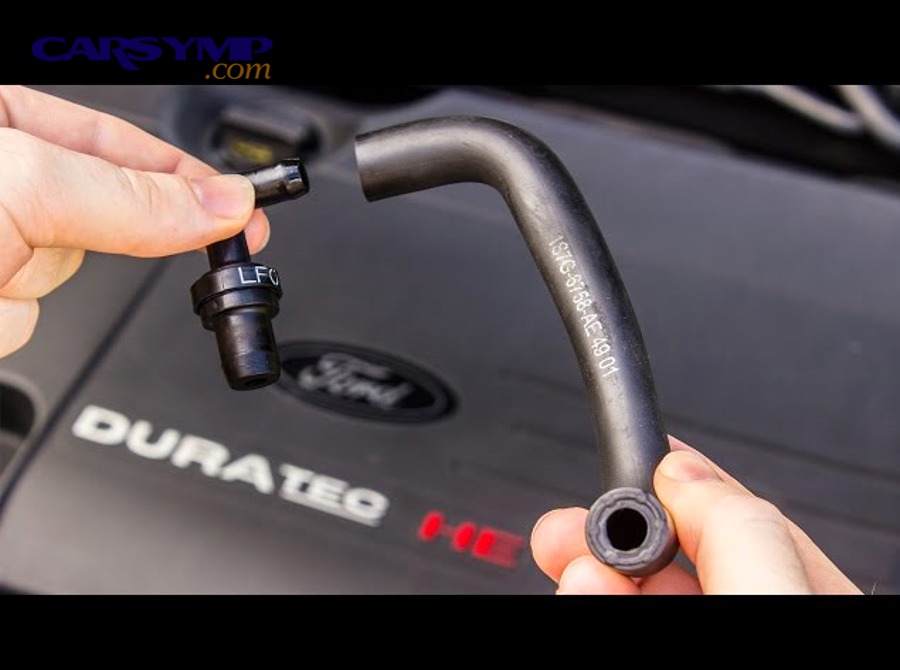
What causes PCV hoses to crack, collapse, or pop off?
PCV hoses fail for four main reasons, grouped by the criterion “material stress over time.”
- Heat cycling and brittleness
- Under-hood heat repeatedly hardens rubber and embrittles plastic, especially at elbows.
- Oil vapor and chemical swelling
- Some hoses swell, soften, or lose clamp tension when constantly exposed to oil mist.
- Vacuum collapse
- A soft hose can collapse at idle, acting like a partial clog. This can mimic a clogged separator by reducing flow.
- Mechanical stress and routing issues
- Hoses rubbing against brackets, being pulled during service, or misrouted after repairs can create cracks and loose connections.
If you see a hose that looks “wet” and spongy, it’s often near end-of-life—even if it’s not visibly cracked yet.
What causes an oil separator/breather box to clog or rupture?
Oil separators fail when they can’t manage the volume and contamination of crankcase vapors, and the most common causes are sludge, condensation, and excessive blow-by. More specifically, separators are the “filtering brain” of the system; when they clog, the whole system becomes unstable.
Common causes include:
- Short-trip driving and moisture
- Water vapor condenses in the crankcase during short trips. When the engine doesn’t run long enough to evaporate moisture, sludge forms faster—one reason Preventing sludge with a healthy PCV system also depends on driving pattern.
- Poor oil maintenance / extended intervals
- Old oil carries more contaminants and can sludge up separators and ports.
- Cold weather freezing events
- Condensed moisture can freeze and restrict ventilation passages on some designs.
- High blow-by from wear or heavy load
- More combustion gases past piston rings = more vapor volume and more oil mist to separate.
In a University of Windsor joint-degree thesis on crankcase pressure control, the author explains that closed crankcase ventilation routes crankcase gases to the intake, and emphasizes that separating oil mist helps reduce oil consumption and avoids oil burning that would increase pollutant emissions.
Can a “bad PCV” be a symptom of a bigger engine issue (excess blow-by)?
Yes, a “bad PCV” can be a symptom of a bigger engine issue, and there are at least three reasons to keep that possibility in mind. In addition, this is where DIYers sometimes fix the PCV system correctly…yet the same symptoms return because the engine produces abnormal vapor volume.
Reason 1: Excess blow-by can overwhelm a healthy separator.
If ring sealing is poor, the vapor flow increases dramatically under load, carrying more oil mist and pushing the ventilation system to its limits.
Reason 2: Persistent crankcase pressure can keep forcing leaks.
Even after a new hose or separator, high blow-by can maintain enough pressure to seep past seals.
Reason 3: Oil consumption can have multiple contributors.
A PCV system can cause oil consumption by pulling oil into the intake, but oil consumption can also come from turbo seals, valve stem seals, or ring wear. You need the full symptom picture.
A practical “sanity check” approach:
- If you repair the PCV system and pressure-related oil leaks keep returning, or you still see heavy smoke/oil use, consider a compression test or leak-down test to evaluate engine condition.
How do you fix PCV hose and oil separator issues correctly (replace vs clean)?
The correct fix is a replace-or-refresh decision based on what failed (hose leak vs separator restriction) and on age/brittleness, and the best outcome usually comes from replacing the weakest links together rather than one at a time. Then, once you repair the ventilation path, you reduce the chance of repeat oil leaks and stabilize idle and fuel trims.
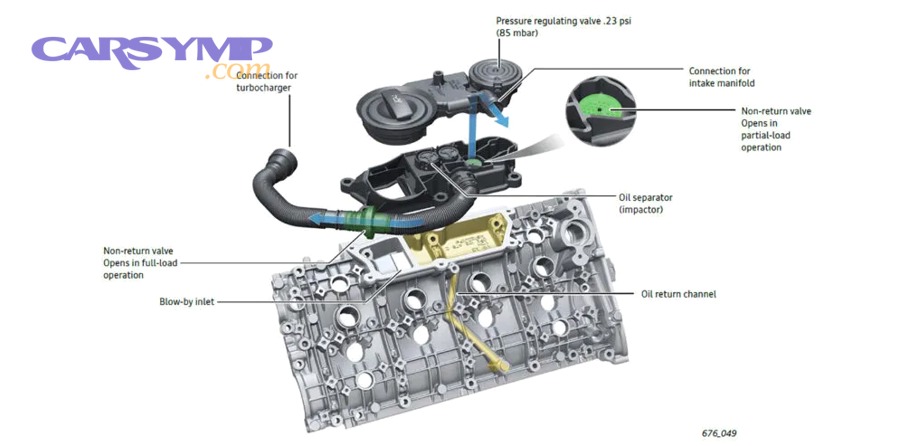
Should you replace the PCV hose, the oil separator, or both at the same time?
In a comparison, replacing both often wins for long-term reliability, replacing the hose only is best for isolated vacuum leaks, and replacing the separator only is best for clear restriction/pressure failures—based on the criteria of age, brittleness, and symptom severity. However, you should decide with a quick “risk and access” calculation.
Option A: Replace only the PCV hose (best when):
- You found a visible crack, split, broken fitting, or loose connector.
- Symptoms are classic vacuum leak (rough idle, hiss, lean behavior).
- Separator housing looks clean and ports are not restricted.
Option B: Replace only the oil separator (best when):
- You have clear overpressure symptoms (repeat gasket leaks, dipstick behavior, oil mist).
- You see pooling oil or sludge at separator ports.
- The hose material still looks healthy and flexible (rare on older vehicles).
Option C: Replace both (often best when):
- The vehicle is older and hoses are brittle.
- Access is difficult (you don’t want to repeat labor).
- You already have signs of both leakage and restriction.
- You’re doing PCV valve replacement or a valve cover service where parts are already exposed.
A practical DIY heuristic:
- If one part failed because it’s brittle/aged, the adjacent plastic elbows and hoses are usually close behind.
What are the key steps to replace PCV hoses without breaking brittle fittings?
PCV hose replacement is a 6-step method that prevents broken fittings and restores sealing, with the expected outcome of eliminating vacuum leaks and restoring controlled crankcase flow. To begin, the biggest DIY risk is snapping plastic ports or breaking quick-connect ends—so technique matters.
- Confirm routing and connection types before pulling anything.
- Take photos.
- Note clip directions and locking tabs.
- Reduce breakage risk with gentle heat (when appropriate).
- A warm engine bay can make plastics slightly less brittle, but avoid working near hot exhaust components.
- Release connectors correctly.
- Use the correct pick tool or connector tool.
- Don’t pry hard against plastic ports.
- Twist, then pull—don’t yank.
- Twisting breaks the seal without stressing the port.
- Replace seals/grommets if they’re hardened.
- A new hose on an old grommet can still leak.
- Verify clamp tension and routing clearance.
- Keep hoses away from sharp edges and heat sources.
- Ensure no kinks or tight bends.
After replacement, start the engine and listen for hissing at idle—your fastest confirmation for a vacuum leak fix.
How do you install a new oil separator/breather box and avoid repeat leaks?
Oil separator installation is a clean-and-seal process: replace the separator, restore clear passages, and ensure every seal/grommet seats correctly, with the expected outcome of normal crankcase pressure and reduced oil carryover. Next, what prevents repeat leaks is not just new parts—it’s making sure the system breathes freely and seals tightly.
Key steps and cautions:
- Inspect and clean mating surfaces
- Oil and grime can prevent seals from seating.
- Check connected ports for sludge
- A new separator connected to a clogged port still behaves like a restricted system.
- Replace brittle hoses/quick-connects if they fight you
- Don’t reuse cracked elbows “because it almost fits.”
- Confirm correct hose routing
- Wrong routing can create improper vacuum draw or block fresh-air makeup flow.
- Expect an adaptation period on some vehicles
- Idle control and trims may take a short drive cycle to fully settle (especially if the old system leaked badly).
When this repair is done correctly, many drivers notice fewer new oil seepages over time because pressure stops pushing oil past seals.
What checks should you do after the repair to confirm the fix worked?
Yes, you should do post-repair checks because they confirm sealing, verify crankcase ventilation behavior, and prevent “silent” issues (like a pinched hose) from turning into oil leaks later. Thus, think of it as closing the loop: symptoms → diagnosis → repair → verification.
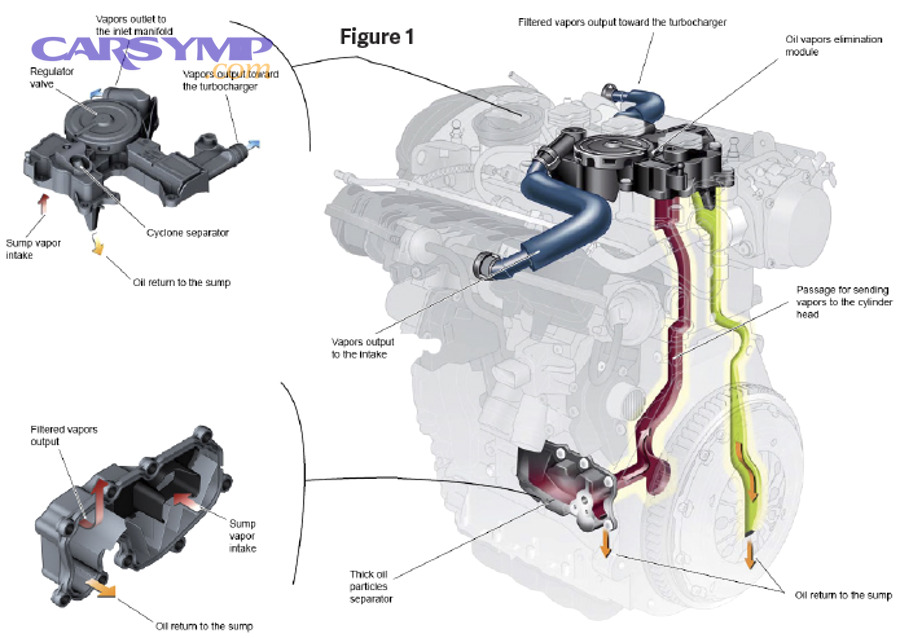
Which post-repair signs confirm crankcase ventilation is back to normal?
There are six confirmation signs, grouped by the criterion “airflow is controlled and oil is no longer forced or pulled where it shouldn’t go.”
- Idle is stable (no surging, no roughness after warm-up)
- No hissing/whistling near PCV connections
- Reduced oil smell and fewer fresh oil traces near seals
- No new oil mist around dipstick tube or oil cap area
- Cleaner intake tract progression (no new pooling oil forming quickly)
- Fuel trims normalize (if scanned) and lean codes don’t return
CarParts’ guide highlights that PCV/breather issues can show up as rough idle, oil consumption, oil in the intake path, and codes—so the “fix confirmed” state should reverse those trends.
Should you clear codes immediately, or wait to confirm the repair first?
In a comparison, clearing codes after you’ve confirmed the mechanical fix is best for diagnosis clarity, clearing immediately is best if the vehicle runs poorly and you need clean monitoring, and not clearing at all is useful when you want to preserve freeze-frame data—based on the criterion of troubleshooting confidence. However, DIYers should prioritize safety and repeatability.
- Wait to clear codes (often best when):
- You want to confirm the repair truly fixed the fault and didn’t just temporarily change symptoms.
- Clear codes immediately (best when):
- The engine is running poorly and you need to see which faults return first under normal driving.
- Keep data temporarily (best when):
- You’re still comparing multiple possible causes and want the ECU’s stored context.
If you have emissions testing coming up, remember that clearing codes can reset readiness monitors; plan accordingly.
When should a DIYer stop and go to a shop?
Yes, you should stop DIY and go to a shop when the problem suggests deeper engine wear or when testing requires specialized equipment, and there are at least three reasons. More importantly, knowing when to stop prevents wasted money and prevents damage from uncontrolled crankcase pressure.
Reason 1: Persistent overpressure after correct repair suggests excess blow-by.
That points to compression/leak-down testing and deeper diagnosis.
Reason 2: Turbocharged PCV routing mistakes can create drivability and oiling issues.
Some turbo systems require correct check valve behavior to prevent boost pressurizing the crankcase.
Reason 3: Repeat seal failures can become expensive quickly.
If rear main seal leaks continue, the ventilation issue (or engine wear) must be resolved first.
A reasonable threshold:
- If you’ve repaired obvious leaks and replaced failed parts, but oil leaks keep increasing or smoke continues, professional testing is the fastest way to stop the cycle.
How do PCV hose and oil separator systems differ on turbo engines and cold-climate designs?
Turbo engines and cold-climate PCV designs differ because boost pressure, extra check valves, and condensation risks change how vapors flow—so the same symptom may point to a different failure point than on a naturally aspirated engine. Next, once you understand these differences, you’ll diagnose Turbo engines and PCV system complexities without falling into the “it must be the same as my last car” trap.
What changes in PCV routing on turbocharged engines (check valves, boost reference, extra lines)?
Turbo systems often include:
- A check valve on the PCV path so boost can’t pressurize the crankcase.
- A second path to the intake tube (pre-turbo) to allow ventilation when the manifold is under boost (low/no vacuum).
- Additional separators or baffles to reduce oil carryover into the turbo inlet.
What this means for diagnosis:
- A hose that seems “fine” at idle can fail under boost load.
- A stuck check valve can cause pressure buildup during acceleration.
- Oil in charge pipes can come from multiple sources (PCV carryover or turbo issues), so you must compare symptoms and inspect patterns carefully.
What are diaphragm-style PCV failures and why do they cause whistling or high vacuum?
Some engines use a diaphragm-style PCV integrated into a valve cover or housing. When the diaphragm tears:
- It can create a strong vacuum leak that whistles (the “tea-kettle” sound).
- Idle may surge or run lean.
- The crankcase may experience abnormal vacuum draw, pulling more oil mist into the intake.
This is one scenario where PCV valve replacement (as an assembly) is often the right move because the diaphragm is not serviceable on many designs.
How do heated PCV hoses and winter condensation sludge change the failure pattern?
Cold weather adds two big stressors:
- Condensation accumulation
- Short trips don’t evaporate moisture, forming milky sludge in hoses and separators.
- Freezing blockage risk
- Moisture can freeze and block ventilation flow, creating sudden crankcase pressure spikes.
What to do differently in winter-prone conditions:
- Make sure hoses are not kinked and insulation/heating elements (if equipped) are intact.
- Consider more frequent oil changes if driving is mostly short trips.
- If you see repeated winter-related restrictions, focus on Preventing sludge with a healthy PCV system by improving drive cycle (longer warm runs) and keeping ventilation passages clear.
The University of Windsor joint-degree thesis notes that water vapor can condense and even freeze during cold ambient operation when engines run below operating temperature on short trips, potentially blocking crankcase ventilation and harming the engine.
What are the most common “look-alike” problems mistaken for PCV issues (turbo seals, valve stem seals, EVAP leaks)?
PCV-related symptoms overlap with other problems, so you need a short “look-alike filter”:
- Turbo seal issues (turbo engines):
- Oil in charge pipes + smoke under boost can be turbo-related, not only PCV carryover.
- Valve stem seal issues:
- Blue smoke after idling or on cold start can lean toward valve stem seals rather than PCV alone.
- EVAP system leaks:
- Some EVAP faults can set codes that feel unrelated to drivability, similar to small PCV leaks, so verify with smoke testing and hose tracing.
A useful approach is to fix confirmed PCV leaks/restrictions first (because they’re common and relatively accessible), then re-evaluate what remains—especially if oil consumption continues at the same rate.
Evidence (if any)
According to a 2014 joint-degree thesis conducted through the University of Windsor’s engineering program (in partnership with Politecnico di Torino), closed crankcase ventilation routes crankcase gases back into the intake for combustion and emphasizes that effective oil separation reduces oil consumption and avoids oil burning that would increase pollutant emissions; the work also explains how cold operation can cause water vapor to condense and freeze, potentially blocking crankcase ventilation passages.