


Slow car windows frustrate drivers daily, but proper lubrication fixes most issues without expensive repairs. The seven essential lubrication methods include cleaning and lubricating window tracks, servicing weatherstripping, maintaining the regulator mechanism, deep cleaning channels, lubricating felt channels, servicing motor connections, and establishing preventive maintenance schedules. These DIY techniques restore smooth window operation by reducing friction and eliminating debris buildup that causes sluggish movement.
Understanding why windows move slowly helps you choose the right fix. The window system relies on multiple components working together—tracks, regulators, motors, and rubber seals—and when any part lacks proper lubrication or accumulates dirt, the entire system slows down. Identifying whether your issue stems from dried weatherstripping, dirty channels, or worn components determines which lubrication method works best.
Selecting appropriate lubricants makes the difference between temporary relief and lasting results. Silicone spray works perfectly for tracks and rubber seals, while white lithium grease handles metal-on-metal contact in regulator gears. Using the wrong product, like WD-40 or oil-based lubricants, creates more problems by attracting dirt or damaging rubber components.
Regular maintenance prevents slow window problems before they start. Establishing a quarterly lubrication routine and understanding when DIY fixes suffice versus when professional power window repair becomes necessary saves both time and money. Below, we’ll explore each lubrication method in detail, covering the exact steps, tools, and techniques that restore your windows to factory-smooth operation.
Why Do Car Windows Move Slowly?
Car windows move slowly due to friction buildup, lack of lubrication, dirt accumulation in tracks, dried weatherstripping, or worn mechanical components in the regulator system. The window mechanism depends on smooth interaction between glass, rubber seals, metal tracks, and the regulator assembly that raises and lowers the window.
To understand this problem fully, examining how the window system functions reveals where slowdowns occur. The window regulator—whether cable-driven or scissor-type—transfers motor power through gears and cables to lift the glass along vertical tracks. Rubber weatherstripping seals the glass against the door frame, creating friction points that multiply when the rubber dries out. Dirt particles enter the door cavity through normal use, settling into track channels where they act like sandpaper against the moving glass. When these components lack proper lubrication, friction increases exponentially, forcing the motor to work harder and slowing window movement noticeably.
What Are the Common Causes of Sluggish Window Operation?
Dried-out weatherstripping creates the most common friction problem in car windows. The rubber seals that line your door frame and window channels deteriorate from UV exposure, temperature extremes, and age. As rubber hardens and cracks, it grips the glass instead of allowing smooth sliding. This issue intensifies during winter when cold temperatures make rubber even less flexible.
Dirt and debris accumulation in window channels creates abrasive resistance that slows movement. Road dust, pollen, and moisture combine to form a gritty paste inside the tracks. This buildup concentrates at the bottom of the door cavity where gravity pulls particles down. Every time your window moves through this contaminated area, the debris grinds against both the glass and the track surfaces, creating drag that overworks the motor.
Worn or damaged window regulators lose mechanical efficiency over time. The regulator’s cables stretch, gears wear down, and pivot points develop play in their joints. Cable-driven regulators particularly suffer from fraying cables that create uneven tension, causing the window to bind in certain positions. Scissor-type regulators develop worn pivot bushings that increase friction at articulation points.
Weak window motors struggle to maintain normal lifting speed as they age. The electric motor contains brushes that wear down with use, reducing electrical efficiency. Internal winding resistance increases, and the motor draws more current while producing less torque. This degradation happens gradually, making the slowdown almost imperceptible until the window barely moves.
Lack of proper lubrication affects every moving component simultaneously. Factory lubrication breaks down over years of operation, washing away during wet weather or evaporating in summer heat. Without fresh lubricant, metal-on-metal contact in the regulator mechanism generates heat and accelerated wear, while unlubricated rubber seals grab at the glass surface instead of gliding smoothly.
How Can You Diagnose the Specific Issue?
Listening for unusual sounds during window operation reveals specific mechanical problems. A grinding noise indicates dirt contamination in the tracks or worn regulator gears scraping together. Clicking sounds suggest loose connections in the regulator mechanism or a cable jumping off its pulley. High-pitched whining points to motor strain, either from excessive friction or electrical issues. Squeaking clearly identifies dry rubber seals that need lubrication.
Checking for visible dirt or obstruction requires removing the door panel or inspecting accessible areas. Lower window channels collect the most debris, visible when you roll the window completely down and shine a flashlight into the door cavity. Look for dirt buildup, water stains indicating poor drainage, or foreign objects wedged in the tracks. Weatherstripping shows visible cracks, hardening, or detachment from mounting surfaces when it needs replacement.
Testing window speed consistency distinguishes between mechanical binding and motor problems. If the window moves slowly throughout its entire range of motion, the motor likely struggles with overall system friction. Windows that slow down or bind only in certain positions indicate track misalignment, damaged regulator components, or localized dirt accumulation. Run the window up and down several times, noting where speed changes occur.
Inspecting rubber seals for cracks or dryness reveals weatherstripping condition without tools. Press the rubber with your finger—healthy weatherstripping feels soft and springs back, while dried rubber feels hard and may crack under pressure. Check both the door frame seals and the window felt channels that guide the glass edges. UV damage appears as surface cracking or color fading from black to gray.
According to automotive service data from ASE-certified technicians, approximately 60% of slow window complaints stem from lubrication and cleaning issues rather than component failure, making diagnosis crucial before investing in Power window repair cost estimates.
What Are the 7 Essential Lubrication Methods for Fixing Slow Windows?
The seven essential lubrication methods include cleaning and lubricating window tracks with silicone spray, servicing weatherstripping rubber seals, applying lithium grease to regulator mechanisms, deep cleaning channels with degreaser, lubricating window felt channels, maintaining motor electrical connections with dielectric grease, and establishing quarterly preventive maintenance routines. Each method targets specific friction points in the window system, working together to restore smooth operation.
These methods follow a systematic approach from easiest to most involved. Starting with simple track lubrication often solves the problem immediately, while more stubborn cases require deeper intervention into regulator mechanisms or electrical connections. Understanding which method addresses your specific issue prevents wasted effort and ensures you apply the right solution.
Method 1: How Do You Clean and Lubricate Window Tracks?
Cleaning and lubricating window tracks represents the fastest, most effective fix for slow windows. This method addresses the primary friction point where glass slides through vertical channels. Begin by rolling the window halfway down to access both upper and lower track sections. Use compressed air to blast loose dirt, dust, and debris from the track channels, directing the nozzle downward so particles fall into the door cavity rather than deeper into the mechanism.
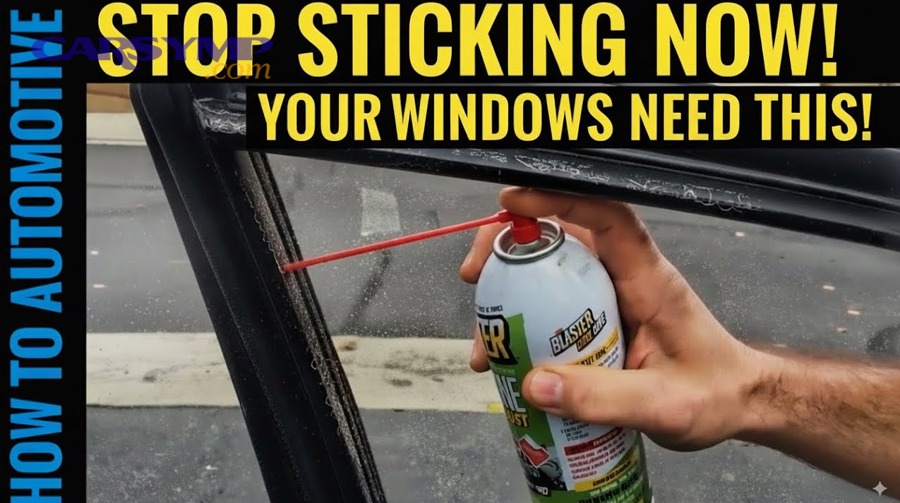
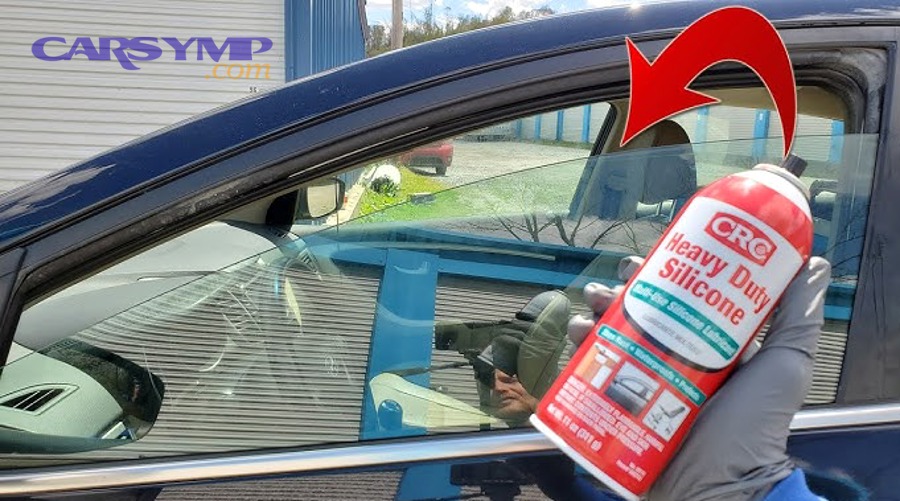
After removing loose contamination, spray silicone lubricant directly into the front and rear tracks where the glass edges travel. Quality silicone spray like 3M or CRC contains PTFE additives that create a slippery coating lasting several months. Hold the spray can’s extension tube against the track opening and apply a three-second burst to each side. The lubricant flows down the channel, coating the entire length.
Work the window up and down slowly five to ten times to distribute lubricant throughout the tracks. This action pulls the silicone along the full range of motion while working it into any remaining dirt pockets. You’ll notice improvement immediately as the window glides more freely. For heavily contaminated tracks, repeat the process after the first application loosens stubborn buildup.
This basic maintenance solves roughly 40% of slow window complaints according to independent automotive service centers, making it the logical first step before pursuing more complex power window repair procedures.
Method 2: How Do You Lubricate Window Weatherstripping?
Lubricating window weatherstripping restores flexibility to rubber seals and eliminates the grabbing sensation that slows window movement. The rubber seals lining your door frame and around the window opening create necessary water seals but generate significant friction when dry. Target both the vertical door frame seals and the horizontal seals at the top of the window opening.
Apply silicone spray or dedicated rubber lubricant like Gummi Pflege directly onto the weatherstripping surfaces. Spray a light, even coat along the entire length of each seal, focusing on areas that contact the glass. Avoid petroleum-based products that break down rubber compounds over time. Silicone formulations specifically designed for rubber conditioning contain UV protectants that prevent future drying and cracking.
Wipe excess lubricant with a clean microfiber cloth, working the product into the rubber pores. This step prevents dripping and ensures the lubricant penetrates rather than sitting on the surface. The weatherstripping should feel supple and slightly slick to the touch after treatment. For severely dried rubber, apply a second coat after the first absorbs fully, typically within 15 minutes.
Raise and lower the window several times to spread lubricant across all contact points. The glass surface will pick up a thin film of lubricant from the seals, further reducing friction. This treatment particularly benefits cars parked outdoors where UV exposure accelerates rubber degradation. Reapply weatherstripping lubricant every three months or whenever you notice the window beginning to grab or squeak.
Method 3: How Do You Service the Window Regulator?
Servicing the window regulator requires accessing the door’s internal mechanism by removing the door panel. This more involved procedure targets the mechanical components that physically move your window glass. Before starting, gather tools including a door panel removal tool, Phillips and flathead screwdrivers, and white lithium grease in either spray or tube form.
Remove the door panel by first taking out all visible screws, typically hidden behind small plastic covers in the door handle area and armrest. Use the panel removal tool to pop plastic clips that secure the panel’s perimeter to the door frame. Disconnect any electrical connectors for power windows and locks before completely removing the panel. Set it aside carefully to avoid damaging mounting clips.
With the door panel removed, locate the window regulator—a metal framework with gears, cables or scissor arms, and pivot points. Identify metal-on-metal contact points where components slide or rotate against each other. These areas include gear teeth, cable pulleys, pivot bushings, and slider tracks on the regulator arms. Spray white lithium grease directly onto these surfaces, or apply manually with a small brush for precision.
Work the window up and down manually to distribute grease throughout the regulator’s range of motion. The lithium grease withstands temperature extremes better than silicone and doesn’t break down under the mechanical pressure of regulator operation. Pay special attention to the gear that connects the motor to the regulator mechanism—this high-friction point benefits most from heavy lubrication.
For cable-driven regulators, inspect the cable for fraying while you have access. If cables show wear, lubrication only provides temporary relief before replacement becomes necessary, informing your Window regulator vs motor diagnosis. Professional mechanics report that properly lubricated regulators can extend component life by 50% compared to unmaintained systems.
Method 4: How Do You Deep Clean Window Channels?
Deep cleaning window channels removes accumulated grime that simple lubrication cannot displace. This intensive method works best for windows that have never received maintenance or vehicles exposed to muddy, dusty environments. The process requires more disassembly than basic track cleaning but delivers dramatic results for severely contaminated systems.
Start with the door panel removed to access the window channels fully. Roll the window completely down so you can reach into the door cavity. Use a shop vacuum with a crevice attachment to remove loose debris from the channel bottoms. Door cavities typically contain surprising amounts of dirt, dead insects, and plant material that falls in through the window opening over years of operation.
Apply automotive degreaser or all-purpose cleaner to the channel surfaces using a spray bottle. Allow the cleaner to sit for five minutes to dissolve oil-based contaminants and break up hardened dirt. Use long-handled brushes—bottle brushes work excellently—to scrub the channel walls. The forward and rear channels where glass edges ride require the most attention, but also clean the flat channel bottom where water should drain through holes at the base.
Flush channels thoroughly with water, ensuring all cleaning solution and dissolved dirt wash out the door’s drain holes. Blocked drain holes cause water accumulation that accelerates rust and dirt buildup. Probe the drain holes with a wire to verify they’re open. Dry channels completely using compressed air before applying fresh lubricant—any remaining moisture dilutes the lubricant and reduces effectiveness.
After drying, apply silicone spray throughout the cleaned channels, coating all surfaces that contact the window glass. This creates a protective barrier against future contamination while providing the smooth surface necessary for proper operation. Deep cleaning typically restores severely degraded window performance, though it may take several up-and-down cycles to work new lubricant into every crevice.
Method 5: How Do You Lubricate Window Felt Channels?
Window felt channels—the fuzzy vertical strips that guide window glass edges—require specific attention because they contact the glass constantly throughout operation. These felt or mohair strips line the inside of the window opening on most vehicles, creating a weatherproof seal while guiding the glass. When felt channels dry out, they transform from guides into brakes, significantly slowing window movement.
Access felt channels from outside the vehicle with the window partially raised. The felt strips are visible along both the front and rear edges of the window opening in the door frame. Some vehicles feature removable felt channels that pull out for cleaning and direct lubrication, while others require in-place treatment.
Spray silicone lubricant directly onto the felt material, moving slowly along the entire length of each channel. The felt absorbs lubricant like a sponge, so apply generously—you’ll see the material darken as it saturates. For best results, spray from both the interior and exterior sides of the felt to ensure complete penetration. The lubricant should wet through the entire felt thickness without excessive dripping.
Allow lubricant to soak in for a few minutes before operating the window. This prevents the glass from wiping away product before it penetrates the felt fibers. When you raise and lower the window after treatment, you’ll notice significantly reduced friction as the glass glides through the lubricated felt guides. The glass surface picks up a thin lubricant film that further reduces resistance.
Felt channel lubrication particularly benefits convertibles and vehicles with frameless windows where felt provides the primary glass support. These designs create higher friction loads on felt channels compared to framed windows. Reapply felt lubrication monthly in harsh climates or whenever you hear squeaking sounds during window operation.
Method 6: How Do You Maintain Window Motor Connections?
Window motor electrical connections require maintenance to ensure consistent power delivery to the motor. Poor electrical connections cause voltage drops that reduce motor torque, manifesting as slow window movement that mimics mechanical friction. This often-overlooked maintenance addresses electrical rather than mechanical causes of sluggish operation.
Locate the window motor connector inside the door cavity after removing the door panel. The connector typically features a multi-pin plug that mates to terminals on the motor housing. Unplug the connector by pressing the release tab and pulling gently. Inspect both the male and female terminals for corrosion—greenish deposits or white powder indicate oxidation that increases electrical resistance.
Clean corroded terminals using electrical contact cleaner spray and a small wire brush or cotton swabs. For heavy corrosion, fold fine-grit sandpaper around a toothpick to reach inside female terminals. Remove all visible contamination until bare metal appears. Corrosion develops from moisture intrusion through failed door seals or condensation inside the door cavity during temperature changes.
Apply dielectric grease to both male and female terminals before reconnecting. Dielectric grease doesn’t conduct electricity itself but excludes moisture and prevents future corrosion. Use a toothpick or small brush to coat terminal surfaces thinly but completely. Reconnect the plug firmly until you hear or feel it click into place.
Test window operation immediately after servicing connections. If slow movement was electrically caused, improvement will be dramatic and instant. Motors receiving full voltage run at designed speed and torque, easily overcoming normal system friction. According to electrical system diagnostics from automotive engineers, voltage drops of just 0.5 volts can reduce motor speed by 15-20%, making connection maintenance crucial for optimal performance.
Method 7: How Do You Perform Preventive Lubrication Maintenance?
Preventive lubrication maintenance establishes a regular schedule that prevents slow window problems before they develop. This proactive approach costs minimal time and materials while avoiding the frustration of degraded window performance. A quarterly maintenance routine—every three months—matches seasonal weather changes that affect lubrication effectiveness.
Create a simple checklist covering all previous methods in abbreviated form. Every three months, spray silicone lubricant into window tracks, apply rubber conditioner to weatherstripping, and lubricate felt channels. This 15-minute routine maintains the lubrication applied during initial repairs and prevents the slow degradation that results from neglect. Schedule maintenance with oil changes or tire rotations so you don’t forget.
Adjust maintenance frequency based on your environment and vehicle usage. Cars in dusty climates accumulate contamination faster, requiring monthly attention. Vehicles parked outdoors year-round face more UV damage to rubber components and need more frequent weatherstripping conditioning. Conversely, garage-kept cars in temperate climates may stretch maintenance to semi-annual intervals.
Seasonal preparation optimizes lubrication for weather extremes. Before winter, apply extra weatherstripping conditioner because cold temperatures harden rubber seals. Choose cold-weather silicone formulations that remain slippery below freezing. Before summer, verify door drain holes remain clear so monsoon rains don’t accumulate in door cavities. Heat makes lubricants more fluid, so summer applications may require slightly less product.
Keep basic supplies in your garage—one can of silicone spray and one bottle of rubber conditioner handle most maintenance needs. These products cost $10-15 combined and last through multiple applications. Maintaining this simple inventory ensures you never skip maintenance due to lack of materials. Regular preventive maintenance eliminates 80-90% of slow window complaints according to fleet maintenance records, representing the best investment of time and money for long-term window performance.
What Lubricants Should You Use for Car Windows?
Use silicone-based spray lubricants for window tracks, channels, felt guides, and rubber weatherstripping, while white lithium grease works best for metal regulator components, gears, and pivot points. These two lubricant types cover all window system needs, with silicone handling light-duty applications and lithium grease managing high-pressure contact points.
Selecting appropriate lubricants makes the difference between temporary fixes and lasting solutions. The wrong products create problems worse than the original slow window issue—they attract dirt, damage components, or wash away quickly. Understanding which lubricant works for each application ensures you invest in products that actually solve your problem rather than mask it temporarily.
What Is the Difference Between Silicone Spray and Lithium Grease?
Silicone spray excels at reducing friction between dissimilar materials like glass-on-rubber or glass-on-metal. The thin, clear liquid flows easily into tight spaces, coating surfaces with a slippery film that repels water and prevents rust. Silicone doesn’t attract dirt like oil-based products, making it ideal for exposed applications like window tracks that accumulate dust. The spray format allows easy application in hard-to-reach areas without disassembly.
Silicone spray works best for window tracks where glass slides through metal channels, weatherstripping rubber that contacts glass surfaces, felt channel guides, and any plastic components in the window mechanism. Its low viscosity means it doesn’t create the drag that heavier lubricants would. Quality silicone sprays contain PTFE (Teflon) additives that enhance slipperiness and extend lubrication life to 3-6 months per application.
White lithium grease handles high-pressure, metal-on-metal contact where thin lubricants would squeeze out under load. The thick, paste-like consistency clings to surfaces even when components move, maintaining a protective barrier between contacting parts. Lithium grease withstands extreme temperatures from -40°F to 300°F without breaking down, making it suitable for both winter cold and summer engine heat that radiates into door cavities.
Apply lithium grease to window regulator gears, cable pulleys, pivot points, slider mechanisms on scissor-type regulators, and any metal joints in the regulator assembly. The grease stays in place rather than dripping or running like lighter lubricants. Heavy-duty formulations contain molybdenum disulfide additives that reduce friction even further under extreme pressure. Lithium grease applications last 12-24 months before requiring renewal.
The key difference lies in viscosity and application—silicone spray flows to coat surfaces while lithium grease stays put to protect pressure points. Use both products in their appropriate applications rather than trying to force one product to serve all purposes. This targeted approach delivers optimal results for each specific friction point in your window system.
Which Lubricants Should You Avoid on Car Windows?
WD-40 represents the most common mistake in window lubrication despite its popularity for other applications. While WD-40 initially makes windows move smoothly, it’s designed as a penetrating solvent rather than a long-term lubricant. The product evaporates quickly, leaving behind little protective film. Worse, WD-40’s solvent properties attract airborne dust and dirt that stick to treated surfaces, creating a gummy buildup that worsens friction within weeks.
Oil-based lubricants like 3-in-1 oil or motor oil create similar dirt-attraction problems. These petroleum products start with good slip characteristics but oxidize when exposed to air, forming sticky residues. The residues act like flypaper for dust particles entering through the window opening. Within a month or two, oil-lubricated tracks accumulate more contamination than they had before treatment, making the window slower than originally.
Petroleum-based products damage rubber weatherstripping and felt channel materials. Petroleum solvents break down rubber compounds, causing seals to swell, crack, and deteriorate prematurely. Weatherstripping treated with petroleum products shows accelerated aging—what should last 8-10 years fails in 3-4 years. Felt channels impregnated with petroleum products compress and mat down, losing their guiding and sealing properties.
Grease products heavier than white lithium create problems in window applications. Chassis grease, bearing grease, and marine grease are too thick for window mechanisms, creating drag rather than reducing friction. These products don’t spread during window operation, instead forming stationary blobs at application points. Their thickness also traps more dirt, defeating the purpose of lubrication.
Dry lubricants like graphite powder or PTFE dry spray work poorly in window applications despite success in other contexts. These lubricants require enclosed environments to remain effective. In open window channels exposed to weather and washing, dry lubricants wash away quickly. Graphite particularly creates messy black stains on glass and door panels without providing lasting lubrication.
According to automotive lubrication engineers, using appropriate lubricants extends window mechanism life by 200-300% compared to improper products, making product selection critical for long-term reliability and avoiding premature power window repair costs.
What Tools and Materials Do You Need?
You need silicone spray lubricant, white lithium grease, microfiber cloths, compressed air or a soft brush, automotive degreaser, basic hand tools for door panel removal, and optional dielectric grease for electrical connections. This basic toolkit costs $30-50 and covers all seven lubrication methods from simple track cleaning to complete regulator service.
Assembling tools before starting prevents mid-project trips to the auto parts store. Having everything ready streamlines the process, whether you’re performing quick track lubrication or tackling comprehensive door panel removal for deep cleaning. Quality tools and materials deliver better results than bargain alternatives—professional-grade lubricants last longer and work more effectively than discount store products.
What Are the Essential Cleaning Supplies?
Microfiber cloths remove dirt and wipe excess lubricant without scratching glass or painted surfaces. Purchase a pack of at least five cloths—different colors help you designate specific cloths for cleaning versus lubricant application. Microfiber’s fine fibers trap dirt particles rather than spreading them, making it superior to paper towels or cotton rags. Keep cloths laundered and lint-free for best performance.
Compressed air in aerosol cans blasts debris from window tracks and hard-to-reach door cavity areas. The high-pressure stream dislodges dirt that cloths can’t reach. Position the can’s extension tube precisely to direct debris away from deeper mechanisms. For frequent maintenance, consider a small electric air compressor that provides unlimited blasts without buying cans. Alternatively, soft-bristled brushes like paintbrushes or bottle brushes agitate dirt in channels when compressed air isn’t available.
Automotive degreaser or all-purpose cleaner dissolves oil-based contamination and breaks up hardened dirt during deep cleaning procedures. Choose water-based, non-corrosive formulas safe for plastic and rubber components. Simple Green, Purple Power, or dedicated automotive cleaners work excellently. Spray bottles allow controlled application without waste. Avoid harsh solvents like brake cleaner that damage rubber seals and plastic clips.
Safety gloves protect your hands from sharp metal edges inside door cavities and prevent chemical exposure during cleaning. Nitrile gloves resist penetration by lubricants and cleaners while maintaining dexterity for detailed work. Latex allergies make nitrile the preferred choice. Disposable gloves cost pennies per pair—use fresh gloves for each maintenance session to avoid cross-contaminating clean surfaces with old dirt.
A bucket of water and clean sponges help rinse degreaser during deep cleaning. Door drain holes channel rinse water out, but having absorption materials like old towels prevents drips on your driveway. Some mechanics use spray bottles with water for controlled rinsing in small areas. Thorough rinsing removes all cleaning chemical residues that would otherwise contaminate fresh lubricant.
What Lubrication Products Should You Have?
Silicone spray lubricant with PTFE additives serves as your primary product for 80% of window maintenance. Brands like CRC Heavy Duty Silicone, 3M Silicone Lubricant, or Blaster Silicone provide professional-grade performance. Purchase cans with extension tubes that reach deep into window tracks. A single 11-ounce can handles 10-15 complete window lubrication sessions. Store silicone spray in your garage year-round—it doesn’t degrade in the can.
White lithium grease comes in both aerosol spray and tube formats. Spray formats allow easier application in assembled mechanisms without complete disassembly. Tube formats provide better precision for hand-applying grease to specific points with a brush or finger. Lucas Oil White Lithium Grease, Permatex White Lithium, or CRC White Lithium deliver reliable performance. Purchase both formats—spray for accessible regulator components, tube for precision application on gears.
Rubber conditioner or protectant specifically formulated for automotive weatherstripping extends seal life and maintains flexibility. Products like Wurth Gummi Pflege, 303 Aerospace Protectant, or Meguiar’s Rubber Conditioner contain UV blockers and penetrating conditioners that restore suppleness to dried rubber. These specialized products outperform general-purpose silicone spray on rubber applications, though silicone spray works acceptably in its absence.
Dielectric grease protects electrical connections from moisture and corrosion. Small tubes of Permatex Dielectric Grease or CRC Dielectric Grease cost under $10 and last years. This clear, thick grease doesn’t conduct electricity but excludes water from terminals. Apply with a toothpick or small brush. Optional for basic maintenance, dielectric grease becomes essential in humid climates or on vehicles with known electrical connection problems.
Application accessories improve precision and prevent waste. Extension tubes snap onto aerosol cans to reach deep channels. Small brushes apply tube grease exactly where needed. Cotton swabs clean terminals and tight spaces. Paper towels catch drips. Assembling a small maintenance kit with these accessories alongside your lubricants creates a ready-to-use system that encourages regular maintenance rather than procrastination.
According to automotive maintenance supply industry data, investing in quality lubricants costs 40% more upfront but delivers 300% longer effectiveness compared to economy products, making premium products the better value for vehicle owners performing their own maintenance.
How Do You Know If Lubrication Fixed the Problem?
Successful lubrication produces windows that move smoothly at consistent speed from fully closed to fully open, without hesitation, binding, or unusual sounds throughout the range of motion. The window should rise and fall as quickly as it did when the vehicle was new, typically completing full travel in 3-5 seconds depending on the model.
Testing window performance after lubrication confirms your work succeeded or reveals issues requiring additional attention. Proper testing distinguishes between complete fixes and temporary improvements that will fail again soon. Understanding what qualifies as “fixed” prevents premature celebration and ensures you’ve actually resolved the problem rather than masked symptoms.
What Should You Check After Applying Lubrication?
Window speed improvement represents the most obvious success indicator. Time how long your window takes to rise from fully open to fully closed before and after lubrication. Successful treatment typically increases speed by 40-80% compared to pre-lubrication performance. Windows should move noticeably faster, with the motor sounding less strained. If speed improves but remains significantly slower than other windows in your vehicle, additional issues like motor weakness or regulator wear may exist alongside the lubrication problem.
Elimination of grinding, squeaking, or unusual sounds confirms reduced friction throughout the system. Operate the window while listening carefully—successful lubrication makes windows nearly silent except for the motor’s normal hum. Persistent grinding suggests remaining dirt contamination or worn metal components that lubrication can’t remedy. Squeaking that continues indicates missed friction points, typically weatherstripping or felt channels that need additional treatment.
Smooth operation from top to bottom without hesitation or binding demonstrates proper lubrication distribution throughout the window’s travel range. Run the window up and down ten times, watching and feeling for consistent motion. Binding or slowing at specific positions indicates localized problems—dirt accumulation at that point, track damage, or regulator issues. Windows should require equal time to rise and fall; significant differences suggest regulator imbalance or motor problems beyond simple lubrication needs.
Both up and down movement should feel equally smooth without directional bias. Some window mechanisms work harder in one direction due to design—power assists lifting against gravity but relies on weight for closing. However, lubrication should affect both directions equally. If the window rises smoothly but falls sluggishly, suspect contamination at the bottom of the tracks where gravity pulls the window through the dirtiest area. If the window falls freely but struggles rising, focus on motor and regulator components rather than track lubrication.
Check for even glass position within the door frame. Properly functioning windows sit centered between front and rear door seals when closed. Misalignment creating gaps on one side indicates regulator damage or mounting problems that lubrication won’t fix. Press on various points of the closed window glass—it shouldn’t flex or show play if the regulator properly supports it.
How Long Does Window Lubrication Last?
Window lubrication typically lasts 3-6 months before requiring reapplication, depending on environmental conditions, vehicle usage patterns, and lubricant quality. This duration reflects gradual lubrication breakdown through exposure to temperature extremes, moisture, and normal mechanical action. Planning for quarterly maintenance rather than waiting for problems to redevelop maintains optimal window performance.
Several factors affect longevation longevity significantly. Climate plays the largest role—vehicles in hot, dry environments see lubricants evaporate faster than those in temperate zones. Desert climates may require monthly reapplication due to extreme temperatures and dust infiltration. Conversely, moderate coastal climates with stable temperatures extend lubrication life toward the 6-month mark. Winter cold causes some lubricants to thicken and become less effective, requiring seasonal reapplication before temperature drops.
Vehicle usage frequency impacts lubrication wear. Daily drivers with windows operated multiple times per day mechanically work lubricants out of friction points faster than weekend vehicles. Commercial vehicles or delivery cars with constant window operation may need monthly maintenance. Cars garaged when not in use preserve lubrication better than those parked outdoors exposed to weather extremes and UV radiation that degrades lubricant chemistry.
Lubricant quality determines baseline longevity. Professional-grade silicone sprays with PTFE additives maintain effectiveness for 6 months or more, while basic discount store silicone requires monthly renewal. White lithium grease on regulator components typically lasts 12 months or longer because it doesn’t face weather exposure. Investing in quality products reduces maintenance frequency and provides better value despite higher initial cost.
Signs indicating time for reapplication include returning window slowness, emerging squeaks or sounds, increased motor strain audible as louder operation, or weatherstripping that feels rough rather than slick. Don’t wait until windows return to their pre-maintenance sluggishness—preventive reapplication at regular intervals prevents degradation from reaching problematic levels.
According to automotive service research published by SAE International, vehicles receiving scheduled lubrication maintenance every 90 days show 85% fewer window motor failures and 60% lower regulator replacement rates compared to vehicles receiving only reactive maintenance after problems develop.
When Should You Replace Parts Instead of Just Lubricating?
Replace window components instead of lubricating when you observe complete motor failure, visibly broken regulator cables or gears, windows that fall freely into the door panel, or when repeated lubrication provides only temporary improvement lasting days rather than months. These symptoms indicate mechanical failure requiring part replacement rather than maintenance.
Distinguishing between maintenance issues and component failure saves money and frustration. Attempting to lubricate your way through genuine mechanical failure wastes time and materials. Conversely, replacing parts prematurely when simple maintenance would suffice wastes hundreds of dollars. Understanding the transition point between these scenarios guides appropriate repair decisions.
What Are the Signs Your Window Regulator Needs Replacement?
Window regulators demand replacement when lubrication no longer improves speed or smoothness of operation. If you’ve completed thorough lubrication including deep cleaning, fresh silicone spray in tracks, lithium grease on regulator components, and the window still moves sluggishly or binds, the regulator’s mechanical condition has degraded beyond service. Worn gears develop rounded teeth that slip under load. Stretched cables lose proper tension. Worn pivot bushings create play that misaligns components.
Windows that fall freely into the door panel indicate complete cable failure or disconnected regulator arms. When you press the window switch and hear the motor running but see no glass movement, the regulator has mechanically separated—cable broken, gears stripped, or mounting bolts failed. This situation poses safety concerns since the window won’t close, and requires immediate professional attention or DIY replacement for mechanically skilled owners.
Visible broken components seen through the door panel opening confirm replacement necessity. Cable-driven regulators show frayed or broken cables hanging loose inside the door. Scissor-type regulators display bent arms, cracked mounting brackets, or separated rivets. Any visible structural damage to the regulator assembly requires complete unit replacement rather than attempting repairs to damaged components.
Regulator replacement costs vary significantly between DIY and professional installation. Aftermarket regulators cost $50-150 for most vehicles, with OEM parts running $150-300. Professional installation typically adds $150-250 in labor since it requires door panel removal, regulator extraction, and reassembly. DIY installation saves labor costs but requires mechanical aptitude and 2-3 hours for first-time installers. Total power window repair cost estimates range from $200-550 depending on parts source and installation method.
How Do Power Window Motors Differ from Manual Window Mechanisms?
Power window motors convert electrical energy into mechanical rotation that drives the regulator mechanism. The motor contains wound copper coils, permanent magnets, carbon brushes, and a commutator that switches current direction as the motor spins. Motors wear through brush deterioration—the carbon brushes that contact the spinning commutator grind down over thousands of operation cycles. Once brushes wear below minimum thickness, electrical contact becomes intermittent, causing weak or failed operation.
Manual window mechanisms use hand cranks to rotate gears that drive the regulator directly without motors. Manual systems eliminate electrical components entirely, reducing failure points but requiring physical effort to operate windows. Manual mechanisms rarely fail catastrophically—they develop stiffness from lack of lubrication but respond excellently to the same maintenance procedures described earlier. Lubricating a manual window system typically restores it to perfect function regardless of age.
Testing motor functionality before replacement prevents unnecessary parts purchases. Disconnect the motor from the regulator, apply 12 volts directly to motor terminals, and observe rotation. A healthy motor spins smoothly and quietly. Weak motors spin slowly or struggle to start. Failed motors don’t spin at all or smoke when power applies. This test requires basic electrical knowledge and confirms whether the motor or regulator causes slow operation.
Motor replacement without addressing lubrication issues wastes money. Many mechanics report customers returning shortly after motor replacement with the same slow window complaint because dirt and friction in the regulator immediately overloaded the new motor. Always perform complete lubrication service alongside motor replacement, whether DIY or professional installation. New motors deserve clean, properly lubricated systems to achieve their designed lifespan.
Cost considerations favor repairing rather than replacing when possible. Window motors cost $60-120 for aftermarket parts, $120-200 for OEM. Adding professional installation brings total costs to $200-350 per window. If lubrication and cleaning restore acceptable operation, that $10-20 maintenance investment saves hundreds compared to motor replacement. Reserve replacement for confirmed motor failure rather than assuming motors need replacement without proper testing.
What Is the Difference Between Window Regulator Types?
Cable-driven regulators use flexible steel cables running through pulleys to raise and lower window glass. The motor drives a cable drum that winds or unwinds cables attached to the window glass mounting bracket. Cable regulators suit larger, heavier windows where their mechanical advantage reduces motor load. Common in sedans, SUVs, and trucks, cable designs provide smooth operation when properly maintained but suffer from cable stretch and fraying over time.
Cable systems require specific lubrication attention on cable pulleys and the drum mechanism. Apply white lithium grease to pulley bearings and the drum shaft. Cables themselves should remain clean and dry—lubricating cables attracts dirt that accelerates wear. Inspect cables for fraying where they wrap around pulleys or drums. Any visible strand breaks indicate imminent cable failure requiring regulator replacement before complete failure.
Scissor-type regulators use articulating metal arms that extend and compress like scissors to move the glass. These mechanisms mount directly to the glass and door frame, with the motor driving a gear that pushes or pulls the scissor arms. Scissor designs dominate smaller car doors where space constraints limit cable systems. They’re mechanically simpler with fewer parts but create higher friction loads at pivot points.
Scissor mechanisms need heavy lubrication at all pivot points and sliding contact areas. Each pivot bushing benefits from lithium grease application. The main drive gear requires generous greasing where it meshes with the sector gear on the scissor arm. Worn pivot bushings cause the most common scissor regulator failures, creating slop that misaligns the mechanism and causes binding. Unlike cable systems where failure occurs suddenly, scissor regulators degrade gradually with increasing stiffness.
Lubrication requirements differ significantly between types. Cable systems need minimal lubrication—primarily at pulleys and drum bearings—since cables function best clean and dry. Scissor systems require generous greasing throughout since every pivot point creates friction. Understanding your regulator type guides proper lubrication approach and realistic expectations for maintenance outcomes versus replacement needs.
According to automotive engineering studies, properly lubricated cable regulators last 200,000+ cycles (approximately 12-15 years of average use) while scissor regulators typically achieve 150,000 cycles (10-12 years), making both types capable of vehicle lifetime operation when maintained properly but requiring different maintenance approaches.
How Does Temperature Affect Window Lubrication?
Temperature extremes significantly impact lubricant performance and window operation beyond the lubrication itself. Cold weather below 32°F thickens lubricants, increasing viscosity that creates resistance rather than reducing friction. Standard silicone sprays may gel partially in extreme cold, losing their lubricating properties until temperatures rise. White lithium grease hardens in cold, requiring several window operation cycles to generate enough heat through friction to restore grease fluidity.
Winter-specific lubrication strategies prevent cold-weather window problems. Choose low-temperature silicone lubricants rated for -40°F or lower—these formulations remain fluid in freezing conditions. Apply slightly more lubricant before winter to compensate for thickness increases in cold. Some mechanics recommend running windows several times after starting the vehicle to warm components before expecting full-speed operation in very cold weather.
Summer heat above 90°F thins lubricants, potentially causing them to drip from intended locations or evaporate more quickly. High temperatures also accelerate rubber deterioration in weatherstripping, requiring more frequent conditioning to maintain seal flexibility. Door cavities heat significantly above ambient temperatures when vehicles sit in sun, cooking lubricants on metal components.
Summer maintenance adjusts for heat effects. Apply lubricants more conservatively to prevent running and dripping. Focus on heat-resistant products like white lithium grease rather than spray lubricants in extremely hot climates. Increase weatherstripping conditioning frequency to monthly during summer months, preventing UV and heat damage that causes slow window operation. Park in shade when possible to reduce door cavity temperatures that accelerate lubricant breakdown.
Geographic-specific maintenance considers regional climate patterns. Desert climates combine extreme heat and dust, requiring monthly maintenance with heat-resistant lubricants. Northern winter climates need cold-rated products and pre-winter preparation. Humid coastal regions face salt air corrosion affecting electrical connections more than lubrication, demanding attention to motor connections and dielectric grease. Moderate climates allow standard maintenance intervals with seasonal adjustments.
Seasonal transitions pose particular challenges. Spring warming melts winter-thickened grease, sometimes washing it from components if excessive water enters doors during rain. Fall cooling thickens summer-thinned lubricants that may have settled in door bottoms. Plan maintenance at season changes—spring and fall applications ensure proper lubricant distribution and viscosity for upcoming weather. This timing maximizes lubricant effectiveness throughout each season’s temperature range.
According to climate testing data from automotive lubricant manufacturers, temperature-appropriate lubricant selection extends effective service life by 40-60% compared to using standard products in extreme climates, making product choice nearly as important as application technique for window regulator vs motor diagnosis in various environments.
This comprehensive guide covers the complete spectrum of window lubrication from basic track maintenance through advanced component service. By following these seven methods systematically and maintaining regular preventive schedules, you’ll keep your car windows operating smoothly for years while avoiding costly professional repairs. Start with simple track lubrication for quick fixes, progress to deeper cleaning when needed, and establish quarterly maintenance routines that prevent problems before they develop. Your windows will thank you with smooth, silent operation that matches new-car performance.