


power window repair costs range from $100 to $600 on average, depending on the component that needs replacement, your vehicle type, and whether you choose original equipment (OE) or aftermarket parts. The most common repairs include window motor replacement ($200-$300), regulator replacement ($250-$700), and switch replacement ($50-$300), with labor costs accounting for approximately 40-60% of the total bill. Understanding these cost variables helps you budget accurately and evaluate whether quotes from repair shops are fair and reasonable.
The price difference between OE and aftermarket parts significantly impacts your total repair cost, with aftermarket options typically costing 40-60% less than manufacturer parts. For example, a driver’s side front window repair using OE parts averages $562, while the same repair with aftermarket components costs around $185. Beyond parts selection, factors like your vehicle’s make and model, the specific door location, regional labor rates ($47-$215 per hour), and shop type (dealership versus independent) create substantial price variations that can affect your final bill by hundreds of dollars.
Calculating your specific power window repair cost requires understanding what component has failed and obtaining multiple quotes from different repair facilities. A proper diagnosis identifies whether you need a motor, regulator, switch, or wiring repair, each carrying different price points and labor requirements. Most power window repair jobs take between 1 to 4 hours to complete, though complex repairs on certain vehicle models can extend to 6 hours, directly increasing labor costs proportionally.
Beyond standard professional repair, alternative options like DIY repair (parts only: $40-$200), temporary fixes (securing window up: ~$100), and preventive maintenance ($20-$50 annually) provide cost-saving opportunities worth exploring. Below, we’ll break down each cost component, compare pricing scenarios, and provide actionable strategies to help you make informed decisions about your power window repair.
How Much Does Power Window Repair Actually Cost?
Power window repair costs typically range from $100 to $600, with the average repair falling around $200-$300 when combining parts and labor at an independent shop. This price variance depends primarily on which component has failed—the motor, regulator, switch, or wiring—and whether you choose professional installation or attempt a DIY approach.

To better understand these costs, let’s examine each component individually and the specific factors that influence pricing. The three main components that commonly fail are the window motor, the regulator mechanism, and the control switch, each carrying distinct replacement costs.
What Is the Average Cost to Replace a Power Window Motor?
Power window motor replacement costs between $200 and $300 on average, including both parts and labor at most independent repair shops. The motor itself typically costs $40-$500 depending on your vehicle’s make and model, while labor adds another $98-$451 based on the shop’s hourly rate ($47-$215 per hour) and the 2.1-hour average installation time.
The wide price range for motors reflects significant differences between vehicle types. Economy vehicles like Honda Civics or Toyota Corollas often use motors priced at $50-$100, while luxury vehicles like BMW or Mercedes-Benz require specialized motors costing $300-$500. Domestic vehicles generally fall in the middle range at $75-$200 for the motor component alone.
Labor costs vary substantially based on door design complexity. Simple door panel designs with easily accessible motors take approximately 1-1.5 hours to service, while complex designs requiring extensive disassembly can extend to 3-4 hours. Some older vehicles have window regulators riveted to the door, requiring technicians to drill out each rivet with a power drill, which significantly increases labor time and cost.
When your window works intermittently, wiring issues may be the culprit rather than motor failure, potentially requiring diagnostic time that adds $50-$200 to your bill before the actual repair begins. Mechanics use wiring diagrams and electronic testing equipment to trace power and ground circuits, identifying whether the problem stems from the motor, switch, or electrical connections.
How Much Does Window Regulator Replacement Cost?
Window regulator replacement costs range from $250 to $700, with the average repair totaling around $400-$500 when including both the regulator component and professional installation labor. The regulator mechanism itself typically costs $85-$311 depending on whether you select aftermarket or OE parts, while labor adds $130-$191 for the 1.1 to 1.3-hour average installation time.
Combined motor and regulator assemblies present a common scenario in modern power window repair. Many manufacturers design the motor and regulator as a single integrated unit, eliminating the option to replace components separately. These assembly units cost more upfront ($235-$500 for OE parts, $55-$200 for aftermarket), but they save labor time because technicians don’t need to disassemble the old regulator to extract and replace just the motor.
The choice between repairing versus replacing the regulator affects your total cost significantly. Specialized shops like Power Window Repair focus on rebuilding and strengthening OEM cable regulators rather than replacing entire assemblies, offering repairs for around $200 compared to $400-$600 at general automotive shops. These rebuilt regulators often include reinforced components designed to prevent the same failure from recurring.
Front window regulators typically cost more than rear windows due to size differences and usage patterns. Driver’s side front windows experience the most wear because they’re operated most frequently, leading to higher failure rates and slightly elevated replacement costs. Rear window regulator replacement averages $613-$700 according to industry estimates, reflecting the additional complexity of accessing rear door mechanisms in many vehicle designs.
Slow window movement and lubrication fixes can sometimes prevent full regulator replacement if caught early. When you notice your window moving sluggishly, cleaning debris from the tracks and applying appropriate lubricant may restore smooth operation for $50-$100, avoiding the $250-$700 regulator replacement cost entirely.
What Does Power Window Switch Replacement Cost?
Power window switch replacement costs range from $50 to $300, with significant price differences between the driver’s master switch and individual passenger window switches. The driver’s door master switch—which controls all windows—costs $87-$277 for aftermarket parts or $149-$277 for OE components, while individual passenger switches cost just $14-$110 because they control only a single window.
Labor time for switch replacement varies dramatically based on vehicle design, ranging from 0.3 hours ($30-$65 in labor) for simple pop-out switches to 1-2 hours ($100-$200) for switches requiring complete door panel removal. Vehicles with switches that simply pop out of the armrest provide the quickest and cheapest repairs, while models with integrated door trim designs require extensive disassembly.
Some modern vehicles require programming or memory reset after switch replacement, adding diagnostic time and potential fees. The Auto-up feature reset procedure may need completion after installing a new switch, which mechanics can typically perform in 5-10 minutes using specific button sequences or diagnostic tools. Without this reset, your window may lose its one-touch automatic operation.
Diagnostic challenges can increase switch replacement costs when the problem isn’t immediately obvious. Sometimes faulty switches share symptoms with wiring issues or motor problems, requiring technicians to test multiple components before identifying the switch as the culprit. This diagnostic process adds $50-$200 to your bill but ensures accurate problem identification and prevents unnecessary part replacement.
What Factors Affect Power Window Repair Costs?
Multiple factors combine to create the wide $100-$600 price range for power window repair, with vehicle characteristics, component selection, and labor variables each contributing to your final cost. Understanding these factors helps you evaluate quotes and identify opportunities to reduce expenses without sacrificing quality.
These cost determinants fall into three main categories: vehicle-specific factors (make, model, age, and door location), parts-related decisions (OE versus aftermarket, new versus rebuilt), and service provider choices (dealership versus independent shop, regional labor rates, and mobile services). Let’s examine each category to clarify how they impact your repair bill.
How Does Your Vehicle Make and Model Impact Repair Cost?
Your vehicle’s make and model represent the single largest factor determining power window repair costs, with luxury vehicles typically costing 2-3 times more than economy cars for identical repairs. A BMW 5 Series window motor might cost $400-$500 while a Honda Accord motor costs $75-$150, even though both perform the same basic function.
European luxury brands like Mercedes-Benz, BMW, Audi, and Volvo consistently command the highest repair costs due to proprietary parts, complex door designs, and specialized tools required for service. These vehicles often incorporate advanced features like frameless windows, soft-close mechanisms, and integrated safety systems that increase both parts costs and labor complexity. A complete power window repair on a Mercedes-Benz E-Class can easily exceed $800, while the same repair on a Toyota Camry stays under $300.
Domestic vehicles from Ford, Chevrolet, and Dodge generally fall in the middle price range, with parts availability keeping costs moderate. These manufacturers use more standardized components with broader aftermarket support, creating competitive pricing. A Ford F-150 window regulator replacement typically costs $250-$400, reflecting reasonable parts prices and straightforward installation.
Japanese brands like Honda, Toyota, Nissan, and Mazda offer the most economical repair costs due to excellent parts availability, simple door designs, and widespread technician familiarity. Aftermarket manufacturers produce high-quality alternatives for these popular models, driving down parts costs while maintaining reliability. A Honda Civic window motor replacement rarely exceeds $250 including labor.
Vehicle age introduces another cost dimension, particularly for models older than 15 years. Older vehicles may have discontinued parts available only through specialty suppliers at premium prices, or they might feature riveted regulators requiring extensive labor to remove. Conversely, some older designs are mechanically simpler, offsetting parts scarcity with reduced labor time.
Does Door Location Change the Repair Price?
Door location significantly impacts power window repair costs, with driver’s side front windows typically costing 10-30% more than other positions due to higher usage, more complex master switch integration, and often larger glass size. The driver’s door receives 5-10 times more operation than other windows over a vehicle’s lifetime, leading to accelerated wear and more frequent replacement needs.
Specific cost differences by door location reveal clear patterns. Driver’s side front repairs average $370-$562 for OE parts or $185-$250 for aftermarket components, representing the highest cost position. Passenger front doors cost slightly less at $340-$387 (OE) or $165-$215 (aftermarket) due to simpler switch configurations and less frequent operation. Rear door repairs vary widely from $250-$700 depending on vehicle design, with rear doors in SUVs and minivans often requiring more extensive disassembly.
The driver’s door complexity stems from several factors beyond simple usage frequency. It houses the master switch controlling all four windows, incorporates door lock controls, mirror adjustments, and in many vehicles, airbag components within the door panel. This complexity increases the risk of damaging adjacent systems during repair and requires greater technician care, adding to labor time.
Two-door vehicles present unique cost considerations compared to four-door models. The front doors on two-door cars are typically larger and heavier, requiring more robust window mechanisms that cost more to replace. However, the rear quarter windows on two-doors are often simpler pop-out designs with minimal power components, reducing overall repair costs for these positions.

How Much Do Labor Costs Vary by Region and Shop Type?
Labor costs for power window repair range from $47 to $215 per hour depending on geographic location and shop type, creating potential $150-$400 differences in total repair costs for identical work across different service providers. This hourly rate variation, combined with the 1-4 hour typical repair window, dramatically impacts your final bill.
Geographic cost variations reflect local economic conditions and market competition. Major metropolitan areas like New York, Los Angeles, San Francisco, and Boston see labor rates of $150-$215 per hour at dealerships and $100-$150 at independent shops. Mid-sized cities typically charge $120-$180 (dealership) and $80-$120 (independent), while rural areas offer the lowest rates at $90-$140 (dealership) and $47-$90 (independent). These regional differences can create $200-$300 total cost variations for the same repair job.
Dealership service departments consistently charge premium labor rates compared to independent shops, typically 30-50% higher for identical repairs. This premium reflects several factors: certified technician training, OE parts requirements, facility overhead costs (larger buildings, specialized equipment), and brand-specific diagnostic tools. A dealership charging $180 per hour might complete a window motor replacement in 2 hours for $360 in labor, while an independent shop at $100 per hour charges $200 for the same service.
Independent repair shops provide middle-ground pricing with varying specialization levels. General automotive repair shops charge moderate rates ($80-$120 per hour) and handle most power window repairs competently. Specialized auto glass and power window repair facilities often offer the best value, combining moderate labor rates ($75-$100 per hour) with focused expertise that reduces diagnostic and installation time.
Mobile power window repair services add convenience premiums of $50-$100 to travel to your location, but they save you towing costs and time lost visiting a shop. These services work particularly well when your window is stuck in the down position, making driving to a shop impractical or risky. Mobile technicians typically charge $100-$150 per hour but complete simpler repairs more quickly due to specialized tools and experience.
Chain repair shops like Meineke and other franchises offer standardized pricing that falls between dealerships and independent shops, typically $90-$130 per hour. These facilities provide consistent service quality and often run promotions or coupons that reduce effective labor costs by 10-20%.
Should You Choose OE Parts or Aftermarket Parts for Power Window Repair?
Aftermarket parts offer the best value for most power window repairs, costing 40-60% less than OE components while providing comparable quality and reliability for the majority of vehicle applications. However, OE parts remain the superior choice for luxury vehicles, newer cars under warranty, and situations where precise fit and guaranteed compatibility outweigh cost savings.
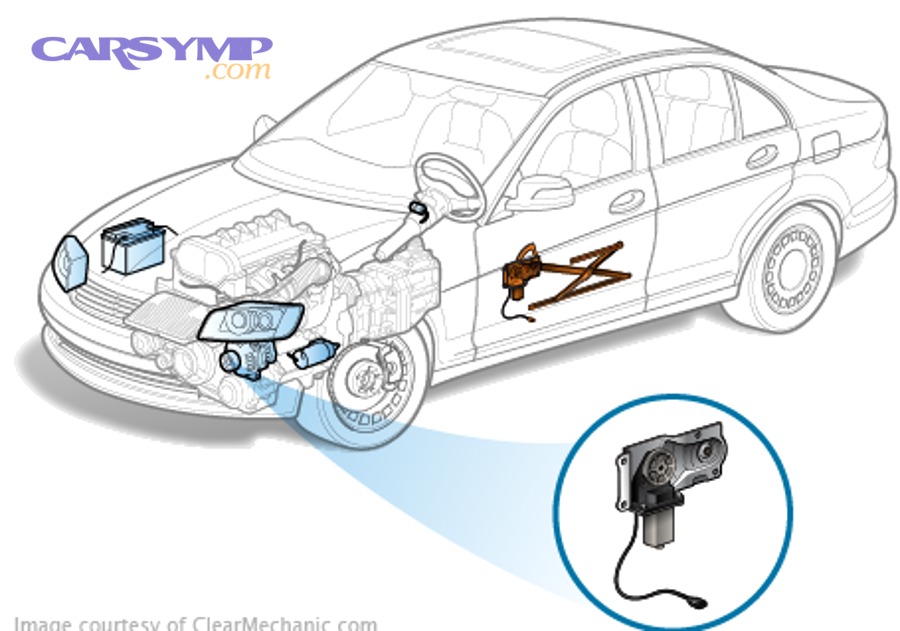
This cost-versus-quality decision represents one of the most impactful choices in power window repair, potentially saving or costing you $200-$400 on a single repair. Understanding the specific trade-offs helps you make an informed decision aligned with your vehicle’s value, your budget constraints, and your reliability expectations.
What Is the Price Difference Between OE and Aftermarket Parts?
The price difference between OE and aftermarket power window components ranges from 40% to 70% depending on the part type and vehicle brand, with aftermarket parts consistently offering substantial savings. For window motors, OE parts cost $240-$500 while aftermarket alternatives range from $40-$200, creating typical savings of $150-$300 per motor. Window regulators show similar patterns: $120-$311 (OE) versus $55-$120 (aftermarket), saving $65-$191 per regulator.
Real-world examples illustrate these savings clearly. A 2020 Honda Accord driver’s side front window repair costs approximately $562 using OE parts (motor and regulator assembly) but only $185 with quality aftermarket components—a $377 savings. For a 2018 Ford F-150 passenger side repair, OE parts total $387 while aftermarket options cost $193, saving $194. These savings percentages remain consistent across most mainstream vehicle brands.
Luxury vehicles show even more dramatic price differences due to inflated OE parts pricing. A BMW 5 Series window motor might cost $450 from the dealership but only $180 from a quality aftermarket supplier, representing a $270 savings. However, luxury vehicle owners should carefully verify aftermarket part quality, as poor-quality alternatives may fail prematurely or cause installation issues.
Complete assembly pricing versus individual components creates another decision point. Some repairs allow replacing just the failed component (motor only or regulator only) at lower cost, while others require complete assembly replacement. OE assemblies cost $235-$500 compared to $55-$200 for aftermarket versions. When mechanics recommend assembly replacement, aftermarket options can save $180-$300 while simplifying installation.
Switch pricing shows smaller absolute savings but similar percentage differences. OE driver’s master switches cost $149-$277 while aftermarket equivalents run $87-$118, saving $60-$160. Individual passenger switches cost $23-$204 (OE) versus $14-$110 (aftermarket), with savings of $9-$94 per switch.
Parts brand reputation affects aftermarket pricing significantly. Premium aftermarket brands like Dorman, TYC, and Cardone charge 20-40% more than generic alternatives but offer better quality control, warranties, and fit accuracy. Mid-tier brands provide the best value for most repairs, balancing cost savings with acceptable reliability.
Do OE Parts Last Longer Than Aftermarket Options?
OE parts do not necessarily last longer than quality aftermarket components, with longevity depending more on brand selection and installation quality than on whether parts originate from the vehicle manufacturer. Premium aftermarket brands often match or exceed OE lifespan because they engineer improvements to address known failure points in original designs.
The lifespan expectation for both OE and quality aftermarket window motors and regulators typically ranges from 10 to 15 years under normal usage conditions. However, this assumes proper installation, appropriate lubrication, and reasonable operating conditions. The driver’s side front window, receiving the most use, may fail earlier regardless of part origin, while rear windows might last the vehicle’s entire lifetime.
Quality aftermarket manufacturers like Dorman specifically design their window regulators to outlast OE components by addressing common failure modes. For example, many OE cable-style regulators use plastic pulleys that wear prematurely, while quality aftermarket versions incorporate metal pulleys that resist wear better. Similarly, motor gear improvements in aftermarket designs can extend operational life beyond original specifications.
Warranty coverage provides insight into manufacturer confidence. OE parts typically carry 12-month warranties when purchased through dealerships, while premium aftermarket brands offer 24-month or even lifetime limited warranties. This suggests aftermarket manufacturers expect their products to perform reliably over extended periods. However, warranty coverage only matters if the manufacturer honors claims and remains in business.
Poor-quality aftermarket parts represent the real durability concern. Generic, no-name brands sold through discount online retailers may use inferior materials, loose tolerances, and inadequate quality control, leading to premature failures within 1-3 years. These cheap alternatives create false savings because repeated replacement costs exceed the initial OE parts expense.
Installation quality affects longevity as much as parts quality. Improperly aligned regulators create binding that accelerates wear, while incorrect electrical connections can cause motors to overheat. Experienced technicians familiar with your specific vehicle model reduce these installation-related failure risks regardless of part origin.
When OE parts justify the premium cost in specific situations: vehicles under manufacturer warranty (aftermarket parts may void coverage), luxury brands with complex integrated systems requiring precise calibration, brand-new vehicles where long-term reliability is paramount, and situations where the vehicle’s resale value depends on documented OE maintenance history.
When aftermarket parts provide better value: vehicles over 5 years old or with over 75,000 miles, mainstream brands with excellent aftermarket support, repairs on vehicles you plan to keep for only 2-5 more years, and situations where budget constraints make OE parts cost-prohibitive. The $200-$400 savings from aftermarket components can be invested in other maintenance needs.
How Can You Calculate Your Specific Power Window Repair Cost?
Calculate your specific power window repair cost by obtaining diagnostic information about which component failed, getting detailed written estimates from 2-3 repair facilities, and comparing total costs including parts, labor, warranty, and any additional fees. This systematic approach typically reveals 25-50% price variations between quotes, allowing you to secure fair pricing while avoiding unnecessary repairs.
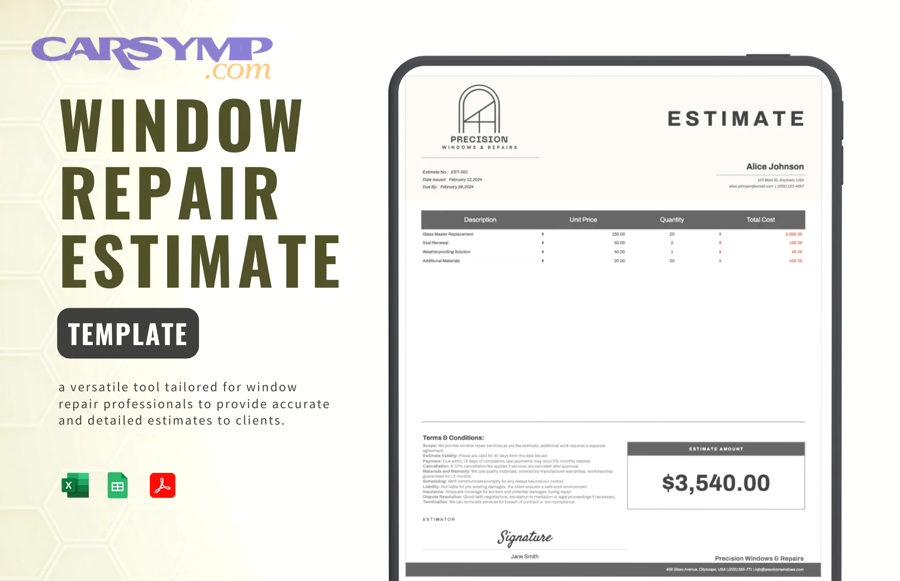
The calculation process requires understanding both your vehicle’s specific repair needs and the local market rates in your area. Start by identifying symptoms to narrow down the failed component, then seek professional diagnosis to confirm the problem before requesting formal estimates.
What Questions Should You Ask for an Accurate Estimate?
Ask these essential questions to obtain accurate, comparable power window repair estimates: “What specific component needs replacement—motor, regulator, switch, or multiple parts?” “Are you quoting OE or aftermarket parts, and what brands?” “What is the labor time estimate and your hourly rate?” “Does the estimate include diagnosis fees, shop supplies, and any additional charges?” and “What warranty coverage comes with parts and labor?”
Component identification questions prevent upselling and ensure you understand exactly what work is necessary. Request that mechanics show you the failed component if possible, or explain specifically why they believe it needs replacement. Be wary of shops that immediately recommend replacing multiple components without clear diagnostic evidence. For example, if your window moves slowly, the issue might be a simple lubrication problem rather than motor failure, potentially saving you $200-$300.
Parts specification questions reveal hidden cost differences between quotes. When one shop quotes $450 and another quotes $250 for seemingly identical repairs, the difference often stems from OE versus aftermarket parts. Ask for specific brand names—”Dorman,” “Cardone,” “TYC,” or “genuine [manufacturer name]”—to compare equivalent quality levels. Some shops markup parts 50-100% above retail prices, so knowing the parts brand allows you to verify reasonable pricing online.
Labor detail questions expose hourly rate differences and efficiency variations. Ask “What is your hourly labor rate?” and “How many hours do you estimate for this repair?” These two figures multiplied together reveal your labor cost. Compare these rates against 2-3 other local shops. If one shop quotes 4 hours at $100/hour ($400 labor) while another quotes 2 hours at $120/hour ($240 labor), the second shop likely has more experience with your vehicle model despite higher hourly rates.
Additional fees often hide in estimates, adding unexpected costs at pickup. Specifically ask about diagnostic charges (typically $50-$200), shop supplies (usually $10-$30), environmental fees (disposal charges), and programming or calibration fees for vehicles requiring computer resets. Some shops include these in their estimates while others add them to the final bill, making direct comparison difficult without explicit clarification.
Warranty questions protect your investment and indicate repair quality confidence. Ask “What warranty do you provide on parts?” and “What warranty do you provide on labor?” Quality shops offer at least 12 months on parts and 90 days to 12 months on labor. Lifetime warranty claims sound attractive but investigate the company’s longevity and reputation—a lifetime warranty from a shop that closes in two years provides no value.
Documentation requests ensure clear communication and prevent misunderstandings. Request written estimates detailing parts by brand name and part number, labor hours and rate, all additional fees, total cost, and warranty terms. Verbal estimates create disputes when final bills differ from quoted prices, while written documentation provides legal protection.
Is Getting Multiple Quotes Worth the Effort?
Getting multiple quotes is definitely worth the effort, typically revealing 25-50% price variations between repair facilities for identical power window repair work. Obtaining three quotes takes approximately 2-3 hours including phone calls, shop visits, and estimate reviews, potentially saving $150-$300 on a single repair—an effective hourly return of $50-$150 for your time investment.
The quote gathering process follows this efficient sequence: First, identify your symptoms and vehicle information (year, make, model, specific door). Second, call 5-6 local shops explaining your symptoms and asking for rough phone estimates. Third, visit 2-3 shops with the most competitive phone quotes for detailed written estimates. This approach minimizes time waste while capturing the local market price range.
Price variation patterns between shop types help set expectations. Dealerships typically quote 40-60% higher than independent shops for power window repair, with a $400-$600 dealership quote corresponding to $250-$350 at independents. Specialized power window repair shops often provide the best value, quoting 20-30% below general repair shops due to focused expertise and streamlined processes. Mobile services add $50-$100 convenience premiums but save towing costs if your window is stuck open.
Beyond total price comparison, evaluate quote quality and completeness. The cheapest quote isn’t always the best value if it excludes diagnostic fees, uses unknown parts brands, or provides no warranty. Compare total out-the-door costs including all fees, evaluate parts quality differences, assess warranty coverage, review facility reputation through online reviews, and consider convenience factors like location and scheduling flexibility.
Red flags in estimates suggest potential problems or hidden costs. Avoid shops that refuse written estimates (“we’ll know the final cost when we get into it”), pressure immediate approval without allowing comparison shopping, quote prices significantly below market averages (suggesting bait-and-switch tactics), cannot specify parts brands or sources, or lack verifiable reviews and business credentials. A quote 30% below all others likely indicates either poor-quality parts or additional charges added during repair.
Online quote tools and services provide initial price guidance but rarely replace in-person estimates. Websites like RepairPal offer average cost ranges based on your vehicle and location ($370-$501 for window motor replacement nationally), helping you identify fair market pricing. However, your specific repair might cost more or less depending on factors these tools cannot assess without physical inspection.
The timing strategy for obtaining quotes affects pricing leverage. Shops experiencing slow periods (typically Tuesday-Thursday) may offer better rates or discounts compared to busy Monday mornings or Friday afternoons. Similarly, requesting estimates during off-peak seasons (spring and fall rather than summer vacation or winter holiday periods) sometimes yields 5-10% discounts from shops seeking to maintain steady workflow.
Negotiation opportunities exist once you’ve gathered multiple quotes. Share competitive quotes with preferred shops, asking if they can match or beat pricing while maintaining quality. Many shops reduce labor rates by 10-15% or upgrade to better parts at the quoted price rather than lose business to competitors. However, avoid purely price-based negotiation that pressures shops into cutting corners—focus on value optimization instead.
What Are Your Alternative Options Beyond Professional Power Window Repair?
Alternative options beyond professional power window repair include DIY component replacement (saving $100-$300 in labor), temporary window securing ($50-$100 to hold window up), insurance coverage utilization (if applicable to your situation), and preventive maintenance programs ($20-$50 annually). These alternatives work best for mechanically inclined owners, budget-constrained situations, or vehicles where immediate professional repair isn’t feasible.
These cost-saving strategies require honest assessment of your mechanical skills, available time, risk tolerance, and vehicle value. While DIY repair offers maximum savings, it carries risks of improper installation or component damage. Temporary fixes provide short-term solutions but shouldn’t replace proper repair indefinitely. Let’s explore each alternative to help you determine which approach suits your circumstances.
How Much Money Can You Save with DIY Power Window Repair?
DIY power window repair saves $100-$300 in labor costs per window by eliminating the 1-4 hour professional installation charge, reducing total repair expenses to just parts cost ($40-$200 for aftermarket components). However, this savings assumes you possess intermediate mechanical skills, appropriate tools, and sufficient time to complete installation properly—typically 3-6 hours for first-time DIYers.
Parts-only cost breakdown for DIY repairs reveals significant savings potential. Window motors cost $40-$150 (aftermarket) versus $200-$300 total professional repair, saving $160-$150. Regulator assemblies cost $55-$200 versus $250-$500 professional repair, saving $195-$300. Window switches cost $14-$118 versus $150-$300 professional repair, saving $136-$182. These savings multiply when repairing multiple windows simultaneously.
Required tools represent a one-time investment that improves DIY repair economics across multiple projects. Essential tools include a socket set ($40-$80), screwdriver set ($20-$40), trim removal tools ($10-$20), a work light ($15-$30), and possibly a rivet gun for older vehicles ($20-$40). Total tool investment ranges from $105 to $210, which you’ll recover after completing 1-2 DIY repairs compared to professional costs.
Skill level assessment determines DIY feasibility and success probability. You’re a good DIY candidate if you’ve successfully completed similar automotive repairs (brake pad replacement, battery changes), can follow detailed repair manual instructions, understand basic electrical concepts, own or can acquire necessary tools, and have 4-8 hours available for the project including potential troubleshooting. You should choose professional repair if you’ve never removed a door panel, feel uncomfortable working with electrical connections, lack appropriate workspace or tools, or need your vehicle operational immediately.
Time investment for DIY power window repair extends beyond simple installation hours. First-time repairs typically require 1-2 hours researching your specific vehicle model (finding repair manuals, watching instructional videos), 0.5-1 hour acquiring parts and tools, 2-4 hours performing the actual repair (longer for first attempt), and potentially 1-2 hours troubleshooting if issues arise. Experienced DIYers complete subsequent repairs in 1.5-2.5 hours total.
Common DIY pitfalls increase costs and frustration when you’re unaware of potential complications. Breaking door panel clips ($20-$60 to replace complete clip sets), damaging electrical connectors during removal ($30-$100 for replacement pigtails), ordering incorrect parts due to mis-identification ($40-$200 restocking fees and time delays), dropping window glass inside the door ($100-$300 professional extraction), and improper alignment causing binding (premature component failure) all convert money-saving DIY attempts into expensive mistakes.
Success-increasing strategies improve DIY outcomes significantly. Purchase vehicle-specific repair manuals from Haynes or Chilton ($25-$35) providing detailed instructions with photos. Watch multiple YouTube tutorial videos for your exact vehicle model before starting. Photograph each step during disassembly for reverse-assembly reference. Work slowly and methodically, never forcing components. Test window operation before fully reassembling the door panel. These practices prevent costly mistakes that eliminate labor savings.
When DIY makes most sense: repairs on older vehicles (over 10 years) where professional labor costs approach vehicle value, straightforward Japanese vehicle designs known for simple repairs, situations where you have multiple windows needing repair (maximizing savings), non-urgent repairs allowing time for learning and careful work, and when you enjoy automotive DIY projects as a hobby.
When professional repair is smarter: complex European luxury vehicles with integrated systems, newer vehicles under warranty (DIY may void coverage), urgent repairs where you need immediate vehicle use, your first-ever automotive electrical repair (gain experience on simpler projects first), and situations where you lack appropriate workspace or tools.
What Does a Temporary Fix Cost If You Can’t Afford Immediate Repair?
A temporary fix securing your window in the “up” position costs approximately $50-$150, typically requiring 0.5-1.5 hours of labor to manually position the window and install mechanical fasteners or blocking that prevents downward movement. This solution provides weather protection and security while you save money for proper repair, but it eliminates window operation completely.
The temporary securing process varies based on your situation and the mechanic’s approach. For windows stuck in the down position, mechanics manually pull the window glass upward and install wood blocks, foam wedges, or specialty clips between the glass and door frame to hold it in place. This prevents water intrusion and improves security but requires door panel removal, explaining the $50-$150 cost despite not fixing the underlying problem.
For windows that drop slowly after closing or won’t stay closed, duct tape externally ($5-$10 DIY solution) or weather stripping and plastic sheeting ($15-$25 DIY) provide temporary weatherproofing. While these solutions cost almost nothing and take 15-30 minutes, they’re unsightly, damage paint upon removal, and provide minimal security. They work best as overnight emergency fixes before proper repair the following day.
Professional temporary securing at repair shops includes proper window positioning, secure internal blocking or fastening, weatherproofing verification to prevent water leaks, and sometimes documentation for insurance purposes if weather damage prompted the initial window failure. This professional approach costs more than DIY tape solutions but protects your vehicle’s interior from water damage that could exceed $500-$2,000 for mold remediation and upholstery replacement.
Risks of delaying proper repair extend beyond inconvenience. Prolonged window insecurity invites theft, particularly in urban areas where visible valuables attract break-ins. Water intrusion from imperfect weatherproofing causes mold growth in door panels and carpeting, creates electrical system corrosion (potentially damaging additional components), and produces unpleasant odors requiring professional interior detailing ($150-$300). These secondary damages often exceed the $200-$400 cost of timely power window repair.
Insurance implications affect temporary fix decisions in specific circumstances. If your window failure resulted from vandalism, accident damage, or weather events (falling tree branch), your comprehensive or collision insurance may cover repairs minus your deductible. Filing a claim might make immediate proper repair financially feasible compared to temporary fixes. However, claims increase future premiums, so calculate whether the repair cost exceeds your deductible plus potential premium increases ($50-$200 annually for 3-5 years).
Maximum safe duration for temporary fixes depends on several factors. In dry climates with minimal theft risk, temporary securing can safely last several weeks while you accumulate repair funds. In rainy climates or high-theft areas, proper repair should occur within 1-2 weeks maximum. Never leave windows unsecured through winter in cold climates, as interior moisture promotes mold and ice formation that damages additional components.
Does Car Insurance Cover Power Window Repair Costs?
Car insurance may cover power window repair costs if the damage results from covered incidents like vandalism, collision, or comprehensive perils (falling objects, hail), but it does not cover mechanical failures from normal wear and tear. Coverage depends on your specific policy, deductible amount, and the cause of window failure, making insurance a situational rather than standard cost solution.
Comprehensive coverage scenarios where insurance typically pays for window repairs include vandalism (someone breaks in or damages your window mechanism), weather events (hail damage, tree branches, flooding), theft attempts (forced entry), and animal damage (rare but possible). These situations clearly involve external forces rather than mechanical failure, meeting insurance coverage criteria. However, you’ll pay your comprehensive deductible ($100-$1,000 depending on your policy) before insurance covers the remainder.
Collision coverage applies when window damage occurs during an accident—someone hits your car door, you collide with an obstacle, or single-vehicle accidents damage door components. Like comprehensive coverage, collision requires paying your deductible ($250-$1,000 typically) before coverage applies. If your power window repair costs $300 but your deductible is $500, filing a claim provides no financial benefit.
Mechanical failure exclusions mean insurance never covers windows that fail from normal operation, age-related wear, or lack of maintenance. If your window motor simply stops working after 12 years of use, insurance views this as expected maintenance rather than a covered loss. Similarly, slow window movement requiring lubrication fixes or regulator replacements from normal wear receive no insurance coverage.
Claim filing considerations extend beyond immediate repair coverage. Filing claims for relatively small repairs ($300-$500) often proves financially counterproductive because premiums increase $200-$400 annually for 3-5 years following claims. Calculate total cost impact: if your repair costs $400 but your premiums increase $250/year for 3 years ($750 total increase), you lose $350 by filing the claim even after receiving the repair coverage.
Documentation requirements for valid insurance claims include police reports for vandalism or theft (filed within 24 hours), photos of damage before repair, receipts for temporary securing or weatherproofing, and detailed repair estimates from licensed shops. Insurance adjusters inspect damage before authorizing repairs, so don’t begin permanent repairs before receiving approval or you may forfeit coverage.
When insurance filing makes financial sense: repair costs exceed $1,000 (significantly above your deductible), you’re filing other claims simultaneously (one premium increase covers multiple repairs), the damage involves multiple components beyond just the window (full door replacement), or you’ve accumulated multiple small damages making comprehensive repair more economical. When paying out-of-pocket is smarter: repair costs under $500, you’ve recently filed claims (another increases your risk category), your deductible equals or exceeds repair costs, or you value maintaining claim-free discounts (typically 20-30% premium reductions).
How Can Preventive Maintenance Reduce Future Power Window Repair Costs?
Preventive maintenance reduces future power window repair costs by extending component lifespan 30-50%, catching problems before complete failures occur, and potentially avoiding the $200-$600 repair expense entirely through $20-$50 annual maintenance investments. Regular cleaning, lubrication, and early problem detection transform power windows from replacement items into decade-plus reliable systems.
Annual maintenance tasks requiring minimal cost and time include cleaning window tracks and channels (removing accumulated dirt, debris, and old lubricant), applying appropriate lubricant to metal tracks and rubber seals, testing all window operations for early signs of problems (slow movement, unusual noises, intermittent function), and inspecting weather stripping for wear or damage. These tasks take 30-45 minutes per vehicle and cost $20-$50 for cleaning supplies and lubricants if performing DIY, or $50-$100 if included in routine vehicle service.
Proper lubrication represents the single most effective preventive measure. Window tracks accumulate dirt and old grease that create friction, forcing motors and regulators to work harder and wear faster. Cleaning tracks thoroughly with degreaser ($8-$15) and applying silicone-based lubricant ($10-$15) reduces friction dramatically, extending component life and improving operation smoothness. Perform this maintenance annually or whenever you notice slow window movement.
Early warning signs requiring immediate attention prevent complete failures and expensive emergency repairs. Address these symptoms promptly: windows moving noticeably slower than normal (indicating increased friction or motor weakness), unusual grinding, clicking, or scraping noises during operation (suggesting regulator wear or misalignment), windows requiring multiple button presses to operate (electrical contact issues), uneven window movement or tilting (regulator track problems), and windows dropping slightly after closing (regulator cable stretching).
When you notice slow window movement and lubrication fixes don’t resolve the issue within one cleaning cycle, schedule professional diagnosis immediately. The $50-$100 diagnostic cost often identifies minor repairs ($100-$200) that prevent complete component failure requiring $300-$600 replacements. For example, replacing worn regulator cables before they break costs less than replacing the entire regulator after cable failure damages additional components.
Winter precautions prevent common cold-weather power window failures. Never operate frozen windows—ice binding creates extreme strain that can strip motor gears or break regulator cables. Wait until defroster heat melts ice completely or use de-icer spray on window channels. Park in garages during extreme cold when possible. Apply cold-weather appropriate lubricants (silicone rather than petroleum-based) that won’t stiffen in freezing temperatures.
Expected component lifespan with proper maintenance reaches 150,000-200,000 miles or 12-15 years for quality motors and regulators, compared to 80,000-120,000 miles or 8-10 years without maintenance. Driver’s side front windows experience the most use and typically fail first regardless of maintenance, but proper care extends even this heavily-used window’s life by 3-5 years, saving you one complete repair cycle.
Professional preventive maintenance programs at dealerships or comprehensive service centers cost $100-$200 annually but include power window testing, lubrication, adjustment, and multi-point vehicle inspection. These programs make sense for owners who rarely perform DIY maintenance, drive luxury vehicles with complex systems, want documented maintenance records for resale value, or experience multiple electrical issues suggesting systematic problems.
Cost-benefit analysis clearly favors preventive maintenance. Investing $20-$50 annually for 10 years ($200-$500 total) versus paying $300-$600 for premature component replacement shows $100-$100 savings from maintenance alone. Factor in avoided emergency service fees, potential multiple window failures, and secondary damage from water intrusion through failed windows, and total lifetime savings reach $500-$1,500 per vehicle through consistent preventive care.
Key Takeaways: Power window repair costs range from $100 to $600 depending on component type, vehicle characteristics, and parts selection. Aftermarket parts save 40-60% compared to OE components while maintaining comparable quality for most applications. Obtaining multiple quotes typically reveals 25-50% price variations, making comparison shopping worthwhile. DIY repairs eliminate $100-$300 in labor costs for mechanically inclined owners, while preventive maintenance ($20-$50 annually) extends component lifespan and prevents costly failures. Understanding these cost factors empowers you to secure fair pricing, make informed repair decisions, and potentially save hundreds of dollars on power window repair.