


Off-track and rattling window repairs require identifying the root cause—worn rollers, broken clips, damaged tracks, or loose hardware—then applying the appropriate fix based on whether you have car power windows, manual windows, or home sliding and double-hung windows. Most DIY repairs cost between $1 and $150 for parts and take 1-3 hours, while professional repairs range from $200 to $500 for cars and $175 to $1,000 for home windows depending on damage severity.
Understanding what causes windows to malfunction is the first critical step in any repair process. Car windows typically go off track due to failed window regulators, broken clips that secure glass to the mechanism, or worn run channels, while home windows rattle from loose glass panes with deteriorated glazing putty, warped sashes, or damaged weatherstripping. The symptoms differ as well: off-track windows tilt sideways, make grinding noises, or fall completely into the door or frame, whereas rattling windows shake during wind or movement but remain in their tracks.
The repair approach depends entirely on accurate diagnosis and having the right tools and materials ready before you begin. Car window repairs require door panel removal tools, socket sets, white lithium grease, and potentially replacement regulators or clips, while home window fixes need putty knives, caulking guns, V-seal weatherstripping, and silicone-based lubricants. The decision between DIY repair and professional service hinges on your mechanical skill level, the complexity of the problem, and whether the repair involves electrical components like power window systems.
Cost-effectiveness and long-term value should guide your final decision on whether to repair or replace your windows entirely. Windows showing multiple failure points, extensive structural damage, or repeated problems after previous repairs often warrant replacement rather than continued patchwork fixes, especially when the window is over 20 years old or the repair costs approach 50% of replacement value. Below, we’ll explore each aspect of window repair in detail, from diagnosis through completion.
What Causes Windows to Go Off Track or Rattle?
Windows go off track or rattle due to mechanical component failure, worn weatherstripping, or structural deterioration—specifically from damaged window regulators, broken attachment clips, deteriorated rollers, loose hardware, rotted frames, or failed glazing compounds that no longer secure the glass properly.
Understanding the mechanical systems that control window movement helps you identify which component has failed. Let’s examine the specific failure patterns for both automotive and residential windows.
How Do Car Windows Come Off Track?
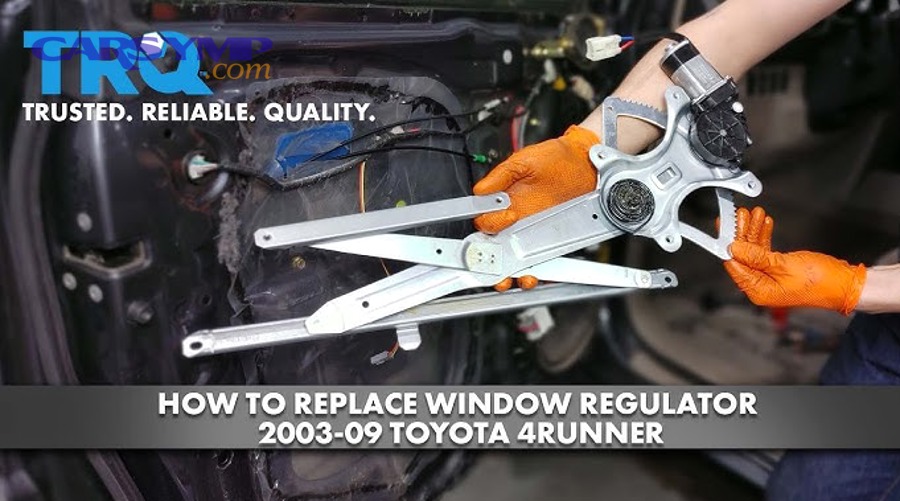
Car windows operate through either power window regulators with electric motors or manual crank mechanisms, both of which can fail and cause the glass to derail from its intended path. The window regulator—a scissor-lift or cable-and-pulley system—raises and lowers the glass within vertical run channels on either side of the door panel, with the glass secured to the regulator by metal or plastic clips.

The most common failure point is the window regulator itself, which experiences constant stress from the weight of the glass and repeated cycling. Power window regulators contain a flex coupling inside the motor gear drive that can deteriorate into sticky tar-like substance, preventing the motor from engaging the lift mechanism. Cable-based regulators suffer from frayed or broken cables, particularly at the attachment points where plastic clips have deteriorated over time.
Window clips that attach the glass to the regulator arms represent another critical failure point. These clips—typically made from plastic with metal reinforcement—can crack from age, temperature cycling, or impact stress when doors slam shut. Once clips break, the glass loses its connection to the lifting mechanism and can tilt at dangerous angles or fall completely into the door cavity.
Run channels and window sweeps (beltline weatherstripping) guide the glass as it moves and prevent lateral movement that could cause derailment. These rubber or felt-lined channels harden and crack with age and sun exposure, losing their ability to grip the glass edges securely. Without proper channel support, the glass wobbles during operation and eventually slips off its intended track path.
Impact damage from slamming doors creates shock waves that can dislodge clips, crack regulator mounting points, or jar the glass loose from its attachments. This is particularly common in older vehicles where plastic components have become brittle, and a single hard door slam can trigger a cascade of failures in the window mechanism.
What Makes Home Windows Rattle?
Home windows rattle when the glass pane loosens within its frame or when the movable sash no longer fits snugly in the window opening, creating gaps that allow wind-driven vibration and air infiltration. The glazing compound or putty that holds glass panes in wooden frames becomes brittle and cracks over decades of temperature cycling and UV exposure, allowing the glass to shift slightly within the sash and vibrate against the wood during wind events.
Double-hung and sliding windows develop rattles when the sash—the part holding the glass that moves up and down or side to side—shrinks, warps, or loosens in its track. Wooden sashes shrink as they age and dry out, creating gaps between the sash edges and the frame jambs. This shrinkage can be as much as 1/8 inch per foot of width in extreme cases, which translates to significant rattling potential when wind pressure fluctuates.
Weatherstripping deterioration ranks among the top causes of window rattling in homes. V-seal weatherstripping, foam tape, and felt strips compress over time and lose their springiness, no longer creating the snug seal needed to prevent sash movement. When weatherstripping fails, the sash can vibrate freely in the channel, producing the characteristic rattling sound during storms or when heavy trucks pass by.
Mortise plates and window locks serve as security devices and tension mechanisms that pull the sash components tightly together when engaged. When these hardware pieces loosen or their mounting screws strip out, the window loses its ability to lock itself into a rattle-free position. The mortise plate—a metal catch mechanism in the window frame—must engage precisely with the lock mechanism on the sash to create proper tension.
Rotted or deteriorated wood frames create structural instability that allows entire window assemblies to shift and rattle. When moisture penetrates painted surfaces and reaches the wood substrate, fungal decay softens the structural members and destroys their dimensional stability. Windows with more than 10% rot in structural components generally require replacement rather than repair, as the frame can no longer provide adequate support for the sash and glass components.
According to research by the National Association of Home Builders, windows in coastal regions experience accelerated weatherstripping degradation due to salt air exposure, with typical service life reduced from 7-10 years to 4-6 years in high-salinity environments.
How Can You Tell If Your Window Is Off Track or Just Rattling?
A window is off track when the glass visibly misaligns within its channels, tilts at abnormal angles, makes grinding noises during operation, or falls completely into the door or frame, whereas a rattling window remains in its proper position but vibrates and shakes due to loose components or inadequate weatherstripping creating movement gaps.
Accurate diagnosis prevents wasted time and money on incorrect repairs. Let’s examine the specific indicators that distinguish these two common window problems.
What Are the Warning Signs of an Off-Track Window?
The most obvious sign of an off-track window appears when the glass tilts sideways during raising or lowering operations, with one edge rising faster than the other or the top of the glass angling inward or outward from its normal vertical plane. This tilting occurs because one or more attachment points between the glass and the regulator mechanism have failed, allowing that section of glass to move independently from the lifting mechanism.
Grinding, clanking, or scraping noises during window operation indicate metal-on-metal contact that shouldn’t be occurring, suggesting the glass or regulator components have moved out of their designed positions. When a window regulator arm scrapes against the door’s inner metal surface, it produces a distinctive metallic grinding sound, whereas glass scraping against the door frame creates a higher-pitched squealing noise.
Complete window failure—where the glass falls entirely into the door cavity or drops to the bottom of the frame—represents the ultimate off-track scenario. In car doors, you’ll hear a sudden thud or clunking sound as the glass hits the bottom of the door panel, and the window will be completely invisible from outside the vehicle. For home windows, the sash may drop suddenly from its opening position and become stuck at the bottom of the frame.
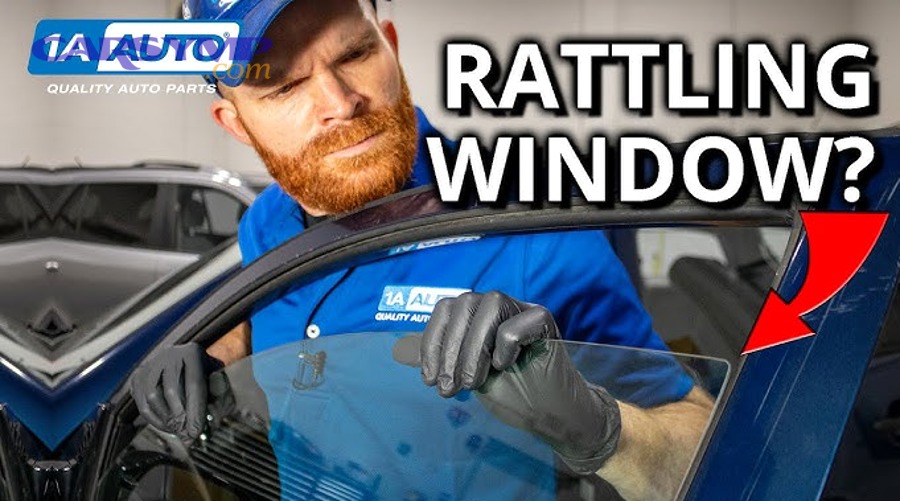
Visible misalignment becomes apparent when you look at the gap between the glass edge and the window frame or weatherstripping—if this gap is significantly larger on one side than the other, or if you can see the glass sitting crooked within its channel, the window has derailed from its track. The Window regulator vs motor diagnosis becomes critical at this point: if you hear the motor running but the window doesn’t move, the regulator has likely failed; if nothing happens when you press the switch, the motor or electrical system needs attention.
Inability to raise a window despite hearing motor operation strongly suggests the glass has separated from the lifting mechanism. The motor turns, the regulator arms may move, but without secure attachment to the glass, no lifting occurs. This symptom definitively indicates an off-track condition rather than simple rattling.
How Do You Diagnose Rattling Window Problems?
The shake test provides immediate diagnostic information: with the window closed, grab the glass or sash with both hands and gently shake it perpendicular to its plane of movement—excessive play or movement indicates loose mounting, failed weatherstripping, or deteriorated frame components. A properly secured window should move less than 1/8 inch during this test; anything beyond that suggests addressable problems.
Visual gap inspection around all edges of the closed window reveals weatherstripping failure or frame warping—use a bright flashlight behind the window at night with the interior lights off, then check from outside whether you can see light leaking through gaps between the sash and frame. Any visible light indicates air infiltration potential and probable rattling sources when wind pressure fluctuates.
Weatherstripping condition assessment involves running your fingers along all the rubber, foam, or felt seals around the window perimeter, feeling for compression resistance, brittleness, tears, or separation from the mounting surface. Healthy weatherstripping springs back immediately when compressed; deteriorated weatherstripping remains compressed or crumbles under finger pressure.
Hardware tightness testing requires attempting to wiggle or rotate each piece of visible window hardware—locks, hinges, mortise plates, and any mounting screws or brackets you can access. Loose hardware typically has visible gaps around the mounting points or moves when you apply modest hand pressure. Tighten all loose screws before concluding that hardware replacement is necessary.
The wind test for car windows involves driving at highway speeds with suspect windows closed—any whistling, vibrating, or rattling that increases with vehicle speed indicates inadequate window sealing or component looseness. For home windows, observe them during windy conditions or when large trucks pass on nearby streets; true rattling problems become much more apparent during these dynamic loading conditions.
Slow window movement often results from inadequate lubrication rather than mechanical failure—if a power window moves sluggishly but doesn’t make grinding noises or tilt, the issue may be simple: dried-out tracks and rollers creating excessive friction. The window regulator and motor may be perfectly functional, requiring only cleaning and fresh silicone or lithium-based lubricant to restore normal operation speed.
According to a study by the Society of Automotive Engineers published in 2019, approximately 35% of reported “window failure” cases actually involved simple lubrication deficiency or minor track debris rather than component failure requiring replacement.
What Tools and Materials Do You Need for Window Repairs?
Window repairs require basic hand tools including screwdrivers, pliers, putty knives, and trim removal tools, plus specific materials such as lubricants (white lithium grease or silicone spray), weatherstripping (V-seal or foam tape), caulking compounds, and replacement parts like window clips, rollers, or regulator assemblies depending on your specific repair needs.
Preparing your workspace with all necessary tools and materials before beginning prevents mid-repair trips to the hardware store. Let’s break down the specific requirements for automotive and residential window repairs.
Essential Tools for Car Window Off-Track Repairs
Door panel removal requires specialized plastic trim removal tools (also called pry tools or panel poppers) that allow you to detach interior door panels without breaking the plastic clips that secure them—these inexpensive tools have angled edges that slide behind panels and release clips without the damage that screwdrivers typically cause. A set of five to seven different sizes and angles costs approximately $10-15 and proves invaluable for automotive interior work.
A metric socket set with both shallow and deep sockets handles the various bolt sizes securing window regulators, motors, and glass mounting brackets—most Japanese vehicles use 10mm, 12mm, and 14mm sizes, while European cars often require 8mm, 10mm, and 13mm sockets. A 1/4-inch or 3/8-inch drive ratchet with 6-inch extension provides necessary reach inside door cavities. Budget $30-50 for a quality socket set if you don’t already own one.
Phillips and flathead screwdrivers in multiple sizes remove door panel screws, electrical connectors, and various fasteners—magnetic-tip screwdrivers prevent dropped screws from falling into door cavities where retrieval becomes nearly impossible. A trim removal kit often includes small picks and hooks useful for disconnecting electrical connectors and fishing out dropped hardware.
White lithium grease (not WD-40 or general-purpose oil) provides long-lasting lubrication for window tracks, rollers, and regulator mechanisms—this thick, water-resistant grease withstands temperature extremes and doesn’t attract dust like oil-based products. A spray can costs $6-8 and lasts for multiple window repairs. Alternatively, silicone spray lubricant ($5-7 per can) works well for plastic components and weatherstripping.

A digital multimeter or voltmeter (available for $15-25) becomes essential for power window diagnosis—testing motor voltage confirms whether electrical power reaches the motor when you activate the window switch. The Auto-up feature reset procedure may also require disconnecting the battery, so having a 10mm wrench for battery terminal removal proves helpful.
Replacement parts vary by vehicle but commonly include window regulator clips ($15-30 for a set), window run channel sections ($20-40 per pair), anti-rattle pads ($8-12), window regulator assemblies ($75-150 for aftermarket, $200-350 for OEM), and window motors ($50-120). Research your specific vehicle’s common failure points before purchasing parts—some models have known weaknesses that should be addressed with upgraded components.
A smartphone or camera for documentation photographs cannot be overstated—take pictures at every disassembly step, capturing wire routing, clip positions, and how components nest together. These photos become invaluable reference guides during reassembly when you can’t remember where a particular connector plugs in or which way a bracket orients.
What Do You Need to Fix Home Window Track Issues?
Standard screwdrivers (Phillips head sizes #1, #2, and flathead 1/4-inch, 3/16-inch) handle most window hardware removal and tightening tasks—many window screws have Phillips heads, though older windows may use slotted screws. A cordless drill with screwdriver bits speeds up repetitive screw removal but isn’t strictly necessary for occasional repairs.
A putty knife with a flexible 1.5 to 2-inch blade serves multiple purposes: removing old caulk and glazing compound, applying new caulk into tight gaps, and scraping paint from hardware mounting surfaces. A stiff-blade putty knife ($4-6) works better than thin, flexible models for scraping hardened glazing compound, while a flexible blade ($3-5) excels at smoothing fresh caulk applications.
A caulking gun (manual or battery-powered) paired with quality window caulk creates weatherproof seals around glass and frames—choose silicone-based caulk for its superior water resistance and flexibility, or acrylic latex caulk for easier cleanup and paintability. Each tube costs $4-7 and covers approximately 25-30 linear feet of 1/4-inch bead.
V-seal weatherstripping (also called tension seal) comes in rolls or pre-cut lengths with adhesive backing or requires tacking nails for installation—this folded vinyl or foam strip compresses when the window closes, creating an effective seal against drafts and rattles. A roll sufficient for one double-hung window costs $8-12. Foam tape weatherstripping ($5-8 per roll) works well for the meeting rail where sashes come together.
Silicone spray lubricant designed for windows and doors ($6-8 per can) reduces friction in tracks and channels without attracting dirt—never use oil-based products or WD-40 on home window tracks as these attract dust that gums up the mechanism. A small tube of powdered graphite ($4-5) works excellently for lubricating lock mechanisms and metal-on-metal contact points.
Replacement window hardware varies widely but commonly includes sash lifts ($3-6 each), mortise locks ($8-15), mortise plates ($5-10), window channel liners ($15-30 per window), and window rollers or wheels ($1-5 per pair). Glazing compound or window putty ($6-9 per pound) secures loose glass panes in wooden frames, though modern glazing tape ($8-12 per roll) provides a cleaner, faster alternative.
A vacuum cleaner with crevice attachment removes dirt, debris, and old weatherstripping from window tracks before applying new materials—clean surfaces ensure proper adhesion of weatherstripping and caulk. An old toothbrush or small scrub brush ($2-3) helps dislodge stubborn grime from track corners and channels.
Wood filler or epoxy-based wood hardener ($8-15) repairs minor rotted wood in window frames when the damage covers less than 10% of the structural members—for more extensive rot, replacement becomes the only viable option. Fine and coarse sandpaper (80-grit, 120-grit, 220-grit at $3-5 per pack) smooths repaired wood surfaces before repainting.
How Do You Fix a Car Window That’s Off Track?
To fix an off-track car window, remove the door panel to access the window mechanism, diagnose whether the regulator, clips, or tracks have failed, clean and lubricate all moving parts, replace any broken components, reattach the glass securely to the regulator, test the operation thoroughly, and reassemble the door panel following your documentation photographs.
This repair requires methodical disassembly and careful attention to detail. Let’s walk through each critical phase of the process.
How to Remove the Door Panel and Access the Window Mechanism?
Begin by disconnecting the vehicle’s battery negative terminal to prevent accidental power window operation during repair—even momentary switch activation can injure your hands or damage components when the door panel is removed. Use a 10mm wrench to loosen the negative terminal clamp, then carefully lift the cable away from the battery post and secure it where it cannot accidentally contact the terminal.
Remove the door handle and window switch panel using a flathead screwdriver or plastic trim tool to gently pry the panel away from the door—slide your tool behind the panel edge and apply gradual pressure until the retaining clips release with a soft popping sound. Disconnect any electrical connectors by pressing their locking tabs and pulling the connector halves apart; avoid pulling on wires themselves as this can break fragile connections.
Locate and remove all door panel mounting screws, typically hidden behind small plastic caps or cover panels—common locations include the door pull/armrest area, behind the inner door handle, and along the bottom edge of the panel. These screws often use Phillips or Torx heads; keep them organized in a small container to prevent loss during the multi-hour repair process.
The door panel attaches to the door frame with plastic clips around its perimeter—starting at the bottom corner, insert your panel removal tool behind the panel and work your way around the perimeter, releasing each clip with a gentle pulling motion. When you hear the clip release, move to the next one; rushing this step breaks clips and requires purchasing replacement clip sets ($8-15).
Lift the entire door panel up and away from the door frame, clearing the door latch mechanism as you pull the panel off—the panel typically hooks over the window sill area and must be lifted vertically before pulling outward. With the panel removed, you’ll see a plastic vapor barrier (moisture shield) covering the inner door cavity; carefully peel this back or cut it with a utility knife to access the window mechanism.
Take comprehensive photographs of the exposed mechanism from multiple angles, capturing wire routing, connector positions, regulator arm positions, and how components relate to each other spatially. These photos become your reassembly guide and prevent the common mistake of forgetting where a particular component mounts or which direction it faces.
How Do You Realign and Secure the Window Glass?
With the door panel removed and vapor barrier pulled back, locate the window glass within the door cavity—you should be able to see the bottom edge of the glass and the regulator mechanism that raises and lowers it. If the glass has fallen completely into the door, carefully reach in and pull it upward until you can see where it should attach to the regulator arms.
Inspect the window track channels running vertically along both edges of the door frame—these felt or rubber-lined channels guide the glass and should be clean, intact, and free from rust or damage. Use a shop vacuum with crevice attachment to remove dirt, broken glass, rust particles, and old lubricant residue from the track channels. A stiff brush or old toothbrush dislodges stubborn debris that the vacuum cannot pull loose.
Clean the window rollers or guide blocks that run inside the channels—these plastic or rubber components often accumulate hardened grease mixed with dirt, creating a grinding paste that accelerates wear. Wipe them clean with a rag dampened with isopropyl alcohol or parts cleaner, then allow them to dry completely before applying fresh lubricant.
Examine the regulator-to-glass mounting clips or bolts—these metal clips with rubber cushions bolt through holes in the lower edge of the glass and attach to the regulator arms. If clips are broken or rubber cushions have deteriorated, they must be replaced before the window will function reliably. Replacement clips typically come in sets of two ($15-30) and include new rubber isolators and mounting bolts.
Apply fresh white lithium grease or silicone spray to all moving parts: the regulator arm pivot points, cable pulleys (if cable-driven), track channels, and window rollers. Use the spray nozzle or a small brush to work lubricant into pivot points and sliding surfaces—adequate lubrication often resolves Slow window movement and lubrication fixes, reducing the load on the window motor and extending its service life.
Position the glass into its proper vertical alignment within the track channels, ensuring both edges sit evenly in their respective channels without tilting or binding—the glass should be perfectly vertical when viewed from outside the door. Align the mounting holes in the glass with the regulator arm mounting points, then insert the new clips or bolts and tighten them to finger-tight, then snug them with a wrench (typically 10mm or 12mm).
Before fully tightening all fasteners, reconnect the battery and test window operation through several complete up-and-down cycles—the glass should move smoothly without binding, tilting, or making unusual noises. If the window binds at any point during its travel, loosen the mounting bolts slightly and adjust the glass position until it moves freely, then re-tighten the bolts securely.
Many power window systems include an auto-up feature that must be reset after repairs—the auto-up feature reset procedure typically involves rolling the window all the way down, holding the switch in the down position for 3-5 seconds, then rolling the window all the way up and holding the switch in the up position for 3-5 seconds. This reprograms the system’s pinch protection and auto-up function.
When Should You Replace the Window Regulator?
Window regulator replacement becomes necessary when the motor runs but the window doesn’t move, when you hear grinding or popping noises from inside the door during operation, when the window moves unevenly or binds despite proper glass alignment, or when visual inspection reveals broken cables, bent arms, or stripped gear teeth in the regulator mechanism.
The window regulator vs motor diagnosis determines which component needs replacement—if you hear the motor humming but nothing moves, the regulator has likely failed; if the switch does nothing and the motor remains silent, test the motor electrically using a voltmeter. Connect the voltmeter leads to the motor terminals and activate the window switch; if the meter shows voltage alternating between +12V and -12V when you toggle the switch up and down, the motor receives power and has likely failed internally, requiring motor replacement ($50-120).
Cable-driven regulators fail when the steel cable frays or breaks, usually at crimp points or pulleys where repeated bending creates fatigue fractures—you’ll see a loose cable hanging inside the door or wound around the motor drum without tension. Once a cable breaks, the entire regulator assembly requires replacement ($75-150 for aftermarket, $200-350 for OEM) as the cable is not serviceable separately in most designs.
Scissor-type (X-pattern) regulators develop cracks in the arms or wear out the pivot bushings, causing the window to bind or move jerkily—visible cracks in the cast aluminum arms indicate structural failure requiring immediate replacement before the regulator breaks entirely and drops the window. Worn pivot bushings create excessive play in the mechanism, allowing the window to tilt despite proper clip attachment.
The flex coupling inside electric window motors deteriorates from heat and age, transforming from a firm rubber or plastic component into a sticky tar-like substance that prevents the motor from engaging the regulator gears—this failure mode is particularly common in Mercedes W210 series vehicles and certain BMW models from the 1990s and early 2000s. If you remove the motor and find tarry residue around the output shaft, motor replacement solves the problem.
Cost comparison between repair and replacement favors replacement in most cases: a complete regulator assembly with motor costs $125-250 for aftermarket units and installs in 45-90 minutes, whereas diagnosing and replacing individual regulator components (if even available separately) takes longer and often costs more in labor. Professional shops charge $200-400 for complete window regulator replacement including parts and labor.
Some vehicle models have known regulator failure patterns at predictable mileage intervals—Mercedes W210 rear window regulators commonly fail at 80,000-120,000 miles, Honda Accord power window regulators (2003-2007 models) frequently fail at 60,000-100,000 miles, and various Jeep models experience regulator problems at 50,000-80,000 miles. If your vehicle falls into a high-failure category, consider replacing both window regulators on the same axle (both fronts or both rears) simultaneously to avoid repeating the labor cost when the second side fails months later.
According to data from the National Highway Traffic Safety Administration’s vehicle complaint database, power window regulator failures account for approximately 4.7% of all vehicle electrical system complaints, with an average repair cost of $350 when performed by dealerships and $225 when performed by independent repair shops.
How Do You Fix Home Windows That Are Off Track or Rattling?
To fix off-track or rattling home windows, remove the sash from its frame, clean and inspect all tracks and rollers thoroughly, replace worn or damaged components including rollers, weatherstripping, and hardware, apply appropriate caulk or glazing compound to secure loose glass, lubricate all moving parts with silicone spray, then reinstall the sash and test operation through multiple open-close cycles.
Home window repairs vary significantly between sliding windows and double-hung windows. Let’s address each type specifically.
How to Put a Sliding Window Back on Track?
Sliding windows (horizontal sliders) lift out of their frames from the interior side once you remove the stops or retaining strips that hold them in place—locate the metal or vinyl stops along the top edge of the window frame, remove any screws securing them, then carefully lift the stops away to expose the top edge of the sash. Some sliding windows have compression-fit stops that pry out with a flathead screwdriver rather than unscrewing.
Tilt the top of the sash toward you while lifting upward, clearing the bottom track and removing the entire sash from the frame opening—this maneuver requires two people for large or heavy windows to prevent dropping the sash and breaking the glass. Set the sash on a stable work surface with adequate protection (moving blankets or cardboard) beneath it.
Examine the rollers or wheels at the bottom corners of the sash—these plastic or nylon wheels ride in the bottom track and bear the window’s full weight during opening and closing. Worn rollers develop flat spots, crack, or seize on their axles, creating resistance that makes the window hard to slide or causes it to jump out of the track. Remove old rollers by unscrewing their mounting screws (typically Phillips head) and note their orientation for proper installation of replacements.
Install new rollers ($1-5 per pair) in the same positions and orientations as the originals, tightening mounting screws firmly but not over-tight as this can crack plastic housings—most rollers include adjustment screws that raise or lower the wheel to fine-tune the sash height in the frame. Set the adjustment screws to a middle position initially; you’ll fine-tune the height after reinstalling the sash.
Clean the bottom track thoroughly using a vacuum, then wipe it with a damp cloth to remove any remaining dust or debris—even small particles create rough spots that impede smooth sliding. The track should be clean enough that you can run your finger along it without encountering grit or sticky residue. Spray a thin coat of silicone lubricant along the entire track length, then wipe away any excess that could attract dust.
Position the sash at an angle with the top tilted toward you and the bottom rollers positioned above the track—carefully lower the sash until the rollers drop into the track, then push the top of the sash back into vertical position so it seats against the frame stops. Slide the window back and forth several times to verify smooth operation without binding or jumping.
Adjust roller height if necessary by turning the adjustment screws clockwise to raise the sash or counterclockwise to lower it—the sash should have minimal vertical play (less than 1/16 inch) while still sliding smoothly without excessive resistance. The goal is having the sash contact the frame weatherstripping just enough to seal against air infiltration without creating friction that makes the window hard to operate.
Reinstall the stops or retaining strips along the top edge of the frame, securing them with their original screws or nails—ensure the stops don’t press so tightly against the sash that they create binding or make removal difficult for future maintenance. Test the window operation one final time, confirming it locks securely and seals properly when closed.
How Do You Fix Rattling Double-Hung Windows?
Double-hung windows (vertical sliders with two movable sashes) rattle when the sash no longer fits snugly in its channel or when the glass loosens in the sash frame—begin diagnosis by determining whether the glass or the entire sash is rattling. Close the window without locking it, then gently push and pull the sash perpendicular to its plane of movement; if the entire sash moves significantly, the problem is loose sash mounting or failed weatherstripping rather than loose glass.
Secure loose glass panes by applying fresh glazing compound or caulk between the glass edge and the wooden sash—first remove any loose or crumbling old glazing compound using a putty knife heated with a hair dryer to soften the compound. Scrape away all deteriorated material without scratching the glass, then clean the rabbet (the groove where glass sits) with isopropyl alcohol.
Apply a continuous bead of silicone caulk or acrylic latex caulk around the glass perimeter where it meets the sash, pressing it firmly into the gap with a putty knife or your finger—smooth the caulk bead to create a neat appearance and ensure good adhesion to both glass and wood. For traditional glazing compound (window putty), roll it into 1/4-inch thick rope sections, press it into the glazing rabbet, then use a putty knife held at a 45-degree angle to smooth it into a clean triangular bead that slopes from the glass face to the wood surface.
Allow caulk or glazing compound to cure completely (8-24 hours depending on product and temperature) before operating the window—premature movement can break the seal and require redoing the work. Once cured, the glass should be firmly secured within the sash without any movement when you press on it.
For loose sashes that rattle in their channels, applying V-seal weatherstripping along the vertical jambs (side channels) creates tension that holds the sash firmly while still allowing smooth operation—measure the full height of each jamb from sill to top of the window opening, then cut V-seal strips to this length. Clean the jamb surfaces thoroughly with a damp cloth and allow them to dry completely before applying weatherstripping.
Peel the adhesive backing from the V-seal and press it firmly into the jamb channel with the V opening facing the sash—the fold of the V should compress when the sash closes, creating spring tension that holds the sash centered in the opening and prevents rattling. For nail-on V-seal, use small finish nails (1-inch or shorter) spaced every 6 inches along the strip, being careful not to nail through the V fold itself.
Install additional weatherstripping on the meeting rail where the top and bottom sashes come together—this horizontal joint is a major source of both rattling and air infiltration. Apply foam tape or V-seal to the top edge of the lower sash (interior side) or the bottom edge of the upper sash (exterior side), ensuring the weatherstripping compresses when the sashes meet but doesn’t prevent the window lock from engaging fully.
For temporary winter fixes when permanent repairs must wait until spring, rope caulk provides an easily removable solution—this soft, sticky putty-like material presses into gaps around the sash perimeter and can be pulled away in warm weather without damaging paint or wood. Apply rope caulk around the entire sash perimeter when the window will remain closed for the season, creating an airtight seal that eliminates both rattling and drafts.
What’s the Best Way to Apply Weatherstripping?
Surface preparation determines weatherstripping longevity—clean all mounting surfaces with a damp cloth to remove dust, then wipe them with isopropyl alcohol to remove any oily residue that would prevent adhesive from bonding properly. Allow surfaces to dry completely (15-20 minutes) before applying weatherstripping; attempting to apply it to damp surfaces results in poor adhesion and premature failure.
Measure precisely rather than estimating—for adhesive-backed weatherstripping, measure each edge of the sash and jamb separately, then cut pieces 1/2 inch longer than measured to ensure complete coverage at corners. For compression seal weatherstripping around door-style windows, measure the perimeter and add 10% for waste and corner overlaps.
Test-fit weatherstripping before removing the adhesive backing—hold cut pieces in position to verify they’re the correct length and will orient properly when installed. This dry-run prevents wasted material from incorrect cuts or poor positioning. Mark the starting and ending points with a pencil to guide placement when you apply the actual weatherstripping.
Apply adhesive-backed weatherstripping in one smooth motion without stopping or repositioning—once the adhesive contacts the mounting surface, it bonds immediately and attempting to reposition it usually damages the weatherstripping or leaves adhesive residue that prevents proper bonding of a replacement piece. Start at one end, peel back 2-3 inches of backing, press the weatherstripping firmly into position, then progressively peel and press in 6-inch sections until you reach the end.
For nail-on weatherstripping, use small finish nails (18-gauge, 1-inch length) spaced every 4-6 inches along the mounting surface—drive nails only partway through the weatherstripping at first, allowing you to make minor position adjustments before setting them flush. Avoid driving nails through areas that compress during window closure as this can damage the sealing portion of the weatherstripping.
V-seal weatherstripping requires specific orientation—install it with the V opening facing the approaching sash so compression occurs when the window closes. The V fold should extend slightly beyond the mounting surface (typically 1/16 to 1/8 inch) to ensure adequate compression; if it’s too deeply recessed, it won’t create enough sealing pressure to prevent rattling or air infiltration.
According to research conducted by Lawrence Berkeley National Laboratory’s Windows and Daylighting Group, properly installed weatherstripping can reduce air infiltration through operable windows by 50-70%, with corresponding improvements in energy efficiency and occupant comfort during both heating and cooling seasons.
How Much Does It Cost to Fix Off-Track or Rattling Windows?
Window repair costs range from $1 to $150 for DIY fixes using replacement parts and basic tools, while professional repairs cost $200-$500 for car window regulator replacement and $175-$1,000 for home window repairs depending on the extent of damage, with labor rates averaging $30-$90 per hour for residential work and $100-$200 per hour for automotive specialists.
Understanding cost structures helps you budget appropriately and decide between DIY and professional service. Let’s break down the financial considerations.
What Are Typical DIY Repair Costs?
Car window DIY repairs cost $20-$150 for parts depending on which components need replacement—window clips and mounting hardware run $15-30 for a complete set, individual rollers or run channel sections cost $20-40, window regulator assemblies range from $75-150 for quality aftermarket units, and window motors cost $50-120. Adding white lithium grease ($7), door panel clip replacements ($8-15), and miscellaneous fasteners ($5-10) brings total material costs to $30-180 for a comprehensive repair.
Home window DIY repairs typically cost significantly less at $1-30 for most repairs—replacement window rollers or wheels cost $1-5 per pair, weatherstripping materials run $8-15 per window, caulk and glazing compound cost $6-12 per tube or pound, and replacement hardware (locks, lifts, mortise plates) ranges from $5-20 per piece. A complete home sliding window repair addressing rollers, weatherstripping, and cleaning/lubrication typically costs under $25 in materials.
One-time tool purchases add to initial costs but serve multiple repair projects—a basic automotive door panel removal kit ($10-15) lasts indefinitely, a metric socket set ($30-50) handles countless car repairs beyond windows, and a cordless drill ($50-100) becomes invaluable for all home maintenance. For home window repairs, most homeowners already own the necessary screwdrivers, putty knives, and caulking guns, so tool acquisition costs are minimal or zero.
Time investment varies considerably based on experience and repair complexity—first-time car door panel removal and window repair typically takes 2-4 hours including research time and careful documentation, while experienced DIYers complete the same work in 45-90 minutes. Home sliding window repairs take 30-60 minutes for simple roller replacement and track cleaning, or 1-2 hours for comprehensive weatherstripping replacement on double-hung windows.

Learning curve costs include potential mistakes that require purchasing additional parts—breaking door panel clips during removal ($8-15 for replacements), stripping screw heads by using incorrect tools ($5-10 for new fasteners), or cutting weatherstripping incorrectly ($8-15 to replace wasted material). Budget an additional 20-30% beyond the minimum parts cost for first-time repairs to cover these learning expenses.
Specialty tools for specific repairs sometimes prove necessary—a voltmeter for electrical diagnosis costs $15-25, a heat gun for softening old glazing compound runs $20-35, and a rivet gun for certain window hardware installations costs $25-40. Research your specific repair requirements before beginning to identify any specialty tools you’ll need to borrow or purchase.
When Is Professional Repair More Cost-Effective?
Professional car window repair makes financial sense when the repair involves complex electrical diagnosis, when you lack mechanical experience and risk causing additional damage, when the door panel removal process is exceptionally difficult (some luxury vehicles), or when the time saved by paying a professional exceeds the value of your own time invested in DIY repair.
Labor rates for professional automotive window repair range from $100-200 per hour depending on shop type and geographic location—dealerships charge premium rates ($150-200/hour) but provide OEM parts and trained technicians familiar with your specific vehicle, while independent repair shops charge $100-150/hour and may use quality aftermarket parts to reduce costs. Mobile auto glass services specialize in window repairs and often charge flat rates ($200-400) for complete regulator replacement regardless of actual time spent.
Complete professional car window regulator replacement costs $250-500 at most shops—this includes the regulator assembly ($100-200 for parts), labor (1.5-2.5 hours), and often a limited warranty on parts and labor (typically 90 days to 1 year). Mercedes, BMW, and other luxury vehicles cost more ($400-700) due to higher parts prices and more complex door panel removal procedures.
Professional home window repair costs $175-620 for typical repairs according to industry data—simple repairs like replacing rollers, adjusting hardware, or adding weatherstripping cost $175-300, while more complex repairs involving frame repairs, sash replacement, or extensive wood restoration run $400-620. Geographic location significantly impacts pricing; major metropolitan areas charge 20-40% more than rural locations for identical services.
Window frame replacement represents the upper cost range at $300-1,000 per window for professional installation—this includes removing the old window, repairing any structural damage to the surrounding wall, installing a new window with proper insulation and weatherproofing, and finishing the interior and exterior trim. Energy-efficient replacement windows with Low-E glass and insulated frames cost more ($500-1,000 per window) but provide long-term energy savings that offset the initial premium.
Risk mitigation justifies professional repair in several scenarios: when working with tempered glass that could shatter if improperly handled, when electrical diagnosis exceeds your skill level and mistakes could cause expensive damage to vehicle computers, when structural repairs require carpentry skills you don’t possess, or when your homeowner’s or auto insurance provides coverage for professional repairs with minimal deductible.
Warranty coverage makes professional repair more attractive—reputable shops provide 90-day to 1-year warranties on parts and labor, meaning if the same problem recurs within the warranty period, they fix it at no additional cost. DIY repairs have no such protection; if a part you installed fails or your repair proves inadequate, you purchase replacement parts and repeat the work at your own expense.
According to a 2023 consumer survey by HomeAdvisor, 67% of homeowners who attempted DIY window repairs ultimately called professionals to fix mistakes or complete work they couldn’t finish themselves, with total combined costs exceeding what professional repair would have cost initially by an average of 35%.
Should You Repair or Replace Your Windows?
You should repair windows when damage is limited to single components, the window frame and glass are structurally sound, the window is less than 15 years old, and repair costs remain below 40% of replacement costs, but replacement is better when multiple components have failed, frame rot exceeds 10% of structural members, the window shows repeated failures after previous repairs, or energy efficiency improvements justify the investment.
This decision significantly impacts both immediate costs and long-term value. Let’s examine the specific factors that should guide your choice.
When Can Off-Track Windows Be Successfully Repaired?
Single-component failures respond well to repair—if only the window regulator has failed while the motor, glass, tracks, and frame remain in good condition, replacing just the regulator ($75-250 for parts and DIY labor) makes excellent economic sense compared to complete window replacement ($300-1,000). Similarly, broken clips, worn rollers, or damaged weatherstripping constitute isolated problems with straightforward solutions.
Recent damage from a specific incident has better repair prognosis than gradual deterioration from age—if your window came off track because you slammed the door particularly hard, repairing the broken clips and reattaching the glass likely prevents recurrence. Conversely, if the window has been gradually worsening over months or years, multiple components have probably weakened and sequential failures will likely occur.
Windows under 10-15 years old typically have sufficient remaining service life to justify repair—the frame, glass, and surrounding weatherproofing remain in good condition, and replacing a single failed mechanical component can provide another 5-10 years of reliable service. Older windows, particularly those approaching 20-25 years, have likely reached the end of their useful life and repair becomes a temporary measure that delays inevitable replacement.
Cost-effectiveness calculations favor repair when total repair costs (parts plus labor or your time value) remain below 40% of replacement costs—if a window regulator replacement costs $250 and a complete new window installation costs $800, repair makes clear financial sense. However, if repair costs approach $400 and replacement costs $800, replacement provides better long-term value by delivering a completely new, warrantied window with modern energy efficiency.
Single-window failures in otherwise functional homes suggest isolated problems amenable to repair—when one window fails while all others function properly, that window likely experienced unique stress or had a defective component rather than reflecting system-wide deterioration. Multiple simultaneous window failures indicate broader issues (general aging, environmental exposure, construction defects) that favor comprehensive replacement.
What Signs Indicate You Need Window Replacement?
Extensive frame rot or structural deterioration mandates replacement—when wood frame members show more than 10% rot by volume, the structural integrity has been compromised to a degree that repair cannot restore. Rotted frames also indicate long-term moisture problems that will quickly destroy any repairs you attempt, making the effort futile and wasting money better spent on replacement.
Multiple component failures occurring simultaneously or in rapid succession indicate that the entire window assembly has reached end-of-life—when the regulator fails, then the motor fails two months later, then weatherstripping starts falling off, the window is telling you it’s time for retirement. Replacing individual components in this scenario becomes a game of whack-a-mole where you’re constantly chasing the next failure.
Repeated failures of the same component after previous repairs strongly suggest underlying problems that repair cannot address—if you’ve replaced a window regulator twice and it fails a third time, the problem likely involves frame misalignment, improper door geometry, or design defects that will continue causing premature failure. Replacement allows addressing these root causes during installation.
Energy efficiency concerns justify window replacement even when mechanical function remains adequate—single-pane windows or older double-pane windows without Low-E coatings allow significant heat transfer that increases heating and cooling costs by 15-25% compared to modern high-performance windows. The energy savings from replacement windows can offset their cost over 10-15 years through reduced utility bills.
Window age exceeding 20-25 years places windows beyond their typical design life regardless of current function—materials have degraded from UV exposure, thermal cycling, and moisture, making them increasingly prone to failure. Modern replacement windows also provide superior energy efficiency, noise reduction, and operational ease compared to older designs.
Severe operational difficulty even after repairs indicates fundamental design or installation problems—if a window remains hard to operate despite new regulators, motors, and lubrication, the problem lies in the frame geometry or how the window was originally installed. Replacement allows correcting these underlying issues for smooth, reliable operation.
Home improvement projects or remodeling provide ideal opportunities for window replacement—when you’re already working on room updates, combining window replacement with other improvements often reduces total costs through shared labor and material efficiency. Replacing all windows in a room or elevation simultaneously also ensures consistent appearance and performance.
According to the National Association of Realtors’ 2023 Remodeling Impact Report, window replacement projects have an average cost-to-value ratio of 72% at resale, meaning you recoup approximately $7,200 of a $10,000 investment when selling your home, in addition to the energy savings and comfort improvements you enjoy during ownership.
How Can You Prevent Windows from Going Off Track or Rattling?
Preventing window problems requires quarterly lubrication of tracks and moving parts with silicone spray, regular cleaning of channels and weatherstripping to remove debris, avoiding door slamming and excessive force during operation, promptly addressing early warning signs like squeaking or slow movement, and conducting seasonal inspections to identify worn components before they fail completely.
Proactive maintenance costs far less than reactive repairs. Let’s explore the specific preventive measures that extend window life and maintain reliable operation.
What Regular Maintenance Keeps Car Windows Working Smoothly?
Quarterly lubrication of window tracks, channels, and regulators prevents the friction-related wear that causes premature failure—spray silicone lubricant or white lithium grease into the run channels along both edges of each window, then operate the window several times to distribute the lubricant throughout the channel length. Focus lubricant on any points where you hear squeaking or notice increased resistance during operation.
Clean window run channels and beltline weatherstripping every six months using a damp microfiber cloth to remove dirt, pollen, tree sap, and other contaminants that accelerate weatherstripping deterioration—pull the weatherstripping lips away from the glass to clean the interior surfaces where grime accumulates. For stubborn residue, use a vinyl and rubber cleaner (not petroleum-based products which damage rubber) to restore the weatherstripping to clean, pliable condition.
Avoid slamming car doors as the impact shock transfers through the door panel directly into window regulators, clips, and mounting points—close doors firmly but gently by pressing them shut rather than swinging them hard from a distance. This simple habit change can extend window mechanism life by 30-50% according to automotive engineers.
Address early warning signs immediately rather than waiting for complete failure—if a window starts moving slower than normal, squeaking during operation, or making clicking noises, these symptoms indicate increasing wear that will soon cause failure. Spending 15 minutes lubricating tracks and inspecting clips prevents the 2-4 hour repair that becomes necessary if you ignore the warnings.
Inspect anti-rattle pads and window sweeps annually for wear and damage—these inexpensive components ($8-20 per window) prevent the glass from rattling when fully lowered into the door. Replace them when they show compression set (permanent flattening), cracking, or separation from mounting surfaces, preventing the rattling that would otherwise develop.
Winter weather protection helps in cold climates—if your car sits outside in freezing temperatures, ice can form between the weatherstripping and glass, causing the window motor to strain or the regulator to break when you attempt to lower a frozen window. Allow the car’s interior to warm up for several minutes before operating windows in sub-freezing conditions, giving ice a chance to melt naturally.
How Do You Maintain Home Window Tracks?
Clean window tracks every three months using a vacuum cleaner with crevice attachment to remove loose dirt, dead insects, dust, and debris that accumulate in track corners—follow vacuuming with a damp cloth or small brush to remove any remaining residue. The track should be clean enough that you can run your finger along its length without encountering grit or sticky buildup.
Apply silicone-based lubricant to window tracks twice per year (spring and fall)—spray a thin, even coat along the entire track length, then wipe away any excess that could attract dust and dirt. Silicone lubricant doesn’t evaporate or become sticky like oil-based products, maintaining its effectiveness for months. Avoid WD-40 or other penetrating oils that initially work well but quickly evaporate or attract dirt that gums up the mechanism.
Check window alignment and hardware tightness during seasonal maintenance—press on each corner of the closed window to test for looseness, then inspect all visible screws, mortise plates, and mounting hardware for tightness. Tighten any loose screws before they work themselves further out and allow the window to rattle or bind during operation.
Repaint exterior wooden window frames every 3-5 years to seal wood from moisture penetration—even small paint cracks allow water to enter the wood, beginning the rot process that eventually destroys the frame. Sand any rough or peeling paint areas, apply primer to bare wood, then finish with two coats of quality exterior paint or solid stain. Pay special attention to horizontal surfaces like sills where water tends to pool.
Replace weatherstripping every 5-7 years regardless of apparent condition—weatherstripping that looks acceptable may have lost its compression resilience through years of cycling, no longer creating the tight seal necessary to prevent rattling and drafts. New weatherstripping costs $8-15 per window and installs in 15-20 minutes, making it one of the most cost-effective maintenance items for window longevity.
What Environmental Factors Damage Window Mechanisms?
Moisture exposure from rain, humidity, and condensation causes rust on metal window components and rot in wooden frames—rust compromises the structural integrity of regulators, tracks, and fasteners, while rot destroys the dimensional stability of frames and sashes. Windows in bathrooms, kitchens, and other high-humidity areas experience accelerated deterioration compared to windows in climate-controlled spaces.
Temperature extremes create expansion and contraction cycles that stress window materials—metal components expand in heat and contract in cold, loosening fasteners and creating play in pivot points over time. Plastic components become brittle in extreme cold and may crack under normal operational stress. Composite and vinyl frames resist these effects better than metal or wood, explaining their increasing popularity in both automotive and residential applications.
Salt and chemical exposure accelerates corrosion of metal window components—cars in northern climates face road salt spray during winter, while coastal homes experience salt-laden air year-round. These corrosive environments can reduce window mechanism life by 30-50% compared to vehicles and homes in dry, inland areas. Increased maintenance frequency (monthly cleaning and lubrication rather than quarterly) helps counteract these harsh conditions.
UV radiation from sunlight degrades rubber and plastic window components—weatherstripping hardens and cracks, plastic clips become brittle and break, and rubber window run channels lose their flexibility. South-facing and west-facing windows receive the most intense UV exposure and show accelerated deterioration compared to north-facing and east-facing windows. UV-resistant materials and regular inspection/replacement of plastic and rubber components mitigate this damage.
Coastal salt air represents a particularly aggressive environmental factor affecting window longevity—the combination of salt, moisture, and oxygen creates ideal conditions for rapid metal corrosion and accelerated degradation of all window materials. According to research by the Coastal Environmental Research Institute, window mechanisms in homes within one mile of saltwater coastlines experience failure rates 2.3 times higher than identical windows in inland locations, with average service life reduced from 15-20 years to 7-10 years.
Can You Prevent Window Regulator Failure in Specific Car Models?
Certain vehicle models have documented window regulator failure patterns at predictable mileage intervals due to design weaknesses or inadequate materials—Mercedes-Benz W210 chassis (E-Class 1996-2002) rear window regulators commonly fail at 80,000-120,000 miles when the plastic clips attaching the glass to the regulator arms break from age embrittlement. Proactive replacement of these clips at 60,000 miles ($30-40 for parts) prevents the sudden window failure that would otherwise occur.
BMW E46 chassis (3-Series 1999-2005) and E39 chassis (5-Series 1997-2003) experience window regulator failures at 60,000-100,000 miles when the regulator carrier breaks—owners report hearing a loud crack followed by the window dropping into the door. Aftermarket heavy-duty regulators with metal carriers rather than plastic ($120-150) address this design weakness and provide significantly longer service life than OEM replacements.
Honda Accord models from 2003-2007 have widespread window regulator problems affecting both front doors—the cable-driven regulators fail when the cable separates from the drum or frays at the crimp points. Honda issued a Technical Service Bulletin (TSB) addressing this issue but didn’t recall the vehicles, leaving owners to pay $300-450 per door for repairs at dealerships. Aftermarket regulators with improved cable crimping provide a more durable alternative at lower cost.
Preventive regulator replacement makes financial sense when your vehicle falls into a high-failure category and approaches the typical failure mileage—replacing regulators proactively during other maintenance work saves the inconvenience of sudden failure and allows addressing both sides simultaneously if they typically fail around the same mileage. The labor cost for replacing both front regulators simultaneously is only slightly higher than replacing one (adding 30-45 minutes), making it cost-effective to do both at once.
Extended warranties and vehicle service contracts sometimes cover window regulator replacement—check your warranty documentation if your vehicle is still under the original factory warranty (typically 3 years/36,000 miles for most manufacturers) or if you purchased an extended warranty. Some extended warranties exclude wear items like window regulators while others cover them; coverage varies significantly between warranty products and providers.
OEM versus aftermarket regulator quality affects long-term reliability—original equipment manufacturer (OEM) parts match the factory specifications but may incorporate the same design weaknesses that caused the original failure. Quality aftermarket brands like Dorman, AC Delco, and TYC often improve upon OEM designs by using upgraded materials (metal carriers instead of plastic, improved cable crimping, better motor brushes) that address known failure modes while costing 30-50% less than OEM parts.
According to warranty claims data analyzed by Consumer Reports’ automotive division, window regulator failures represent the second most common electrical system failure in vehicles over 8 years old (after alternator failures), with repair costs averaging $380 at dealerships and $245 at independent repair shops, reinforcing the value of preventive maintenance and early intervention when symptoms first appear.
Conclusion
Window off-track and rattling repairs are highly manageable projects for homeowners and car owners willing to invest time in proper diagnosis and methodical repair procedures. By understanding the root causes—from worn regulators and broken clips to deteriorated weatherstripping and loose hardware—you can accurately identify your specific problem and select the most appropriate solution. DIY repairs typically cost $1-150 and take 1-3 hours, providing substantial savings compared to professional service while delivering satisfactory results when you follow proper procedures and use quality replacement parts.
The decision between repair and replacement hinges on multiple factors including window age, extent of damage, number of failed components, and long-term cost-effectiveness. Windows under 15 years old with isolated component failures are excellent repair candidates, while those over 20 years old with multiple problems or significant structural deterioration warrant replacement. Regular preventive maintenance—quarterly lubrication, seasonal cleaning and inspection, prompt attention to early warning signs—extends window life substantially and prevents many failures from occurring in the first place.
Whether you choose DIY or professional repair, addressing window problems promptly prevents minor issues from escalating into major failures. A squeaking window today becomes an off-track window next month and a shattered glass in the door cavity next year if left unattended. By applying the diagnostic techniques, repair methods, and preventive maintenance strategies outlined in this guide, you’ll keep your windows operating smoothly for years while minimizing repair costs and maximizing comfort and security in your vehicle and home.