


Replacing your engine air filter is a simple maintenance task that takes 10-15 minutes and requires minimal or no tools, making it the perfect first DIY project for beginners who want to save money and gain confidence working on their vehicle. This straightforward procedure involves locating the air filter housing under your hood, removing the old filter, and installing a new one—a process so easy that even those without any mechanical experience can complete it successfully while saving $50-100 in labor costs at a dealership or repair shop.
Before you begin your engine air filter replacement, understanding what tools you need and how to choose the right replacement filter will ensure a smooth process from start to finish. Most vehicles require only your hands to release clips or simple tools like a screwdriver to access the filter housing, while selecting the correct filter involves checking your owner’s manual or matching your old filter’s specifications to ensure proper fit and performance.
Knowing where to find your engine air filter and recognizing the signs that it needs replacement will help you approach this maintenance task with confidence and precision. The air filter housing is typically a black plastic box located near the top or front of your engine compartment, and a dirty filter will show visible dirt accumulation, reduced airflow when held up to light, or cause noticeable drops in fuel efficiency and engine performance.
Common mistakes like installing the filter backwards, failing to seat it properly, or choosing the wrong filter size can compromise your engine’s protection, but following proper step-by-step instructions will help you avoid these pitfalls and complete the job correctly the first time. Next, let’s explore exactly what an engine air filter does and why regular replacement is crucial for your vehicle’s health and performance.
What is an Engine Air Filter and Why Does It Need Replacement?
An engine air filter is a pleated paper or cotton element housed in a protective box that captures dirt, dust, pollen, and debris from incoming air before it enters your engine’s combustion chambers, ensuring only clean air mixes with fuel for optimal performance. Specifically, this filter acts as your engine’s first line of defense against contaminants that could cause internal wear, reduce efficiency, or even lead to catastrophic damage if allowed to enter the cylinders and moving parts.
How Does a Dirty Air Filter Affect Your Engine Performance?
A clogged engine air filter restricts airflow to your engine, causing reduced acceleration, decreased fuel economy by up to 10%, rougher idle, and increased engine wear from working harder to draw in sufficient air. When your filter becomes saturated with debris, your engine must compensate for the reduced oxygen supply by burning fuel less efficiently, which creates a cascade of performance issues that worsen over time.
The most immediate symptom drivers notice is sluggish acceleration, particularly when merging onto highways or climbing hills, because the engine cannot draw enough air to generate full power during high-demand situations. However, the fuel economy impact often goes unnoticed until you calculate your miles per gallon over several fill-ups and realize you’re visiting the gas station more frequently than usual.
More seriously, a severely clogged filter can collapse under the vacuum pressure created by the engine’s intake stroke, allowing dirty air to bypass the filter entirely and sending abrasive particles directly into your cylinders. These particles act like sandpaper on piston rings, cylinder walls, and valve seats, causing premature wear that can shorten your engine’s lifespan by tens of thousands of miles and eventually lead to expensive repairs or complete engine replacement.
How Often Should You Replace Your Engine Air Filter?
Most manufacturers recommend replacing your engine air filter every 12,000 to 30,000 miles, with the specific interval depending on your vehicle model and driving conditions as outlined in your owner’s manual. For example, vehicles driven primarily on paved highways in clean environments can often reach the upper end of this range, while those operated in dusty, unpaved, or urban stop-and-go conditions may require replacement at the lower interval or even more frequently.
Your driving environment plays the most significant role in filter lifespan—if you regularly drive on dirt roads, in construction zones, or in areas with high pollen counts, your filter accumulates debris much faster than average. To illustrate, a vehicle driven 15,000 miles per year on rural gravel roads might need a new filter every 6-9 months, while the same vehicle on clean city streets could go 18-24 months between changes.
Beyond mileage intervals, you should inspect your air filter visually at least once a year or whenever you notice performance issues, holding it up to a light source to check if light passes through the pleats freely. If the filter appears dark, heavily soiled, or blocks light completely, replacement is necessary regardless of how many miles have accumulated since the last change.
What Tools and Materials Do You Need to Replace Your Engine Air Filter?
To replace your engine air filter, you need a new replacement filter matched to your vehicle’s make and model, plus optional tools including a screwdriver or socket wrench (depending on your housing type), work gloves, a clean cloth, and possibly a flashlight for visibility. Most modern vehicles feature tool-free air filter housings with simple clips that release by hand, making this one of the easiest automotive maintenance tasks you can perform without investing in specialized equipment.
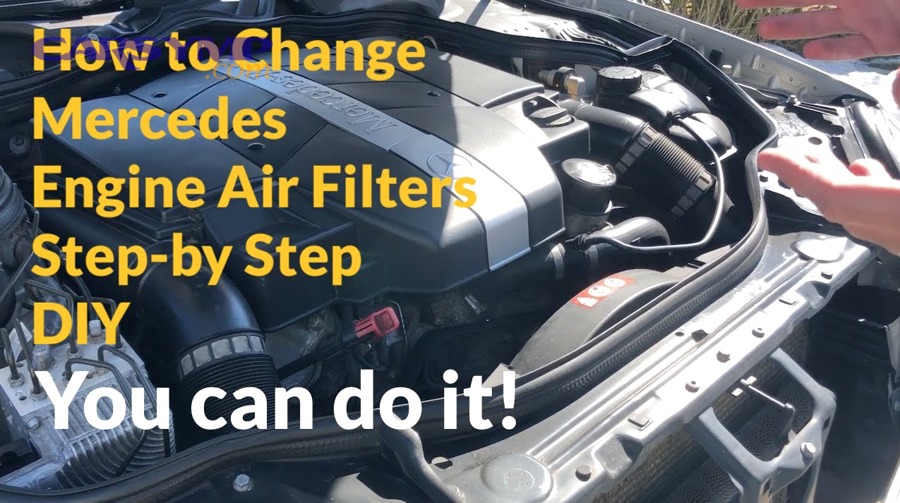
The most critical item is the correct replacement filter, which must match your vehicle’s specifications exactly to ensure proper fit, sealing, and airflow capacity. Meanwhile, having work gloves protects your hands from sharp edges on the housing and keeps the new filter clean during installation, while a shop rag or microfiber cloth allows you to wipe down the inside of the filter housing before installing the fresh filter.
How Do You Choose the Right Replacement Air Filter for Your Vehicle?
The right replacement air filter matches your vehicle’s year, make, model, and engine size, which you can determine by checking your owner’s manual, looking up your vehicle’s specifications at an auto parts store, or examining the part number printed on your existing filter. For instance, a 2018 Honda Civic with a 1.5L turbo engine requires a different filter than the same year Civic with a 2.0L naturally aspirated engine, so engine size specification is crucial for proper fitment.
Most drivers choose between OEM (Original Equipment Manufacturer) filters from the vehicle’s brand and aftermarket filters from companies like K&N, Fram, or Wix, with OEM filters typically costing $15-40 and providing the exact specifications the manufacturer designed for your vehicle. In the OEM vs aftermarket air filter comparison, OEM filters guarantee perfect fit and performance to factory standards, while quality aftermarket options often cost $10-30 and deliver comparable filtration with some brands offering enhanced features like longer service intervals or improved airflow.
Reusable performance filters represent a third category, costing $50-80 initially but designed to be cleaned and re-oiled every 50,000 miles rather than replaced, potentially saving money over your vehicle’s lifetime. These cotton gauze filters from manufacturers like K&N or AEM allow slightly more airflow than paper filters while still providing adequate filtration, though they require periodic maintenance that disposable filters do not.
When selecting your filter, always verify the physical dimensions match your housing—length, width, and height must be identical to ensure proper sealing and prevent unfiltered air from bypassing the filter element. Additionally, check reviews and ratings for aftermarket options to ensure the brand provides adequate filtration quality, as poorly made filters may allow fine particles through that can damage your engine over time.
Where is the Engine Air Filter Located in Your Car?
The engine air filter is located inside a black plastic housing box positioned near the top or front of your engine compartment, typically on the driver’s side or passenger’s side depending on your vehicle’s layout, and connected to the intake hose that leads to the throttle body. This strategic placement allows the filter to clean air immediately as it enters the intake system while remaining easily accessible for regular inspection and replacement without requiring removal of other components.
To locate your specific air filter housing, pop your hood and look for a large rectangular or square black plastic box with clips, screws, or wing nuts securing its lid—this box stands out because it’s usually one of the largest single plastic components visible in the engine bay. Moreover, following the large intake hose from your throttle body backward will lead you directly to the air filter housing, as this hose must connect to the filter box to supply the engine with filtered air.

How Do You Identify the Air Filter Housing?
The air filter housing is identifiable by its large black plastic construction, rectangular or trapezoidal shape, and securing mechanism consisting of metal clips that snap together, screws around the perimeter, or threaded wing nuts that hand-tighten. Most housings measure approximately 12-18 inches long and 8-12 inches wide, making them one of the most prominent components when you open the hood, and they typically feature a smooth, unmarked surface without the ribbing or complexity of other engine covers.
Different manufacturers use various securing methods, with many Japanese vehicles (Honda, Toyota, Nissan) favoring spring-loaded metal clips that you simply press or pull to release, while some American and European models use Phillips-head screws or 8mm-10mm bolts requiring a screwdriver or socket wrench. To illustrate, a Toyota Camry uses four spring clips that release with hand pressure, whereas a Ford F-150 might have six screws around the housing perimeter that require a Phillips screwdriver for removal.
If you’re still uncertain about locating the housing, consult your owner’s manual which typically includes a diagram of the engine compartment with the air filter location clearly marked, or search online for “[your vehicle year/make/model] air filter location” to find photos or videos showing exactly where to look. Your vehicle’s maintenance section in the owner’s manual will also specify the type of securing mechanism used, helping you gather the right tools before beginning the replacement process.
What Are the Step-by-Step Instructions to Replace Your Engine Air Filter?
To replace your engine air filter, follow these steps: ensure the engine is cool, locate and open the air filter housing, remove the old filter while noting its orientation, clean the housing interior, install the new filter in the same direction, secure the housing, and start the engine to verify proper installation—a complete process taking 10-15 minutes. This straightforward procedure requires no special skills or training, making it accessible to anyone who can open their vehicle’s hood and follow simple sequential instructions.
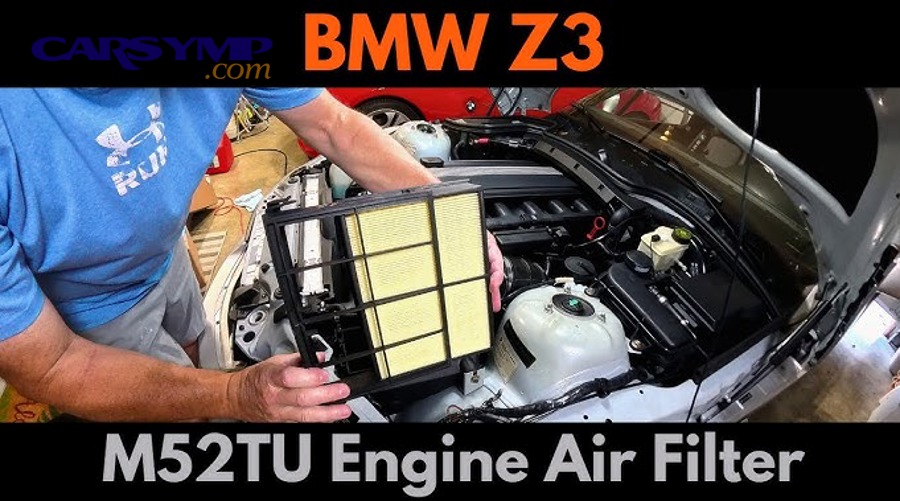
The key to success lies in paying attention to how the old filter sits in the housing before removal, as the new filter must be installed in exactly the same orientation to seal properly and function correctly. Below, we’ll break down each phase of the replacement process with specific details to ensure you complete the job correctly the first time and avoid the common mistakes that can compromise your engine’s protection.
How Do You Safely Access the Air Filter Housing?
Begin by parking your vehicle on level ground, turning off the engine, and waiting at least 15-20 minutes for the engine compartment to cool completely to avoid burns from hot surfaces. Next, pull the hood release handle inside your vehicle (usually located under the dashboard on the driver’s side), then go to the front of the car and lift the hood while locating the safety latch that prevents it from falling.
Once the hood is fully open and secured with the hood prop rod or hydraulic struts, put on work gloves to protect your hands from sharp edges and keep oils from your skin off the new filter. Then locate the air filter housing using the identification methods described earlier—remember to look for the large black plastic box near the engine’s top or front section.
Before touching the housing, visually inspect the area around it to identify what type of securing mechanism it uses, whether clips, screws, or wing nuts, so you can proceed confidently. For safety, never work under a hood that isn’t properly secured with a prop rod or functional hydraulic struts, as a falling hood can cause serious injury.
How Do You Remove and Inspect the Old Air Filter?
Release the housing clips by pressing the release tabs and pulling them away from the housing, or remove screws by turning them counterclockwise with a Phillips screwdriver, setting all fasteners aside in a safe location where they won’t fall into the engine compartment. Once all securing mechanisms are released, carefully lift the top portion of the housing—some designs pivot on hinges while others lift completely free, so gently test the movement before applying force.
With the housing open, take a photo with your phone showing exactly how the filter sits in the housing, capturing its orientation and which direction the pleats face, as this reference will ensure correct installation of the new filter. Then grasp the old filter firmly and lift it straight up and out of the lower housing, being careful not to shake loose debris into the engine compartment where it could fall into the intake passage.
Hold the removed filter up to a light source such as the sun, a flashlight, or a shop light to inspect its condition—if you can see light passing through the pleats easily, the filter might still have some life left, but if the light is blocked or appears dim and orange, replacement is definitely needed. Additionally, examine the filter for oil contamination (indicating possible engine problems), physical damage like tears or crushed pleats, or evidence of rodent nesting, any of which requires immediate replacement regardless of mileage.
The filter’s pleated design increases surface area to maximize airflow while capturing particles, but this design also means dirt accumulates in the valleys between pleats where it’s not always visible from the outside. Therefore, even a filter that looks moderately clean on the exterior surfaces may be heavily loaded with debris in the interior pleats, which is why the light test provides a more accurate assessment than visual inspection alone.
How Do You Install the New Engine Air Filter Correctly?
Before installing the new filter, use a clean shop rag or paper towels to wipe down the inside of the lower air filter housing, removing any dirt, leaves, or debris that has accumulated since the last filter change. This cleaning step prevents contaminants from being drawn into your engine when you start it with the new filter in place, and it takes only 30-60 seconds but significantly improves the overall effectiveness of the maintenance.
If your vehicle is equipped with a breather filter (a small secondary filter often located inside or near the main air filter housing), this is an excellent time to inspect and replace it as well, though not all vehicles have this component. Some vehicles also accumulate significant debris in the intake hose connection point, so inspect this area and wipe it clean if necessary to ensure optimal airflow.
Remove your new filter from its packaging, being careful not to touch the filter media with dirty or oily hands that could contaminate it before installation. Then, referencing the photo you took earlier or the orientation notes you made, position the new filter in the housing with the same directional alignment as the old one—most filters have a specific “up” side indicated by tabs, ridges, or directional arrows printed on the frame.
Lower the new filter into the housing slowly and carefully, ensuring it seats completely flat against the bottom surface with no gaps, tilting, or raised corners that would allow unfiltered air to bypass the element. The filter should drop into place easily without forcing—if you encounter resistance, lift it back out and check for obstructions or incorrect orientation rather than pushing harder.
Press gently around the filter’s perimeter to verify it has seated properly in any grooves or channels designed to hold it in position, as Avoiding unfiltered air leaks depends entirely on achieving a complete seal between the filter frame and the housing. Even a small gap of just a few millimeters can allow thousands of particles per minute to enter your engine, potentially causing damage over time.
How Do You Secure the Housing and Verify Proper Installation?
Position the top half of the air filter housing over the installed filter, ensuring any alignment tabs or guides fit into their corresponding slots before lowering it completely into place. Once aligned, press down firmly around the perimeter to seat the housing halves together, listening for the subtle click or feeling the resistance decrease as the seal engages.
Reattach all securing mechanisms in reverse order of removal—snap clips back into their locked positions, insert and tighten screws clockwise until snug (but not over-tightened, which could crack the plastic housing), or hand-tighten wing nuts firmly. For housings with multiple clips or screws, work in a crisscross pattern rather than securing one side completely before the other, as this ensures even pressure distribution and proper sealing all around.
After securing the housing, perform a visual inspection to confirm all clips are fully engaged, all screws are tight, and the housing sits flush with no gaps visible along the seam where the top and bottom meet. Additionally, gently tug on any intake hoses connected to the housing to verify they remain properly seated and haven’t been accidentally loosened during the filter replacement process.
Start your engine and let it idle for 1-2 minutes while you listen carefully for any unusual sounds such as whistling (indicating an air leak), rattling (suggesting something is loose), or a loud sucking noise (meaning the housing isn’t properly sealed). If you hear any abnormal sounds, immediately shut off the engine and recheck your installation, verifying that the filter is seated correctly and all housing fasteners are secure.
With the engine running, look around the air filter housing for any visible gaps or movement that would indicate improper assembly, and place your hand near the housing seams to feel for air being drawn in from places other than the designated intake passage. Check your dashboard for any warning lights, particularly the check engine light or malfunction indicator lamp, which would illuminate if the mass airflow sensor detects abnormal readings due to improper installation.
Record the date and current mileage in your vehicle’s maintenance log, a notebook, or a phone app so you can track when the next Engine air filter replacement interval approaches. This simple habit helps you stay on top of preventive maintenance and ensures you replace the filter before it becomes so clogged that it affects performance or potentially causes damage.
What Common Mistakes Should You Avoid When Replacing Your Air Filter?
The most common mistakes when replacing an engine air filter include installing the wrong filter size, inserting the filter backwards or upside down, failing to clean the housing before installation, not seating the filter properly, and forgetting to secure all clips or screws on the housing. These errors can result in unfiltered air entering your engine, reduced performance, increased wear, and potentially expensive damage that defeats the entire purpose of performing this maintenance.
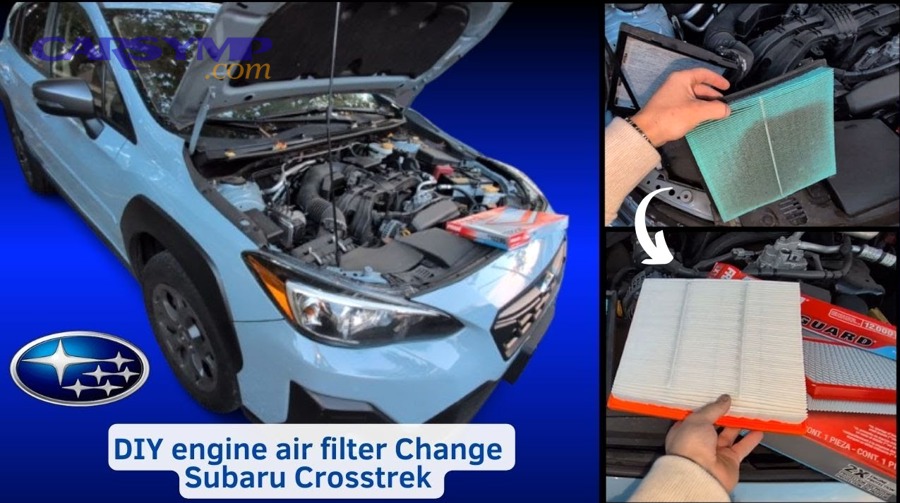
Understanding why each mistake is problematic and how to avoid it will help you complete the job correctly and protect your engine investment. Moreover, recognizing the warning signs of improper installation allows you to catch and correct errors immediately rather than driving for weeks or months with a compromised air filtration system.
The single most critical error is installing a filter that doesn’t fit properly—whether too small, too large, or the wrong shape for your housing—because even slight dimension mismatches create gaps that allow dirt to bypass the filter entirely. Always verify that the filter you purchased matches your vehicle’s specifications exactly before beginning the installation, and if you have any doubt, take your old filter to the auto parts store for side-by-side comparison with the replacement.
Installing the filter backwards or upside down represents another frequent mistake that compromises filtration efficiency, as most filters have a specific directionality with the dirty side (intake side) and clean side (engine side) designed to work in only one orientation. The filter frame usually features tabs, arrows, or markings indicating “AIR FLOW” or “THIS SIDE UP” to guide proper installation—always reference your photo of the old filter’s orientation if these markings aren’t clear.
Skipping the housing cleaning step might seem like a time-saver, but leaving dirt and debris in the housing means your new filter immediately begins its service life contaminated with the very particles it’s supposed to capture. To illustrate, even a small accumulation of leaves or dirt in the housing bottom can be drawn through the new filter when the engine starts, reducing its effectiveness and potentially shortening its service life by thousands of miles.
Failing to seat the filter completely flat in the housing creates the same problem as using the wrong size filter—gaps that allow unfiltered air to bypass the element and enter your engine directly. This mistake often occurs when installers are in a hurry and don’t take the 5-10 seconds required to press around the filter perimeter and verify it has dropped fully into position with no raised corners or tilting.
Not securing all housing fasteners, or securing them incorrectly, can lead to the housing vibrating loose over time, creating gaps that grow larger with each mile driven until the housing actually separates and allows massive amounts of unfiltered air into the engine. Some vehicles have 4-6 clips or screws, and it’s surprisingly easy to miss one, especially those located at the back of the housing where they’re less visible—always count the fasteners you removed and ensure you reattach the same number.
How Can You Tell If You’ve Installed the Air Filter Incorrectly?
Incorrect air filter installation typically produces immediate warning signs including a check engine light on the dashboard, unusual whistling or sucking noises from the engine compartment, visibly poor acceleration or reduced power, and in severe cases, black smoke from the exhaust indicating a rich fuel mixture. These symptoms emerge because modern engines use mass airflow sensors or manifold absolute pressure sensors to calculate the correct fuel-to-air ratio, and any disruption to normal airflow patterns triggers adaptive responses that may include warning lights and performance changes.
The most common indicator is a whistling or high-pitched sucking sound that wasn’t present before the filter change, occurring because air is being drawn through a gap in the housing or around an improperly seated filter. This sound typically becomes louder when you accelerate and demand more air for the engine, and it may be accompanied by a noticeable loss of power as the engine struggles to draw sufficient air through the restricted path.
If you notice these symptoms, immediately stop the vehicle in a safe location, pop the hood, and inspect the air filter installation while the engine is off and cool. Check that all clips are fully engaged, all screws are tight, the filter is seated flat, and no visible gaps exist around the housing perimeter where the two halves meet.
A check engine light that illuminates immediately or within a few miles of the filter replacement often indicates a mass airflow sensor code, typically triggered when the sensor detects airflow readings that don’t match expected parameters for the current engine operating conditions. While this could occasionally represent a coincidental sensor failure, it more commonly points to an installation problem such as a backwards filter, unseated housing, or disconnected intake hose that needs correction.
For vehicles without immediate electronic warnings, reduced fuel economy over the next few tanks of gas can indicate improper installation allowing unfiltered air to enter, as the engine’s adaptive fuel control systems attempt to compensate for the altered airflow characteristics. However, this symptom develops more slowly and is harder to attribute directly to the filter change unless you’ve been carefully tracking your miles per gallon before and after the service.
How Does Engine Air Filter Replacement Compare to Other DIY Maintenance Tasks?
Engine air filter replacement ranks as one of the easiest DIY automotive maintenance tasks, requiring less skill, fewer tools, and less time than oil changes, spark plug replacement, or brake pad installation, making it the ideal starting project for beginners. Specifically, while an oil change requires working underneath the vehicle with potential for hot oil burns and proper disposal of hazardous waste, air filter replacement happens entirely under the hood at ground level with no fluids to manage and no special safety equipment needed beyond basic gloves.

This comparison matters because successfully completing easier maintenance builds confidence and mechanical understanding that prepares you for more complex tasks later. Furthermore, starting with air filter replacement allows you to become comfortable working in your engine compartment and learning how components fit together before attempting procedures that carry higher stakes or greater potential for costly mistakes.
What’s the Difference Between Engine Air Filter and Cabin Air Filter Replacement?
The engine air filter cleans air entering your engine for combustion and is located under the hood in a large housing near the engine, while the cabin air filter cleans air entering your vehicle’s HVAC system for passenger comfort and is typically located behind the glove box or under the dashboard. These two filters serve completely different functions—the engine filter protects mechanical components from wear, whereas the cabin filter protects human occupants from allergens, dust, and odors.
In terms of replacement difficulty, engine air filters are generally easier to access because they’re positioned prominently in the engine bay where you can see and reach them easily, while cabin filters often require removal of the glove box or access panels in tight spaces under the dashboard. For example, replacing a cabin air filter in many Honda vehicles requires opening the glove box, removing the retaining screws, and working in a cramped space with limited visibility, whereas the engine filter sits in plain sight once you open the hood.
The following table compares key aspects of these two common filter replacements:
| Aspect | Engine Air Filter | Cabin Air Filter |
|---|---|---|
| Primary Function | Filters air for engine combustion | Filters air for cabin HVAC system |
| Location | Engine compartment, under hood | Behind glove box or under dashboard |
| Replacement Interval | 15,000-30,000 miles | 12,000-15,000 miles |
| Access Difficulty | Easy (visible, spacious) | Moderate (cramped, may require panel removal) |
| Tools Required | Often none, sometimes screwdriver | Usually none, sometimes screwdriver |
| Time Required | 10-15 minutes | 15-20 minutes |
| Cost (Parts) | $10-40 typical, $50-80 performance | $15-35 typical |
| Symptoms When Dirty | Reduced power, poor fuel economy | Weak airflow, musty odor, fogging windows |
Both filters follow similar replacement procedures—access the housing, release fasteners, remove old filter, clean housing, install new filter, secure housing—but the cabin filter’s location makes it physically more challenging despite being mechanically just as simple. Additionally, cabin filters show different signs when they need replacement, including reduced air conditioning or heating airflow, musty odors when the system runs, and faster window fogging in humid conditions.
Most experts recommend replacing both filters on similar schedules, though some drivers neglect cabin filters because their failure doesn’t affect vehicle operation, only passenger comfort. However, a clogged cabin filter can strain your HVAC system’s blower motor, potentially leading to premature failure of this expensive component, so maintaining both filters according to manufacturer recommendations protects different but equally important aspects of your vehicle.
Is Changing an Air Filter Easier Than Changing Oil or Spark Plugs?
Changing an air filter is significantly easier than changing oil or spark plugs because it requires no fluid handling, no hot components, no underneath access, and no precise torque specifications, making it accessible to absolute beginners while oil changes and spark plug replacement demand more technical knowledge and safety precautions. To illustrate, an oil change requires raising the vehicle safely on jack stands or ramps, positioning a drain pan, removing a drain plug while preventing burns from hot oil, installing a new filter that must seal perfectly to prevent leaks, adding the correct quantity and grade of new oil, and disposing of old oil responsibly at a recycling center.
Spark plug replacement presents different challenges including potential damage to expensive components if ceramic insulators crack during removal, the need for a torque wrench to tighten new plugs to exact specifications (typically 15-20 ft-lbs depending on the plug type), difficulty accessing plugs deep in the engine (particularly in V6 and V8 configurations), and the risk of dropping bolts or tools into the engine valley where they can cause catastrophic damage. Meanwhile, air filter replacement involves simply opening a box, swapping filters, and closing the box—a task so straightforward that many vehicle owners complete it in parking lots immediately after purchasing the new filter.
The skill progression for DIY maintenance typically begins with air filter replacement, advances to cabin filter and wiper blade replacement, then progresses to oil changes and tire rotations before eventually tackling spark plugs, brake pads, and more complex procedures. This logical progression builds mechanical confidence and familiarity with your specific vehicle while minimizing the risk of costly mistakes that could occur when beginners attempt advanced procedures without foundational experience.
According to data from automotive service surveys, approximately 40-50% of vehicle owners feel comfortable changing their own air filter, compared to only 25-30% who perform their own oil changes and less than 15% who replace spark plugs themselves. This distribution reflects the relative difficulty and risk associated with each task, with air filters representing the entry point where many people discover they can maintain their vehicles more affordably and conveniently than they previously believed possible.
Should You Replace Your Breather Filter at the Same Time?
You should replace your breather filter (also called a PCV filter or crankcase filter) at the same time as your engine air filter if your vehicle is equipped with one, as these small filters typically share similar replacement intervals and are easily accessible during the main air filter service. The breather filter cleans air entering the crankcase ventilation system, preventing contaminants from circulating through the engine’s internal oil passages and potentially causing accelerated wear or oil degradation.
Not all vehicles have separate breather filters—many modern engines integrate this function into the main air filter housing or use serviceable PCV valves instead—so check your owner’s manual or inspect your air filter housing to determine if your vehicle includes this component. When present, the breather filter usually appears as a smaller cylindrical or rectangular element located inside the main air filter housing or attached to a separate small housing near the valve cover.
Replacing the breather filter follows the same basic process as the main filter: locate it during your air filter replacement, note its orientation, remove it from its housing or mounting location, and install the new breather filter in the same position. These filters typically cost $5-15 and add only 2-3 minutes to your maintenance time, making simultaneous replacement highly cost-effective when the main filter is already out and the housing is open.
Neglecting breather filter replacement can lead to restricted crankcase ventilation, which increases internal engine pressure, potentially forcing oil past seals and gaskets to create leaks, and recirculating contaminants through oil passages that accelerate engine wear. Therefore, if your vehicle has this component, the minimal additional cost and effort of replacing it during regular air filter service provides valuable insurance against more expensive problems down the road.
Can You Clean and Reuse Performance Air Filters Instead of Replacing Them?
You can clean and reuse performance air filters made from cotton gauze or foam materials, which are designed to be serviced every 50,000 miles by washing with special cleaning solution, drying completely, and re-oiling to restore filtration properties. These reusable filters, manufactured by companies like K&N, AEM, and aFe Power, differ fundamentally from disposable paper filters in construction and maintenance requirements, offering both advantages and disadvantages compared to traditional replaceable filters.
The cleaning process for reusable performance filters involves removing the filter from the vehicle, applying a spray-on cleaning solution specifically formulated to dissolve accumulated dirt and oil, letting it penetrate for 10 minutes, rinsing from the clean side with low-pressure water until water runs clear, air-drying completely (never using compressed air or heat), and applying a thin, even coat of filter oil to restore the cotton gauze’s ability to capture particles. This process takes 30-45 minutes of active time plus 24 hours of drying, and it must be performed correctly or the filter will either capture too little (under-oiled) or restrict airflow excessively (over-oiled).
Reusable filters appeal to environmentally conscious owners because they eliminate disposal waste and to performance enthusiasts because they typically flow 5-10% more air than paper filters, potentially supporting slightly higher horsepower in modified engines. However, they require more maintenance attention, the cleaning supplies cost $15-25 per service, improper oiling can contaminate mass airflow sensors causing expensive problems ($200-400 sensor replacement), and the initial purchase price of $50-80 takes 3-5 replacement cycles to break even compared to disposable filters.
For most daily drivers, conventional disposable filters offer the best value proposition because they require zero maintenance, guarantee consistent filtration quality, cost less initially, and eliminate the risk of installation errors during cleaning and re-oiling. Performance filters make sense primarily for enthusiasts who enjoy hands-on maintenance, owners who drive high mileage annually (30,000+ miles per year where the cost savings multiply), or those with modified vehicles where the additional airflow provides measurable performance benefits.