


Most vehicles require engine air filter replacement every 15,000 to 45,000 miles, depending on the manufacturer’s specifications and driving conditions. The standard recommendation falls within this range, with many automakers suggesting intervals between 30,000 and 45,000 miles for normal driving conditions. However, factors like dusty environments, frequent short trips, and off-road driving can significantly shorten this interval, sometimes requiring replacement as often as every 12,000 to 15,000 miles.
Understanding what influences air filter lifespan helps you maintain optimal engine performance and fuel efficiency. Driving conditions play the most critical role in determining replacement frequency—vehicles operated in desert climates, construction zones, or on unpaved roads accumulate debris faster than those driven primarily on highways. Environmental factors such as pollen seasons, wildfire smoke, and coastal salt air also accelerate filter degradation, making regional considerations just as important as mileage intervals.
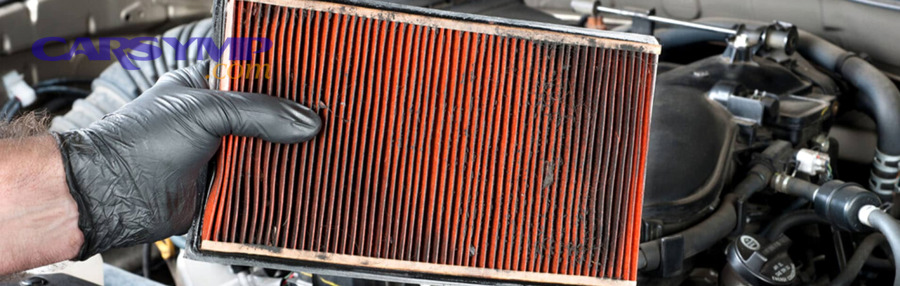
Recognizing the warning signs of a clogged air filter prevents performance issues before they impact your vehicle. A dirty filter restricts airflow to the engine, causing symptoms like reduced acceleration, decreased fuel economy, rough idling, and in severe cases, check engine light illumination. Visual inspection remains the simplest method to assess filter condition—a filter darkened with dirt between its pleats or showing visible debris indicates replacement time, regardless of mileage.
Knowing how to check and replace your air filter empowers you to maintain your vehicle efficiently and cost-effectively. Most engine air filters are easily accessible under the hood in a black plastic housing, requiring no special tools for removal. Next, we’ll explore the specific mileage intervals recommended by major manufacturers and examine how different filter types affect replacement schedules.
What Is the Recommended Mileage Interval for Engine Air Filter Replacement?
Engine air filter replacement should occur every 15,000 to 45,000 miles based on manufacturer guidelines, with most vehicles following a 30,000-mile standard under normal driving conditions. This wide range exists because different automakers design their engines and air intake systems with varying tolerances and filtration requirements.
The recommended interval depends heavily on your vehicle’s make and model. To better understand these variations, checking your owner’s manual provides the most accurate replacement schedule tailored to your specific vehicle’s engineering requirements.
How Often Should You Replace Your Engine Air Filter Based on Manufacturer Guidelines?
Major automakers establish distinct replacement intervals based on their engine designs and testing protocols. Ford recommends replacing engine air filters every 15,000 to 30,000 miles depending on the model year and engine type. Honda typically specifies 30,000-mile intervals for most Civic, Accord, and CR-V models under normal conditions. Toyota extends this to 30,000 to 45,000 miles for vehicles like the Camry and RAV4, while BMW suggests inspection at 30,000 miles with replacement around 60,000 miles for many models.
The manufacturer’s “normal” versus “severe” driving schedules create significant interval differences. Normal driving includes highway commutes, moderate climate conditions, and paved roads. Severe driving encompasses short trips under five miles, extreme temperatures, dusty conditions, or towing—circumstances that halve the standard replacement interval for most manufacturers.
Luxury and performance vehicles often feature more sophisticated air filtration systems requiring specific maintenance. European manufacturers like Mercedes-Benz and Audi typically recommend longer intervals but specify premium replacement filters that maintain tighter tolerances. Trucks and SUVs designed for off-road capability, such as the Ford F-150 Raptor or Jeep Wrangler, include more robust filtration systems but also encounter harsher conditions that necessitate more frequent inspection and replacement.
The table below summarizes replacement intervals by manufacturer:
| Manufacturer | Normal Conditions | Severe Conditions | Typical Models |
|---|---|---|---|
| Ford | 15,000-30,000 miles | 7,500-15,000 miles | F-150, Escape, Mustang |
| Honda | 30,000 miles | 15,000 miles | Civic, Accord, CR-V |
| Toyota | 30,000-45,000 miles | 15,000-22,500 miles | Camry, Corolla, RAV4 |
| GM (Chevrolet/GMC) | 45,000 miles | 22,500 miles | Silverado, Equinox |
| BMW | 30,000-60,000 miles | 15,000-30,000 miles | 3 Series, X5 |
| Nissan | 30,000 miles | 15,000 miles | Altima, Rogue |
According to data from Automotive Aftermarket Suppliers Association (AASA) research conducted in 2024, vehicles following manufacturer-recommended air filter replacement schedules experience 8-12% better fuel efficiency compared to those with overdue filter changes.
Does the Type of Air Filter Affect Replacement Frequency?
Yes, the air filter type significantly impacts replacement frequency, with disposable paper filters requiring replacement at standard intervals while reusable filters need periodic cleaning instead of replacement. This fundamental difference affects both maintenance schedules and long-term costs.
Disposable paper filters—the most common type in modern vehicles—follow the manufacturer’s recommended mileage intervals. These single-use filters trap particles within their pleated paper or synthetic fiber media and cannot be effectively cleaned. Once saturated with debris, they must be replaced entirely. Standard paper filters typically cost between $15 and $40 and represent the baseline against which other filter types are compared.
Reusable gauze filters, such as K&N or AEM brands, use cotton gauze media treated with oil to capture contaminants. These performance-oriented filters can last 50,000 miles or more between cleanings and theoretically last the vehicle’s lifetime with proper maintenance. However, they require cleaning every 25,000 to 50,000 miles using specialized cleaning kits that cost approximately $15. While the initial investment runs higher at $50 to $100, reusable filters offer long-term cost savings and improved airflow characteristics that some drivers prefer for performance applications.
Performance filters designed for cold air intake systems or high-performance vehicles follow manufacturer-specific maintenance schedules. These specialized filters often feature larger surface areas and less restrictive media, requiring inspection every 15,000 to 25,000 miles despite their enhanced flow characteristics. Racing or extreme performance applications may demand even more frequent attention—some track-oriented setups require inspection after every event.
Foam filters, less common in modern passenger vehicles but prevalent in off-road and powersports applications, require cleaning and re-oiling every 5,000 to 10,000 miles in dusty conditions. These filters excel in high-debris environments but demand more frequent maintenance than paper alternatives.
The choice between disposable and reusable filters involves balancing convenience against cost and performance. Disposable filters offer simplicity—you replace them and dispose of the old unit. Reusable filters require proper cleaning technique to avoid damaging the filter media or over-oiling, which can contaminate the mass airflow sensor. However, for vehicles kept long-term, reusable filters can save $200 to $400 over the vehicle’s lifespan while potentially offering marginal performance improvements.
What Factors Influence How Often You Should Change Your Engine Air Filter?
Four primary factors determine air filter replacement frequency: driving environment, vehicle usage patterns, climate conditions, and seasonal variations. These variables interact to either extend or shorten the baseline manufacturer recommendations, sometimes by as much as 50%.
Understanding how these factors affect your specific situation enables you to optimize replacement timing. For instance, a vehicle driven primarily on interstate highways in a moderate climate may safely extend intervals beyond the standard recommendation, while an identical vehicle commuting through construction zones in a desert environment requires much more frequent service.
How Do Driving Conditions Impact Air Filter Lifespan?
Driving conditions directly correlate with the volume and type of airborne contaminants your engine encounters, making them the single most influential factor in filter lifespan. Urban driving through stop-and-go traffic exposes the air filter to higher concentrations of exhaust particulates, brake dust, and tire debris compared to steady highway cruising. However, highway driving at higher speeds forces greater air volumes through the filter per mile, creating a different stress pattern.
Unpaved or dirt roads dramatically accelerate filter contamination. A vehicle regularly driven on gravel roads may require air filter replacement every 10,000 to 15,000 miles, regardless of manufacturer recommendations. The fine dust generated by vehicle traffic on dirt surfaces easily overwhelms filtration media, creating visible accumulation within months. Rural areas with agricultural activity compound this issue—combine harvesting seasons fill the air with chaff and grain dust that penetrates air intake systems.
Construction zones present temporary but severe filtration challenges. Vehicles parked or driven near demolition sites, road work, or new building construction encounter cement dust, silica particles, and debris at concentrations far exceeding normal conditions. If your daily commute involves construction areas, inspecting your air filter every 5,000 miles prevents premature engine wear from unfiltered contaminants.

Traffic density also matters beyond air quality considerations. Vehicles in heavy traffic idle more frequently, creating lower airflow velocities through the filter that allow finer particles to settle rather than being carried through. This pattern differs from highway operation where consistent high-velocity airflow tends to clean some surface debris from the filter’s outer pleats.
Off-road recreational driving demands the most aggressive replacement schedule. Vehicles used for trail riding, rock crawling, or desert exploration should have their air filters inspected after every outing and replaced when visual inspection shows significant contamination. Some enthusiasts install pre-filters or snorkels to protect the primary air filter in extreme off-road conditions, extending primary filter life by capturing the largest particles before they reach the main filtration element.
Racing or track day use accelerates filter degradation differently—the sustained high-RPM operation forces maximum air volumes through the filter at elevated velocities, mechanically stressing the filter media and potentially breaking down the pleating structure over time. Track-focused vehicles benefit from fresh filters before competition events to ensure unrestricted airflow when maximum performance is required.
What Environmental Factors Shorten Filter Life?
Environmental factors create regional variations in air filter service life that often override standard mileage recommendations. Desert and arid climates produce the harshest conditions for air filtration systems. Areas like Arizona, Nevada, and parts of Texas experience persistent airborne dust and sand that can clog filters in as little as 12,000 to 20,000 miles. The fine particulate size in desert dust penetrates deeper into filter media than larger debris, reducing effective filtration area more quickly.
Coastal environments present a different challenge through salt air corrosion and marine aerosols. While these conditions don’t dramatically shorten filter lifespan, the salt-laden air can degrade filter adhesives and sealing materials over time. Vehicles in coastal areas should have their air filter housing inspected for corrosion and proper sealing during replacement, as compromised housing seals allow unfiltered air to bypass the filter element entirely—a condition more damaging than a dirty filter.
Pollen seasons create temporary but intense filtration demands. Spring pollen in regions with high tree density can visibly coat air filters within weeks, particularly in the Southeastern United States where pine pollen creates thick yellow deposits. While seasonal pollen doesn’t necessarily require immediate replacement, heavy accumulation restricts airflow and should prompt inspection. Many drivers in high-pollen areas schedule air filter replacement in late spring or early summer after peak pollen season concludes.
Wildfire smoke and air quality events have emerged as significant factors in western states. Prolonged exposure to smoke particulates from forest fires loads air filters with fine ash and carbonized material. During severe fire seasons, filters may require replacement after just a few thousand miles. The 2020 wildfire season in California and Oregon prompted numerous automakers to issue service bulletins recommending early air filter inspection for vehicles operated in affected areas.
Agricultural regions expose vehicles to seasonal debris beyond normal dust. Wheat harvest, cotton harvesting, and hay baling operations fill the air with plant material and chaff. Vehicles stored or operated near farming activities during harvest seasons accumulate organic debris that can promote mold growth in humid climates if not addressed promptly.
Industrial areas with manufacturing facilities, cement plants, or mining operations create persistent elevated particulate concentrations. Vehicles garaged or parked near such facilities experience accelerated filter contamination from industrial emissions and process dust. Some industrial particulates, particularly metallic or chemical residues, may also corrode filter media or housing components faster than natural dust.
Temperature extremes affect air filter performance and longevity. Extreme cold can make filter media brittle, potentially causing cracking or pleating damage during installation or removal. Excessive heat, particularly in engine bays where intake systems route near exhaust components, can degrade adhesives and synthetic filter materials. Vehicles operating in temperature extremes benefit from premium filter materials designed for wider temperature ranges.
According to a 2023 study by the Society of Automotive Engineers (SAE), vehicles operated in high-particulate environments showed filter efficiency degradation of 25-40% at the manufacturer’s recommended service interval compared to 10-15% degradation in controlled low-particulate conditions, supporting more aggressive replacement schedules in challenging environments.
What Are the Signs Your Engine Air Filter Needs Replacement?
Three reliable indicators signal air filter replacement needs: visual contamination visible during inspection, measurable performance degradation, and diagnostic system warnings. Recognizing these signs prevents the performance and efficiency losses that occur when operating with a severely restricted air filter.
The most straightforward assessment method combines visual inspection with attention to vehicle behavior changes. However, understanding the specific symptoms and their severity helps prioritize replacement timing appropriately.
How Can You Visually Inspect Your Engine Air Filter?
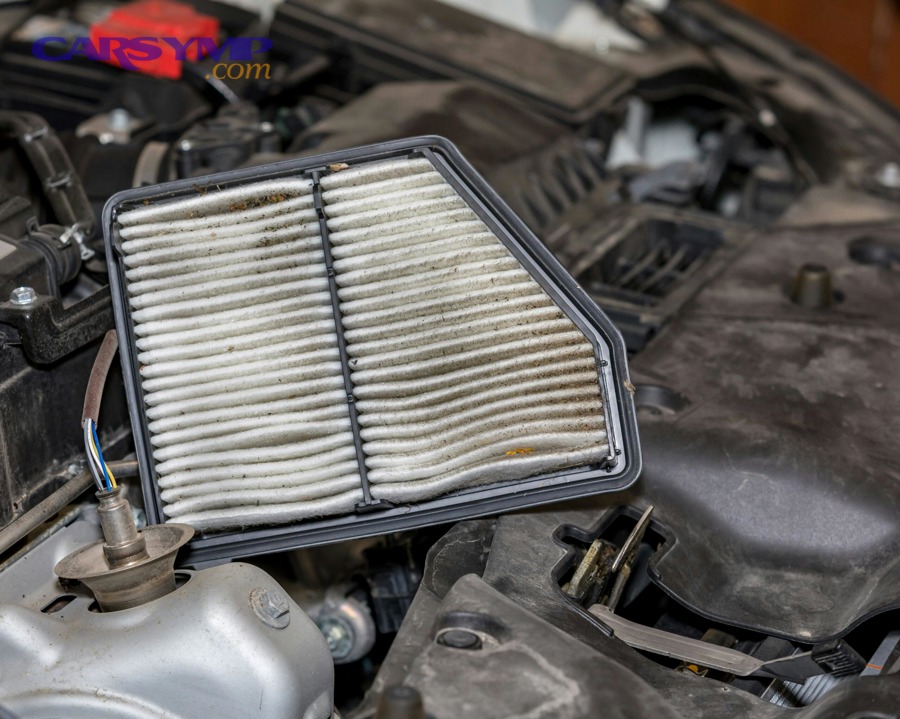
Visual inspection requires removing the air filter from its housing to examine the filter media’s condition and color. The inspection process takes five to ten minutes and requires no specialized tools for most vehicles. First, locate the air filter housing—typically a black rectangular or cylindrical plastic box positioned prominently in the engine bay, often near the front of the engine compartment for optimal cool air intake.
Open the housing by releasing the clips, screws, or clamps securing the cover. Most modern vehicles use simple spring clips or quarter-turn fasteners that require only hand pressure. Remove the filter carefully, noting its orientation for proper reinstallation if you determine it’s still serviceable. Hold the filter up to a light source such as the sun or a work light—you should see light transmission through clean sections of the filter media.
A filter in good condition appears white, off-white, or the original color of the filter material with minimal discoloration. Light dust accumulation on the outer surface is normal and doesn’t necessarily indicate replacement needs. However, visible dirt embedded between the pleats, darkened or blackened filter media, or debris you can’t dislodge with gentle tapping indicates replacement time.
Inspect the filter’s pleated structure for damage. The accordion-style pleats should maintain their shape without crushing, tearing, or separation from the filter frame. Damaged pleats compromise filtration effectiveness by allowing unfiltered air to bypass the filter media. Check the rubber or foam sealing gasket around the filter’s perimeter—this seal prevents air from circumventing the filter element. Cracked, compressed, or deteriorated seals require filter replacement even if the media appears serviceable.
Examine the inside of the air filter housing while the filter is removed. Accumulated debris, leaves, or evidence of moisture inside the housing indicates sealing problems or intake system issues beyond normal filter maintenance. Clean the housing interior with a damp cloth before reinstalling a clean filter or installing a replacement.
The “light test” provides a practical assessment tool. When you hold a questionable filter to bright light, you should see light passing through most of the filter area. If large sections block light transmission, the filter has reached its service life. However, this test has limitations—some filters with effective surface area can still flow sufficient air despite appearing dirty in the light test, while others may look acceptable but have clogged internal media structure.
Professional service centers often use airflow restriction gauges to measure pressure drop across the filter, providing objective data beyond visual assessment. These specialized tools measure the filter’s resistance to airflow, identifying performance degradation before visual inspection reveals problems. However, most car owners rely on visual inspection combined with mileage tracking and performance observation.
Never attempt to clean a disposable paper air filter with compressed air, water, or vacuum cleaners. While these methods may remove surface debris, they can damage the filter media’s integrity, push contaminants deeper into the filter structure, or compromise the pleating. The minor cost savings don’t justify the risk of engine damage from compromised filtration. If visual inspection leaves you uncertain, replacing the filter provides peace of mind at modest cost.
What Performance Issues Indicate a Clogged Air Filter?
Reduced fuel economy represents one of the earliest and most measurable symptoms of a clogged air filter. When airflow restriction increases, the engine control system compensates by enriching the fuel mixture to maintain the proper air-fuel ratio for combustion. This adaptation maintains drivability but decreases efficiency, typically reducing fuel economy by 5-10% before other symptoms become noticeable. Track your fuel efficiency over several tanks—a gradual decline without explanation may indicate air filter restriction alongside other maintenance needs.
Sluggish acceleration and power loss occur when air restriction prevents the engine from drawing sufficient oxygen for complete combustion at higher loads. You may notice the vehicle feels less responsive when merging onto highways, climbing hills, or accelerating from stops. Turbocharged engines exhibit particularly dramatic symptoms since they depend on unrestricted airflow to achieve boost pressure targets. A clogged filter on a turbocharged vehicle can trigger limp mode or boost pressure reduction as the engine control unit protects components from damage caused by incorrect air-fuel ratios.
Rough idling or engine hesitation develops as restriction increases and the engine struggles to maintain stable combustion at low RPMs. The engine may shake more than usual at stoplights, idle speed may fluctuate, or you might feel brief hesitation when transitioning from idle to acceleration. These symptoms often worsen when auxiliary loads like air conditioning activate, further taxing the engine’s ability to maintain smooth operation with restricted airflow.
Check engine light illumination can result from air filter issues, particularly when restriction becomes severe. The mass airflow (MAF) sensor or manifold absolute pressure (MAP) sensor may register readings outside expected parameters, triggering diagnostic trouble codes (DTCs). Common codes include P0171 (system too lean) or P0101 (MAF sensor circuit range/performance), though these codes can also indicate other issues. A severely restricted filter can contaminate the MAF sensor with debris, requiring sensor cleaning or replacement alongside the air filter.
Unusual engine sounds occasionally accompany severe air restriction. A whistling or wheezing sound during acceleration may indicate air bypassing a poorly seated filter or drawing through cracks in the intake system. Some drivers report a “gulping” sensation at wide-open throttle when the engine struggles to draw sufficient air through a clogged filter.
Black smoke from the exhaust, while rare in modern fuel-injected vehicles, can indicate an extremely rich fuel mixture caused by airflow restriction. This symptom typically appears only with catastrophically clogged filters or when combined with other fuel system issues. Modern engines with closed-loop fuel control rarely produce visible smoke from air filter restriction alone, but older vehicles or those with malfunctioning sensors may exhibit this symptom.
Carbon deposits on spark plugs accelerate when prolonged operation with a dirty air filter creates rich combustion conditions. During maintenance, mechanics may discover blackened or fouled spark plugs resulting from incomplete combustion—a condition exacerbated by restricted airflow. While the air filter isn’t the sole cause of fouled plugs, it contributes to conditions that promote rapid carbon buildup.
Reduced engine braking or compression when coasting indicates severe airflow restriction affecting the engine’s ability to function as an air pump during deceleration. This symptom appears only in extreme restriction cases and should prompt immediate filter inspection alongside other intake system checks.
According to research published by the U.S. Department of Energy in 2024, vehicles with dirty air filters showed acceleration time increases of 6-11% in 0-60 mph testing compared to vehicles with new filters, demonstrating measurable performance impacts beyond subjective driver perception.
How Do You Check and Replace Your Engine Air Filter?
Checking and replacing your engine air filter requires locating the air filter housing, removing the old filter, inspecting the housing interior, and installing a new filter with proper orientation—a process taking 10-15 minutes for most vehicles. This straightforward maintenance task requires minimal mechanical skill and no specialized tools, making it one of the most accessible DIY automotive services.
The procedure varies slightly between vehicles, but the fundamental steps remain consistent across makes and models. Specifically, understanding your vehicle’s air filter location and housing design ensures successful completion.
Where Is the Engine Air Filter Located in Your Vehicle?
The engine air filter location varies by vehicle design, but most passenger cars position the filter in a black plastic housing box near the front or side of the engine compartment. Sedans and compact cars typically place the air filter housing toward the driver’s side of the engine bay, connected to the throttle body by a flexible intake tube. The housing—often called an “air box”—usually measures 12-18 inches in length and sits prominently for easy access.
SUVs and trucks often locate the air filter higher in the engine bay to protect against water ingestion during deep water crossings. The Jeep Wrangler, for instance, positions its air filter housing on the driver’s side fender, elevated above typical water crossing depths. Full-size pickup trucks like the Ford F-150 place the filter housing above or behind the battery on the driver’s side, requiring battery removal for filter access on some model years.
Performance vehicles and sports cars may incorporate unconventional placements to optimize airflow or accommodate forced induction systems. The Chevrolet Corvette positions its air filter horizontally within the front fascia to feed the engine cool outside air, while turbocharged vehicles often feature enlarged air boxes or dual-filter configurations to supply adequate airflow for boost pressure demands.
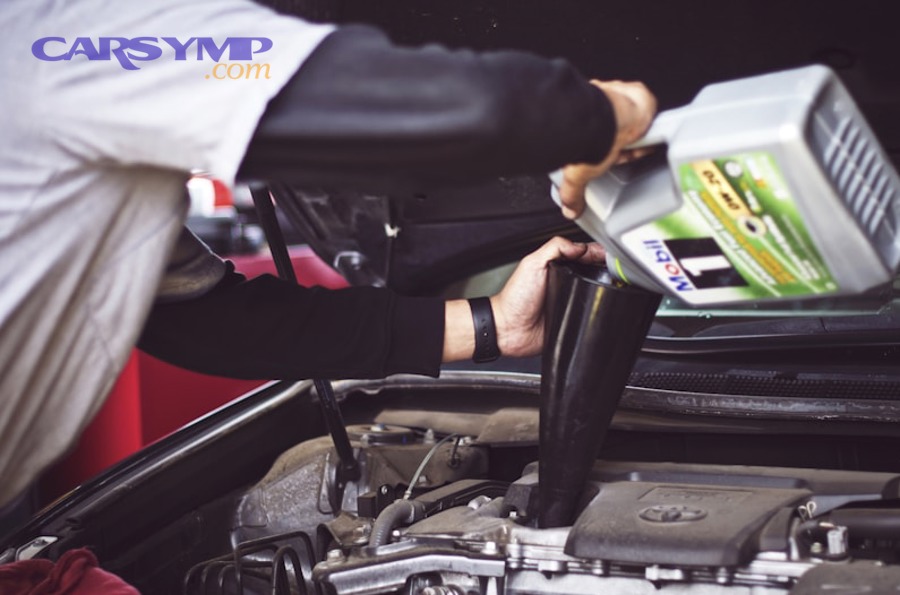
European vehicles frequently integrate the air filter housing with other engine bay components, sometimes requiring partial disassembly of intake ducting or engine covers for access. BMW models may position filters beneath decorative engine covers, while some Audi and Volkswagen vehicles place filters in the front corners of the engine bay, accessible after removing clips on wheelwell liners or front grille components.
Hybrid and electric vehicles with internal combustion engines maintain traditional air filter locations, though the filter may appear smaller due to reduced engine size. The Toyota Prius positions its air filter housing on the driver’s side, similar to conventional vehicles, despite its complex hybrid powertrain layout.
Your owner’s manual contains specific location information with diagrams showing the exact position and access method for your vehicle’s air filter. Most manuals include a maintenance section with step-by-step instructions and torque specifications if any fasteners require tightening during reassembly. Online forums and video tutorials for your specific make and model provide visual guidance if you prefer supplementary references.
The air filter housing typically connects to the throttle body or turbocharger inlet via a flexible rubber or silicone intake tube. This tube may incorporate the mass airflow sensor—handle it carefully during filter replacement to avoid damaging the sensitive sensor element. Some vehicles use rigid plastic intake tubes with multiple connection points requiring sequential disassembly.
Identifying the correct housing is straightforward—look for a rectangular or cylindrical black plastic box with clips, screws, or clamps securing the cover. The housing will have an inlet tube (usually flexible) connecting it to downstream engine components. Once located, proceed to opening the housing for filter inspection and replacement.
What Are the Steps to Replace an Engine Air Filter Yourself?
Replacing your engine air filter yourself requires no tools for most vehicles—just your hands and the replacement filter. Begin by ensuring the engine is cool to avoid burns from hot components. Pop the hood and secure it with the prop rod, then locate the air filter housing as described in the previous section.
Release the housing cover fasteners—most vehicles use spring clips that snap open with finger pressure, quarter-turn plastic fasteners that rotate 90 degrees counterclockwise, or Phillips-head screws requiring a screwdriver. Some performance vehicles use Allen bolts or quick-release clamps. Work systematically around the housing perimeter, releasing each fastener completely before attempting to lift the cover. Note the fastener positions if they vary in type or size.
Lift the housing cover straight up to avoid damaging the intake tube connections or bending mounting tabs. Some covers may require slight twisting or angling to clear surrounding components. Set the cover aside on a clean surface where it won’t accumulate dirt.
Remove the old air filter by lifting it straight out of the housing. Note the filter’s orientation—most filters have directional indicators or arrows showing proper airflow direction. Some filters fit only one way due to irregular housing shapes, while others can technically install backward, reducing effectiveness. Take a photo with your phone if you’re uncertain about orientation.
Inspect the filter housing interior for debris, leaves, moisture, or evidence of damage. Wipe the interior clean with a dry cloth or slightly damp towel, ensuring no cleaning residue remains. Check the housing for cracks, warping, or damage that might allow unfiltered air into the engine. Examine intake ducting connections for security and seal integrity. This is an opportune time to inspect intake duct clamps and seals, replacing any components showing wear or deterioration to prevent unfiltered air leaks that can introduce contaminants despite a fresh filter.

Unbox your new air filter and verify it matches the old filter’s dimensions and configuration. Quality replacement filters include installation instructions on the packaging. Position the new filter in the housing following the directional indicators—most filters show “AIR FLOW” arrows pointing toward the engine. Ensure the filter seats completely in the housing with the sealing gasket making full contact around the entire perimeter. Gaps or poor seating allow unfiltered air to bypass the filter element.
Replace the housing cover, aligning it carefully over the filter and housing. Some covers require specific orientation to line up fastener holes or sensor connections. Lower the cover gently to avoid pinching the filter or damaging the gasket seal. Secure all fasteners in the reverse order of removal, ensuring even pressure around the cover perimeter. Clips should snap fully closed, screws should tighten snugly without over-torquing (plastic threads strip easily), and clamps should seat firmly.
Verify all connections remain secure—intake tubes, sensor harnesses, and vacuum lines should return to their original positions without stress or kinks. Start the engine and listen for unusual sounds indicating air leaks around the housing. A properly installed filter produces no whistling or wheezing sounds. If you hear airflow noises, shut off the engine and recheck the housing seal and cover fasteners.
Dispose of the old filter responsibly—most paper filters are not recyclable due to contamination but can be disposed of in regular trash. Some auto parts stores offer filter disposal services. Record the replacement date and mileage in your vehicle’s maintenance log or a phone app to track the next service interval.
Cost comparison demonstrates significant DIY savings. Professional air filter replacement at a dealership typically costs $50-$100 including labor, while independent shops charge $30-$60. DIY replacement costs only the filter price—$15-$40 for quality aftermarket filters from brands like Fram, Purolator, or Wix, or $25-$50 for OEM (Original Equipment Manufacturer) filters from the dealer. Performing this service yourself four times over 120,000 miles saves $140-$320 in labor costs.
Premium or performance filters command higher prices but offer enhanced filtration or airflow characteristics. K&N reusable filters cost $50-$100 initially but require no replacement over the vehicle’s lifetime with proper cleaning. Standard paper filters provide excellent filtration at the lowest initial cost, making them the economical choice for most drivers. OEM filters ensure exact fitment and meet manufacturer specifications, while quality aftermarket brands often match or exceed OEM performance at lower prices.
How Does Engine Air Filter Maintenance Compare to Other Filter Services?
Engine air filter maintenance intersects with your vehicle’s broader filtration system maintenance, including cabin air filters, oil filters, and fuel filters—each serving distinct protective functions with independent replacement schedules. Understanding these relationships prevents confusion about which filters need service and when, while revealing opportunities to consolidate maintenance visits for efficiency.
The engine air filter stands apart from other filters through its accessibility and replacement frequency. Specifically, comparing it to related filter services clarifies each component’s role and optimal maintenance timing.
What Is the Difference Between Engine Air Filter and Cabin Air Filter Replacement Schedules?
Engine air filters and cabin air filters serve completely different functions despite similar naming conventions—engine filters protect mechanical components while cabin filters protect occupant health and comfort. The engine air filter prevents contaminants from entering the combustion chamber where they would cause wear, carbon deposits, and efficiency loss. The cabin air filter removes pollen, dust, exhaust fumes, and allergens from the HVAC (Heating, Ventilation, and Air Conditioning) system air before it enters the passenger compartment.
Replacement intervals differ significantly between these filters. Engine air filters typically require replacement every 15,000 to 45,000 miles as discussed throughout this article, while cabin air filters need more frequent service at 12,000 to 15,000-mile intervals or annually. The cabin filter’s shorter lifespan reflects its exposure to additional contaminants and its impact on passenger comfort rather than mechanical function—a slightly restricted cabin filter reduces HVAC performance and air quality but causes no mechanical damage.
Location and accessibility create another key distinction. Engine air filters reside under the hood in the engine bay, while cabin filters typically install behind the glove box, under the dashboard, or behind the lower cowl panel near the windshield wipers. Cabin filter replacement often proves more challenging for DIY service due to tight working spaces and the need to remove interior panels or the glove box assembly.
Cost differences reflect these complexity variations. Engine air filters cost $15-$50 for the part with professional installation adding $20-$50 in labor. Cabin air filters range from $15-$40 for the part but labor charges reach $50-$100 at dealerships due to the more time-intensive installation process and interior component handling. DIY replacement of both filters provides maximum savings but requires different skill sets—engine filter replacement needs minimal mechanical aptitude while cabin filter service may require contorting into awkward positions under the dashboard.
Performance impacts differ dramatically. A dirty engine air filter degrades fuel economy, reduces power output, and can trigger check engine lights—measurable effects on vehicle operation. A dirty cabin filter diminishes airflow from vents, creates musty odors, and reduces HVAC effectiveness—noticeable comfort issues without mechanical consequences. Some drivers delay cabin filter replacement without immediate problems, while neglecting the engine air filter actively harms vehicle performance.
Seasonal considerations affect cabin filters more than engine filters. Drivers with allergies often replace cabin filters seasonally to minimize pollen exposure, particularly after spring pollen seasons. Engine filters follow mileage-based schedules unless driving conditions (dust, construction, etc.) necessitate more frequent service. Geographic variations matter for both—desert climates accelerate both filter types’ degradation, while humid climates may promote mold growth in cabin filters that requires more frequent attention.
According to a 2023 study by Consumer Reports, only 42% of vehicle owners were aware their vehicle contained both an engine air filter and a separate cabin air filter, leading to confusion during service appointments and missed maintenance opportunities.
How Does Air Filter Replacement Compare to Oil Filter Changes?
Air filter replacement and oil filter changes represent fundamentally different maintenance categories—air filters follow longer, less frequent intervals while oil filters require service at every oil change. The oil filter removes contaminants from engine oil to protect internal engine components from abrasive particles and combustion byproducts. Oil filters cannot be cleaned or reused; they’re replaced as part of the oil change service every 3,000 to 10,000 miles depending on oil type and driving conditions.
Frequency creates the primary distinction—you’ll change your oil filter 3-10 times for every engine air filter replacement. Modern synthetic oils extending oil change intervals to 7,500-10,000 miles create approximately three oil changes for each air filter service. This relationship means air filter replacement opportunities coincide with oil changes, making combined service appointments logical for efficiency.
Cost considerations favor air filter DIY service over oil changes for many drivers. Oil changes require proper waste oil disposal, specific tools (oil filter wrench, drain pan), and often access to a vehicle lift or jack stands. Air filter replacement needs no special equipment or disposal considerations. Professional oil changes cost $40-$100 depending on oil type and filter quality, while air filter replacement adds $20-$50 if performed simultaneously—service centers often discount bundled services.
The mechanical complexity of these services differs substantially. Oil changes involve working underneath the vehicle, managing hot oil, ensuring proper torque on drain plugs, and correctly installing the filter to prevent leaks. Air filter replacement requires opening a housing cover and inserting a new filter—a task achievable by nearly anyone regardless of mechanical experience. This accessibility difference explains why many drivers who pay for oil changes still replace their own air filters.
Impact on engine longevity separates these maintenance items. Oil and oil filter service directly influences engine life—neglected oil changes cause accelerated wear, sludge formation, and potential catastrophic failure. Air filter neglect reduces performance and efficiency but rarely causes immediate engine damage unless restriction becomes extreme. Both are critical maintenance items, but oil changes demand stricter adherence to service intervals.
Performance and MPG impact of air filter replacement differs from oil changes in detection and timing. Fresh oil improves engine efficiency immediately and measurably—smoother operation, quieter running, and potentially improved fuel economy. Fresh air filter effects are less dramatic unless the previous filter was severely restricted. Most drivers notice oil change benefits more readily than air filter replacement benefits, though both contribute to optimal vehicle performance.
Service indicator systems in modern vehicles track oil life using algorithms based on engine operation, temperature, and load, providing automated oil change reminders. Air filter replacement lacks such monitoring in most vehicles—drivers must track mileage manually or rely on visual inspection during other services. This monitoring gap contributes to air filter service being overlooked more frequently than oil changes.
Should You Replace Your Engine Air Filter When Changing Your Oil?
No, you should not automatically replace your engine air filter at every oil change because the air filter’s service interval is typically 2-5 times longer than oil change intervals. This common misconception leads to unnecessary parts replacement and wasted money if followed literally.
However, inspecting your air filter during oil changes makes excellent practical sense. Since the hood is already open and you’re performing maintenance, taking 60 seconds to pop the air filter housing cover and visually inspect the filter adds no labor cost and provides valuable condition information. Many service centers include complementary air filter inspection during oil changes, presenting the dirty filter to customers when replacement becomes appropriate.
Timing these services strategically optimizes efficiency without unnecessary replacement. If your oil change interval is 7,500 miles and your air filter recommendation is 30,000 miles, replacement should coincide with every fourth oil change. Planning air filter replacement during an oil change visit eliminates a separate trip to the service center and often qualifies for multi-service discounts that reduce total cost.
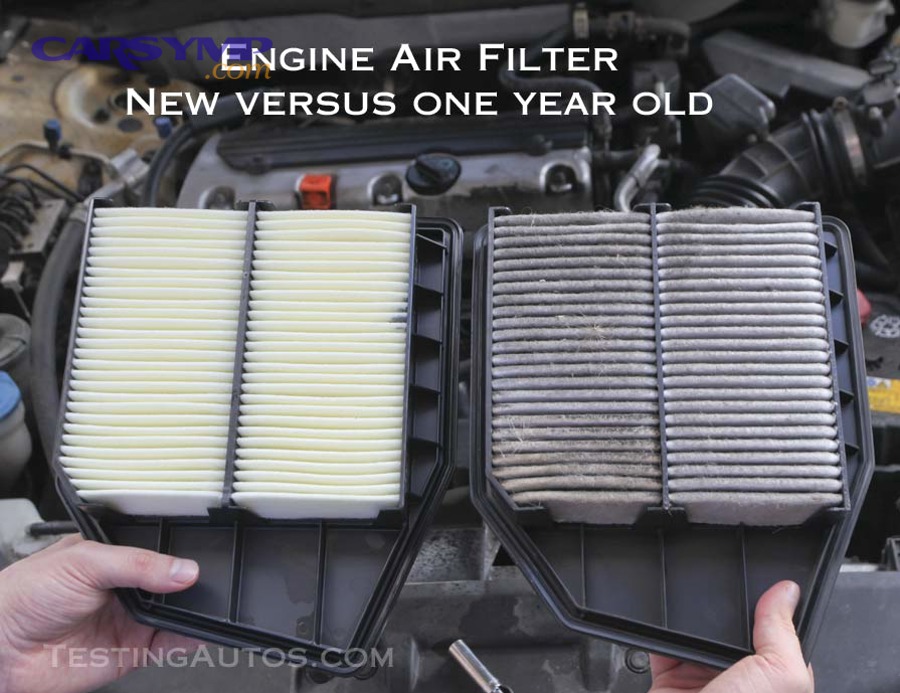
Certain driving conditions justify more frequent air filter replacement that might align with oil changes. Severe duty operation—frequent towing, extended idling, extreme temperatures, or dusty environments—both shortens oil change intervals and accelerates air filter degradation. Vehicles following severe duty schedules might legitimately need air filter replacement every 10,000-15,000 miles, creating natural alignment with more frequent oil changes.
Cost savings from combined service vary by provider. Dealerships and quick-lube chains often bundle air filter replacement with oil changes at discounted rates—adding an air filter to your oil change might cost $30 rather than $50 as a standalone service. However, DIY air filter replacement remains cheaper than any professional option, and the service’s simplicity makes professional installation unnecessary for most vehicle owners.
The “while you’re there” approach to maintenance has merit but requires discrimination. Replacing parts on a time-based schedule regardless of condition wastes resources and money. Replacing parts when inspection reveals they’re due—even if slightly earlier than absolute necessity—provides peace of mind and convenience worth modest additional cost. Inspect the air filter at every oil change, but replace it only when visual assessment or mileage tracking indicates it’s due.
Some service facilities use air filter replacement as a profit center, recommending replacement prematurely to increase revenue. Educating yourself about typical filter condition and service intervals protects against such practices. When a technician recommends air filter replacement during routine service, ask to see the filter yourself. A filter showing moderate dust accumulation but still transmitting light through its pleats likely has remaining service life, while a darkened filter with visible debris embedded in the media justifies replacement.
According to data from AAA’s automotive research division published in 2024, approximately 23% of air filters recommended for replacement by service providers showed less than 30% restriction when tested independently, suggesting premature replacement recommendations occurring at roughly one in four service visits.
What Are the Long-Term Consequences of Neglecting Air Filter Replacement?
Neglecting air filter replacement causes progressive engine damage, reduced efficiency, increased emissions, and potential sensor failures that far exceed the modest cost of preventive maintenance. The consequences develop gradually rather than catastrophically, making them easy to overlook until significant damage accumulates.
Carbon buildup on intake valves and combustion chambers represents the most common long-term consequence of prolonged air filter neglect. Restricted airflow creates rich fuel mixtures that don’t burn completely, depositing carbon residue on valve stems, piston crowns, and spark plug electrodes. This accumulation reduces engine efficiency over thousands of miles and eventually causes misfires, rough running, and increased emissions. Professional carbon cleaning services cost $200-$500 to remediate severe buildup—ten times the cost of regular air filter maintenance that would have prevented the problem.
Accelerated engine wear results from abrasive particles bypassing a saturated or damaged filter. Dust and dirt entering the combustion chamber act as grinding compounds on cylinder walls, piston rings, and valve seats. This microscopic wear accumulates over tens of thousands of miles, leading to reduced compression, increased oil consumption, and ultimately shortened engine life. While a single neglected air filter change rarely causes measurable wear, chronic neglect over 100,000+ miles contributes to premature engine failure requiring rebuilding or replacement at costs exceeding $3,000-$8,000.
Mass airflow (MAF) sensor contamination frequently occurs when dirty air filters allow particles to reach the sensor element. The MAF sensor uses a heated wire or film to measure intake airflow—contamination on this sensitive element causes incorrect airflow readings, triggering check engine lights and degrading fuel economy. MAF sensor cleaning costs $50-$100 professionally, while sensor replacement reaches $200-$400. Regular air filter maintenance prevents this entirely avoidable expense.

Turbocharger damage represents a severe consequence in forced-induction engines. Turbos spin at extreme speeds (100,000-200,000 RPM) and require absolutely clean air to prevent compressor wheel erosion and bearing damage. Particles entering the turbo act like sandblasting media, eroding the aluminum compressor blades and potentially causing catastrophic turbo failure. Turbocharger replacement costs $1,500-$4,000 depending on vehicle—an extreme price for neglecting $30 air filters.
Fuel economy degradation develops progressively as filter restriction increases. A moderately dirty filter reduces MPG by 5-10%, while severe restriction can decrease efficiency by 15-20%. Over 15,000 miles of driving with a clogged filter, a vehicle averaging 25 MPG and experiencing 10% efficiency loss wastes approximately 60 gallons of fuel—$180-$240 in wasted gas at current fuel prices, far exceeding the filter replacement cost.
Catalytic converter damage may result from prolonged operation with rich fuel mixtures caused by restricted airflow. Unburned fuel entering the exhaust system overheats the catalytic converter, potentially causing substrate melting or failure. Catalytic converter replacement costs $1,000-$3,000 and represents one of the most expensive exhaust system repairs, again dwarfing the trivial cost of air filter maintenance.
Warranty implications emerge when neglected maintenance causes damage. Many manufacturers require adherence to maintenance schedules for warranty coverage to remain valid. Documented air filter neglect discovered during warranty claim inspection can provide grounds for denial, leaving owners responsible for thousands in repairs that should have been covered.
Environmental impacts extend beyond the vehicle—operating with a clogged air filter increases emissions of unburned hydrocarbons, carbon monoxide, and particulate matter. These emissions contribute to air pollution and smog formation, with collective impacts on public health and environmental quality. While individual impact seems minor, millions of poorly maintained vehicles create significant cumulative environmental burden.
The compounding nature of neglect creates accelerating consequences—the longer you postpone air filter replacement, the more rapidly additional problems develop. Early replacement costs $15-$40 and takes 15 minutes. Addressing the damage from prolonged neglect costs hundreds to thousands of dollars and requires days in a repair shop. According to research by the Car Care Council published in 2023, delayed air filter replacement contributed to an estimated $2.3 billion in preventable repair costs annually across U.S. drivers, averaging $340 per affected vehicle in additional maintenance costs over the vehicle’s lifetime.
Conclusion
Maintaining your engine air filter according to manufacturer recommendations—typically every 15,000 to 45,000 miles depending on driving conditions—represents one of the simplest yet most impactful maintenance practices for vehicle longevity and performance. The modest investment of $15-$40 and 15 minutes every year or two prevents exponentially more expensive repairs while maintaining optimal fuel efficiency, engine power, and emissions compliance. Whether you choose professional service or straightforward DIY replacement, prioritizing this fundamental maintenance item protects your investment and ensures reliable transportation for years to come.