


Engine misfires and rough idle persist even after replacing spark plugs, ignition coils, and fuel injectors because these three components represent only a fraction of the potential failure points in modern engines—with compression issues, vacuum leaks, faulty sensors, fuel system pressure problems, electrical wiring defects, carbon deposits, and ECU malfunctions accounting for the majority of stubborn misfire cases that resist standard repairs. When your check engine light continues flashing and your vehicle shakes at stoplights despite installing new ignition and fuel components, the root cause typically lies in one of seven overlooked diagnostic categories that require systematic testing rather than the common “parts cannon” approach.
Understanding rough idle diagnosis requires recognizing that engines operate on four fundamental principles: proper fuel delivery, adequate spark, sufficient airflow, and good compression. Each system contains multiple components that can fail independently, and sensor malfunctions can create cascading problems that mimic ignition or fuel delivery issues. The frustration of replacing expensive parts without resolution stems from focusing exclusively on the most commonly discussed culprits while ignoring equally critical but less publicized failure modes.
The systematic diagnostic approach outlined below follows professional mechanic methodology, starting with the simplest tests and progressing toward more complex evaluations. This progression saves both time and money by eliminating variables methodically rather than replacing components based on guesswork. DIY tests before visiting a shop can narrow the problem significantly, potentially saving hundreds of dollars in diagnostic fees while helping you communicate more effectively with technicians.
Moreover, understanding when to continue troubleshooting versus seeking professional assistance prevents both wasted effort on problems requiring specialized equipment and unnecessary shop visits for issues easily diagnosed at home. Below, we’ll explore the seven hidden causes that mechanics investigate when standard repairs fail, followed by the diagnostic tools and systematic testing sequence that reveals the true culprit behind persistent misfires and rough idle conditions.
Why Does Your Engine Still Misfire After Replacing Plugs, Coils, and Injectors?
Engines continue misfiring after spark plug, ignition coil, and fuel injector replacement because these components address only ignition timing and fuel delivery—leaving compression integrity, air intake systems, sensor accuracy, fuel pressure regulation, electrical circuits, carbon accumulation, and computer control functions untested as potential failure sources.
To better understand this phenomenon, consider that modern engines rely on precisely coordinated systems working in harmony. The spark plugs, ignition coils, and fuel injectors form what technicians call the “primary ignition and fuel delivery triangle,” but this triangle sits within a larger ecosystem of sensors, actuators, mechanical components, and control systems. When one element outside this triangle malfunctions, it creates symptoms identical to failed plugs, coils, or injectors—leading to misdiagnosis and unnecessary parts replacement.
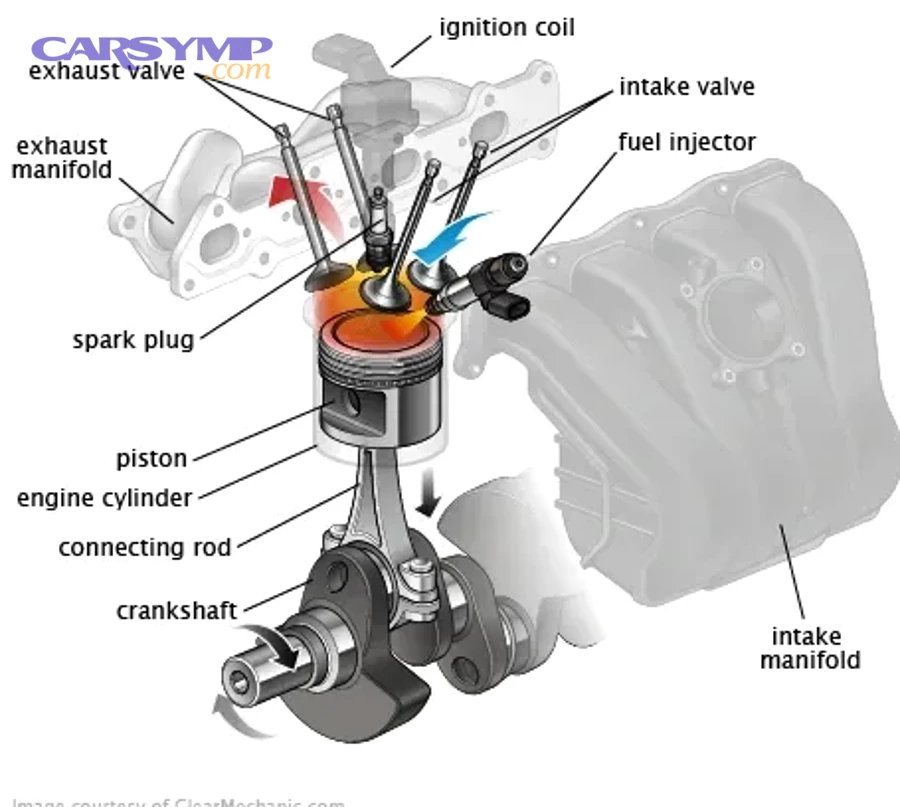
The combustion process requires four elements occurring in precise sequence: correct air-fuel mixture, proper compression to contain the mixture, accurately timed spark to ignite it, and complete combustion to extract energy. New spark plugs provide the ignition source, fresh coils deliver adequate voltage, and cleaned or replaced injectors meter fuel correctly—but these repairs assume that compression remains adequate, air enters without contamination or restriction, sensors report accurate data to the engine control unit, and the fuel system maintains proper pressure throughout the RPM range.
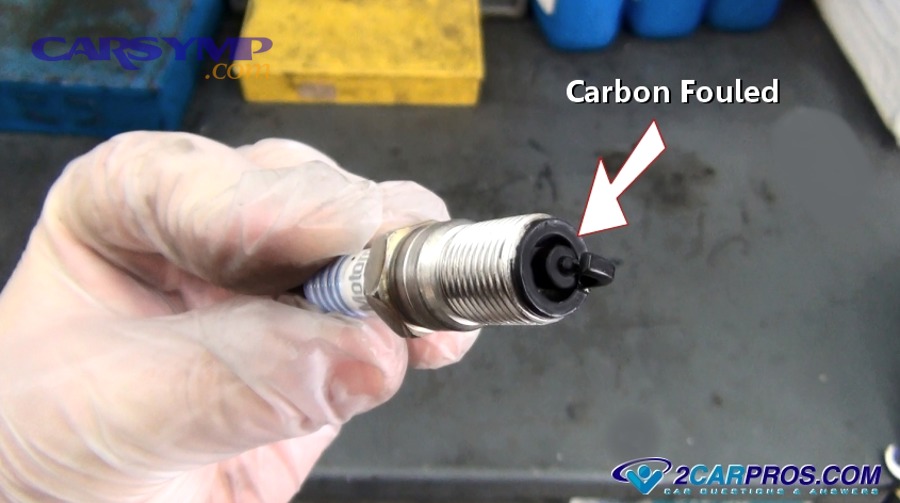
Many vehicle owners experience a pattern where rough idle symptoms temporarily improve after replacing these three components, only to return within days or weeks. This temporary improvement occurs because new parts compensate briefly for underlying problems—a fresh spark plug fires more reliably despite low compression, new injectors overcome marginal fuel pressure, or new coils mask intermittent electrical problems. However, as the underlying issue persists, symptoms return with equal or greater severity.
Professional technicians estimate that approximately 60-70% of persistent misfire cases after standard repairs involve problems outside the ignition and fuel injection components themselves. The remaining systems—mechanical engine condition, air intake integrity, sensor network accuracy, fuel system pressure regulation, wiring harness condition, carbon deposit accumulation, and engine control module function—each contribute potential failure modes that produce identical symptoms to the commonly replaced trio.
The financial impact of this misunderstanding proves significant. Vehicle owners frequently spend $300-800 replacing spark plugs ($80-150), ignition coils ($120-400), and fuel injectors ($150-300) only to discover the actual problem requires a $40 sensor replacement, $60 vacuum hose repair, or $150 carbon cleaning service. This “parts cannon” approach—throwing parts at a problem without proper diagnosis—wastes money while delaying the actual repair and potentially causing additional damage through continued operation with unresolved issues.
What Are the 7 Hidden Causes of Rough Idle and Misfires?
The seven hidden causes of persistent misfires and rough idle include low compression from mechanical wear, vacuum leaks disrupting air-fuel mixture, faulty sensors providing incorrect ECU data, inadequate fuel system pressure or volume, electrical wiring and connection problems, carbon deposits restricting airflow or valve seating, and engine control module malfunctions affecting fuel and ignition timing.
Specifically, these seven categories represent the most common diagnostic findings when standard ignition and fuel component replacement fails to resolve symptoms. Each category contains multiple specific failure modes, creating a decision tree that mechanics navigate using systematic testing procedures. Understanding these categories helps vehicle owners recognize symptoms, select appropriate diagnostic tools, and communicate effectively with repair professionals.
Is Low Compression Causing Your Misfire?
Low compression causes misfires when worn piston rings, burnt valves, blown head gaskets, or damaged cylinder walls prevent proper sealing during the compression stroke, reducing peak cylinder pressure below the threshold needed for complete combustion even when spark and fuel delivery function correctly.
However, compression-related misfires display distinctive characteristics that differentiate them from ignition or fuel problems. The affected cylinder consistently shows lower power output regardless of engine temperature, produces wet or oil-fouled spark plugs despite proper ignition function, and often exhibits reduced performance that worsens gradually over thousands of miles rather than appearing suddenly.
Performing a compression test provides definitive diagnosis by measuring peak cylinder pressure during cranking. Healthy gasoline engines typically produce 130-180 PSI depending on design, with all cylinders reading within 10% of each other. A cylinder measuring 20% below others indicates significant mechanical problems requiring internal engine repair. The test requires removing all spark plugs, disabling the ignition system, holding the throttle wide open, and cranking the engine while a compression gauge measures peak pressure in each cylinder sequentially.
Leak-down testing offers more detailed diagnosis by pressurizing cylinders individually with compressed air and measuring leakage percentage while listening for air escaping through intake valves (hissing at throttle body), exhaust valves (hissing at tailpipe), piston rings (hissing at oil filler cap), or head gasket (bubbling in coolant reservoir). This test distinguishes between valve problems requiring cylinder head work and ring problems requiring complete engine overhaul, helping owners make informed repair decisions.
Compression issues frequently masquerade as ignition problems because low cylinder pressure reduces the air density available for combustion, requiring stronger spark to ignite the diluted mixture. Owners often replace spark plugs repeatedly as they foul from incomplete combustion, never addressing the underlying mechanical failure. The diagnostic key involves recognizing that compression problems affect specific cylinders consistently, while ignition problems may shift between cylinders or appear randomly across the engine.
According to data from automotive repair facilities, compression-related misfires account for approximately 15-20% of persistent rough idle cases after ignition component replacement, with the percentage increasing substantially in vehicles exceeding 150,000 miles or those with documented overheating history.
Could Vacuum Leaks Be the Culprit Behind Your Rough Idle?
Vacuum leaks cause rough idle and misfires by introducing unmetered air into the intake system after the mass airflow sensor, creating a lean air-fuel mixture that the engine control unit cannot adequately compensate for, resulting in incomplete combustion particularly at idle when airflow velocity is lowest and leak impact is proportionally greatest.
More specifically, the intake system operates under vacuum during idle and light throttle conditions, with manifold pressure typically ranging from 17-21 inches of mercury below atmospheric pressure. Any crack, loose connection, deteriorated gasket, or failed component creates a pathway for outside air to enter the system without passing through the MAF sensor or being measured by the MAP sensor, depending on engine type. This unmetered air leans the mixture beyond the fuel injectors’ ability to compensate, causing lean misfire codes (P0171/P0174) alongside rough idle and hesitation.
Common vacuum leak locations include intake manifold gaskets (particularly on engines with plastic manifolds), PCV valve and associated hoses, brake booster vacuum line, EVAP system components, throttle body gasket, idle air control valve passages, and vacuum-operated accessories like cruise control actuators. Each location produces slightly different symptoms—intake manifold gasket leaks typically worsen with engine heat as components expand, while rubber hose leaks remain constant or worsen with age-related deterioration.
DIY detection methods provide effective diagnosis without expensive equipment. The propane enrichment method involves running a propane torch (unlit) around suspected leak areas while monitoring engine RPM—when propane enters a leak, it enriches the mixture and causes RPM to increase temporarily. The smoke test method uses specialized machines that introduce mineral oil-based smoke into the sealed intake system, making leak locations visible as smoke escapes. Visual inspection combined with careful listening often reveals obvious cracks in rubber components or loose clamp connections requiring only tightening.
The relationship between vacuum leaks and rough idle follows a predictable pattern. Small leaks (less than 0.020 inch diameter) primarily affect idle quality and low-speed drivability, as higher RPM airflow overwhelms the proportional impact of the leak. Larger leaks create problems throughout the RPM range and typically trigger multiple diagnostic codes including lean condition codes, random misfire codes, and potentially oxygen sensor malfunction codes as the ECU attempts to compensate for the unmeasured air.
Vacuum leak symptoms distinguish themselves from other misfire causes through several characteristics: problems worsen when cold and may improve as the engine reaches operating temperature and fuel trims adapt; applying throttle often smooths idle temporarily as increased airflow reduces the leak’s proportional impact; and the engine may hunt or surge at idle as closed-loop fuel control attempts to correct the mixture.
Are Faulty Sensors Giving False Information to Your ECU?
Faulty sensors cause misfires and rough idle by providing incorrect data to the engine control unit, leading to inappropriate fuel delivery, ignition timing, and airflow control decisions that create combustion problems despite mechanically sound ignition and fuel injection components.
In addition to basic sensor failures, many misfire cases involve sensors operating at the edge of their specification range—not failed enough to trigger diagnostic codes, but inaccurate enough to prevent optimal engine operation. The ECU relies on sensor inputs to calculate the precise fuel injection duration, ignition timing advance, and idle air control valve position needed for smooth operation. When sensors drift from specification, the calculated values diverge from optimal settings, creating the rough idle and hesitation owners experience.
Mass Airflow (MAF) sensors rank among the most common sensor-related misfire causes. These sensors measure incoming air volume, allowing the ECU to calculate required fuel quantity. Contamination from oil vapors, dirt, or silicon deposits on the sensing element causes underreporting of airflow, resulting in lean operation and misfires particularly during acceleration. Cleaning MAF sensors with specialized cleaner often restores proper function, though aged sensors may require replacement despite appearing physically clean.
Oxygen (O2) sensors affect misfire conditions by reporting exhaust oxygen content to the ECU for closed-loop fuel trim adjustment. Degraded O2 sensors respond slowly to mixture changes, creating oscillating fuel trim that alternates between too rich and too lean. Front O2 sensors (pre-catalyst) directly influence fuel delivery, while rear sensors (post-catalyst) primarily monitor catalyst efficiency but can trigger protective fuel delivery changes affecting idle quality.
Manifold Absolute Pressure (MAP) sensors serve similar functions to MAF sensors on speed-density engine management systems, measuring intake manifold vacuum to calculate engine load. Failed MAP sensors typically create rough idle when the engine vacuum is highest, improving somewhat under load as the sensor operates in a different portion of its range. Dirty throttle body and idle air control issues often accompany MAP sensor problems, as carbon buildup affects both airflow and vacuum readings.
Camshaft and crankshaft position sensors provide timing reference data that synchronizes fuel injection and ignition events with engine rotation. These sensors rarely fail completely (which prevents starting), but intermittent failures or timing correlation errors between the two sensors create random misfires, stalling, and rough idle that mimics ignition system problems. The diagnostic challenge involves recognizing that these sensors may test within specification when cold but fail when heat-soaked after operation.
Throttle Position Sensor (TPS) malfunctions affect idle air control by providing incorrect throttle plate position data, causing the ECU to miscalculate required idle airflow. Modern electronic throttle control systems integrate TPS function within the throttle body assembly, making diagnosis more complex but typically generating specific diagnostic codes when failures occur.
Sensor-related misfires display characteristic patterns helping differentiate them from mechanical problems. Symptoms often vary with operating temperature as sensor accuracy changes with heat; problems may appear intermittently as sensors operate at the edge of specification; and live data observation during rough idle typically reveals abnormal sensor readings or fuel trim values outside normal ranges (±5% short-term, ±10% long-term).
Is Your Fuel System Delivering Proper Pressure and Volume?
Fuel system pressure and volume deficiencies cause misfires when the fuel pump, pressure regulator, filter, or supply lines fail to maintain adequate fuel pressure throughout the RPM range or deliver sufficient volume during high-demand conditions, resulting in lean operation despite properly functioning fuel injectors.
Meanwhile, the distinction between fuel pressure and fuel volume proves critical for accurate diagnosis. A fuel pump may generate adequate pressure at low flow rates (satisfying basic pressure tests) while failing to maintain pressure when injectors demand higher volume flow during acceleration or high-load operation. This explains the common scenario where vehicles pass static fuel pressure tests but exhibit misfires and hesitation under load.
Fuel pump weakness manifests in several ways. Worn pump impellers reduce flow capacity while internal bypass valves stuck partially open allow fuel to recirculate within the pump rather than flowing to the engine. Electrical problems including corroded connectors, worn brushes, or failing fuel pump relays reduce pump speed and output. The fuel pump operates submerged in gasoline within the fuel tank, using the fuel itself for cooling—low fuel levels or contaminated fuel accelerate pump wear and reduce output.
Fuel pressure regulator failure creates misfires through two mechanisms: excessive pressure when regulators stick closed, flooding cylinders with excess fuel and creating rich misfires with black smoke; or insufficient pressure when regulators stick open or develop internal diaphragm leaks, causing lean misfires particularly at idle when fuel demand is lowest. Return-type fuel systems use vacuum-referenced regulators that adjust pressure based on manifold vacuum, while returnless systems use fixed regulators requiring different diagnostic approaches.

Clogged fuel filters restrict flow volume even when pressure appears adequate during static testing. The filter serves as a restriction in the fuel line—as flow increases, pressure drop across the filter increases proportionally. A partially clogged filter may maintain adequate pressure at idle but starve the engine during acceleration when injector demand spikes. Many modern vehicles integrate the fuel filter within the fuel pump assembly, eliminating standalone filter replacement but requiring complete pump assembly replacement when filters clog.
Testing fuel pressure requires connecting a mechanical gauge to the fuel rail test port (or inline with the fuel supply on vehicles without test ports) and comparing static pressure, running pressure, and pressure holding after shutdown against manufacturer specifications. Typical gasoline engines require 40-60 PSI depending on design, though specifications vary widely. The critical test involves observing whether pressure remains stable during acceleration or drops significantly under load—pressure drops exceeding 5 PSI indicate inadequate pump capacity or supply restriction.
Volume testing involves measuring fuel delivery quantity over a specific time period, typically 30-60 seconds, and comparing results to specifications. This test requires disconnecting the fuel line, directing flow into a graduated container, and running the fuel pump for the specified duration. Healthy fuel systems typically deliver 1.5-2.0 liters per minute depending on pump design, though manufacturer specifications provide exact requirements.
Fuel pump relay intermittent failure creates particularly frustrating symptoms because the relay may function correctly when tested but fail under thermal stress during operation. These failures typically cause sudden stalling or rough idle that resolves after cooling, often misdiagnosed as crankshaft sensor problems due to similar symptoms.
According to automotive fuel system specialists, fuel delivery problems account for approximately 25% of persistent misfire cases after ignition component replacement, with the percentage increasing in vehicles exceeding 100,000 miles or those using lower-quality fuel regularly.
Could Wiring or Electrical Problems Be Disrupting Ignition and Fuel Delivery?
Electrical wiring and connection problems cause misfires by creating intermittent opens, shorts, or high-resistance connections in ignition coil circuits, fuel injector control circuits, sensor signal paths, or power supply circuits, producing symptoms identical to failed components despite the components themselves functioning correctly.
Especially problematic are electrical issues that appear intermittent or temperature-dependent, frustrating diagnosis attempts by appearing and disappearing as connections expand, contract, corrode, or flex with engine vibration. These problems explain the common scenario where owners replace multiple components without improvement because the actual failure involves the wiring harness rather than the components it connects.
Corroded or loose wiring harness connections affect both power delivery and signal quality. Engine compartment connectors experience temperature cycling from below freezing to over 200°F, humidity from rain and car washes, salt exposure in winter climates, and vibration from engine operation. These stresses cause connector terminals to loosen, develop green corrosion (copper oxide), or accumulate white/gray corrosion (aluminum oxide) that increases electrical resistance. High resistance in ignition coil power circuits reduces available voltage for spark generation, while resistance in injector circuits reduces injector opening duration and fuel delivery.
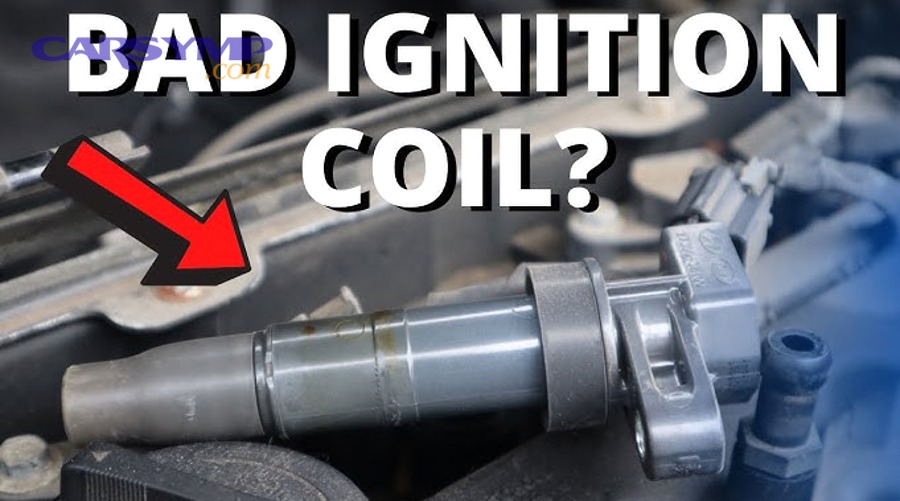
Damaged ignition coil connectors rank among the most overlooked electrical problems. The connector boots seal the high-voltage connection between coil and spark plug, but heat, oil contamination, and time cause boot deterioration. Cracked boots allow moisture entry, creating electrical tracking paths that short high voltage to ground rather than across the spark plug gap. This produces weak spark or complete misfire on the affected cylinder despite the coil testing correctly when removed from the engine.

Fuel injector circuit problems in the ECU represent expensive electrical failures requiring computer replacement or professional repair. The ECU contains driver circuits that switch injectors on and off at precise intervals—these circuits handle significant current and generate heat during operation. Driver circuit failures prevent specific injectors from receiving control signals despite the injectors themselves functioning correctly. Diagnostic challenge involves distinguishing between failed injector drivers and failed injectors, typically requiring specialized testing equipment or swapping injectors between cylinders and observing whether the misfire follows the injector or remains with the cylinder.
Poor engine ground connections create voltage differentials between the ECU, sensors, and engine components, causing erratic operation, false sensor readings, and intermittent misfires. Modern engines use the engine block as the electrical ground return path, with dedicated ground straps connecting the engine to chassis and battery. Corrosion, looseness, or damage to these connections increases resistance, causing voltage drops that affect sensitive electronic components. Ground problems often worsen with increased electrical load (headlights, air conditioning) as the higher current flow amplifies voltage drop across the resistance.
Chafed wires causing intermittent shorts create particularly difficult diagnosis challenges because the short may only occur when wires flex during engine movement or when vibration brings damaged insulation into contact with grounded surfaces. These problems often create intermittent misfires that don’t correlate with typical patterns, appearing random but actually relating to specific operating conditions causing wire movement.
Testing electrical circuits requires a digital multimeter capable of measuring voltage, resistance, and continuity. The diagnostic approach involves verifying proper voltage at component connectors (typically 12-14V for power circuits, 5V for sensor circuits), checking ground circuit resistance (less than 0.5 ohms), and testing for voltage drops across connections under load (less than 0.2V). Wiggle tests—manually moving wiring harnesses while monitoring live data or observing engine operation—often reveal intermittent problems that don’t appear during static testing.
Rough idle causes checklist items for electrical problems include: inspecting all connector terminals for corrosion, looseness, or damage; checking ignition coil connector boots for cracks or deterioration; verifying engine ground strap connections are clean and tight; testing voltage drop across major connections under load; and observing live data while manipulating wiring harnesses to reveal intermittent faults.
Are Carbon Deposits or Valve Issues Affecting Engine Performance?
Carbon deposits cause misfires and rough idle by accumulating on intake valves, restricting airflow, preventing complete valve seating, or absorbing fuel from the air-fuel mixture, while burnt or sticky valves fail to seal combustion chambers properly regardless of ignition and fuel system function.
Moreover, modern gasoline direct injection (GDI) engines suffer particularly severe carbon accumulation because fuel no longer washes over intake valves during injection, allowing oil vapors from the PCV system and EGR system to deposit carbon on valve surfaces without the cleaning action provided by port fuel injection. This carbon buildup gradually worsens over tens of thousands of miles, creating progressively rougher idle and reduced power that owners often attribute to normal aging rather than recognizing as a specific problem requiring intervention.
Carbon buildup on intake valves affects engine operation through multiple mechanisms. Thick carbon deposits physically restrict valve opening, reducing airflow into cylinders and causing power loss and rough idle. The deposits prevent valves from seating fully against valve seats, allowing compression leakage that mimics mechanical engine wear. Most significantly, porous carbon deposits absorb fuel from the incoming air-fuel mixture during intake stroke, then release it unpredictably during compression, creating mixture variations between cycles that produce rough idle and hesitation.
Sticky or burnt valves result from extreme heat, inadequate lubrication, or carbon accumulation preventing free valve movement within guides. Exhaust valves experience temperatures exceeding 1400°F during operation, making them particularly susceptible to burning when cooling is compromised by carbon buildup or inadequate valve-to-seat contact. Intake valves suffer sticking when carbon or varnish accumulates on valve stems, creating friction that prevents springs from fully closing valves or causes sluggish valve motion affecting timing.
EGR valve carbon accumulation affects idle quality by creating flow restrictions that prevent proper exhaust gas recirculation or causing valves to stick partially open. The EGR system introduces measured amounts of inert exhaust gas into the intake stream to reduce combustion temperatures and NOx emissions. Carbon buildup from exhaust soot gradually restricts EGR passages and valve movement, creating either inadequate flow (causing detonation and rough running under load) or excessive flow from stuck-open valves (causing rough idle and stalling).
Throttle body carbon deposits accumulate on the throttle plate and bore, affecting idle air control by creating flow restrictions or preventing complete throttle closure. The throttle body meters all engine airflow, and even small amounts of carbon buildup significantly affect the small idle air passages. Many modern vehicles use electronic throttle control systems that learn throttle position calibration—carbon buildup throws off this calibration, causing rough idle until the system relearns with the deposits present or the throttle body receives cleaning.
Symptoms indicating carbon or valve problems include gradual performance degradation over thousands of miles rather than sudden failure; rough idle that varies slightly day-to-day depending on driving patterns and conditions; improvement after extended highway driving as higher temperatures and airflow temporarily clear minor deposits; and specific cylinder misfires that persist despite component replacement but improve after carbon cleaning procedures.
Testing for carbon accumulation typically requires borescope inspection through spark plug holes or intake runners, though symptoms combined with vehicle history (GDI engine with 60,000+ miles and no previous carbon service) provide strong diagnostic indication. Professional cleaning methods include walnut blasting (introducing crushed walnut shells through intake runners to physically remove deposits), chemical soaking with specialized solvents, or manual cleaning during valve cover or cylinder head removal.
Prevention strategies for carbon accumulation include using top-tier gasoline containing higher detergent levels, performing periodic fuel system and intake cleaning services according to manufacturer recommendations, ensuring PCV system function properly to minimize oil vapor introduction, and operating the engine at higher RPMs periodically to increase temperatures and airflow that discourage deposit formation.
Is the Engine Control Module (ECU/PCM) Malfunctioning?
Engine Control Module malfunctions cause misfires and rough idle when internal driver circuits fail, software corruption occurs, or calibration problems prevent proper fuel injection pulse width calculation, ignition timing control, or sensor data processing despite all physical engine components functioning correctly.
To better understand ECU-related problems, recognize that modern engine computers contain hundreds of internal circuits and millions of lines of code controlling every aspect of engine operation. Component failures within the ECU prove difficult to diagnose because symptoms mimic sensor failures, ignition problems, or fuel delivery issues, yet replacing suspected components provides no improvement. The diagnostic key involves systematic elimination of external causes before suspecting the computer itself.
ECU driver circuit failures occur when the transistor circuits controlling fuel injectors, ignition coils, or other actuators burn out from excessive current, voltage spikes, or heat stress. These failures prevent specific components from receiving control signals even though the ECU recognizes the need to activate them. For example, a failed injector driver prevents cylinder fueling despite properly functioning injectors, creating a persistent misfire on one cylinder that resists all component replacement attempts. Diagnostic confirmation requires testing for injector pulse using a noid light or oscilloscope while commanding the injector active with scan tool—absence of pulse despite commanded activation indicates driver failure.
Corrupted fuel and ignition maps within ECU memory affect engine operation by applying incorrect fuel delivery duration or ignition timing advance for current operating conditions. These corruptions may result from voltage spikes during jump-starting, lightning strikes, or component failures creating electrical noise. The ECU stores calibration data in EEPROM or flash memory that normally retains data without power, but this memory can become corrupted, causing the computer to reference incorrect values for fuel and timing calculations.
Software calibration issues arise when manufacturers release programming updates addressing driveability problems, emissions compliance, or component protection strategies. Vehicles not receiving these updates may exhibit rough idle, misfires, or other problems that newer software versions resolve. Technicians can determine available software updates using manufacturer diagnostic systems and may recommend reflashing the ECU with current calibration as a diagnostic step.
Symptoms suggesting ECU malfunction include problems affecting multiple unrelated systems simultaneously (suggesting widespread internal failure); misfires that don’t correlate with typical patterns or component swapping; lack of diagnostic codes despite obvious symptoms (indicating the ECU isn’t properly monitoring its own circuits); or problems appearing immediately after jump-starting, battery replacement, or other electrical events.
ECU testing and replacement considerations involve substantial cost and diagnostic complexity. Replacement ECUs typically cost $400-1200 depending on vehicle, requiring programming to match the vehicle’s VIN and security system before operation. Professional diagnosis using manufacturer-specific diagnostic equipment often proves necessary to confirm ECU failure versus external wiring or component problems. Some independent repair facilities specialize in ECU bench testing and repair, offering circuit-level diagnosis and component replacement at lower cost than complete ECU replacement.
When ECU problems are suspected, several verification steps help confirm diagnosis: testing for proper power and ground at the ECU connector; verifying all sensor inputs appear within normal ranges on scan tool live data; checking for moisture intrusion or visible damage to ECU circuit board (requiring removal); and testing specific suspected circuits (injector drivers, coil drivers) using specialized procedures and equipment.
According to automotive electronics specialists, ECU failures account for approximately 5-8% of persistent misfire cases after component replacement, making them relatively uncommon but expensive when they occur, emphasizing the importance of thorough external diagnosis before replacing the computer.
How Do You Diagnose Misfires Systematically Without Wasting Money?
Diagnosing misfires systematically without wasting money requires following a step-by-step diagnostic flow from simplest tests to most complex, using scan tool live data and freeze frame analysis to guide decisions, performing targeted component testing based on data patterns, and confirming each diagnosis before purchasing replacement parts.
Next, understanding that systematic diagnosis saves money by identifying root causes rather than guessing at solutions separates successful troubleshooting from the expensive parts cannon approach. Professional technicians follow diagnostic trees that begin with reading stored diagnostic codes, proceed through visual inspections and basic tests, then advance to component-specific testing based on preliminary findings. This methodical approach typically identifies problems within 1-2 hours of diagnostic time versus potentially hundreds of dollars in unnecessary parts.
The diagnostic flow chart approach begins with connecting an OBD-II scanner and retrieving all stored diagnostic trouble codes, pending codes, and freeze frame data. This information reveals which cylinders misfire, under what operating conditions problems occur, and what sensor readings existed when codes set. For example, P0301 indicates cylinder 1 misfire, while P0300 suggests random misfires affecting multiple cylinders. Freeze frame data showing the misfire occurred at 850 RPM, 180°F coolant temperature, and -18 inches manifold vacuum points toward idle-specific problems like vacuum leaks rather than high-load issues like fuel pump inadequacy.
Visual inspection follows code reading, examining obvious problems before testing complex systems. Check for disconnected vacuum hoses, damaged wiring visible in engine compartment, obvious oil leaks suggesting PCV system problems, loose or corroded electrical connections, and signs of previous repairs that may have introduced problems. This inspection catches simple issues like disconnected sensor connectors or damaged wires that require no parts, saving both diagnostic time and unnecessary spending.
Live data observation during engine operation reveals real-time sensor readings, fuel trim values, and system status that guide diagnosis toward specific problems. Monitor short-term and long-term fuel trim (should be ±5% and ±10% respectively), MAP or MAF sensor readings (should be stable and appropriate for conditions), oxygen sensor voltage (should fluctuate 0.1-0.9V in closed loop), and throttle position sensor percentage (should be 0% at idle, change smoothly). Abnormal readings direct attention to specific systems—high positive fuel trim suggests vacuum leaks or fuel pressure problems, while unstable MAF readings indicate sensor contamination or air leaks.

Methodical testing sequence eliminates variables systematically. Start with compression testing if cylinder-specific misfires suggest mechanical problems, then progress to fuel pressure and volume testing, vacuum leak detection, sensor testing, and electrical circuit verification. Perform each test completely before moving to the next rather than partially testing multiple systems simultaneously. This organization prevents confusion and ensures thorough evaluation of each potential cause.
Component testing follows specific procedures varying by system. Ignition coils require testing resistance values (primary and secondary windings) and observing spark quality under load. Fuel injectors need flow testing, electrical resistance measurement, and pulse observation. Sensors require comparing actual readings against known-good specifications while simulating various operating conditions. Each test provides definitive confirmation of component condition, supporting or eliminating specific diagnoses.
Confirming diagnosis before parts purchase prevents wasted money on unnecessary components. Swap suspected components between cylinders when possible—if misfire follows the component, replacement is confirmed; if misfire stays with the cylinder, look elsewhere. Test circuits and connections thoroughly before assuming component failure. Consider using known-good parts from another vehicle or borrowing parts from auto parts stores offering loaner programs to verify diagnosis before permanent purchase.
What Diagnostic Tools Do You Need for Advanced Misfire Troubleshooting?
Advanced misfire troubleshooting requires an OBD-II scanner with live data and freeze frame capability, compression and leak-down test kit, fuel pressure gauge with appropriate adapters, digital multimeter for electrical testing, and optionally vacuum gauge and smoke machine for complete diagnostic capability.
In addition, the investment in proper diagnostic tools pays for itself through accurate first-time diagnosis and avoiding unnecessary parts replacement. Professional-grade tools provide greater functionality but cost substantially more—DIY mechanics can achieve excellent results with mid-grade equipment costing $300-600 total versus $2000+ for professional systems.
OBD-II scanners with live data capability represent the foundational diagnostic tool for modern vehicles. Basic code readers ($20-50) only retrieve stored codes without providing the context needed for accurate diagnosis. Enhanced scanners ($100-300) display live data, freeze frame information, readiness monitors, and allow viewing multiple data streams simultaneously. Professional scan tools ($500-2000+) add bidirectional control allowing injector testing, component actuation, and manufacturer-specific functions unavailable in generic scanners. For misfire diagnosis, minimum requirement includes live data viewing and the ability to monitor fuel trim, sensor outputs, and misfire counters in real time.
Compression and leak-down test kits prove essential for diagnosing mechanical engine problems causing misfires. Compression testers ($30-100) include gauge, adapter hoses fitting various spark plug thread sizes, and check valve holding peak pressure reading. Higher-quality kits provide longer hoses for easier connection and more accurate gauges reading to 300 PSI. Leak-down testers ($80-250) add compressed air regulator, dual-gauge setup showing supply and cylinder pressure, and fittings for pressurizing individual cylinders. Both tests provide definitive mechanical condition diagnosis that scan tools cannot reveal.
Fuel pressure gauge and adapter kit enables testing fuel system delivery capability. Basic gauges ($25-75) include pressure gauge reading to 100 PSI, flexible hose, and common adapters fitting most fuel rail test ports. Professional kits ($100-300) add multiple adapters covering more vehicle types, longer hoses for easier routing, and fuel volume measurement capacity. The gauge connects inline with fuel supply or to fuel rail test port, displaying running pressure, static pressure, and pressure holding after shutdown—revealing pump weakness, regulator problems, or leaking injectors.
Digital multimeters for electrical testing measure voltage, resistance, and continuity throughout vehicle electrical systems. Basic meters ($20-50) provide adequate accuracy for automotive work, while auto-ranging meters ($50-150) offer easier use through automatic scale selection. Essential functions include DC voltage measurement for testing circuits, resistance measurement for sensor and coil testing, continuity checking for wiring verification, and ideally minimum/maximum recording to capture intermittent problems. Advanced features like duty cycle measurement and frequency detection help diagnose specific sensor types.
Vacuum gauges ($15-40) assist in detecting vacuum leaks and assessing engine mechanical condition through manifold vacuum measurement. Connect the gauge to any manifold vacuum source and observe readings—healthy engines produce 17-21 inches mercury at idle with steady needle. Low steady reading suggests compression problems, fluctuating needle indicates valve issues, and readings varying with RPM point toward vacuum leaks.
Smoke machines ($150-500 for DIY models, $800-2000 professional) introduce mineral oil-based smoke into the intake system through any vacuum port, making leak locations visible as smoke escapes. These machines prove invaluable for finding small vacuum leaks impossible to locate through visual inspection or propane enrichment, though cost limits their practicality for occasional DIY use versus professional applications.
Cost-effective tool recommendations for DIYers prioritize versatility and adequate capability over professional features rarely needed. A $150-200 OBD-II scanner with live data, $40-60 compression tester, $40-60 fuel pressure gauge, and $30-50 multimeter provide comprehensive diagnostic capability for $260-370 total investment—less than the cost of unnecessary parts replacement from guessing at diagnosis. Auto parts stores and tool rental centers often stock compression testers, fuel pressure gauges, and scan tools available for deposit-based borrowing, allowing testing without permanent purchase.
What Do Specific Misfire Codes Tell You About the Problem?
Specific misfire codes indicate problem location and pattern through code number identification: P0300 signals random misfires affecting multiple cylinders suggesting fuel pressure, vacuum leaks, or sensor issues; P0301-P0312 indicate cylinder-specific misfires pointing toward mechanical problems, individual coil failures, or injector issues; while P0171/P0174 lean codes and P0172/P0175 rich codes identify mixture problems often accompanying misfires.
However, interpreting these codes correctly requires understanding that they report symptoms detected by the ECU rather than diagnosing root causes directly. The computer monitors engine speed during each cylinder’s power stroke, detecting when individual cylinders fail to produce expected acceleration. This monitoring creates accurate misfire detection but doesn’t determine whether spark, fuel, compression, or other factors caused the deficiency. The technician must interpret code patterns combined with other data to identify actual failures.
P0300 (Random/Multiple Cylinder Misfire) interpretation requires considering causes affecting the entire engine rather than individual cylinders. This code appears when misfires occur across multiple cylinders without consistent pattern, suggesting problems like: insufficient fuel pressure affecting all cylinders equally; vacuum leaks creating overall lean condition; MAF or MAP sensor errors causing incorrect fuel calculation; weak battery or charging system reducing ignition coil voltage; or carbon accumulation affecting multiple cylinders similarly. The diagnostic approach involves testing systems common to all cylinders before investigating individual cylinder components.
P0301-P0312 (Cylinder-Specific Codes) meaning points toward problems isolated to individual cylinders, making diagnosis more straightforward through component swapping and targeted testing. P0301 indicates cylinder 1 misfire, P0302 indicates cylinder 2, continuing through P0312 for cylinder 12 on large engines. These codes suggest: failed ignition coil on the specific cylinder; worn spark plug or damaged plug wire; clogged or failed fuel injector; low compression from valve or ring problems; or wiring issues affecting only that cylinder’s components. Swap the suspected component (coil, plug, injector) to another cylinder—if the misfire code follows the component, replacement is confirmed; if code remains on the original cylinder, investigate mechanical or wiring problems.
P0171/P0174 (Lean Condition Codes) connection to misfires reveals that lean air-fuel mixture (too much air or too little fuel) often creates misfire conditions especially at idle. P0171 indicates bank 1 running lean, P0174 indicates bank 2 running lean. These codes point toward: vacuum leaks introducing unmetered air; fuel pressure too low for adequate delivery; MAF sensor underreporting airflow causing fuel underdelivery; or oxygen sensors reporting inaccurately causing ECU to lean mixture excessively. The lean condition creates weak combustion prone to misfires, particularly when combined with worn spark plugs or weak ignition coils. Diagnosis requires finding why mixture runs lean—vacuum testing, fuel pressure testing, and MAF sensor evaluation typically reveal the cause.
P0172/P0175 (Rich Condition Codes) relationship to misfires shows that overly rich mixture (too much fuel or too little air) can also prevent proper combustion. P0172 indicates bank 1 running rich, P0175 indicates bank 2 running rich. These codes suggest: excessive fuel pressure from failed regulator; leaking fuel injectors delivering extra fuel; MAF sensor overreporting airflow causing fuel overdelivery; or oxygen sensors reporting inaccurately causing ECU to enrich mixture excessively. Rich misfires often produce black exhaust smoke and fouled spark plugs requiring more frequent replacement. The carbon deposits from rich operation gradually worsen the problem, creating a cycle where misfires increase carbon accumulation which increases misfires further.
Code pattern analysis provides additional diagnostic information beyond individual codes. Multiple codes appearing simultaneously suggest related problems or cascade failures where one problem causes secondary issues. For example, P0300 random misfire plus P0171/P0174 lean codes strongly suggests vacuum leak or fuel pressure problem rather than individual component failures. Conversely, single cylinder-specific code appearing alone points toward that cylinder’s ignition or fuel component rather than system-wide problems.
Freeze frame data associated with codes reveals operating conditions when codes set, guiding diagnosis toward specific scenarios. Review engine speed, temperature, load, throttle position, and sensor readings captured when misfire occurred. Misfires occurring only at idle (850 RPM, 0% throttle, high vacuum) suggest vacuum leaks or idle control problems. Misfires appearing under load (3000 RPM, 70% throttle, low vacuum) point toward fuel delivery inadequacy or ignition coil breakdown under high voltage demand.
When Should You Stop DIY Troubleshooting and See a Mechanic?
You should stop DIY troubleshooting and consult a professional mechanic when diagnosis requires specialized equipment unavailable to DIYers, when multiple repair attempts fail to resolve problems, when symptoms suggest internal engine damage requiring disassembly, or when your diagnostic findings indicate ECU problems or complex electrical issues beyond basic testing capability.
Thus, recognizing the appropriate stopping point prevents both wasted time pursuing diagnoses beyond home capabilities and potential damage from continued operation with serious mechanical problems. Professional mechanics possess factory-specific scan tools, engine analysis equipment, extensive diagnostic databases, and years of pattern recognition experience that reveal problems quickly where DIY approaches struggle.
Warning signs indicating complex mechanical problems include: compression test results showing multiple cylinders 20+ PSI below specification; metal particles visible in engine oil suggesting internal bearing or cam follower failure; excessive blow-by from PCV system indicating severe ring wear; coolant consumption without visible leaks suggesting head gasket failure; or unusual mechanical noise accompanying rough idle indicating timing chain, valve train, or bearing problems. These conditions typically require engine disassembly, cylinder head removal, or complete engine replacement—repairs exceeding home mechanic capability and tool availability.
Specialized diagnostic equipment necessary for certain diagnoses includes: manufacturer-specific scan tools accessing modules and functions unavailable through generic OBD-II scanners; oscilloscopes capturing electrical signal patterns revealing intermittent problems; exhaust gas analyzers measuring precise air-fuel ratio and emissions; professional smoke machines and leak detection equipment; or engine analyzers combining multiple testing functions in sophisticated packages. While some advanced DIYers invest in professional equipment, most find consultation with technicians having this equipment more cost-effective for occasional use.
Cost-benefit analysis of continued DIY versus professional diagnosis considers both time investment and parts risk. Calculate hours spent troubleshooting at your hourly rate (even unpaid time has opportunity cost), add money spent on unnecessary parts from incorrect diagnosis, and compare against typical shop diagnostic fees ($80-150 per hour, 1-3 hours typical). If your invested time exceeds 4-5 hours without clear diagnosis, professional consultation often proves more economical. Additionally, consider that incorrectly diagnosed problems may worsen during continued operation—low compression from burnt valves worsens into complete valve failure requiring more expensive repairs if operation continues.
Communicating findings to mechanics improves efficiency and reduces diagnostic cost by providing starting point for professional investigation. Present factual observations without unqualified conclusions: “Compression test shows cylinder 4 at 95 PSI, all others 145-155 PSI” rather than “The engine needs new rings.” Provide all diagnostic codes retrieved, freeze frame data captured, tests performed with results, and parts already replaced. This information helps mechanics avoid repeating your work and focus investigation on remaining possibilities. Request diagnostic clarification before authorizing repairs—understand why the technician believes their diagnosis correct and what testing confirmed it.
Questions to ask mechanics before authorizing repairs include: What specific testing confirmed this diagnosis? Did you verify the problem follows the component or stays with the cylinder? What happens if this repair doesn’t solve the problem? Are there related components that should be replaced preventively? What caused this failure and how can I prevent recurrence? Is there warranty coverage for the repair work? These questions ensure understanding, reveal technician confidence in diagnosis, and establish accountability for correct repair.
Scenarios where professional assistance proves necessary include: intermittent problems that don’t appear during testing but occur regularly during operation (requiring extensive test driving and data logging); problems requiring special tools like valve spring compressors, flywheel holding tools, or cylinder head pressure testing equipment; repairs requiring engine removal or major disassembly exceeding home shop capability; or diagnoses requiring comparison against factory specifications unavailable publicly but accessible through dealer technical systems.
According to automotive service industry data, approximately 35-40% of DIY diagnostic attempts eventually require professional consultation, with the most common reasons being intermittent electrical problems, internal engine mechanical failures, and complex driveability issues involving multiple interrelated systems. The key to successful DIY troubleshooting involves recognizing capability limits early, avoiding damage from continued operation with serious problems, and leveraging professional expertise for complex scenarios while handling straightforward repairs personally.
How Can You Prevent Future Misfires and Rough Idle Problems?
Preventing future misfires and rough idle problems requires following manufacturer-recommended maintenance schedules for ignition and fuel system components, using quality fuel and appropriate additives, adopting driving habits that minimize carbon accumulation and component stress, and addressing early warning signs before they develop into complete failures.
More importantly, proactive maintenance proves far less expensive than reactive repairs—replacing spark plugs at recommended intervals costs $80-150 versus $400+ for addressing misfires after plug failure causes catalytic converter damage. Understanding the maintenance schedule appropriate for your specific vehicle and operating conditions creates the foundation for prevention.
What Maintenance Schedule Prevents Ignition and Fuel System Issues?
Recommended maintenance schedules preventing ignition and fuel system issues include spark plug replacement every 30,000-100,000 miles depending on plug type, ignition coil inspection every 60,000 miles with replacement as needed, fuel injector cleaning every 30,000-50,000 miles, fuel filter replacement every 30,000-60,000 miles, and carbon cleaning for GDI engines every 50,000-80,000 miles.
Specifically, spark plug replacement intervals vary dramatically based on plug design and vehicle application. Standard copper core plugs require replacement every 30,000-40,000 miles as electrode wear increases firing voltage requirements. Platinum plugs last 60,000-80,000 miles through more wear-resistant electrode material. Iridium plugs provide 80,000-120,000 mile service life using the hardest electrode material available. However, operating conditions affect these intervals—severe service including frequent short trips, extreme temperatures, or dusty conditions may require more frequent replacement. Waiting until plugs fail rather than replacing preventively risks misfire damage to catalytic converters, oxygen sensors, and other emissions components costing substantially more than plug replacement.
Ignition coil lifespan expectations range from 80,000-150,000 miles depending on design quality and operating stress. Modern coil-on-plug designs experience higher temperatures than earlier distributor or wasted-spark systems, sometimes reducing service life. Symptoms suggesting coil degradation include misfires worse when engine is hot (heat increases coil internal resistance), rough idle improving after brief shutdown allowing cooling, or progressive performance deterioration over weeks or months. Many technicians recommend replacing all coils when one fails in high-mileage engines (120,000+ miles) since remaining coils have experienced identical stress and may fail shortly.
Fuel injector cleaning frequency depends on fuel quality and engine design. Vehicles using top-tier gasoline containing enhanced detergents require less frequent professional cleaning—every 50,000-75,000 miles typically suffices. Vehicles using regular gasoline or those experiencing performance degradation benefit from cleaning every 30,000-40,000 miles. Professional cleaning methods include on-vehicle chemical cleaning running concentrated detergent through injectors for 15-30 minutes, or off-vehicle ultrasonic cleaning providing more thorough deposit removal. DIY fuel system cleaners added to fuel tanks provide mild cleaning action suitable for maintenance rather than correction of existing problems.
Fuel filter replacement schedules vary widely by vehicle—older vehicles with external filters typically require replacement every 30,000-40,000 miles, while many newer vehicles integrate filters within fuel pump assemblies designed to last 100,000+ miles. Consult owner’s manual or dealer service information for specific recommendations. Vehicles operated in dusty conditions or those experiencing fuel contamination may require more frequent service. Symptoms suggesting filter restriction include rough idle improving after brief shutdown, hesitation or stalling during acceleration, and difficulty starting after sitting overnight.
Carbon cleaning for GDI engines prevents the severe intake valve deposits common to direct injection designs. Professional cleaning every 50,000-80,000 miles removes accumulated deposits before they significantly affect performance. Walnut blasting represents the most thorough cleaning method but requires intake manifold removal. Chemical cleaning provides less complete removal but requires less disassembly and lower cost. Some manufacturers recommend specific cleaning intervals in maintenance schedules—following these prevents warranty complications if engine problems develop.
Does Fuel Quality Really Affect Misfires and Engine Performance?
Yes, fuel quality significantly affects misfires and engine performance because top-tier fuels contain 2-3 times higher detergent additive concentrations than standard fuels, reducing deposit formation on injectors and intake valves by up to 45%, while low-quality fuels, high ethanol content, and contaminated fuel create deposits, water accumulation, and octane deficiency causing misfires and rough idle.
On the other hand, the fuel quality impact proves difficult to observe short-term but becomes dramatic over tens of thousands of miles. Vehicles exclusively using top-tier gasoline maintain cleaner fuel systems and experience fewer misfire problems than identical vehicles using standard fuel, though individual tank fuel quality changes produce minimal immediate effect.
Top-tier fuel versus regular fuel impact centers on detergent additive concentration. Top Tier™ certification (licensed mark used by major brands) requires minimum detergent levels substantially exceeding EPA requirements—these additives prevent deposit formation on injectors, intake valves, and combustion chambers. Regular fuels meet only minimum EPA standards providing basic cleaning but allowing gradual deposit accumulation. Research conducted by AAA testing top-tier versus regular fuels found that engines running exclusively on regular fuel developed 2-4 times more deposits than those using top-tier formulations after 4,000 miles of identical operation.
Ethanol content effects on fuel systems and misfires stem from ethanol’s chemical properties. E10 (10% ethanol) represents standard gasoline in most U.S. markets, while E15 (15% ethanol) gains availability in newer vehicles. Ethanol attracts water through hygroscopic properties, creating phase separation in fuel tanks when water concentration exceeds ethanol’s carrying capacity—this water accumulation causes rough idle, misfires, and starting difficulty. Ethanol also dissolves certain plastics and elastomers used in older fuel systems, potentially clogging filters with debris. Furthermore, ethanol provides lower energy content than gasoline (about 33% less energy per gallon), requiring increased fuel delivery for equivalent power—slightly leaner calibration targeting regular gasoline may create lean conditions when using higher ethanol blends.
Fuel additives that actually work include polyetheramine (PEA) detergents effective at removing deposits from injectors and intake valves, fuel system cleaners containing PEA as primary active ingredient (brands like Chevron Techron, Liqui Moly, and Red Line), and fuel stabilizers preventing degradation during storage. Avoid additives making unrealistic claims (dramatic power increases, miraculous cleaning) or those whose active ingredients aren’t disclosed on labels. Professional-grade injector cleaners used by repair shops typically contain concentrated PEA at levels unavailable in retail products, providing more thorough cleaning for severely contaminated systems.
Water contamination in fuel occurs through condensation in partially filled tanks (particularly in humid climates), contaminated station storage tanks, or phase separation in ethanol fuels. Small amounts of water pass through the system harmlessly, but larger quantities cause rough idle, hesitation, misfires, and potential corrosion of steel fuel system components. Symptoms include problems appearing after refueling, rough idle that clears after running several minutes as water passes through, or difficulty starting particularly in cold weather. Prevention involves keeping fuel tanks relatively full to minimize air space for condensation, avoiding stations with obvious contamination problems (water in hose nozzles, debris visible in fuel), and using quality fuel from high-volume stations with newer storage tanks.
Storage and fuel degradation issues affect vehicles driven infrequently or stored seasonally. Gasoline degrades through oxidation and evaporation of lighter components, creating varnish deposits in fuel system and difficulty starting after storage periods exceeding 30-60 days. Ethanol-containing fuels degrade faster than pure gasoline. Use fuel stabilizer before storage periods exceeding one month, fill tanks completely to minimize air exposure, and consider draining fuel systems for extended storage exceeding six months. Fuel degradation symptoms include difficult starting after storage, rough idle until degraded fuel clears from system, and injector clogging from varnish deposits.
According to fuel quality research conducted by independent testing laboratories, consistent use of top-tier gasoline versus regular gasoline reduces fuel system deposits by 40-50%, improves fuel economy by 1-3% through maintaining injector spray patterns, and correlates with fewer misfire-related repairs over vehicle lifetime—though individual results vary based on engine design, operating conditions, and maintenance practices.
How Does Driving Style Impact Component Longevity?
Driving style impacts ignition and fuel component longevity by affecting operating temperatures, deposit formation rates, and component stress levels—short trips prevent complete warm-up causing moisture accumulation and carbon deposits, while proper warm-up periods, highway driving, and appropriate RPM operation extend component life and reduce misfire risk.
Especially significant is the difference between short-trip urban driving versus highway operation on deposit accumulation and component wear. Vehicles driven primarily short distances (under 10 miles per trip) experience accelerated carbon buildup, increased oil contamination, and reduced component life compared to those regularly driven on highways for extended periods.
Short trips versus highway driving effects center on engine operating temperature and time at temperature. Engines require 10-15 minutes of operation to reach full operating temperature where all systems function optimally—oil viscosity drops to designed level, fuel vaporizes completely, and component clearances reach target specifications. Short trips rarely achieve this condition, leaving engines operating partially warmed where fuel combustion remains incomplete, depositing carbon on valves and cylinders. Highway driving maintains optimal temperature for extended periods, allowing higher combustion temperatures that burn off deposits and maintain cleaner fuel systems.
Cold starts and warm-up periods create maximum component wear as oil drains from upper engine components during shutdown, leaving metal surfaces unlubricated during initial startup. Most engine wear occurs during the first 30 seconds after cold starting before oil pressure builds and reaches critical components. Additionally, cold engines run rich fuel mixtures to ensure reliable starting and operation—this excess fuel washes oil from cylinder walls and creates additional wear while contributing to carbon deposit formation. Allow 30-60 seconds idle warm-up before driving, then drive gently until temperature gauge shows normal reading, avoiding high RPM or heavy acceleration during warm-up.

Lugging the engine versus proper RPM ranges affects combustion efficiency and component stress. “Lugging” describes operating engines at high load while maintaining very low RPM—attempting to accelerate from 1200 RPM in high gear, for example. This condition creates incomplete combustion depositing carbon, generates excessive heat in pistons and valves from prolonged combustion duration, and stresses engine mounts and drivetrain components with vibration. Maintain RPM above 1500 for acceleration, using lower gears to keep engines in their efficient operating range (typically 2000-4000 RPM for most gasoline engines). Modern engines with variable valve timing tolerate lower RPM operation better than older designs, but avoiding lugging still improves longevity.
Impact on carbon buildup from driving style proves particularly significant in GDI engines susceptible to intake valve deposits. Regular highway driving at sustained speeds and moderate RPM (2500-3500 RPM) generates higher intake temperatures and flow velocities that discourage deposit formation. Conversely, constant stop-and-go urban driving at low speeds and RPM creates ideal conditions for deposits. Owners of GDI vehicles benefit from periodic highway runs—30+ minutes at steady highway speeds monthly—specifically to reduce carbon accumulation through higher operating temperatures.
According to automotive engineering research on component longevity, vehicles driven primarily short distances (under 10 miles per trip) experience approximately 30-40% shorter spark plug life, 25-35% more frequent fuel system cleaning requirements, and 20-30% higher misfire incident rates compared to vehicles regularly driven longer distances maintaining optimal operating temperatures—emphasizing the significance of driving patterns on maintenance requirements and component durability.
What Are the Early Warning Signs Before Misfires Occur?
Early warning signs before misfires occur include subtle performance degradation with slight hesitation during acceleration, gradual fuel economy decline of 2-5 MPG over several tanks, intermittent slight roughness at idle that disappears when warm, occasional check engine light illumination that self-clears, and changes in exhaust smell suggesting incomplete combustion.
Meanwhile, recognizing these warning signs allows preventive action before complete component failure creates more expensive secondary damage—addressing worn spark plugs costs $80-150, while ignoring warnings until misfire damages catalytic converter adds $800-2500 to repair bills.
Subtle performance degradation manifests as barely noticeable reduction in power during acceleration, slightly longer time reaching highway speeds, or occasional hesitation when passing or climbing hills. These symptoms develop so gradually that owners often attribute them to normal aging rather than specific component wear requiring attention. Comparing current performance against mental baseline from months earlier reveals degradation—if acceleration that previously felt strong now seems slightly sluggish, investigation is warranted even without obvious problems.
Fuel economy changes provide excellent early warning since fuel efficiency depends on optimal combustion. Track fuel economy over multiple tanks to establish baseline, then monitor for gradual decline. Degradation of 2-3 MPG (roughly 10-15% for most vehicles) suggests developing ignition or fuel system problems even before misfire codes appear. Causes include worn spark plugs requiring higher voltage (reducing coil efficiency), partially clogged injectors creating poor spray patterns, carbon deposits absorbing fuel, or sensor drift causing non-optimal fuel delivery. Addressing problems at this stage prevents progression to complete misfire.

Hesitation during acceleration occurring occasionally rather than consistently indicates components operating at the edge of acceptable range. Intermittent hesitation suggests ignition coils weakening under high demand, fuel pump delivering marginal pressure that drops below specification under load, or sensors providing occasionally incorrect data. These symptoms often correlate with specific conditions—hesitation only when cold, or only during hard acceleration, or only after extended operation when components are heat-soaked. Documenting when hesitation occurs helps diagnosis when problems worsen enough to justify professional investigation.
Slight roughness at idle that disappears when warm points toward several preventable problems: spark plugs worn enough that weak spark barely ignites cold dense mixture but works adequately when warm; carbon deposits disrupting airflow or fuel delivery until heat expands clearances; or sensors reading incorrectly during warm-up causing improper mixture. This symptom deserves attention when it first appears intermittently—waiting until it becomes constant often means related problems have developed.
Exhaust smell changes suggesting incomplete combustion include stronger raw gasoline odor (indicating rich mixture or misfires leaving unburned fuel), sulfur/rotten egg smell (suggesting overly rich operation or catalytic converter beginning to fail from misfire damage), or unusual sweetness (indicating coolant burning from head gasket leakage). These odor changes often precede check engine light illumination, providing early warning that allows addressing root causes before sensor thresholds trigger codes.
When investigating early warning signs before codes appear, consider: comparing current performance against baseline from several months ago; tracking fuel economy over multiple tanks for trends; noting conditions when symptoms appear (cold, hot, under load, at idle); and addressing problems when first noticed rather than waiting for worsening. This proactive approach maintains optimal vehicle performance while minimizing repair costs through early intervention before component failures cascade into secondary damage affecting catalytic converters, oxygen sensors, or other expensive emissions components.