


Yes, wheel alignment is absolutely necessary after rack and pinion replacement because the process of removing and installing the steering rack inevitably disrupts the precise toe angle settings of your front wheels, causes tie rod positioning changes, and creates immediate safety and performance issues if left uncorrected. The steering rack serves as the central component connecting your steering wheel to the front wheels, and any work involving its removal—whether for steering rack repair or complete replacement—fundamentally alters the geometric relationship between suspension components that determines wheel alignment.
Understanding why this alignment becomes mandatory requires examining the mechanical connection between the rack and pinion system and your vehicle’s wheel positioning. The tie rod ends attach directly to the steering rack and control the toe angle of each front wheel, meaning even millimeter-level changes during rack installation translate into significant alignment deviations that affect tire wear, handling, and safety.
The consequences of driving without proper alignment after rack and pinion work extend far beyond simple inconvenience. Vehicle owners who skip this critical service face accelerated tire wear patterns, compromised handling characteristics, reduced fuel efficiency, and potential damage to the newly installed steering components—transforming what should be a comprehensive repair into an incomplete job that creates additional problems.
Knowing when to schedule alignment, what type of service you need, and how much it costs empowers you to make informed decisions about your vehicle’s maintenance. Moreover, understanding the differences between alignment requirements after various steering system repairs—such as Electric steering rack vs hydraulic differences or Steering rack vs tie rod vs pump diagnosis scenarios—helps you communicate effectively with mechanics and ensure complete, proper service. Below, we’ll explore each aspect of alignment necessity after rack and pinion replacement to give you the comprehensive knowledge needed for this important automotive service.
Is Wheel Alignment Necessary After Rack and Pinion Replacement?
Yes, wheel alignment is mandatory after rack and pinion replacement because removing the steering rack disconnects tie rod ends which control wheel toe angles, the installation process cannot restore the precise original geometry without professional adjustment, and driving with misaligned wheels causes immediate tire wear and safety hazards. This requirement applies universally to all vehicles regardless of make, model, or steering system type.
To understand why this service cannot be optional, consider the mechanical reality of rack and pinion replacement. The steering rack connects to each front wheel through tie rod ends—adjustable linkages that determine the exact inward or outward angle (toe) of the wheels. When mechanics remove the old rack during replacement, they must disconnect these tie rods from the steering knuckles. Even though experienced technicians mark positions and count turns during removal, the physical impossibility of achieving sub-millimeter precision through manual reinstallation means the wheels will not return to their factory-specified alignment angles.
The tolerances involved explain why professional alignment becomes non-negotiable. Modern vehicles require toe angle accuracy within 1/16 of a degree to prevent abnormal tire wear and handling problems. A single tie rod turn during installation can change toe by 1/8 inch or more—well beyond acceptable specifications. This geometric disruption occurs even when mechanics perform steering rack repair carefully and methodically, because the alignment calibration process requires specialized computerized equipment that measures angles in fractions of degrees and makes microscopic adjustments impossible to achieve by hand.
Why Does Rack and Pinion Replacement Affect Alignment?
The steering rack directly controls front wheel toe angles through tie rod assemblies, and removing this component breaks the precise geometric chain that factory alignment established. Each tie rod end screws onto the steering rack’s inner tie rod with threads that allow infinite adjustment positions. When technicians disconnect these components during rack removal, they lose the exact thread position that created the correct toe angle—even if they count rotations or mark positions, thermal expansion, thread wear, and installation torque variations prevent perfect restoration.
The mechanical linkage from steering wheel to road contact operates through a carefully calibrated chain: steering column → steering rack → inner tie rods → outer tie rod ends → steering knuckles → wheel hubs. The rack and pinion gear ratio converts your steering wheel rotation into lateral rack movement, which the tie rods translate into wheel angle changes. Factory alignment technicians set toe angles by rotating the outer tie rod ends on their threads until computer measurements confirm specifications, then lock them with jam nuts. Rack replacement disrupts this calibration at its source—the inner tie rod connection point—making realignment necessary regardless of how carefully mechanics mark original positions.
What Happens If You Don’t Get an Alignment After Rack Replacement?
Skipping alignment after rack and pinion replacement causes rapid inner or outer edge tire wear within 500-1000 miles, creates constant steering wheel pull requiring driver correction, leaves the steering wheel off-center when driving straight, reduces fuel economy by 5-10% due to increased rolling resistance, and potentially damages the new steering rack through uneven loading. These problems begin immediately after installation and worsen progressively with each mile driven.
Specifically, misaligned toe angles create a scrubbing effect where tires fight against each other rather than rolling parallel. When toe-out exceeds specifications (wheels pointing outward), the outer tire edges wear in a feathered pattern. Toe-in misalignment (wheels pointing inward) destroys inner edges with similar feathering—a sawtooth wear pattern you can feel by running your hand across the tread. This aggressive wear occurs because the tire continuously drags sideways as it rolls forward, generating heat and abrading rubber at accelerated rates compared to normal wear.
The steering wheel symptoms reveal the severity of misalignment in real-time. If toe settings differ between left and right wheels (cross-toe condition), the vehicle pulls toward the side with more toe-in because that wheel creates greater rolling resistance. Drivers compensate by holding the steering wheel at an angle, which feels exhausting on long trips and poses safety risks in emergency maneuvers. Meanwhile, the off-center steering wheel—where the spokes point left or right when driving straight—indicates the wheels are turned at different angles from each other, confirming that the tie rod positions are incorrect.
Beyond tire wear and handling annoyances, mechanical damage accumulates in the steering system itself. The new rack and pinion assembly experiences uneven loading when wheels point at incorrect angles, potentially wearing internal seals and gears prematurely. Ball joints and wheel bearings face abnormal side loads they weren’t designed to handle continuously. The power steering pump works harder to overcome the increased resistance from misaligned wheels, potentially shortening its service life. According to automotive engineering research from SAE International published in 2023, vehicles driven 5,000 miles with toe misalignment exceeding 0.20 degrees showed measurable wear in rack bushings and tie rod sockets compared to properly aligned control vehicles.
What Are the Signs You Need Alignment After Rack Work?
The primary signs you need alignment after rack work include uneven or rapid tire tread wear on inner or outer edges, the vehicle pulling consistently to one side requiring steering correction, a steering wheel that sits crooked when driving straight ahead, unusual tire squealing during turns or normal driving, and vibration felt through the steering wheel at highway speeds. These symptoms typically appear within the first 100-200 miles after rack and pinion installation.
These indicators manifest because misalignment creates measurable physical conflicts between your vehicle’s intended direction and where the wheels actually point. To better understand the progression of symptoms, it helps to examine them systematically.
How Soon Should You Get an Alignment After Rack and Pinion Replacement?
You should get wheel alignment immediately after rack and pinion replacement—ideally the same day or within 24 hours—because even short-distance driving with misaligned wheels initiates tire wear patterns that become permanent and handling characteristics that worsen progressively with each mile. Professional automotive repair facilities typically schedule alignment service immediately following rack installation before returning the vehicle to the customer.
The urgency stems from how quickly misalignment damage accumulates. Tire rubber begins showing measurable wear after just 50-100 miles of driving with toe angles exceeding 0.30 degrees from specification. While this initial wear might not be visible to the naked eye, it creates the foundation for the feathering pattern that will become obvious within 500 miles. Additionally, the handling symptoms—pulling, off-center steering wheel, and unstable tracking—compromise safety from the first mile, making even the drive home from the repair shop potentially hazardous if alignment was skipped.
Industry best practices emphasize same-service alignment because professional technicians understand the mechanical impossibility of achieving correct toe angles during rack installation alone. Reputable shops include alignment in their rack and pinion replacement quotes or clearly communicate it as a separate but mandatory follow-up service. Mobile mechanics or independent technicians who perform rack replacement at customer locations typically coordinate with alignment shops to schedule immediate service, recognizing that the job remains incomplete without this final calibration step.
Can You Drive Without Alignment After Rack Replacement?
You can drive short distances without alignment after rack replacement—specifically 5-10 miles at speeds below 35 mph to reach an alignment facility—but extended driving risks permanent tire damage, creates safety hazards through unpredictable handling, and potentially harms the new steering components. This limited driving should occur only when absolutely necessary to transport the vehicle to an alignment shop.
The rationale for this strict distance limitation connects directly to how tire wear initiates. In the first few miles, misalignment creates stress on the tire tread without yet producing visible wear patterns. The rubber deforms elastically under the scrubbing forces, and if alignment is corrected quickly, the tires can return to normal service life. However, once the vehicle travels beyond approximately 10-15 miles with severe misalignment (toe deviation exceeding 0.40 degrees), the rubber begins permanent plastic deformation—the feathering pattern starts to develop, and even after correction, those wear characteristics will continue affecting tire performance until replacement becomes necessary.
Safety concerns escalate significantly with highway driving or adverse weather conditions. Misaligned vehicles exhibit unpredictable responses during emergency maneuvers like sudden lane changes or hard braking. The differential drag between left and right wheels—when one has excessive toe-in and the other toe-out—creates asymmetric braking forces that can cause the vehicle to veer unexpectedly during panic stops. Wet or icy roads amplify these handling deficiencies because the reduced traction allows the misalignment forces to more easily overcome tire grip, potentially inducing skids or loss of directional control.
How Much Does Alignment Cost After Rack and Pinion Replacement?
Wheel alignment after rack and pinion replacement typically costs between $75 and $200 for a standard two-wheel (front) alignment, with four-wheel alignment services ranging from $100 to $250 depending on vehicle type, geographic location, and whether the shop uses computerized laser systems or older alignment equipment. Luxury vehicles, trucks with lifted suspensions, and specialty performance cars often command higher prices due to more complex suspension geometries and tighter tolerance specifications.
To understand this pricing structure, consider what the service actually involves and why costs vary significantly across different scenarios. The alignment process requires specialized equipment that costs repair facilities $30,000-$75,000 for modern computerized systems, which partially explains the per-service charges. Technicians spend 45-90 minutes per vehicle performing measurements, making adjustments, and verifying results—labor that accounts for the majority of the service cost.
What Type of Alignment Do You Need After Steering Rack Replacement?
You need a front two-wheel alignment at minimum after steering rack replacement because the rack directly controls only front wheel toe angles, though a complete four-wheel alignment is recommended because it verifies rear wheel angles, checks camber and caster on all corners, and ensures the entire suspension geometry works harmoniously. The comprehensive four-wheel service provides better long-term value by identifying issues beyond the immediate rack replacement scope.
The technical distinction between these service levels helps explain why professionals recommend the more extensive option. Two-wheel alignment measures and adjusts only the front axle’s toe, camber, and caster angles—the three primary angles affected by steering system work. This service addresses the immediate necessity created by rack replacement and costs less because it requires fewer measurements and adjustments. However, it assumes the rear suspension maintains correct alignment and that no other components have shifted or worn.
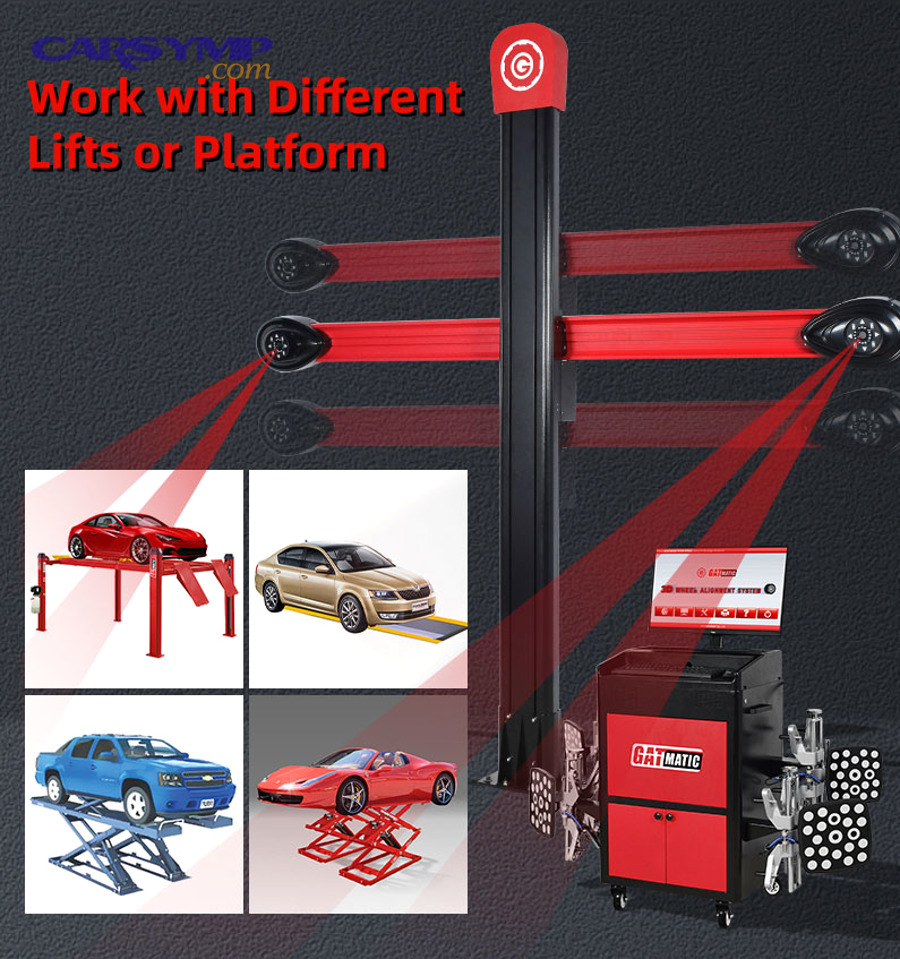
Four-wheel alignment expands the measurement and adjustment process to include the rear axle geometry. Modern computerized alignment systems measure all four wheels simultaneously, comparing them to each other and to manufacturer specifications. This comprehensive approach detects problems that two-wheel alignment would miss—rear toe misalignment, bent suspension components from previous impacts, or settling that occurred gradually over the vehicle’s lifetime. For vehicles with independent rear suspension, four-wheel alignment allows technicians to adjust rear toe angles and, on some models, rear camber. Even on solid rear axle vehicles where rear wheels cannot be adjusted, measuring them provides valuable diagnostic information about frame damage or axle shift.
The recommendation for four-wheel service after rack replacement stems from practical experience showing that vehicles requiring major steering repairs often have accumulated other suspension wear or damage. The few additional minutes required to measure all four corners provides insurance against overlooking problems that would compromise the front alignment’s effectiveness. Additionally, some steering pull symptoms that owners attribute to rack problems actually originate from rear suspension misalignment—four-wheel alignment reveals these true causes and prevents unnecessary future visits.
Is Alignment Included in Rack and Pinion Replacement Service?
Alignment is not automatically included in rack and pinion replacement service at most repair facilities because shops typically quote these as separate line items on estimates—rack replacement addresses the mechanical component installation while alignment represents a distinct calibration service requiring different equipment and specialist technician time. However, some full-service repair centers and dealerships bundle alignment into comprehensive steering system repair packages, so customers must specifically ask about inclusion when receiving estimates.
This separation occurs because repair shops structure their pricing around labor operations defined by industry-standard time guides. Rack and pinion replacement carries a specific labor time (typically 3-6 hours depending on vehicle) that covers removing the old rack, installing the new unit, reconnecting hydraulic lines or electrical connections, bleeding the power steering system, and performing basic functional tests. Alignment represents a separate operation with its own labor time (0.8-1.5 hours) and requires moving the vehicle from the general repair bay to the specialized alignment rack equipped with sensors and computers.
The business model implications affect customer costs and service bundling decisions. Independent repair shops often partner with specialized alignment facilities or maintain separate alignment bays with dedicated technicians who focus exclusively on suspension and alignment work. These shops quote alignment as a distinct service to accurately reflect their cost structure and give customers itemized pricing transparency. Conversely, dealership service departments and large chain repair centers with in-house alignment capabilities may package steering system repairs to simplify pricing and ensure customers receive complete service—though the total cost typically remains similar to itemized pricing when calculated together.
Savvy consumers protect themselves by requesting detailed written estimates that explicitly list both rack replacement and alignment as separate line items with individual costs. This transparency allows comparison shopping between facilities and prevents surprise charges when picking up the vehicle. Questions to ask include: “Does your rack and pinion replacement quote include alignment service?” and “What type of alignment is included—two-wheel or four-wheel?” If alignment is excluded from the initial quote, request a combined estimate for both services to understand total cost before authorizing repairs.
What Other Services Are Needed Alongside Alignment After Rack Replacement?
The essential services needed alongside alignment after rack replacement include power steering fluid flush and bleeding for hydraulic systems, steering angle sensor calibration for vehicles with electronic stability control, tie rod end inspection and possible replacement if wear is detected during rack removal, and comprehensive suspension component inspection including control arm bushings, ball joints, and sway bar links that affect alignment stability. These complementary services ensure the steering system functions properly and alignment settings remain stable long-term.
Professional technicians approach rack and pinion replacement as a comprehensive steering system service opportunity rather than a single-component swap. This methodology stems from practical experience showing that components surrounding the steering rack often exhibit wear correlating with rack failure—addressing these items during the same service appointment prevents repeat visits and ensures optimal performance.
How Does Alignment After Rack Replacement Differ from Regular Alignment?
Alignment after rack replacement differs from regular alignment because it requires more extensive pre-alignment inspection verifying proper rack installation, involves checking tie rod end thread engagement and jam nut torque, demands precise centering of the steering wheel position before making adjustments, and often needs larger toe angle corrections exceeding typical maintenance alignment ranges. Additionally, technicians must verify the rack itself sits properly in its mounting cradle without bushing misalignment that would prevent accurate wheel adjustment.
The inspection protocol before beginning alignment measurements separates post-replacement from routine service. Technicians performing post-rack alignment first verify the new component’s installation quality—checking that mounting bolts meet torque specifications, confirming the rack sits flush in its cradle without vertical or horizontal shifts, inspecting hydraulic line connections for leaks, and testing power steering pump operation through full steering wheel rotation. This verification prevents scenarios where alignment technicians discover installation problems mid-service, requiring the vehicle to return to the mechanical bay for corrections that reset the alignment process.
Tie rod end positioning receives heightened attention during post-rack alignment because these components connect directly to the replaced rack. Technicians verify that outer tie rod ends thread onto inner tie rods with adequate engagement—typically at least 6-8 threads—ensuring mechanical strength and adjustment range. They check jam nut torque to confirm previous mechanics secured the adjustment properly. If tie rods were replaced alongside the rack, technicians inspect ball joint boots for proper seating and perform play tests to verify new parts meet quality standards before proceeding with alignment.
The steering wheel centering process takes priority in post-rack alignment because rack installation often leaves the steering wheel positioned off-center relative to the wheels’ neutral position. Technicians must first center the rack mechanically—ensuring equal tie rod length on both sides—before making any toe adjustments. This critical step prevents situations where technicians achieve correct toe angles but leave the steering wheel crooked, or conversely, center the steering wheel but create cross-toe misalignment. Some vehicles require removing the steering wheel and repositioning it on the splines; others allow centering through equal left-right toe adjustments from a neutral rack position.
According to technical service bulletins from major automakers compiled by the Automotive Service Association in 2024, approximately 15% of post-rack alignments require correction of installation errors discovered during the pre-alignment inspection phase, compared to less than 2% of routine maintenance alignments needing preliminary repairs before adjustment can begin.
Do Different Vehicle Types Require Different Alignment Approaches After Rack Work?
Different vehicle types require different alignment approaches after rack work because front-wheel-drive vehicles demand more precise toe settings to prevent torque steer, rear-wheel-drive and all-wheel-drive vehicles need caster angle verification to maintain directional stability, trucks with lifted suspensions require specialized measurements accounting for modified geometry, and performance vehicles operate within tighter tolerance ranges than economy cars for optimal handling characteristics. These variations reflect fundamental differences in suspension design, weight distribution, and intended vehicle dynamics.
Front-wheel-drive vehicles present unique alignment challenges after rack replacement because the front wheels simultaneously steer and transmit engine power to the road. This dual function makes them extremely sensitive to toe angle variations—even 0.10 degrees of misalignment creates noticeable torque steer where the vehicle pulls under acceleration. Technicians performing alignment on FWD cars after rack work typically aim for specifications at the tighter end of the manufacturer’s tolerance range, often targeting exact zero toe or slight toe-in (0.05-0.10 degrees total) to minimize the scrubbing forces that trigger torque steer. Additionally, FWD vehicles benefit from careful caster matching between left and right sides to prevent pull during braking when weight transfers forward.
Rear-wheel-drive and all-wheel-drive vehicles prioritize caster angle verification after rack replacement because these vehicles’ weight distribution and power delivery make them sensitive to caster-related handling characteristics. Caster—the forward or rearward tilt of the steering axis when viewed from the side—affects steering returnability, high-speed stability, and effort required to turn the wheel. While rack replacement doesn’t typically alter caster directly, technicians use the post-rack alignment service to verify caster angles haven’t shifted due to worn control arm bushings or previous impact damage that might have gone unnoticed. Performance-oriented RWD vehicles often specify aggressive positive caster (5-7 degrees) that provides strong self-centering and stability at speed.
Trucks with lifted suspensions require completely different alignment approaches because aftermarket lift kits alter the suspension geometry from factory specifications. Standard alignment equipment and specification databases don’t account for these modifications, forcing technicians to calculate appropriate target angles based on the suspension’s new operating position. Lifted trucks typically need more positive caster to compensate for the raised center of gravity and may require custom toe specifications that balance tire wear against the stability needs of a higher vehicle. Some alignment shops refuse service on heavily modified trucks due to liability concerns and the specialized knowledge required for proper setup.
Luxury and performance vehicles operating within tighter specification windows demand greater precision throughout the alignment process. Where a mainstream economy car might specify toe tolerances of +/- 0.20 degrees, a European performance sedan might require +/- 0.05 degrees for optimal tire wear and handling. These narrow windows require more time during alignment—technicians make finer adjustments and verify measurements multiple times—which explains why luxury vehicle alignment services often cost 25-40% more than standard passenger car service. The investment in precision pays dividends through extended tire life and predictable handling characteristics that match the vehicle’s performance capabilities.
What Is the Difference Between Alignment After Rack Replacement vs Tie Rod Replacement?
Alignment after rack replacement requires more comprehensive adjustment because the entire steering rack position resets during installation necessitating bilateral toe corrections on both wheels, while alignment after tie rod replacement typically needs only single-side adjustment since the rack itself remains undisturbed and only one wheel’s tie rod connection changed. Additionally, rack replacement alignment must address steering wheel centering relative to the new rack’s neutral position, whereas tie rod replacement alignment can preserve existing steering wheel position by matching the new tie rod length to the removed component.
The scope of disruption explains these procedural differences. When mechanics replace only a tie rod end—whether inner or outer—they disconnect one wheel from the steering system while leaving the rack and opposite-side tie rod untouched. Careful technicians count threads as they remove the worn tie rod and install the replacement at approximately the same position, which brings the toe angle close to the original setting even before alignment. The alignment service then fine-tunes this single wheel’s toe angle using the tie rod’s adjustment threads while barely touching the opposite side. Total adjustment range needed typically measures less than 0.20 degrees from the initial position.
Rack replacement creates a fundamentally different starting point because removing the old rack disconnects both tie rods simultaneously, erasing the baseline from which adjustments would be made. The new rack arrives in a neutral position—tie rods extending equally left and right—but this neutral position may not correspond to the correct toe angles for the specific vehicle. Technicians must establish toe angles on both sides from scratch, often making substantial adjustments exceeding 0.50 degrees per side to reach specifications. This bilateral adjustment process takes considerably longer and requires iterative refinement—adjusting one side affects toe calculations on the other due to the mechanical linkage through the rack.
The steering wheel centering requirement further separates these scenarios. Tie rod replacement maintains the existing relationship between steering wheel position and rack position because the rack never moved. If the steering wheel sat centered before tie rod service, it remains centered afterward—alignment simply ensures the new tie rod creates the correct toe angle at that wheel. Rack replacement breaks this relationship completely; the new rack installs at whatever rotational position the mechanic establishes during installation, which rarely matches the original rack’s clocking. Technicians must either mechanically center the rack first then adjust both tie rods equally, or in some cases, remove and reposition the steering wheel on its splines to align the wheel to the rack’s installed position.
Cost and time differences reflect these technical distinctions. Alignment following tie rod replacement typically requires 30-45 minutes of technician time because measurements and adjustments focus primarily on one wheel, resulting in charges at the lower end of the $75-$150 range. Post-rack alignment demands 60-90 minutes for the comprehensive bilateral adjustment process, steering wheel verification, and multiple measurement cycles to confirm specifications, pushing costs toward the $100-$200 range even for standard two-wheel service.
Can Electronic Power Steering Racks Affect Alignment Differently Than Hydraulic Racks?
Electronic power steering racks do not affect alignment geometry differently than hydraulic racks because both system types use identical mechanical linkages—rack-and-pinion gears and tie rods—to control wheel position, making the physical alignment requirements identical regardless of whether hydraulic fluid or electric motors provide steering assist. However, vehicles with electronic power steering require an additional steering angle sensor calibration procedure after rack replacement that hydraulic systems do not need, though this calibration is separate from the physical wheel alignment process.
The confusion between these concepts stems from modern vehicles’ integration of steering systems with electronic stability control, lane-keeping assistance, and other advanced driver assistance features. While the mechanical alignment—toe, camber, and caster angle adjustments—remains unchanged whether the rack uses hydraulic or electric assist, the electronic system’s computer must be recalibrated to understand the steering wheel’s center position relative to the wheels’ straight-ahead orientation.
Steering angle sensor calibration addresses the electronic control modules’ need for accurate steering input data. This sensor, typically located in the steering column behind the steering wheel, measures how far and in which direction the driver turns the wheel. Electronic stability control systems use this data combined with wheel speed sensors and yaw sensors to detect when the vehicle isn’t traveling where the driver intends, triggering corrective braking or power reduction. After rack replacement, even if mechanics center the steering wheel perfectly during installation, the steering angle sensor’s zero point may not align with this mechanical center, causing the stability control system to receive false inputs indicating the driver is turning when driving straight.
The calibration procedure requires connecting a diagnostic scan tool to the vehicle’s OBD-II port and accessing the steering angle sensor module through manufacturer-specific software. The technician follows a protocol that typically involves ensuring the wheels point straight ahead, the steering wheel sits centered, and the vehicle remains stationary while the scan tool commands the sensor to establish a new zero-point reference. Some manufacturers require test drives following specific patterns—straight-line acceleration, gentle turns, figure-eight maneuvers—that allow the system to verify and finalize calibration. This process adds 15-30 minutes to the overall service time and requires diagnostic equipment beyond the standard alignment rack.
Hydraulic power steering systems lack this electronic complexity because they operate purely mechanically—the hydraulic pump provides assist proportional to driver input through a rotary valve in the steering gear, with no electronic sensors or computer control involved. These systems require only bleeding air from the hydraulic lines after rack installation, a simpler procedure taking 10-15 minutes that doesn’t involve diagnostic computers or calibration protocols.
Modern repair facilities increasingly encounter vehicles with electric power steering, as manufacturers transitioned most new models to EPS systems after 2015 to improve fuel economy by eliminating the parasitic drag of hydraulic pumps. Technicians must recognize which vehicles require steering angle sensor calibration—generally those with electronic stability control dashboard indicators—and include this service alongside alignment to ensure complete system functionality. Failure to perform calibration leaves stability control and lane-keeping systems operational but potentially triggering false warnings or unwanted interventions due to incorrect steering position data.