


Diagnosing steering problems requires identifying whether the steering rack, tie rods, or power steering pump is failing—each component produces distinct symptoms that allow systematic diagnosis through visual inspection, sound analysis, and specific testing procedures. The power steering pump typically causes whining noises and intermittent stiffness, the steering rack creates looseness and fluid leaks from tie rod boots, while tie rods produce clicking sounds and uneven tire wear patterns.
Understanding the specific symptoms of each component prevents misdiagnosis and unnecessary repairs. The power steering pump generates hydraulic pressure and fails gradually with progressive noise and steering difficulty, whereas the steering rack converts rotational motion to linear movement and develops internal leaks or worn teeth that create dead spots in steering feel. Tie rods connect the steering rack to the wheels and exhibit failure through excessive play and separation noises during turns.
Proper diagnostic testing follows a systematic approach starting with fluid inspection, progressing through noise analysis during different operating conditions, and concluding with physical testing methods like the dry park check. This methodical process isolates the failing component by correlating symptoms with specific mechanical functions, eliminating guesswork and reducing diagnostic time from hours to minutes.
Safety considerations dictate the urgency of repairs—a failing power steering pump allows manual steering with increased effort, a damaged steering rack creates unpredictable control loss, and broken tie rods risk complete steering disconnection. Below, we’ll examine each component’s function, failure symptoms, and proven diagnostic methods to accurately identify which part requires attention.
What Are the Steering Rack, Tie Rod, and Power Steering Pump?
The steering rack, tie rod, and power steering pump are three interconnected components that convert steering wheel rotation into directional wheel movement, with the pump providing hydraulic assistance, the rack translating rotational motion into linear force, and tie rods transferring that force to the wheels. Understanding how these components work together reveals why their failures produce different symptoms and require distinct diagnostic approaches.
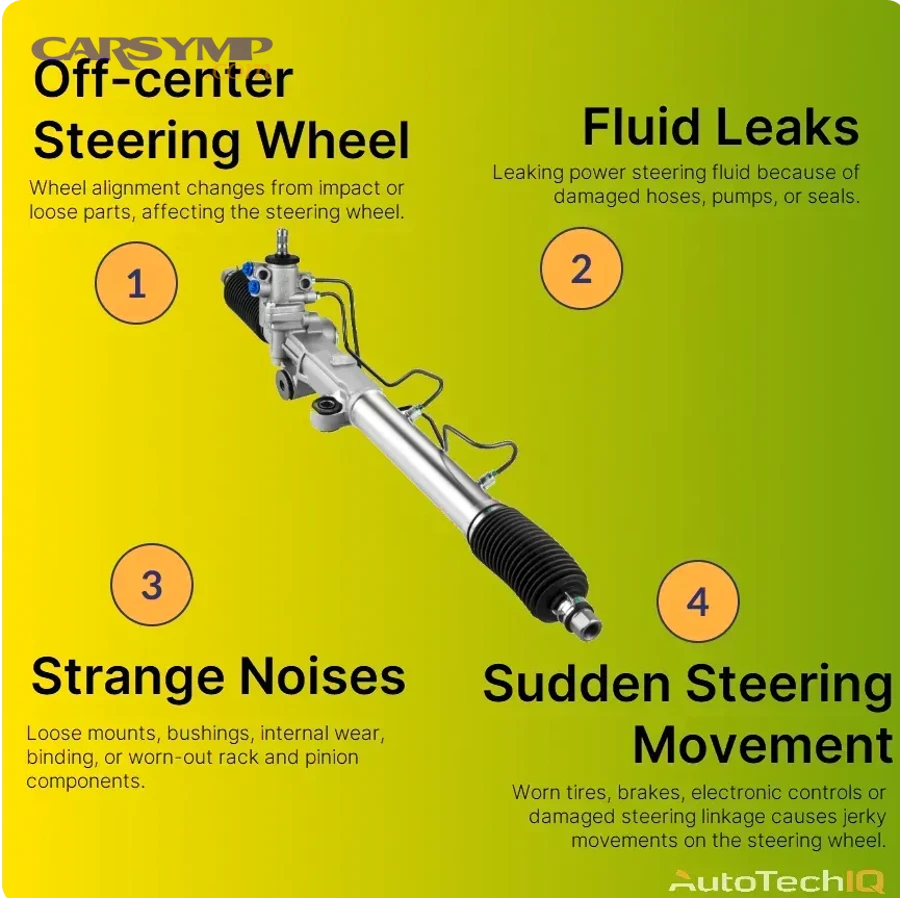
The power steering system operates as a hydraulic circuit where each component performs a specialized function. The pump creates pressure, the rack applies that pressure to mechanical advantage, and the tie rods complete the final connection to the steering knuckles. This division of labor means failures manifest differently depending on which component deteriorates.
How Does the Power Steering Pump Work?
The power steering pump generates hydraulic pressure by converting engine rotational energy into fluid pressure that assists steering effort. A belt connected to the engine crankshaft drives the pump’s internal vanes or pistons, creating suction that draws fluid from the reservoir and compresses it into high-pressure output directed toward the steering rack.
Modern pumps typically produce 800-1500 PSI during normal driving and can reach 2000 PSI during parking maneuvers when maximum assistance is needed. The pump contains internal check valves and pressure relief mechanisms that regulate output based on steering demands and engine speed. As RPM increases, the pump generates more flow, but the pressure relief valve prevents excessive pressure that could damage seals and hoses.
The fluid reservoir sits atop or near the pump body, holding approximately 1-2 quarts of power steering fluid that lubricates internal components while transmitting hydraulic force. The reservoir includes a filter screen to prevent contaminants from entering the pump and a dipstick or transparent walls for fluid level monitoring.
What Does the Steering Rack Do?
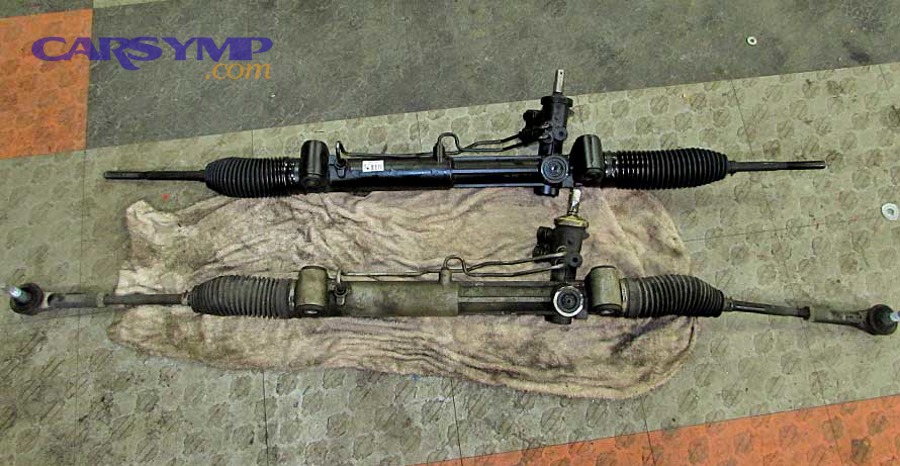
The steering rack converts the rotational motion of the steering wheel into linear motion that pushes or pulls the tie rods, using a gear mechanism where a small pinion gear meshes with a long toothed bar called the rack. When the driver turns the steering wheel, the pinion gear rolls along the rack, pushing it left or right depending on steering direction.
Hydraulic power steering racks contain internal passages where pressurized fluid acts on a piston attached to the rack, amplifying the driver’s input force by 80-90%. The rack housing seals these hydraulic chambers with multiple O-rings and seals that prevent fluid leakage while allowing smooth rack movement across its travel range.
The rack’s gear teeth spacing determines the steering ratio—typically between 12:1 and 20:1 for passenger vehicles. A 16:1 ratio means the steering wheel must rotate 16 degrees to move the rack (and therefore the wheels) 1 degree. Faster ratios provide quicker steering response but require more effort, while slower ratios offer easier steering with less feedback.
What Is the Role of Tie Rods in Steering?
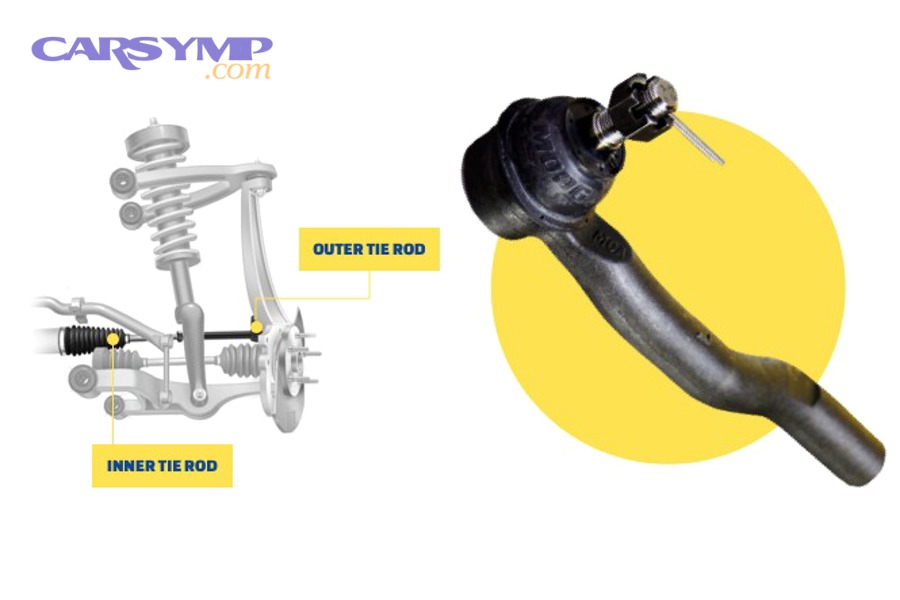
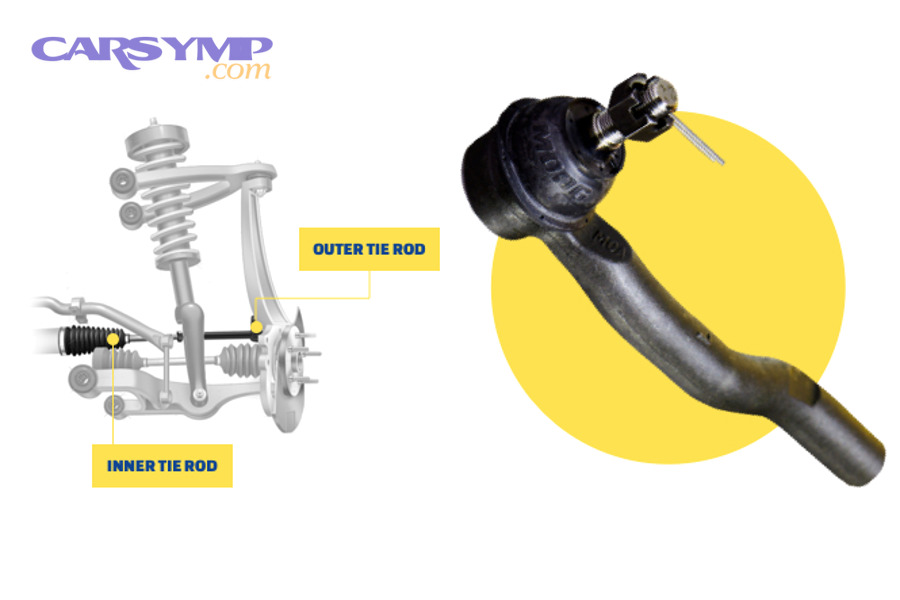
Tie rods connect the steering rack ends to the steering knuckles at each front wheel, transferring the rack’s linear motion into wheel rotation while accommodating suspension movement through ball-and-socket joints. Each wheel has an inner tie rod that threads directly onto the rack and an outer tie rod that connects to the steering knuckle, with an adjustable connection between them for toe alignment.
The inner tie rod uses a ball socket design that allows vertical and diagonal movement as the suspension compresses and extends over bumps. This socket typically hides inside a rubber or plastic bellows boot filled with grease for lubrication and protection from contaminants. The outer tie rod end features a similar ball-and-socket joint with a tapered stud that inserts into the steering knuckle, secured by a castle nut and cotter pin.
Tie rods must withstand substantial forces during cornering and braking while maintaining precise alignment. The ball joints allow approximately 40-50 degrees of angular movement in multiple planes, compensating for suspension geometry changes without binding or creating excessive play that would cause loose steering feel.
What Are the Symptoms of a Failing Power Steering Pump?
A failing power steering pump produces whining or groaning noises during steering, causes intermittent stiff steering especially when cold, and creates low fluid levels or discolored fluid in the reservoir. These symptoms typically worsen progressively over weeks or months as internal pump components wear, making early detection crucial for preventing complete steering assist loss.
To identify pump-specific problems, listen for noise characteristics that change with engine RPM and observe whether steering difficulty correlates with engine temperature and running conditions. Pump failures rarely cause loose steering or clicking sounds—those symptoms indicate rack or tie rod problems instead.
Does a Bad Pump Make Whining or Groaning Noises?
Yes, a bad power steering pump makes whining or groaning noises that increase in pitch with engine RPM and intensify during turns, caused by worn internal vanes, failing bearings, or cavitation from low fluid levels. The noise typically starts as a faint whine at idle and becomes more pronounced when turning the steering wheel, especially to full lock positions.
The characteristic pump whine occurs because worn vanes cannot maintain consistent pressure, creating turbulence as fluid flows through the pump chambers. As wear progresses, the noise transitions from a high-pitched whine to a deeper groan or moan, indicating severe internal damage with metal-to-metal contact. This groaning becomes particularly loud when executing parking maneuvers that demand maximum pump output.
Bearing failure produces a different sound pattern—a grinding or rumbling noise that persists regardless of steering position and correlates directly with engine speed. If the noise continues when the steering wheel remains centered and the vehicle is stationary, the bearings have likely worn beyond acceptable tolerances.
Cavitation creates a distinctive growling or rattling noise when the pump cannot draw sufficient fluid from the reservoir, usually due to low fluid levels, a clogged filter screen, or a collapsed suction hose. This air-ingestion noise sounds like marbles rattling inside the pump and indicates immediate attention is needed to prevent pump destruction.
Is Low Fluid Level a Sign of Pump Problems?
Low fluid level can indicate pump problems, though it more commonly signals leaks in hoses, rack seals, or reservoir connections rather than pump failure itself. Check the fluid level with the engine warm and idling, observing whether the level sits between the MIN and MAX marks on the dipstick or reservoir walls.
Fresh power steering fluid appears clear red or amber, while contaminated fluid turns dark brown or black, indicating oxidation from overheating or metal particle contamination from worn components. Gray or milky fluid suggests water contamination, often from a cracked reservoir or condensation in systems that sit unused for extended periods.
Metal particles visible in the fluid or accumulated on the reservoir filter screen indicate severe pump wear, where internal vanes or pistons have begun shredding and distributing debris throughout the system. This contamination accelerates wear in the steering rack and control valves, potentially requiring replacement of all hydraulic components rather than just the pump.
Leak identification requires systematic inspection of all connections—start at the pump output fitting, trace along the high-pressure hose to the rack, examine the rack input and return fittings, and follow the return hose back to the reservoir. Fluid accumulation on the pump body typically indicates seal failure where the drive shaft enters the pump housing, while drips from hose connections suggest loose fittings or deteriorated O-rings.
Does Pump Failure Cause Intermittent Stiff Steering?
Yes, pump failure causes intermittent stiff steering that worsens when the engine is cold and improves as operating temperature increases, resulting from thickened fluid viscosity and worn internal clearances that prevent adequate pressure generation. The steering may feel normal during highway driving but becomes noticeably heavy during low-speed maneuvers like parking.
Cold-start stiffness occurs because power steering fluid becomes more viscous at low temperatures, requiring greater pump effort to generate working pressure through worn internal components. As the system warms, fluid viscosity decreases and worn clearances expand slightly, temporarily restoring partial assist. This temperature sensitivity distinguishes pump problems from rack issues, which typically worsen with heat as seals soften and leak more.
Belt tension significantly affects pump performance—a loose or glazed belt slips under load, preventing the pump from reaching full speed and pressure output. Test belt tension by pressing firmly on the belt midway between pulleys; proper tension allows approximately 1/2 inch deflection with moderate pressure. A squealing noise during turns confirms belt slip rather than pump failure.
Variable assist systems complicate diagnosis because they intentionally reduce assist at highway speeds for improved steering feel and stability. If the assist remains heavy at all speeds, the variable assist control valve may have stuck open, shunting pressure back to the reservoir rather than to the rack.
How Can You Tell If Your Steering Rack Is Bad?
A bad steering rack exhibits steering wheel looseness with excessive free play, fluid leaks from inner tie rod boots or rack body seals, and inconsistent steering effort with dead spots or notchy feel at certain wheel positions. These symptoms indicate internal seal failure, worn rack teeth, or deteriorated bushings that compromise the rack’s ability to precisely control wheel position.
Specifically, rack problems create mechanical sloppiness or hydraulic leaks rather than the noise and temperature-sensitive symptoms characteristic of pump failures. Understanding these distinctions prevents replacing the wrong component.
What Does Steering Looseness or Free Play Indicate?
Steering looseness or free play indicates worn rack teeth, deteriorated rack bushings, or excessive clearance in the pinion-to-rack mesh, allowing the steering wheel to rotate several degrees before the wheels respond. This condition creates vague steering feel and requires constant corrections to maintain straight-line tracking, particularly noticeable at highway speeds.
Test for free play by grasping the steering wheel at the 3 and 9 o’clock positions with the engine off and wheels pointed straight ahead, then rocking the wheel gently back and forth. Acceptable free play measures less than 1 inch of rim movement before resistance is felt. Excessive play exceeding 2 inches indicates worn steering components requiring immediate diagnosis.
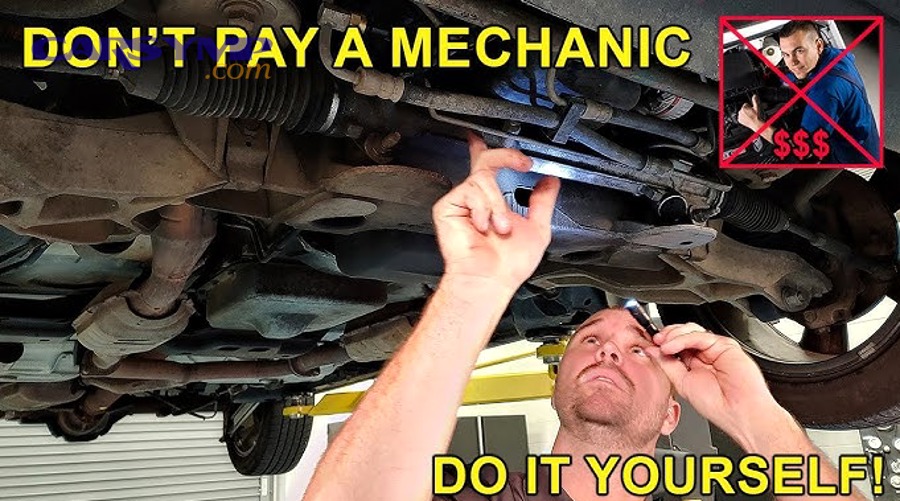
The dry park check provides more precise diagnosis—with the vehicle weight on the wheels (not lifted), have an assistant slowly rock the steering wheel while you observe the rack, tie rod connections, and steering shaft couplings from underneath. Any visible gap or movement at the rack mounting points, tie rod sockets, or shaft joints identifies the source of looseness.
Worn rack bushings create a clunking sensation transmitted through the steering wheel when changing direction, caused by the rack shifting position inside its mounts before the bushings compress enough to resist movement. Replace these relatively inexpensive rubber bushings before condemning the entire rack assembly—many Steering rack repair vs replacement options exist, with bushing replacement costing a fraction of rack replacement.
Are Fluid Leaks from Tie Rod Boots a Rack Problem?
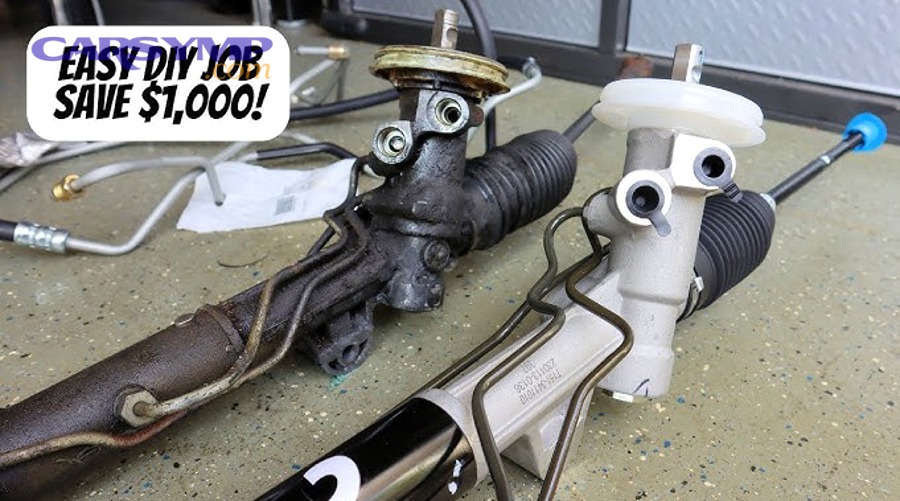
Yes, fluid leaks from tie rod boots indicate rack seal failure, where the internal seals around the rack piston or inner tie rod sockets have deteriorated and allowed pressurized fluid to escape into the bellows boot. This condition requires rack replacement or rebuild, as the internal seals are not serviceable without complete rack disassembly.
Inspect the tie rod boots by squeezing them—a boot filled with fluid feels heavy and squishy compared to the normal dry, grease-filled feel. To definitively confirm hydraulic fluid contamination, carefully puncture the boot with a small probe near the rack end; power steering fluid will drain out if internal seals have failed, whereas normal boots contain only thick grease.
Steering rack failure symptoms include progressive fluid loss that continues despite repeatedly topping off the reservoir, eventually leaving visible puddles under the vehicle after overnight parking. The leak location provides diagnostic clues—fluid dripping from the center of the rack suggests main seal failure, while leaks at the rack ends indicate inner tie rod seal deterioration.
External rack body leaks appear at the input shaft seal where the pinion enters the housing or at the pressure and return port O-rings where hoses connect. These external leaks are sometimes repairable with seal replacement kits, avoiding full rack replacement costs. However, internal seal failures require rack removal and professional rebuilding or remanufactured unit installation.
What Are Steering Dead Spots and Rough Patches?
Steering dead spots and rough patches are areas where the steering wheel turns without resistance or with inconsistent effort, typically occurring at the center position or at specific angles, caused by worn rack teeth, notched rack gears, or deteriorated rack bushings. Drivers experience this as the steering wheel suddenly becoming loose for a few degrees of rotation before resistance returns.
Dead spots most commonly develop at the straight-ahead position because drivers spend most time with wheels centered, causing accelerated wear in that section of the rack teeth. The rack gear develops a flat spot or groove where constant pressure has worn the teeth beyond acceptable tolerances, eliminating the tight mesh between pinion and rack.
Notchy steering feel occurs when turning through specific angles, creating a sensation of catching or binding that disappears as you continue rotating the wheel. This indicates rack teeth have developed burrs or damage at particular points along their travel, often from impact damage when hitting curbs or potholes while turning.
Rack bushing wear allows the rack to shift vertically inside its housing, creating variable tooth mesh depth as the rack moves up and down. This vertical play produces inconsistent steering effort and imprecise wheel control, particularly noticeable during lane changes when quick steering corrections are needed.
What Symptoms Indicate Failing Tie Rods?
Failing tie rods produce clicking or clunking noises during turns, cause feathered tire wear patterns on the inside or outside edges, and create loose or wandering steering feel with excessive play. These symptoms result from worn ball-and-socket joints that can no longer maintain tight tolerances, allowing movement that compromises steering precision and tire alignment.
More specifically, tie rod failures create noise and alignment problems rather than the hydraulic issues associated with racks or the assist-related problems from pump failures. Recognizing these distinctions accelerates accurate diagnosis.
Do Tie Rods Cause Clicking or Clunking Noises?
Yes, tie rods cause clicking or clunking noises during turns when the ball joints have worn beyond acceptable tolerances, allowing the ball stud to move excessively within the socket and creating audible impacts as the joint changes load direction. The noise typically occurs during slow-speed turns in parking lots and intensifies over bumps when steering loads fluctuate rapidly.
The clicking sound emanates from the outer tie rod end as it connects to the steering knuckle, while clunking from the inner tie rod suggests the socket has separated from the rack or the ball joint has developed excessive clearance. Listen carefully to determine whether the noise originates from the wheel area (outer tie rod) or from under the vehicle centerline near the rack (inner tie rod).
Road surface irregularities amplify tie rod noise because suspension movement forces the worn joints to articulate while simultaneously bearing load. A distinct clunk when hitting bumps while turning indicates the tie rod ball joint is nearing failure and requires immediate replacement to prevent steering disconnection.
Test for tie rod wear by grasping the tire at 3 and 9 o’clock positions and attempting to rock it horizontally while the vehicle sits on the ground with weight on the suspension. Perceptible movement or clicking sounds confirm tie rod wear, though this test also detects wheel bearing problems, requiring additional isolation by having an assistant apply brake pressure during testing to eliminate bearing play.
Can Bad Tie Rods Cause Uneven Tire Wear?
Yes, bad tie rods cause uneven tire wear in feathered patterns where one edge of each tread block wears more than the other, resulting from incorrect toe alignment that allows tires to scrub sideways while rolling forward. Worn tie rod ends cannot maintain proper toe angle, causing the wheels to point inward (toe-in) or outward (toe-out) rather than parallel.
Examine tire wear by running your hand across the tread blocks from inside to outside edge—feathering creates a sawtooth feel where one side of each block is sharp and the other is rounded. Toe wear typically affects both front tires symmetrically, with inside edge wear indicating excessive toe-in and outside edge wear suggesting too much toe-out.
Worn inner tie rods that have developed excessive play allow toe angle to change dynamically as driving forces act on the wheels, creating inconsistent alignment that prevents proper tire contact with the road surface. This dynamic misalignment accelerates tread wear beyond what static alignment measurements would predict, explaining why tires wear out rapidly even after recent alignment service.
Post-repair bleeding and steering feel checks are essential after tie rod replacement because the new components change toe angle significantly. Professional alignment restores proper toe specifications, eliminating the scrubbing that causes feathered wear and ensuring even tread contact across the tire width.
How Do You Diagnose Which Component Is Failing?
Diagnose which steering component is failing by systematically checking fluid condition and level, performing the dry park test for mechanical looseness, conducting lock-to-lock noise analysis, and testing pump pressure with a gauge. This methodical approach isolates the problem by correlating symptoms with specific component functions, typically completing diagnosis in 15-30 minutes without disassembly.
Let’s explore the specific diagnostic procedures that definitively identify whether the pump, rack, or tie rods require attention.
What Is the Dry Park Check Method?
The dry park check method detects steering system play by loading all components with the vehicle’s full weight while slowly rocking the steering wheel back and forth, revealing looseness that would remain hidden during typical driving or with wheels off the ground. Position the vehicle on level ground with wheels straight ahead, leave the steering column unlocked, and have an assistant gently oscillate the steering wheel 1-2 inches in each direction while you observe from underneath.
Start observation at the steering shaft coupling where the column connects to the rack input—any visible gap or delayed movement indicates a worn coupling that requires replacement. Rubber disc-type couplings show wear through cracks in the rubber element or excessive rotational play before engagement, while U-joint style couplings develop play in the needle bearings.
Progress outward to the rack mounting points and observe whether the rack body shifts inside its rubber bushings before the wheels begin to move. Excessive bushing compression or movement indicates worn mounts that allow the rack to wander inside its brackets, creating vague steering response and potential for clunking noises.
Finally, observe the tie rod connections at both the rack and steering knuckle, watching for any play or delayed response as steering input is applied. The tie rod should move immediately with rack motion without visible gaps at the ball joints. Any perceptible looseness at these points confirms tie rod wear requiring replacement.
How Do You Test for Pump vs Rack Problems?
Test for pump versus rack problems by checking fluid level and condition, performing engine-RPM correlated noise analysis, and conducting lock-to-lock steering tests that distinguish between hydraulic assist failures and mechanical steering problems. Begin with the engine cold, check fluid level and color, then start the engine and turn the wheel slowly from lock to lock while listening for noise characteristics.
Pump problems produce whining or groaning that increases in pitch with engine RPM regardless of steering position, while rack problems create noise only at specific steering angles or exhibit effort changes unrelated to engine speed. With the engine at idle, turn the steering wheel to full lock and hold it there for no more than 5 seconds—a functioning pump should maintain steady assist without the steering wheel becoming progressively heavier.
If the steering becomes notably stiffer after holding at full lock for a few seconds, the pump may have an internal pressure relief problem or the rack may have developed an internal leak that prevents pressure buildup. This pressure-bleed symptom indicates rack seal failure more often than pump issues, especially if accompanied by fluid leaks from tie rod boots.
Professional diagnosis uses a power steering pressure tester installed between the pump and rack to measure actual hydraulic pressure during various operating conditions. Normal systems generate 150-200 PSI with wheels straight, 300-500 PSI during moderate turns, and 700-1500 PSI at full lock. Pressures below these ranges confirm pump failure, while normal pressure readings with poor steering assist indicate rack internal leaks.
When Should You Lubricate the Intermediate Shaft?
Lubricate the intermediate shaft when experiencing steering stiffness or binding at specific angles that temporarily disappears after spraying the universal joint with penetrating lubricant, indicating the joint itself is binding rather than a pump or rack failure. The intermediate shaft connects the steering column to the rack input shaft through one or two universal joints that allow angular misalignment between these components.
Test this condition by accessing the intermediate shaft U-joint (typically visible from under the dashboard or through the wheel well), spraying it liberally with silicone spray or penetrating oil, then manually working the joint back and forth to distribute lubricant. If steering feel improves significantly, the U-joint binding was creating symptoms that mimicked rack or pump problems.
This temporary fix confirms the intermediate shaft as the culprit but does not constitute a permanent repair. Worn or binding U-joints require shaft replacement because the internal needle bearings have deteriorated beyond the point where lubrication provides lasting relief. Expect the improved steering feel to last only days or weeks before binding returns.
Ignore this diagnostic step and you risk unnecessarily replacing the rack when a $50 intermediate shaft would have solved the problem. Many mechanics encounter vehicles where binding U-joints create dead spots or stiff steering that perfectly mimics rack wear, leading to incorrect diagnosis and expensive, ineffective repairs.
How Can You Identify Tie Rod Problems Specifically?
Identify tie rod problems specifically by physically testing each tie rod end for looseness, inspecting the protective boots for tears or grease loss, and correlating symptoms with tie rod-specific indicators like feathered tire wear and clicking noises during turns. Grasp each front tire at 3 and 9 o’clock and attempt to rock it horizontally—movement or play with accompanying clicking confirms worn tie rod ends.
Isolate outer tie rod wear from inner tie rod or wheel bearing problems by having an assistant apply firm brake pressure during the rocking test. This locks the wheel to the knuckle, eliminating bearing play—if movement persists with brakes applied, the tie rod ends are worn. If all play disappears, suspect wheel bearings instead.
Visual inspection reveals outer tie rod condition through the rubber dust boot—a torn or missing boot exposes the ball joint to contaminants, accelerating wear. Grease leaking from the boot indicates seal failure, while a dry, cracked boot that moves loosely on the tie rod housing suggests the internal joint has worn and enlarged the socket.
Inner tie rod inspection requires accessing the bellows boot that covers the rack end. Torn bellows expose the inner socket to road spray and eventual failure, while intact boots that feel excessively loose when squeezed may contain worn sockets with excessive clearance. Some mechanics pry against the inner tie rod while observing for movement between the socket and rack—any perceptible play indicates wear beyond specifications.
Can You Drive with a Failing Steering Component?
You can drive short distances with a failing power steering pump using manual steering effort, but driving with a failing rack or tie rods creates serious safety risks including loss of directional control and potential steering disconnection. The urgency of repair depends on which component has failed and the severity of deterioration.
Understanding the specific risks associated with each component failure helps prioritize repairs and make informed decisions about continued vehicle operation.
Is It Safe to Drive with a Bad Power Steering Pump?
Yes, it is relatively safe to drive with a bad power steering pump if you possess sufficient upper body strength to manually steer the vehicle without hydraulic assist, though the increased effort creates fatigue during extended driving and reduces emergency maneuver capability. Vehicles designed with power steering require substantially more effort to operate without assist compared to manual steering vehicles, particularly at low speeds during parking.
The pump failure timeline typically progresses over weeks from occasional whining to consistent noise and finally to complete assist loss. This gradual deterioration provides warning and allows scheduling repairs before total failure occurs. Continue monitoring fluid levels and avoid driving if the pump has developed internal metal contamination that could damage the rack.
Emergency scenarios present the greatest risk—executing sudden evasive maneuvers or emergency braking while turning demands quick steering inputs that become nearly impossible without power assist. Driver fatigue accumulates quickly when constantly fighting heavy steering, reducing reaction times and increasing accident risk during longer trips.
Complete pump failure rarely occurs suddenly without warning signs. If the steering has been whining or occasionally stiff for days or weeks, plan for impending assist loss by scheduling pump replacement within a few days rather than risking complete failure at an inconvenient time or location.
How Dangerous Is Driving with a Failing Rack?
Driving with a failing rack is dangerous because internal seal leaks create unpredictable steering assist loss, loose rack mountings allow uncontrolled steering response, and worn rack teeth can cause sudden steering disconnection during hard turns or impacts. The severity varies dramatically based on the specific failure mode—minor seal leaks pose less immediate risk than severely worn rack teeth or broken mounts.
Rack internal leaks produce progressively heavier steering as fluid escapes from the pressure chamber, similar to pump failure but with more erratic behavior. The assist may work normally during gentle turns but fail completely when demanding maximum pressure during parking maneuvers. This unpredictability creates danger because drivers cannot reliably anticipate when assist will be available.
Loose rack mounts allow the entire rack assembly to shift position during direction changes, creating sudden steering wheel movements that require immediate driver correction. This condition appears as the vehicle darting left or right unexpectedly, particularly when traversing bumps or uneven pavement while turning. The wandering sensation destroys driver confidence and demands constant attention to maintain lane position.
Severely worn rack teeth risk catastrophic failure where the pinion gear strips across damaged rack sections, momentarily disconnecting steering input from wheel output. Imagine turning the steering wheel during a lane change and having the wheels fail to respond—this scenario presents extreme danger and mandates immediate repair before further driving.
What Other Issues Can Mimic Steering Component Failures?
Other issues that mimic steering component failures include loose power steering belt causing assist loss, binding intermediate shaft universal joints creating dead spots, low tire pressure producing heavy steering, and worn rack bushings rather than full rack failure. These alternative causes produce symptoms nearly identical to pump, rack, or tie rod failures but require simpler, less expensive repairs.
Specifically, these peripheral issues often lead to misdiagnosis and unnecessary component replacement when simple adjustments or minor part replacements would resolve the problem. Understanding these alternative causes prevents wasted diagnostic time and repair costs.
Can a Loose Power Steering Belt Cause Similar Symptoms?
Yes, a loose power steering belt causes symptoms identical to pump failure, including whining noises during turns, heavy steering at low speeds, and intermittent assist loss, because belt slip prevents the pump from reaching adequate speed and pressure output. Inspect belt tension by pressing firmly on the belt midway between pulleys—proper tension allows approximately 1/2 inch deflection with moderate thumb pressure.
Visual belt inspection reveals glazing (shiny, hardened surface), cracking in the belt ribs, or fraying at the edges that indicate the belt has deteriorated beyond acceptable condition. A glazed belt cannot grip the pulley grooves effectively, causing slip even when tensioned correctly. Replace any belt showing these wear indicators regardless of measured tension.
Listen for squealing during cold starts or when turning at idle—this classic symptom confirms belt slip. The noise may disappear as the belt warms and becomes more pliable, creating confusing intermittent symptoms that seem temperature-related. Don’t confuse this with pump internal noise—belt squeal is sharp and high-pitched, while pump whine is more of a howling or groaning sound.
Serpentine belt systems use spring-loaded automatic tensioners that wear over time, losing the ability to maintain proper belt tension despite appearing visually normal. Test the tensioner by observing its movement while an assistant operates the steering wheel—excessive tensioner movement or bouncing indicates a worn tensioner requiring replacement along with the belt.
How Does Intermediate Shaft Binding Affect Steering?
Intermediate shaft binding affects steering by creating notchy feel or dead spots at specific angles, particularly near center, that disappear after lubricating the universal joint, indicating the shaft itself rather than rack or pump failure. The intermediate shaft connects the steering column to the rack input through one or two universal joints that accommodate the angular difference between these components.
Universal joint binding develops when the internal needle bearings lose lubrication or develop corrosion, creating resistance at certain joint angles. This manifests as spots where the steering wheel turns with less resistance followed immediately by areas requiring more effort—a distinctly different feel than the smooth, progressive resistance increase when turning against rack stops.
The binding typically worsens with temperature changes, feeling stiffest on cold mornings when lubricant has thickened and improving as the vehicle warms. This temperature correlation mimics pump problems, leading many mechanics to condemn the pump when a $50 shaft replacement would solve the issue.
Test by accessing the U-joint (usually visible under the dashboard or through the driver’s wheel well), spraying it with penetrating lubricant, and manually working it through its full range of motion. If steering feel improves dramatically, diagnose the intermediate shaft as failed and schedule replacement—lubrication provides only temporary relief before binding returns.
Can Low Tire Pressure or Alignment Issues Be Confused with Component Failure?
Yes, low tire pressure or alignment issues can be confused with component failure because underinflated tires increase steering effort similar to pump failure, while misalignment creates pulling or wandering that mimics rack looseness. Check tire pressures before condemning steering components—tires inflated 10 PSI below specification can double steering effort at parking speeds.
Alignment problems create distinctive symptoms that appear similar to worn steering components. Excessive toe misalignment causes the vehicle to wander and requires constant steering corrections, while camber or caster problems create pulling to one side that drivers might attribute to rack or tie rod wear. However, alignment-related symptoms remain consistent regardless of temperature, speed, or steering angle—unlike component failures that vary with operating conditions.
Ball joint and control arm bushing wear produces symptoms that overlap with tie rod failures, including clunking noises over bumps and loose steering feel. Comprehensive front-end inspection should test all suspension pivot points, not just steering components, to avoid misdiagnosis. The dry park check reveals play in ball joints and control arms just as effectively as tie rod wear.
Shock absorber wear allows excessive suspension movement that creates vague steering response and poor directional stability, particularly noticeable at highway speeds or during lane changes. This symptom mimics rack bushing wear but originates from inadequate suspension damping rather than steering system deterioration. Test by bouncing each corner of the vehicle—effective shocks stop vertical motion within 1-2 oscillations.
What Role Do Rack Bushings Play in Steering Problems?
Rack bushings play a critical role in maintaining steering precision by securing the rack housing firmly to the vehicle chassis, and worn bushings allow rack movement that creates clunking noises, vague steering response, and wandering that mimics complete rack failure. These rubber or polyurethane bushings absorb vibration while preventing the rack from shifting position during direction changes and road impacts.
Bushing deterioration occurs from age-related rubber hardening, exposure to oil and road chemicals, and mechanical stress from constant rack movement. Hardened bushings crack and compress, losing their ability to maintain tight rack positioning. The rack then shifts inside its mounting brackets during turns, creating delayed steering response and clunking sounds when changing direction.
Test bushing condition during the dry park check by observing whether the rack body moves relative to its mounting brackets when steering input is applied. Any visible movement before the wheels begin to turn confirms worn bushings. Grasp the rack body and attempt to move it within the mounts—perceptible play indicates replacement is needed.
Replace rack bushings as a preventive measure during other steering system repairs because they cost $20-40 and prevent future problems. Many technicians encounter racks that were unnecessarily replaced when simple bushing renewal would have eliminated the symptoms. When considering steering rack repair vs replacement options, always evaluate bushing condition first—this simple maintenance item prevents expensive misdiagnosis and extends rack life significantly.
According to data from the Automotive Maintenance and Repair Association, approximately 30% of steering rack replacements could have been avoided through bushing replacement and proper system maintenance, representing over $150 million in unnecessary repairs annually across the United States alone.