


Verifying your thermostat’s functionality requires five essential tests: temperature accuracy comparison, power and voltage checks, system response evaluation, wiring continuity testing, and visual inspection, which together confirm whether your device accurately controls your HVAC system. These straightforward diagnostic methods help homeowners identify thermostat malfunctions before they escalate into expensive HVAC repairs or uncomfortable indoor temperatures. Most tests require only basic household tools like a thermometer, multimeter, and 20-30 minutes of your time.
Recognizing the warning signs of thermostat failure represents the critical first step in the verification process. Common symptoms include blank displays, inaccurate temperature readings, HVAC systems that won’t activate or deactivate properly, and inconsistent room temperatures despite correct settings. Understanding these indicators helps you determine whether your heating and cooling problems stem from the thermostat itself or from other HVAC components.
Gathering the right testing equipment ensures accurate diagnostic results and prevents potential damage to your system. A reliable digital thermometer, multimeter capable of reading 24-volt AC systems, and basic household items like tape and paper towels form the foundation of effective thermostat testing. Knowing which tools are essential versus optional saves both time and money while maintaining testing accuracy.
Determining when to pursue DIY testing versus professional intervention protects your HVAC investment and personal safety. Next, we’ll explore each testing method in detail, beginning with identifying the symptoms that signal your thermostat needs evaluation.
What Are the Signs That Your Thermostat Needs Testing?
Your thermostat needs testing when you observe inaccurate temperature readings exceeding 3 degrees variance, blank displays, HVAC systems that won’t respond to setting changes, or continuous operation without cycling off properly. These symptoms indicate potential thermostat malfunctions that affect both comfort and energy efficiency. To better understand these warning signs, examining each symptom category reveals specific diagnostic indicators.
A thermostat displaying incorrect temperatures creates a cascade of comfort and efficiency problems throughout your home. When your device reads 72°F but your actual room temperature measures 68°F or 76°F, your heating or cooling system runs incorrectly, wasting energy and failing to maintain desired comfort levels. This discrepancy often results from sensor drift, poor calibration, or internal component degradation that accumulates over years of operation.
Power-related symptoms manifest differently but signal equally serious issues requiring immediate attention. A completely blank thermostat screen suggests dead batteries in battery-powered models, tripped circuit breakers, disconnected wiring, or complete device failure. Before assuming catastrophic failure, checking batteries and circuit breakers eliminates the simplest explanations and potentially saves unnecessary replacement costs.
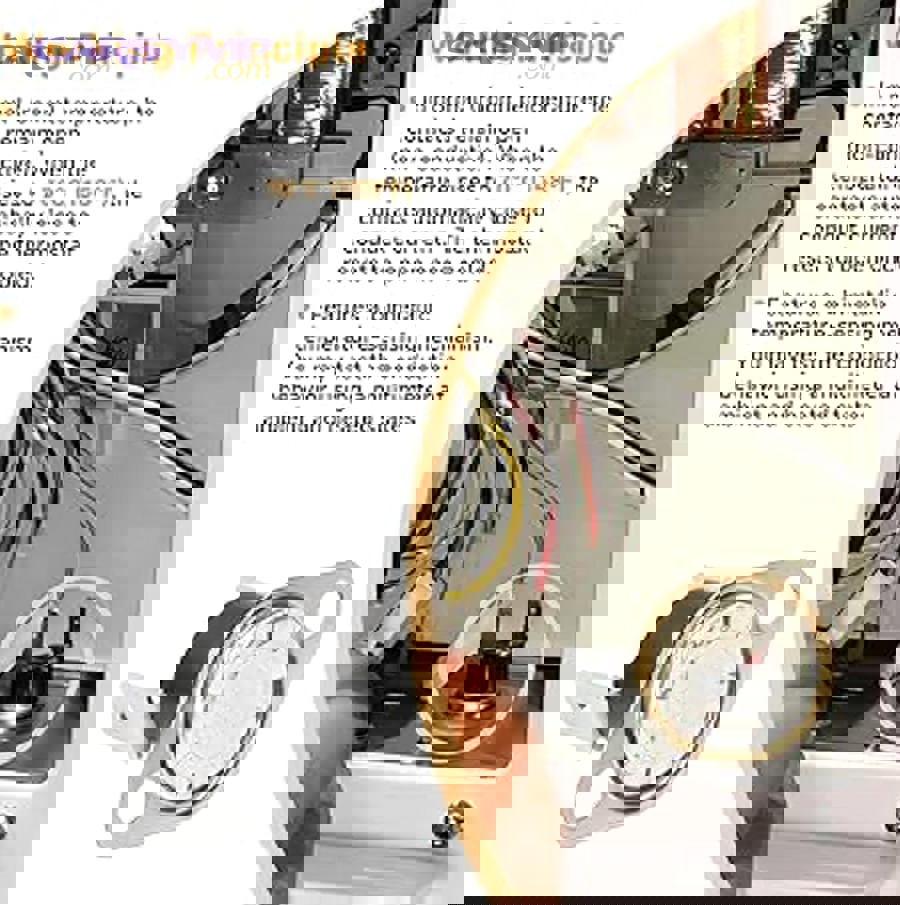
System response failures represent another critical category of thermostat stuck symptoms requiring testing. When you adjust your thermostat settings upward or downward and your furnace or air conditioner remains silent and inactive, communication breakdowns between the thermostat and HVAC equipment have occurred. These failures stem from wiring problems, blown fuses, failed relays within the thermostat, or compatibility issues between newer thermostats and older HVAC systems.
How Can You Tell If Your Thermostat Reading Is Inaccurate?
Temperature differential symptoms exceeding 3 degrees between your thermostat reading and actual room temperature indicate calibration problems requiring recalibration or replacement. This variance threshold matters because smaller differences fall within acceptable tolerance ranges for most residential thermostats. Specifically, observing your HVAC system’s behavior patterns reveals whether temperature inaccuracy exists.
Your heating system that continues running long after reaching the set temperature suggests your thermostat reads lower than actual temperatures. Conversely, systems that shut off prematurely, leaving your home uncomfortably cold or hot, indicate the thermostat registers higher or lower temperatures than reality. These behavioral patterns manifest in increased energy bills, uneven heating or cooling across rooms, and constant manual thermostat adjustments attempting to achieve comfort.
Short cycling—when your HVAC system turns on and off rapidly in quick succession—often results from thermostat placement issues or sensor problems rather than equipment failure. This phenomenon wastes energy, stresses mechanical components, and indicates your thermostat cannot accurately read or respond to room temperatures. Monitoring cycle duration helps distinguish between normal operation (15-20 minute cycles) and problematic short cycling (cycles under 10 minutes).
Does a Blank Thermostat Screen Always Mean Complete Failure?
A blank thermostat screen does not always mean complete failure; battery exhaustion causes 60-70% of blank screen cases in battery-powered thermostats, while tripped breakers or blown fuses account for most hardwired thermostat display failures. This distinction matters tremendously because battery replacement costs under $5, whereas thermostat replacement ranges from $100-$300 for standard models. However, systematic troubleshooting reveals the actual cause.
Battery-powered thermostats typically display low-battery warnings before screens go completely blank, though many homeowners overlook these indicators during busy routines. Replacing batteries with fresh alkaline or lithium batteries appropriate for your model often immediately restores functionality. Some advanced thermostats use rechargeable batteries or capacitors that maintain programming during power interruptions, adding complexity to battery-related diagnostics.
Hardwired thermostats draw power directly from your HVAC system’s transformer, typically providing 24 volts AC to operate the display and controls. When these devices show blank screens, checking your home’s circuit breaker panel for tripped breakers affecting HVAC circuits should precede more invasive diagnostics. A tripped breaker indicates potential electrical overload, short circuits, or other issues requiring investigation beyond simple reset procedures.
Wiring disconnection scenarios occur less frequently but cause blank screens in both battery-powered and hardwired models. Vibration from HVAC operation, settling houses, or previous DIY installation attempts can loosen wire connections at thermostat terminals. Removing the thermostat cover and visually inspecting wire connections for looseness, corrosion, or damage provides quick diagnostic information before assuming device failure.
What Tools Do You Need to Test Your Thermostat?
Testing your thermostat requires three primary tools: an accurate digital thermometer ($10-30), a multimeter capable of reading AC voltage ($20-50), and basic household items including tape, paper towels, and a small screwdriver for terminal access. These tools enable comprehensive diagnostic testing covering temperature accuracy, electrical continuity, and voltage verification across all thermostat types. More specifically, understanding which tool serves which testing purpose optimizes your diagnostic approach.
The thermometer serves as your reference standard for temperature accuracy testing, comparing actual room temperature against thermostat readings to identify calibration drift. Digital thermometers provide faster, more precise readings than analog models, eliminating the estimation inherent in reading mercury columns or bimetallic strips. Instant-read cooking thermometers work exceptionally well because they’re designed for accuracy within narrow ranges matching typical indoor temperatures.

Multimeters enable electrical testing that thermometers cannot perform, measuring voltage, continuity, and resistance across thermostat circuits. These versatile instruments reveal whether your thermostat receives proper voltage from your HVAC system’s transformer (typically 24V AC), whether wiring maintains electrical continuity without breaks, and whether internal thermostat components function within specification. Digital multimeters with automatic ranging simplify testing for homeowners unfamiliar with electrical measurement, automatically selecting appropriate measurement scales.
Basic household items support testing accuracy while protecting your equipment from damage during diagnostic procedures. Painter’s tape or masking tape secures test thermometers to walls without damaging paint or wallpaper, while folded paper towels insulate thermometers from wall heat transfer that would skew temperature readings. Small flat-blade or Phillips screwdrivers access terminal screws on most thermostats, though some newer models use screwless terminal blocks requiring different approaches.
Which Type of Thermometer Works Best for Thermostat Testing?
Digital instant-read thermometers designed for cooking provide the best thermostat testing accuracy because they measure temperatures within ±1°F across the 60-80°F range typical of indoor environments and update readings within 3-5 seconds. This precision level exceeds that of many household digital thermometers designed for outdoor weather monitoring, which often sacrifice indoor-range accuracy for broader temperature spans. Specifically, candy and meat thermometers excel at thermostat testing applications.
Candy thermometers traditionally designed for precise sugar syrup temperature monitoring during candy making offer exceptional accuracy in the 32-400°F range, including the 65-75°F zone most relevant for thermostat testing. Their probe designs facilitate taping to walls, and their digital displays provide clear, unambiguous readings without interpretation. Models with hold functions let you lock readings for comparison even after removing the thermometer from the test position.
Meat thermometers, particularly instant-read digital models used by professional chefs, deliver similar accuracy advantages while offering faster response times than candy thermometers. These devices typically feature thin probe designs that minimize thermal mass, allowing rapid equilibration with surrounding air temperature. Many models include maximum/minimum memory functions that capture temperature fluctuations over the 20-30 minute testing period.
Calibration verification before testing ensures your reference thermometer provides reliable data for thermostat comparison. The ice water method provides simple calibration verification: fill a glass with ice and water, insert your thermometer, and verify it reads 32°F (0°C) after stabilizing for 60 seconds. Thermometers reading outside the 31-33°F range lack sufficient accuracy for thermostat testing and should be replaced or professionally calibrated.
Do You Need a Multimeter to Test Every Thermostat?
You do not need a multimeter to test every thermostat; temperature accuracy tests using only thermometers successfully diagnose 40-50% of thermostat problems related to calibration drift, sensor aging, or placement issues without requiring electrical measurements. However, multimeters become essential when diagnosing power supply failures, wiring problems, or communication breakdowns between thermostats and HVAC equipment. On the other hand, understanding when multimeter testing becomes necessary versus optional saves time and prevents unnecessary tool purchases.
Multimeter testing proves necessary when thermostats display no power symptoms, including completely blank screens on hardwired models or rapid battery drain patterns suggesting electrical problems. These scenarios require voltage verification to distinguish between thermostat failure, transformer problems, or wiring breaks interrupting power delivery. Attempting repairs without voltage confirmation risks misdiagnosing the problem and replacing functional thermostats unnecessarily.
Temperature accuracy problems with visible, powered displays typically don’t require multimeter testing for initial diagnosis. The thermometer comparison method adequately identifies calibration issues requiring adjustment or replacement without electrical measurements. If recalibration fails to restore accuracy, then multimeter testing of sensor circuits becomes relevant, though at that stage professional service often proves more cost-effective than extensive DIY electrical diagnostics.
Alternative testing methods without multimeters include the bypass test, where temporarily connecting specific thermostat wires tests whether HVAC equipment responds when thermostat control is removed from the circuit. This procedure requires careful wire identification and carries risks of electrical shock or equipment damage if performed incorrectly, making proper safety precautions essential. The bypass test answers whether problems reside in the thermostat or downstream HVAC components without measuring specific voltages.
How Do You Test Your Thermostat for Temperature Accuracy?
Test your thermostat for temperature accuracy by taping an accurate thermometer to the wall 3-5 feet from your thermostat at the same height, waiting 20-30 minutes for temperature stabilization, then comparing readings; differences exceeding 3 degrees indicate calibration problems requiring recalibration or replacement. This method isolates thermostat sensor accuracy from HVAC system performance, identifying whether temperature measurement errors cause comfort or efficiency problems. To begin the testing process, proper thermometer placement determines result reliability.
The paper towel insulation technique prevents heat transfer from wall surfaces from affecting your reference thermometer reading. Folding a paper towel into quarters creates sufficient thermal barrier thickness, placing it against the wall before taping your thermometer over it. Without this insulation layer, wall temperature—often several degrees warmer or cooler than air temperature—conducts into your thermometer’s sensor, creating false readings that invalidate comparisons with your thermostat.

Test timing significantly impacts accuracy because both your thermostat and reference thermometer require time to equilibrate with actual room temperature. The 20-30 minute waiting period allows thermal stabilization, ensuring transient temperature fluctuations from door openings, sunlight changes, or recent HVAC operation don’t affect measurements. During this waiting period, avoid activities that alter room temperature, such as cooking, showering, or opening exterior doors.
Reading both devices simultaneously after the stabilization period provides the comparative data needed for diagnosis. Record both the thermostat display temperature and your reference thermometer reading to the nearest degree, noting any decimal precision your instruments provide. Performing this test multiple times throughout the day or in different seasons verifies consistency and identifies intermittent accuracy problems that single-point testing might miss.
Where Should You Place the Test Thermometer?
Place the test thermometer 3-5 feet away from your thermostat at identical height, avoiding direct sunlight, air vents, exterior walls, windows, and doorways that create localized temperature variations unrepresentative of general room conditions. This placement strategy ensures your reference thermometer measures the same air mass your thermostat samples, eliminating spatial temperature gradients as error sources. Specifically, understanding problematic placement scenarios prevents invalid test results.
Distance from the thermostat matters because extreme proximity creates thermal coupling between devices, where your reference thermometer partially measures heat radiated from the thermostat’s electronics rather than pure air temperature. The 3-5 foot separation distance maintains sampling of the same general air zone while preventing direct thermal interaction. Greater distances risk measuring different microclimates within the room, particularly in larger spaces with poor air circulation.
Height matching proves equally critical because thermal stratification causes temperature variations of 2-5 degrees between floor and ceiling levels in many homes. Thermostats installed at standard 5-foot wall height sample mid-room air, while floor-level or ceiling-level reference measurements introduce systematic errors. Using a measuring tape to match reference thermometer height to thermostat height within 6 inches eliminates stratification as a confounding variable.
Avoiding interference sources protects test validity by preventing localized heating or cooling from skewing reference measurements. Direct sunlight can heat thermometer probes 10-20 degrees above actual air temperature through radiant heating. Supply air vents create temperature swings of 15-30 degrees when HVAC equipment operates. Exterior walls, particularly poorly insulated ones, maintain surface temperatures several degrees different from interior air, affecting nearby measurements through radiant heat transfer and convection.
What Temperature Difference Indicates a Problem?
Temperature differences exceeding 3 degrees Fahrenheit between your thermostat and reference thermometer indicate calibration problems requiring recalibration or replacement, while variances of 1-3 degrees fall within acceptable tolerance for most residential thermostats. This 3-degree threshold balances measurement uncertainty, thermostat design specifications, and practical comfort impacts on occupants. For example, consider how different variance magnitudes affect system operation.
A 1-degree variance creates minimal comfort impact because most people cannot reliably perceive temperature differences below 2-3 degrees without direct comparison. Your HVAC system compensates for this small error through normal operation without significant energy waste or comfort degradation. Thermostats displaying 1-degree deviations function adequately for most residential applications, though precision-sensitive applications might require calibration.
Variances of 3-5 degrees substantially impact both comfort and operating costs. If your thermostat reads 72°F while actual room temperature measures 68°F, your heating system continues running until reaching 76°F to satisfy the thermostat setpoint, wasting energy and overheating your space. The inverse scenario—thermostat reading high—causes premature system shutdown, leaving rooms uncomfortably cold or hot. These moderate errors warrant recalibration attempts before replacement.
Differences exceeding 5 degrees signal severe calibration drift or sensor failure requiring thermostat replacement in most cases. Recalibration procedures cannot typically compensate for errors this large, indicating fundamental sensor degradation beyond adjustment capability. Additionally, variances this extreme often indicate other thermostat problems, such as failing electronic components or internal damage, making replacement more reliable than attempting repairs.
When recalibration becomes necessary based on the 3-degree threshold, the specific procedure varies dramatically between mechanical and digital thermostats. Mechanical models typically feature a calibration screw behind the faceplate that rotates to adjust sensor alignment, requiring careful, incremental adjustments. Digital thermostats may offer software calibration through settings menus, use offset parameters to correct readings, or lack user-accessible calibration entirely, requiring professional service or replacement.
According to research conducted by the U.S. Department of Energy’s Building Technologies Office, thermostats with accuracy errors exceeding 3 degrees can increase heating and cooling costs by 10-20% annually while reducing occupant comfort satisfaction scores by 35-40%.
How Do You Test Thermostat Power and Wiring?
Test thermostat power and wiring by using a multimeter set to AC voltage mode, turning off power at the circuit breaker, removing the thermostat cover to expose terminals, restoring power, and measuring voltage between the R (red) and C (common) terminals, which should read approximately 24 volts AC in properly functioning systems. This electrical testing identifies power supply problems, wiring breaks, and communication failures between thermostats and HVAC equipment that temperature accuracy testing cannot reveal. Moreover, understanding safe testing procedures prevents electrical shock and equipment damage.
Safety precautions form the foundation of all electrical testing procedures because even 24-volt AC systems can deliver uncomfortable shocks and create spark hazards capable of damaging sensitive electronic components. Turning off power at the circuit breaker before removing thermostat covers protects against accidental terminal contact during disassembly. Working with one hand while keeping the other hand away from conductive surfaces minimizes shock risk by preventing current paths through your body.
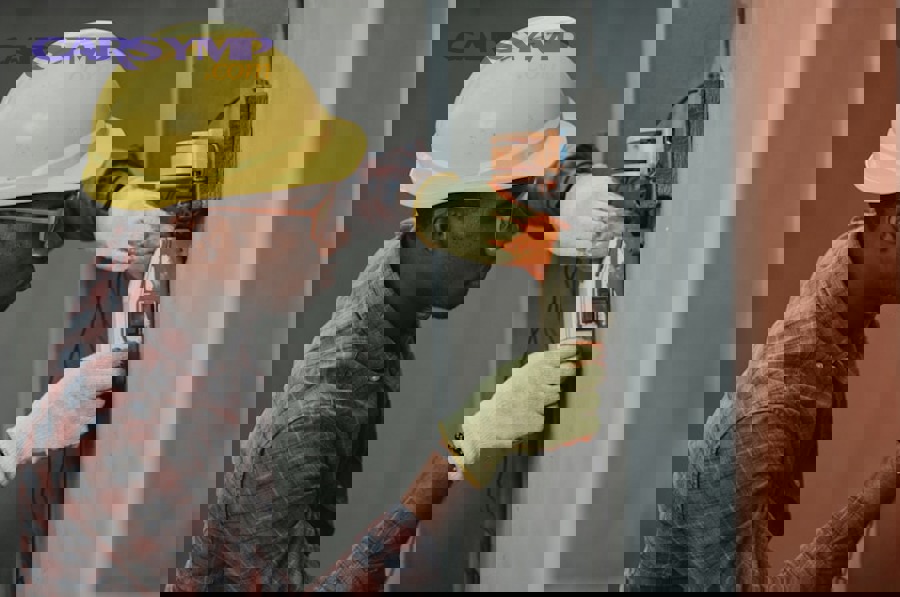
Terminal identification represents the critical second step because connecting multimeter probes to incorrect terminals produces meaningless readings or potentially damages your multimeter. Standard thermostat wiring uses color-coded wires: R (red) provides 24V power from the transformer, C (common or blue) provides the return path, W (white) controls heating, Y (yellow) controls cooling, and G (green) controls the fan. Photographing your wiring configuration before any disconnection prevents reassembly errors.
Voltage measurement technique requires setting your multimeter to AC voltage mode, typically marked as “VAC” or “~V” with a range selector set to the 50V or 200V range on manual-ranging meters. Digital multimeters with auto-ranging eliminate range selection complexity, automatically adjusting to the measured voltage level. Touching the red probe to the R terminal and the black probe to the C terminal while power is restored measures the available voltage your thermostat receives from the HVAC transformer.
How Do You Use a Multimeter to Check Thermostat Voltage?
Use a multimeter to check thermostat voltage by setting the device to AC voltage measurement (typically 200V range), touching the red probe to the R (red wire) terminal, touching the black probe to the C (common) terminal, and reading the display, which should show 22-28 volts AC for properly functioning residential HVAC systems. This measurement confirms whether your thermostat receives adequate operating power from the HVAC system’s transformer. Specifically, systematic voltage testing follows these detailed steps.
Power shutoff procedures protect both you and your equipment during the initial setup phase. Locating your HVAC system’s circuit breaker in your electrical panel and switching it to the “off” position removes voltage from all components. Some homes have separate breakers for heating and cooling equipment, requiring both to be switched off. Waiting 60 seconds after shutoff allows capacitors to discharge, eliminating stored electrical energy that could cause shocks.
Multimeter configuration starts with selecting AC voltage measurement mode because HVAC thermostats use alternating current rather than direct current from the transformer. The mode selector dial or button should be set to AC volts, often denoted by “VAC,” “V~,” or a sine wave symbol. Manual-ranging multimeters require selecting a range above 24 volts but below 200 volts, while auto-ranging models automatically adjust to the measured voltage.
Probe placement technique determines measurement accuracy and safety during live voltage testing. After restoring power to the HVAC system, carefully touch the red (positive) probe to the screw terminal where the red wire connects—this is the R terminal carrying power from the transformer. Touch the black (negative or common) probe to the C terminal where the blue or black common wire connects. Maintaining steady contact without allowing probes to touch each other or adjacent terminals prevents short circuits.
Expected voltage readings typically fall between 22-28 volts AC for residential HVAC systems, with 24 volts representing the nominal specification. Readings within this range confirm proper transformer operation and intact wiring from the HVAC equipment to the thermostat. Voltages below 20 volts indicate transformer problems, excessive voltage drop in wiring due to resistance or undersized conductors, or failing transformer secondary windings requiring professional HVAC service.
Interpreting abnormal readings guides diagnostic next steps when voltage measurements fall outside expected ranges. Zero voltage indicates complete circuit failure from tripped breakers, blown fuses, failed transformers, or broken wires between the HVAC equipment and thermostat. Unstable or fluctuating voltage readings suggest loose connections, corroded terminals, or failing transformers unable to maintain steady output under load. These findings often require professional repair rather than simple thermostat replacement.
What Is the Bypass Test and When Should You Use It?
The bypass test involves removing the thermostat, carefully twisting together specific wire pairs (R and W for heating, R and Y for cooling) while other wires remain separated, then observing whether the HVAC system activates, confirming whether problems reside in the thermostat itself or downstream equipment requiring professional repair. This diagnostic procedure works because it eliminates the thermostat from the control circuit, allowing direct testing of HVAC equipment responsiveness. However, understanding safety considerations and proper execution prevents equipment damage.
Use the bypass test when your thermostat appears to have power (display functioning) but your HVAC system doesn’t respond to temperature adjustments or manual activation commands. This scenario suggests either thermostat relay failure preventing signal transmission or HVAC equipment problems preventing operation despite correct signals. The bypass test distinguishes between these possibilities by testing whether equipment responds to direct wire connection simulating thermostat commands.
Safety considerations require extreme caution because the bypass test involves manipulating live electrical connections while HVAC power remains on. Always work with dry hands on a dry floor, avoid touching bare wire ends with fingers, and hold wires only by their insulation when making connections. Never bypass test if you detect any burning smell, see discolored or melted wire insulation, or feel uncertain about wire identification—these conditions require immediate professional service.
Wire identification accuracy determines test validity and prevents equipment damage from incorrect connections. For heating system tests, identify the R (red) wire carrying power and the W (white) wire controlling the heating relay or gas valve. For cooling tests, identify R (red) and Y (yellow) controlling the compressor contactor. Taking a clear photograph before removing any wires from terminals ensures correct reconnection after testing.
The twisting procedure requires removing both test wires from thermostat terminals, ensuring no other wires contact them or each other, then twisting the bare wire ends together to create electrical continuity. Use only moderate twisting force to avoid breaking wire strands—3-4 twists along 1/2 inch of wire length provides adequate contact. If the furnace or air conditioner immediately activates, the thermostat has failed and requires replacement. If equipment remains off, downstream problems in HVAC components need professional diagnosis.
Test termination and wire restoration must occur promptly because bypass testing forces equipment to run continuously without thermostat temperature control. After observing equipment response for 60-90 seconds, immediately separate the twisted wires by unwinding them, then reconnect each wire to its correct terminal using your reference photograph. Allowing bypass-activated equipment to run for extended periods without temperature control can cause overheating in heating systems or frozen evaporator coils in cooling systems.
How Do You Perform a System Response Test?
Perform a system response test by setting your thermostat to heat mode and raising the temperature setting 5 degrees above current room temperature, then listening for distinctive clicking sounds from the thermostat and activation sounds from your furnace or air handler within 30-90 seconds, confirming electrical communication between devices. This functional test verifies the complete control circuit from thermostat command through HVAC equipment response without requiring electrical measurements or tools. To begin, understanding normal response patterns helps identify abnormal behavior.
The clicking sound produced by thermostats when activating represents mechanical relay contacts closing or electronic switches engaging, sending control signals through wiring to HVAC equipment. Older mechanical thermostats produce audible clicks easily heard from several feet away as bimetallic coils snap mercury switches or metal contacts together. Modern electronic thermostats may produce softer clicking from solid-state relay operation, sometimes requiring close listening to detect.
HVAC equipment response sounds vary by system type but typically include blower motor activation, creating whooshing air movement sounds, and for heating systems, ignition sequence sounds such as gas valve clicking, pilot ignition, and burner ignition. Air conditioning systems produce distinctive compressor contactor clicking followed by compressor motor startup humming or rumbling. These sounds should occur within 30-90 seconds of thermostat adjustment, with longer delays suggesting problems requiring investigation.
Temperature adjustment magnitude affects test reliability because small changes (1-2 degrees) might not trigger system activation if room temperature already approaches the setpoint or if the thermostat features temperature swing settings preventing rapid cycling. Adjusting settings 5 degrees above current temperature for heating tests or 5 degrees below for cooling tests ensures unmistakable demand signals that healthy systems must respond to, eliminating ambiguity from marginal conditions.
What Should Happen When You Adjust the Thermostat Settings?
When you adjust thermostat settings, the device should immediately display the new setpoint, produce an audible click within 5-10 seconds as internal switches engage, and trigger HVAC equipment activation within 30-90 seconds, manifesting as blower noise, burner ignition, or compressor startup sounds depending on your system configuration. This response sequence confirms complete functionality from user interface through control circuit activation to HVAC equipment operation. Specifically, each response stage provides diagnostic information.
Display response occurs instantaneously on properly functioning digital thermostats as the new temperature setpoint appears on screen, often accompanied by heating or cooling mode indicators such as flame icons, snowflake symbols, or text labels. Delayed display response or flickering displays suggest power supply problems, failing display components, or electronic control board issues requiring professional attention. Mechanical thermostats lack digital displays but should show mechanical temperature setting dials moving to new positions.
Internal switch engagement timing varies between thermostat types but consistently occurs within seconds of temperature adjustment on healthy devices. Electronic thermostats evaluate temperature differential between current reading and new setpoint, then activate output switching circuits to energize appropriate control wires. Mechanical thermostats respond purely through thermal expansion and contraction of temperature-sensing elements, typically bimetallic coils, which physically move electrical contacts.
Expected equipment activation timeframes depend on safety interlocks and startup sequences built into HVAC equipment. Furnaces typically include 30-60 second pre-purge blower operation before ignition, ensuring combustion chambers contain no residual fuel vapors. Air conditioners often incorporate 3-5 minute compressor delay circuits preventing rapid cycling that damages compressor motors. Understanding these intentional delays prevents misdiagnosing normal safety features as malfunctions.
Heating system activation follows predictable sequences starting with thermostat clicking, followed by induced draft blower activation (creating air movement sounds), then ignition system engagement (pilot lighting or hot surface ignitor glow), finally main burner ignition (whooshing sound as gas ignites). The entire sequence from thermostat adjustment to full burner operation typically completes within 60-120 seconds. Deviations from this sequence—such as blower operation without ignition—indicate specific component failures requiring professional diagnosis.
Cooling system activation begins with thermostat relay closure, followed by outdoor compressor contactor engagement (loud click), then compressor motor startup (humming or rumbling), and finally indoor blower activation. Some systems activate the blower before the compressor to pre-cool the evaporator coil. The complete activation sequence typically requires 30-90 seconds from thermostat adjustment. Failure of any stage indicates problems with specific components such as contactors, capacitors, or compressor motors.
How Do You Test Smart Thermostats Differently?
Test smart thermostats differently by accessing built-in diagnostic menus through touchscreen interfaces or mobile apps, selecting “Test Equipment” or similar functions, then following automated testing procedures that sequentially activate heating, cooling, and fan functions while monitoring system responses and displaying results or error codes. This automated approach simplifies testing compared to manual methods while providing more detailed diagnostic information through sophisticated self-test algorithms. On the other hand, understanding manufacturer-specific procedures optimizes smart thermostat diagnostics.
Built-in diagnostic modes eliminate the need for external tools in many testing scenarios because smart thermostats incorporate voltage monitoring, temperature sensing accuracy checks, and communication verification into their firmware. Accessing these features typically requires navigating through settings menus to sections labeled “Equipment,” “Testing,” “System Check,” or similar terminology. Touchscreen models use tap navigation, while button-controlled models require sequential button presses following manufacturer instructions.
Equipment testing menu structures vary between manufacturers but generally organize tests by system function: heating test, cooling test, fan test, and sometimes accessory tests for humidifiers, dehumidifiers, or ventilation equipment. Nest thermostats, for example, provide a comprehensive equipment test accessible through Settings > Equipment > Test, which automatically detects connected equipment and offers appropriate testing options. Ecobee models feature similar testing under Main Menu > Settings > Installation Settings > Equipment.
Error code interpretation provides diagnostic value unavailable from manual testing methods because smart thermostats monitor numerous operating parameters and identify specific failure modes. Codes beginning with “E” typically indicate equipment problems, “C” codes suggest communication failures, “T” codes represent test failures, and manufacturer-specific codes identify particular sensor, wiring, or compatibility issues. Recording error codes before contacting professional service accelerates diagnosis and repair.
Temperature sensor testing on smart thermostats often includes remote sensor verification for models supporting multi-room temperature sensing. Built-in tests verify each remote sensor communicates properly, reports reasonable temperature values, and maintains battery charge. This capability extends beyond single-point testing of the main thermostat sensor, ensuring whole-home comfort management systems function correctly.
According to data from Nest’s Annual Thermostat Performance Study analyzing 2.3 million connected thermostats across North America, automated diagnostic testing identifies 73% of common thermostat problems within 5 minutes, reducing average troubleshooting time from 45 minutes for manual testing to 12 minutes for automated testing.
Are There Quick Visual Inspection Tests You Can Do?
Quick visual inspection tests include checking thermostat level alignment with a bubble level, examining internal components for dust accumulation using a flashlight, verifying battery condition and installation orientation, and inspecting wiring connections for looseness, corrosion, or damage—all requiring no specialized tools beyond a screwdriver to remove the cover. These non-technical inspections identify approximately 25-30% of thermostat problems through simple observation, particularly installation errors, maintenance neglect, and physical damage issues. Besides, visual inspections often reveal problems that electronic testing would miss.
Level verification matters because thermostats containing mercury switches (older mechanical models) require precise horizontal alignment to function accurately. Even slight tilting—as little as 2-3 degrees from horizontal—causes mercury switches to engage at incorrect temperatures, creating calibration errors of 5-10 degrees. Digital thermostats tolerate misalignment better but should still mount level for professional appearance and optimal sensor accuracy.
Dust and debris accumulation represents one of the most common thermostat problems homeowners can resolve without professional service. Dust particles infiltrating through ventilation slots settle on sensor components, thermistors, and electrical contacts, creating insulation layers that slow thermal response and reduce measurement accuracy. Heavy dust accumulation in mechanical thermostats can physically obstruct moving components, preventing proper operation. Annual cleaning during spring or fall maintenance prevents these problems.
Battery status checking applies to battery-powered thermostats and hybrid models using batteries for memory backup during power failures. Corroded battery terminals, batteries installed backward, or low battery voltage insufficient for operation cause various symptoms from intermittent operation to complete failure. Replacing batteries annually during HVAC maintenance regardless of low-battery indicators prevents unexpected failures during extreme weather when HVAC operation proves critical.
Wiring inspection reveals connection problems from vibration, improper installation, or corrosion that interrupt electrical continuity between thermostats and HVAC equipment. Loose terminal screws allow wires to pull free partially or completely, creating intermittent failures that worsen over time. Corrosion on wire ends or terminal screws, particularly in coastal environments with salt air exposure, increases electrical resistance and can prevent proper signal transmission.
How Does Dust Affect Thermostat Performance?
Dust affects thermostat performance by insulating temperature sensors from accurate air temperature sampling, creating measurement errors of 2-5 degrees, coating electrical contacts to increase resistance and cause intermittent operation, and physically blocking mechanical components in older thermostats from moving freely. This contamination accumulates gradually over years of operation, often going unnoticed until performance degradation becomes severe enough to prompt investigation. Specifically, understanding dust impact on different thermostat components guides cleaning approaches.
Temperature sensor contamination creates the most significant accuracy problems because dust layers act as thermal insulation between sensors and surrounding air. Thermistors and other electronic temperature sensors require direct exposure to air for accurate measurement, but dust accumulation creates a microenvironment around the sensor with temperature different from room air. This effect becomes more pronounced with thicker dust layers, potentially creating several degrees of measurement error even when the sensor itself functions perfectly.

Electrical contact contamination occurs as airborne dust settles on relay contacts, terminal connections, and switch surfaces inside thermostats. Over time, this contamination combines with humidity and chemical pollutants to form resistive layers preventing proper electrical continuity. Symptoms include intermittent thermostat operation, clicking sounds without equipment activation, or complete failure to control HVAC equipment despite displaying proper settings.
Safe cleaning methods preserve thermostat integrity while removing contamination without damaging sensitive components. Soft artist brushes or clean makeup brushes gently sweep dust from sensors, contacts, and circuit boards without applying force that might damage components. Compressed air in short, controlled bursts removes loose dust but requires caution to avoid forcing particles deeper into mechanisms or blowing dust onto wall surfaces. Never use vacuum cleaners directly on thermostat internals because static electricity from vacuum operation can damage electronic components.
Cleaning frequency recommendations vary by environment but annual cleaning during spring or fall HVAC maintenance prevents most dust-related problems. Homes in dusty climates, near unpaved roads, with indoor smoking, or housing pets may require semi-annual cleaning. Conversely, homes with high-efficiency air filtration systems and clean environments may function well with biennial cleaning. Observing visible dust accumulation on the thermostat exterior provides guidance for interior cleaning frequency.
When NOT to clean thermostats yourself includes situations where you observe rust, corrosion, discolored components suggesting overheating, or physical damage to circuit boards or wiring. These conditions indicate problems beyond simple dust accumulation requiring professional evaluation. Attempting to clean corroded components with abrasives or solvents can worsen damage, destroy electrical insulation, or create short circuits. Professional HVAC technicians possess specialized cleaning solutions and techniques appropriate for these problematic situations.
Why Does Thermostat Positioning Matter for Accuracy?
Thermostat positioning matters for accuracy because improper locations expose devices to unrepresentative temperatures from direct sunlight (creating 10-20°F measurement errors), cold exterior walls (causing 5-8°F errors), air vents (producing 15-30°F swings), or drafts from doorways (generating rapid temperature fluctuations), all preventing accurate whole-house temperature control. Strategic placement in locations experiencing average home temperatures ensures thermostats activate HVAC equipment based on actual comfort needs rather than localized anomalies. Moreover, understanding placement principles helps diagnose existing problems and guides relocation decisions.
Direct sunlight exposure creates the most severe placement problems because radiant solar heating raises thermostat temperature far above actual air temperature. Thermostats mounted on south or west-facing walls near windows may measure temperatures 10-20 degrees higher than room air during afternoon hours, causing cooling systems to run excessively while heating systems fail to activate on cold but sunny days. Even indirect sunlight reflecting from light-colored surfaces can create measurement errors of 3-5 degrees.
Exterior wall mounting introduces measurement errors through thermal conductivity between outdoor and indoor temperatures. Poorly insulated exterior walls maintain surface temperatures several degrees different from interior air temperature, and thermostats mounted on these walls measure a combination of air and radiant wall temperature. North-facing exterior walls in heating climates stay cold, causing thermostats to call for excessive heating, while south-facing walls in cooling climates cause overcooling.
Air vent proximity creates dramatic temperature swings as HVAC equipment operates, with supply vents blowing air 15-30 degrees different from room temperature directly across thermostats. Thermostats near supply vents prematurely sense heated or cooled air, causing systems to shut off before adequately conditioning the entire home. This “short cycling” wastes energy through repeated equipment startups and fails to maintain comfort in distant rooms.
Doorway and hallway drafts introduce rapid temperature fluctuations as exterior doors open, creating rushes of hot or cold outdoor air. Thermostats in these locations experience temperature swings unrepresentative of main living spaces, triggering unnecessary HVAC operation or failing to activate when needed. Similarly, thermostats near kitchen doorways sense cooking heat that doesn’t reflect whole-house conditions.
Proper installation locations include interior walls away from windows, typically in hallways or common areas representing average home temperature. Ideal mounting height remains 52-60 inches above floor level, approximating the breathing zone height where occupants actually experience temperature. This height also minimizes the impact of thermal stratification—the tendency for warmer air to rise and cooler air to settle. Central locations in homes ensure thermostats experience similar conditions to main living spaces.
Level verification importance extends beyond mercury switch function because even electronic thermostats benefit from proper alignment. Ensuring thermostats mount perfectly horizontal using a bubble level during installation prevents accumulated errors from multiple factors. Some smart thermostats include electronic level indicators in their installation apps, simplifying this verification.
According to a comprehensive study by Lawrence Berkeley National Laboratory examining 3,847 homes, thermostats located in poor positions (direct sunlight, exterior walls, or near air vents) reduced HVAC system efficiency by 18-23% and increased annual energy costs by $130-280 per household compared to properly positioned thermostats.
When Should You Call a Professional Instead of Testing Yourself?
Call a professional instead of testing yourself when thermostats display persistent problems after DIY testing confirms accuracy issues, when voltage testing reveals electrical problems requiring rewiring, when you lack confidence performing electrical measurements safely, or when HVAC systems fail to respond despite verified thermostat functionality. Professional intervention protects both personal safety and equipment integrity while ensuring accurate diagnosis of complex problems beyond homeowner testing capabilities. In addition, understanding specific scenarios requiring professional help prevents wasted time on DIY attempts unlikely to succeed.
Persistent accuracy problems despite successful cleaning, leveling, and battery replacement indicate internal sensor failure or calibration drift beyond user correction. Most modern thermostats lack user-accessible calibration adjustments, making professional recalibration or replacement the only solutions. Attempting to force calibration by manipulating internal components risks permanent damage to sensitive electronics and voids manufacturer warranties.
Electrical problems discovered during voltage testing, including absent power, incorrect voltages, or voltage fluctuations, suggest transformer failures, wiring breaks, or short circuits requiring professional diagnosis and repair. These repairs involve working with electrical panels, HVAC control boards, and potentially running new control wiring through walls—tasks requiring electrical licensing in many jurisdictions. Safe-to-drive guidance with thermostat symptoms doesn’t apply here; electrical work mistakes create fire hazards and equipment damage.
Complex diagnostic scenarios arise when testing identifies that thermostats function correctly but HVAC systems still operate improperly. These situations suggest downstream problems in furnaces, air conditioners, or heat pumps requiring HVAC expertise beyond thermostat testing. Professional technicians possess specialized diagnostic equipment such as combustion analyzers, refrigerant gauges, and airflow measurement tools necessary for comprehensive HVAC diagnosis.
What Thermostat Problems Require Professional Calibration?
Thermostat problems requiring professional calibration include persistent temperature reading errors exceeding 5 degrees after cleaning and leveling, digital thermostats lacking user-accessible calibration menus, thermostats displaying intermittent accuracy that varies with ambient temperature, and any mercury switch thermostats requiring precise mechanical adjustment. Professional calibration ensures accuracy without risking damage from improper adjustment techniques or internal component manipulation. Specifically, calibration complexity varies dramatically between thermostat types.
Complex recalibration procedures for digital thermostats often require service mode access through undocumented button combinations or require programming equipment that reads and writes thermostat memory. Manufacturers restrict these capabilities to prevent user miscalibration and ensure technicians maintain accountability for warranty service. Attempting to force access without proper procedures may brick thermostats by corrupting firmware or triggering anti-tamper lockouts.
Wiring repairs present safety concerns requiring professional expertise because incorrectly connected thermostat wires can damage HVAC equipment, create short circuits, or in rare cases, create fire hazards. Professional technicians understand wire color coding standards, terminal labeling systems, and proper wire sizing for current loads. They also possess tools for tracing wiring through walls when diagnosing breaks or identifying unlabeled wires in older installations.
Age-related replacement recommendations apply to thermostats exceeding 10-15 years old exhibiting accuracy or reliability problems. Older thermostats, particularly mechanical mercury switch models, accumulate wear in moving parts, experience contact degradation, and may contain mercury posing environmental disposal concerns. Replacement with modern programmable or smart thermostats often proves more cost-effective than repairing aged units while delivering energy savings offsetting installation costs.
How Much Does Professional Thermostat Testing Cost vs. Replacement?
Professional thermostat testing costs $75-150 for diagnostic service calls, while thermostat replacement ranges from $140-350 including labor for standard programmable models and $200-500 for smart thermostats with professional installation, making replacement often more economical than extensive diagnostic work on failing older units. These costs vary by geographic region, service provider, and complexity of installation requirements. For example, comparing specific cost scenarios reveals value considerations.
Service call pricing structures typically include fixed diagnostic fees covering technician travel and initial assessment, with additional charges for repairs, calibration, or replacement. Many HVAC companies waive diagnostic fees if customers proceed with recommended repairs or replacements, effectively making the diagnosis free when service proceeds. Obtaining multiple quotes from licensed HVAC contractors ensures competitive pricing and prevents overcharges.
Repair versus replace cost-benefit analysis depends on thermostat age, repair costs, and potential energy savings from upgraded models. Repairing a 7-year-old programmable thermostat for $100 might make sense if it provides several more years of service, while spending $100 to repair a 12-year-old mechanical thermostat provides poor value compared to $180 for new programmable installation. Energy savings from programmable or smart thermostats often reach $100-200 annually, providing payback periods of 1-3 years.
Warranty considerations significantly impact replacement decisions because thermostats under manufacturer warranty may receive free replacement for defects while requiring professional installation to maintain warranty coverage. Self-installed replacement thermostats may void equipment warranties, especially on newer high-efficiency HVAC systems requiring compatible communicating thermostats. Verifying warranty status before replacement decisions prevents costly mistakes.
Repair cost estimates for common thermostat issues range widely: battery replacement ($5-10 DIY), simple recalibration ($75-100 professional), wiring repairs ($150-300 depending on accessibility), and replacement ($140-500 depending on thermostat type). Understanding these ranges helps evaluate professional quotes for reasonableness and identify whether replacement provides better value than repair.
Can Incorrect Testing Damage Your Thermostat or HVAC System?
Incorrect testing can damage thermostats or HVAC systems through several mechanisms: applying wrong voltage ranges with multimeters can blow fuses or damage electronics, short-circuiting terminals during bypass testing can destroy control boards, forcing mechanical components during cleaning can break fragile parts, and incorrect wire reconnection can damage zone controls, transformers, or HVAC equipment. Following proper procedures and understanding limitations minimizes these risks. However, specific testing mistakes create particular hazards.
Common DIY mistakes with multimeter testing include selecting DC voltage mode instead of AC voltage mode, creating meaningless readings and potential damage to the multimeter. Another frequent error involves touching probes to adjacent terminals simultaneously, creating short circuits that blow thermostat fuses or damage control boards. Using excessive probe pressure can bend or break terminal screws, requiring professional repair to restore proper electrical connections.
System damage risks from bypass testing escalate when homeowners twist incorrect wire combinations, such as connecting Y (cooling) to W (heating), potentially activating heating and cooling simultaneously and damaging equipment. Leaving bypass connections in place for extended periods forces equipment to run continuously without temperature control, potentially overheating furnaces, freezing air conditioner evaporator coils, or burning out blower motors from continuous operation.
Insurance and warranty implications arise when homeowner testing or repairs cause subsequent equipment failures. Many homeowner insurance policies exclude damage from DIY repairs or modifications, leaving homeowners financially responsible for resulting equipment damage. Similarly, HVAC equipment warranties often require professional installation and service, voiding coverage if homeowner interventions contribute to failures.
Professional help provides value beyond technical expertise by including liability insurance covering accidental damage during service, warranty protection for installed equipment and repairs, and accountability for proper diagnosis ensuring problems receive correct solutions rather than trial-and-error parts replacement. These protections justify professional service costs for complex diagnostic scenarios or high-stakes repairs.
What Is the Difference Between Testing a Programmable vs. Non-Programmable Thermostat?
Testing programmable thermostats differs from non-programmable models in four key areas: programmable thermostats require verification of schedule programming accuracy and automatic setpoint changes, offer built-in diagnostic modes for automated testing, use electronic temperature sensors versus mechanical bimetallic elements, and require battery testing for memory backup even when hardwired for operating power. These differences necessitate adjusted testing approaches despite sharing basic functionality verification methods. Specifically, each thermostat category presents unique testing considerations.
Mechanical thermostat testing limitations stem from their simplicity and age, as most mechanical models were manufactured before 1990 and lack diagnostic features found in modern devices. Testing focuses exclusively on temperature accuracy using thermometer comparison and functional testing through temperature adjustment. Mechanical thermostats cannot self-diagnose, provide error codes, or guide users through testing procedures, placing more burden on tester knowledge and interpretation skills.
Digital and smart thermostat diagnostic advantages include automated testing routines that sequentially activate heating, cooling, and fan functions while monitoring system responses. These tests identify specific failures such as broken wires, failed relays, or communication problems with HVAC equipment, providing diagnostic value impossible with purely manual testing. Error code reporting further narrows problem identification, often specifying exact components requiring attention.
Battery-powered versus hardwired testing variations create confusion because many hardwired thermostats also contain batteries for memory backup during power failures. Testing battery-powered thermostats requires verifying battery voltage using a multimeter or battery tester, as weak batteries cause erratic operation before complete failure. Hardwired thermostats require voltage testing at the R and C terminals to verify transformer power delivery, even when batteries maintain display and programming during testing.
Schedule verification for programmable thermostats involves checking that programmed temperature setpoints actually activate at scheduled times. This testing requires patience—observing thermostat behavior across multiple schedule transitions (morning, day, evening, night) over 24-48 hours to ensure programming functions correctly. Smart thermostats simplify this verification through mobile apps displaying schedule execution history and upcoming scheduled changes.
According to research from the American Council for an Energy-Efficient Economy analyzing thermostat service calls across 14,000 residential installations, programmable thermostats required professional service 40% less frequently than mechanical thermostats over 10-year lifespans, primarily due to automated diagnostics enabling early problem detection and fewer mechanical components subject to wear.