


Thermostat OBD codes, particularly P0128 and P0125, indicate your engine is not reaching proper operating temperature due to thermostat malfunction, low coolant levels, or faulty temperature sensors. These diagnostic trouble codes trigger when your vehicle’s powertrain control module detects the engine coolant temperature remains below the manufacturer’s specified range within a predetermined timeframe after startup. Understanding these codes helps car owners identify whether they’re dealing with a stuck-open thermostat, defective engine coolant temperature sensor, or cooling system issues that affect fuel efficiency and emissions performance.
Recognizing thermostat stuck symptoms early prevents costly engine damage and maintains optimal vehicle performance. When your thermostat fails to regulate coolant flow properly, you’ll experience extended warm-up periods, reduced heater output, and unusual Temperature gauge fluctuations diagnosis reveals underlying cooling system problems. The check engine light illuminates as the primary warning, but subtle changes in cabin heating and fuel consumption provide additional clues that demand immediate attention from vehicle owners.
Diagnosing thermostat-related codes requires systematic testing of multiple components including the thermostat assembly, engine coolant temperature sensors, and associated wiring harnesses. Professional mechanics and DIY enthusiasts use OBD-II scan tools to retrieve stored diagnostic trouble codes, monitor live data streams showing coolant temperature readings, and compare actual values against manufacturer specifications. This diagnostic approach identifies whether the root cause stems from mechanical thermostat failure, electrical sensor problems, or coolant system deficiencies that compromise temperature regulation.
Repair costs for thermostat issues vary significantly based on the specific component failure and vehicle make and model. Next, this comprehensive guide walks you through every aspect of thermostat OBD codes, from initial symptom recognition through complete repair procedures, empowering you with the knowledge to make informed decisions about your vehicle’s cooling system maintenance and providing Safe-to-drive guidance with thermostat symptoms.
What is OBD Code P0128?
OBD Code P0128 is a diagnostic trouble code meaning “Coolant Temperature Below Thermostat Regulating Temperature,” triggered when the powertrain control module detects the engine fails to reach proper operating temperature within the specified timeframe after starting. This code indicates your engine runs cooler than the manufacturer’s programmed temperature threshold, typically below 160-170°F within fifteen minutes of engine startup.
To better understand P0128, you need to examine how your vehicle’s engine management system monitors temperature regulation. The powertrain control module continuously compares readings from the engine coolant temperature sensor against the intake air temperature sensor during the warm-up cycle. When the engine starts cold, both sensors register similar temperatures since the coolant and ambient air share comparable thermal properties. As combustion generates heat, the PCM expects the coolant temperature to rise progressively until reaching the thermostat’s opening temperature, allowing full coolant circulation through the radiator.
What Does P0128 Mean in Simple Terms?
P0128 means your engine is taking too long to warm up or isn’t getting hot enough during operation because the thermostat is stuck open, allowing excessive coolant flow that prevents the engine from reaching its ideal operating temperature of approximately 195-220°F depending on your vehicle.
The thermostat functions as a temperature-controlled valve positioned between the engine block and radiator. When your engine is cold, the thermostat remains closed, forcing coolant to circulate only within the engine block and cylinder head. This restricted circulation pattern allows the engine to reach operating temperature quickly, improving fuel vaporization, reducing emissions, and enabling the computer to enter “closed-loop” fuel control mode where oxygen sensors actively manage the air-fuel mixture. Once coolant temperature reaches the thermostat’s rated opening temperature (typically 180-195°F), the thermostat’s wax pellet expands, gradually opening the valve to allow coolant flow through the radiator for heat dissipation.
When a thermostat becomes stuck in the partially or fully open position, coolant flows continuously through the radiator even during cold starts. The radiator’s large surface area and airflow from vehicle movement cause excessive heat loss, preventing the engine from warming up properly. Modern engines with efficient combustion chambers and reduced friction generate less waste heat than older designs, making them particularly sensitive to stuck-open thermostat conditions that P0128 detects.
How Does the OBD-II System Detect P0128?
The OBD-II system detects P0128 by comparing actual engine coolant temperature sensor readings against predicted temperature values calculated from engine runtime, intake air temperature, vehicle speed, and engine load parameters stored in the powertrain control module’s programming.
Specifically, the diagnostic routine monitors several critical data points during the warm-up cycle. The engine coolant temperature sensor, typically a negative temperature coefficient thermistor, provides resistance values that decrease as temperature increases. The PCM converts this resistance into a temperature reading, comparing it against the intake air temperature sensor reading taken at engine startup. The system calculates expected temperature rise based on how long the engine has been running, whether the vehicle is moving (which affects radiator airflow), and the engine load (which influences heat generation rates).
If the coolant temperature fails to increase at the expected rate, or if it rises initially but then drops during highway driving (indicating excessive radiator cooling), the PCM increments a fault counter. The code typically requires two consecutive drive cycles meeting the fault conditions before setting P0128 and illuminating the malfunction indicator lamp. This two-trip detection logic prevents false codes from unusual circumstances like extended idling in extremely cold weather or multiple short trips that never allow full warm-up completion.
What Are the Common Symptoms of Thermostat OBD Codes?
The common symptoms of thermostat OBD codes include check engine light illumination, prolonged engine warm-up periods exceeding 15 minutes, insufficient cabin heater output, temperature gauge readings below normal operating range, and decreased fuel economy of 10-15% during cold weather operation. These symptoms manifest because the engine operates outside its optimal temperature range, affecting combustion efficiency and emissions control systems.
Moreover, drivers notice Heater performance changes from thermostat issues most prominently during cold weather when a properly functioning heating system should deliver warm air within 5-10 minutes of startup. Temperature gauge fluctuations diagnosis reveals patterns where the gauge needle rises slowly during acceleration but drops toward the cold mark during highway cruising, indicating excessive coolant flow through the radiator removing heat faster than the engine generates it.
Is the Check Engine Light the Only Sign of P0128?
No, the check engine light is not the only sign of P0128; additional indicators include inadequate cabin heating, extended warm-up times, lower-than-normal temperature gauge readings, and reduced fuel efficiency that occurs because the engine management system cannot enter closed-loop fuel control mode when coolant temperature remains below the required threshold.
The malfunction indicator lamp serves as the most obvious warning that the OBD-II system has detected a fault condition. When P0128 sets, the amber check engine light illuminates steadily on your instrument cluster, distinguishing it from more serious conditions like misfires that cause the light to flash. However, the underlying temperature regulation problem creates several noticeable performance changes that observant drivers detect before retrieving the diagnostic code.
Cabin heater performance provides one of the earliest indicators of thermostat problems. Your vehicle’s heating system circulates hot engine coolant through a small radiator called the heater core, transferring thermal energy to air blown into the passenger compartment. When the thermostat stays open, coolant temperature never reaches the 180-200°F range necessary for effective heating. Instead of delivering warm air within 5-10 minutes as designed, the heater produces lukewarm or cool air even after 20-30 minutes of driving. This symptom becomes especially apparent during winter months when ambient temperatures demand maximum heater output.
Temperature gauge behavior offers another diagnostic clue. On vehicles equipped with traditional temperature gauges (rather than simple warning lights), you’ll observe the needle climbing very slowly from the cold position and settling well below the normal middle range where it typically operates. During highway driving, increased airflow through the radiator may cause the gauge to drop further, sometimes returning nearly to the cold position. This pattern directly reflects insufficient coolant temperature caused by the stuck-open thermostat allowing continuous heat dissipation through the radiator.
Can You Drive with Code P0128?
Yes, you can drive with Code P0128 in the short term without immediate engine damage risk, but prolonged driving with this condition reduces fuel economy by 10-15%, increases hydrocarbon emissions, prevents proper oil temperature stabilization, and may cause moisture accumulation in engine oil that leads to accelerated wear over time.
Understanding safe-to-drive guidance with thermostat symptoms requires balancing immediate safety against long-term engine health. Unlike overheating conditions that can cause catastrophic head gasket failure or engine seizure within minutes, an engine running too cool creates gradual degradation rather than sudden failure. The primary immediate concern involves reduced visibility if the heater fails to defrost windows in cold weather, creating a genuine safety hazard that demands immediate attention.
From a mechanical standpoint, operating below normal temperature keeps the engine in open-loop fuel mode where the powertrain control module ignores oxygen sensor feedback and commands a richer air-fuel mixture. This enrichment strategy ensures smooth operation during warm-up but wastes fuel and produces elevated hydrocarbon emissions when extended beyond the designed warm-up period. The excess fuel can wash lubricating oil from cylinder walls, accelerating wear on piston rings and cylinder bores. Additionally, cooler combustion temperatures produce more condensation that can mix with engine oil, creating acidic compounds and sludge that compromise lubrication effectiveness.
Most automotive experts recommend addressing P0128 within a few days to two weeks rather than continuing to drive for months with the code present. If you must continue driving before repairs, monitor the temperature gauge closely, avoid extended highway trips that maximize cooling, and consider installing a piece of cardboard in front of the radiator during winter to reduce airflow (though remove it if the gauge shows any upward movement toward overheating). Schedule repair at your earliest convenience to prevent the progressive engine damage associated with prolonged cold operation.
What Causes Thermostat-Related OBD Codes?
Thermostat-related OBD codes are caused by five primary factors: stuck-open thermostat valves (65-70% of cases), low coolant levels (15-20%), faulty engine coolant temperature sensors (10-12%), defective intake air temperature sensors (3-5%), and cooling fans stuck in the constantly running position (2-3%). These percentages reflect field data from automotive repair facilities diagnosing P0128 and related temperature codes.
In addition, understanding the root causes helps prioritize diagnostic efforts and avoid unnecessary parts replacement. The thermostat itself represents the highest probability failure point because it contains moving parts and temperature-sensitive materials that degrade over time. However, checking simpler items like coolant level first saves time and money by identifying easy fixes before investing in more complex diagnostics.
Is a Stuck Thermostat the Most Common Cause?
Yes, a stuck thermostat is the most common cause of P0128, accounting for approximately 65-70% of cases because the thermostat’s wax pellet element degrades over time from thermal cycling, corrosion from contaminated coolant attacks the valve mechanism, and debris in the cooling system prevents complete valve closure. Most thermostats fail in the open or partially-open position rather than stuck closed because the spring mechanism that holds them closed can weaken or break.
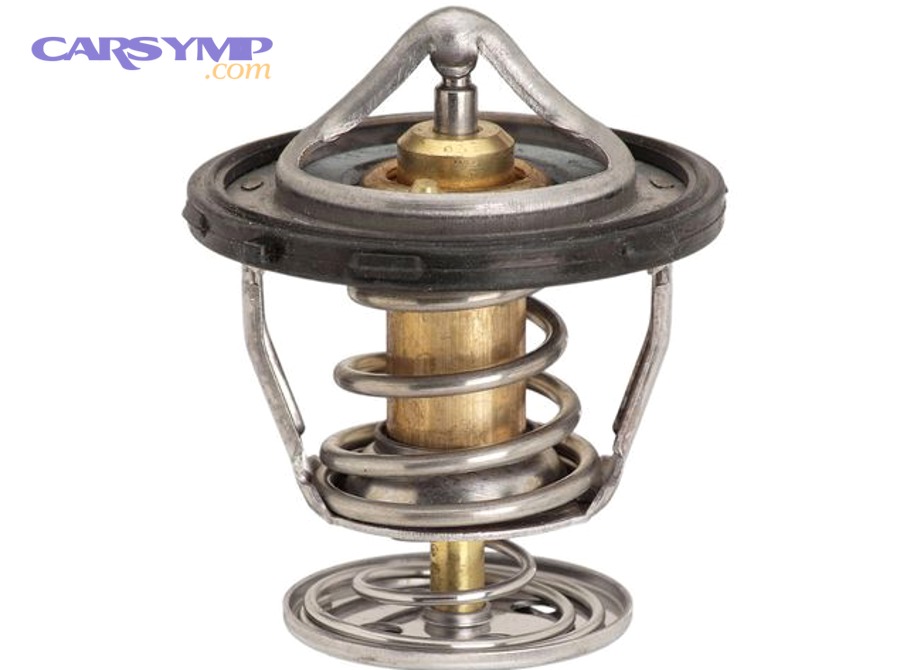
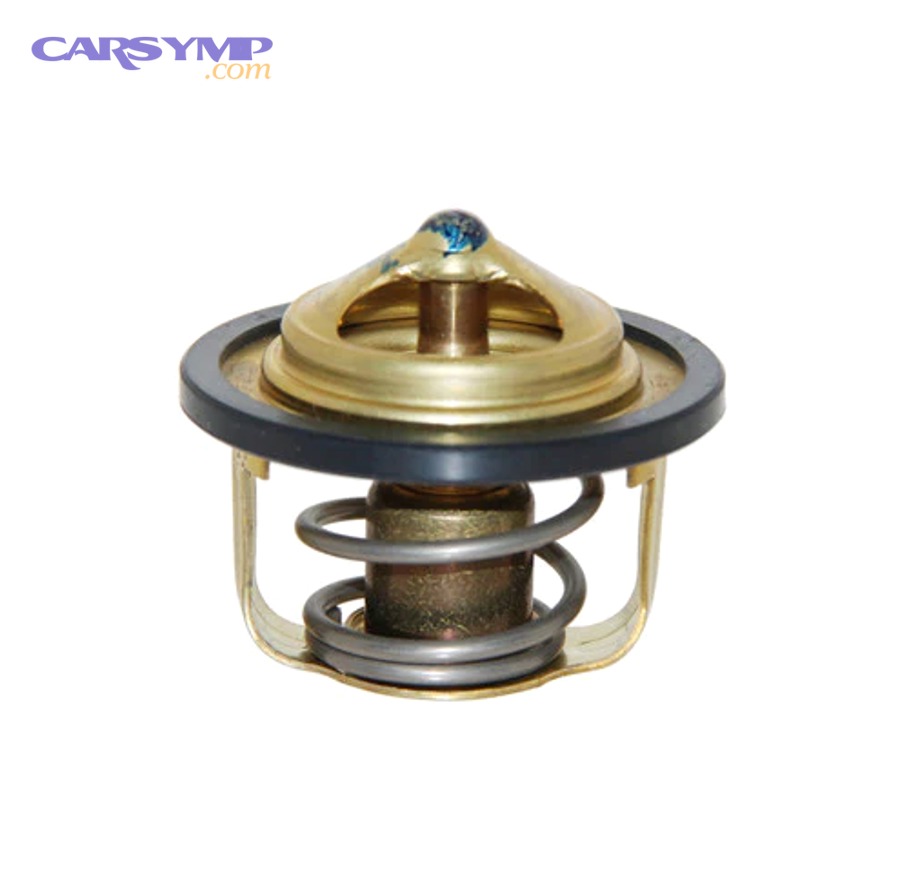
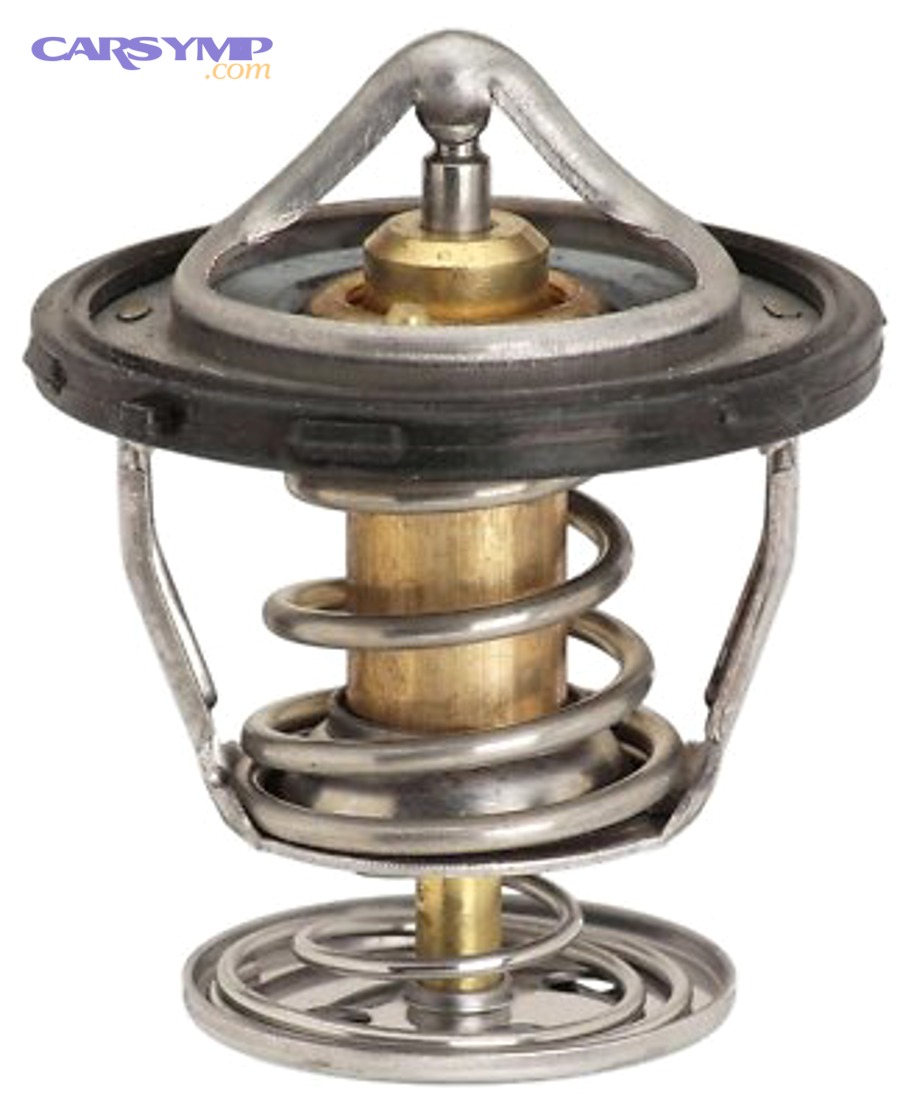
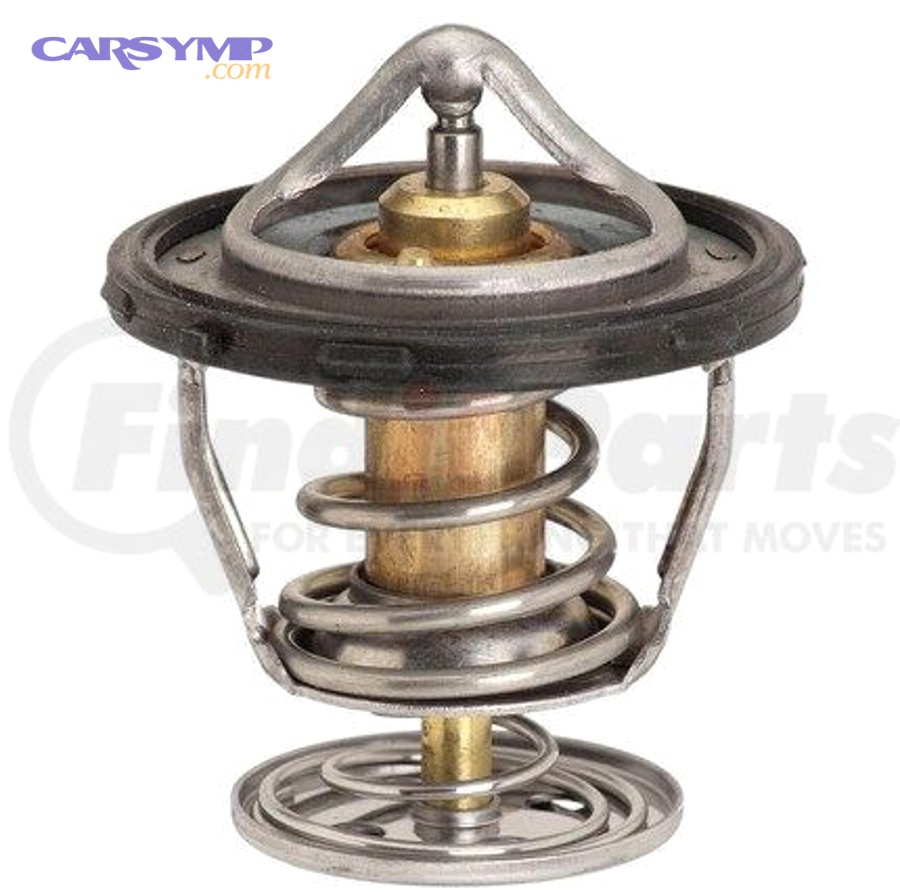
The thermostat’s internal construction explains its vulnerability to failure. Inside the thermostat housing sits a brass or stainless steel valve connected to a copper cup filled with wax mixed with copper powder. As coolant temperature rises, the wax expands with considerable force (approximately 40,000 psi), pushing a piston that opens the valve against spring pressure. When temperature drops, the wax contracts, allowing the spring to close the valve. This elegant mechanical design operates reliably for 50,000-100,000 miles under ideal conditions, but several failure modes compromise its function.
Wax pellet degradation occurs gradually as repeated thermal cycling breaks down the wax compound’s molecular structure. Each heating and cooling cycle subjects the wax to expansion and contraction stresses. Over years of operation, the wax may separate from the copper powder, develop voids, or leak from the copper cup through microscopic cracks. When this happens, the pellet loses its ability to generate sufficient force to fully close the valve against spring pressure, leaving it stuck partially or fully open.
Corrosion represents another major thermostat failure mechanism. If coolant becomes acidic from extended service intervals or contamination from combustion gases (head gasket leaks), it attacks the brass and copper components of the thermostat assembly. Corrosion products can cement the valve in position, prevent smooth piston movement, or create rough surfaces that increase friction and resistance to motion. Even small amounts of corrosion significantly impact the precise mechanical action required for proper thermostat operation.
External debris poses an additional threat to thermostat function. When cooling systems degrade, they shed rust particles from iron engine blocks, rubber fragments from deteriorating hoses, and scale deposits from hard water or incompatible coolant mixtures. These particles circulate through the system and can lodge in the thermostat valve seat, preventing complete closure even when the wax pellet functions correctly. This explains why new thermostats sometimes fail to resolve P0128 if the underlying coolant contamination remains unaddressed.
What Other Components Can Trigger P0128?
Other components that can trigger P0128 include low coolant levels causing insufficient heat capacity, faulty engine coolant temperature sensors providing incorrect readings to the PCM, damaged sensor wiring creating intermittent signals, cooling fans stuck running continuously, and defective intake air temperature sensors providing false baseline readings for the warm-up calculation algorithm.
Low coolant levels create P0128 through reduced thermal mass in the cooling system. Coolant serves as the heat transfer medium, absorbing thermal energy from combustion and transporting it to the radiator for dissipation. When coolant level drops due to leaks, evaporation, or improper filling, less fluid circulates through the system. This reduced volume heats up and cools down more rapidly than a full system, creating erratic temperature readings that may trigger the code even with a properly functioning thermostat. Air pockets in partially filled systems act as insulators, preventing effective heat transfer to the engine coolant temperature sensor and causing misleadingly low temperature readings.
Engine coolant temperature sensor failures produce P0128 by reporting incorrect temperature data to the powertrain control module. These sensors use thermistor elements whose electrical resistance changes predictably with temperature. However, internal corrosion, moisture contamination, or physical damage can alter the resistance curve, causing the sensor to report temperatures 10-30°F lower than actual coolant temperature. The PCM, receiving these false low-temperature signals, concludes the engine isn’t warming up properly and sets the code even though the thermostat functions correctly and actual coolant temperature reaches normal range.
Wiring harness problems affecting the ECT sensor circuit create intermittent P0128 codes that confuse diagnosis. Corroded connector pins, chafed wires contacting ground, or broken wires within the insulation jacket produce sporadic signal dropouts or voltage spikes that the PCM interprets as temperature anomalies. These electrical faults often worsen with engine vibration or temperature changes, causing symptoms that appear and disappear unpredictably, frustrating diagnosis attempts.
Cooling fans stuck in the “on” position force air through the radiator continuously, even during cold starts and low-speed operation when natural airflow should be minimal. This excessive airflow removes heat from coolant faster than the engine generates it, particularly in efficient modern engines with reduced heat rejection. The fan relay may weld shut, the fan control module can fail in the “run” mode, or a short circuit in the fan wiring might energize the fan motor constantly. Any of these conditions creates symptoms identical to a stuck-open thermostat, though the actual thermostat functions correctly.
How Do You Diagnose Thermostat OBD Codes?
You diagnose thermostat OBD codes through a systematic five-step process: retrieve stored diagnostic codes using an OBD-II scanner, monitor live engine coolant temperature data during warm-up, physically test thermostat opening by checking radiator hose temperature, inspect coolant level and condition, and test the engine coolant temperature sensor resistance values against specifications. This methodical approach identifies the root cause without unnecessary parts replacement.
Furthermore, proper diagnosis saves money by confirming the actual failed component rather than replacing parts based on assumptions. Many technicians and DIY mechanics waste money replacing thermostats that function correctly when the actual problem involves sensor failures or wiring issues. Following a structured diagnostic routine eliminates guesswork and ensures you repair the correct component.
What Tools Do You Need to Diagnose P0128?
You need four essential tools to diagnose P0128: an OBD-II code reader or scan tool capable of displaying live data ($50-$300), an infrared thermometer for non-contact temperature measurement ($20-$50), a digital multimeter for testing sensor resistance ($25-$75), and a factory service manual or reliable online repair database providing specifications for your specific vehicle make and model.
The OBD-II scan tool serves as your primary diagnostic interface to the vehicle’s computer systems. Basic code readers retrieve and clear diagnostic trouble codes but provide limited functionality for diagnosing P0128. Professional-grade scan tools or quality consumer models like the BlueDriver or Autel scanners display live data streams showing real-time engine coolant temperature, intake air temperature, engine runtime, and other parameters necessary for thorough diagnosis. These tools connect to the OBD-II diagnostic port, typically located under the dashboard near the steering column, and communicate with the powertrain control module to extract stored information.
An infrared thermometer allows non-contact temperature measurement of cooling system components during operation. You can measure the temperature of the upper radiator hose, lower radiator hose, thermostat housing, and engine block surface to verify actual coolant temperatures and confirm whether the thermostat opens at the correct temperature. Point the infrared sensor at the target surface from the distance specified in the tool’s instructions (typically 6-12 inches), pull the trigger, and read the displayed temperature. Quality infrared thermometers provide accuracy within ±2°F and cost $20-$50 for automotive use.
A digital multimeter enables precise measurement of sensor resistance and voltage signals. When testing the engine coolant temperature sensor, you’ll measure resistance across the sensor terminals and compare values against the factory specifications at various temperatures. The meter should offer at least 0.1-ohm resolution for resistance measurements and 0.01-volt resolution for voltage testing. Most automotive multimeters include additional features like continuity testing for checking wiring harness integrity and diode testing for electronic component verification.
Factory service information provides the critical specifications and diagnostic procedures specific to your vehicle. While generic repair manuals offer general guidance, professional repair databases like ALLDATA, Mitchell1, or factory service subscriptions provide exact temperature specifications, sensor resistance values at specific temperatures, diagnostic flowcharts, and technical service bulletins addressing known issues. This information proves invaluable when interpreting test results and determining whether measured values fall within acceptable ranges.
How Do You Test a Thermostat for Failure?
You test a thermostat for failure by starting with a cold engine, running the vehicle while monitoring upper radiator hose temperature with an infrared thermometer, and confirming the hose remains cool until engine temperature reaches 180-195°F then suddenly becomes hot when the thermostat opens, whereas a stuck-open thermostat causes the hose to warm gradually from startup, indicating premature coolant flow.
This physical testing method provides direct confirmation of thermostat operation without requiring disassembly. Begin with the engine completely cold, ideally after sitting overnight. Locate the upper radiator hose, which connects the top of the radiator to the thermostat housing on the engine. This hose should feel room temperature to the touch initially. Start the engine and let it idle while monitoring both the hose temperature and the vehicle’s temperature gauge.
With a properly functioning thermostat, the upper radiator hose remains cool for approximately 5-15 minutes (depending on ambient temperature and engine design) because the closed thermostat blocks coolant flow to the radiator. The coolant circulates only through the engine block, cylinder head, and heater core during this warm-up phase. As combustion generates heat, engine temperature rises steadily. You’ll observe the temperature gauge needle climbing from the cold position toward the normal operating range.
When coolant temperature reaches the thermostat’s opening temperature (typically 180-195°F, though some modern engines use 200-220°F thermostats), you’ll detect a dramatic change in the upper radiator hose. Within 30-60 seconds, the hose transitions from cool/warm to hot as the thermostat opens and hot coolant rushes through it toward the radiator. This sudden temperature change confirms proper thermostat operation—the valve remained closed during warm-up and opened at the correct temperature.
Conversely, a stuck-open thermostat produces a completely different pattern. From the moment you start the engine, coolant begins flowing through the radiator. The upper radiator hose starts warming immediately, though gradually, as lukewarm coolant circulates through the system. Instead of a distinct cold period followed by sudden heating, the hose temperature rises slowly and steadily. The engine temperature gauge may never reach the normal operating range, or it takes 20-30 minutes to get there instead of the normal 10-15 minutes. During highway driving, you might observe the temperature gauge dropping as increased airflow through the radiator removes heat faster than the engine generates it.
For more definitive testing, you can remove the thermostat and test it in a pot of water on the stove. Suspend the thermostat in water using a wire or string so it doesn’t contact the pot bottom, which gets hotter than the water. Place a cooking thermometer in the water and gradually heat it. The thermostat should remain fully closed until water temperature reaches its rated opening temperature (stamped on the thermostat body), then begin opening. It should achieve full opening approximately 15-25°F above the initial opening temperature. If it opens at lower temperatures, opens partially at room temperature, or fails to open at all, replace it.
How Do You Check Coolant Temperature Sensors?
You check coolant temperature sensors by measuring their resistance with a multimeter at known temperatures and comparing measured values against manufacturer specifications, typically showing approximately 3,000-5,000 ohms at room temperature (68°F), decreasing to 200-300 ohms at full operating temperature (200°F) following a predictable resistance curve for negative temperature coefficient thermistors.
Testing the engine coolant temperature sensor requires accessing its electrical connector and terminal pins. The sensor typically mounts in the thermostat housing, cylinder head, or intake manifold where it contacts engine coolant. Start with the engine cold for baseline testing. Disconnect the electrical connector from the sensor by releasing its locking tab or squeezing the connector body. Inspect the connector and sensor terminals for corrosion, which appears as green or white deposits. Corrosion creates resistance that interferes with signal transmission and can trigger false trouble codes.
Set your digital multimeter to the resistance (ohms) measurement range. Connect the meter’s test leads to the two terminals on the sensor itself (not the wiring harness connector). Quality thermistors show very specific resistance values that correspond precisely to temperature. At 32°F (0°C), expect approximately 10,000-15,000 ohms. At 68°F (20°C), resistance drops to around 3,000-5,000 ohms. At 100°F (38°C), you’ll measure approximately 1,000-2,000 ohms. At 200°F (93°C) operating temperature, resistance falls to roughly 200-300 ohms.
Compare your measured resistance against the specifications in your service manual, which provides an exact resistance-to-temperature table for your specific sensor. If measured resistance deviates by more than 10-15% from specifications, the sensor has failed and requires replacement. Common failure modes include internal element fracture (producing infinite resistance or open circuit), moisture contamination (causing erratic readings), or calibration drift (showing incorrect resistance values across the temperature range).
For more advanced diagnosis, you can measure the sensor’s voltage signal while connected to the PCM. With the sensor connector attached, back-probe the signal wire using a straight pin inserted carefully alongside the wire in the connector body. Connect your multimeter between this pin and a good engine ground, set to DC voltage measurement. With the ignition on but engine off (key on, engine off or KOEO mode), you should see approximately 4.5-5.0 volts. As engine temperature increases, voltage should drop smoothly and predictably, reaching approximately 0.5-1.0 volts at full operating temperature. Voltage that remains constant, jumps erratically, or falls outside these ranges indicates sensor or wiring problems.
How Do You Fix P0128 and Related Thermostat Codes?
You fix P0128 and related thermostat codes by replacing the faulty thermostat (most common solution), repairing or replacing defective engine coolant temperature sensors, refilling coolant to proper levels, repairing wiring harness damage, or addressing cooling fan control issues based on diagnostic test results. The specific repair depends entirely on which component testing identified as the failure point.
Especially important is following the correct repair sequence to avoid repeated failures. Simply replacing the thermostat without investigating underlying coolant contamination or electrical faults often leads to premature failure of the new component. Professional technicians always verify coolant condition, flush contaminated systems, repair wiring damage, and confirm proper system operation after component replacement to ensure lasting repairs.
How Do You Replace a Faulty Thermostat?
You replace a faulty thermostat by draining coolant below the thermostat level, removing the thermostat housing bolts, extracting the old thermostat and gasket, installing a new thermostat with the temperature-sensing element facing toward the engine, reassembling with a new gasket, refilling coolant, bleeding air from the system, and verifying proper operation through a test drive monitoring temperature gauge behavior.
Safety precautions must come first when working with cooling systems. Never open a hot cooling system—the pressurized coolant can exceed 250°F and cause severe burns. Allow the engine to cool completely, preferably overnight. Locate the radiator drain valve, typically at the bottom corner of the radiator, and position a drain pan underneath. Open the valve and drain approximately 1-2 gallons of coolant, or enough to drop the level below the thermostat housing. Some vehicles require complete coolant drainage depending on thermostat location.
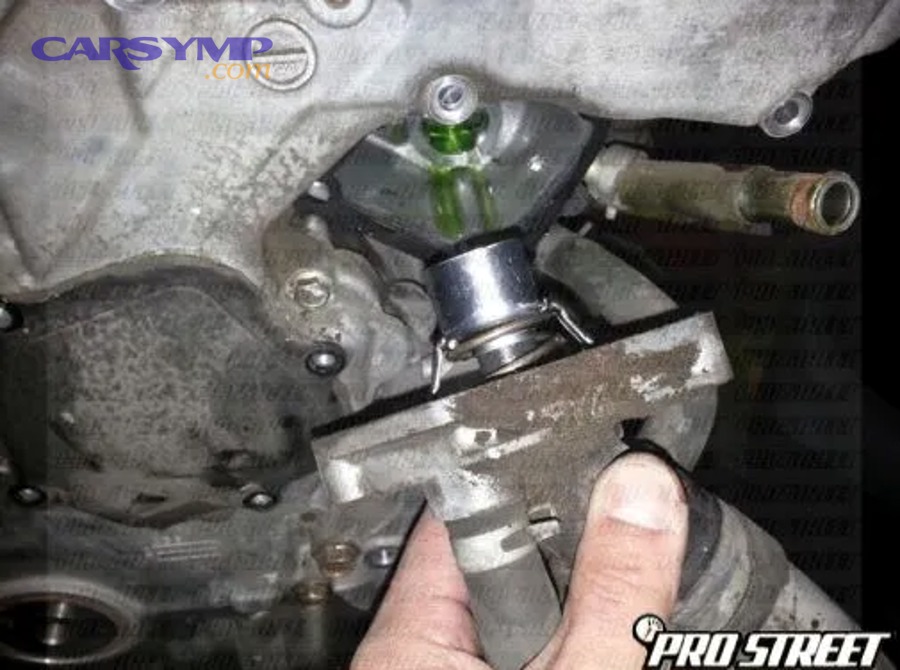
The thermostat housing mounts to the engine block or cylinder head, usually where the upper radiator hose connects. Remove the hose clamp securing the radiator hose to the housing using pliers or a screwdriver, then twist and pull the hose off the housing nipple. Expect residual coolant to drain from the hose. Remove the bolts securing the thermostat housing to the engine—typically 2-3 bolts requiring 10mm, 12mm, or 13mm sockets. Carefully pry the housing away from the engine, exposing the thermostat and its gasket or O-ring seal.
Extract the old thermostat, noting its orientation. The spring side of the thermostat typically faces toward the engine (into the coolant flow), while the temperature-sensing pellet side faces outward toward the housing. Some thermostats include a small bleeder valve or jiggle pin—a small hole with a loose pin that allows trapped air to escape. Orient this bleeder at the 12 o’clock position (top) during installation to ensure effective air bleeding.
Clean both the engine and housing mating surfaces thoroughly using a plastic scraper to remove all old gasket material. Avoid metal scrapers that can gouge soft aluminum surfaces. Even small scratches can create leak paths in cooling systems operating at 15-20 psi pressure. Wipe surfaces with a clean rag and inspect for corrosion or damage. Install the new thermostat in the correct orientation, place the new gasket (or O-ring) in its groove, and reinstall the housing. Torque the bolts to specification—typically 15-25 ft-lbs for aluminum components, though always verify your specific torque requirement. Reconnect the radiator hose and secure its clamp.
Refilling the cooling system requires care to prevent air pockets that cause overheating or trigger P0128 again. Many modern engines feature bleeding valves—small bleed screws positioned at high points in the cooling system. Open these valves before adding coolant. Pour a 50/50 mixture of coolant and distilled water (or pre-mixed coolant) into the radiator or coolant reservoir slowly, allowing time for air to escape. Close bleed valves when coolant flows from them without air bubbles. Fill the system to the proper level marked on the reservoir, install the radiator cap, start the engine, and run it at 2,000 RPM for several minutes with the heater on maximum to circulate coolant and purge remaining air. Monitor coolant level and add as needed until stabilized.
When Should You Replace the Coolant Temperature Sensor?
You should replace the coolant temperature sensor when resistance testing shows values deviating more than 10-15% from manufacturer specifications, when the sensor exhibits intermittent operation creating erratic temperature readings, when visible corrosion damages the sensor terminals, or when diagnostic testing eliminates the thermostat and wiring as fault causes but P0128 persists after thermostat replacement.
Sensor replacement procedures resemble thermostat replacement in basic approach but typically require less coolant drainage. Most engine coolant temperature sensors mount in locations where only 1-2 quarts of coolant drains during removal. Locate your sensor—common positions include the thermostat housing, intake manifold, or cylinder head. Some vehicles employ two sensors: one for the PCM (primary engine coolant temperature sensor) and one for the dashboard gauge (secondary sender). Ensure you’re replacing the correct sensor by verifying which sensor’s circuit the diagnostic code references.
Allow the engine to cool completely before beginning work. Disconnect the battery negative terminal to prevent electrical shorts or false codes. Drain enough coolant to drop the level below the sensor, typically 1-2 quarts. Disconnect the electrical connector from the sensor. Using the appropriate wrench or deep socket (commonly 19mm, 22mm, or 3/4-inch), unscrew the sensor from its threaded mounting hole. Apply anti-seize compound to the threads of the new sensor before installation, but keep it away from the sensing element at the tip. Thread the sensor in by hand initially to avoid cross-threading, then tighten to specification—typically 10-15 ft-lbs torque. Overtightening can crack the sensor housing or damage threads in aluminum engine components.
Refill coolant, bleed air from the system using the procedures described earlier, reconnect the battery, and use your scan tool to clear the diagnostic trouble code. Start the engine and monitor live temperature data on your scan tool. The sensor should show temperature rising smoothly from ambient temperature toward operating temperature without erratic jumps or dropouts. Allow the engine to reach full operating temperature and verify the reading matches what you measured with your infrared thermometer at the sensor location, confirming accurate calibration.
How Do You Top Up or Flush Engine Coolant?
You top up engine coolant by removing the coolant reservoir cap when the engine is cold, pouring a 50/50 mixture of proper coolant type and distilled water until reaching the “FULL” mark, replacing the cap, and running the engine to operating temperature while monitoring for leaks, whereas a complete flush requires draining the entire system, circulating flush solution, draining again, refilling with fresh 50/50 coolant mixture, and bleeding all air pockets from the system.
Topping up coolant addresses minor losses from evaporation or small leaks. First, verify the engine is completely cold—a hot cooling system under 15-20 psi pressure can spray boiling coolant when opened. Locate the coolant reservoir, typically a translucent plastic tank mounted near the radiator with “MIN” and “MAX” or “COLD” and “HOT” level markings. Check the current level against these marks. If coolant sits at or below the minimum mark, add coolant to restore proper level.
Use the correct coolant type for your vehicle. Modern engines require specific formulations: conventional green ethylene glycol, extended-life orange Dex-Cool, Asian blue or pink formulations, or European purple/pink coolants. Mixing incompatible types can create gel-like precipitates that clog passages and damage water pumps. Check your owner’s manual or coolant reservoir cap for the specified type. Mix concentrated coolant 50/50 with distilled water (not tap water containing minerals that cause scale buildup), or use pre-mixed coolant products for convenience.
Pour coolant slowly into the reservoir, pausing every few seconds to allow it to settle. Fill to the “FULL” or “MAX” cold level marking. Secure the cap, ensuring it clicks or threads properly to maintain system pressure. Start the engine and let it run until the thermostat opens and the cooling fan cycles on and off at least once. Monitor the temperature gauge—it should rise normally and stabilize in the center range. Check the reservoir level after the engine cools completely. Coolant level should remain at the full mark. If level drops significantly, investigate for leaks in hoses, gaskets, or the radiator.
A complete coolant flush becomes necessary every 30,000-100,000 miles depending on coolant type, or whenever coolant appears rusty, contains visible debris, or develops a muddy appearance. Drain the system completely by opening the radiator drain valve and removing the radiator cap to vent air. Some technicians also remove the lower radiator hose for more complete draining. Once empty, close drains and refill with plain water. Run the engine for 10 minutes to circulate water through the system, then drain again. For severely contaminated systems, use a commercial cooling system flush product according to manufacturer directions.
After flushing, refill with fresh 50/50 coolant mixture. Open all bleeder valves on the engine (locations vary by model). Pour coolant slowly, allowing time for air to escape through bleeders and the radiator opening. Close bleeders when pure coolant flows without air bubbles. Fill to proper level, install the radiator cap, start the engine, and run at 2,000 RPM with the heater on maximum for 5-10 minutes. Check for leaks, verify normal temperature gauge operation, allow the engine to cool, recheck coolant level, and add as needed to compensate for air pockets that escaped during bleeding.
What is the Difference Between P0128, P0125, and P0126?
The difference between P0128, P0125, and P0126 is that P0128 indicates coolant temperature below thermostat regulating temperature during normal operation, P0125 signals insufficient coolant temperature for closed-loop fuel control meaning the engine hasn’t warmed enough for the PCM to use oxygen sensor feedback, and P0126 represents insufficient coolant temperature for stable operation showing the engine runs too cold for proper catalyst efficiency and emissions control. All three codes relate to inadequate engine temperature but reflect different operational thresholds.
To better understand these distinctions, examine the specific conditions that trigger each code. P0128 monitors whether actual engine temperature reaches the manufacturer’s programmed threshold within the specified timeframe after cold start, typically requiring 160-170°F within 15 minutes. This code focuses on the rate of temperature rise and sustained temperature during operation. P0125 specifically addresses the closed-loop fuel control threshold, usually 150-160°F, below which the PCM ignores oxygen sensor feedback and operates in “open-loop” mode using fixed fuel maps. P0126 sets when temperature remains below the catalyst efficiency threshold, approximately 140-150°F, preventing the catalytic converter from reaching its light-off temperature for effective emissions reduction.
Here’s a comparison table showing the key differences:
| Code | Official Definition | Temperature Threshold | Primary Concern | Typical Cause Overlap |
|---|---|---|---|---|
| P0128 | Coolant Temperature Below Thermostat Regulating Temperature | 160-170°F within 15 minutes | Thermostat function and normal operating temperature | 70% same causes as other codes |
| P0125 | Insufficient Coolant Temperature for Closed Loop Fuel Control | 150-160°F | Fuel system efficiency and oxygen sensor operation | 80% same causes as P0128 |
| P0126 | Insufficient Coolant Temperature for Stable Operation | 140-150°F | Emissions control and catalyst efficiency | 85% same causes as P0128 |
What Does Code P0125 Mean?
Code P0125 means “Insufficient Coolant Temperature for Closed Loop Fuel Control,” indicating the engine hasn’t reached the minimum temperature (typically 150-160°F) required for the powertrain control module to transition from open-loop to closed-loop fuel control mode where oxygen sensors actively manage the air-fuel mixture for optimal efficiency and emissions.
This code addresses a specific engine management threshold distinct from general operating temperature. Modern fuel injection systems operate in two modes: open-loop and closed-loop. During open-loop operation immediately after cold start, the PCM ignores oxygen sensor readings and delivers fuel based on preprogrammed tables considering factors like engine temperature, intake air temperature, throttle position, and engine speed. This open-loop strategy provides adequate driveability during warm-up but runs slightly rich to ensure smooth operation with a cold engine.
Closed-loop operation begins when the engine reaches sufficient temperature for reliable oxygen sensor operation and stable combustion. At this threshold (usually 150-160°F), the PCM begins monitoring oxygen sensor voltage signals that indicate whether combustion produces excess oxygen (lean condition) or insufficient oxygen (rich condition). The computer adjusts fuel delivery continuously to maintain ideal stoichiometric ratio of 14.7:1 air to fuel, maximizing fuel economy and enabling the catalytic converter to operate at peak efficiency reducing harmful emissions.
P0125 sets when the engine fails to reach closed-loop entry temperature within the programmed timeframe, typically 5-10 minutes depending on ambient temperature and engine design. This extended warm-up period forces the engine to remain in open-loop mode, consuming 10-20% more fuel than necessary and producing elevated hydrocarbon and carbon monoxide emissions. The code often appears alongside P0128, since both reflect insufficient engine temperature, though P0125 specifically targets the fuel system impact rather than general temperature regulation.
What Does Code P0126 Mean?
Code P0126 means “Insufficient Coolant Temperature for Stable Operation,” signaling the engine temperature remains below the threshold (approximately 140-150°F) necessary for catalytic converter light-off, proper engine oil viscosity, complete fuel vaporization, and stable emissions control system operation, representing a more severe temperature deficiency than P0128 or P0125.
P0126 typically indicates a worse thermostat failure or cooling system problem than the conditions producing P0128 alone. This code sets when temperature remains so low that multiple systems cannot function properly. The catalytic converter requires minimum operating temperature around 400-600°F to achieve efficient conversion of hydrocarbons, carbon monoxide, and nitrogen oxides into harmless water vapor, carbon dioxide, and nitrogen. If engine coolant never exceeds 140-150°F, exhaust temperatures remain too low for catalyst light-off, causing the vehicle to fail emissions testing and produce harmful pollutants.
Engine oil viscosity changes dramatically with temperature. At temperatures below 140°F, oil remains thick and flows sluggishly, providing inadequate lubrication to critical components like camshaft lobes, piston rings, and crankshaft bearings. This increases friction, reduces power output, wastes fuel, and accelerates wear. Modern low-viscosity oils designed for fuel economy (like 0W-20 or 5W-30) partially mitigate this issue but cannot compensate fully for operation far below normal temperature.
Fuel vaporization also suffers at low temperatures. Gasoline must vaporize completely to mix properly with air and burn efficiently. Cold intake manifolds and combustion chambers cause fuel droplets to condense on metal surfaces rather than vaporizing completely. These liquid fuel droplets burn incompletely, wasting fuel, producing excessive emissions, and washing lubricating oil from cylinder walls. The problem worsens with modern direct-injection engines that spray fuel directly into the combustion chamber where temperatures must be high enough for immediate vaporization.
P0126 often appears when a thermostat fails completely stuck open, when coolant level is critically low (less than 50% full), or when a cooling fan relay welds shut causing the fan to run continuously at maximum speed. Diagnosis follows the same procedures as P0128, but the severity demands more urgent repair to prevent engine damage and excessive emissions.
How Much Does It Cost to Fix Thermostat OBD Codes?
It costs $150-$450 to fix thermostat OBD codes depending on whether you need simple thermostat replacement ($150-$250), coolant temperature sensor replacement ($100-$200), cooling system flush ($100-$150), or combination repairs addressing multiple failed components ($300-$450), with DIY repairs reducing costs by 50-70% if you possess basic mechanical skills and tools.
Moreover, repair costs vary significantly based on vehicle make, model, and engine configuration. Luxury European vehicles often require more expensive parts and longer labor times due to complex engine bay packaging that places the thermostat in difficult-to-access locations. Domestic and Asian vehicles typically feature more straightforward designs with thermostats accessible from the top or side of the engine, reducing labor time and cost.
What is the Average Cost to Replace a Thermostat?
The average cost to replace a thermostat ranges from $150-$250 total, consisting of $20-$80 for the thermostat assembly itself, $10-$20 for coolant and gasket, and $100-$200 for labor, with luxury vehicles approaching $300-$400 due to higher parts costs and increased labor complexity from restricted engine bay access.
Parts costs depend heavily on vehicle brand and thermostat quality. Aftermarket thermostats for common domestic vehicles like Ford F-150, Chevrolet Silverado, or Honda Accord typically cost $20-$40 at auto parts retailers. Original equipment manufacturer (OEM) thermostats from dealerships run $40-$80 for the same vehicles but provide guaranteed fit and performance matching factory specifications. Luxury European brands like BMW, Mercedes-Benz, and Audi charge $60-$150 for OEM thermostats, often because they integrate additional sensors or complex housing designs not found in mainstream vehicles.
Labor costs reflect the complexity of accessing and replacing the thermostat. On vehicles with straightforward designs, a skilled technician completes the job in 1-1.5 hours. At shop labor rates of $75-$150 per hour (higher in urban areas, lower in rural regions), expect $100-$200 labor charges. Vehicles requiring significant disassembly to access the thermostat push labor time to 2-3 hours. Examples include some Chrysler 3.6L V6 engines where the thermostat mounts low on the engine beneath the intake manifold, Ford 3.5L EcoBoost engines with restricted access behind the turbocharger, and various transverse V6 engines in front-wheel-drive vehicles where the thermostat hides behind other components.
Additional costs include coolant replacement and miscellaneous supplies. Draining and refilling the cooling system consumes 1-2 gallons of coolant at $15-$25 per gallon for quality extended-life formulations. New gaskets or O-rings typically cost $5-$15. Some shops charge separate fees for coolant disposal. A complete repair including thermostat, coolant, gasket, labor, and shop fees totals $150-$250 for straightforward repairs on common vehicles.
DIY thermostat replacement reduces costs dramatically since you eliminate labor charges and can purchase parts at competitive prices from discount retailers. The job requires basic hand tools (socket set, screwdrivers, pliers), a drain pan, and coolant. Budget $40-$100 for parts and supplies, representing 60-70% savings compared to professional repair. However, DIY mechanics must possess sufficient skill to properly bleed air from the cooling system and verify repair success, as mistakes can lead to engine overheating or repeat failures.
How Much Does ECT Sensor Replacement Cost?
ECT sensor replacement costs $100-$200 total, including $15-$50 for the sensor, $10-$20 for coolant replacement, and $75-$150 for labor, with most repairs completing in 0.5-1.5 hours depending on sensor accessibility and whether coolant must be drained from the system.
Engine coolant temperature sensors cost significantly less than thermostats because they’re simpler components without moving parts. Aftermarket sensors for popular vehicles range from $15-$30 at chain auto parts stores, while OEM sensors from dealerships run $30-$50 for the same applications. Premium and luxury vehicles may charge $50-$100 for OEM sensors, particularly those integrating multiple functions or using specialized connector designs.
Labor costs for sensor replacement vary based on sensor location. Many vehicles mount the primary ECT sensor in easily accessible locations on the thermostat housing, intake manifold, or cylinder head where technicians can reach it from above without extensive disassembly. These favorable locations allow completion in 0.5-1 hour, resulting in $50-$100 labor charges. Some vehicles position sensors in difficult locations requiring removal of engine covers, air intake components, or other obstructions, extending labor to 1.5-2 hours and pushing labor costs to $120-$200.
Coolant handling adds minor additional costs. Sensor replacement typically requires draining only 1-2 quarts of coolant rather than the complete system drainage necessary for thermostat replacement. This smaller quantity reduces coolant costs to $5-$15, though some shops perform complete coolant changes when replacing sensors if the existing coolant appears old or contaminated, adding $50-$100 to the total bill.
Combining sensor and thermostat replacement when both components fail saves money versus separate repairs. The labor operations overlap significantly—both require partial coolant drainage, both involve similar tool requirements, and both benefit from the same system bleeding procedures. A shop might charge 2 hours labor to replace both components together rather than 1.5 hours for each separately, saving approximately $75-$100 in labor costs if both repairs become necessary.
What Are Vehicle-Specific Considerations for Thermostat Codes?
Vehicle-specific considerations for thermostat codes include manufacturer-unique Technical Service Bulletins addressing known design flaws, brand-specific ECM reprogramming requirements, variations in thermostat opening temperatures from 180°F to 220°F depending on emissions strategies, and model-specific diagnostic procedures that differ from generic OBD-II troubleshooting approaches. These variations mean Honda, Ford, Toyota, Chevrolet, and Nissan vehicles often require different diagnostic and repair strategies despite displaying identical diagnostic codes.
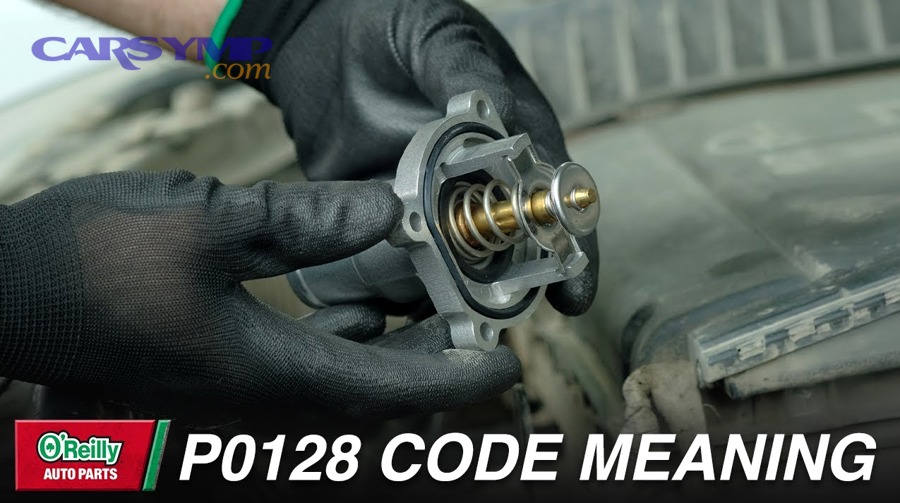
Especially important for technicians and DIY mechanics is checking for Technical Service Bulletins before replacing components. TSBs document known issues and manufacturer-approved repair procedures that may include software updates, revised parts, or special installation procedures. Accessing TSBs through dealership service departments or professional repair databases like ALLDATA prevents unnecessary parts replacement when software reprogramming alone resolves the code.
Are There Honda-Specific Issues with P0128?
Yes, there are Honda-specific issues with P0128, particularly affecting 2005-2007 Accord and Civic models where Technical Service Bulletin #01-164 addresses incorrect ECM temperature threshold programming causing false P0128 codes that require dealer-level ECM reprogramming rather than thermostat replacement, affecting thousands of vehicles that would otherwise receive unnecessary repairs.
Honda’s issue stemmed from overly aggressive temperature monitoring algorithms in the engine control module software. The ECM programming expected engine temperature to rise faster than realistic conditions allowed, particularly during cold weather operation or short-trip driving patterns. Vehicles operating perfectly normally with functional thermostats triggered P0128 because they didn’t meet the unrealistic temperature rise profile programmed into the computer.
Honda addressed this through TSB #01-164, which provides updated ECM software with revised temperature threshold logic. The reprogramming procedure requires a Honda Diagnostic System (HDS) scanner available at dealerships and some independent repair shops with Honda specialty tools. The software update takes approximately 30 minutes and costs $75-$150 at dealerships, dramatically less expensive than unnecessary thermostat replacement.
This Honda case illustrates why checking manufacturer TSBs before parts replacement proves critical. Thousands of Honda owners wasted money on thermostat replacements that failed to resolve P0128 because the actual problem existed in computer programming, not mechanical components. Always search for TSBs specific to your year, make, and model before authorizing repairs, particularly for persistent codes that return after component replacement.
Honda CR-V models from 2007-2011 also show elevated P0128 frequency, often due to thermostats that fail prematurely around 80,000-100,000 miles. These vehicles benefit from using Honda OEM thermostats rather than aftermarket units, as the OEM parts feature precise temperature calibration matching the ECM’s expectations while some aftermarket thermostats open at slightly different temperatures triggering code recurrence.
What Are Common Ford Thermostat Code Problems?
Common Ford thermostat code problems include F-150 and Explorer models using Motorcraft thermostats that frequently fail stuck-open around 100,000 miles, Focus and Escape vehicles with plastic thermostat housing cracks causing external coolant leaks alongside P0128, and EcoBoost turbocharged engines where restricted thermostat access increases labor costs to $300-$400 for replacement despite $30-$50 parts costs.
Ford’s Motorcraft thermostats, while OEM quality, demonstrate shorter service life than competitors in specific applications. The Ford 4.6L and 5.4L V8 engines powering millions of F-150 trucks and Expedition SUVs commonly experience thermostat failures between 80,000-120,000 miles. These failures typically present as stuck-open conditions producing classic P0128 symptoms: check engine light, poor heater output, extended warm-up times, and reduced fuel economy. Replacement with quality aftermarket thermostats from Stant, Gates, or Motorcraft OEM units resolves the problem reliably.
Ford’s 4-cylinder and V6 engines in Focus, Escape, Fusion, and Edge models use integrated thermostat housing assemblies that combine the thermostat, housing, and temperature sensor in a single component. These plastic housings deteriorate over time from thermal cycling and coolant exposure, developing cracks that leak coolant externally. When the housing cracks, you’ll observe coolant stains or drips on the engine, coolant smell in the engine bay, and dropping coolant levels alongside P0128. Repair requires replacing the entire housing assembly at $80-$150 for parts plus labor.
Ford’s EcoBoost turbocharged engines present access challenges that increase repair costs. The 3.5L EcoBoost V6 and 2.7L EcoBoost V6 position the thermostat housing low on the engine block, partially obscured by the turbocharger and exhaust manifolds. Technicians must work from underneath the vehicle, remove heat shields, and carefully navigate around hot exhaust components to access the thermostat. This difficult access extends labor time from 1 hour to 2.5-3 hours, pushing total repair costs to $300-$400 despite relatively inexpensive parts.
Ford issued several Technical Service Bulletins addressing P0128 concerns. TSB 11-5-10 covers 2011-2012 F-150 trucks with 3.5L EcoBoost engines experiencing false P0128 codes during cold weather, resolved through PCM reprogramming. TSB 14-0076 addresses 2012-2014 Focus models with false codes corrected by ECM software updates. Checking for applicable TSBs saves unnecessary component replacement when software updates resolve the issue.
Do Nissan Vehicles Require ECM Reprogramming for P0128?
Yes, Nissan vehicles frequently require ECM reprogramming for P0128, particularly 2007-2012 Altima, Sentra, and Rogue models where Technical Service Bulletins NTB09-129 and NTB11-068 document ECM software updates that revise temperature monitoring logic preventing false code sets, making software updates the primary repair recommendation before thermostat replacement for these specific model years.
Nissan’s ECM programming issues paralleled Honda’s experience with overly sensitive temperature monitoring. The engine control modules in affected Nissan vehicles expected unrealistically rapid temperature rise, particularly during short trips or cold weather operation. Vehicles with perfectly functional cooling systems triggered P0128 because real-world temperature rise didn’t match the ECM’s programmed expectations.
Nissan’s Technical Service Bulletin NTB09-129 addresses 2007-2010 Altima models with 2.5L and 3.5L engines experiencing nuisance P0128 codes. The bulletin provides revised ECM software with relaxed temperature rise requirements that account for real-world operating conditions. NTB11-068 extends similar programming updates to 2011-2012 Sentra and Versa models with the 2.0L engine. These software updates require Nissan’s proprietary diagnostic equipment available at dealerships and Nissan-specialist independent shops.
The reprogramming procedure costs $100-$200 at Nissan dealerships, significantly less than thermostat replacement labor plus parts. However, some Nissan vehicles do experience genuine thermostat failures separate from the ECM programming issue. Best practice involves having a Nissan dealer or specialist shop check for applicable TSBs first, perform any recommended software updates, then reassess whether P0128 persists. If the code returns after reprogramming, proceed with thermostat replacement as the confirmed failed component.
Nissan Rogue models from 2008-2013 also show elevated thermostat failure rates independent of ECM programming issues. These vehicles benefit from using genuine Nissan thermostats rather than economy aftermarket units, as precise temperature calibration matching ECM expectations prevents code recurrence even on reprogrammed systems.
What About Toyota and Chevrolet Thermostat Code Variations?
Toyota vehicles demonstrate exceptional thermostat reliability with P0128 appearing infrequently except on high-mileage Camry and Corolla models exceeding 150,000 miles where genuine Toyota thermostats prevent recurrence, while Chevrolet trucks and SUVs with small-block V8 engines experience moderate thermostat failure rates around 100,000-120,000 miles remedied by AC Delco OEM replacement parts matched to the vehicle’s emissions control system requirements.
Toyota’s cooling system designs emphasize durability and longevity, resulting in lower thermostat failure rates compared to domestic brands. When P0128 does appear on Toyota vehicles, it typically occurs at higher mileages exceeding 150,000 miles and often reflects genuine component wear rather than design flaws or premature failures. Toyota Camry models with 4-cylinder and V6 engines, Corolla sedans, RAV4 compact SUVs, and Highlander mid-size SUVs all use straightforward thermostat designs with excellent accessibility and reasonable replacement costs.
Toyota RAV4 models from 2006-2012 with 2.4L engines demonstrate slightly elevated P0128 frequency compared to other Toyota products, though still below industry averages. These vehicles occasionally exhibit ECT sensor failures creating false low-temperature readings that trigger P0128 despite properly functioning thermostats. Diagnosis should include sensor resistance testing before thermostat replacement. Toyota generally doesn’t issue extensive TSBs for P0128, reflecting the relative rarity of the issue across their product line.
Chevrolet vehicles with small-block V8 engines in Silverado, Suburban, Tahoe, and Avalanche models experience predictable thermostat wear around 100,000-120,000 miles. The Chevrolet/GM 4.8L, 5.3L, and 6.0L V8s use robust thermostats, but the components eventually fail stuck-open from thermal cycling and coolant exposure. Replacement costs run $150-$250 at independent shops using AC Delco OEM parts, which provide precise temperature calibration matching ECM programming.
Chevrolet Equinox and GMC Terrain compact SUVs with 3.6L V6 engines position the thermostat in challenging locations requiring substantial disassembly for access, increasing labor costs to $300-$400 for replacement. These vehicles also occasionally exhibit ECT sensor failures, making comprehensive diagnosis important before authorizing expensive thermostat labor. Chevrolet issues occasional TSBs addressing cooling system concerns, so checking for applicable bulletins before repair prevents unnecessary component replacement when software updates or revised procedures resolve the concern.
How Do Environmental Factors Affect Thermostat Codes?
Environmental factors affect thermostat codes significantly, with cold weather below 32°F increasing P0128 frequency by 40-50% during winter months, short-trip driving patterns preventing engines from reaching operating temperature, and extended highway driving in freezing conditions allowing excessive airflow through the radiator that overcools engines even with functioning thermostats. These environmental influences can trigger codes on properly operating vehicles or exacerbate existing marginal thermostat failures.
In addition, understanding environmental impacts helps distinguish between actual component failures requiring repair and operational conditions that temporarily trigger codes. A vehicle repeatedly setting P0128 only during extreme cold snaps may have a marginally failing thermostat that functions adequately in moderate weather but cannot maintain temperature in harsh conditions. Conversely, codes appearing exclusively during severe winter weather might reflect environmental stress rather than component failure, resolving naturally when temperatures moderate.
Can Cold Weather Trigger P0128?
Yes, cold weather can trigger P0128 even with a properly functioning thermostat because ambient temperatures below 20°F reduce heat generation from combustion while increasing heat loss through the radiator, particularly during short trips under 15 minutes that never allow complete warm-up, and extended highway driving where increased airflow at 55-70 mph removes heat faster than the engine generates it.
Cold weather creates multiple challenges for engine temperature regulation. When ambient temperature drops below freezing, the intake air entering the engine carries far less thermal energy, requiring additional fuel for combustion and reducing the heat generated per combustion cycle. Simultaneously, the radiator’s heat rejection efficiency increases dramatically in cold air, removing heat from coolant far more effectively than in warm weather. These opposing forces—reduced heat generation and increased heat dissipation—make it harder for engines to reach and maintain operating temperature.
Short-trip driving patterns compound cold weather effects. Consider a typical winter commute: you start with an engine at 20°F ambient temperature, drive 10 minutes to work, park for 8 hours allowing the engine to cool completely, then drive 10 minutes home. Neither trip provides sufficient time for the engine to reach full operating temperature before shutdown. The engine operates continuously in open-loop mode, consuming excess fuel and potentially triggering P0128 even though the thermostat functions correctly.
Some manufacturers account for extreme cold weather in their ECM programming by relaxing temperature rise requirements when the intake air temperature sensor indicates very cold conditions. However, not all vehicles include this adaptive strategy. Some ECMs maintain the same temperature rise expectations regardless of ambient conditions, causing false P0128 codes during unusually cold weather that disappear when temperatures moderate.
Block heaters provide one solution for chronic cold-weather P0128 codes. These devices, which plug into standard 120V outlets and warm the engine block overnight, preheat the coolant to 80-120°F before starting. This head start dramatically reduces the time required to reach operating temperature, often preventing P0128 in extremely cold conditions even with marginally weak thermostats. Block heaters cost $40-$100 installed and prove especially valuable in northern climates where temperatures regularly drop below 0°F.
Radiator covers or grille blocks offer another cold-weather strategy, though use caution to prevent overheating. Some owners install removable covers over portions of the radiator grille, reducing airflow through the radiator and helping maintain engine temperature during winter highway driving. These must be removed if the temperature gauge shows any upward movement toward overheating, and they’re inappropriate for stop-and-go traffic where reduced airflow can cause rapid temperature spikes. Consider radiator covers a temporary measure for extreme conditions rather than a permanent solution for failing thermostats.
Does Driving Style Impact Thermostat Code Triggering?
Yes, driving style impacts thermostat code triggering because extended highway cruising at constant throttle produces less combustion heat than city driving with frequent acceleration and deceleration, idle-heavy driving provides minimal heat generation while the cooling fan may run continuously, and aggressive acceleration patterns generate maximum heat helping marginal thermostats maintain temperature, creating scenarios where codes appear or disappear based purely on driving patterns.
Highway driving creates unique challenges for temperature maintenance, particularly in cold weather. When cruising at steady 60-70 mph, engine load remains relatively low because minimal throttle opening maintains constant speed after reaching cruising velocity. Low engine load means less fuel combustion and reduced heat generation. Simultaneously, highway speeds force maximum airflow through the radiator—air equivalent to 60-70 mph wind speed flows through the radiator core, removing heat extremely efficiently. This combination of low heat generation and maximum heat dissipation stresses the thermostat’s ability to maintain temperature, revealing marginal failures that don’t appear during city driving.
Conversely, city driving with frequent acceleration involves high engine loads that generate substantial combustion heat. Each acceleration from a stoplight commands wide-open or partial throttle, injecting significant fuel quantities and producing corresponding heat. Brief cruising intervals don’t allow much heat dissipation before the next acceleration event. The engine temperature tends to rise and stabilize easily in city driving, potentially masking thermostat problems that become apparent during highway operation.
Excessive idling presents its own temperature regulation challenges. At idle, engine speed drops to 600-800 RPM, reducing coolant pump speed and circulation rates. Heat generation occurs at minimum levels from light-load combustion. If the electric cooling fan cycles on (controlled by a separate temperature switch or ECM command), it forces air through the radiator despite the lack of vehicle movement, removing heat effectively. Extended idle periods with the cooling fan running can actually cause engine temperature to drop, triggering P0128 on vehicles with marginally performing thermostats.
Commercial drivers, delivery vehicles, and service trucks that idle extensively often experience P0128 more frequently than private passenger vehicles covering similar mileages. The idle-heavy duty cycle reveals thermostat weaknesses that normal commuting patterns might not expose. These vehicles may require more frequent thermostat replacement—every 60,000-80,000 miles rather than the 100,000+ mile intervals typical for highway-driven vehicles.
What Is the Relationship Between Thermostat Codes and Emissions?
The relationship between thermostat codes and emissions is significant because engines operating below normal temperature produce 20-40% higher hydrocarbon emissions and 10-20% elevated carbon monoxide emissions while remaining in open-loop fuel mode, catalytic converters require minimum 400°F operating temperature to achieve 90%+ conversion efficiency but receive inadequate heat from cool exhaust, and vehicles with active P0128 codes typically fail state emissions testing in regions requiring OBD-II readiness monitor verification. This relationship makes thermostat codes environmental concerns beyond simple driveability issues.
Furthermore, emissions regulations increasingly emphasize OBD-II system integrity as a proxy for overall emissions compliance. Modern emissions testing in many states no longer involves tailpipe measurements but instead connects to the OBD-II port and verifies that all emissions-related monitors have run and passed, with no active fault codes present. Any stored thermostat code causes automatic emissions test failure regardless of actual tailpipe emissions levels, preventing vehicle registration until repairs restore proper OBD-II system operation.
Will P0128 Cause Emissions Test Failure?
Yes, P0128 will cause emissions test failure in states using OBD-II monitoring systems (35 states as of 2024) because active diagnostic trouble codes automatically fail the test regardless of actual tailpipe emissions, though states still using tailpipe analysis may pass vehicles with P0128 if hydrocarbon and carbon monoxide levels fall within limits despite the code’s presence indicating compromised emissions control.
States employing OBD-II emissions testing protocols connect directly to your vehicle’s diagnostic port and retrieve stored trouble codes and monitor status. The test automatically fails if any emission-related diagnostic trouble code appears in stored or pending status, including P0128, P0125, or P0126. The testing station cannot override this failure—the vehicle owner must repair the fault, clear the code, and allow sufficient driving for the OBD-II monitors to complete their self-tests (typically 50-100 miles of mixed driving) before retesting.
This OBD-II testing approach reflects emissions regulators’ understanding that diagnostic codes indicate component failures likely causing elevated emissions even if instantaneous tailpipe measurements fall within limits. A vehicle with P0128 operates with compromised fuel control and catalyst efficiency, potentially passing tailpipe tests at the moment of inspection but producing excess emissions during real-world operation, especially during cold starts and short trips that dominate urban driving patterns.
States still using tailpipe analysis measure actual exhaust emissions using analyzers that sample gases from the tailpipe and quantify hydrocarbons (HC), carbon monoxide (CO), nitrogen oxides (NOx), and carbon dioxide (CO2). Vehicles with P0128 typically show elevated HC and CO readings compared to properly warmed engines, often exceeding the allowed limits by 20-50%. However, if tested during warm weather after a long highway drive allowing the engine to reach operating temperature despite thermostat issues, the vehicle might produce emissions barely within limits and technically pass the test.
Passing an emissions test with P0128 present doesn’t mean the problem is insignificant. The code indicates real environmental impact during the majority of vehicle operation when the engine never fully warms. Responsible vehicle ownership involves repairing emissions-related faults even when testing loopholes allow registration, protecting air quality for your community.
According to the Environmental Protection Agency’s Mobile Source Emissions Standards documentation from 2023, vehicles operating with stuck-open thermostats produce approximately 25-35% higher hydrocarbon emissions during the first 10 minutes of operation compared to properly functioning vehicles, contributing significantly to urban air quality problems during morning and evening commute periods when cold starts concentrate.
How Does Closed-Loop Fuel Control Relate to Thermostat Codes?
Closed-loop fuel control relates to thermostat codes because the powertrain control module cannot enable closed-loop operation until engine coolant temperature exceeds approximately 150-160°F, forcing the engine to remain in open-loop mode with fixed fuel enrichment when P0128 prevents proper warm-up, wasting fuel through 10-20% higher consumption and increasing emissions through incomplete combustion of excess fuel that catalytic converters cannot fully remediate.
Closed-loop fuel control represents a sophisticated engine management strategy that continuously optimizes the air-fuel mixture for maximum efficiency and minimum emissions. The system relies on upstream oxygen sensors (positioned before the catalytic converter) that measure oxygen content in exhaust gases. When combustion receives slightly too much air (lean mixture), unburned oxygen appears in the exhaust, causing oxygen sensor voltage to drop below 0.45 volts. When combustion receives too much fuel (rich mixture), incompletely burned fuel consumes all available oxygen, causing sensor voltage to rise above 0.45 volts toward the maximum 0.9-1.0 volt range.
The PCM monitors these voltage fluctuations continuously, adjusting fuel injector pulse width hundreds of times per second to maintain stoichiometric ratio of 14.7 parts air to 1 part fuel by mass. This precise control maximizes catalytic converter efficiency because catalysts function optimally at stoichiometric ratio, simultaneously oxidizing hydrocarbons and carbon monoxide while reducing nitrogen oxides. Deviation from 14.7:1 reduces catalyst efficiency for at least one pollutant category.
However, closed-loop operation requires warm oxygen sensors and stable engine operation. Oxygen sensors must reach approximately 600°F to generate accurate voltage signals, requiring heated sensor elements that warm during cold starts. More importantly, the ECM won’t trust oxygen sensor feedback until coolant temperature confirms the engine has stabilized thermally, typically at 150-160°F. Below this threshold, combustion variation from cold cylinder walls, thick oil, and incomplete fuel vaporization makes oxygen sensor readings unreliable guides for fuel delivery.
P0128 codes indicating insufficient temperature trap the engine in open-loop mode where the PCM ignores oxygen sensors and delivers fuel based on lookup tables considering throttle position, engine speed, coolant temperature (however cold it registers), intake air temperature, and other factors. These tables purposely enrich the mixture 5-15% beyond stoichiometric to ensure smooth operation despite cold-engine variables. The excess fuel prevents lean-misfire conditions but wastes gasoline and produces hydrocarbons that overwhelm the cold catalytic converter’s limited conversion capacity.
Drivers experience this operational difference as reduced fuel economy—digital fuel economy displays show 15-20 MPG during cold operation versus 25-30 MPG after warm-up on the same vehicle in identical driving conditions. The fuel economy penalty from P0128 keeping engines in perpetual open-loop operation costs owners $150-$400 annually in wasted fuel depending on mileage driven and fuel prices, often exceeding the $150-$250 repair cost within a single year.
How Can You Prevent Thermostat OBD Codes?
You can prevent thermostat OBD codes through five proactive maintenance strategies: flush cooling systems every 30,000-60,000 miles to remove corrosion and debris, use manufacturer-specified coolant types preventing chemical degradation, replace thermostats preventively at 100,000 miles before failure, inspect hoses and clamps annually for leaks reducing coolant levels, and address minor coolant leaks immediately before they create air pockets or low-level conditions triggering codes. These preventive measures cost less than reactive repairs and prevent the cascading problems that thermostat failures create.

Especially important is maintaining coolant quality since contaminated coolant accelerates thermostat degradation through corrosion and deposits. Modern extended-life coolants provide 5-year/150,000-mile protection when used correctly, but mixing incompatible types or introducing tap water minerals negates these benefits and promotes system deterioration that affects thermostats, sensors, water pumps, and radiators simultaneously.
What Is the Recommended Coolant Maintenance Schedule?
The recommended coolant maintenance schedule varies by coolant type: conventional green ethylene glycol requires complete flushes every 30,000 miles or 2 years, extended-life orange Dex-Cool and Asian formulations need changes every 60,000-100,000 miles or 5 years, and European OAT (Organic Acid Technology) coolants last 150,000 miles or 10 years according to manufacturer specifications, though contamination or mixing different types necessitates immediate flushing regardless of interval.
Conventional green ethylene glycol coolant, standard in vehicles through the 1990s and still used in some modern applications, contains inorganic additive technology (IAT) using silicates and phosphates for corrosion protection. These additives deplete relatively quickly through chemical reactions with cooling system metals, losing effectiveness after 2-3 years or 30,000 miles. Beyond this interval, coolant turns acidic, attacking aluminum, iron, and copper components. Thermostat housings, water pump impellers, and radiator tubes corrode from depleted coolant, creating the rust and debris that lodge in thermostat valves causing stuck-open failures.
Extended-life coolants revolutionized cooling system maintenance by employing organic acid technology (OAT) or hybrid organic acid technology (HOAT) that provides longer-lasting corrosion protection. General Motors’ Dex-Cool orange coolant, Honda’s blue formulation, Toyota’s pink coolant, and various other manufacturer-specific products last 5 years or 100,000-150,000 miles before requiring replacement. These formulations maintain proper pH levels and corrosion inhibition far longer than conventional coolants, protecting thermostats and other components from degradation.
However, extended-life coolants demand strict adherence to mixing restrictions. Combining different coolant types—for example, adding green conventional coolant to top off an orange Dex-Cool system—creates chemical reactions that form gel-like precipitates. These gels clog narrow passages in radiators, heater cores, and thermostat bypasses, causing overheating and component damage. They also attack gaskets and seals, creating leak points. If you accidentally mix coolants, immediate complete system flush becomes necessary regardless of when the last service occurred.
Testing coolant condition provides objective guidance for service intervals. Inexpensive coolant test strips (available at auto parts stores for $5-$10) measure pH, freeze point, and corrosion inhibitor concentration. Dip a test strip in coolant from the reservoir, wait 30 seconds, and compare color changes against the included chart. Coolant showing pH below 8.0, freeze protection above 10°F, or depleted inhibitors requires replacement even if mileage/time intervals haven’t elapsed.
Visual inspection also reveals coolant degradation. Fresh coolant appears bright and translucent—green, orange, pink, or blue depending on type. Degraded coolant looks dark, murky, or rust-colored with visible particles suspended in the fluid. Oil contamination from head gasket leaks produces a tan or milky appearance. Any of these conditions demands immediate attention including system flushing, contamination source repair, and fresh coolant installation.
Should You Replace the Thermostat Proactively?
You should consider replacing the thermostat proactively at 100,000-120,000 miles during other cooling system service like water pump replacement or timing belt changes that require coolant drainage, because the modest $20-$80 parts cost adds minimal expense when labor is already incurred for related work, preventing potential roadside failures and future P0128 diagnostic charges that exceed preventive replacement costs.
Proactive thermostat replacement makes financial sense when bundled with services requiring cooling system access. Many vehicles require timing belt replacement at 90,000-120,000 mile intervals. This service demands removing numerous engine components and draining the cooling system because water pumps typically replace simultaneously (since they’re accessible only during timing belt service). Adding thermostat replacement during this service adds perhaps $50-$80 in parts and 15-30 minutes additional labor—modest increments when you’ve already invested $800-$1,200 in timing belt service.
Water pump replacement provides another logical thermostat replacement opportunity. Water pumps typically last 80,000-120,000 miles before bearing failure or seal leaks necessitate replacement. The job requires draining coolant, potentially removing timing components, and accessing the same general area as the thermostat. Replacing both components together ensures the entire cooling system receives refreshed components simultaneously, minimizing future failure risk and eliminating the need for redundant repairs that repeat the same labor operations months or years later.
However, standalone preventive thermostat replacement proves harder to justify economically. If your thermostat functions properly, no codes appear, and temperature regulation works normally, spending $150-$250 on preemptive replacement provides uncertain value. The thermostat might function reliably for another 50,000-100,000 miles, making the premature replacement wasteful. Focus preventive efforts on thermostat replacement during opportunities when related work already requires cooling system access.
Indicators suggesting preventive thermostat replacement despite lack of codes include extended warm-up times compared to when the vehicle was newer (15 minutes versus previously 8-10 minutes), slightly lower temperature gauge readings than historical normal, or reduced heater output during extreme cold weather. These subtle symptoms suggest degrading thermostat performance that hasn’t reached the threshold for code setting but indicates approaching failure. Replacing the thermostat before it fails completely prevents potential P0128 codes and the associated diagnostic charges.
How Often Should You Check Engine Temperature Systems?
You should check engine temperature systems during every oil change (every 5,000-7,500 miles) by inspecting coolant level and condition, visually examining hoses and connections for leaks or deterioration, observing temperature gauge behavior during warm-up, and monitoring for coolant odors or visible steam indicating pressure leaks, making temperature system health a routine maintenance checkpoint rather than waiting for warning lights or code sets to indicate problems.
Coolant level inspection takes seconds but reveals developing problems before they trigger codes. With the engine cold, check the coolant reservoir level against the “COLD” or “MIN/MAX” markings molded into the translucent tank. Level should sit near the “FULL” or “MAX” cold mark. Levels consistently dropping between oil changes indicate leaks requiring investigation. Even small leaks that drop coolant 1-2 inches over 5,000 miles eventually cause low-coolant conditions that trigger P0128 through reduced thermal mass and potential air pocket formation.
Coolant condition inspection identifies degradation before it damages components. Observe the coolant color and clarity through the reservoir walls. Coolant should appear bright and translucent in its characteristic color (green, orange, pink, blue, etc.). Darkening, rust discoloration, or visible particles suggest contamination or degradation requiring attention. Pop the reservoir cap (engine cold only!) and smell the coolant. Fresh coolant has a slightly sweet odor from ethylene glycol. Burnt or acrid smells indicate overheating or combustion gas contamination from head gasket leaks.
Hose inspection prevents failures that trigger codes and potentially cause engine damage. Examine all visible coolant hoses for cracks, soft spots, or swelling indicating deterioration. Squeeze accessible hoses gently—they should feel firm but slightly flexible. Hoses that feel hard and brittle or mushy and soft require replacement. Check hose clamps for corrosion or looseness. Tighten loose clamps with screwdrivers or pliers. Look for coolant stains, white residue, or green/orange discoloration around hose connections, water pump seals, and the radiator indicating leak points needing repair.
Temperature gauge behavior monitoring during routine driving provides early warning of thermostat problems. Note how long warm-up takes after cold starts. Consistent patterns—for example, temperature gauge always reaching normal within 10 minutes of starting—establish baseline behavior for your vehicle. Changes in this pattern like slower warm-up, lower final temperature readings, or temperature gauge dropping during highway driving suggest developing thermostat issues worth investigating before codes set.
Seasonal checks deserve special attention. Before winter, verify coolant freeze protection adequacy using an inexpensive hydrometer ($5-$15 at auto parts stores). Draw coolant into the hydrometer and observe the floating balls or needle reading indicating freeze protection temperature. Proper 50/50 coolant mixture protects to approximately -34°F. Inadequate freeze protection risks coolant freezing and engine damage. Before summer, verify cooling fan operation by watching it cycle on and off during extended idle with air conditioning on. Fans stuck off cause overheating; fans stuck on contribute to P0128 in cold weather.
Creating a simple maintenance log documenting coolant level, condition, freeze protection, and temperature gauge behavior every 5,000-7,500 miles provides valuable trend data. Gradual changes that develop over months become obvious when documented rather than relying on memory. This disciplined approach catches problems early when repairs remain simple and inexpensive rather than waiting for catastrophic failures requiring expensive emergency repairs.
This comprehensive guide empowers vehicle owners with complete knowledge of thermostat OBD codes, from initial symptom recognition through prevention strategies. Understanding P0128, P0125, and P0126 codes helps you make informed repair decisions, avoid unnecessary costs, and maintain your vehicle’s cooling system for optimal performance and longevity. Regular maintenance following the outlined preventive strategies minimizes code occurrence while ensuring your engine operates efficiently at proper temperature for maximum fuel economy and minimum emissions.