


Diagnosing torque converter vs. transmission slip is one of the most challenging tasks any driver or technician faces, because both components share the same fluid system, occupy the same drivetrain space, and produce symptoms that feel nearly identical from behind the wheel. The core difference lies in where the slip originates — either in the hydraulic coupling between the engine and gearbox (the torque converter) or inside the gearbox itself (the clutch packs, bands, and valve body). Identifying that origin accurately is what separates a targeted, affordable repair from an unnecessary full transmission rebuild.
To make that identification, drivers need to recognize which specific symptoms belong exclusively to a failing torque converter and which point to internal transmission wear. A shuddering sensation on a smooth highway at 45 mph, for example, is a strong torque converter signal. A grinding clunk during an upshift is more characteristic of internal gear and clutch pack problems. Knowing this distinction before you walk into a shop can save hundreds — or thousands — of dollars.
Beyond symptom recognition, a set of practical diagnostic tests exist that can confirm the root cause with much greater certainty. A stall speed test measures the torque converter’s ability to hold and transfer power. A scan tool reading of slip RPM can catch converter lockup failure in real time. A line pressure test isolates whether the hydraulic system inside the transmission is generating adequate force. Each test targets a different layer of the drivetrain, and together they create a reliable diagnostic picture.
Once the source of the slip is confirmed, the repair path becomes clear. A fluid flush may resolve early-stage torque converter slip caused by contaminated ATF. A failed lockup clutch inside the converter typically requires full replacement. Internal transmission slip from worn clutch packs demands a rebuild or valve body service. Understanding all three layers — symptoms, tests, and repair actions — gives every driver the knowledge to make informed, confident decisions. Below, this guide walks through each layer in full detail.
What Is Transmission Slip and Why Is It Hard to Diagnose?
Transmission slip is a condition where the engine’s RPM increases — sometimes sharply — without a corresponding increase in vehicle speed, meaning power is being lost somewhere between the engine output shaft and the driven wheels. Identifying where that power loss occurs is the central diagnostic challenge, because the torque converter and the internal transmission share the same fluid, the same housing architecture, and in many failure modes, the same observable symptoms.
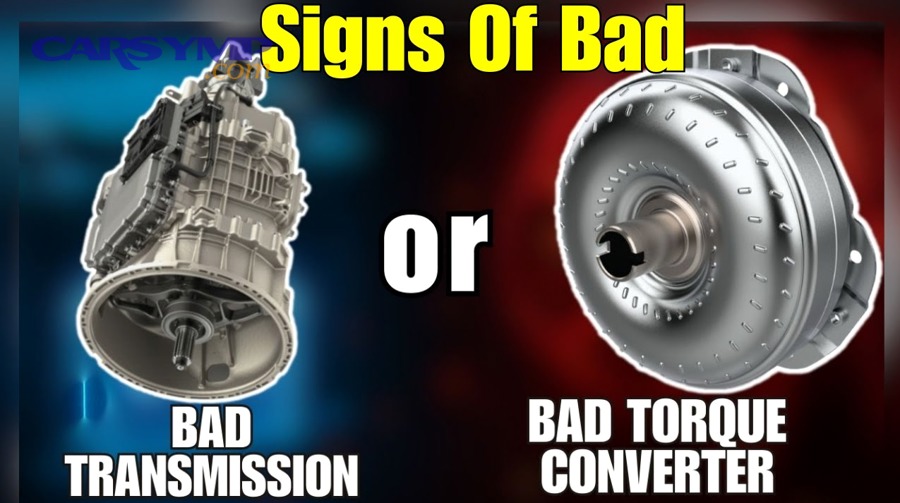
To better understand why this diagnosis is so difficult, it helps to examine what each component does and how each one slips.
What Does a Torque Converter Actually Do in an Automatic Transmission?
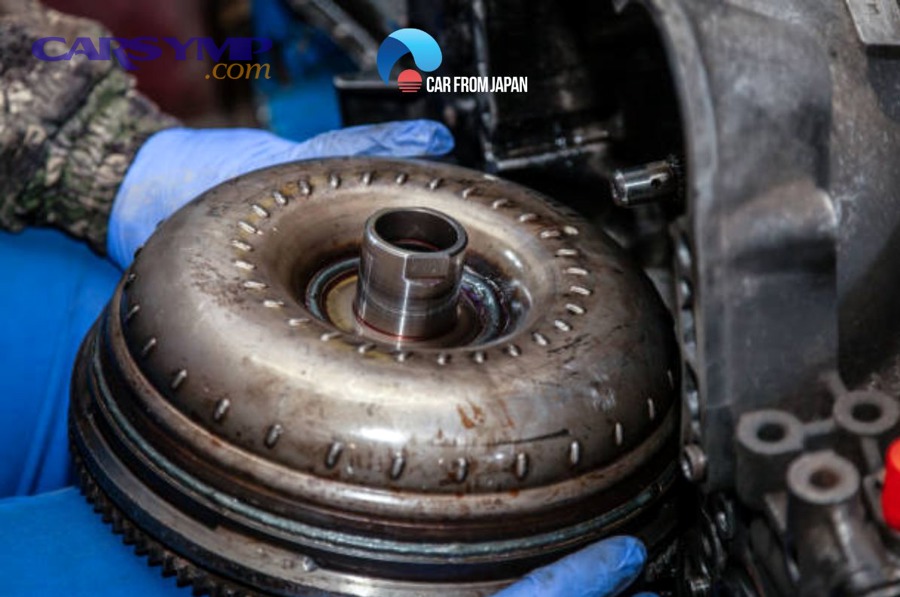
A torque converter is a fluid coupling — specifically, a type of hydrodynamic device that connects the engine’s crankshaft to the transmission’s input shaft without a rigid mechanical link. Instead of a friction clutch pressing two plates together (as in a manual transmission), the torque converter uses transmission fluid circulating between two sets of curved vanes — the pump (driven by the engine) and the turbine (connected to the transmission) — to transfer rotational energy.
This fluid-based connection serves a critical purpose: it allows the engine to keep running while the vehicle is completely stopped, because there is no hard lock between the two rotating components. At idle, only a small amount of torque passes through the fluid. As engine speed rises, more fluid is flung from the pump into the turbine, increasing torque multiplication and accelerating the vehicle.
Modern torque converters also include a lockup clutch — a friction disc that physically locks the pump and turbine together once the vehicle reaches a steady cruising speed, typically above 40–45 mph. This lockup eliminates the energy loss inherent in fluid coupling, improving fuel economy and reducing heat. When that lockup clutch begins to slip or fail, the driver feels it as a shudder, a surge in RPM, or a loss of power at highway speeds. This is a common category of torque converter problems that is often misread as a transmission fault.
What Does Internal Transmission Slip Mean vs. Torque Converter Slip?
Internal transmission slip occurs when the clutch packs, bands, or other friction elements inside the gearbox fail to hold a gear properly under load. In an automatic transmission, each gear ratio is engaged by pressurizing a specific set of clutches or bands using hydraulic fluid controlled by the valve body. If that pressure drops — due to a worn solenoid, a faulty valve, low line pressure, or physically worn friction material — the clutch can no longer clamp tightly enough, and the gear slips under load.
The key distinction between the two slip types is this:
- Torque converter slip occurs primarily during the lockup phase, typically at steady highway cruise speeds, and often produces a characteristic shudder between 40 and 55 mph. The engine RPM may climb 200–400 RPM and then stabilize rather than continuing to rise.
- Internal transmission slip tends to occur during gear changes or under heavy acceleration, with RPM climbing more freely and erratically rather than settling. It is often accompanied by rougher shifts, grinding, or hesitation between gear changes.
Both can be worsened by contaminated or degraded ATF, which is why fluid inspection is always the mandatory first step in any slip diagnosis.
What Are the Symptoms of a Slipping Torque Converter?
There are five primary symptoms of a slipping torque converter: shuddering at highway speed, RPM surge that stabilizes rather than climbs freely, delayed engagement from a stop, overheating of the transmission fluid, and unusual noises such as rattling or buzzing at low speeds. Recognizing these symptoms as a distinct cluster is what allows drivers to separate torque converter problems from internal transmission failure.
Specifically, each symptom has a recognizable profile that points toward the torque converter rather than the gearbox.
Does a Bad Torque Converter Always Cause Shuddering?
No — a bad torque converter does not always cause shuddering, but shuddering is one of the most reliable and distinctive signs when it does occur. Shuddering happens specifically when the torque converter’s lockup clutch is failing. The clutch engages and disengages rapidly and inconsistently, creating a vibration that feels like driving over rumble strips on an otherwise smooth road, typically at 40–55 mph during light throttle.
However, not all torque converter failures involve the lockup clutch. A faulty torque converter solenoid — the electro-hydraulic valve that commands lockup engagement — can cause slip without any shudder at all. In that case, the converter simply fails to lock up properly, and the driver notices reduced fuel economy, a slight RPM surge at cruising speed, and sluggish acceleration, but no vibration. Similarly, a worn needle bearing inside the converter may produce a metallic whirring sound without shuddering. This is why shuddering confirms a lockup clutch problem specifically, but its absence does not rule out other torque converter problems.
What Does Torque Converter Slip Feel Like vs. Gear Slippage?
The felt difference between torque converter slip and internal gear slippage comes down to when the slip occurs and how far the RPM climbs:
- Torque converter slip most commonly occurs at steady highway cruise, particularly on slight upgrades or under mild throttle increase. The RPM will rise 200–400 points and then stop climbing, as if the converter is partially engaging. Releasing the throttle briefly and reapplying it often temporarily resolves the sensation, which is a telling sign.
- Internal transmission slip (clutch pack) tends to occur during acceleration or during a specific gear change. The RPM climbs more aggressively and does not plateau in the same controlled way. Drivers often describe it as the engine “revving free” before the vehicle catches and accelerates.
Additional contrasting signals include delayed engagement from a complete stop — which is more characteristic of the torque converter struggling to build hydraulic pressure — versus a harsh, abrupt, or missing upshift, which points to a clutch pack or valve body problem inside the transmission.
Can Overheating Be a Sign of Torque Converter Slip Specifically?
Yes — overheating can be a direct consequence of torque converter slip, and in some cases it is one of the earliest measurable signs. When the lockup clutch slips repeatedly rather than engaging cleanly, the friction generates significant heat inside the converter. That heat transfers directly into the ATF, raising fluid temperature throughout the system. If the vehicle’s transmission temperature gauge or dashboard warning light activates during highway driving — particularly when towing or climbing grades — and the fluid shows a dark brown color or a burnt smell, torque converter slip is a primary suspect.
The distinction from general transmission overheating is that TC-related overheating occurs specifically during the lockup phase at sustained highway speeds, whereas transmission overheating tied to internal component wear tends to occur under harder acceleration or in stop-and-go driving that loads the lower gears repeatedly.
What Are the Symptoms of Internal Transmission Slip?
Internal transmission slip produces four main symptom clusters: grinding or clunking noises during gear changes, erratic or missing upshifts, complete failure to engage a specific gear, and a burning smell from degraded ATF caused by overheated clutch material. These symptoms are distinct from torque converter slip in their timing and character, though contaminated fluid can trigger both simultaneously.
However, two specific symptom types are particularly useful for isolating internal transmission problems.
What Noises Indicate Transmission Slip Rather Than a Torque Converter Problem?
Grinding, clunking, or metallic banging sounds during gear changes are strong indicators of internal transmission failure rather than torque converter problems. These sounds occur because worn clutch packs, damaged planetary gears, or failing bands are physically struggling to engage and hold a gear ratio. The metal-on-metal contact produces noise that a fluid-based torque converter failure typically does not.
By contrast, torque converter problems tend to produce softer, fluid-related sounds — a rattling or buzzing at idle in gear (often caused by a damaged pilot bearing or loose converter bolts), a whirring that changes with engine speed (needle bearing wear), or a clunking only when shifting from Park to Drive or Reverse (which may indicate loose torque converter mounting). If the noise occurs during a shift and sounds metallic and abrupt, the transmission internals are the more likely source. Metal debris and fluid condition clues — such as metallic glitter in the ATF pan or on the drain plug magnet — also point to internal transmission wear rather than a torque converter issue.
Is It a Torque Converter or Transmission Problem If the Car Won’t Move?
When a vehicle completely fails to move after engaging Drive or Reverse, the internal transmission is the more likely culprit — not the torque converter. Complete loss of drive typically indicates a catastrophic internal failure: a failed transmission pump that cannot generate hydraulic pressure, a broken output shaft, total clutch pack failure, or a seized valve body. Without hydraulic pressure, no gear can engage, and the vehicle sits motionless regardless of engine RPM.
A failing torque converter, by contrast, almost always allows some degree of vehicle movement — even if sluggish, delayed, or accompanied by heavy shuddering — because the fluid coupling still transmits some torque. The one exception is a complete torque converter seal failure that allows all ATF to drain out of the system. In that scenario, the total loss of fluid eliminates both TC function and transmission hydraulic pressure simultaneously, mimicking a full internal transmission failure. Checking fluid level immediately in any no-movement situation is essential before drawing any diagnostic conclusion.
How Do You Compare Torque Converter vs. Transmission Slip Side by Side?
Torque converter slip wins in highway cruise scenarios where RPM surges mildly and stabilizes, transmission slip is more indicative when RPM climbs freely during acceleration or shifts, and both are equally likely when contaminated fluid is the primary cause. Understanding where each component dominates the symptom picture allows for faster, more accurate diagnosis.
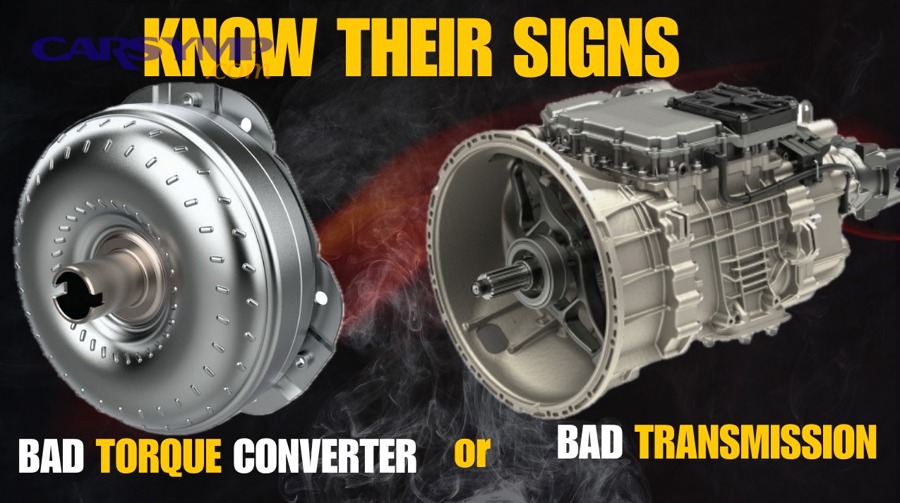
The most useful tool for this comparison is a structured, side-by-side symptom reference. The following table summarizes the key diagnostic signals based on the criteria most useful to drivers and technicians. Note that the “Could Be Either” column reflects the diagnostic overlap that makes this comparison necessary in the first place.
Torque Converter Slip vs. Transmission Slip: Symptom Comparison Table
The table below organizes the most commonly reported symptoms by their most probable source, giving drivers a practical starting reference before performing formal diagnostic tests.
| Symptom | More Likely: Torque Converter | More Likely: Transmission | Could Be Either |
|---|---|---|---|
| Shuddering at 40–55 mph on smooth road | ✓ (lockup clutch failure) | ||
| RPM surge that stabilizes (+200–400 RPM) | ✓ | ||
| RPM climbs freely during acceleration | ✓ (clutch pack slip) | ||
| Delayed engagement from a full stop | ✓ | ||
| Harsh, missing, or erratic upshift | ✓ | ||
| Grinding/clunking during gear change | ✓ | ||
| Burning smell from ATF | ✓ | ||
| Overheating at highway cruise | ✓ | ||
| Complete failure to move | ✓ | ||
| Dark, burnt, or debris-filled ATF | ✓ | ||
| Check Engine / TCM warning light | ✓ | ||
| Rattling or buzzing at idle in gear | ✓ |
This table is a starting point, not a final diagnosis. Symptoms overlap significantly, and fluid condition must be assessed before any conclusion is drawn.
Does Bad Transmission Fluid Cause Both Torque Converter and Transmission Slip?
Yes — degraded, contaminated, or low transmission fluid can cause both torque converter slip and internal transmission slip simultaneously, which is precisely what makes fluid inspection the non-negotiable first step in any diagnosis. ATF performs multiple roles: it transfers hydraulic force to engage gears, it lubricates all rotating components, it carries heat away from friction surfaces, and it provides the fluid medium inside the torque converter. When it fails at any of these roles, both components suffer.
Specifically, low fluid level reduces hydraulic pressure throughout the system, causing both TC lockup engagement problems and clutch pack slippage. Dark brown or black fluid indicates oxidized, heat-degraded oil that has lost its viscosity and lubrication properties. A burnt smell confirms that friction surfaces — inside either the TC or the clutch packs — have been overheating. Milky or foamy fluid signals water contamination, which dramatically reduces hydraulic efficiency. Metal debris and fluid condition clues such as fine metallic glitter (indicating internal gear wear) versus dark friction dust (indicating clutch material breakdown) can even help pinpoint which component is shedding material into the pan.
What Tests Confirm Whether Slip Is From the Torque Converter or Transmission?
There are three main diagnostic tests that confirm whether slip originates in the torque converter or the transmission: a stall speed test, a scan tool slip RPM measurement, and a hydraulic line pressure test — each targeting a different component layer and together producing a reliable diagnostic picture. Performing all three in sequence dramatically reduces the risk of misdiagnosis.
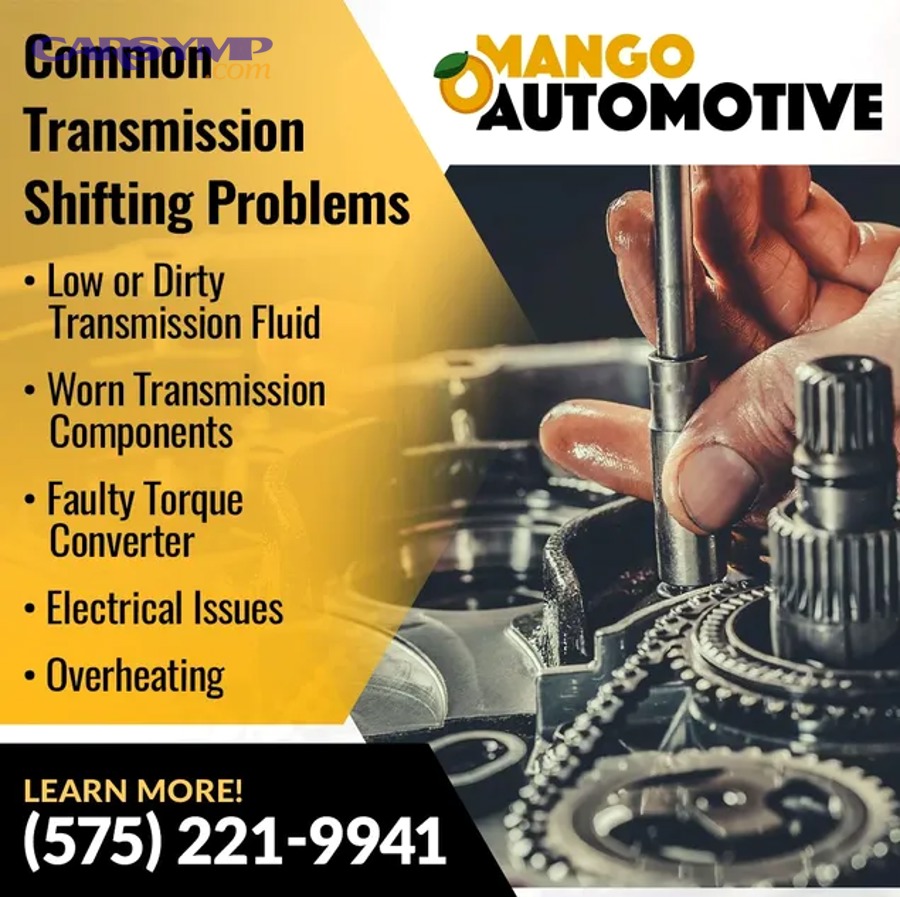
These tests move from the least invasive (scan tool) to the most technical (pressure testing), and drivers should begin with whichever tool is available.
How Do You Perform a Stall Speed Test to Diagnose a Torque Converter?
A stall speed test measures the maximum RPM the engine reaches when the torque converter is placed under full load with the drive wheels stationary. This is performed by firmly applying both the foot brake and the parking brake, selecting Drive, and applying full throttle for no more than 5 seconds while recording the peak RPM reading. The recorded RPM is then compared against the manufacturer’s specified stall speed range for that vehicle.
Interpreting the results:
- Stall RPM higher than specification indicates the torque converter clutch or stator is slipping, unable to hold torque effectively — a strong indicator of TC internal failure.
- Stall RPM within specification but with shuddering during the test points to a lockup clutch issue rather than a fundamental TC failure.
- Stall RPM lower than specification suggests the converter is not generating sufficient pressure, possibly due to a mechanical failure of the impeller or a severely worn pump.
Safety warnings: Never hold full throttle for more than 5 seconds during a stall test. Prolonged testing rapidly overheats ATF and can cause immediate transmission damage. Allow a 2–3 minute cool-down period between attempts, and monitor fluid temperature if a scan tool is available during the test.
How Do You Use a Scan Tool to Measure Torque Converter Slip RPM?
Using a scan tool to read the torque converter slip RPM parameter is one of the most direct and non-invasive methods available for confirming TC failure. Most OBD-II scan tools with live data capability can display a PID (Parameter ID) labeled “TC Slip,” “Converter Slip RPM,” or “TCC Slip” — which represents the difference in rotational speed between the engine crankshaft and the transmission input shaft at any given moment.
Interpreting slip RPM readings:
- 0 RPM slip at highway cruise = torque converter is fully locked up and functioning normally
- 200–400 RPM slip during steady cruise = converter is not achieving full lockup, indicating a lockup clutch or solenoid issue
- 170+ RPM spike during shudder episodes = confirmed TC lockup clutch failure (this is a real-world threshold observed by GM-certified technicians using factory diagnostic tools)
- RPM slip present only during acceleration, not cruise = more indicative of internal clutch pack slippage
Torque converter problem codes and scan data often appear together. Relevant diagnostic trouble codes to look for alongside live slip RPM data include P0740 (Torque Converter Clutch Circuit Malfunction), P0741 (TCC Performance or Stuck Off), and P1870 (Transmission Component Slipping — GM-specific), which directly flags excessive converter slip detected by the TCM.
Can a Transmission Pressure Test Distinguish Torque Converter from Transmission Problems?
Yes — a transmission line pressure test is highly effective at isolating whether a hydraulic problem originates in the transmission’s internal components rather than the torque converter. This test uses a hydraulic pressure gauge connected to designated test ports on the transmission case (locations vary by make and model) to measure actual line pressure under different operating conditions: idle in Drive, idle in Reverse, and under moderate throttle load.
Interpreting pressure test results:
- Low line pressure across all conditions points to a failing transmission pump, a blocked filter, or a severely worn pressure regulator valve — all internal transmission issues, not TC problems.
- Normal line pressure with persistent slip narrows the cause to the torque converter lockup circuit or the TCC solenoid specifically, since the hydraulic system is functioning but lockup engagement is failing.
- Erratic or fluctuating pressure suggests a solenoid stuck open or closed, or a worn valve body — internal transmission territory.
This test effectively functions as the elimination step that separates hydraulic transmission failure from torque converter failure, making it particularly valuable when stall test results are ambiguous or when no relevant torque converter problem codes appear in the scan data.
What Should You Do After Diagnosing the Source of the Slip?
After diagnosing the source of the slip, there are three main action paths: perform a transmission fluid change or flush for early-stage contamination issues, replace or rebuild the torque converter if lockup clutch failure is confirmed, or pursue internal transmission repair (solenoid replacement, valve body service, or clutch pack rebuild) if the pressure test and symptoms point inward.
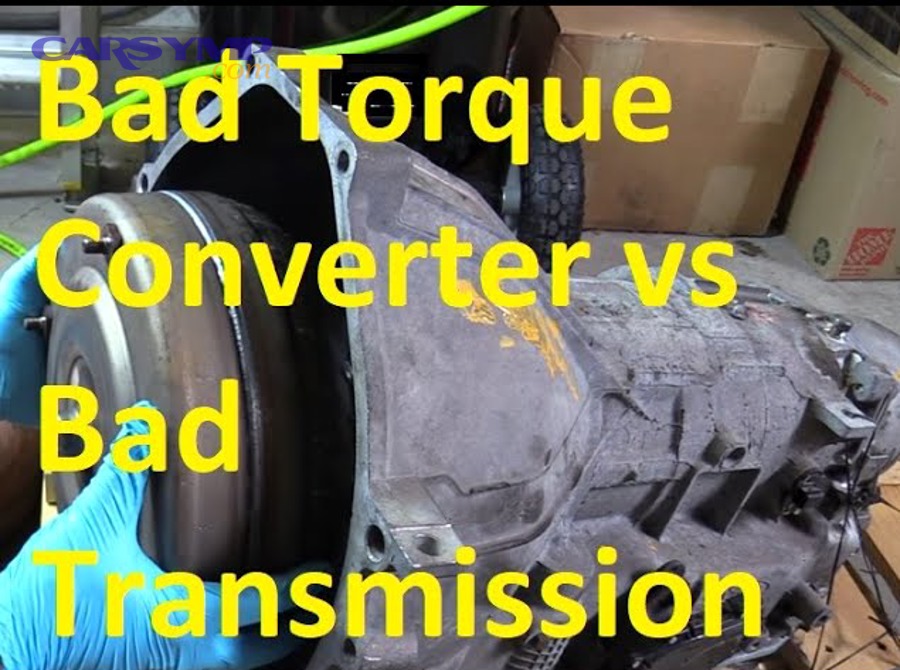
The correct action depends entirely on what the diagnostic tests revealed.
Can You Fix Torque Converter Slip with a Fluid Change?
In some cases, yes — a fresh ATF change or a complete transmission flush can resolve torque converter slip, particularly when the root cause is contaminated or degraded fluid rather than mechanical failure of the lockup clutch. Fresh ATF restores proper viscosity, cleans minor deposits from the solenoid and valve body passages, and restores the TC lockup clutch’s ability to engage cleanly. Drivers who catch the problem early — before shuddering becomes persistent or before metal debris appears in the fluid — often find that a fluid service resolves the symptom entirely.
However, a fluid change will not fix torque converter slip caused by:
- Worn or burnt friction material on the lockup clutch disc inside the converter
- Damaged needle bearings producing metallic wear particles
- Failed TC seals causing internal fluid bypass
- A mechanically stuck or failed TCC solenoid (though solenoid replacement is a separate, relatively affordable repair)
When shuddering persists after a fresh fluid fill, or when metal debris and fluid condition clues in the drained ATF show metallic particles, the converter itself is the source and will require replacement. Recommended ATF type should always match the manufacturer’s specification precisely — using the wrong fluid viscosity can trigger or worsen TC slip even with a fresh fill.
When Does a Slipping Torque Converter Need to Be Replaced vs. Rebuilt?
A torque converter should be replaced outright when physical damage is confirmed — worn lockup clutch friction material, cracked impeller or turbine vanes, or collapsed internal bearings shedding metal into the fluid. In these cases, a rebuild kit exists for many common converters, but the labor involved in disassembling, cleaning, re-lining, and re-welding the converter housing often equals or exceeds the cost of a remanufactured unit.
Replacement indicators:
- Stall test RPM significantly outside specification
- Metal debris confirmed in ATF pan (not fine dust — actual metallic particles)
- Persistent shudder after fluid change and solenoid replacement
- P0741 confirmed with normal line pressure (TC-specific failure isolated)
A Torque converter repair cost estimate for a replacement unit typically ranges from $150 to $500 for the part itself, with labor costs of $400 to $900 depending on vehicle make and drivetrain layout, since the transmission must be removed to access the converter. Total torque converter replacement cost commonly falls between $600 and $1,400.
For internal transmission slip confirmed by a pressure test and clutch pack failure symptoms, the repair path diverges significantly:
- Solenoid replacement: $150–$400 parts and labor — appropriate when a single solenoid is responsible for lockup or shift failure
- Valve body service or replacement: $300–$900 — targets hydraulic control failures without opening the entire gearbox
- Full transmission rebuild: $1,500–$3,500 — required when clutch packs, bands, or planetary gears are mechanically worn
What Else Should Drivers Know About Torque Converter and Transmission Slip Diagnosis?
Beyond the core symptoms and tests, four additional areas of knowledge deepen a driver’s ability to accurately diagnose and prevent torque converter and transmission slip: how towing behavior changes the slip profile, what specific OBD-II codes indicate, how much each repair path costs, and what maintenance practices prevent the problem from developing in the first place.
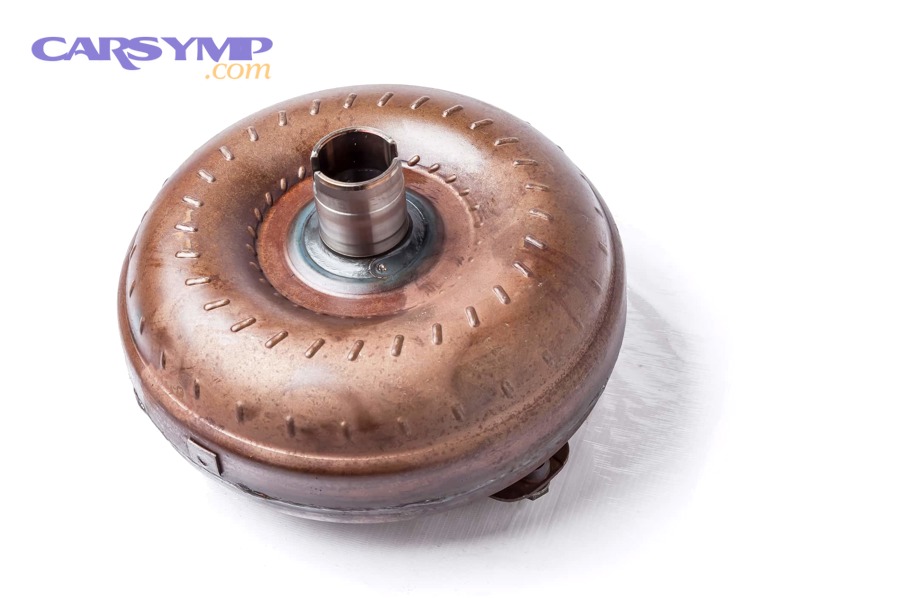
These topics represent the micro-context layer of a complete diagnosis — important for drivers who tow regularly, drive high-mileage vehicles, or want to use a scan tool proactively.
How Does Towing or Heavy Load Change Torque Converter Slip Behavior?
Towing fundamentally changes the conditions under which torque converter slip appears, because tow/haul mode actively modifies the transmission’s shift schedule and lockup strategy. In tow/haul mode, the TCM commands earlier and firmer torque converter lockup to reduce heat buildup and improve engine braking. This means the TC lockup clutch is under sustained, heavy load for longer periods — exactly the condition that accelerates wear on a marginal lockup clutch.
A torque converter that shows no slip symptoms during normal driving may begin slipping measurably when pulling a trailer uphill, because the additional load exceeds the lockup clutch’s remaining clamping capacity. Drivers who notice RPM surge of 200–400 that holds rather than climbs during highway towing — particularly on inclines — should treat this as a TC slip warning even if normal driving feels fine. The tow/haul slip profile is one of the earlier warning stages of converter failure that, if caught via scan tool slip RPM monitoring, can allow a planned repair before full failure occurs.
What OBD-II Codes Are Specifically Related to Torque Converter vs. Transmission Slip?
Torque converter problem codes and scan data provide a direct electronic record of what the TCM has detected. The following codes are the most diagnostically relevant:
- P0740 – Torque Converter Clutch Circuit Malfunction: indicates an electrical fault in the TCC solenoid circuit; does not confirm mechanical TC failure but warrants solenoid testing
- P0741 – TCC Performance or Stuck Off: indicates the TCM commanded lockup but detected continued slip — a strong indicator of either a failed solenoid or a mechanically worn lockup clutch
- P0742 – TCC Stuck On: the converter is locked when it should not be, causing stall-like behavior at low speeds
- P1870 – Transmission Component Slipping (GM-specific): flags excessive measured slip between engine and transmission input shaft; when combined with normal line pressure, this code specifically implicates the TC
- P0700 – Transmission Control System Malfunction: a general flag that often accompanies other transmission codes; by itself it does not isolate the fault to TC or internal components
Torque converter problem codes should always be read in combination with live slip RPM data and fluid condition, as a code alone cannot distinguish whether the solenoid, the clutch, or the hydraulic circuit is the primary fault.
How Much Does It Cost to Fix Torque Converter Slip vs. Transmission Slip?
The torque converter repair cost estimate is substantially lower than a full transmission repair in most scenarios, which makes accurate diagnosis economically critical. Misdiagnosing a TC problem as a full transmission failure — and authorizing a rebuild — when a $200 solenoid replacement would have resolved the slip is an expensive and unfortunately common outcome.
The table below presents the cost hierarchy from least to most expensive, helping drivers prioritize action based on what the diagnosis revealed.
| Repair | Estimated Cost | Addresses |
|---|---|---|
| ATF flush + fresh fluid | $100–$250 | Early-stage slip from contaminated fluid |
| TCC solenoid replacement | $150–$400 | Solenoid-caused TC lockup failure |
| Torque converter replacement | $600–$1,400 | Worn lockup clutch, internal TC damage |
| Valve body service | $300–$900 | Hydraulic control failures (internal trans) |
| Transmission rebuild | $1,500–$3,500 | Clutch packs, bands, planetary gear wear |
This cost table reinforces why performing the three-step diagnostic sequence — fluid check, scan tool slip RPM, stall test, pressure test — before authorizing any repair is the highest-value action a driver can take.
How Can You Prevent Torque Converter and Transmission Slip Before It Starts?
Preventing torque converter and transmission slip is primarily a function of disciplined ATF maintenance and avoiding sustained high-heat operation without adequate fluid protection. The thermal degradation rate of ATF under repeated slip conditions is significant — each episode of TC lockup slip generates heat that accelerates oxidation of the fluid, which in turn reduces the fluid’s ability to support clean lockup engagement, creating a self-reinforcing deterioration cycle.
Practical prevention steps:
- Follow manufacturer ATF change intervals strictly — most modern automatics specify a change every 30,000–60,000 miles under normal use, and every 15,000–30,000 miles under severe duty (towing, mountainous terrain, hot climates)
- Use only the specified ATF type — using a universal fluid in a transmission that requires a manufacturer-specific formulation can trigger TC shudder and slip even with fresh fluid
- Monitor transmission temperature when towing — staying below 200°F (93°C) protects both TC clutch friction material and internal transmission components; above 240°F (115°C), ATF begins degrading rapidly
- Use a scan tool to monitor TC slip RPM proactively — a 200+ RPM slip reading during steady cruise, before any felt symptoms appear, is an early warning that allows a planned, low-cost repair rather than a reactive, expensive one
- Inspect the ATF condition at every oil change — color, smell, and the presence of metal debris and fluid condition clues on the drain plug magnet provide a low-cost, continuous health indicator for the entire automatic transmission system
In short, diagnosing torque converter vs. transmission slip accurately requires three things working together: recognizing which symptom pattern belongs to which component, performing the right confirmatory test for that component, and acting on the results before secondary damage compounds the original fault. Every driver who understands these three layers is equipped to make the right repair decision — and to prevent the problem from recurring.