


Preventing converter problems is achievable through consistent maintenance, early symptom recognition, and understanding the root causes that put converters under stress in the first place. Whether you drive a vehicle with an automatic transmission, own an RV, or work with industrial electrical systems, the converter in your setup performs a critical function — and when it fails, the repair bill follows quickly. The good news is that most converter failures do not happen without warning, and most can be avoided entirely with the right habits in place.
Understanding what causes converter problems is the foundation of any prevention strategy. Across all converter types — torque converters in automatic transmissions, catalytic converters in exhaust systems, RV 12-volt converters, and frequency or power converters in electrical systems — the dominant failure triggers share a common theme: fluid and overheating issues, poor-quality input conditions, and neglected routine maintenance. Knowing which risks apply to your specific converter type lets you focus your efforts where they matter most.
Recognizing early warning signs is equally important. Many drivers and RV owners discover converter damage only after it has progressed to the point where repair costs have multiplied. A Shudder at cruise diagnosis, for example, is one of the earliest and most reliable signals that a torque converter is beginning to fail — yet most drivers dismiss it as road vibration until the symptoms worsen. Catching these signals early is itself a form of prevention.
Finally, understanding when prevention is no longer enough — and when repair, rebuild, or replacement becomes necessary — closes the loop on this topic. Below, this guide walks through every dimension of converter problem prevention, from root causes to maintenance schedules to type-by-type comparisons, so you have a complete picture from the first sign of trouble to the last line of defense.
What Is a Converter and Why Does Preventing Problems Matter?
A converter is a mechanical or electrical component that transfers, transforms, or regulates energy between two systems — and preventing its failure matters because converter breakdowns trigger cascading damage that is almost always more expensive than the maintenance that would have stopped it.
To better understand the stakes, it helps to be precise about which converters this article covers and what each one does.
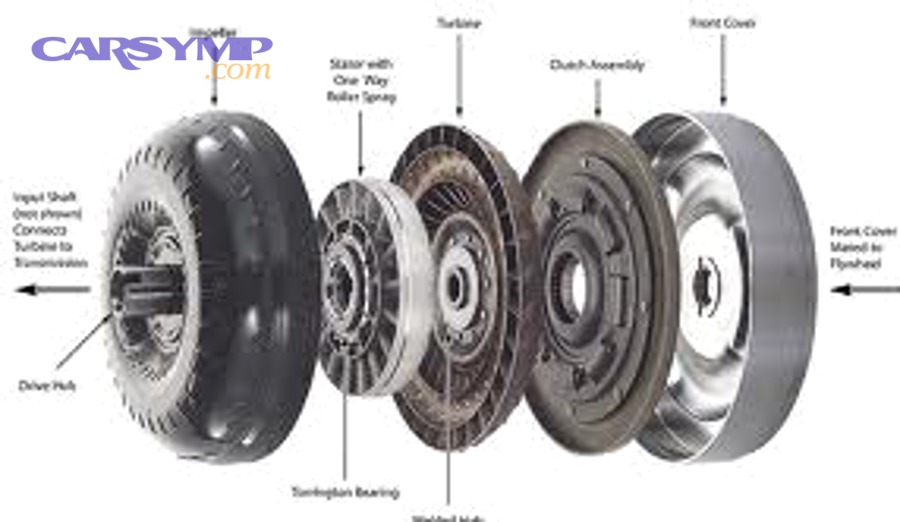
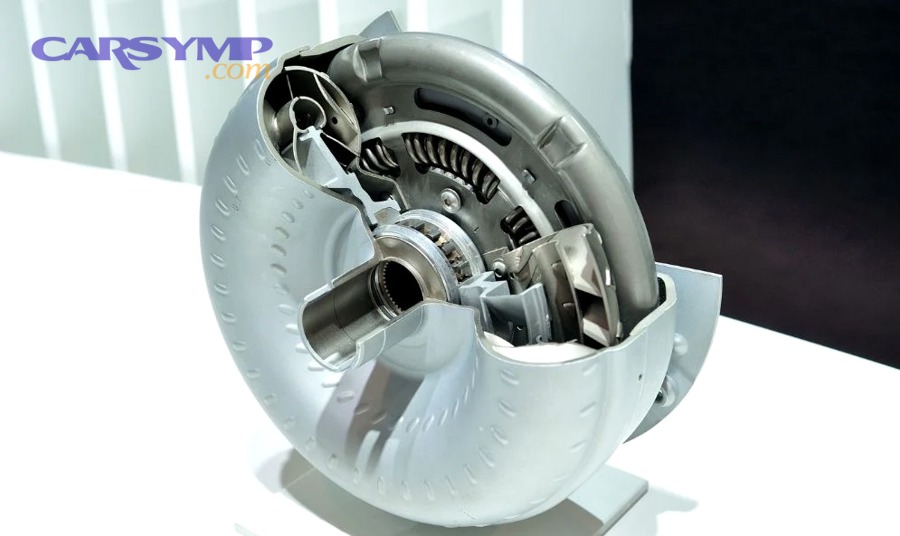
The torque converter sits between the engine and the automatic transmission. It uses transmission fluid as a hydraulic medium to transfer engine torque to the drivetrain, allowing the engine to keep running while the vehicle is stopped. It also multiplies torque during acceleration, acting as the automatic transmission’s equivalent of a clutch. When it fails, the result ranges from sluggish acceleration and gear slippage to full transmission failure.
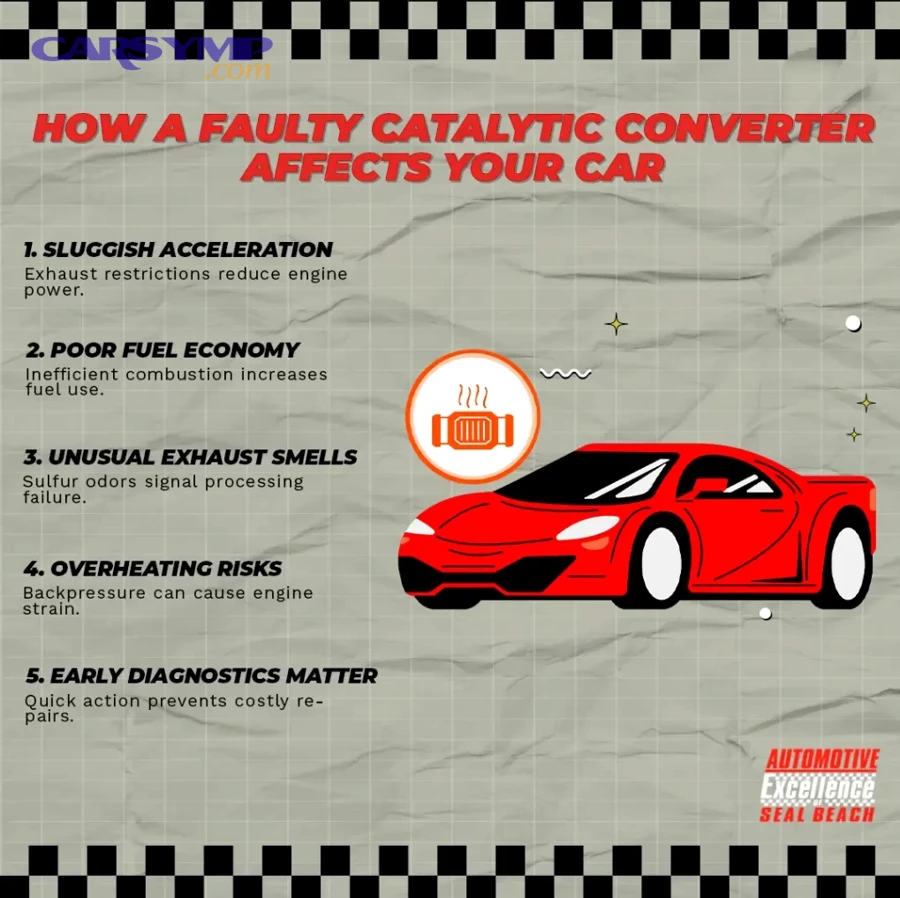
The catalytic converter is positioned in the vehicle’s exhaust system. It chemically converts harmful combustion byproducts — hydrocarbons, carbon monoxide, and nitrogen oxides — into less harmful compounds before they exit the tailpipe. It is designed to last the lifetime of the vehicle under normal conditions, which is why failures are often misdiagnosed or overlooked until performance degrades noticeably.
The RV converter transforms 120-volt AC shore power into 12-volt DC power to run lights, fans, water pumps, and other 12-volt systems while simultaneously charging the coach batteries. Its health is directly linked to battery condition and shore power quality — two variables that vary enormously in real-world RV use.
The frequency converter (also called a power converter or variable frequency drive in industrial settings) adjusts electrical frequency and voltage to control motor speed and protect electrical equipment. These devices are sensitive to environmental conditions, wiring quality, and load balance.
The cost of ignoring maintenance across all four types is significant. A Torque converter repair cost estimate for a moderate rebuild typically ranges from $600 to $1,000 in labor alone, with full replacement in complex vehicles reaching $2,500 or more. Catalytic converter replacement costs between $1,000 and $3,000 depending on vehicle make. RV converter replacement runs $200 to $500 for the unit, plus labor. Industrial frequency converters can cost thousands to replace in manufacturing settings. Against these figures, the cost of preventive maintenance is negligible.
What Are the Most Common Causes of Converter Problems?
There are five main categories of converter problems: fluid contamination, overheating, electrical stress, mechanical wear, and poor-quality input conditions — each applying to one or more converter types based on how they operate.
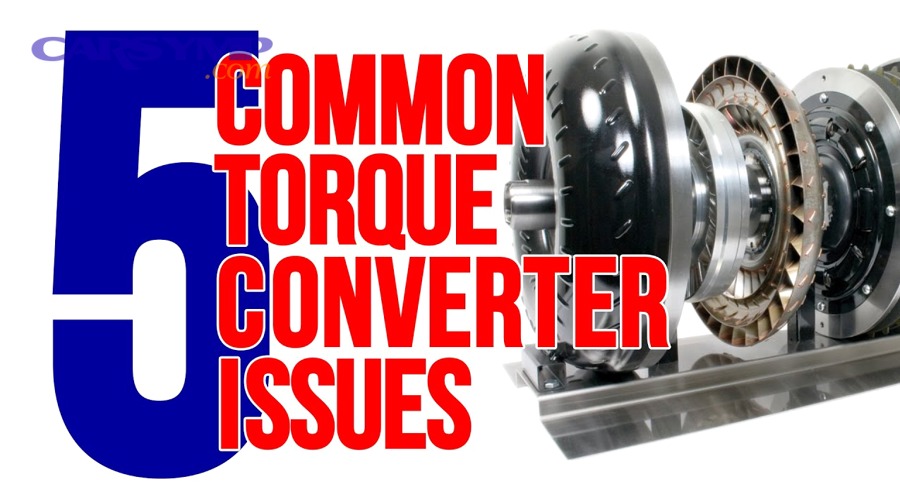
Specifically, each cause type maps to a different converter context, which is why a one-size-fits-all maintenance approach is insufficient. Let’s explore each category by converter type.
What Causes Torque Converter Problems in Automatic Transmissions?
torque converter problems in automatic transmissions arise from four primary causes, each of which is addressable through routine maintenance and driving behavior.
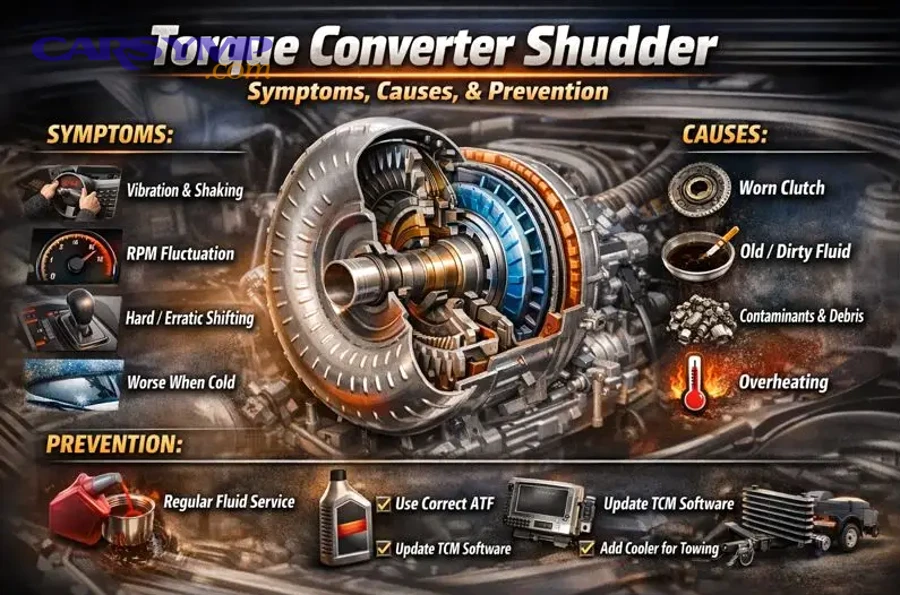
- Contaminated or degraded transmission fluid is the leading cause. Fluid that has broken down chemically loses its ability to maintain hydraulic pressure, lubricate internal components, and dissipate heat. Metal particles suspended in old fluid act as abrasives, accelerating wear on the turbine, stator, and lock-up clutch.
- Overheating from heavy towing, aggressive driving, or sustained low fluid levels dramatically shortens converter life. Transmission fluid begins to degrade at temperatures above 200°F, and every 20°F increase beyond that roughly halves the remaining fluid life.
- Worn lock-up clutch surfaces are a mechanical wear issue. The lock-up clutch engages at highway speeds to create a direct mechanical connection between the engine and transmission. As its friction material wears, shudder at cruise diagnosis becomes the first detectable symptom — a rhythmic vibration felt most clearly at 40–50 mph under light throttle.
- Damaged stator or turbine fins result from either impact debris in contaminated fluid or thermal fatigue from repeated overheating cycles.
What Causes Catalytic Converter Problems in Vehicle Exhaust Systems?
Catalytic converter problems stem from engine-side issues that send damaging materials into the converter substrate.
- Rich air-fuel mixture sends unburned fuel into the exhaust stream. Inside the catalytic converter, this unburned fuel ignites, causing localized overheating that can melt or crack the ceramic honeycomb structure.
- Oil or coolant leaks entering the combustion chamber coat the catalyst surface with carbon deposits and chemical residue, blocking the porous channels that allow exhaust gases to interact with the catalyst material.
- Low-quality fuel introduces contaminants that do not fully combust. The resulting particulate matter accumulates inside the converter, progressively restricting exhaust flow.
- Age and physical wear eventually degrade the ceramic substrate regardless of how well the engine is maintained. However, engine health significantly determines how quickly this natural aging process accelerates.
What Causes RV Converter Problems in 12-Volt Power Systems?
RV converter problems are closely tied to the two external systems it depends on: the batteries it charges and the shore power it receives.
- Weak or failing batteries are the most common hidden cause. When a battery can no longer accept or hold a charge effectively, the converter enters a prolonged, high-current charging cycle trying to compensate. This sustained overwork generates excess heat and degrades internal charging circuits over time.
- Poor-quality shore power at campgrounds introduces voltage spikes, brownouts, and wiring inconsistencies directly into the converter’s input stage. Extended exposure to these conditions damages voltage regulation components and charging circuits.
- Overloading from running too many 12-volt devices simultaneously — slides, ceiling fans, water pumps, and aftermarket accessories at the same time — pushes the converter beyond its designed capacity, generating heat and stress on output components.
- Blocked ventilation prevents the converter from shedding heat. Converters installed in enclosed compartments with poor airflow are particularly vulnerable, especially during summer camping in hot climates.
What Causes Frequency and Power Converter Problems in Electrical Systems?
Frequency converter failures in industrial and electrical systems are primarily maintenance and installation quality issues.
- Loose wiring connections are the leading cause of premature failure. Thermal cycling — the repeated expansion and contraction of metal as the converter heats and cools during operation — gradually loosens terminal connections. Loose connections create arcing, cause overcurrent trips, and can destroy IGBTs (the internal power switching components).
- Dirt and dust accumulation on heatsinks insulates the surface that is supposed to dissipate heat, causing the converter to run progressively hotter until it triggers thermal shutdowns or damages internal semiconductors.
- Unbalanced line voltages beyond a 5% tolerance between phases cause uneven motor loading, vibration, and increased thermal stress on the converter’s rectifier and inverter stages.
- Excessive output capacitance paired with short soft-start times creates inrush current spikes at startup that exceed the converter’s current-limiting protection threshold, potentially causing hiccup-mode lockouts or component damage.
How Can You Prevent Torque Converter Problems?
Yes, you can prevent most torque converter problems through three core practices: maintaining clean transmission fluid at the correct level, adopting smooth driving habits, and keeping the cooling system in good working order.

These three practices address the fluid and overheating conditions that account for the majority of premature torque converter failures. More specifically, each practice targets a different failure pathway.
Does Using the Correct Transmission Fluid Prevent Torque Converter Damage?
Yes, using the correct transmission fluid is one of the most direct and effective ways to prevent torque converter damage, because fluid condition governs nearly every internal process the converter depends on.
- Fluid type matters as much as fluid level. Each transmission manufacturer specifies a fluid with a precise viscosity index, friction modifier package, and thermal stability rating. Using a generic or incompatible fluid — even one that appears similar — alters hydraulic pressure characteristics and can cause erratic lock-up clutch engagement, leading to the shudder at cruise diagnosis that signals early converter distress.
- Fluid change intervals should follow OEM specifications, not guesswork. Most manufacturers recommend transmission fluid changes every 30,000 to 60,000 miles under normal driving conditions, and every 15,000 to 30,000 miles under severe-duty conditions (frequent towing, stop-and-go traffic, extreme temperatures).
- Visual inspection is a simple early warning tool. Healthy transmission fluid is translucent red with a slightly sweet smell. Fluid that appears dark brown, opaque, or carries a burnt odor has already begun to degrade and should be changed promptly.
The following table summarizes the key fluid maintenance indicators to monitor:
| Indicator | Healthy State | Action Required |
|---|---|---|
| Fluid color | Translucent red | No action |
| Fluid smell | Slightly sweet | No action |
| Fluid color (degraded) | Dark brown / black | Change fluid immediately |
| Fluid smell (degraded) | Burnt / acrid | Inspect for overheating cause |
| Fluid level | At “Full” mark (warm engine) | Check monthly |
| Fluid level (low) | Below “Min” mark | Top up and inspect for leaks |
What Driving Habits Help Prevent Torque Converter Wear?
Driving habits that reduce mechanical and thermal stress on the torque converter include avoiding abrupt acceleration, limiting heavy towing in extreme heat, and using the parking brake correctly before engaging “Park.”
- Avoid abrupt starts and aggressive acceleration. Hard acceleration forces the converter to handle maximum torque multiplication continuously, generating heat and placing sudden hydraulic stress on the stator and turbine assembly. Smooth, progressive throttle application keeps fluid temperatures manageable and reduces wear on friction surfaces.
- Use the parking brake before shifting into “P.” This habit is widely overlooked but mechanically significant. When you shift into “P” before engaging the parking brake, the full weight of the vehicle rests on the transmission’s parking pawl — a small pin that was not designed to bear sustained vehicle weight. Over time, this stresses the pawl and indirectly affects the converter’s relationship to the transmission casing. Engaging the parking brake first transfers the load to the wheels, removing stress from the drivetrain.
- Avoid sustained heavy towing in extreme conditions. Towing near or at the vehicle’s maximum rated capacity in stop-and-go traffic or steep terrain during summer heat is one of the fastest ways to overheat the transmission fluid. If heavy towing is a regular requirement, installing an auxiliary transmission cooler is one of the highest-value upgrades available for torque converter longevity.
How Can You Prevent Catalytic Converter Problems?
You can prevent most catalytic converter problems by maintaining engine combustion quality, addressing oil and coolant leaks immediately, and using quality fuel consistently.
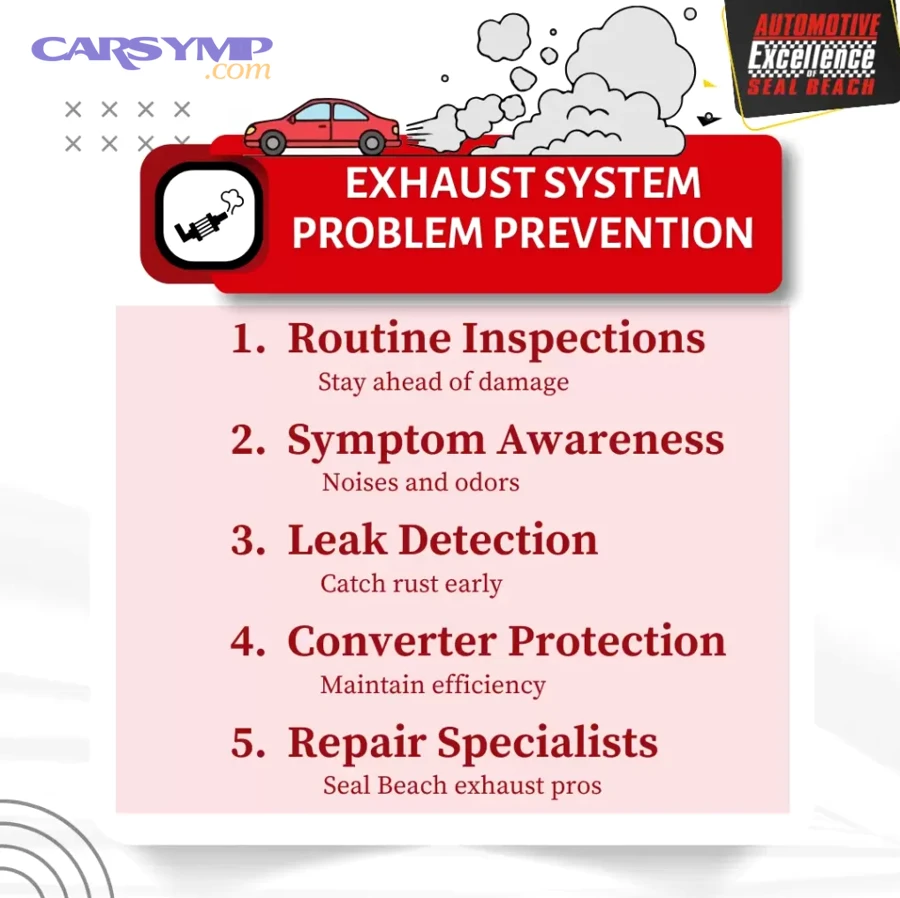
Since the catalytic converter is entirely dependent on what the engine sends through it, engine health is the primary lever for converter protection. In addition to these core strategies, two specific sub-topics deserve closer attention.
Can Regular Engine Maintenance Prevent Catalytic Converter Failure?
Yes, regular engine maintenance is the single most effective strategy for preventing catalytic converter failure, because the converter cannot protect itself from what the engine produces.
- Fix oil and coolant leaks without delay. Both substances, when they enter the combustion chamber and pass into the exhaust stream, coat the catalyst substrate with residue that progressively blocks the porous honeycomb channels. Even a slow, minor leak accumulates enough contamination over months to noticeably reduce converter efficiency.
- Address engine misfires immediately. A misfiring cylinder sends raw, unburned fuel directly into the exhaust system. Inside the catalytic converter, this unburned fuel ignites, generating temperatures far beyond the converter’s design range. A single sustained misfire event can damage or destroy the ceramic substrate.
- Monitor oxygen sensor and air-fuel mixture readings. The oxygen sensors positioned before and after the catalytic converter report to the engine control module (ECM) continuously. Staying current with sensor replacements (typically every 60,000 to 100,000 miles) ensures the engine maintains the correct stoichiometric air-fuel ratio, which keeps combustion clean and reduces unburned fuel reaching the converter.
Are Fuel Additives Effective for Preventing Catalytic Converter Clogging?
Fuel additives can be effective at preventing early-stage catalytic converter clogging, but they work best as a supplement to engine maintenance rather than a substitute for it.
- How additives work: Fuel tank additives contain detergent compounds that help break down hydrocarbon deposits inside the fuel system, combustion chamber, and the early stages of the exhaust path. When used regularly, they reduce the volume of unburned particulate matter entering the converter.
- What they cannot do: Additives cannot restore a converter that has already experienced structural damage to the ceramic substrate from overheating or severe contamination. If the honeycomb structure is physically broken down, no additive will repair it.
- Fuel quality as a baseline habit: Using top-tier fuel with built-in detergent packages (recognized by the TOP TIER Gasoline standard) provides a consistent baseline of combustion cleanliness that reduces converter stress over the long term, with no additional additive required.
How Can You Prevent RV Converter Problems?
You can prevent RV converter problems through four practices: maintaining healthy batteries, keeping ventilation clear, managing electrical loads carefully, and protecting the converter from poor-quality shore power with a surge protector.
Each of these practices targets a different failure vector in the RV electrical system. The two most impactful ones are battery condition and shore power quality.
How Does Battery Maintenance Prevent RV Converter Failures?
Yes, maintaining healthy RV batteries directly prevents converter failures, because the converter’s workload is determined almost entirely by the condition of the batteries it is trying to charge.
- A weak battery forces the converter to overwork. When a battery cannot accept or hold a charge, the converter interprets this as an ongoing demand state and continues delivering charging current at elevated levels. This sustained output generates heat in the converter’s charging circuits, accelerating wear on components that were designed for intermittent, not continuous, high-current operation.
- Replace batteries on schedule regardless of type. Whether the coach batteries are flooded lead-acid, AGM, or lithium iron phosphate, all battery types eventually lose their ability to accept a full charge. Most RV batteries last three to five years under normal use. Replacing them before they reach the failure threshold removes the primary source of converter overwork.
- Test battery health regularly under load. A resting voltage reading alone does not reveal a battery’s true condition. A load test — conducted with a dedicated battery load tester or by a qualified technician — shows whether the battery can deliver adequate current under actual demand, which is the only meaningful measure of whether the converter is operating within its intended parameters.
Does a Surge Protector Prevent RV Converter Damage from Shore Power?
Yes, a surge protector or power management device is one of the most important protective accessories for an RV converter, because campground shore power quality varies widely and the converter has limited internal protection against sustained voltage irregularities.
- What shore power problems look like: Voltage spikes from switching loads, sustained low voltage (brownouts) from overloaded campground pedestals, open neutral conditions, and reversed polarity wiring are all documented at campgrounds across the country. Any of these conditions can reach the converter’s input stage and damage internal voltage regulation components.
- How a power management device helps: Unlike a basic surge protector, a power management device (PMD) continuously monitors incoming voltage and automatically disconnects the RV’s electrical system when voltage falls outside safe parameters. It reconnects automatically once conditions normalize, protecting the converter without requiring manual intervention.
- Ventilation maintenance runs parallel to power protection. Keeping storage items, dust, and debris away from the converter’s intake vents ensures the cooling fan can maintain adequate airflow. A converter running hot because of blocked vents is more vulnerable to damage from power irregularities, compounding the risk.
What Are the Early Warning Signs of Converter Problems You Should Never Ignore?
There are identifiable warning signs for each converter type — and recognizing them early is itself a prevention strategy, because acting on early symptoms stops minor issues from escalating into major repairs.

The following sub-sections map the most important warning signs to their respective converter types, so you can respond with precision rather than guessing.
What Are the Symptoms of a Failing Torque Converter?
The most common symptoms of a failing torque converter are transmission shuddering, gear slippage, unusual noises from the transmission area, and dark or burnt-smelling transmission fluid.
- Shudder at cruise diagnosis is often the first symptom to appear. This is a rhythmic vibration felt through the seat and floor at highway cruising speeds, typically between 40 and 55 mph under light throttle. It occurs because the lock-up clutch is engaging and disengaging erratically as its friction material wears, rather than locking smoothly.
- Gear slippage feels like the engine revving higher than expected without a corresponding increase in vehicle speed. The torque converter is failing to maintain hydraulic pressure sufficient to keep the transmission engaged in the correct gear.
- Unusual noises — whining, grinding, or clunking when shifting or accelerating — indicate internal damage to the stator, turbine, or bearing components disrupting fluid flow inside the converter.
- Dark, burnt-smelling transmission fluid is a compound indicator: it signals both that the fluid has overheated and that overheating may have already damaged internal converter components.
- Check engine light with transmission-related DTCs (diagnostic trouble codes such as P0740 for torque converter clutch circuit malfunction, or P0741 for torque converter clutch circuit performance) confirms an electronic fault associated with converter operation.
When these symptoms appear together, a torque converter repair cost estimate should be obtained promptly. Catching the problem at the shudder or slippage stage — before metal particles contaminate the entire transmission — is the difference between a converter service and a full transmission overhaul.
What Are the Symptoms of a Bad Catalytic Converter?
The most recognizable symptoms of a failing catalytic converter are a check engine light, loss of engine power, a sulfur or rotten-egg smell from the exhaust, and difficulty starting the engine.
- Check engine light triggered by oxygen sensor readings outside acceptable tolerance is typically the earliest electronic signal. Modern vehicles use the differential between upstream and downstream O2 sensor readings to assess converter efficiency; when efficiency drops below approximately 95%, the ECM flags the fault.
- Loss of engine power and sluggish acceleration occur when a partially or fully clogged converter restricts exhaust flow. Back pressure builds in the exhaust system, reducing the engine’s ability to expel combustion gases efficiently, which directly reduces power output.
- Sulfur or rotten-egg smell from the exhaust indicates that hydrogen sulfide in the exhaust gases is passing through the converter unprocessed — a sign that the catalyst material is no longer chemically active.
- Engine misfires and difficult starting signal that back pressure from a severely restricted converter is disrupting combustion timing and making it harder for the engine to build the compression needed to start cleanly.
What Are the Warning Signs of an RV or Power Converter Failing?
The key warning signs of a failing RV converter are dimming 12-volt lights, slow fan speeds, a constant buzzing or humming sound, and a converter unit that runs hot with its cooling fan inactive.
- Dimming interior lights and slow fan speeds indicate that the converter is delivering less than its rated 12-volt output. Healthy converter output should measure between 13.2 and 13.8 volts DC at the battery terminals when plugged into shore power.
- Constant buzzing or humming from the converter unit is often a sign of a failing transformer or capacitor inside the unit, particularly in older converter designs.
- Converter running hot with cooling fan off is a diagnostic red flag. The cooling fan should activate periodically when the converter is under load. If the fan never runs and the converter body feels hot to the touch, the fan may have failed — removing the converter’s primary heat management mechanism.
- Blown fuses in the converter’s fuse panel are a built-in diagnostic indicator. Using a circuit tester to check both sides of each fuse for proper voltage reveals whether the converter is delivering power to each circuit branch. A fuse that tests dead on the load side indicates either a blown fuse or no output from the converter on that circuit.
For frequency converters in industrial settings, warning signs include repeated overcurrent trips, unusual motor vibration, and visible discoloration or corrosion on terminal blocks — all indicators that wiring or cooling maintenance is overdue.
How Often Should You Perform Preventive Maintenance on a Converter?
Yes, a regular maintenance schedule is the most reliable and cost-effective converter protection strategy available — and the correct interval varies significantly by converter type and operating conditions.
The table below provides a practical preventive maintenance frequency guide for each converter type, giving owners and operators a clear schedule to follow rather than reacting to symptoms after they appear.
| Converter Type | Maintenance Task | Recommended Interval |
|---|---|---|
| Torque converter | Transmission fluid check | Monthly |
| Torque converter | Transmission fluid change (normal use) | Every 30,000–60,000 miles |
| Torque converter | Transmission fluid change (severe use) | Every 15,000–30,000 miles |
| Catalytic converter | Engine tune-up / O2 sensor check | Every 60,000–100,000 miles |
| Catalytic converter | Visual exhaust inspection | Annually or with each oil change |
| RV converter | Battery load test | Every 6 months |
| RV converter | Battery replacement | Every 3–5 years |
| RV converter | Vent and airflow inspection | Before each camping season |
| RV converter | Shore power protection check | Before each trip |
| Frequency converter | Wiring connection torque check | Annually |
| Frequency converter | Heatsink and fan cleaning | Every 6–12 months (environment-dependent) |
| Frequency converter | Line voltage balance check | Quarterly |
Performing these checks while the vehicle or system is parked at home or in a maintenance bay is far preferable to discovering converter failure in the field. An RV converter that fails mid-trip leaves occupants without lighting, water pressure, or battery charging. A torque converter that fails on the highway may require an expensive flatbed tow in addition to the repair itself.
According to guidance published by the Automatic Transmission Rebuilders Association (ATRA), the majority of torque converter failures brought in for service show evidence of degraded fluid that had not been changed within the manufacturer’s recommended interval — underscoring that scheduled fluid maintenance is the single most preventable cause of converter failure across the entire automatic transmission system.
How Do Converter Problems Differ Across Vehicle, RV, and Industrial Systems?
Torque converter prevention is fluid-management focused; catalytic converter prevention is combustion-quality focused; RV converter prevention is supply-and-load focused; and frequency converter prevention is installation-quality and environmental focused — each requiring a different maintenance mindset.
However, the comparison between these converter types reveals something more valuable than a list of differences: it shows where the repair vs. rebuild vs. replacement options diverge most sharply between types, and which converter category carries the highest consequence for neglect.
How Is Preventing Torque Converter Problems Different from Preventing Catalytic Converter Problems?
Preventing torque converter problems requires active fluid management and driving behavior control, while preventing catalytic converter problems requires passive engine health maintenance — two fundamentally different ownership disciplines.
- Torque converter prevention is driver-responsive. Every fluid change, every smooth throttle application, every parking brake engagement is a direct intervention that reduces converter stress. The owner has continuous, high-leverage influence over outcomes.
- Catalytic converter prevention is engine-health-dependent. The catalytic converter itself requires almost no direct maintenance — it is entirely at the mercy of what the engine sends through it. Prevention means keeping the engine in good health: no misfires, no leaks, correct air-fuel mixture.
- The antonym relationship is instructive: torque converter maintenance is proactive fluid intervention; catalytic converter maintenance is reactive engine repair. Owners who understand this distinction allocate their maintenance attention correctly rather than servicing the wrong component.
- Repair vs. rebuild vs. replacement options also diverge sharply. A torque converter can often be rebuilt by a specialist — the internal clutch material, bearings, and seals are serviceable components. A catalytic converter, once its ceramic substrate is physically damaged or chemically spent, cannot be rebuilt and must be replaced entirely.
Is an RV Converter More Vulnerable to Problems Than a Vehicle Torque Converter?
An RV converter is more vulnerable to external supply-side problems than a torque converter, but less vulnerable to internal mechanical wear — making it a different kind of maintenance challenge.
- RV converters depend entirely on external conditions they cannot control. Shore power quality, battery health, and ambient temperature are all variables the converter adapts to but cannot regulate. A poor campground power pedestal can damage an RV converter in a single connection event.
- Torque converters operate in a more controlled internal environment. As long as fluid is clean, levels are correct, and the cooling system is functioning, the torque converter’s operating conditions are largely predictable and manageable.
- The practical implication: RV converter owners need external protective equipment (surge protectors, PMDs) as a first line of defense. Torque converter owners need fluid discipline and driving habits. Neither type protects itself automatically — both require owner engagement, but through completely different mechanisms.
What Makes Frequency Converter Maintenance Unique Compared to Automotive Converters?
Frequency converter maintenance is unique because it requires electrical engineering-level interventions — voltage balance checks, wiring torque inspections, heatsink cleaning — that have no equivalent in automotive or RV converter maintenance.
- Wiring connection maintenance is the most critical unique requirement. Unlike automotive or RV converters, which have relatively simple input and output connections, frequency converters have complex multi-phase wiring with many terminal points, each of which can loosen through thermal cycling. A single loose connection can cause IGBTs — the expensive internal switching transistors — to fail from arcing.
- Soft-start time configuration is a rare but important prevention tool specific to power and switching converters. By extending the soft-start time (the duration over which output voltage ramps up at startup), engineers can reduce the inrush current spike that occurs when output capacitors charge from zero. This is a design-level decision during installation, not a field maintenance task, but it determines how much stress the converter experiences at every startup event over its entire service life.
- Environmental control matters more in industrial converter maintenance than in any other converter type. A frequency converter installed near a heat source, in a dusty environment, or without sealed enclosure protection will experience significantly shorter service life than an identical unit installed in a clean, climate-controlled electrical room.
When Is Converter Repair No Longer Enough and Replacement Becomes Necessary?
Repair is no longer sufficient when internal structural damage has progressed beyond serviceable components — specifically, when the torque converter’s stator or bearing has catastrophically failed, the catalytic converter’s ceramic substrate is physically shattered, or the RV converter’s charging circuit board is burnt beyond component-level repair.
The repair vs. rebuild vs. replacement options each represent a different point on the damage spectrum:
- Repair addresses individual failed components (a solenoid, a fuse, a fluid flush) while the core unit remains structurally sound. This is appropriate for early-stage symptoms and is the lowest cost option.
- Rebuild involves disassembling the converter and replacing all worn internal components — clutch material, bearings, seals, and friction surfaces for torque converters — while reusing the housing. A quality rebuild by a certified specialist often restores full function and is typically 40–60% of the cost of a new unit.
- Replacement is necessary when the structural components — the converter housing, the ceramic substrate, the circuit board — are beyond repair. At this point, a torque converter repair cost estimate for rebuild no longer makes economic sense, and a new or remanufactured unit is the only viable path.
The antonym of prevention is replacement — and understanding this spectrum makes clear why catching symptoms at the repair or rebuild stage is not just convenient but financially significant. For torque converters specifically, the difference between a fluid service at the shudder stage and a full replacement after ignoring symptoms for 20,000 miles can exceed $2,000 in repair costs.
Prevention is the most cost-effective transmission, exhaust, and electrical strategy available — and the maintenance habits that protect converters are neither complex nor time-consuming. Using the correct fluid on schedule, protecting your RV from poor-quality shore power, keeping engine combustion clean, and responding to early warning signs before they escalate are the four pillars that keep converter repair bills off your maintenance schedule and on the shelf where they belong.