


Stopping at the right moment can save an engine, protect a transmission, and keep a minor repair from turning into a major breakdown. In practical terms, you should stop driving when the car shows clear signs of overheating, brake failure, steering loss, severe vibration, smoke, a flashing check engine light, or transmission behavior so abnormal that continued driving could cause immediate damage.
That core rule becomes easier to follow when you know how to separate urgent symptoms from manageable ones. Some issues, such as a steady check engine light or a light vibration at highway speed, may allow a short and cautious trip to a repair shop. Other issues, such as a soft brake pedal, steam from under the hood, or a burning smell with slipping gears, should end the drive immediately.
The next question is what to do after you decide to stop. Drivers need more than warnings; they need a safe response plan. Pulling over correctly, shutting the vehicle down, avoiding risky roadside inspections, and knowing when to call a tow truck are all part of preventing damage.
Some problems also hide behind similar symptoms, which is why this guide maps warning signs to engines, transmissions, brakes, and steering systems. Introduce a new idea: below, you will see how to recognize true stop-driving conditions, when a temporary measure is only a short-term compromise, and why Temporary measures vs real fixes matters so much when vehicle damage is already starting.
What does “stop driving to prevent damage” actually mean?
“Stop driving to prevent damage” means ending the trip before a developing fault destroys major parts, creates a safety hazard, or causes secondary failures in connected systems. To better understand that idea, you need to think of driving as a stress test: every mile adds heat, pressure, vibration, and friction to a problem that may already be escalating.
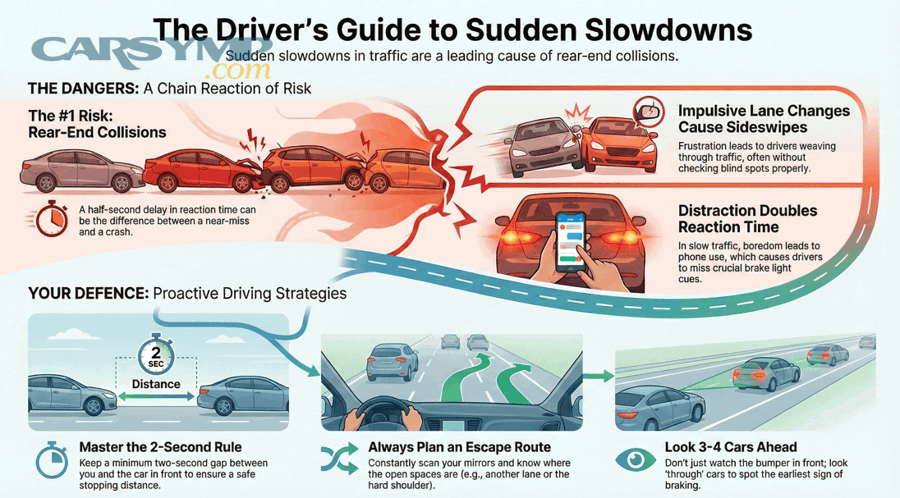
Most drivers do not stop because a part has already failed completely. They stop because the car is actively showing that failure is close. That distinction matters. A cooling system leak does not have to destroy the engine before it becomes a stop-driving condition. A brake issue does not have to cause total brake loss before it becomes too dangerous to continue. The goal is prevention, not reaction after catastrophic failure.
From a mechanical perspective, continued driving can multiply costs fast. An overheating engine can warp a cylinder head, damage a head gasket, and contaminate oil with coolant. A slipping transmission can overheat clutch packs, fill fluid with debris, and turn what might have started as a fluid, sensor, or solenoid issue into a full rebuild. That is why phrases like transmission slipping fix must be handled carefully: a true fix depends on the cause, and simply continuing to drive while hoping it improves often makes the final repair more expensive.
Is it ever safe to keep driving when a warning sign appears?
Yes, it is sometimes safe to keep driving when a warning sign appears, but only when the symptom is mild, stable, and not linked to overheating, braking, steering, smoke, severe power loss, or a flashing engine alert. More specifically, a warning sign becomes less about the light itself and more about the system behavior behind it.
A steady warning light with no drivability change is different from a warning light plus noise, heat, smell, or loss of control. For example, a steady check engine light with normal power may allow a careful trip to a repair shop. A flashing check engine light with shaking and loss of power should usually end the drive immediately because the engine may be misfiring badly enough to damage the catalytic converter.
The safest question is not “Can the car still move?” but “Will moving it likely make damage or danger worse?” If the answer may be yes, stopping is the better choice.
What types of damage can get worse if you keep driving?
There are 4 main types of damage that get worse if you keep driving: heat damage, friction damage, fluid-loss damage, and secondary system damage. Specifically, these types often build on one another rather than staying isolated to a single part.
Heat damage is common in engines and transmissions. When coolant drops or circulation fails, metal temperatures rise beyond safe limits. When automatic transmission fluid overheats, it loses protective quality and allows clutches and seals to degrade. Friction damage appears when moving parts operate without enough lubrication or when worn materials grind against one another, such as brake pads worn down to backing plates or damaged wheel bearings.
Fluid-loss damage becomes severe when oil, coolant, brake fluid, power steering fluid, or transmission fluid drops below safe levels. A small leak may start as an annoyance, but under heat and pressure it can become a system failure. Secondary damage happens when one failure harms another component, such as overheating causing head gasket failure, or a misfire overheating the catalytic converter.
According to a study by the U.S. Department of Energy’s Vehicle Technologies Office, excessive heat and poor lubrication accelerate wear and shorten component life across engine and drivetrain systems, especially under heavy load and elevated operating temperature.
Which warning signs mean you should stop driving immediately?
There are 6 major warning signs that mean you should stop driving immediately: overheating, brake failure symptoms, steering failure symptoms, a flashing check engine light, smoke or burning smells, and violent vibration or loss of power. Let’s explore each one because the safest decision usually comes from recognizing patterns, not isolated symptoms.
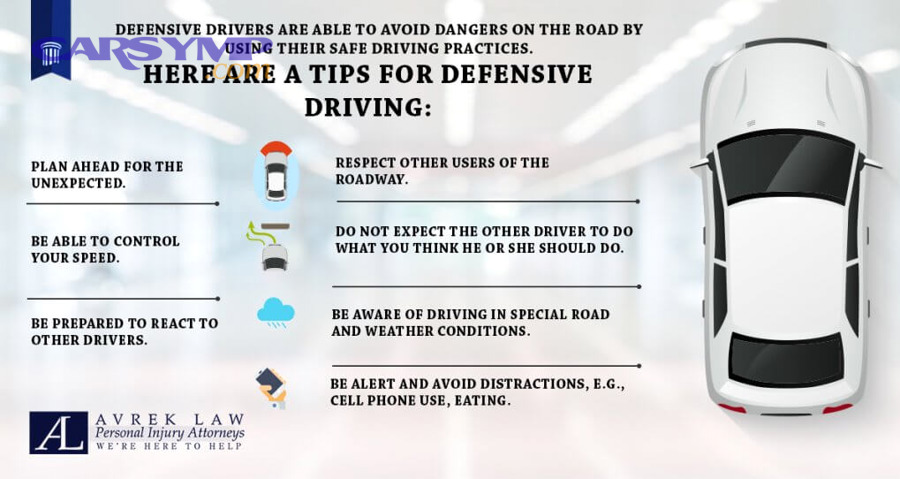
If your temperature gauge spikes, steam rises from under the hood, the brake pedal suddenly feels soft, the steering becomes hard or unpredictable, or the car shakes violently, you should treat the situation as urgent. These are not convenience issues. They are signs that the vehicle may be transitioning from degraded operation to failure.
Is a flashing check engine light a sign to stop driving right away?
Yes, a flashing check engine light is usually a sign to stop driving right away because it often signals a severe misfire, rising exhaust temperature, and risk of catalytic converter damage. More importantly, it tells you the engine is not burning fuel correctly in real time.
A flashing check engine light is very different from a steady one. A steady light often points to a stored fault that still needs diagnosis but may not be causing immediate harm. A flashing light generally means active combustion instability. The engine may run rough, hesitate, shake, or feel weak under throttle. Unburned fuel can enter the exhaust and overheat emission components quickly.
If you notice flashing plus shaking, cut speed and find a safe place to stop. Driving harder, climbing hills, or accelerating aggressively increases load and heat. That makes damage more likely.
What signs of overheating mean you must pull over now?
There are 5 main overheating signs that mean you must pull over now: a rising temperature gauge, steam, a coolant smell, an overheating warning message, and sudden loss of cabin heat. To illustrate, each symptom points to poor heat control inside the engine.
Steam from under the hood is the clearest sign. By that point, coolant may already be boiling out of the system. A sweet smell often indicates coolant escaping and burning off hot surfaces. A temperature gauge that climbs rapidly above normal shows the engine is no longer maintaining safe thermal balance. An overheating message on the dash confirms that the vehicle’s sensors see the same danger.
One often-missed clue is the heater blowing cold air when it should be warm. In many cars, that can mean coolant level is too low to circulate properly through the heater core. When the system can no longer move enough coolant, engine hot spots can develop fast.
If the engine overheats, shut it down as soon as it is safe. Continuing to drive can warp metal parts, damage seals, and create a much larger repair.
What brake or steering symptoms mean the car is unsafe to continue driving?
There are 6 brake and steering symptoms that make the car unsafe to continue driving: a soft brake pedal, grinding brakes, strong pulling, sudden steering heaviness, clunking during turns, and delayed steering response. However, the severity comes from lost control, not just driver discomfort.
A soft or sinking brake pedal can mean hydraulic loss, air in the system, or a serious fluid leak. Grinding brakes may mean pad material is gone and metal parts are contacting the rotor. Strong pulling under braking or at steady speed may point to uneven braking force, suspension failure, or a tire problem. Sudden steering heaviness can appear when power steering assist fails, while clunks and looseness can suggest worn or broken steering or suspension parts.
When the systems that direct and stop the car stop behaving predictably, the vehicle is no longer safe to operate normally. Even a short distance becomes risky because emergency maneuvers may no longer work as expected.
What noises, smoke, or smells mean continuing to drive could cause major damage?
There are 5 major sensory warnings that mean continuing to drive could cause major damage: knocking, grinding, burning oil smell, burning transmission fluid smell, and electrical burning smell or smoke. Especially when two or more appear together, you should assume the car needs immediate attention.
A loud engine knock can suggest internal engine wear or oil starvation. Grinding can come from brakes, bearings, or driveline parts. A burning oil smell may mean oil is leaking onto hot exhaust components. A sharp, hot chemical smell from the transmission area can indicate overheated fluid and clutch distress. This is where some drivers start searching for a transmission slipping fix, but smell plus slipping plus delayed movement is often a signal to stop, not experiment.
Electrical burning smells are especially serious because wiring, insulation, or modules may be overheating. Smoke makes the urgency even greater. Even if the vehicle still moves, smoke means something is burning or venting abnormally, and you should not keep driving to “see if it clears.”
According to research published by the National Highway Traffic Safety Administration, brake defects, tire failures, and engine-related fire risk remain significant contributors to roadside breakdowns and safety incidents in passenger vehicles.
Which symptoms may allow limited driving, and which do not?
Some symptoms may allow limited driving, while others do not; mild, stable, non-safety-related warnings may permit a short trip, but overheating, brake loss, steering problems, smoke, and severe drivetrain slipping do not. To better understand this boundary, compare stability with escalation.
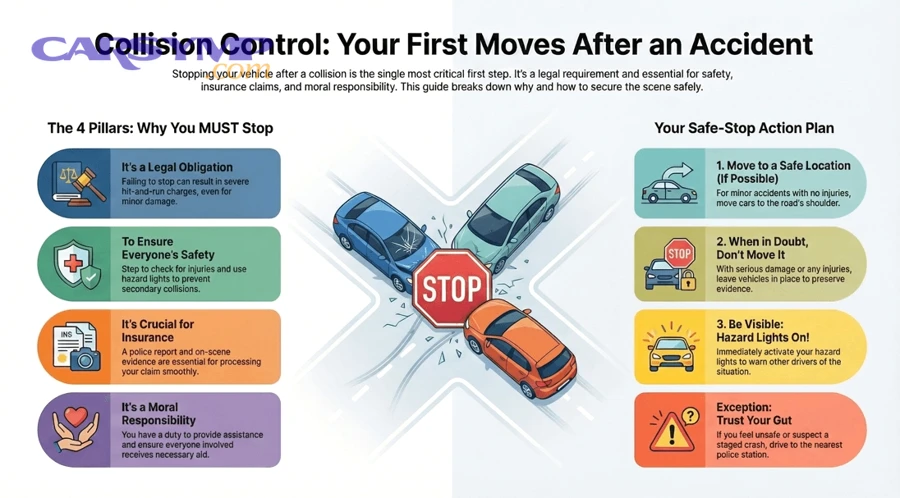
A symptom that stays the same, does not affect control, and does not involve excess heat or fluid loss may allow a careful drive to a nearby repair shop. A symptom that is getting worse, changes how the vehicle steers, stops, shifts, or cools itself, or creates loud noise or smell should not be ignored. Drivers often make expensive mistakes by confusing “still moving” with “still safe.”
Can you drive with a steady check engine light, or should you stop?
A steady check engine light may allow short, cautious driving if the engine runs normally, but you should stop if the light appears with shaking, power loss, overheating, or severe smell. Meanwhile, the real decision depends on behavior, not just the lamp.
If the car idles smoothly, accelerates normally, and shows no severe symptoms, the issue may be emissions-related or sensor-related rather than an active emergency. Even then, you should avoid heavy acceleration, towing loads, or long trips until the problem is diagnosed. If the engine stumbles, shakes, or hesitates badly, treat the condition as urgent even if the light is not flashing yet.
This difference matters because a steady light is often a maintenance and diagnosis issue, while a flashing or performance-affecting light becomes a damage-prevention issue.
Is a fluid leak always a reason to stop driving immediately?
No, a fluid leak is not always a reason to stop driving immediately because some drips are minor and some liquids, such as air-conditioning condensation, are harmless; however, brake fluid, coolant, fuel, and major oil or transmission leaks can require an immediate stop. More specifically, the type, color, smell, and rate of leakage matter.
Clear water under the car on a hot day may just be AC condensation. A small engine oil seep without active dripping may not be an emergency, though it still needs repair. Coolant leaks are much more serious because low coolant quickly becomes overheating. Brake fluid leaks directly threaten stopping ability. Fuel leaks raise fire risk. Transmission fluid leaks matter because low fluid can lead to slipping, overheating, and hard damage inside the unit.
This is one area where Temporary measures vs real fixes becomes important. Topping off fluid may buy a little time in some cases, but it is not the same as repairing the leak. A temporary measure becomes risky when it hides a worsening failure.
How is a minor vibration different from a dangerous vibration?
A minor vibration is usually light, speed-dependent, and predictable, while a dangerous vibration is strong, sudden, worsening, or paired with noise, pulling, or steering instability. In addition, dangerous vibration usually affects confidence and control immediately.
A small steering-wheel tremor at one highway speed may come from tire balance. It still deserves attention, but it may not require an instant stop if the car remains stable. A violent shake through the body, floor, or wheel that appears suddenly can indicate a failing tire, separated belt, bent wheel, bad axle, loose lug nuts, brake hardware problem, or failing suspension part.
If the vibration grows rapidly, appears with thumping, causes lane wandering, or feels like the car may lose a wheel or tire, you should stop as soon as you can do so safely.
According to tire safety guidance from the National Transportation Safety Board and transportation safety agencies, tire-related instability and ignored vibration increase the risk of blowouts and loss-of-control events, especially at highway speed.
What should you do after you decide to stop driving?
The safest response after you decide to stop driving is a 4-step process: reduce speed calmly, move to a safe area, shut the vehicle down if needed, and arrange qualified help or towing. Next, the quality of your response matters almost as much as the speed of your decision.
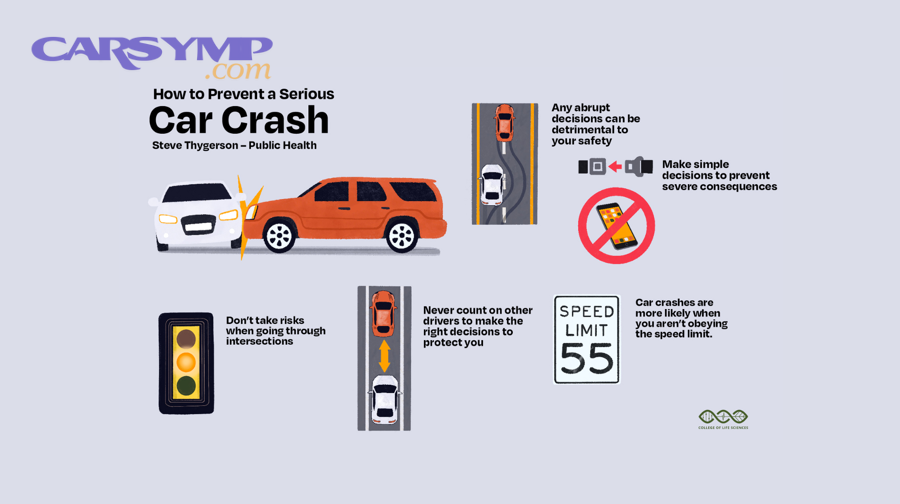
Once you recognize a stop-driving symptom, do not make abrupt moves unless immediate traffic danger forces it. Signal early, use hazard lights if needed, and guide the vehicle to the shoulder, an exit ramp, a parking lot, or another place away from live traffic. If the problem is overheating, smoking, or brake-related, minimizing additional driving time is essential.
What is the safest way to pull over and shut the vehicle down?
The safest way to pull over and shut the vehicle down is to signal early, slow gradually, avoid sudden lane changes, stop in a visible area, and switch the engine off once you are safely out of traffic flow. To illustrate, this method protects both the vehicle and the people inside it.
If the car still has control and braking, steer smoothly to a safe shoulder or lot. Turn on hazard lights. Keep the wheels straight if possible. If you are on a narrow shoulder with fast traffic, it may be safer to roll slowly to a wider area rather than stop immediately in a dangerous position. Once stopped, place the transmission in park, apply the parking brake if it works normally, and turn the engine off when continuing to run it would worsen the fault.
For overheating, shutting the engine off usually limits heat production. For brake issues, you may need to use extra caution when choosing the stop location. For smoke or fire concern, move away from the vehicle once stopped.
Should you restart the car, inspect it yourself, or call for a tow?
Restarting the car is only reasonable when the symptom seems minor and temporary, while visible leaks, smoke, overheating, severe slipping, brake problems, or steering issues usually justify calling for a tow. More importantly, roadside judgment should stay conservative.
A visual inspection can help if it remains simple and safe. You may notice coolant on the ground, a collapsed tire, smoke, or a loose belt. But many modern failures are not easy to diagnose at the roadside, and opening a hot cooling system or crawling around a car near traffic creates unnecessary risk. If the car already showed a serious symptom, restarting it repeatedly may worsen internal damage.
This is particularly true for automatics showing delayed movement, flaring RPM, harsh shifts, or neutral-like slipping. Drivers sometimes hope that fluid additives or a short cool-down will restore function, but Additives for slipping transmission: risks should be taken seriously. An additive cannot repair worn clutch material, broken seals, internal leakage, or damaged hard parts. In some cases, using the wrong product can complicate the diagnosis or change shift behavior unpredictably.
When is towing the better choice than driving to a repair shop?
Towing is the better choice when the car overheats, loses brake performance, shows steering failure, flashes the check engine light with misfire, smokes, leaks fuel, or slips so badly that movement is delayed or unstable. Thus, towing becomes the safer and often cheaper choice.
Many drivers avoid towing because they want to save money in the moment. Yet a tow bill is often far cheaper than replacing an engine, catalytic converter, or transmission. If the vehicle cannot maintain normal power, temperature, or control, driving it a short distance may not save anything at all.
As a rule, towing wins whenever continued operation could directly multiply damage. That is the clearest dividing line between inconvenience and real risk.
How can you tell whether the problem is engine, transmission, brake, or steering related?
You can usually tell whether the problem is engine, transmission, brake, or steering related by matching the symptom pattern to the system’s main job: power, gear transfer, stopping, or directional control. Below, that symptom-to-system map makes emergency decisions faster.
Drivers do not need a full diagnostic scan to make a safe first decision. They only need to recognize whether the failure affects heat control, power delivery, braking force, or steering response. Each system tends to produce its own cluster of clues.
What symptoms usually point to engine damage risk?
There are 6 common symptoms that point to engine damage risk: overheating, knocking, low oil pressure warnings, misfire with shaking, smoke, and major loss of power. Specifically, engine risk rises when lubrication, cooling, or combustion becomes unstable.
Overheating is the clearest engine threat because excessive temperature affects metal expansion and sealing surfaces quickly. Knocking may suggest internal wear, detonation, or oil starvation. A low oil pressure warning is one of the most serious alerts because bearings and other internal parts depend on oil film for survival. A severe misfire can create raw-fuel and catalyst damage while also making the engine run rough and inefficiently.
Blue smoke may suggest oil burning, white smoke may suggest coolant intrusion, and black smoke can indicate over-fueling. While the exact diagnosis varies, smoke plus power or temperature issues moves the problem toward stop-driving territory fast.
What symptoms usually point to transmission damage risk?
There are 6 common symptoms that point to transmission damage risk: slipping, delayed engagement, RPM flare during shifts, harsh engagement, a burning fluid smell, and refusal to move normally. For example, these symptoms often mean the unit is losing hydraulic control, friction capacity, or both.
Slipping means engine speed rises without matching vehicle acceleration. Delayed engagement appears when you shift into drive or reverse and nothing happens for a moment. RPM flare often shows up between gears when the transmission fails to hold the current gear cleanly before applying the next one. Harsh engagement can point to control issues, pressure problems, or worn internal parts.
A driver looking for a transmission slipping fix should first understand that the real fix depends on why the slipping happens. Low fluid, the wrong fluid, a faulty solenoid, a bad speed sensor, worn clutch packs, valve body faults, or internal leakage can all produce similar sensations. This is why Temporary measures vs real fixes matters again. Topping off fluid may help if the cause is low fluid and the leak is controlled. It is not a full repair. Additives may slightly alter friction feel in some cases, but Additives for slipping transmission: risks include masking symptoms, delaying proper diagnosis, and potentially interfering with manufacturer fluid chemistry.
What symptoms usually point to brake or steering failure risk?
There are 6 common symptoms that point to brake or steering failure risk: soft pedal feel, grinding under braking, heavy steering, pulling, clunking during turns, and wandering or delayed response. More importantly, all of these affect vehicle control directly.
Brake symptoms usually appear when stopping distance changes, pedal feel changes, or braking becomes noisy and rough. Steering symptoms appear when the wheel no longer gives consistent response, when assist disappears, or when suspension or steering joints produce play and impact noise. Either system can fail gradually, but the transition from “annoying” to “unsafe” can happen quickly.
When the symptom changes how the vehicle obeys your hands or your foot on the brake pedal, the margin for error becomes small. That is why these systems deserve one of the lowest stop-driving thresholds.
According to studies and technical safety analysis from transportation safety organizations, degraded braking performance and steering defects are strongly associated with crash risk because they reduce driver control in emergency maneuvers and stopping events.
How can drivers prevent reaching the point where they must stop driving?
Drivers can prevent reaching the point where they must stop driving by following 5 habits: watching for early symptoms, maintaining fluids correctly, responding quickly to warning lights, inspecting tires and brakes regularly, and fixing small leaks or shift issues before they escalate. In short, prevention begins long before the breakdown.
Many emergencies start as patterns that drivers dismiss. A small coolant loss becomes overheating. A faint brake noise becomes grinding. A slight shift flare becomes chronic slipping. A brief vibration becomes tire failure. Preventing the roadside stop often depends on taking early clues seriously when the car still offers a repair window.
Which early warning signs should car owners never ignore?
There are 7 early warning signs car owners should never ignore: small fluid leaks, intermittent overheating, rough shifting, warning lights, unusual smells, new noises, and vibration that is slowly getting worse. To better understand the pattern, think of early warning signs as low-volume versions of later emergencies.
The table below summarizes common early symptoms, the system they usually affect, and why delaying action often raises repair cost.
| Early warning sign | Common system involved | Why it should not be ignored |
|---|---|---|
| Coolant smell or low reservoir | Cooling system | Can become overheating and engine damage |
| Slight shift flare or slip | Transmission | Can overheat clutches and worsen internal wear |
| Soft brake feel starting gradually | Brakes/hydraulics | Can progress to poor stopping performance |
| New steering clunk | Steering/suspension | Can become unstable handling or part failure |
| Burning smell after normal driving | Engine, brakes, transmission, electrical | Often signals overheating fluid or friction |
| Small oil or fluid spots | Engine, transmission, brake, cooling | Indicates a leak that can spread under load |
| Repeating vibration | Tires, wheels, brakes, suspension | Can become a control and safety problem |
A small symptom does not always mean a small repair. It often means the problem has just reached the point where the driver can still act before a bigger failure occurs.
Is preventive maintenance really cheaper than driving until failure?
Yes, preventive maintenance is usually cheaper than driving until failure because it reduces secondary damage, shortens diagnostic time, and preserves expensive major components. More specifically, it turns high-cost surprises into lower-cost planned repairs.
Routine cooling system service helps prevent overheating. Regular brake inspection catches thin pads before rotors and calipers suffer. Tire rotation and pressure checks reduce abnormal wear and vibration. Proper transmission service supports shift quality and temperature control, though fluid condition must always match the manufacturer’s specification. This is also the right way to think about slipping symptoms: the best transmission slipping fix is not a guess, but a diagnosis followed by the correct repair path.
The temptation to lean on shortcuts is understandable, especially when the car still moves. But Additives for slipping transmission: risks and other quick products should never replace real diagnosis. Some temporary actions have a place, such as topping off approved fluid to reach safe minimum level or stopping to let an overheated system cool before towing. Those are short-term responses, not finished repairs. The difference between Temporary measures vs real fixes is whether the action solves the root cause or only delays the next failure.
According to data from maintenance cost analyses and vehicle reliability studies, early repairs and scheduled service generally reduce long-term ownership cost by preventing cascading failures in high-value systems such as engines, transmissions, brakes, and cooling components.
How do specific warning scenarios compare when deciding whether to drive, stop, or tow?
A flashing check engine light usually means stop, limp mode may or may not allow a short trip, towing is best when heat, control, or severe slipping are involved, and gas, hybrid, and EV warnings differ by system design. To sum up, comparison helps drivers make better decisions when symptoms seem similar on the surface.
This section expands the main topic by showing how different scenarios should be judged. The key is not just what the car says, but what the symptom means for temperature, control, and internal damage risk.
What is the difference between a flashing check engine light and a steady one?
A flashing check engine light signals an urgent active fault, while a steady check engine light usually signals a stored fault that still needs service but may not require an immediate stop. However, a steady light with strong symptoms can still be urgent.
Flashing usually points to severe misfire or another actively damaging condition. Steady usually points to a fault that has been detected but is not necessarily destroying parts second by second. That said, the light is only one clue. If a steady light comes with overheating or strong loss of power, the driver should still stop.
How is limp mode different from a true stop-driving condition?
Limp mode is a protective reduced-power strategy, while a true stop-driving condition is a state where continued operation is likely to cause immediate harm or safety loss. More specifically, limp mode is the car trying to help you avoid damage, but it is not permission to ignore the problem.
Some vehicles enter limp mode to cap speed, reduce throttle, or lock the transmission into a limited gear range. That may allow careful movement to a nearby safe place. But if limp mode appears with overheating, major slipping, smoke, or brake or steering symptoms, the protective strategy is not enough. The car may still need a tow.
Should you tow the car or drive a short distance to a shop?
Tow the car when the symptom affects safety, causes overheating, produces smoke, or creates severe slipping or poor control; drive a short distance only when the issue is stable, mild, and not worsening. In addition, the shorter and gentler the trip, the lower the risk.
A nearby shop does not justify gambling with a failing engine or transmission. If the vehicle is already warning that continuing operation will compound damage, distance does not matter much. Even one more mile can be the mile that changes the repair from manageable to catastrophic.
Are warning signs different for gas cars, hybrids, and EVs?
Yes, warning signs are different for gas cars, hybrids, and EVs because each powertrain uses different systems, heat management methods, and control strategies; however, the core stop-driving rule remains the same: stop when heat, control, or drivetrain integrity is at risk. Besides, the type of warning changes, but the logic does not.
Gas vehicles often warn through coolant temperature, oil pressure, exhaust smoke, and misfire behavior. Hybrids may add battery cooling, regenerative braking, and hybrid-system messages. EVs may show powertrain fault messages, high-voltage system warnings, battery temperature alerts, or sudden power limitation. In all cases, a warning that affects propulsion, braking feel, steering behavior, or thermal stability should be treated seriously.
The best response is always grounded in the same principle: if the car is telling you that continued driving can worsen damage or reduce control, stop first and diagnose second. That approach protects the vehicle, lowers repair risk, and keeps the driver’s next decision calm and informed.
In practice, the smartest driver is not the one who can guess the exact failed part on the roadside. The smartest driver is the one who knows when a vehicle has crossed the line from inconvenience to risk. That judgment protects both safety and repair cost. Once overheating, brake weakness, steering instability, smoke, severe vibration, or major shift slipping appears, stopping early is often the most economical decision you can make.
That principle also explains why shortcuts so often fail. Drivers naturally look for easy answers when a car still moves, especially with drivetrain problems. Yet a true transmission slipping fix depends on the real cause, not on wishful thinking. Low fluid, worn clutch material, internal leaks, bad solenoids, sensor faults, and valve body issues can all feel similar from the driver’s seat. Because of that, Temporary measures vs real fixes is not just a repair-shop phrase. It is the difference between controlling damage early and paying for much more damage later.
A good example is the use of quick-fix products. Discussions about Additives for slipping transmission: risks usually miss the bigger point: even when an additive changes how the unit feels for a short time, it does not rebuild worn friction material, replace damaged seals, restore burned fluid chemistry, or correct a mechanical failure. At best, a temporary measure may buy diagnostic time in a narrow situation. At worst, it delays proper repair until the transmission loses the ability to move the vehicle reliably at all.
The same logic applies outside the transmission. A small coolant top-off is not a cooling-system repair. Extra brake fluid is not a brake-system repair if the system is leaking. Clearing a warning light is not the same as correcting the fault that triggered it. In every system, temporary relief without root-cause repair increases the chance that the next warning will be more serious.
The practical takeaway is simple. Stop driving when the symptom points to heat, loss of control, or internal damage. Use towing when the vehicle can no longer protect itself mechanically or keep you safe dynamically. And treat any temporary workaround as exactly what it is: a short bridge to diagnosis, not permission to continue normal driving.
When drivers follow that rule, they usually avoid the most expensive outcomes. They prevent secondary damage, protect major components, and give technicians a better chance to diagnose the original fault before it spreads. That is the real value of knowing when to stop driving to prevent damage: you are not only protecting the car you have today, but also protecting the repair options you still have left.