


A slipping transmission is usually a warning sign, not an invitation to pour in a miracle bottle. In most cases, transmission additives do not repair the underlying fault; they may only change fluid behavior for a short time while the real cause—such as worn friction material, pressure loss, overheating, or an electrical control problem—continues to worsen. That is why car owners should treat additives as a limited-risk decision, not a true transmission slipping fix. ([valvolineglobal.com](https://www.valvolineglobal.com/en-eur/what-should-you-do-if-you-put-the-wrong-transmission-fluid/?))
The next issue is understanding what these products are actually designed to do. Some are sold as friction modifiers, some as leak-stop formulas with seal-conditioning chemistry, and some as thicker blends meant to change the way the fluid behaves under load. Those claims sound helpful, but modern transmissions depend on highly specific fluid properties, so changing that chemistry can sometimes create new shift problems instead of solving the old one. ([valvolineglobal.com](https://www.valvolineglobal.com/en/blog/frequently-asked-questions/does-transmission-fluid-have-additives/?))
Then comes the comparison that matters most to car owners: additive use versus proper service and diagnosis. A correct fluid service restores the transmission with the proper specification fluid, while diagnosis identifies whether the problem is low fluid, heat damage, worn clutches, a sticking solenoid, valve body wear, or another internal fault. That difference matters because symptom masking and root-cause repair are not the same thing. ([repairpal.com](https://repairpal.com/estimator/transmission-fluid-change-cost?))
More importantly, the safest choice depends on the warning signs you already have. A mild flare on an older transmission is a different situation from burnt fluid, limp mode, no engagement, or a strong burning smell. Introduce a new idea: the sections below break down when additives may offer only temporary relief, when they create extra risk, and when you should stop driving and get the vehicle checked immediately. ([static.nhtsa.gov](https://static.nhtsa.gov/odi/rcl/2009/RCDNN-09V436-4259.pdf?))
Should You Use Additives for a Slipping Transmission?
No, you usually should not use additives for a slipping transmission as a real fix because they rarely repair the cause, they can alter fluid chemistry, and they may delay needed diagnosis.
To better understand that answer, separate “temporary symptom change” from “mechanical repair.”
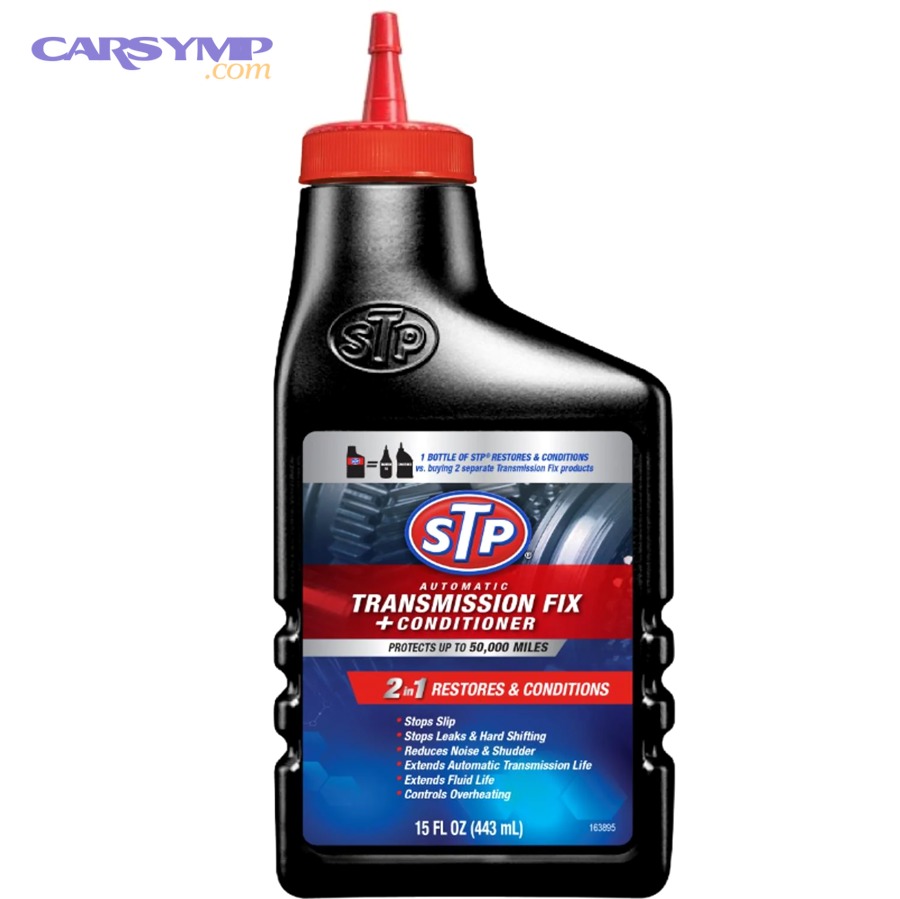
A transmission slips when engine speed rises without the expected transfer of power to the wheels, or when the transmission hesitates, flares between gears, or fails to engage smoothly. In everyday driving, that can feel like delayed movement from a stop, a surge in RPM during an upshift, or inconsistent pull under load. Those symptoms often point to declining clutch friction, pressure control issues, overheated or degraded fluid, or internal wear—not simply “bad fluid” in the casual sense. ([allaroundautorepair.com](https://allaroundautorepair.com/5-signs-your-transmission-is-slipping-and-what-to-do-about-it/?))
Because of that, an additive does not enter the transmission and rebuild worn clutch material, reseal damaged hard parts, or restore worn hydraulic components to factory condition. What it can do, in some cases, is change how the fluid behaves. That change may slightly soften shudder, reduce a small leak path, or make a marginal transmission feel different for a limited period. But a different feel is not proof of a repaired unit. When the underlying problem is friction loss, pressure loss, or overheating, the damage trend normally continues. ([valvolineglobal.com](https://www.valvolineglobal.com/en/blog/frequently-asked-questions/does-transmission-fluid-have-additives/?))
This is why experienced technicians treat additives cautiously. They know that a bottle can blur the symptom pattern and make the next diagnosis less clear. A driver may think the problem is “better,” keep using the vehicle, and arrive later with darker fluid, more heat damage, and fewer low-cost options. That is the real risk: not just chemistry, but lost time. ([allaroundautorepair.com](https://allaroundautorepair.com/5-signs-your-transmission-is-slipping-and-what-to-do-about-it/?))
Can a Transmission Additive Temporarily Reduce Slipping?
Yes, a transmission additive can sometimes temporarily reduce slipping by changing friction behavior, thickening the fluid slightly, or conditioning aged seals.
However, temporary improvement is still temporary.
If the transmission is only mildly symptomatic and the fluid is old, an additive may make the shift feel firmer or reduce a light flare for a while. That happens because the product can influence how the clutches apply or how pressure behaves in a marginal system. In a very narrow scenario—older transmission, mild wear, no severe overheating, no major electrical fault—that can feel like a benefit. ([amsoil.com](https://www.amsoil.com/p/amsoil-oe-fuel-efficient-100-synthetic-automatic-transmission-fluid-otl/?srsltid=AfmBOoolcQUFqhe5q0LwU6cunmCOraoSUjnH9iEAEWpJPAxfSRmHiSMq&))
The problem is that short-term improvement does not reveal whether the transmission is healthier or simply reacting differently to altered fluid chemistry. If the clutches are already worn thin, if the valve body has pressure-control wear, or if a solenoid is sticking, the additive has not repaired those parts. It has only changed the operating environment around them. That is why drivers sometimes report a brief improvement followed by a return of symptoms. ([allaroundautorepair.com](https://allaroundautorepair.com/5-signs-your-transmission-is-slipping-and-what-to-do-about-it/?))
In practical terms, a temporary result may buy diagnostic time, but it should not change your decision path. If slipping is present, document the symptom, check the fluid condition and level where applicable, and plan for inspection rather than assuming the problem is solved.
Why Is a Slipping Transmission Usually a Sign of a Bigger Problem?
A slipping transmission is usually a sign of a bigger problem because torque transfer depends on friction, pressure, temperature control, and command accuracy working together.
Specifically, when one of those elements falls out of range, slipping appears as a symptom, not a stand-alone defect.
The most common deeper causes include worn clutch packs or bands, low or degraded fluid, clogged filters, leaking seals, failing solenoids, valve body wear, torque converter problems, and heat-related damage. Even on vehicles where fluid service has been neglected rather than abused, heat and oxidation slowly reduce the fluid’s ability to protect and control friction. Valvoline notes that transmission fluid works under significant heat and friction and gradually oxidizes and loses protective performance over time. ([valvolineglobal.com](https://www.valvolineglobal.com/en-eur/the-truth-about-lifetime-fluids–why-they-still-need-checking/?))
That is why a slipping complaint should always be read as a system-level warning. The phrase “Worn clutches vs solenoid issues comparison” matters here because both can produce similar driver complaints, yet the remedy is completely different. Worn clutches are a friction-material failure inside the unit, while solenoid or valve body issues are control and hydraulic faults. If you guess wrong and treat both with the same bottle, you risk spending money without changing the outcome. ([allaroundautorepair.com](https://allaroundautorepair.com/5-signs-your-transmission-is-slipping-and-what-to-do-about-it/?))
According to Valvoline, transmission fluids contain friction modifiers, anti-wear additives, and other chemistry designed for specific operating needs, which shows how closely shift quality depends on correct fluid behavior. ([valvolineglobal.com](https://www.valvolineglobal.com/en/blog/frequently-asked-questions/does-transmission-fluid-have-additives/?))
What Are Transmission Additives and How Are They Supposed to Work?
Transmission additives are aftermarket chemical formulas added to transmission fluid to change friction, viscosity, seal condition, or cleanliness in hopes of improving symptoms.
Next, it helps to understand the main product categories before judging the claims.
Unlike OEM fluid, which is engineered as a complete formula for a defined specification, an aftermarket additive is a supplemental chemistry package. That package may aim to increase grab, reduce slip, soften seals, reduce leaks, quiet shudder, or clean varnish. The promise is simple: improve the transmission’s behavior without opening the unit. The technical reality is more complicated because the transmission already depends on a very specific fluid balance. ([valvolineglobal.com](https://www.valvolineglobal.com/en/blog/frequently-asked-questions/does-transmission-fluid-have-additives/?))
Modern automatic transmissions, CVTs, hybrid drivetrains, and dual-clutch systems often have tighter fluid demands than older units. Friction material, solenoid response, valve body calibration, torque converter behavior, and heat management are designed around a matching fluid specification. Once you add something that changes that balance, you are no longer operating exactly within the intended chemical window. ([amsoil.com](https://www.amsoil.com/p/amsoil-100-synthetic-cvt-fluid-cvt/?srsltid=AfmBOoqLIMZahI8UaMnEzuLcwa8AWY333zdi9i3f1tq8y7w18b5U6ixq&))
What Types of Additives Are Marketed for Slipping Transmissions?
There are four main types of additives marketed for slipping transmissions: friction modifiers, seal-conditioning leak-stop products, viscosity boosters, and cleaner/protectant formulas.
To better understand the category, each type targets a different symptom pattern.
Friction modifiers are marketed to improve clutch engagement feel. These products imply that changing the way surfaces interact can reduce flare, shudder, or slip. They are usually aimed at transmissions that still move and shift but no longer feel crisp. Their weakness is that they cannot replace missing clutch material or fix hydraulic wear.
Seal-conditioning products are sold for older transmissions with minor seepage or hardened seals. The logic is that softened or conditioned seals may reduce pressure loss or external leaks. In very mild cases, that may reduce symptom severity. But if the seal damage is advanced or the issue lies elsewhere, the effect will be limited. AMSOIL notes that properly formulated ATF can already include seal conditioners, which is different from randomly altering an existing fluid with an unknown extra package. ([amsoil.com](https://www.amsoil.com/p/amsoil-oe-fuel-efficient-100-synthetic-automatic-transmission-fluid-otl/?srsltid=AfmBOoolcQUFqhe5q0LwU6cunmCOraoSUjnH9iEAEWpJPAxfSRmHiSMq&))
Viscosity boosters try to thicken or stabilize fluid behavior. That can create the impression of stronger engagement in some worn units, but it may also change cold-flow behavior and response time. Cleaner or protectant formulas focus more on varnish, deposits, and wear control than on direct slip correction. These categories often overlap in marketing, which is why label promises sound broader than the chemistry really is. ([amsoil.com](https://www.amsoil.com/p/amsoil-oe-fuel-efficient-100-synthetic-automatic-transmission-fluid-otl/?srsltid=AfmBOoolcQUFqhe5q0LwU6cunmCOraoSUjnH9iEAEWpJPAxfSRmHiSMq&))
How Do Additives Change Fluid Behavior Inside the Transmission?
Additives change fluid behavior by altering friction response, viscosity, seal interaction, and sometimes deposit control inside the transmission.
More specifically, that matters because the transmission uses fluid as both lubricant and hydraulic control medium.
Automatic transmissions do not use fluid only to lubricate gears. The fluid also carries hydraulic pressure, cools components, and influences clutch application feel. If you change friction behavior, the shift can feel firmer or softer. If you change viscosity, pressure response and cold-start behavior can change. If you change seal interaction, a small leak path may behave differently. That is why “just adding a bottle” is never as simple as it sounds. ([valvolineglobal.com](https://www.valvolineglobal.com/en/blog/frequently-asked-questions/does-transmission-fluid-have-additives/?))
This also explains why the wrong chemistry can create side effects. Valvoline warns that using the wrong transmission fluid can be potentially damaging, and the same logic applies when an additive pushes the existing fluid away from its intended properties. AMSOIL also notes that certain lubricant additives are not compatible with brass synchronizers in manual transmission contexts, which reinforces the broader principle that additive compatibility matters in drivetrain systems. ([valvolineglobal.com](https://www.valvolineglobal.com/en-eur/what-should-you-do-if-you-put-the-wrong-transmission-fluid/?))
According to Valvoline, transmission fluid already includes anti-wear protection, friction modifiers, and anti-shudder chemistry, which means aftermarket additives are modifying an already engineered formula rather than filling an empty chemical gap. ([valvolineglobal.com](https://www.valvolineglobal.com/en/blog/frequently-asked-questions/does-transmission-fluid-have-additives/?))
What Are the Risks of Using Additives for a Slipping Transmission?
The main risks of using additives for a slipping transmission are compatibility problems, delayed diagnosis, harsher or inconsistent shifting, and higher repair costs later.
Then, the risk becomes clearer when you think beyond the first test drive.
Many drivers judge an additive in the first 20 miles. The transmission feels a bit different, so they assume the product works. But a slipping transmission often changes behavior with temperature, load, road speed, and fluid condition. A temporary change in feel can hide the fact that clutch damage, overheating, or hydraulic wear is still progressing. That is why delayed diagnosis is often the most expensive risk. ([allaroundautorepair.com](https://allaroundautorepair.com/5-signs-your-transmission-is-slipping-and-what-to-do-about-it/?))
The second risk is chemistry mismatch. A transmission built around a specific fluid behavior may not react well when that behavior changes. Some units become sluggish on cold starts, others shift harder, and some develop inconsistent apply timing. This matters even more in late-model vehicles, CVTs, and hybrid applications, where fluid properties are closely tied to design requirements. Valvoline specifically highlights that different transmission types require different fluids, and its hybrid ATF emphasizes compatibility with insulating materials and coatings used in hybrid drivetrains. ([shop.valvolineglobal.com](https://shop.valvolineglobal.com/products/hybrid-vehicle-automatic-transmission-fluid?srsltid=AfmBOorIH85ZkpfG80cexI2u995F8NaIy711kVOUMu5_6a4kRrzoZ-TK&))
The third risk is economic. A bottle looks cheap compared with a shop visit, but if it delays a serviceable problem until it becomes an overhaul problem, the final bill grows quickly. That is why a product that feels like savings can function like a postponement fee.
Can the Wrong Additive Make a Transmission Worse?
Yes, the wrong additive can make a transmission worse by changing shift behavior, worsening cold performance, masking faults, or increasing stress on already damaged parts.
However, “worse” does not always mean immediate failure; it often means less predictable operation.
For example, a thicker additive may seem useful in a worn transmission, but in cold conditions it can affect how quickly the fluid flows during startup. AMSOIL notes that properly engineered ATF is designed to remain fluid in sub-zero temperatures for reliable shifts, which shows why altering viscosity outside the intended balance can be risky. ([amsoil.com](https://www.amsoil.com/p/amsoil-oe-fuel-efficient-100-synthetic-automatic-transmission-fluid-otl/?srsltid=AfmBOoolcQUFqhe5q0LwU6cunmCOraoSUjnH9iEAEWpJPAxfSRmHiSMq&))
Likewise, if the real issue is electrical or hydraulic control—such as a sticking solenoid, worn valve body bore, or pressure regulation problem—an additive may only blur the symptom. The vehicle might still flare, hesitate, or shift harshly, but now the pattern is less clean for the technician to trace. In short, the bottle does not have to “destroy” the transmission to make your problem worse; it only has to make the failure harder to identify or allow more wear time. ([allaroundautorepair.com](https://allaroundautorepair.com/5-signs-your-transmission-is-slipping-and-what-to-do-about-it/?))
Which Risks Matter Most to Car Owners Before Trying a Quick Fix?
The four risks that matter most are mechanical risk, diagnostic-delay risk, compatibility risk, and financial risk.
Below, grouping them this way makes the decision easier.
Mechanical risk means the unit is already damaged and the additive cannot stop continued wear. Diagnostic-delay risk means the owner postpones inspection because the transmission feels a little better for a short time. Compatibility risk means the extra chemistry may not match the required fluid behavior for that specific transmission. Financial risk means the cheapest step now may lead to the largest invoice later. ([valvolineglobal.com](https://www.valvolineglobal.com/en-eur/what-should-you-do-if-you-put-the-wrong-transmission-fluid/?))
To give context, the table below shows how those risks usually play out for everyday drivers.
| Risk type | What it means | Typical result if ignored |
|---|---|---|
| Mechanical risk | Internal wear continues | More slip, more heat, less repairability |
| Diagnostic-delay risk | Real cause goes untested | Small problem becomes large repair |
| Compatibility risk | Fluid behavior changes unpredictably | Harsh shifts, flare, poor cold response |
| Financial risk | Cheap shortcut replaces proper service | Higher total repair bill |
A smart owner should read that table as a decision map, not a scare tactic. The goal is not to avoid every product out of fear; the goal is to avoid confusing symptom management with repair.
According to RepairPal, the average transmission fluid change is currently estimated at $232 to $290, while a transmission replacement is estimated at $5,892 to $6,402, illustrating how a missed early intervention can become dramatically more expensive. ([repairpal.com](https://repairpal.com/estimator/transmission-fluid-change-cost?))
What Can Additives Fix, and What Can’t They Fix?
Additives may temporarily help mild symptom patterns, but they cannot repair worn clutches, broken hard parts, electrical faults, or major hydraulic wear.
To better understand the boundary, separate “marginal operation” from “component failure.”
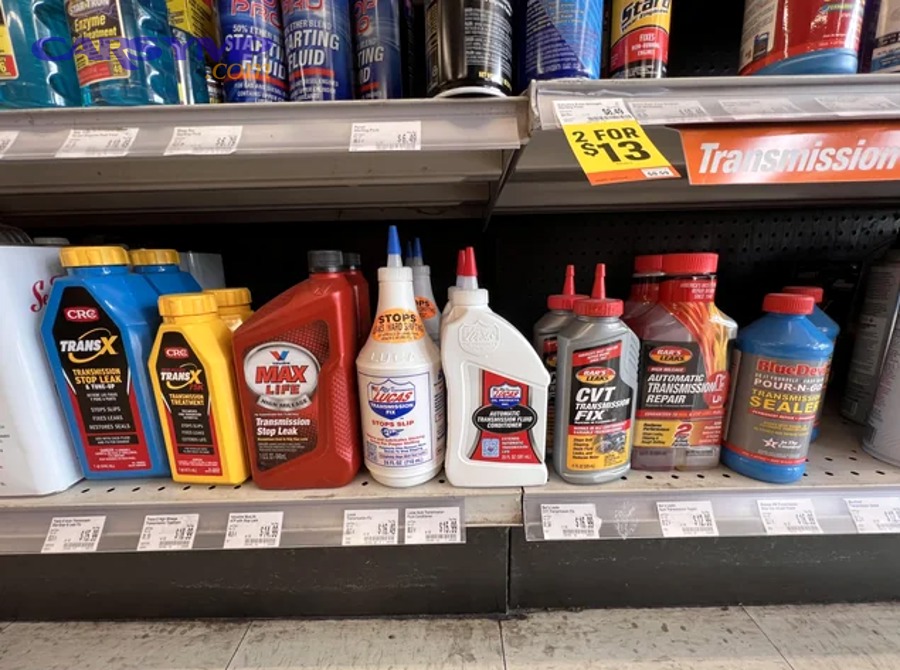
That line matters because many slipping complaints sit in one of two buckets. The first bucket is an older or lightly symptomatic transmission with tired fluid, minor seal aging, or early shift quality decline. The second bucket is a failing transmission with real friction loss, heat damage, or control-system faults. Additives are discussed so often because owners hope their vehicle sits in the first bucket. Many do not. ([allaroundautorepair.com](https://allaroundautorepair.com/5-signs-your-transmission-is-slipping-and-what-to-do-about-it/?))
This is the point where a realistic transmission slipping fix must be defined honestly. A real fix either restores correct fluid condition with the right service, repairs the leaking or malfunctioning control component, or rebuilds the worn mechanical elements. A bottle may be a test, a stopgap, or a gamble, but it is not the same as a fix unless the original problem was trivial and fluid-related.
Which Transmission Problems Might Show Temporary Improvement With an Additive?
Three conditions might show temporary improvement: mild seal aging, degraded shift feel from old fluid, and very early symptom stages without severe internal damage.
Specifically, those are narrow cases, not the standard outcome.
A high-mileage transmission with minor seepage and only light shift hesitation may respond to seal-conditioning or altered friction behavior for a period. A neglected unit with old fluid may also feel somewhat different after chemistry changes, though a correct service is still the better route. In rare situations, the owner experiences reduced flare or smoother apply for a while and assumes the issue is solved. That is the best-case story behind additive use. ([amsoil.com](https://www.amsoil.com/p/amsoil-oe-fuel-efficient-100-synthetic-automatic-transmission-fluid-otl/?srsltid=AfmBOoolcQUFqhe5q0LwU6cunmCOraoSUjnH9iEAEWpJPAxfSRmHiSMq&))
Even there, the key word is temporary. If the change fades, that is valuable information: the transmission was already operating on the edge. Treat that brief improvement as a diagnostic clue, not a maintenance plan.
What Problems Will an Additive Not Repair?
Additives will not repair worn clutch packs, damaged bands, bad solenoids, valve body wear, torque converter faults, burnt fluid damage, or broken internal parts.
More importantly, once friction material is gone, chemistry cannot replace it.
This is where the worn clutches vs solenoid issues comparison becomes useful. A worn clutch pack loses holding ability because the friction material is physically deteriorated. A bad solenoid or valve body fault changes how pressure is commanded or routed. The driver may feel “slip” in either case, but the remedy is not chemical. The first needs internal repair; the second needs diagnosis and targeted repair. That is why symptom overlap should never lead to bottle-first thinking. ([allaroundautorepair.com](https://allaroundautorepair.com/5-signs-your-transmission-is-slipping-and-what-to-do-about-it/?))
The same applies to overheated transmissions. A strong burnt smell often points to heat stress, and NHTSA documentation notes that warning systems for critical transmission temperature can reduce failure potential, which underscores how serious overheating can be. Once the unit has been repeatedly overheated, fluid breakdown and component wear have already started. ([static.nhtsa.gov](https://static.nhtsa.gov/odi/rcl/2009/RCDNN-09V436-4259.pdf?))
Is an Additive Better Than Changing the Fluid or Getting a Diagnosis?
An additive is usually worse than changing the fluid correctly or getting a diagnosis because service restores specification and diagnosis identifies the cause.
Meanwhile, additives mostly change symptoms without confirming why the symptoms appeared.
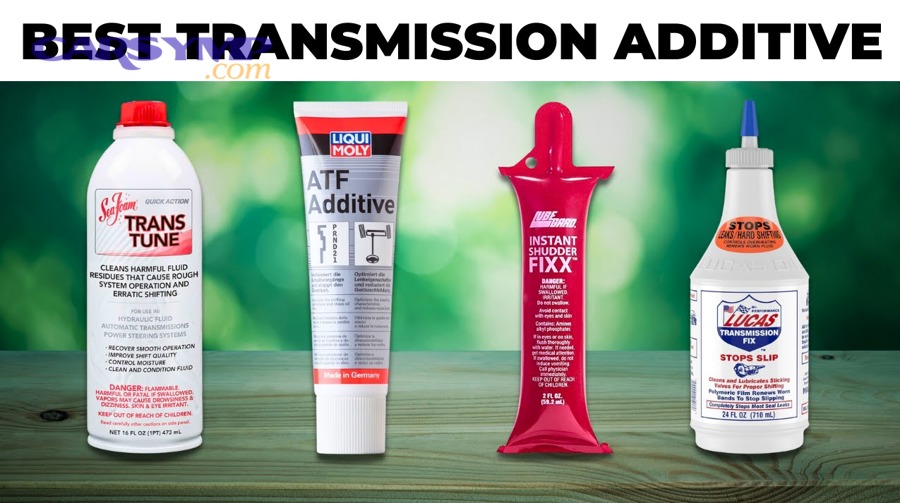
A proper fluid service uses the right fluid for the exact application and refreshes the chemistry the transmission was designed to use. An additive changes the existing formula without proving that the formula was the main problem. Those are fundamentally different actions. If the transmission only needs maintenance, proper service is more logical. If the transmission has a fault, diagnosis is more logical. The bottle fits between those choices without truly replacing either one. ([valvolineglobal.com](https://www.valvolineglobal.com/en-eur/what-should-you-do-if-you-put-the-wrong-transmission-fluid/?))
A driver should also think in terms of information value. A service and scan can tell you something useful about the vehicle’s condition. An additive usually tells you only that the transmission felt different afterward. That is weaker information, especially when repair decisions are expensive.
How Does an Additive Compare With a Proper Transmission Fluid Service?
A proper transmission fluid service wins on specification accuracy, long-term safety, and maintenance value, while an additive only wins on convenience and immediate simplicity.
However, convenience is not the same as mechanical wisdom.
Fluid service replaces aged fluid with the correct specification fluid, which matters because modern transmissions depend on defined friction and viscosity properties. Car Care Council materials emphasize regular fluid and filter attention for longer automatic transmission life, and RepairPal’s current estimate shows fluid service costs are far below replacement costs. ([carcare.org](https://www.carcare.org/2020/08/learn-the-abcs-of-car-care/?))
An additive, by contrast, does not remove contaminated fluid, does not restore the transmission to its intended chemical baseline, and does not confirm whether the fluid level, filter condition, or internal pressure is correct. It may be easier, but “easy” is not the same category as “better.”
How Does an Additive Compare With Professional Diagnosis and Repair?
Professional diagnosis wins for accuracy, repair planning, and long-term reliability, while an additive only offers a low-information shortcut.
On the other hand, diagnosis can feel expensive upfront, which is why many owners hesitate.
That hesitation is understandable. People hear “transmission” and immediately fear a rebuild bill. But diagnosis does not automatically mean overhaul. It may reveal a fluid issue, a leak, a cooler problem, a code pointing to a solenoid fault, or another targeted repair. Without that inspection, the owner cannot tell whether the transmission needs service, component repair, or replacement. ([repairpal.com](https://repairpal.com/estimator/cadillac/dts/transmission-leak-inspection-cost?))
This is also the right place to mention a Repair cost estimate for slipping transmission in practical terms. Today, a basic fluid change averages $232 to $290, a filter-and-fluid change averages $562 to $727, and full transmission replacement averages $5,892 to $6,402, according to RepairPal. Those ranges vary by vehicle and location, but they illustrate why early diagnosis can protect the lower-cost paths. ([repairpal.com](https://repairpal.com/estimator/transmission-fluid-change-cost?))
When Should Car Owners Avoid Additives and Get Help Immediately?
Car owners should avoid additives and get help immediately when the transmission shows severe slipping, no engagement, warning lights, burnt smell, overheating, or limp mode behavior.
More importantly, these signs suggest the issue is beyond safe experimentation.
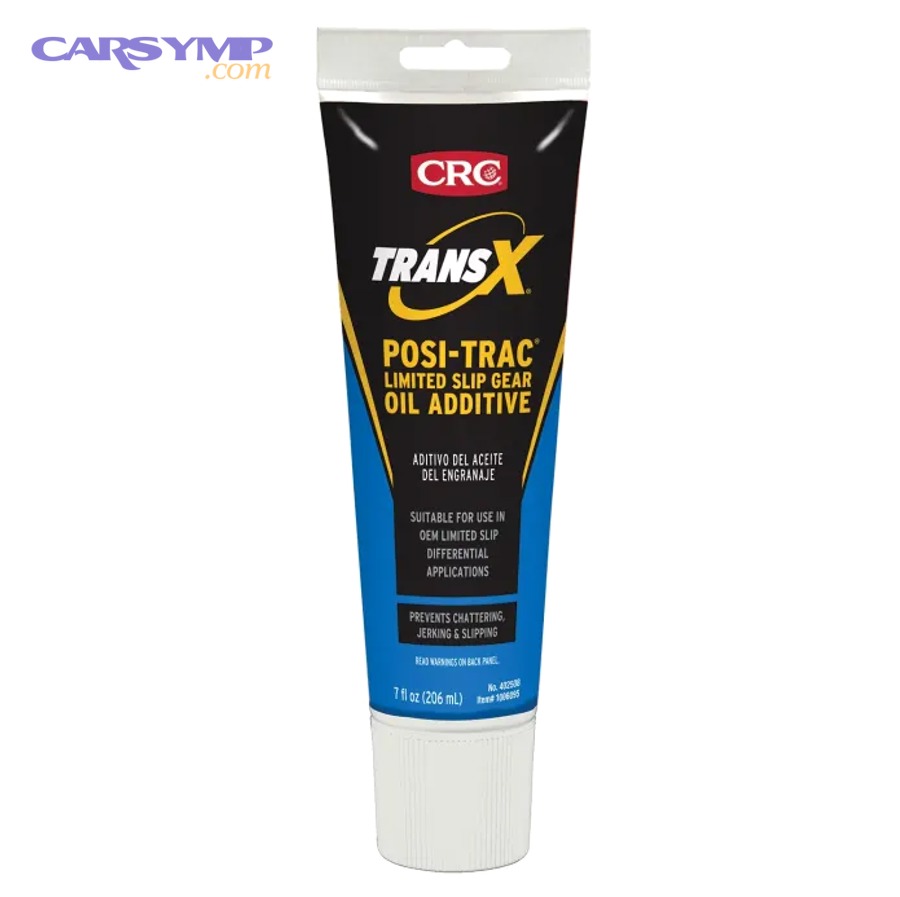
At this stage, the goal changes from “maybe improve it” to “prevent further damage.” Continued driving with heavy slip creates heat, and heat is one of the fastest ways to destroy what is left of the clutches and fluid. If the vehicle suddenly revs without moving properly, bangs into gear, refuses certain gears, or enters a reduced-power mode, stop thinking about additives and start thinking about diagnosis, towing, and fault containment. ([static.nhtsa.gov](https://static.nhtsa.gov/odi/rcl/2009/RCDNN-09V436-4259.pdf?))
This section matters because many owners wait too long. They tolerate small signs until the transmission loses driveability, then look for a last-minute bottle solution. That is the wrong timing. The later the symptom stage, the lower the chance that any fluid adjustment will matter.
Which Warning Signs Mean You Should Stop Driving and Skip the Additive?
Six major warning signs mean you should stop driving and skip the additive: burnt smell, no movement in gear, severe flare, transmission warning light, limp mode, and dark or badly contaminated fluid.
Below, each sign points to elevated risk rather than minor inconvenience.
A burnt smell suggests overheating fluid or friction material. No movement in gear suggests severe hydraulic or mechanical failure. Severe flare during shifts means the transmission is failing to hold power correctly. A transmission warning light or limp mode means the vehicle’s control system has detected a serious enough problem to limit operation. Dark, burnt, or debris-filled fluid indicates the system has already been under stress. ([aamcoknoxville-stekoialane.com](https://www.aamcoknoxville-stekoialane.com/Blog/Article/Spotting-the-Signs-of-an-Overheating-Transmission?))
If one or more of those symptoms appear together, keep driving only as far as necessary to reach safety. Do not test a bottle, do not tow heavy loads, and do not assume the problem will clear after cooling down.
What Is the Safest Next Step for a Car Owner With a Slipping Transmission?
The safest next step is to verify the symptom, avoid random additives, check for obvious leaks, scan for codes, and arrange professional diagnosis.
Thus, a calm sequence is better than a desperate shortcut.
Start by noting when the slip occurs: cold, hot, uphill, under throttle, or during a specific shift. Check whether the vehicle has warning lights or enters limp mode. If the transmission design allows fluid-level inspection, verify the level and condition according to the manufacturer procedure. Look for fresh leaks under the vehicle. Then schedule diagnosis before the symptom worsens. ([autozone.com](https://www.autozone.com/diy/electrical/what-is-limp-mode?))
That path gives you information, which is exactly what you need when facing transmission decisions. Good decisions come from pattern, condition, and data—not hope in a bottle.
How Do Transmission Type, Warranty, and Fluid Specifications Change the Risk of Using Additives?
Transmission type, warranty status, and fluid specification change the risk because the more specialized the transmission, the less tolerant it usually is of chemistry changes.
In addition, modern units often depend on narrower fluid-performance targets than older automatics.
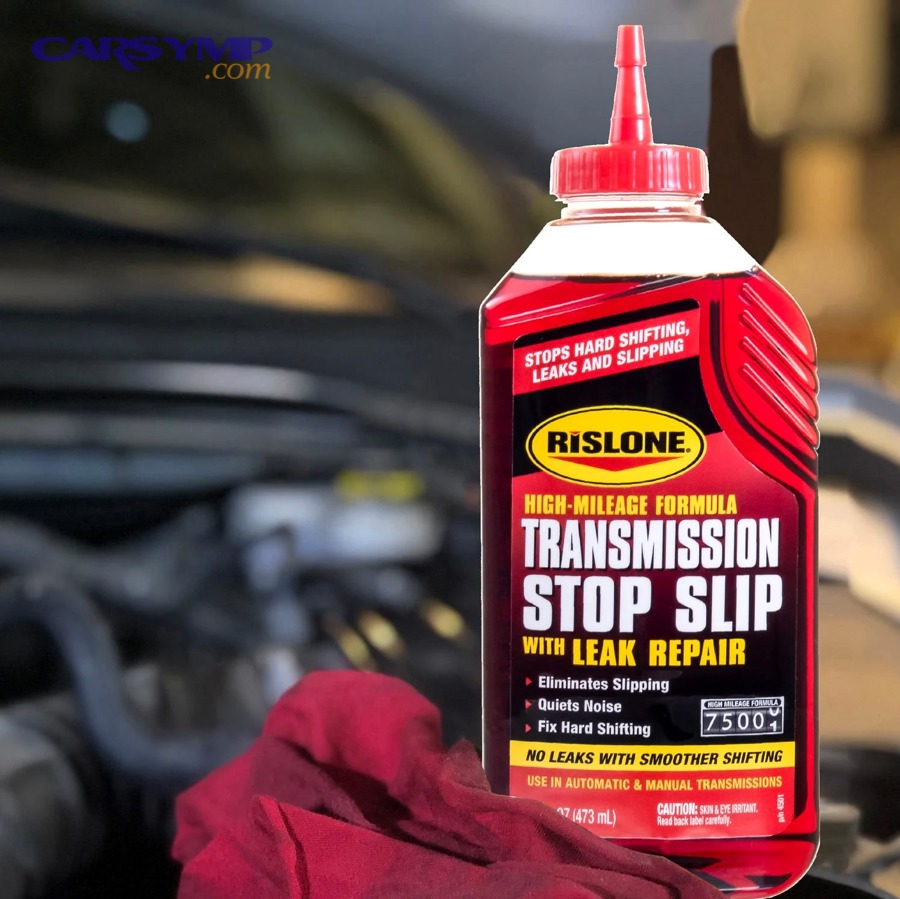
This matters because many online discussions about additives come from older conventional automatics, yet today’s market includes CVTs, hybrid transaxles, and dual-clutch systems with very different fluid demands. A product that seemed harmless in one platform may be a poor gamble in another. That does not mean every specialty transmission is fragile; it means the margin for improvisation is smaller. ([amsoil.com](https://www.amsoil.com/p/amsoil-100-synthetic-cvt-fluid-cvt/?srsltid=AfmBOoqLIMZahI8UaMnEzuLcwa8AWY333zdi9i3f1tq8y7w18b5U6ixq&))
Are Additives Riskier in CVT and Dual-Clutch Transmissions Than in Conventional Automatics?
Yes, additives are generally riskier in CVTs and many dual-clutch systems than in conventional automatics because fluid behavior is more tightly tied to torque transfer and control strategy.
To illustrate, CVTs rely on very specific friction behavior between belt or chain and pulley surfaces.
AMSOIL states that CVT fluid needs appropriate metal-to-metal frictional properties to help prevent belt and chain slipping. That point alone shows why chemistry changes in a CVT deserve more caution than they often get online. Likewise, dual-clutch systems use clutch control logic and friction behavior that can be sensitive to fluid quality and heat. ([amsoil.com](https://www.amsoil.com/p/amsoil-100-synthetic-cvt-fluid-cvt/?srsltid=AfmBOoqLIMZahI8UaMnEzuLcwa8AWY333zdi9i3f1tq8y7w18b5U6ixq&))
A conventional automatic may sometimes tolerate minor variation better, but even there, tolerance is not permission. Specialized transmissions simply make the risk more obvious.
Can an Additive Conflict With OEM Transmission Fluid Specifications?
Yes, an additive can conflict with OEM transmission fluid specifications because it changes a formula the manufacturer selected for that transmission’s design and calibration.
Specifically, the conflict may involve friction response, viscosity behavior, thermal stability, or material compatibility.
Valvoline emphasizes that using the wrong transmission fluid can be potentially damaging, and its materials also make clear that different transmission designs require different fluid properties. When you add an aftermarket chemistry package, you move away from a known specification and toward an unknown blend. That does not guarantee failure, but it does reduce predictability. ([valvolineglobal.com](https://www.valvolineglobal.com/en-eur/what-should-you-do-if-you-put-the-wrong-transmission-fluid/?))
Could Using Additives Affect Warranty Claims or Service Recommendations?
Yes, using additives could affect warranty discussions or service recommendations if the product is not approved or if it complicates diagnosis of the original fault.
Moreover, even when a claim is still valid, the extra chemistry may create avoidable questions.
Manufacturers and service providers want the vehicle maintained with approved fluids and procedures. If a late-model transmission develops a problem and the fluid has been altered with an unapproved additive, that can make the diagnostic conversation harder. The safest approach on newer vehicles is simple: use the specified fluid and follow the service procedure before considering any unofficial chemistry change. ([amsoil.com](https://www.amsoil.com/p/amsoil-oe-multi-vehicle-100-synthetic-automatic-transmission-fluid-otf/?srsltid=AfmBOooqDPacDWUGVx82I-YSnFnReyCgOFbTK-kV6Ck7XiV8SgcmjYBH&))
How Can Additives Change Cold-Weather or Heat-Related Shift Behavior?
Additives can change cold-weather or heat-related shift behavior by altering viscosity and friction characteristics across temperature ranges.
In short, a transmission that seems smoother hot may become slower or less predictable cold.
AMSOIL notes that properly formulated ATF is designed for reliable cold-temperature flow, while Valvoline stresses the importance of the correct fluid for the application. That means any extra chemistry that thickens or changes the base behavior may shift how the transmission responds on cold starts, during high heat, or under towing load. Drivers often judge a product in one condition and overlook its behavior in another. ([amsoil.com](https://www.amsoil.com/p/amsoil-oe-fuel-efficient-100-synthetic-automatic-transmission-fluid-otl/?srsltid=AfmBOoolcQUFqhe5q0LwU6cunmCOraoSUjnH9iEAEWpJPAxfSRmHiSMq&))
To sum up, additives for a slipping transmission sit in the gray zone between hope and diagnosis. They may change symptoms, but they rarely change the truth. For most car owners, the smarter move is to protect the transmission with the right fluid, the right inspection, and the right repair path before a small problem becomes an expensive one.