


Temperature fluctuation and poor coolant flow usually mean the cooling system is no longer moving heat away from the engine in a stable, controlled way. In most cars, that symptom pair points to a circulation problem rather than a random dashboard glitch, and the most common suspects are low coolant, trapped air, a sticking thermostat, a weak water pump, or a restricted radiator. When those parts stop working together, the engine warms unevenly, the temperature gauge starts to swing, and overheating risk rises quickly. (researchrepository.wvu.edu)
Those signs become easier to understand when you read them as a pattern instead of a single symptom. A fluctuating gauge often appears with weak cabin heat, coolant loss, bubbling in the reservoir, steam, or warning messages, and that cluster helps narrow the problem from “engine running hot” to “coolant not circulating correctly.” More importantly, those clues can also reveal which part is failing first. (uti.edu)
The biggest value for car owners is not just naming the symptom, but separating one fault from another. A bad thermostat and a worn water pump can both create unstable temperature readings, yet they do not behave the same way at idle, under load, or after a cold start. A radiator restriction, low coolant level, or airlock can mimic both, which is why the sequence of symptoms matters as much as the symptoms themselves. (uti.edu)
A final question always sits behind this topic: how serious is it? In some cases, the issue starts as poor heater performance or a small coolant leak. In more severe cases, lack of coolant flow can lead to rapid overheating, reduced engine performance, warning lights, and even safety-related failures. Next, the article breaks down what these signs mean, what usually causes them, and how to judge when the car needs immediate attention. (static.nhtsa.gov)
What Do Temperature Fluctuation and Poor Coolant Flow Mean in a Car?
Temperature fluctuation and poor coolant flow mean the cooling system is failing to move heat evenly, consistently, and fast enough to keep engine temperature stable.
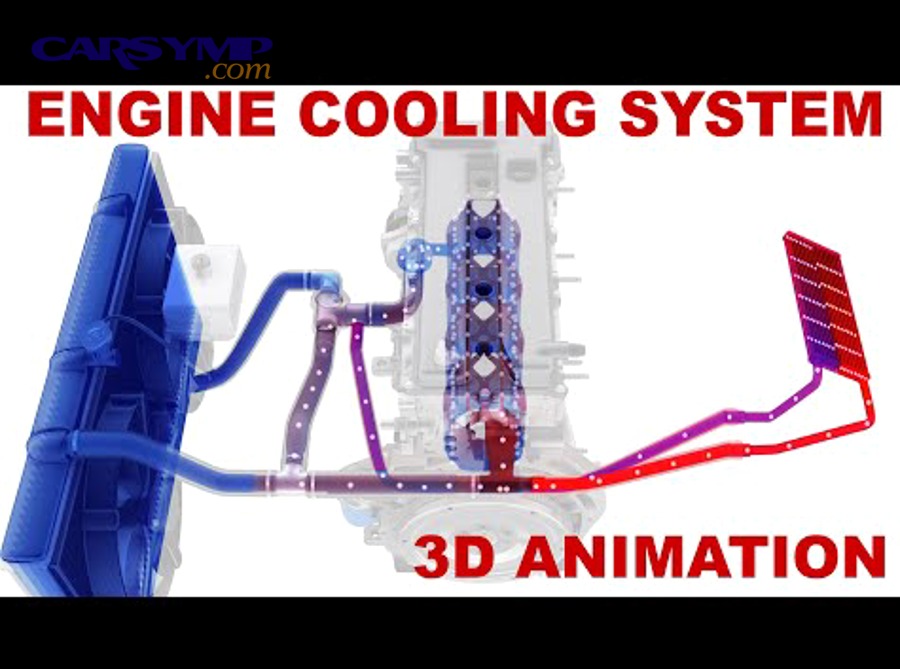
To better understand that issue, start with the basic job of coolant. Coolant absorbs heat from the engine block and cylinder head, then carries that heat through the radiator, where airflow removes it before the coolant returns to the engine. When circulation becomes weak, delayed, or interrupted, the engine does not heat and cool in a smooth cycle. Instead, it develops hot spots, delayed thermostat response, and unstable gauge behavior.
A healthy cooling system creates a predictable warm-up pattern. The gauge rises gradually from cold, reaches normal operating temperature, and then stays there with only minor movement. Poor coolant flow breaks that pattern. The gauge may climb faster than usual, fall unexpectedly, then rise again. In some cars, the heater blows warm air and then suddenly turns cool because hot coolant is no longer moving through the heater core at a steady rate.
Is Temperature Fluctuation a Sign of a Cooling System Problem?
Yes, temperature fluctuation is a sign of a cooling system problem when it repeats, rises beyond normal range, or appears with other clues such as weak heat, coolant loss, or steam.
Specifically, an unstable gauge suggests that heat transfer is inconsistent. One reason is low coolant, because the system cannot maintain full circulation when the fluid level drops. Another reason is trapped air, because air pockets interrupt coolant movement and create sudden changes in sensor readings. A third reason is a sticking thermostat, which can delay or restrict the coolant path between the engine and radiator. These three causes are common because they directly change how fast heat leaves the engine.
The most important detail is repetition. One brief movement on a cold morning may not mean much, especially in older vehicles with less precise gauges. Repeated swings, however, almost always deserve attention. If the gauge rises at idle, settles at speed, then rises again in traffic, the car is sending a pattern rather than a one-time message.
That pattern matters because it warns the driver early. A fluctuating gauge often appears before a full overheating event, which gives the owner time to inspect coolant level, check for leaks, and stop driving before damage grows. UTI’s cooling-system guide lists a fluctuating temperature gauge, low coolant, steam, and overheating among the common signs of cooling-system trouble. (uti.edu)
What Is Poor Coolant Flow in an Engine Cooling System?
Poor coolant flow is reduced or interrupted circulation through the engine, thermostat, radiator, heater core, and hoses, which limits heat removal and destabilizes engine temperature.
More specifically, poor flow can happen in several ways. The pump may not move coolant strongly enough. The thermostat may not open fully. The radiator may be restricted internally. Air may block circulation after a coolant service. A hose may collapse under suction. In each case, the system still contains many of the right parts, but the coolant no longer follows the right path at the right rate.
This matters because cooling performance depends on both temperature and flow rate. Research from West Virginia University found that radiator heat dissipation increased as coolant volume flow rate and cooling-air velocity increased, which helps explain why a circulation problem can create temperature instability even before a total overheating event occurs. (researchrepository.wvu.edu)
Poor flow also explains why some drivers misread the problem. They assume overheating only happens when coolant is completely gone. In reality, partial circulation failure can produce a more confusing pattern: the engine runs near normal for a while, then spikes, then drops, then spikes again. That uneven behavior is often the clue that points toward circulation rather than a simple sensor issue.
What Symptoms Usually Appear with Poor Coolant Flow?
There are six common symptoms that usually appear with poor coolant flow: fluctuating gauge readings, overheating, weak cabin heat, low coolant, visible leaks, and steam or reservoir bubbling.
To better understand those symptoms, it helps to view them as a connected group rather than isolated complaints. Poor coolant circulation changes not only engine temperature but also heater performance, pressure behavior, and the system’s ability to recover after the thermostat opens. That is why multiple small clues often appear before one dramatic warning light.
The table below summarizes what common symptom patterns usually suggest.
| Symptom pattern | What it often suggests | Why it matters |
|---|---|---|
| Gauge rises and falls repeatedly | Air in system, thermostat issue, intermittent flow | Shows unstable heat transfer |
| Heater blows cold while engine runs hot | Low coolant, airlock, weak pump | Hot coolant is not reaching heater core consistently |
| Coolant level drops over time | External leak or internal loss | Reduced fluid volume weakens cooling performance |
| Steam under hood | Overheating or leaking coolant contacting hot parts | Indicates urgent heat or pressure problem |
| Sweet smell or puddle under car | Coolant leak | Often appears before severe overheating |
| High-pitched noise near pump area | Possible water pump bearing or pulley issue | Can be part of water pump failure symptoms |
What Clues Usually Appear Together with Temperature Swings?
There are five main clues that commonly appear with temperature swings: weak heater output, low coolant level, coolant leaks, steam, and bubbling or pressure irregularities in the reservoir.
For example, weak heater output is one of the best companion clues because the heater core depends on the same coolant circulation as the rest of the system. If the engine is getting hot but the cabin heater turns lukewarm or cold, the system may not be moving enough hot coolant through the heater core. That clue often points toward low coolant, trapped air, or pump-related flow loss.
Low coolant is another strong companion clue. When the system lacks enough fluid, the pump can no longer circulate a full liquid column through the engine and radiator. That leads to inconsistent temperature readings and unstable cabin heat. Visible leaks can show up as dried residue, dampness, or puddles near the pump, radiator, hoses, or thermostat housing.
UTI’s overview of common cooling-system problems specifically notes fluctuating temperature gauges, steam, low coolant levels, coolant leaks, thermostat issues, and water pump failure as common warning signs in the same symptom family. (uti.edu)
Is a Weak Heater a Sign of Poor Coolant Circulation?
Yes, a weak heater is a sign of poor coolant circulation because the heater core needs a steady supply of hot coolant, and reduced flow interrupts that heat delivery.
More specifically, the heater often reveals a circulation problem earlier than the radiator does. The heater core is a smaller branch in the cooling system, so it reacts quickly when coolant volume drops or air enters the system. A driver may notice that the cabin heat fades at idle, returns while driving, then fades again in traffic. That repeating pattern is a classic clue that coolant is not circulating properly.
A weak heater also helps separate cooling-system faults from unrelated gauge problems. If the gauge reads hot but the heater still produces strong, stable heat, the issue may require a different line of diagnosis. If both the gauge and the heater act strangely, the evidence for coolant-flow trouble becomes much stronger.
That is why many technicians pay close attention to heater performance during diagnosis. UTI notes that low coolant can cause both a rising temperature gauge and internal heating-system issues, which reinforces the value of the heater as an early circulation clue. (uti.edu)
What Causes Temperature Fluctuation and Poor Coolant Flow Most Often?
There are five main causes of temperature fluctuation and poor coolant flow: low coolant, trapped air, thermostat failure, water pump problems, and radiator restriction.
Let’s explore those causes in order of how often they shape real-world symptom patterns. Low coolant is common because any leak, even a slow one, reduces the system’s ability to carry heat. Trapped air often appears after coolant service or after a leak allows the system to draw air. Thermostat failure changes when and how coolant reaches the radiator. Water pump wear weakens circulation directly. Radiator restriction reduces the system’s ability to release heat once coolant arrives there.
Which Cooling System Parts Most Commonly Cause These Symptoms?
The most common parts and conditions behind these symptoms are the coolant supply itself, the thermostat, the water pump, the radiator, and the hoses or bleed path that allow air to leave the system.
Low coolant sits at the top of the list because it turns many other minor issues into major ones. A small external leak may start as a harmless drop in the reservoir level, but once the fluid falls far enough, the system cannot stay full and pressurized. Then circulation weakens, the heater loses performance, and the engine temperature becomes unstable.
A sticking thermostat also ranks high because it controls when the engine sends coolant to the radiator. If it opens late, opens partially, or sticks shut, temperature can climb quickly and then fall suddenly when the valve finally moves. That delayed behavior often creates dramatic swings on the gauge.
Water pump problems deserve special attention because they combine both leak risk and circulation risk. Water pump failure symptoms can include coolant seepage, bearing noise, pulley problems, and eventually weak coolant flow. A General Motors service bulletin on engine coolant leaks from the water pump states that leakage from the pump’s weep reservoir or shaft seal can reduce cooling performance and eventually lead to engine overheating. (static.nhtsa.gov)
Radiator restriction becomes more likely in older systems with neglected coolant service. Internal deposits reduce heat transfer and may narrow flow paths, so coolant leaves the engine hot but does not shed heat effectively in the radiator. Hoses can contribute too, especially if an old hose collapses under suction and temporarily reduces flow.
What Is the Difference Between Thermostat, Water Pump, and Radiator Problems?
The thermostat wins as the most common cause of sudden temperature swings, the water pump is most associated with circulation loss and leaks, and the radiator is most associated with persistent heat retention under load or in traffic.
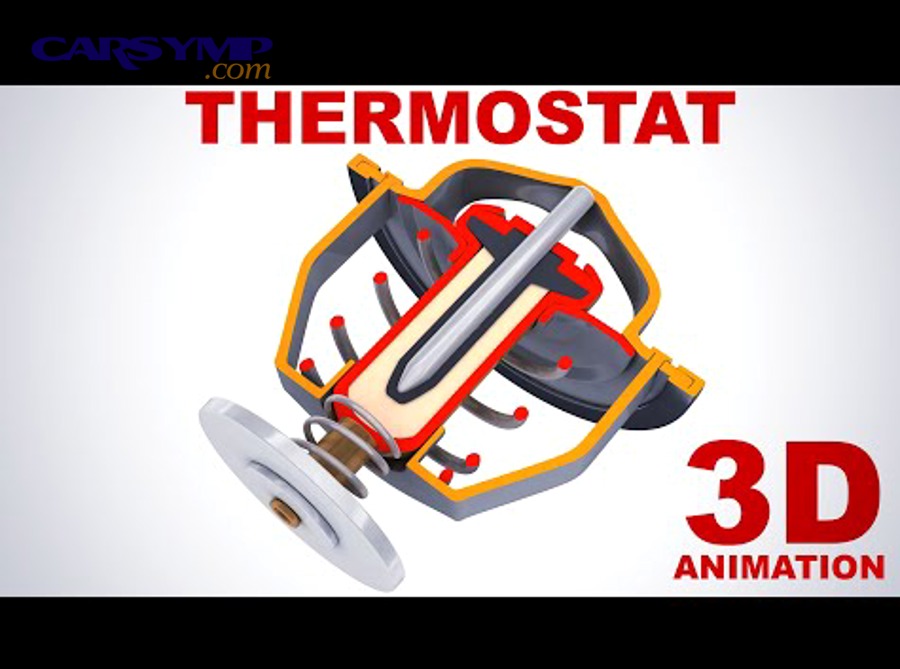
That comparison matters because each fault changes the pattern in a different way. A thermostat problem often affects warm-up first. The engine may stay cool too long, then heat quickly, or it may overheat after the thermostat fails to open properly. A water pump problem often creates broader circulation clues, such as weak heater performance, noise from the front of the engine, coolant leakage, or overheating that worsens as pump efficiency drops. A radiator problem often becomes most obvious when the car needs to reject more heat, such as during hot weather, long idling, towing, or stop-and-go driving.
A helpful way to compare them is by timing:
- Thermostat issue: strange warm-up behavior, sudden gauge swings, or upper-hose temperature changes that do not match engine heat.
- Water pump issue: leak, noise, poor heater output, repeated overheating, or signs of reduced coolant movement.
- Radiator issue: sustained overheating under demand, poor heat rejection, external fin blockage, or internal restriction.
UTI notes that thermostat problems can cause gauge readings to run high or change erratically, while water pump failure may produce high-pitched noises and coolant leaks. That symptom contrast is useful because it gives car owners a way to distinguish a control problem from a circulation problem. (uti.edu)
How Can Car Owners Tell Which Cooling System Problem Is Most Likely?
Car owners can narrow the likely problem by following four clues: when overheating happens, how the heater behaves, whether coolant is missing, and whether the system shows leak or pump-related signs.
To better understand the diagnosis, look for sequence rather than panic. The order in which symptoms appear often tells a clearer story than the hottest gauge reading alone. A weak heater before a spike suggests circulation trouble. Coolant loss before rising temperature suggests a leak-led problem. Repeated idle overheating with no airflow issues may point in a different direction than overheating that appears only at speed.
Does the Engine Overheat More at Idle or at Highway Speed?
Yes, the time and condition of overheating help identify the likely cooling-system fault because idle-only and highway-related overheating usually stress different parts of the system.
More specifically, overheating at idle often suggests poor airflow through the radiator or weak circulation when engine speed is low. Overheating at highway speed can suggest a restriction or coolant-flow problem that the system cannot overcome even with good airflow. When temperature rises in both situations, the problem is often more advanced or more fundamental, such as very low coolant or severe pump failure.
This question helps because the water pump spins with engine operation, and some pump problems become more noticeable when the system needs stable circulation at all times. If the gauge rises in traffic, drops on the road, and rises again at long stops, the pattern may reflect a combination of marginal flow and changing cooling demand.
In serious cases, the problem can escalate fast. A Jaguar Land Rover recall filed with NHTSA states that when coolant pump drive is lost, coolant flow is lost, which can cause the engine to rapidly overheat. That safety language shows why owners should treat repeated overheating as a diagnostic clue, not a minor annoyance. (static.nhtsa.gov)
How Do Symptom Patterns Help Distinguish Low Coolant from a Bad Water Pump?
Low coolant usually shows up first as falling reservoir level, intermittent heater performance, and visible leak evidence, while a bad water pump is more likely to add noise, weep-hole leakage, and persistent circulation weakness.
However, the two problems overlap because a bad water pump can also cause low coolant. That is why the diagnosis must follow the symptom chain. If the coolant level has been dropping, dried residue is visible, and the pump area shows seepage, the pump may be the source of the low-coolant problem. If the level is low but the pump area is dry, the leak may be elsewhere. If the level is normal yet circulation still seems weak, the issue may be mechanical wear, thermostat behavior, or another restriction.
Water pump failure symptoms often become clearer when several clues appear together: a leak near the pump body, a chirping or grinding sound, unstable temperature, and weak heater output. GM’s bulletin on water pump leaks states that coolant loss from the pump can reduce cooling performance and lead to overheating, which is why even a small pump leak deserves attention before it becomes a large one. (static.nhtsa.gov)
For car owners, the key is to avoid replacing parts based on one clue alone. A systematic check of coolant level, leak location, heater behavior, and pump noise usually narrows the issue far more effectively than the dashboard gauge by itself.
Are Temperature Fluctuation and Poor Coolant Flow Dangerous if Ignored?
Yes, temperature fluctuation and poor coolant flow are dangerous if ignored because they can progress into overheating, coolant loss, reduced engine performance, and costly engine damage.
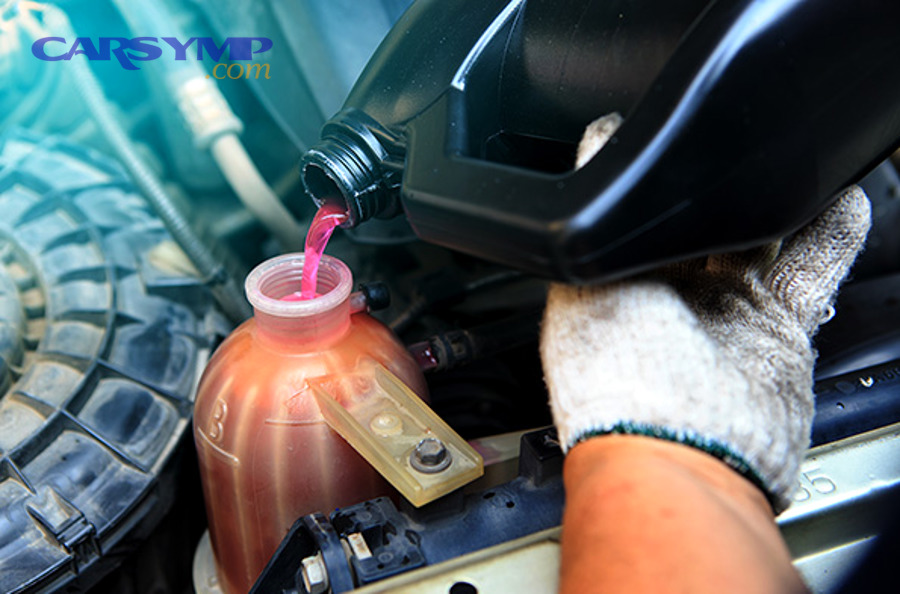
More importantly, these symptoms tend to escalate rather than disappear. A small coolant leak becomes a low-coolant condition. A sticking thermostat becomes a full blockage event. A weak pump turns into a no-flow event. Once the engine loses enough cooling capacity, heat builds faster than the system can remove it, and damage can spread from gaskets to plastic fittings, seals, and internal engine components.
Can Poor Coolant Flow Lead to Engine Overheating and Damage?
Yes, poor coolant flow can lead to overheating and damage because the engine depends on constant coolant movement to transport heat away from the block and head.
Specifically, restricted circulation creates local hot spots first. That means part of the engine may run far hotter than the average temperature shown on the gauge. As heat continues to build, the system pressure rises, coolant can boil in isolated areas, and seals or plastic components become more vulnerable. In extreme cases, overheating can reduce power, trigger warning messages, and leave the vehicle undriveable.
The safety risk becomes more severe when the pump drive is lost entirely. NHTSA recall language for affected Jaguar Land Rover vehicles states that a loss of coolant-pump drive leads to loss of coolant flow, rapid overheating, coolant leakage, and possible fire risk in that specific failure scenario. That is an unusually severe example, but it illustrates the same basic rule: coolant must keep moving. (static.nhtsa.gov)
When Should a Car Owner Stop Driving and Inspect the Cooling System?
A car owner should stop driving when the temperature warning light appears, the gauge reaches the red zone, steam appears, the heater turns cold during overheating, or coolant is visibly leaking.
Besides those obvious signals, repeated near-overheating also deserves immediate action. Many owners wait until the car reaches a full boil-over event, but the smarter point to stop is earlier. If the gauge repeatedly climbs higher than normal, if the engine smells hot, or if the cabin heater suddenly loses heat while the gauge rises, the system may already be short of coolant or short of flow.
A GM water-pump bulletin notes that when cooling performance drops because of coolant loss, the vehicle may trigger hot-engine warnings, chimes, and reduced engine power. Those secondary warnings matter because they often show up before catastrophic damage and give the driver a final chance to shut the engine down safely. (static.nhtsa.gov)
In practical terms, the safest response is simple: if the car is overheating, do not keep testing it on the road. Pull over, let the engine cool, and inspect the system carefully before driving further.
What Less Common or Overlooked Clues Can Affect Coolant Flow Diagnosis?
Less common clues that affect coolant-flow diagnosis include trapped air after service, false sensor readings, head-gasket-related pressure intrusion, and unusual hose or reservoir return-line behavior.

In addition, these overlooked clues matter because they can imitate common faults and lead to unnecessary part replacement. A car owner may blame the thermostat when the system really contains air. Another may suspect the radiator when the sensor is misreporting. Advanced diagnosis often depends on noticing what is unusual, not just what is common.
Can Air Trapped in the Cooling System Cause Temperature Fluctuation After Coolant Service?
Yes, trapped air can cause temperature fluctuation after coolant service because air pockets interrupt coolant circulation and create unstable heat transfer during warm-up.
This is one of the most overlooked causes of sudden temperature swings after recent maintenance. If the system was drained, refilled, or repaired without proper bleeding, air may remain in the engine, heater core, or upper passages. That trapped air changes how coolant reaches the temperature sensor and how hot fluid reaches the heater core. The result is often a misleading pattern: the gauge rises fast, drops suddenly, and the heater alternates between warm and cool.
UTI notes that air in the cooling system can reduce the system’s ability to maintain proper temperature and that frequent temperature fluctuations are common symptoms. That makes post-service airlock one of the first things to consider when symptoms begin right after cooling-system work. (uti.edu)
What Is the Difference Between Poor Coolant Flow and a Faulty Temperature Gauge Sensor?
Poor coolant flow changes the engine’s actual thermal behavior, while a faulty temperature sensor changes the reading, the warning, or the gauge display without necessarily changing real coolant movement.
To illustrate, poor coolant flow usually affects more than one part of the car’s behavior. The heater may weaken. The reservoir may bubble. Coolant may leak or disappear. Steam may appear. A bad sensor, by contrast, may create an odd gauge reading while the heater works normally and the system shows no physical signs of distress.
That difference matters because replacing a thermostat or water pump will not solve a false reading problem. At the same time, dismissing a real overheating event as “just a sensor” can be expensive. The best approach is to compare the gauge with the rest of the vehicle’s behavior: cabin heat, leak evidence, coolant level, and warning patterns.
Can a Head Gasket Problem Mimic Poor Coolant Flow Symptoms?
Yes, a head gasket problem can mimic poor coolant flow symptoms because combustion gases can enter the cooling system, disturb circulation, create bubbling, and push coolant out of the system.
However, the pattern usually becomes more aggressive than a simple thermostat or pump fault. The reservoir may pressurize quickly from a cold start. Bubbles may appear repeatedly. Coolant may disappear without an obvious external leak. White exhaust smoke may also appear in some cases. These clues move the diagnosis beyond ordinary circulation trouble into combustion-related cooling-system disruption.
This matters because the symptom overlap is real. A driver may see fluctuating temperature, weak heat, and low coolant and assume the water pump has failed. Yet if pressure is entering the cooling system from the engine, the water pump may only be part of the story. That is why a repeated bubbling reservoir with unexplained coolant loss deserves a broader inspection.
What Rare Hose or Reservoir Return-Line Clues Can Reveal Circulation Problems?
Rare but useful clues include a collapsing hose under load, little or no visible return flow into the reservoir, and repeated coolant surge behavior after the thermostat should already be open.
These clues are rare because most owners never watch the system closely enough to notice them. But they can be valuable in difficult cases. A weak return stream may suggest poor circulation. A soft hose that collapses when the engine revs may point to hose weakness or vacuum-related flow disruption. Surging coolant in the reservoir at the wrong time can point to air, pressure irregularity, or inconsistent thermostat behavior.
This is also the section where preventive thinking helps. Preventing water pump failure starts long before the gauge swings. Routine coolant service, correct coolant type, leak checks, belt inspection, and early response to bearing noise or weep-hole seepage all reduce the odds of circulation failure later. Likewise, knowing When to replace timing belt with water pump matters on engines where the timing belt drives the pump. Gates states that timing-belt-driven water pumps should be replaced at the same time as the timing belt, and AAA notes that the water pump is often changed in conjunction with timing-belt service. (gates.com)
In short, temperature fluctuation and poor coolant flow are not random clues. They are part of a connected cooling-system story. When you read that story from symptom pattern to likely cause, you can identify whether the problem points to low coolant, trapped air, thermostat trouble, radiator restriction, or one of the classic water pump failure symptoms before the engine turns a warning into a repair bill.