


If your car has a failing water pump, the safest answer is no: you should not keep driving unless you are only moving the vehicle a very short distance to get out of danger. A weak or damaged pump can stop coolant from circulating properly, and once coolant flow drops, engine temperature can rise fast enough to turn a manageable repair into major engine damage. That direct safety decision sits at the center of this topic, because most drivers asking this question are not looking for theory first. They want to know whether they can continue driving right now and what the risk really is.
The next issue is understanding what a water pump actually does and why its failure matters so much. The pump keeps coolant moving through the engine, radiator, and heater core, so any loss of pumping ability affects the whole cooling system. When that circulation weakens, the earliest clues often appear as Temperature fluctuation and poor coolant flow clues, especially when the engine is under load, stuck in traffic, or idling for too long. That is why a failing pump is not just another small leak. It directly affects the engine’s ability to stay within a safe operating range.
Drivers also need to recognize the common warning signs before the problem becomes severe. Typical water pump failure symptoms include coolant loss, steam, repeated overheating, a wobbling pulley, and Grinding/whining noise from water pump bearings. Those signs do not all appear at once, and the pattern matters. Some vehicles overheat more at idle, some overheat more on the highway, and some show intermittent temperature spikes before a full failure. Those Overheating patterns linked to water pump issues help explain why some drivers think they can “make it home” when the real risk is already growing.
What you should do next depends on severity, but the principle stays the same: protect the engine first, diagnose second. A short emergency move may be possible in limited conditions, yet continued driving is rarely worth the gamble. Introduce a new idea: the sections below explain the decision clearly, define the water pump’s role, break down the symptoms, compare pump failure with similar cooling problems, and show the safest response for drivers.
Can You Drive with a Failing Water Pump?
No, you generally should not drive with a failing water pump because coolant circulation can collapse, engine temperature can spike quickly, and the damage can spread from a simple repair to a major engine problem.
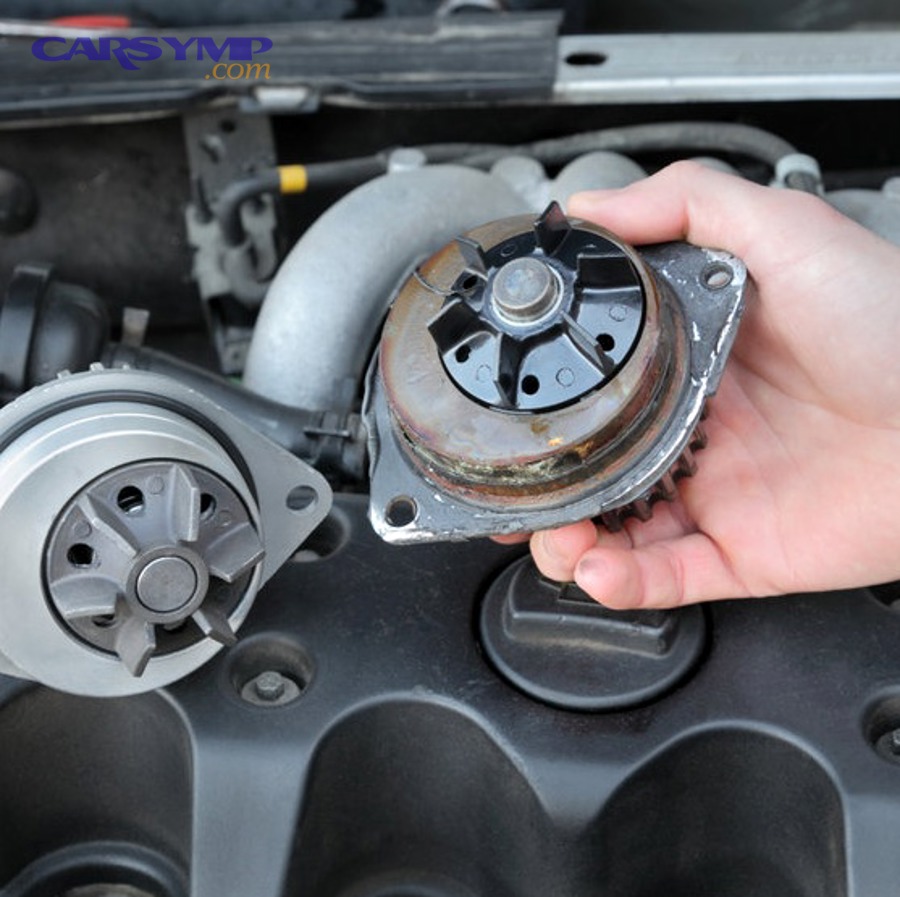
To better understand that answer, it helps to separate “can the car still move?” from “is it safe to keep driving?” A vehicle with a weak water pump may still start, idle, and even drive for a short time. However, the fact that it still moves does not mean it is safe to operate. The cooling system depends on constant coolant flow, and the water pump is one of the key parts that keeps that flow steady. When the pump starts to fail, the engine may still run, but it does so with a shrinking margin of safety.
Is It Ever Safe to Drive a Short Distance with a Failing Water Pump?
Yes, a very short emergency drive may be possible in limited conditions, but only if the goal is to move the car to immediate safety and only if there is no severe overheating, active steam, or rapid coolant loss.
More specifically, this narrow exception exists because real driving situations are not always ideal. A driver may be on the shoulder of a busy road, blocking traffic, or stopped in a place where remaining parked is unsafe. In that case, moving the vehicle a short distance may be the least risky option. Even then, the move should be treated as an emergency relocation, not permission to continue normal driving.
If the temperature gauge is already climbing toward hot, the safest move is to shut the engine off as soon as it is safe to do so. If steam is visible, if coolant is pouring out, or if the engine is making harsh bearing noise, continuing to drive can accelerate failure within minutes. A leaking or wobbling pump can also affect the belt system, which may create a second failure on top of the cooling problem.
A reasonable rule is simple: if you would not trust the car to sit and idle without overheating, you should not trust it to drive farther. Temperature fluctuation and poor coolant flow clues often mean the pump is already losing its ability to maintain stable circulation. The short-distance exception is about getting out of immediate danger, not protecting convenience.
What Happens If You Keep Driving with a Bad Water Pump?
If you keep driving with a bad water pump, the engine can overheat, coolant can escape, metal parts can expand beyond safe limits, and severe damage can follow.
Specifically, the first consequence is unstable temperature control. Coolant must move continuously through the engine to absorb heat and then release that heat through the radiator. When the pump weakens, flow may become inconsistent. That inconsistency creates one of the most important overheating patterns linked to water pump issues: the engine may appear normal for a short period, then rise rapidly in temperature when road speed, outside temperature, load, or idle time changes.
The second consequence is mechanical wear. A failing bearing can produce a grinding/whining noise from water pump bearings, and that sound is more than an annoyance. It often signals that the pump shaft is no longer supported correctly. Once that happens, the pulley may wobble, the seal may leak, and belt alignment may suffer. A pump that begins as a minor noise issue can become a coolant-loss issue and then an overheating issue in quick sequence.
The third consequence is engine damage. Repeated overheating can stress the head gasket, distort the cylinder head, and reduce the oil’s ability to protect internal components. Even if catastrophic damage does not happen immediately, heat cycling under abnormal conditions shortens the life of nearby parts. That is why drivers should not think of a failing water pump as only a “leak problem.” It is a cooling-system control problem that can spread into the engine itself.
In short, a car may still drive with a failing water pump, but that does not make continued driving a smart or safe choice. The real question is not whether the wheels still turn. The real question is whether the cooling system can still protect the engine, and once the answer becomes uncertain, the risk rises sharply.
What Does a Water Pump Do in a Car’s Cooling System?
A water pump is the component that circulates coolant through the engine and radiator, and its standout function is maintaining the flow that lets the cooling system remove heat from the engine.
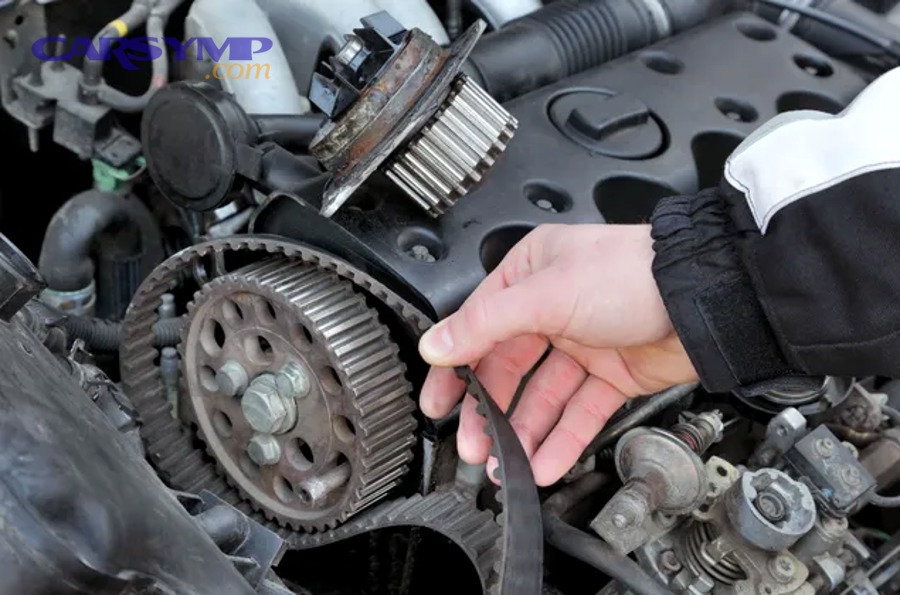
To better understand why pump failure matters so much, you need a clear picture of the pump’s role. The engine creates heat every second it runs. Coolant absorbs part of that heat as it travels through passages in the engine block and cylinder head. The water pump keeps that coolant moving so the radiator can release the heat into the air. Without reliable movement, the system loses its ability to carry heat away fast enough.
Why Does a Water Pump Matter for Engine Temperature Control?
The water pump matters because stable engine temperature depends on steady coolant circulation, not just on having coolant inside the system.
For example, many drivers assume that if the reservoir still contains coolant, the cooling system must be doing its job. That assumption misses the pump’s main function. Coolant has to travel through the system at the right rate. A weak or damaged pump can leave coolant present but poorly circulated. When that happens, hot spots can form inside the engine even before the gauge fully reflects the problem.
This explains why temperature fluctuation and poor coolant flow clues are so important. The temperature needle may rise, fall, and rise again rather than moving in one smooth direction. Some cars may run near normal at highway speed because airflow helps the radiator, then begin overheating in slow traffic because coolant circulation and heat rejection are no longer balanced. That pattern often confuses drivers into thinking the issue is temporary when it is actually a warning of system instability.
The pump also matters because its condition affects related components. A worn shaft seal can leak coolant. A damaged bearing can upset pulley alignment. On some engines, the pump is integrated into a larger service event because of its relationship to the drive belt or timing system. Even when the pump itself is small compared with the engine, its influence on reliability is large.
How Does a Failing Water Pump Affect Coolant Flow?
A failing water pump affects coolant flow by reducing circulation efficiency, creating leaks, or stopping flow entirely if internal or bearing damage becomes severe.
More specifically, coolant flow drops for several different reasons. One failure path involves the seal. When the seal wears out, coolant escapes through the pump area and the system can no longer maintain the proper fluid level. Another failure path involves the bearing. When the bearing wears, the shaft may wobble, which affects pulley motion and puts extra stress on the seal. A third failure path involves the impeller, the part inside the pump that actually moves coolant. If the impeller erodes, loosens, or loses efficiency, flow may decrease even before an obvious external leak appears.
That is why water pump failure symptoms can vary from one vehicle to another. Some drivers first notice a sweet coolant smell. Others first hear a whining sound. Others see intermittent overheating with no puddle under the car. These differences come from the same underlying fact: the pump is failing in one or more of the ways that control coolant circulation.
The effect on flow also explains why continued driving is risky even when the engine has not overheated yet. Once circulation weakens, the system has less reserve capacity. A mild hill, warm weather, heavy traffic, towing, or extended idling can push a borderline system into a rapid temperature rise. In other words, a failing pump turns normal operating conditions into stress tests the cooling system may no longer pass.
What Are the Signs of a Failing Water Pump?
There are several common signs of a failing water pump: coolant leaks, overheating, unusual noise, pulley wobble, steam, and recurring temperature instability.
Let’s explore those signs in the order drivers are most likely to notice them. Some appear early and give you time to act. Others mean the problem is already advanced. The key is not just to recognize one symptom in isolation, but to understand how the symptoms connect. When leak, noise, and temperature changes appear together, the case for water pump failure becomes much stronger.
What Warning Signs Mean the Water Pump May Be Going Bad?
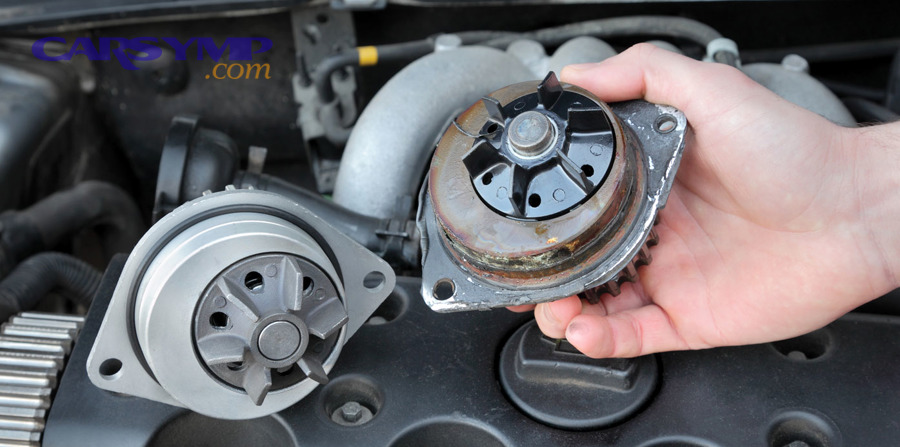
The most common warning signs are coolant loss, a sweet smell, grinding or whining noise, engine temperature fluctuation, steam, and visible moisture or residue around the pump area.
Specifically, coolant leaks are among the earliest and most useful clues. You may see a puddle under the front of the vehicle, dried coolant residue near the pump housing, or a reservoir that needs topping off more often than normal. Not every leak comes from the water pump, but when a leak appears near the front of the engine and pairs with noise or overheating, suspicion increases.
Noise is another important clue. Grinding/whining noise from water pump bearings often develops before total failure. A healthy pump usually operates quietly. When the bearing wears, the sound may rise with engine speed. That sound suggests the shaft is under abnormal stress, and once shaft support deteriorates, the seal and pulley alignment often deteriorate too.
Temperature behavior is just as important as sound and leakage. Some of the clearest water pump failure symptoms appear on the dash rather than under the hood. If the gauge swings more than usual, climbs in traffic, or becomes less stable under load, the system may be showing poor coolant circulation. These temperature fluctuation and poor coolant flow clues matter because they often appear before catastrophic overheating occurs.
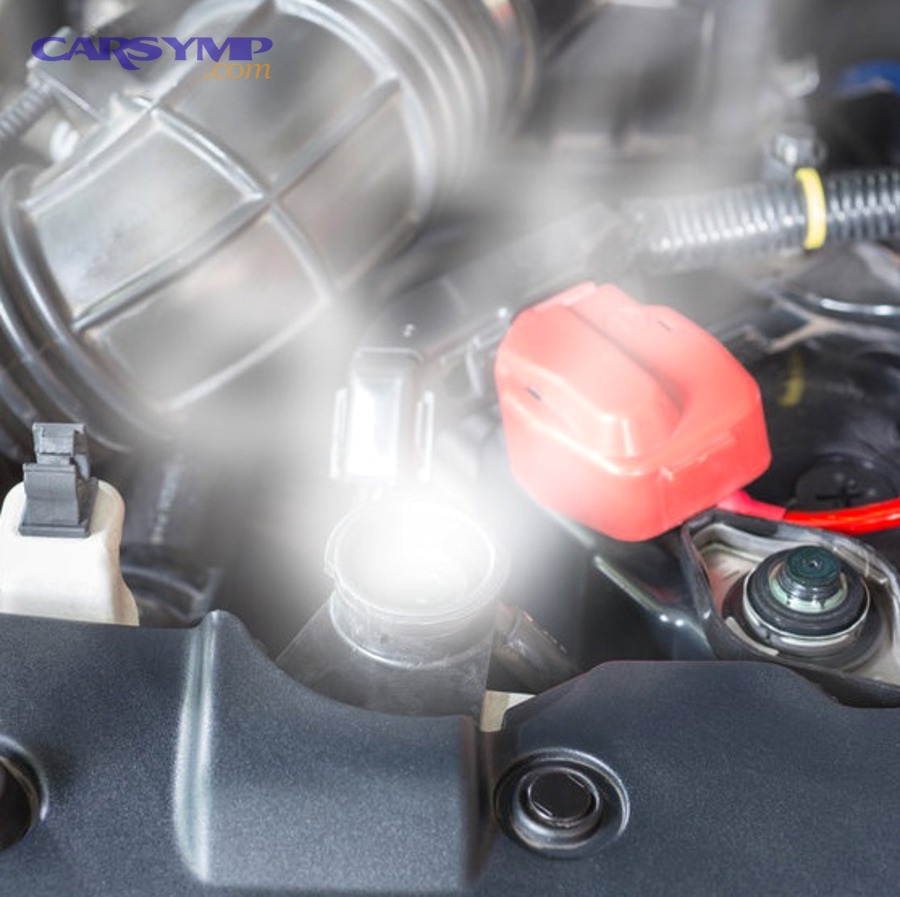
Steam and smell deserve attention as well. A sweet odor may signal a small coolant leak before you see the fluid. Steam means coolant is already contacting very hot surfaces or boiling in parts of the system. Once steam appears, the situation has moved from warning stage to urgent stage.
The table below summarizes the most common symptoms and what they usually suggest.
| Symptom | What It Can Mean | Urgency Level |
|---|---|---|
| Small coolant leak | Seal wear or housing seepage | High |
| Grinding or whining noise | Bearing wear or shaft stress | High |
| Temperature fluctuation | Weak or inconsistent coolant flow | High |
| Steam from engine bay | Severe overheating or active coolant loss | Critical |
| Pulley wobble | Advanced bearing failure | Critical |
| Repeated need to add coolant | Ongoing leak or circulation issue | High |
Which Symptoms Mean You Should Stop Driving Immediately?
You should stop driving immediately if you see steam, the temperature gauge climbs into the hot zone, coolant is leaking rapidly, or the pump makes loud mechanical noise that suggests imminent failure.
More importantly, these severe signs mean the problem has moved beyond early warning. Steam indicates the engine bay is already experiencing heat levels that can damage nearby parts. A red or near-red temperature reading means the cooling system is no longer controlling temperature within a safe range. Rapid coolant loss means the system may not have enough fluid left to carry heat away even if the pump still turns.
A loud grinding or rattling pump also demands immediate attention. Drivers often hope that a noisy accessory can wait a few days, but a water pump is not an accessory in the casual sense. It is a core cooling component. Once the bearing noise grows severe, the chance of sudden failure increases. That failure can happen while parked, idling, or driving, and each scenario leaves the engine vulnerable.
If any of these symptoms appear, the best move is to pull over safely, shut the engine off, and let it cool completely. Do not open a hot radiator cap. Do not keep revving the engine to “help it cool.” Do not assume the problem will resolve after a short rest if the underlying pump failure remains. The goal is to prevent heat damage, not to test how far the car can go before the next temperature spike.
How Does Water Pump Failure Compare with Other Cooling System Problems?
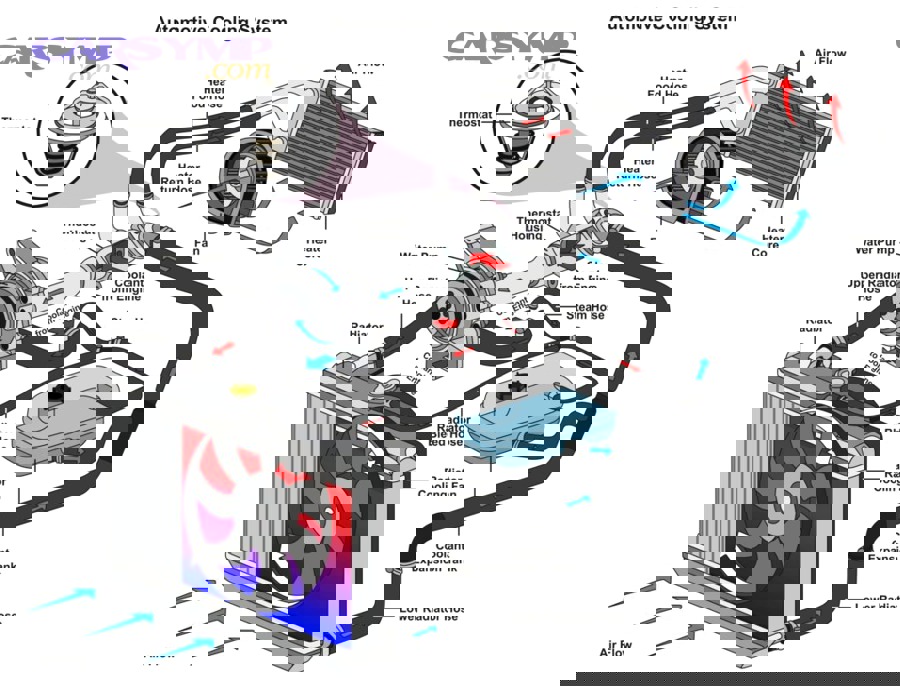
Water pump failure, thermostat failure, radiator problems, hose leaks, and fan issues can all cause overheating, but a failing water pump is more likely to combine poor coolant circulation, bearing noise, pulley problems, and leak-related symptoms.
However, symptom overlap often causes confusion. Many cooling-system faults raise engine temperature, and drivers naturally want to know whether they are facing a bad pump, a stuck thermostat, a clogged radiator, or something simpler like a leaking hose. The difference matters because repair urgency, repair cost, and the pattern of symptoms can vary.
Is It a Water Pump, Thermostat, or Radiator Problem?
A water pump problem is more likely when overheating appears with leakage near the pump, grinding or whining noise, or signs of unstable coolant circulation, while thermostat and radiator problems usually show different symptom patterns.
To illustrate, a thermostat problem often affects when coolant begins to circulate through the radiator. If the thermostat sticks closed, the engine may overheat relatively quickly because coolant cannot move through the full cooling loop properly. Yet a thermostat usually does not create a grinding/whining noise from water pump bearings, and it usually does not create pulley wobble. Those clues point away from the thermostat and back toward the pump.
A radiator problem, on the other hand, often relates to heat rejection rather than pump motion. A clogged or restricted radiator may struggle more in hot weather or under load because it cannot release heat efficiently. But again, radiator trouble usually does not create bearing noise at the front of the engine. If your car has coolant residue around the pump area, recurring pump noise, and temperature fluctuation and poor coolant flow clues, the pump becomes a much stronger suspect.
In real-world diagnosis, patterns matter more than any one symptom alone. If a car overheats only after long idle time, you might also consider fan-related issues. If it overheats suddenly with no noise but strong upper-hose heat, thermostat behavior may be more relevant. If it leaks, squeals or grinds, and shows erratic temperature movement, water pump failure moves much higher on the list.
How Is Water Pump Failure Different from a Coolant Hose or Fan Problem?
Water pump failure differs from hose and fan problems because it directly affects coolant movement through the engine, while hoses mainly contain coolant and fans mainly improve radiator airflow.
Meanwhile, a hose problem usually reveals itself through a visible leak, swelling, cracking, or a burst line. A hose can certainly cause overheating by lowering coolant level, but it does not normally create the mechanical noise or shaft-related symptoms tied to a failing pump. If you see clear hose damage, that may be the primary fault. If hose leakage appears together with pump-area residue or bearing noise, you may be dealing with more than one problem or with a pump leak that is spreading fluid elsewhere.
A cooling fan problem creates a different overheating pattern. Fan-related issues often show up most strongly at idle or in slow traffic, because the radiator depends on airflow when the car is not moving fast enough to push air through naturally. A bad fan may let the engine run hotter at stops while seeming fine on the highway. A bad water pump can create that kind of idle issue too, but it is more likely to be accompanied by water pump failure symptoms such as coolant seepage, pump noise, or broader instability across different driving conditions.
That is why comparison matters. It helps drivers avoid acting on the wrong assumption. The safest approach is to treat any repeated overheating as urgent, then use symptom combinations to narrow the likely cause. Water pump failure stands out most clearly when cooling problems and mechanical pump clues appear together.
What Should Drivers Do If They Suspect a Failing Water Pump?
Drivers should respond in a simple sequence: pull over safely if overheating is present, shut the engine off, let it cool fully, inspect cautiously, and arrange repair or towing instead of continuing normal driving.
Next, the focus shifts from diagnosis to decision-making. Once you suspect a failing water pump, your goal is not to squeeze more miles out of the vehicle. Your goal is to protect the engine and avoid converting a manageable cooling-system repair into a much larger mechanical bill. That means prioritizing temperature control and safe inspection over convenience.
Should You Stop, Wait, Refill Coolant, or Call for a Tow?
You should stop first, wait for the engine to cool completely, refill coolant only if conditions are safe and only as a temporary measure, and call for a tow if overheating, steam, major leakage, or severe pump noise is present.
To better understand that order, start with the most urgent step: stop the heat. If the gauge is rising, pull over as soon as it is safe. Shut the engine off. Heat is the main threat, so every extra minute of hot operation matters. Waiting for the engine to cool reduces pressure in the system and lowers the risk of burns.
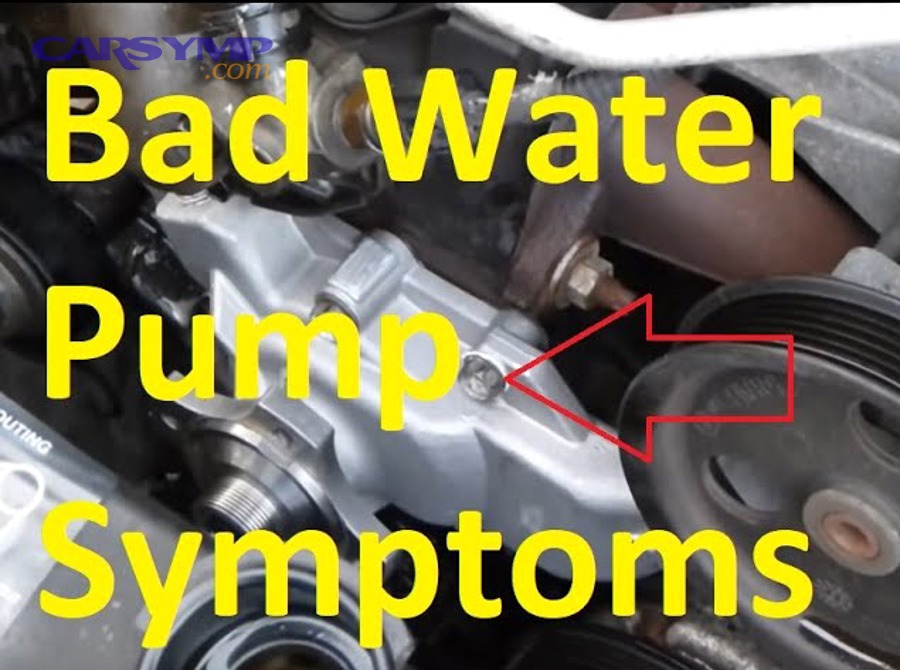
Only after full cooling should you inspect anything. Look for visible coolant loss, residue around the pump area, and belt or pulley abnormalities. If coolant is low and you have no sign of active catastrophic leakage, topping off the system may help in an emergency. However, this is not a repair. It is only a temporary attempt to restore enough fluid for a controlled move, and it should not be used to justify continued normal driving.
A tow is the better choice whenever severe symptoms appear. That includes active overheating, steam, large coolant leaks, severe grinding/whining noise from water pump bearings, or obvious pulley wobble. In those situations, towing protects the engine from secondary damage. Even if the car still starts and moves, towing is often the cheaper decision in the long run because it reduces the chance of head gasket or cylinder head damage.
Use the checklist below as a quick action guide:
- Pull over safely if temperature rises abnormally.
- Shut the engine off immediately.
- Wait for the engine to cool completely.
- Do not open a hot radiator cap.
- Inspect for coolant loss, steam residue, and pump-area leakage.
- Listen for abnormal pump or belt noise.
- Choose towing over continued driving when severe symptoms are present.
When Does a Failing Water Pump Need Immediate Replacement?
A failing water pump needs immediate replacement when it leaks significantly, produces strong bearing noise, causes repeated overheating, shows pulley wobble, or no longer provides stable coolant circulation.
Besides, urgency should be based on function, not just mileage. Some pumps fail gradually and show minor leakage first. Others fail suddenly. The moment the pump can no longer keep engine temperature stable, replacement becomes urgent. The same is true when the bearing has worn enough to create persistent noise. Once the shaft support is compromised, waiting often increases the chance of more expensive side effects.
Immediate replacement is also important because the pump’s failure can affect nearby components. Coolant on belt surfaces can shorten belt life. Misalignment from a worn bearing can stress pulleys. Repeated overheating can push the engine beyond safe temperature limits. A driver who postpones repair may end up paying for multiple parts that would have survived if the pump had been replaced sooner.
The best mindset is preventive rather than reactive. If the car already shows clear water pump failure symptoms, the repair is no longer optional maintenance. It is an active protection measure for the engine. In short, once the pump leaks, grinds, wobbles, or allows recurring overheating, replacement should move to the top of the repair list.
What Less Common Water Pump Failure Scenarios Should Drivers Know About?
Drivers should know that some water pump failures occur without a visible leak, some create unusual overheating patterns, and some vary depending on whether the pump is belt-driven or electric.
Moreover, these less common scenarios matter because they explain why some vehicles seem difficult to diagnose at first. A driver may assume the problem cannot be the water pump because there is no puddle under the car, or because the engine only overheats in one specific condition. In reality, pump problems can present in less obvious ways, and recognizing those patterns helps build a fuller picture of the risk.
Can a Water Pump Fail Without a Visible Coolant Leak?
Yes, a water pump can fail without a visible coolant leak if the bearing is worn, the impeller is damaged, or the pump’s internal efficiency drops before the external seal shows obvious fluid loss.
Specifically, many drivers associate pump failure only with puddles and drips. That is understandable, but incomplete. The pump can lose effectiveness internally while the outside still appears relatively dry. In that situation, the first clues may be temperature fluctuation and poor coolant flow clues, especially under load or during long idle periods. You may also hear a faint mechanical whine before you ever see fluid on the ground.
This type of failure is dangerous because it delays recognition. A visible leak naturally gets attention. Weak internal flow does not. That is why repeated temperature instability should never be ignored just because the coolant level looks acceptable at first glance.
Why Does a Car Overheat Only at Idle or Only at Highway Speed?
A car may overheat only at idle or only at highway speed because cooling-system weaknesses respond differently to airflow, engine load, and coolant circulation demands.
For example, overheating at idle often leads drivers to suspect the fan, and that suspicion is reasonable. However, a marginal water pump can create similar behavior if coolant flow is weak enough that the system struggles most when airflow and circulation margins are low. On the highway, a different pattern may emerge. Higher engine load, sustained RPM, and long climbs can expose a pump that cannot maintain flow under stress. Those overheating patterns linked to water pump issues are important because they show why symptom timing matters, not just symptom presence.
Instead of asking only, “Does it overheat?” drivers should ask, “When does it overheat, and what else happens at the same time?” That question usually leads to a better diagnosis.
Does It Matter Whether the Water Pump Is Driven by a Serpentine Belt, Timing Belt, or Electric Motor?
Yes, it matters because pump design affects how the failure presents, how the repair is performed, and what related parts may need inspection or replacement.
More specifically, a belt-driven pump may show symptoms through pulley noise, belt contamination, or alignment changes. A pump tied into a timing system can increase labor complexity because access is more involved and related service items may need attention at the same time. An electric pump can fail differently because it does not depend on a traditional belt-driven shaft in the same way. For drivers, the practical takeaway is that all failing pumps are urgent, but the repair path and symptom pattern may vary.
This design difference does not change the core advice about driving. Whether the pump is mechanical or electric, once coolant circulation becomes unreliable, the engine remains at risk from overheating.
Can a Failing Water Pump Damage Other Parts of the Engine?
Yes, a failing water pump can damage other engine parts because uncontrolled heat and coolant loss can stress gaskets, metal components, belts, and seals beyond their safe operating limits.
Finally, this is the reason the topic matters so much. A bad pump is rarely the most expensive part in the engine bay, but it can trigger some of the most expensive consequences if ignored. Repeated overheating can weaken the head gasket. Severe overheating can distort metal parts. Coolant leaks can affect the belt system. What starts as a single failing component can expand into a wider repair if the vehicle continues to operate under unsafe temperature conditions.
To sum up, the answer to the original question stays consistent from the first paragraph to the last: you may be able to move a car with a failing water pump a short distance in an emergency, but you should not rely on it for continued driving. Recognizing water pump failure symptoms early, paying attention to grinding/whining noise from water pump bearings, and acting on overheating patterns linked to water pump issues can protect the engine from much more serious damage.