


Most car owners should replace the timing belt and water pump together when the water pump is driven by the timing belt, when the vehicle reaches the manufacturer’s replacement interval, or when the front of the engine is already apart for the job. That direct answer matters because a timing belt failure can cause severe engine damage on some engines, while a failing water pump can trigger coolant loss, overheating, and repeat labor if it is left behind during the same service. Industry guidance commonly places timing belt replacement somewhere between roughly 60,000 and 100,000 miles depending on the vehicle, but the owner’s manual remains the final authority. (cluballiance.aaa.com)
The next issue is whether replacing both parts together is always necessary. In many vehicles, the answer is yes when the pump sits behind the timing cover or is powered by the timing belt, because the labor overlaps and the risk of paying for the same teardown twice is high. That is why many repair kits bundle the belt, water pump, tensioners, and idlers into one service package rather than treating them as unrelated parts. (gates.com)
Another key question is how to judge the right timing beyond a mileage number alone. Mileage, vehicle age, cooling-system symptoms, unknown maintenance history, and engine design all influence the decision. In practice, water pump failure symptoms such as coolant leaks, bearing noise, and unstable operating temperature often push the repair forward even before the belt reaches its scheduled replacement point, especially when Overheating patterns linked to water pump issues begin to appear. AAA notes that overheating commonly traces back to cooling-system faults such as thermostat, radiator, or water pump problems. (aaa.com)
Finally, cost and risk shape the owner’s decision as much as timing does. A Typical repair cost range for water pump issues varies widely by engine layout and labor access, while timing belt service itself is often a several-hundred-dollar maintenance item, so combining the work usually makes better long-term financial sense than splitting it into two repairs. Introduce a new idea: the sections below break down when to replace both parts, when exceptions apply, what symptoms matter most, and Can you drive with a failing water pump without risking bigger damage. (cluballiance.aaa.com)
When Should You Replace a Timing Belt and Water Pump Together?
You should replace a timing belt and water pump together when the pump is timing-belt-driven, the service interval is due, and the shared labor makes separate replacement less efficient.
To better understand that timing, it helps to separate the rule of thumb from the exceptions that depend on engine design, prior service history, and visible cooling-system problems.
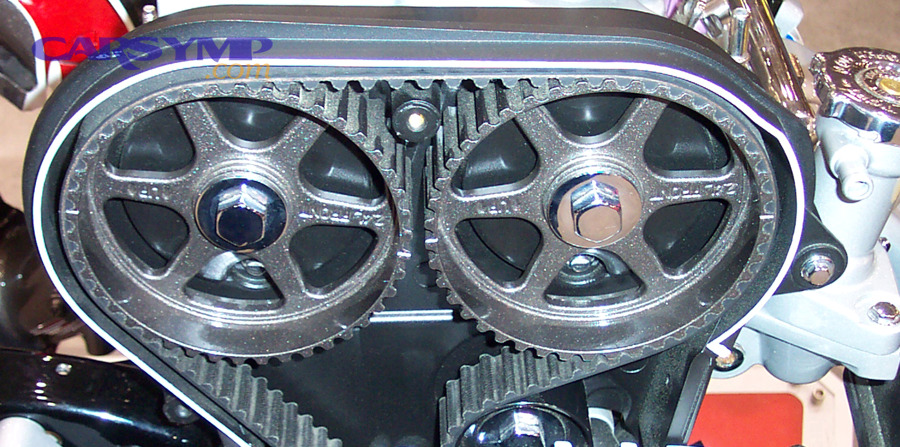
Is It Best to Replace the Water Pump at the Same Time as the Timing Belt?
Yes, replacing the water pump at the same time as the timing belt is usually best because the labor overlaps, the pump can fail before the next belt interval, and reopening the engine later costs more.
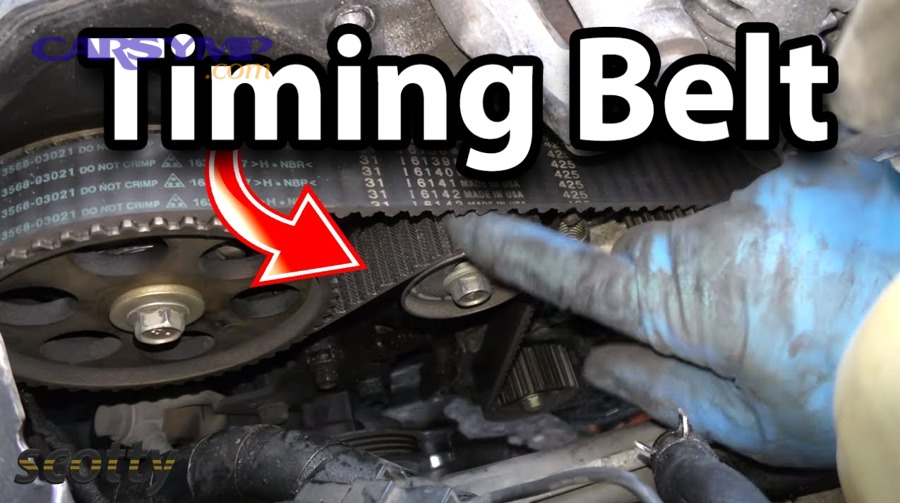
More specifically, the decision becomes easy when the water pump lives behind the same covers and components that must come off for timing belt service. In that setup, the mechanic already spends the labor needed to expose the belt path, align timing marks, remove tension, and access the pump mounting area. Leaving the old pump in place may save part cost today, but it can create a second repair bill later for almost the same teardown.
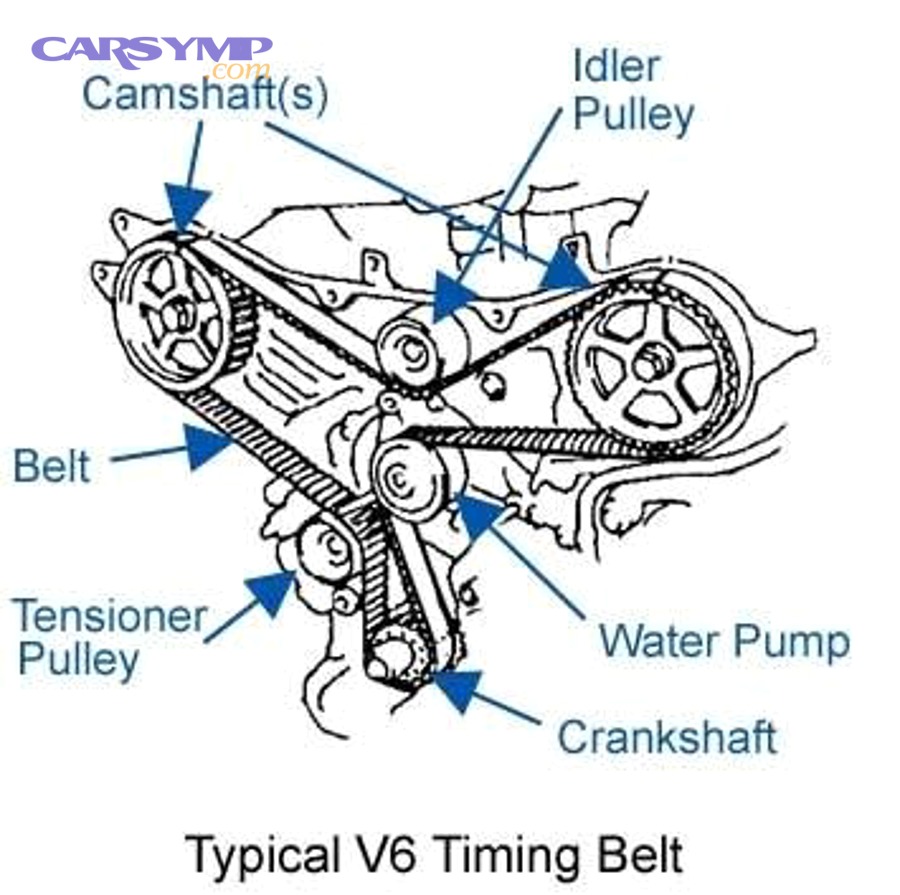
This is also why shops often explain the repair as a system service rather than a single-part replacement. The timing belt, water pump, tensioner, and idlers age together under heat cycles, vibration, and coolant-system pressure changes. One worn component can shorten the life of another, or at least force the same labor twice.
The logic becomes even stronger when the current pump shows early seepage, bearing roughness, or play at the shaft. Those are classic water pump failure symptoms, and they rarely improve with time. Once those signs appear, combined service is typically the smarter maintenance choice.
According to Gates, timing-belt-driven water pumps should always be replaced at the same time as the timing belt, and its kits are designed around that system-based repair approach. (gates.com)
What Replacement Interval Do Car Owners Follow for Timing Belt and Water Pump Service?
The replacement interval for timing belt and water pump service is the manufacturer’s scheduled mileage or age interval, often falling somewhere between about 60,000 and 100,000 miles depending on the vehicle.
However, the interval is not one universal number. Some manufacturers specify earlier service for severe use, some engines have wider intervals, and some newer vehicles use timing chains instead of belts. That is why the owner’s manual or factory maintenance schedule matters more than any generic number on the internet.
Car owners should also remember that age matters along with mileage. Rubber timing belts degrade from time, temperature, and contamination, not just distance traveled. A vehicle that sits often, sees extreme temperature swings, or has an unknown maintenance history may deserve earlier attention even if the odometer seems modest.
A good practical rule is this: if the vehicle is due for a timing belt by schedule and the water pump is in the same service area, plan the repair as one job. If service history is missing, treat the vehicle conservatively, especially when the engine is known to be an interference design.
According to AAA, most automakers recommend timing belt replacement somewhere between 60,000 and 100,000 miles, while the owner’s manual remains the correct source for the exact interval. (cluballiance.aaa.com)
What Factors Determine the Right Time to Replace Them?
The right time to replace them depends on four main factors: manufacturer interval, mileage and age, current symptoms, and whether the engine’s water pump shares access with the timing belt.
Next, those factors need to be evaluated together rather than one at a time, because the most expensive mistakes happen when owners look only at mileage and ignore symptoms or service history.
What Signs Show That the Timing Belt or Water Pump May Need Replacement Sooner?
There are five main signs that the timing belt or water pump may need replacement sooner: coolant leakage, bearing noise, overheating, visible wear, and unknown service history.
Specifically, coolant leakage around the water pump weep hole or front cover area is one of the clearest early warnings. A pump seal often starts with minor seepage before a larger leak develops. If coolant levels keep dropping, the cooling system loses its safety margin, and overheating patterns linked to water pump issues become more likely.
Noise is another signal. A grinding, whining, or rough bearing sound from the front of the engine can point to a water pump bearing or an idler/tensioner issue. While sound alone does not confirm the exact failed component, it does tell you the system needs inspection before the problem escalates.
Overheating is the symptom that owners should take most seriously. When coolant stops circulating properly, the gauge may creep up in traffic, spike under load, or trigger steam from under the hood. AAA notes that water pump failure is among the common causes of engine overheating. In real-world service bulletins, manufacturers also describe leaking water pumps causing reduced cooling performance and eventual overheating if not corrected. (aaa.com)
Visible belt wear matters too. Cracking, fraying, contamination, or glazing may indicate the belt is near the end of its usable life or has been compromised by coolant or oil exposure. And even if no visible symptom is present, unknown service history is itself a reason to consider preventive replacement, because a timing belt gives no guaranteed warning before failure.
According to GM service bulletin material filed with NHTSA, coolant leaking from a water pump can reduce cooling performance and eventually lead to engine overheating if not corrected. (static.nhtsa.gov)
How Do Mileage, Age, and Service History Compare When Deciding Replacement Timing?
Mileage is best for scheduled planning, age is best for low-use vehicles, and service history is most important when records are missing or uncertain.
To illustrate, a high-mileage commuter car may reach its belt interval quickly even if the belt still looks acceptable from the outside. In that case, scheduled preventive replacement is the safest path because the belt’s internal condition cannot be fully judged by appearance alone.
An older vehicle with low mileage creates a different problem. The owner may assume the belt is still fine because the mileage seems low, yet time, heat cycling, and material aging can weaken rubber and seals. That is why age-based caution matters, especially on vehicles that sit for long periods or see infrequent maintenance.
Unknown service history is the most difficult category because it removes your timeline. If you buy a used vehicle and cannot verify when the timing belt was last replaced, the safest assumption is often that it is due unless the seller can provide documentation. The same logic applies to the water pump if it sits in the timing belt path.
The table below shows how owners can weigh these factors in a practical way.
| Factor | What it tells you | Why it matters |
|---|---|---|
| Mileage | Whether the scheduled interval is near or past due | Helps prevent sudden belt failure |
| Age | Whether belt rubber and pump seals have aged out | Important for low-mileage vehicles |
| Service history | Whether past replacement can be verified | Reduces guesswork and repeat labor |
| Symptoms | Whether the system is already failing | Can override normal interval planning |
| Engine design | Whether the pump and belt share labor | Determines whether combined replacement is smartest |
In short, mileage sets the baseline, age adjusts the risk, and service history often decides how conservative you should be.
According to AAA maintenance guidance, timing belt service is dictated by mileage and age intervals listed in the owner’s manual, while missing records make budgeting and preventive replacement more important. (cluballiance.aaa.com)
Why Do Mechanics Recommend Replacing Both Parts Together?
Mechanics recommend replacing both parts together because the labor overlaps, the combined repair reduces future teardown, and the system becomes more reliable when related wear parts are renewed at once.
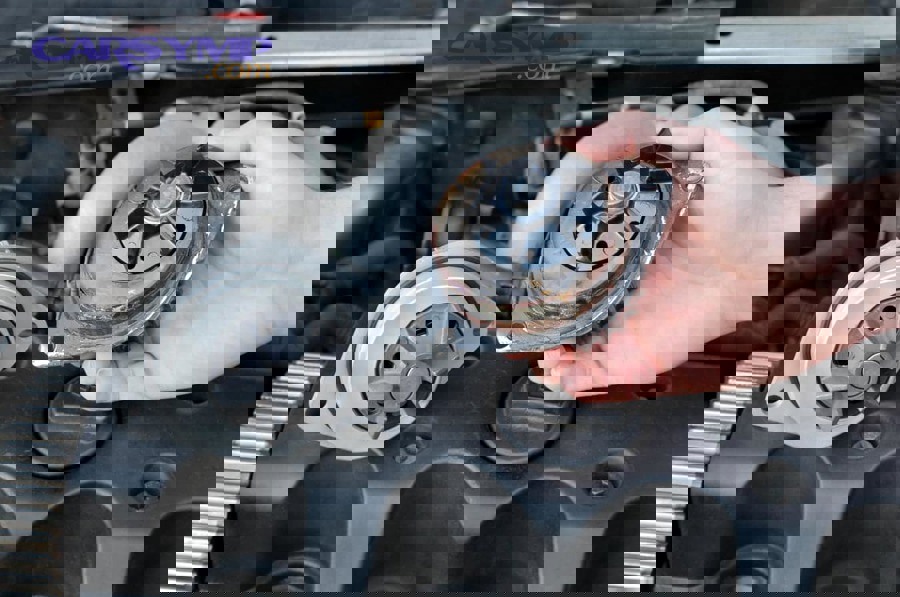
Besides that direct cost logic, mechanics also think in terms of comeback prevention. A shop does not want to install a new belt, leave an aging water pump behind, and then see the vehicle return with a leak or bearing failure a short time later.
Does Replacing Both Together Save Money Compared with Doing Them Separately?
Yes, replacing both together usually saves money because one labor session covers both jobs, one coolant refill often suffices, and one teardown reduces duplicate parts and downtime costs.
However, the savings do not come from the water pump becoming cheap on its own. They come from eliminating repeated labor. On many engines, front covers, accessory components, engine mounts, and timing components must be removed to reach both the belt and the pump. Doing that work twice turns a manageable maintenance decision into a more frustrating repair bill.
This is where owners often misunderstand the estimate. The water pump itself may seem like “one more part,” but the added labor during an already-open timing belt job is often much lower than the labor for replacing the pump later as a standalone repair. That is also why the typical repair cost range for water pump issues can swing so widely: easy-access pumps cost far less to replace than pumps buried in the timing system. (cluballiance.aaa.com)
When owners ask, “Can you drive with a failing water pump?” the money question becomes a risk question too. You may be able to move the car briefly if symptoms are mild, but continued driving can turn a pump problem into an overheating event, a tow, and possible engine damage. A cheaper delayed repair can become an expensive emergency.
According to Gates, complete timing belt kits with water pumps are designed to reduce returns, save costs, and preserve long-term system performance by replacing the entire related assembly together. (gates.com)
What Parts Are Commonly Replaced with a Timing Belt and Water Pump Service?
There are six main parts commonly replaced with a timing belt and water pump service: the belt, water pump, tensioner, idler pulleys, coolant, and sometimes seals or related hardware.
More importantly, these parts work as one chain of reliability. The timing belt depends on proper tension. The tensioner depends on stable bearings. The idlers guide belt path and load. The water pump adds rotating resistance and seal-related failure risk. Coolant affects pump life and heat management. If one weak component remains in the system, it can undermine the value of the entire repair.
Many shops therefore recommend a full kit rather than a piecemeal approach. That recommendation is especially sensible on older vehicles where the owner wants to avoid opening the same area again within a short period. Some vehicles also justify replacing cam or crank seals if seepage is present, since oil contamination can shorten belt life.
Below is a simple way to think about the parts in a combined service:
- Timing belt: the primary scheduled wear item
- Water pump: common companion part when belt-driven or co-located
- Tensioner: maintains proper belt tension
- Idler pulleys: guide the belt and add bearing wear points
- Coolant: must usually be drained and refilled during pump service
- Seals/hardware: optional but wise when leakage or age is visible
According to Gates, timing belt component kits with water pumps commonly include the timing belt, pulleys, tensioners, and water pump as one coordinated repair solution. (gates.com)
Does Every Car Need the Timing Belt and Water Pump Replaced Together?
No, not every car needs the timing belt and water pump replaced together, because some engines use an accessory-driven pump, some vehicles have timing chains, and some pumps may already have been replaced recently.
However, this is the section where precision matters most. The popular advice to “always do both” is excellent for many timing-belt-driven pumps, but it is not a universal rule for every engine design on the road.
What Is the Difference Between a Timing-Belt-Driven Water Pump and an Accessory-Driven Water Pump?
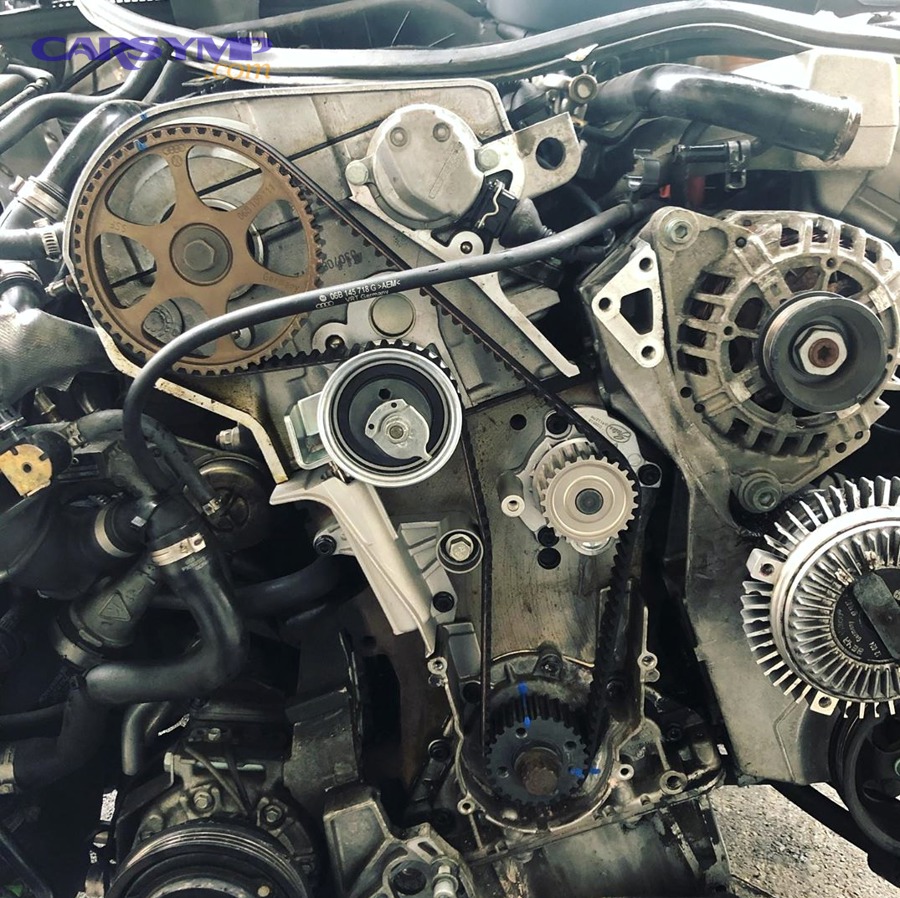
A timing-belt-driven water pump shares the timing service area, while an accessory-driven water pump sits outside that area and is powered by the accessory belt, making the replacement decision very different.
To better understand the difference, picture the engine as two service zones. In a timing-belt-driven design, the pump lives behind the timing covers and depends on the same labor-intensive access as the belt. In an accessory-driven design, the pump is usually easier to reach from the front of the engine without disturbing timing components.
That design difference changes the economics and the urgency of combined replacement. If the pump is accessory-driven and in good condition, the owner may reasonably replace only the timing belt when due. If the pump is driven by the timing belt, leaving it behind is harder to justify because the labor savings of combined replacement are much greater.
This is also why owners should not rely on generic advice from another vehicle owner unless the engine layout is the same. Two cars from the same brand can use different pump arrangements and therefore need different service strategies.
According to Gates, timing-belt-driven water pumps should be replaced at the same time as the timing belt, which highlights how the pump drive design determines the repair recommendation. (gates.com)
Can You Replace the Timing Belt Without Replacing the Water Pump?
Yes, you can replace the timing belt without replacing the water pump in some vehicles, especially if the pump is independently driven, recently replaced, or clearly outside the timing service path.
Meanwhile, that “yes” should not be mistaken for a best practice on every engine. If the pump is original, has high mileage, shows even minor seepage, or sits behind the timing cover, keeping it may be a false economy. The additional part cost may be modest compared with the future labor needed to go back in.
There are also cases where a pump was replaced recently with documentation, while the timing belt interval is due later. In that case, the owner and mechanic can evaluate whether the pump has enough remaining service life to justify leaving it in place. The same goes for a vehicle that received a high-quality complete kit not long ago and only needs follow-up inspection.
The safest way to decide is to ask three questions: Is the pump belt-driven? How old is the pump? Is there any sign of leakage or bearing wear? If the answers point toward shared access, high age, or emerging symptoms, combined replacement remains the stronger choice.
According to AAA, timing belt replacement intervals vary by vehicle and should be verified in the owner’s manual, which is also why part-by-part decisions should follow the actual engine design rather than a generic rule. (cluballiance.aaa.com)
How Can Car Owners Decide the Best Replacement Strategy?
Car owners can decide the best replacement strategy by checking the service schedule, verifying engine design, reviewing symptoms, and comparing preventive replacement against the cost of waiting.
Then, once those four factors are clear, the repair decision becomes much less emotional and much more practical.
What Questions Should You Ask Before Approving Timing Belt and Water Pump Replacement?
There are five questions car owners should ask before approving timing belt and water pump replacement: Is the service due, is the pump belt-driven, what parts are included, what warranty applies, and what symptoms were found?
Specifically, ask whether the mechanic is following the factory maintenance interval or responding to a symptom. That tells you whether the repair is preventive, diagnostic, or both. Then ask if the water pump is powered by the timing belt or simply located nearby. That answer changes the value of replacing it now.
Next, ask for a parts breakdown. A complete repair should clearly identify whether the estimate includes the timing belt, water pump, tensioner, idlers, coolant, and any seals or hardware. Owners often compare estimates without realizing one quote includes a full kit and another includes only the belt.
Warranty is the next practical question. A repair that uses a full matched kit may offer better long-term confidence than a stripped-down estimate. Also ask what symptoms the technician observed. Was there seepage, bearing noise, belt wear, contamination, or overheating evidence? That detail helps you see whether the recommendation is preventive or urgent.
Useful questions include:
- Is my engine a timing belt engine or a timing chain engine?
- Is the water pump driven by the timing belt?
- Is the vehicle already due by mileage or age?
- What parts are included in the estimate?
- Are you recommending a full kit or a partial repair?
- Did you find coolant leaks, noise, or belt contamination?
- What warranty covers the parts and labor?
In short, the best estimate is not always the lowest number. It is the estimate that clearly explains scope, timing, and risk.
According to AAA repair-cost guidance, maintenance items such as timing belts are best planned around mileage and age intervals listed in the owner’s manual, which makes detailed estimate questions essential for budgeting wisely. (cluballiance.aaa.com)
Which Is Better: Preventive Replacement or Waiting for Symptoms?
Preventive replacement is better for reliability, waiting for symptoms is riskier for cost control, and emergency replacement is worst for downtime and potential engine damage.
More specifically, preventive replacement works best because it takes place on your schedule rather than during a roadside problem. You can compare shops, choose quality parts, and bundle related components into one service event. That approach is especially important on interference engines, where a snapped timing belt can allow pistons and valves to collide.
Waiting for symptoms sounds economical, but it assumes the system will warn you in time. A water pump often does offer warning through noise or leaks, yet a timing belt may fail with limited visible notice. And once the cooling system begins to falter, the question “Can you drive with a failing water pump?” becomes much more dangerous. A short trip to a nearby repair shop may be possible in mild cases, but driving with active overheating, steam, or rapid coolant loss can escalate damage quickly.
If you notice overheating patterns linked to water pump issues, the safer move is to stop, let the engine cool, and arrange inspection or towing if necessary. Continued driving can warp the financial logic as fast as it warps engine components.
According to AAA, overheating commonly results from cooling-system faults including the water pump, and steam from under the hood is a warning sign that should not be ignored. (aaa.com)
What Else Should Car Owners Replace During Timing Belt and Water Pump Service?
Car owners should usually consider replacing the tensioner, idlers, coolant, and sometimes seals during timing belt and water pump service because these parts share wear patterns and labor access.
In addition, this broader system view increases semantic and practical completeness: the job is not just about when to replace the belt and pump, but how to avoid coming back into the same repair zone too soon.
Should Tensioners and Idler Pulleys Be Replaced at the Same Time?
Yes, tensioners and idler pulleys should usually be replaced at the same time because their bearings wear, their failure can damage the new belt, and the labor to reach them is already included.
For example, an old idler with a rough bearing can shorten the life of a brand-new timing belt or create noise that forces a return visit. A weak tensioner can also allow improper belt tension, which affects timing stability and overall system durability. Reusing those parts may lower the upfront estimate, but it often weakens the value of the service.
That is why system kits matter so much in timing belt jobs. They reduce the chance that one leftover component becomes the weakest link after the major repair is complete.
According to Gates, timing belt kits with water pumps commonly include pulleys and tensioners specifically because the repair is intended to renew the system rather than only one part. (gates.com)
What Is Included in a Complete Timing Belt Service Kit?
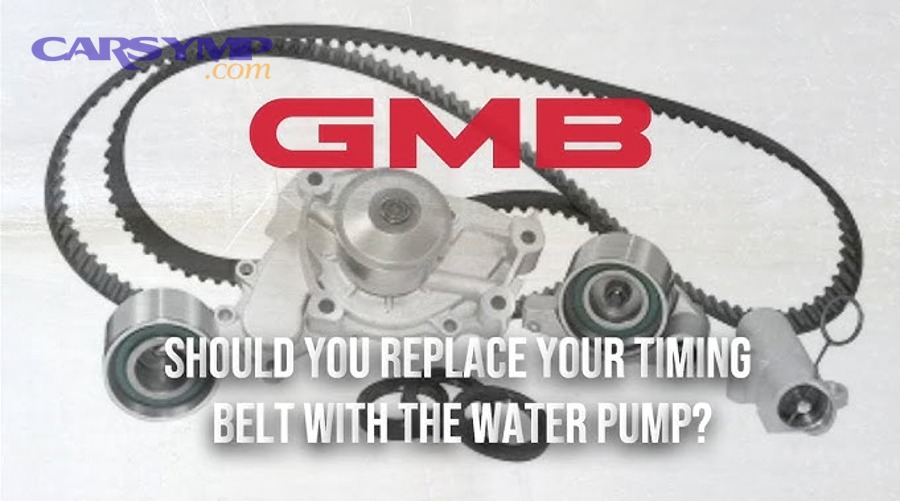
A complete timing belt service kit usually includes the timing belt, water pump where applicable, tensioner, idler pulleys, and installation-related hardware, with coolant often added during the repair.
More specifically, the exact contents vary by vehicle. Some kits focus on the timing path only, while others include the water pump because the engine design makes combined replacement the preferred service. Shops may also add seals, fresh coolant, and accessory drive components when inspection shows wear or contamination.
This matters because owners often compare quotes without comparing scope. A cheaper quote may leave out the water pump, idlers, or tensioner. A more complete quote may cost more on paper yet reduce the likelihood of repeat labor and near-term failures. When reading an estimate, look for the difference between a belt-only repair and a system renewal.
According to Gates, complete timing component kits with water pumps are designed to package the OE-related timing components and the cooling-system pump into one repair solution. (gates.com)
How Does an Interference Engine Change the Replacement Decision?
An interference engine raises the stakes because a failed timing belt can allow internal contact between pistons and valves, turning delayed maintenance into major engine damage.
Especially for those engines, preventive timing belt replacement makes more sense than stretching the interval. Even if the water pump itself has not started leaking, the shared labor and higher consequence of belt failure strengthen the case for doing the complete service on time.
This does not mean every interference engine needs the same interval, but it does mean owners should take the factory schedule seriously. Once the belt is overdue, the risk is no longer only inconvenience. It can become a repair that far exceeds the cost of routine service.
According to AAA, timing belt failure can result in severe engine damage, and Gates installation material similarly flags some engines as interference designs where valve-to-piston damage is most likely if timing is lost. (northeast.aaa.com)
Is OEM or Aftermarket Better for Timing Belt and Water Pump Replacement?
OEM is often best for exact fit confidence, quality aftermarket can offer strong value, and the best choice depends on parts quality, kit completeness, warranty, and installer confidence.
However, the real decision is not simply brand versus brand. It is system quality versus corner-cutting. A reputable aftermarket kit that includes the correct belt, pump, tensioner, and idlers can be a better repair than mixing unmatched low-cost parts. At the same time, owners who prioritize original-spec fit and manufacturer familiarity may prefer OEM components, especially on complex engines.
Ask the shop which brand it plans to use, why it trusts that brand, whether the kit is complete, and what warranty backs the job. That conversation tells you more than a parts label alone.
In short, the best replacement strategy combines the correct interval, the correct engine-specific approach, and a complete parts plan. For most belt-driven water pump setups, that means replacing the timing belt and water pump together before symptoms become a roadside crisis.
According to Gates, matched system kits are designed so the parts work together as a system to optimize performance, which reinforces the value of complete and compatible component selection. (gates.com)