


Replacing a water pump at home can save labor costs, but the real risk is not the pump alone. The danger comes from everything connected to the job: sealing surfaces, belt alignment, coolant circulation, and heat control. A DIY mistake can quickly turn a routine repair into a leak, an overheating event, or costly engine damage.
Many car owners search this topic because they want to know whether the job is simply difficult or genuinely risky. The answer is that the risk level depends on the engine design, the installer’s skill, and how well the cooling system is restored after the part goes back on. On some vehicles, a basic external pump is manageable. On others, the job affects critical timing components and carries much higher consequences.
Another major concern is what usually goes wrong. Most failures after water pump replacement do not come from a defective new part. They come from poor gasket preparation, incorrect torque, trapped air, reused worn parts, or skipped inspection steps after startup. That is why understanding the failure chain matters more than just knowing how to remove bolts.
Car owners also need help deciding whether DIY is worth it and how to reduce the chance of a bad outcome. Introduce a new idea: the sections below explain the real risks, the most common mistakes, the damage they can cause, and the conditions under which a water pump replacement is or is not a smart DIY project.
What are the real risks of DIY water pump replacement?
Yes, DIY water pump replacement carries real risk because the job involves sealing, coolant flow, belt alignment, and engine temperature control, all of which must work correctly at the same time.
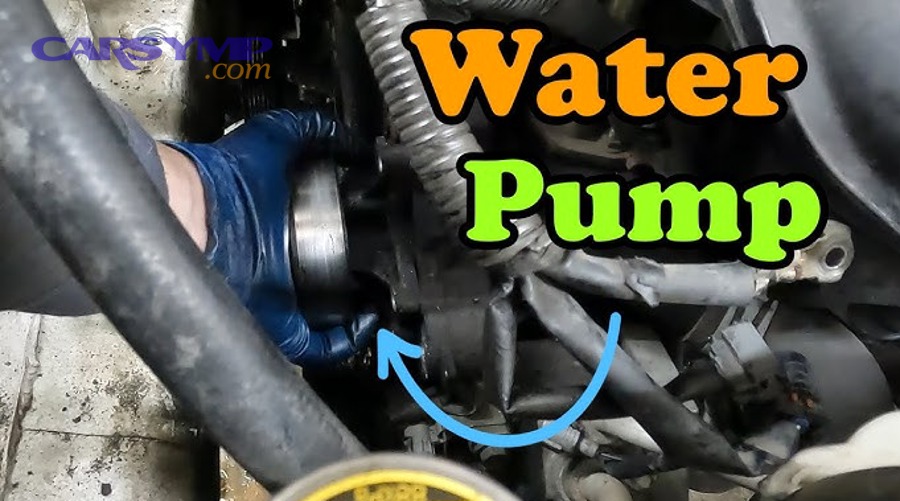
To better understand the issue, it helps to see the job as a system repair rather than a simple parts swap. A water pump does not operate alone. It works with the radiator, thermostat, coolant passages, drive belt or timing components, and the engine’s temperature management strategy. If one part of that chain fails, the engine can overheat even when the new pump itself is not defective.
Can a DIY water pump replacement go wrong even if the new pump is installed?
Yes, a DIY water pump replacement can still go wrong even when the new pump is installed, because poor surface preparation, trapped air, wrong torque, or belt problems can defeat a brand-new part.
That answer matters because many DIYers judge success too early. The pump may bolt on, the engine may start, and the first few minutes may look normal. However, the real test comes when coolant reaches operating temperature, pressure rises, and the belt system or timing system begins working under load. A pump installed on an uneven surface may seep only after heat expansion. A system with air pockets may idle normally but overheat under driving conditions. A pulley that looks aligned at a glance may still track poorly and create premature bearing stress.
This is why post-install checks are part of the repair, not an optional extra. A successful water pump replacement means the entire cooling circuit seals, fills, circulates, and stabilizes at temperature without abnormal noise, leaks, or warning lights.
What makes water pump replacement risky for car owners?
Water pump replacement is a medium-to-high-risk mechanical repair because it combines disassembly, precision sealing, fluid handling, and on some engines direct interaction with critical drive or timing components.
Specifically, the risk comes from three layers. First, the installer must remove components without damaging hoses, bolts, mounting faces, or nearby parts. Second, the installer must restore sealing and fastener clamping correctly so coolant stays inside the engine under heat and pressure. Third, the installer must confirm that the pump is actually moving coolant correctly once the system is refilled and running.
Risk rises sharply when access is tight or when the pump sits behind major engine components. Some engines place the pump in a straightforward position behind accessory belts. Others integrate it with a timing belt or chain area, where one mistake can create both cooling problems and valve timing problems. That is why the same repair name can describe jobs with very different consequences.
How do cost savings compare with the risk of getting the repair wrong?
DIY wins on labor cost, professional repair wins on risk control, and the true value depends on whether the installer can complete the job without creating leaks, overheating, or repeat labor.
However, cheap labor savings can disappear quickly after a failed repair. A minor seep may require draining the system again, buying fresh coolant, and replacing the gasket or pump. A belt alignment problem can damage the belt, tensioner, or pulley. A severe overheating episode can multiply the cost far beyond the original labor bill. For that reason, the smartest comparison is not “DIY cost versus shop cost.” It is “DIY cost plus risk exposure versus shop cost with a lower failure probability.”
According to the Car Care Council, cooling system failure is a leading cause of vehicle breakdowns and neglect can lead to serious damage or engine failure. ([carcare.org](https://www.carcare.org/vehicle-systems-overview/?))
What mistakes are most likely during a DIY water pump replacement?
There are six main mistake groups during DIY water pump replacement: bad surface prep, incorrect gasket or sealant use, wrong torque, incomplete coolant service, belt-related errors, and skipped post-repair inspection.
Let’s explore the issue through the mistakes that most often turn a routine repair into a second repair. These errors are common because they happen in the details, not in the obvious steps. Many DIYers remember to replace the pump, but they underestimate the importance of cleaning the mounting surface, following torque sequence, checking related components, and fully restoring coolant flow.
What are the most common installation mistakes when replacing a water pump yourself?
There are six common installation mistakes when replacing a water pump yourself: poor gasket surface prep, incorrect sealant use, improper bolt torque, reused worn belts, wrong coolant handling, and incomplete bleeding.
Poor gasket surface preparation is one of the most frequent problems. Old gasket material, corrosion, or scratches can prevent even clamping. The pump may look flush at installation, yet coolant begins seeping once the engine heats up. Overaggressive scraping can create the opposite problem by gouging aluminum surfaces and making a perfect seal impossible.
Incorrect sealant use is another major source of failure. Some pumps require a dry gasket, some require a specific sealant, and some use O-rings that should not be buried under excess compound. Too much sealant can squeeze inward, contaminate passages, or prevent the gasket from seating evenly. Too little sealant, or the wrong type, can leave microscopic leak paths.
Improper torque creates both under-clamping and over-clamping risk. Under-tightening can allow seepage or vibration. Over-tightening can distort the housing, crush the gasket unevenly, strip threads, or crack the pump body on more delicate castings. That is why a torque wrench matters more than hand feel on modern engines.
Other frequent errors include reinstalling a worn belt, ignoring a noisy tensioner, mixing incompatible coolant, or rushing startup without proper Bleeding air after water pump replacement. When air stays trapped in the system, the engine can show false stability at idle and then spike in temperature on the road.
Is incorrect gasket or sealant use one of the biggest leak risks?
Yes, incorrect gasket or sealant use is one of the biggest leak risks because the water pump must seal coolant under heat and pressure, and small sealing errors often become visible only after thermal expansion.
More specifically, sealing errors fail in several ways. A gasket installed on a dirty surface cannot compress evenly. A sealant applied where the manufacturer does not call for it may create spacing irregularities. A bead that is too thick can squeeze out of place, while a bead that is too thin leaves dry spots. If the installer starts the engine before the sealant cures, the joint can shift and fail early.
Leak risk also rises when DIYers combine old and new parts inconsistently. For example, they may install a new pump but reuse bolts with corrosion, washers that no longer clamp evenly, or hoses hardened by age. A correct pump on a weak sealing system still produces the same symptom: coolant on the ground, a low reservoir, and rising temperature.
This is also why Replacing thermostat and belts during water pump job is often worth considering when access is already open. If the pump area exposes a thermostat housing or the belt shows wear, replacing those parts during the same service can reduce the chance of reopening the system later.
What does incorrect torque or bolt sequence do to a new water pump?
Incorrect torque or bolt sequence can warp the pump flange, damage threads, distort gasket compression, and create leaks or premature failure even when the pump itself is new.
For example, tightening one side fully before the others can pull the housing unevenly against the engine. That uneven load leaves one part of the gasket over-compressed and another under-compressed. On aluminum engines, thread damage adds another layer of risk because repair becomes more complex than the original pump replacement.
Incorrect torque also affects bearing life indirectly. If the pump body sits under stress because of distorted mounting, the shaft and seal can experience abnormal loads once the belt begins pulling on the pulley. What first appears to be a seal leak may actually be a mounting distortion problem created during installation.
According to Gates, common water pump installation mistakes include improper use of sealants, dry running, and installation errors that lead to leaks or shortened service life. ([static.nhtsa.gov](https://static.nhtsa.gov/odi/tsbs/2015/MC-10123086-9999.pdf?))
How can a bad DIY water pump replacement lead to engine damage?
Yes, a bad DIY water pump replacement can lead to engine damage because coolant loss, poor circulation, trapped air, or belt-related failure can cause rapid overheating and destructive hot spots.
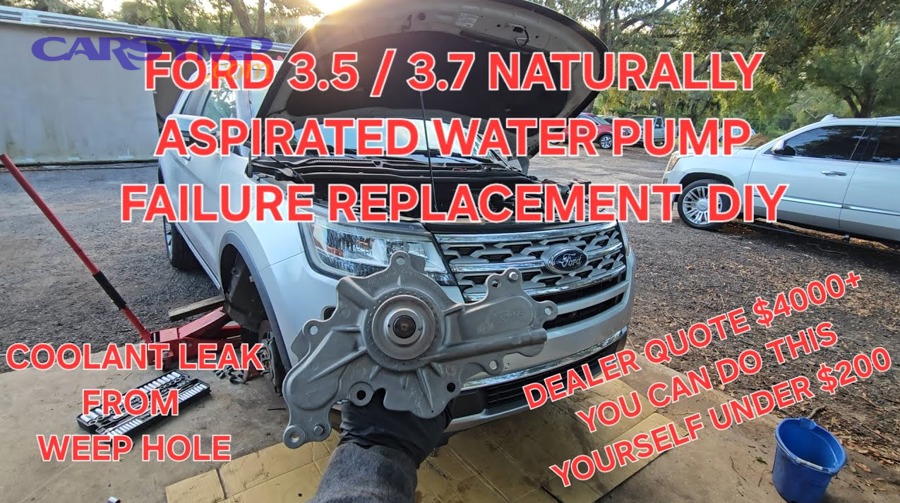
In addition, the damage path is usually progressive. First, a leak or circulation problem lowers cooling efficiency. Then engine temperature rises beyond normal range. If driving continues, the heat begins affecting gaskets, cylinder head flatness, oil integrity, and internal sealing surfaces. The longer the engine stays hot, the more expensive the outcome becomes.
Can a water pump installation mistake cause overheating quickly?
Yes, a water pump installation mistake can cause overheating quickly because loss of coolant flow, low coolant level, trapped air, or slipping drive components reduce the engine’s ability to move heat away.
However, “quickly” does not always mean instantly. Some mistakes reveal themselves during the first warm-up cycle. Others appear after a short drive when the thermostat opens fully, coolant pressure increases, and the engine sees real load. An air pocket around the thermostat or cylinder head may delay proper circulation. A leaking connection may slowly drop coolant until the pump begins drawing air. A belt that is loose or contaminated can reduce pump speed and heat removal.
That is why temperature behavior after startup must be watched carefully. A stable gauge at idle does not guarantee success. The system must also remain stable during acceleration, traffic, and highway driving.
What types of engine damage can happen after a failed water pump replacement?
There are five main damage outcomes after a failed water pump replacement: repeated overheating, warped cylinder head, head gasket failure, damage to seals and internal components, and in severe cases total engine failure.
Repeated overheating weakens the engine long before catastrophic failure occurs. Heat changes the dimensions of metal parts, reduces oil effectiveness, and stresses gaskets. A warped cylinder head can develop when localized temperatures rise too far or too fast. Once head flatness is compromised, sealing pressure between the head and block suffers, and head gasket failure becomes more likely.
Head gasket failure then creates a second layer of problems. Combustion gases may enter the cooling system, coolant may enter the cylinders, and pressure behavior becomes unstable. Drivers may notice bubbling in the reservoir, white exhaust smoke, or chronic overheating even after coolant is topped off.
Severe coolant loss can also damage surrounding parts. A leaking pump can contaminate belts. On some vehicles, coolant exposure affects the timing belt area, which is why Timing belt/chain-driven water pump considerations are much more serious than the same repair on a simple accessory-belt setup.
How do coolant leaks, noise, and temperature spikes compare as warning signs after installation?
Coolant leaks are the earliest visible warning sign, noise often indicates mechanical stress or misalignment, and temperature spikes are the most urgent sign because they suggest cooling performance has already been compromised.
Meanwhile, each symptom points to a different type of problem. A visible coolant leak often suggests a sealing, hose, clamp, or housing issue. A whining or grinding sound may indicate pulley misalignment, overtension, or bearing stress. A fast temperature spike means the system is no longer removing heat adequately, whether due to low coolant, trapped air, poor pump drive, or blocked flow.
The table below compares these signs so readers can understand which symptoms call for immediate shutdown and which require careful inspection before driving further.
| Warning sign | What it often indicates | Typical urgency |
|---|---|---|
| Coolant drip or seep | Gasket issue, hose problem, uneven mounting, clamp failure | High |
| Whining or grinding noise | Belt misalignment, overtension, pulley issue, bearing stress | High |
| Steam or coolant smell | External leak under pressure | Very high |
| Sudden temperature spike | Air pocket, low coolant, loss of pump drive, circulation failure | Critical |
| Fluctuating heater output | Air in the system, poor coolant circulation | High |
If the engine temperature moves beyond normal range after a water pump replacement, continued driving is the wrong test method. Shut the engine down, let it cool, and inspect the repair.
According to NHTSA recall documents, loss of coolant flow can cause an engine to rapidly overheat, and overheating tied to coolant loss can damage external sealing surfaces and internal engine components. ([static.nhtsa.gov](https://static.nhtsa.gov/odi/rcl/2023/RCRIT-23V221-4427.pdf?))
Is DIY water pump replacement worth the risk for most car owners?
No, DIY water pump replacement is not worth the risk for most car owners unless they have the correct tools, service information, mechanical discipline, and enough experience to diagnose leaks, timing issues, and cooling-system problems afterward.
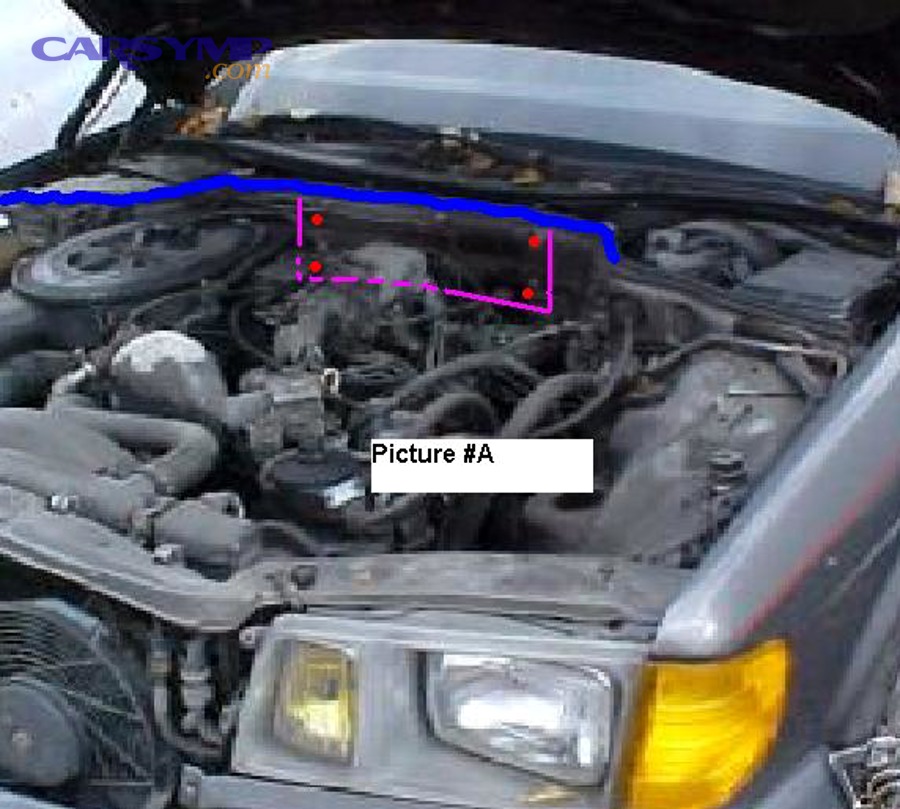
To better understand that answer, separate enthusiasm from readiness. Many owners are capable of basic maintenance, but water pump work demands more than basic maintenance habits. A successful result depends on following vehicle-specific procedures, working cleanly, torquing accurately, and testing the whole system once the job is complete.
Is DIY water pump replacement safe for beginners?
No, DIY water pump replacement is usually not safe for beginners because the job combines disassembly, sealing precision, coolant management, and often belt or timing-system judgment that inexperienced installers may not yet have.
A beginner can be misled by how ordinary the repair sounds. In practice, the job often includes seized fasteners, limited access, fragile connectors, coolant disposal, mating-surface cleaning, and system bleeding. Even a beginner who successfully removes and installs the pump may still struggle with the reassembly logic and post-repair verification.
That said, “not safe for beginners” does not mean every home mechanic must avoid it forever. It means the repair is best attempted after building experience on less sensitive jobs, especially if the vehicle uses an external accessory-belt-driven pump with good access and clear service procedures.
How is replacing a belt-driven water pump different from replacing a timing-belt-driven water pump?
A belt-driven water pump is usually simpler to access and lower risk, while a timing-belt-driven water pump is more labor-intensive, timing-sensitive, and far more costly to get wrong.
However, the difference is more than convenience. On many engines, an external belt-driven pump can fail without directly altering cam timing. A timing-belt-driven pump sits inside a more sensitive environment where belt routing, tension, and timing marks matter. An installation error there can affect both cooling and valve timing. If the engine is interference design, a serious timing mistake can damage valves or pistons.
This is why Timing belt/chain-driven water pump considerations deserve special attention. When the pump lives behind timing covers, the job often expands from cooling-system repair into partial engine timing service. That increases the skill threshold, the tool requirement, and the consequence of error.
What tools, knowledge, and conditions should you have before attempting this repair?
There are five essentials before attempting this repair: a service manual, a torque wrench, correct coolant knowledge, the ability to inspect related parts, and the judgment to stop if the job exceeds your comfort zone.
A service manual matters because bolt torque, gasket instructions, coolant type, bleeding steps, and component removal order vary by vehicle. A torque wrench matters because “tight enough” is not a precise cooling-system strategy. Correct coolant knowledge matters because wrong chemistry can shorten pump and seal life. Inspection ability matters because the pump does not live in isolation; hoses, belts, tensioners, and thermostat behavior affect the final outcome.
Conditions matter too. You need enough time to work without rushing, a clean space to keep parts organized, and a plan for safe coolant handling. Most importantly, you need the discipline to pause the repair instead of forcing parts or guessing on a critical step.
How can car owners reduce DIY water pump replacement risks?
Car owners can reduce DIY water pump replacement risks by preparing the right parts and tools, inspecting related components, following torque and sealing instructions exactly, and verifying coolant circulation before regular driving.
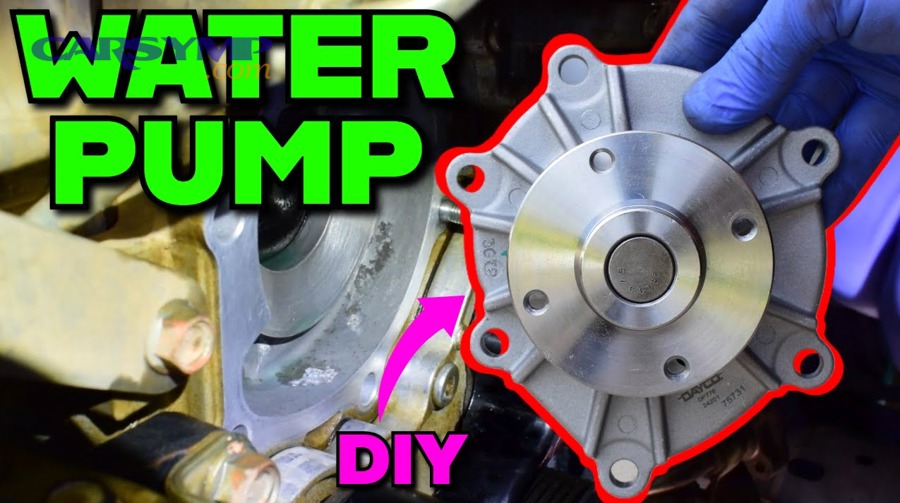
Next, it helps to think in three phases: pre-repair planning, installation discipline, and post-repair verification. Most failures trace back to one of those phases. Good preparation lowers mistakes. Careful installation lowers leak risk. Good verification catches problems while the vehicle is still safe to shut down in the driveway.
What should you check before starting a water pump replacement?
There are six key checks before starting a water pump replacement: confirm the diagnosis, verify parts fitment, inspect belts and tensioners, review the manual, plan coolant handling, and check nearby components that may be worth replacing.
Confirming the diagnosis is the first protection against wasted work. Not every coolant leak comes from the pump. Hoses, thermostat housings, radiator end tanks, and crossover pipes can mimic pump failure. Parts fitment is the next step because water pumps can vary by engine code, build date, or gasket style.
This is also the right time to think about bundled service. Replacing thermostat and belts during water pump job often makes sense because labor overlap is high. If the belt is worn, the thermostat is old, or access is already open, replacing those parts together can improve reliability and reduce repeat labor.
What should you inspect immediately after installing a new water pump?
There are seven immediate post-install checks: coolant level, visible leaks, belt tracking, pulley alignment, abnormal noise, heater performance, and temperature stability through a complete warm-up cycle.
Specifically, fill the system correctly, then watch for drips before the engine starts. After startup, look again while pressure builds. Observe the belt path for wobble or edge wandering. Listen for chirping, whining, or grinding. Confirm that cabin heat becomes steady, because unstable heater output often suggests trapped air or poor circulation.
One of the most important steps is Bleeding air after water pump replacement. Air pockets can create false confidence during early idle and then trigger overheating later. Bleeding procedures differ by vehicle. Some systems self-bleed partially, some require bleeder screws, and some need specific warm-up cycles or elevated fill points. Skipping this step is one of the fastest ways to create a “new pump, same overheating” situation.
Should you stop driving immediately if symptoms appear after the repair?
Yes, you should stop driving immediately if symptoms appear after the repair because continuing to drive through coolant loss, abnormal noise, or rising temperature increases the chance of severe engine damage.
In addition, early shutdown is often what keeps a repair minor. A small leak caught early may only require resealing or retorquing after inspection. The same leak ignored on the road may become low coolant, overheating, warped metal, and a much larger bill. The same logic applies to noise. A chirp or grind is not background sound after a pump job; it is diagnostic information telling you the system needs immediate attention.
If symptoms appear, let the engine cool fully before opening the cooling system. Recheck coolant level, inspect the mounting area, confirm belt condition, and look for pressure-related leaks. Do not treat a warning light as part of the break-in process. A correct water pump replacement should settle into normal operation, not ask for patience.
What hidden or less-discussed risks can complicate a DIY water pump replacement?
Yes, hidden risks can complicate a DIY water pump replacement because some failures come from air pockets, coolant chemistry, warranty issues, and pump-location design differences rather than from the obvious installation steps alone.
Besides the main mistakes already discussed, these less-discussed factors often explain why a repair appears successful at first and then develops problems days or weeks later. They also expand the decision question from “Can I install the pump?” to “Can I restore the entire system correctly and protect long-term reliability?”
Can trapped air in the cooling system damage performance even when the pump is installed correctly?
Yes, trapped air can damage performance even when the pump is installed correctly because air pockets interrupt coolant contact, reduce circulation stability, and can create hot spots that mimic pump or thermostat failure.
For example, an air pocket near the thermostat can delay proper opening behavior or create inconsistent temperature readings. Air in the heater core can reduce cabin heat and signal poor circulation. In more severe cases, air reduces coolant’s ability to absorb and move heat efficiently, allowing localized overheating.
This is why Bleeding air after water pump replacement is not a finishing detail but a core part of the repair. A perfect mechanical installation can still behave like a failed repair if the system is not bled properly.
How can using the wrong coolant create long-term water pump problems?
Using the wrong coolant can create long-term water pump problems by accelerating corrosion, reducing seal compatibility, encouraging deposit formation, and weakening the protective chemistry the pump relies on.
More specifically, modern coolant formulations are designed around engine materials and seal requirements. Mixing incompatible types or using generic fluid without checking specifications can shorten seal life and contaminate passages. Even if the engine does not overheat immediately, long-term pump durability can suffer.
Wrong coolant also complicates diagnosis because the pump may later leak or wear out faster, leading the owner to blame the replacement part rather than the chemistry used during refill.
Can DIY installation mistakes void a water pump warranty?
Yes, DIY installation mistakes can void a water pump warranty because manufacturers and suppliers may reject claims tied to improper fitment, dry running, contamination, sealant misuse, or related installation damage.
That matters because many DIYers assume a new part is automatically protected. In reality, warranty coverage often distinguishes between part defects and installation-related failure. If a pump runs dry during first startup, if excess sealant contaminates passages, or if the wrong coolant is used, the supplier may classify the failure as improper installation rather than a defective product.
Keep receipts, document the part number, follow the instructions included with the pump, and retain notes on coolant type and related service. Good records do not guarantee approval, but they improve your position if a claim becomes necessary.
Why are timing-system water pumps much riskier than simpler external pump designs?
Timing-system water pumps are much riskier than simpler external pump designs because access is deeper, reassembly is more precise, labor overlap is larger, and any error can affect both cooling and engine timing.
Especially on engines where the pump shares space with timing components, the job becomes more than a cooling-system repair. You may need to lock timing positions, manage belt tension accurately, and verify alignment before rotating the engine. A mistake in this area can create noise, poor running, no-start conditions, or in worst cases internal engine damage.
That is why Timing belt/chain-driven water pump considerations should be central to the DIY decision. The phrase “water pump replacement” sounds singular, but on some vehicles it really means a combined service touching the most sensitive mechanical relationship in the engine.
According to NHTSA documents, coolant loss and overheating can damage engine sealing surfaces and internal components, and manufacturer warranty materials have noted that water pump leaks can also cause consequential damage to nearby timing belts. ([static.nhtsa.gov](https://static.nhtsa.gov/odi/rcl/2020/RCRN-20V636-0388.pdf?))
In short, DIY water pump replacement can be rewarding only when the installer respects the repair as a system-critical job. The safest path is not simply working carefully. The safest path is understanding that coolant sealing, flow restoration, temperature control, related-part inspection, and post-repair verification all determine whether the repair truly succeeds.