


A recently serviced cooling system should run smoothly, hold coolant, and maintain a stable temperature, so the clearest answer is this: if your vehicle shows fresh coolant leaks, abnormal noise, rising temperature, or weak cabin heat soon after a water pump replacement, incorrect installation is a realistic possibility. Those symptoms often point to sealing errors, trapped air, pulley misalignment, or refill mistakes rather than normal post-repair behavior. (autozone.com)
The first issue most car owners want to understand is which symptoms matter most. Leaks/noise, temperature spikes, and coolant loss usually appear before complete overheating, which makes early recognition the key to preventing bigger engine damage. That is why this article begins with the visible and audible warning signs you can check right away. (autozone.com)
The next concern is diagnosis. A repair can seem suspicious even when the real cause is trapped air, a weak thermostat, or another worn cooling-system part, so you need a way to separate actual installation faults from related problems that only look similar. This distinction matters even more when drivers are deciding whether they can keep using the vehicle or need an immediate reinspection. (autozone.com)
The final concern is practical action. Car owners need to know what mistakes cause these symptoms, what to inspect under the hood, and how related issues such as Bleeding air after water pump replacement or Replacing thermostat and belts during water pump job can change the outcome. Next, the main content breaks the problem down in the same order a careful diagnosis should follow.
What are the signs of incorrect water pump installation after replacement?
Incorrect water pump installation after replacement usually shows up through coolant leaks, overheating, unusual noise, unstable temperature, or weak circulation within the first drives after the repair.
To better understand those signs, start with the symptoms that change the fastest after the job is finished, because they usually reveal whether the pump, seal, belt path, or refill process was done correctly.

Is coolant leaking soon after replacement a sign of incorrect installation?
Yes, coolant leaking soon after a water pump replacement is a strong sign of incorrect installation because the leak often comes from a misseated gasket, uneven bolt torque, contaminated mounting surface, or an O-ring that was reused or damaged.
More specifically, the location of the leak tells you a lot. A leak around the pump mounting surface often points to a sealing problem. A drip that appears after warm-up may indicate uneven clamping force as the engine expands. A wet trail below a hose neck can point to a loose clamp that was disturbed during the repair rather than a failed pump itself. In contrast, a leak from the weep area may indicate that the pump seal is being damaged by contamination, excess sealant, or running dry during refill. GMB’s troubleshooting guidance highlights mounting-surface contamination, incorrect sealant use, and uneven torque as common causes of leakage after installation. (gmb.net)
A good inspection looks for three things together: where coolant first appears, whether the leak increases with temperature, and whether coolant level in the reservoir keeps dropping after each drive. If all three happen together, the repair should be rechecked instead of ignored. This is one of the clearest patterns behind post-repair leaks/noise complaints.
What does incorrect water pump installation look and sound like?
Incorrect water pump installation looks like fresh coolant residue, belt tracking problems, pulley wobble, and temperature inconsistency, and it sounds like whining, chirping, squealing, or grinding from the front of the engine.
Specifically, the visual signs often appear before the loudest mechanical symptoms. You may notice dried coolant crust around the housing, a shiny wet seam below the pump, or a serpentine belt that rides too close to the edge of a pulley. If the pump pulley sits slightly out of plane, the belt can chirp at idle and then quiet down when engine speed changes. If bearing load becomes excessive because of misalignment or over-tension, the sound can progress from a light whine to a more obvious growl.
Noise matters because it is not always just “new parts settling in.” A properly installed water pump should not create persistent front-engine squeal or grinding. GMB notes that excess belt tension, pulley run-out, and coolant intrusion into the bearing can all create bearing noise after installation. AutoZone likewise lists whining or squealing with leakage and overheating as primary water pump warning signs. (gmb.net)
According to GMB North America’s Water Pump Trouble Shooting Guide, updated in 2021, improper installation factors such as mounting-surface contamination, incorrect sealant use, excess belt tension, and pulley run-out are recognized causes of leakage and bearing noise after replacement. (gmb.net)
Which symptoms should car owners group as the most important warning signs?
There are four main groups of warning signs after water pump replacement: leak-related, temperature-related, noise-related, and circulation-related symptoms, based on how the cooling system and the pump fail in real use.
To better understand severity, group the symptoms by what they threaten first. Some signs mainly point to sealing faults, while others suggest the pump is no longer circulating coolant effectively.
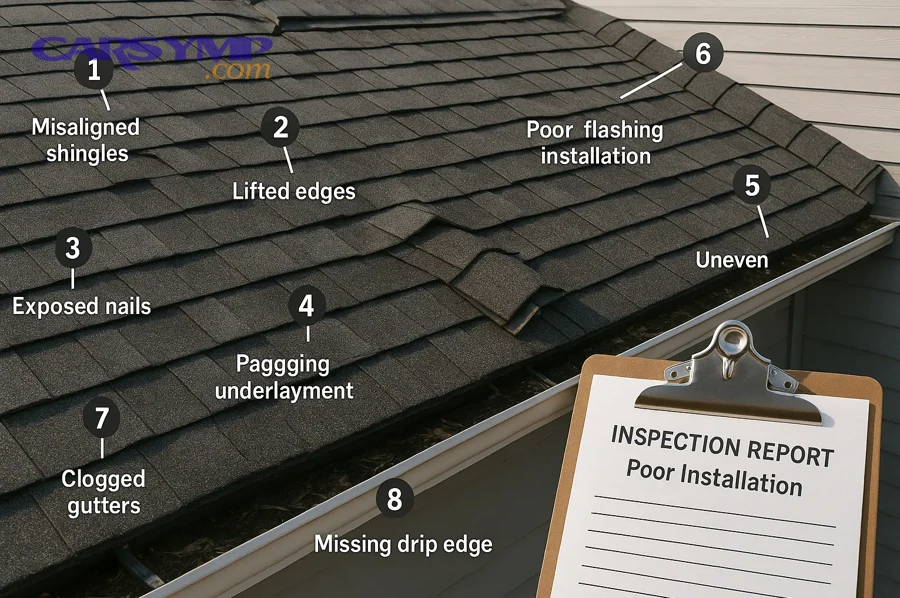
What warning signs belong to the leak, noise, and overheating groups?
There are three major symptom clusters car owners should watch: leaks/noise, overheating, and poor coolant circulation, based on whether the problem begins at the seal, the drive system, or the refill and flow process.
For example, the leak group includes wet spots under the car, dried coolant residue on the front of the engine, recurring low coolant, and a sweet smell after each drive. The noise group includes chirping, squealing, whining, or grinding that changes with engine speed. The overheating group includes a climbing temperature gauge, steam, an over-temp warning, or heat that rises more in traffic than at road speed. The circulation group includes weak heater output, temperature fluctuation, and upper or lower radiator hose behavior that suggests coolant flow is inconsistent.
This grouping matters because one symptom by itself can mislead you, but combinations are more diagnostic. A coolant smell alone could be spilled coolant. A chirp alone could be a worn belt. But a chirp plus coolant loss plus a rising gauge after a water pump replacement strongly suggests the repair outcome is not correct.
Which signs mean you should stop driving immediately?
Yes, some symptoms mean you should stop driving immediately: rapid overheating, steam, heavy coolant loss, severe grinding, or a visibly wobbling pulley are urgent because they can lead to engine damage very quickly.
More importantly, these urgent signs indicate the cooling system may already be losing control of engine temperature. If the reservoir empties quickly, the cabin heater suddenly goes cold, or the temperature warning appears while idling, continued driving can turn a repair issue into a head-gasket or engine damage issue. A wobbling pulley also raises the risk of belt failure, which can disable coolant circulation even faster.
A helpful rule is simple: if the symptom threatens coolant volume, belt drive, or temperature stability, treat it as a stop-now problem. NHTSA documents and recall materials repeatedly connect coolant loss and overheating with engine damage risk, and some recall descriptions specifically note that drivers may see coolant spots, loss of cabin heat, and powertrain overheating before serious failure occurs. (static.nhtsa.gov)
According to NHTSA recall documentation filed in 2026, customers may notice coolant spots on the ground, loss of cabin heat, and powertrain overheating, and continued coolant loss can escalate the risk of severe engine damage. (static.nhtsa.gov)
How can you tell the difference between incorrect installation and normal post-repair behavior?
Incorrect installation usually causes repeatable symptoms such as continued leakage, persistent noise, or temperature instability, while normal post-repair behavior is mild, short-lived, and does not worsen after each drive cycle.
However, that difference is only clear when you judge symptoms by duration, severity, and pattern rather than by one moment alone.
Is a slight coolant smell after replacement normal or a bad sign?
Yes, a slight coolant smell can be normal right after repair, but it becomes a bad sign if the smell returns repeatedly, gets stronger, or appears with visible residue, drops in coolant level, or dampness around the pump.
Specifically, a one-time smell can happen when a small amount of spilled coolant burns off hot metal after the repair. That should fade quickly. The problem becomes suspicious when the smell reappears after every trip or when you can trace it to a fresh wet seam, a hose connection, or a drip line under the car. That pattern suggests a live leak rather than harmless residue.
This is why a smell should never be judged alone. Pair it with a cold-engine coolant-level check and a flashlight inspection around the pump body, hose necks, and lower splash area. If coolant level falls between drives, installation quality must be questioned.
How is incorrect installation different from trapped air or another cooling-system problem?
Incorrect installation causes symptoms tied to sealing, alignment, or assembly quality, while trapped air causes circulation instability, and other cooling-system faults usually show a broader pattern that is not limited to the area disturbed during repair.
To illustrate, a bad thermostat often creates overheating because coolant cannot flow through the engine and radiator at the correct time, but it does not usually create new pump-area seepage or pulley chirp. A weak radiator cap may let coolant escape, but it does not explain a fresh bearing noise after service. Trapped air, on the other hand, can imitate a bad repair because it creates fluctuating temperature, poor heater output, and inconsistent coolant level after cooldown. That is why Bleeding air after water pump replacement is not a minor detail; it is part of validating the repair.
The best differentiator is symptom overlap at the pump itself. If overheating comes with fresh leaks/noise near the water pump, installation error moves higher on the list. If the system mainly shows erratic heat and temperature fluctuations with no visible pump-area leak, air pockets become more likely. GMB specifically notes that dry rotation and interruptions in coolant flow can damage the mechanical seal, which is why refill and bleeding errors can create symptoms that look like installation defects. (gmb.net)
According to GMB’s installation guidance, many shop manuals recommend refilling the cooling system and rotating the pump by hand to help charge the circuit, because dry operation or air interruption can damage the mechanical seal. (gmb.net)
What installation mistakes most often cause these symptoms?
The most common installation mistakes are bad seals, dry rotation, belt or pulley problems, contaminated or wrong coolant, and uneven bolt tightening, all of which can produce leaks, overheating, or noise soon after the repair.
Let’s explore those mistakes from the cause side, because matching a symptom to a likely error helps car owners decide whether the repair needs a simple recheck or a complete redo.
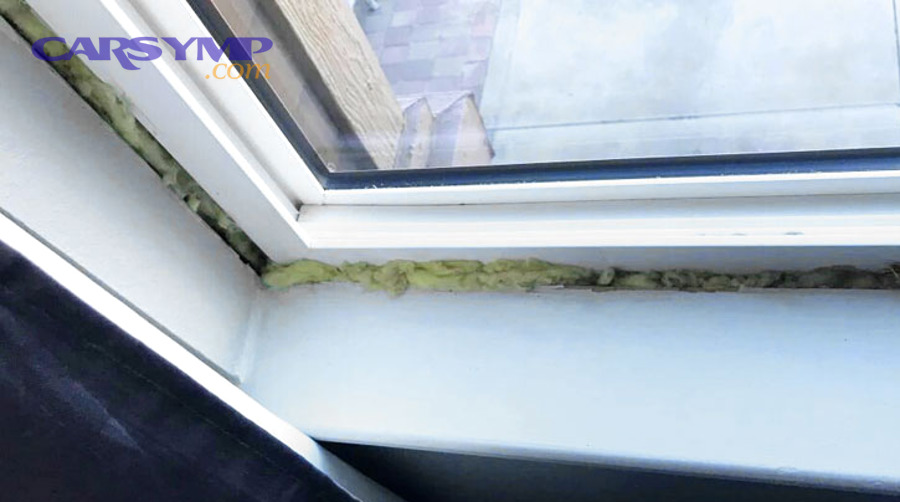
What mistakes during water pump installation lead to leaks or overheating?
There are five common mistakes that lead to leaks or overheating: using the wrong seal approach, contaminating the mounting surface, tightening bolts unevenly, failing to flush or refill correctly, and leaving air trapped in the system.
Specifically, a mounting surface with old gasket material or sealant residue prevents even sealing pressure. Excess liquid sealant can break loose, contaminate the coolant, and interfere with the mechanical seal. Reusing an old O-ring or adding sealant where an O-ring alone was intended can distort the seal instead of improving it. Improper torque or tightening sequence can warp the housing enough to create seepage when the engine gets hot.
Coolant service also matters more than many DIYers expect. Inadequate flushing leaves rust, scale, or debris that can damage a newly installed pump. Gates notes that inadequate flushing can ruin a newly installed water pump and create warranty problems. GMB also states that deteriorated coolant, corrosion, and contamination contribute to seal failure and overheating. That is why any water pump replacement should be treated as a cooling-system service, not just a parts swap. (cms.gates.com)
This is also where Replacing thermostat and belts during water pump job becomes relevant. If the thermostat is old, sticking, or the belt system is worn, the new pump may be blamed for symptoms actually caused by related parts that should have been serviced at the same time. Integrating those parts into the job often reduces comeback risk and gives the new pump a cleaner operating environment.
Can belt or pulley misalignment cause noise after water pump replacement?
Yes, belt or pulley misalignment can absolutely cause noise after water pump replacement because the belt no longer tracks correctly, the pulley side-load increases, and the bearing experiences stress it was not designed to absorb.
Meanwhile, the sound often begins as a light chirp or squeal and then becomes a whine as the bearing load increases. Misalignment can happen if a pulley is not seated correctly, if another driven component is worn, or if belt tension is set outside the manufacturer’s range. On timing-belt-driven applications, incorrect indexing or tensioning can be even more serious because the pump is part of a more sensitive drive path.
This is one of the most important DIY water pump replacement risks. Many home mechanics focus on the pump fasteners and overlook belt condition, idlers, tensioners, and the alignment of neighboring pulleys. GMB specifically warns that improper belt components, misaligned belt engagement, and excess belt tension can affect water pump performance and lead to failure. (gmb.net)
According to GMB North America, improper belt components, belt misalignment, and excess belt tension are recognized contributors to water pump bearing noise and early failure after installation. (gmb.net)
How should you check a recently replaced water pump step by step?
A practical post-repair check uses five steps: inspect cold, inspect warm, verify belt and pulley behavior, confirm coolant level stability, and watch heater and temperature performance over the next few drive cycles.
Then, use the same sequence every time, because consistency helps you separate a one-time observation from a real installation problem.
What should you inspect under the hood first?
You should inspect five areas first: the pump seam, hose connections, pulley and belt path, coolant level, and surrounding residue pattern.
To begin, check the system only when the engine is cool. Look for fresh coolant residue around the pump housing, the gasket seam, the weep area, and the hose necks that were disturbed during service. Next, inspect the belt for edge fraying, shiny glazing, or off-center tracking on the pulleys. Then look at the coolant reservoir and radiator level, if your vehicle design allows safe inspection.
The table below summarizes what each checkpoint can tell you.
| Check area | What to look for | What it may suggest |
|---|---|---|
| Pump mounting seam | Wetness, crust, streaks | Gasket or torque problem |
| Weep area | Drip or residue | Seal damage, contamination, dry run |
| Hose necks/clamps | Damp hose ends | Clamp not seated, hose disturbed |
| Belt path | Edge wear, chirp, off-center tracking | Misalignment or tension issue |
| Pulley face | Wobble or run-out | Incorrect seating or bearing stress |
| Reservoir level | Falling level after cooldown | Active leak or trapped air |
| Heater output | Weak or inconsistent heat | Air pocket or poor circulation |
A disciplined inspection like this is similar to the diagnostic logic readers expect from a practical site such as carsymp.com: start with the obvious, verify patterns, and only then narrow the cause. That approach prevents unnecessary parts swapping.
How do you confirm whether the problem is severe enough for immediate reinspection?
You confirm severity by asking whether the issue affects coolant retention, belt drive, or stable temperature; if the answer is yes, the vehicle needs immediate reinspection and may need to be shut down instead of driven.
More specifically, immediate reinspection is warranted when coolant keeps dropping, the engine overheats at idle or low speed, the heater output collapses, the pump or belt makes persistent grinding or squealing, or a pulley visibly wobbles. A mild one-time smell is different. A repeated pattern is not. Severity also increases when the vehicle needed repeated top-offs after the repair.
This step-by-step verification matters because it protects the engine. NHTSA materials and service bulletins consistently show that coolant loss and overheating are not cosmetic symptoms. Loss of coolant reduces cooling performance and can lead to severe overheating if ignored. (static.nhtsa.gov)
According to a GM service bulletin filed with NHTSA in 2015, loss of coolant from a leaking water pump can reduce cooling performance and eventually lead to engine overheating if the condition is not corrected. (static.nhtsa.gov)
What related post-replacement issues can also affect water pump performance?
Related post-replacement issues include trapped air, wrong coolant or sealant, weak heater performance, and engine-layout-specific drive problems, all of which can influence how a new water pump behaves even when the pump itself is not defective.
In addition, understanding these related issues expands the diagnosis beyond the pump alone and helps explain why some vehicles still run poorly after the part has been replaced.

Can trapped air after refilling mimic incorrect water pump installation?
Yes, trapped air can mimic incorrect installation because air pockets interrupt coolant flow, create hot spots, weaken cabin heat, and can even stress the pump seal if the pump is not fully charged with coolant.
Specifically, a cooling system with trapped air may show a fluctuating gauge, gurgling, poor heater performance, and coolant level changes after cooldown. Those symptoms can look very similar to a poorly installed pump, which is why Bleeding air after water pump replacement should be treated as part of the installation process, not as an optional final step. GMB’s guidance on dry rotation explains that pauses in coolant flow can disrupt the mechanical seal and contribute to problems very early in the pump’s life. (gmb.net)
This matters most for cars with bleed screws, remote reservoirs, or awkward hose routing where air can stay trapped in the engine or heater core. If the symptom pattern improves only after careful bleeding, the original issue may have been refill technique rather than defective parts.
Does the wrong coolant or sealant cause symptoms that look like installation failure?
Yes, the wrong coolant or the wrong sealant can create symptoms that look like installation failure because chemical incompatibility, debris, or excess sealant can damage seals, restrict flow, and trigger leaks or overheating.
For example, contaminated or deteriorated coolant can abrade sealing surfaces, while excess liquid sealant can intrude into the mechanical seal area and cause early leakage. GMB’s troubleshooting guide specifically notes that excess liquid sealant and bad coolant can cause seal failure, and Gates warns that incomplete flushing can damage a newly installed water pump. (gmb.net)
The practical lesson is simple: a successful water pump replacement depends on system chemistry as much as on fastener torque. A new pump installed into dirty coolant or a half-flushed system may fail in a way that looks like poor workmanship even if the housing was bolted on correctly.
Why can poor cabin heat be a clue after water pump replacement?
Poor cabin heat can be a clue because the heater core depends on proper coolant circulation, so weak or inconsistent heat often reveals trapped air, low coolant, or circulation loss before the pump area shows obvious failure.
Besides, many drivers dismiss heater performance because it feels unrelated to the pump. In reality, cabin heat is an excellent early indicator of coolant movement. If the engine starts warming up but the heater goes cold intermittently, coolant may not be circulating consistently through the heater core. That pattern often appears when air remains trapped after service or when coolant level has fallen because of a fresh leak.
NHTSA recall language from 2026 even lists loss of cabin heat alongside coolant spots and overheating as a customer-noticeable warning sign in coolant-loss scenarios. That makes poor heat more than a comfort issue; it can be a diagnostic clue. (static.nhtsa.gov)
How is a timing-belt-driven water pump installation issue different from a belt-driven external pump issue?
A timing-belt-driven water pump issue is usually more sensitive to indexing and belt tension, while a belt-driven external pump issue is more often diagnosed through visible belt tracking, pulley alignment, and front-engine leaks/noise.
However, both systems still depend on the same fundamentals: correct sealing, clean coolant, proper belt loading, and complete bleeding. The difference is where the mistakes show up first. On an external accessory-driven pump, a chirp, wobble, or visible leak can appear quickly. On a timing-belt-driven application, incorrect tension or component positioning may create overheating, timing-related noise, or shortened component life without an immediately obvious external belt symptom.
That is why Replacing thermostat and belts during water pump job is often a smart strategy on major service intervals. When multiple front-of-engine components share labor overlap, replacing the thermostat, tensioners, or related belts reduces the chance that an old adjacent part will mimic a failed repair later. It also cuts down one of the most common DIY water pump replacement risks: finishing the pump job while leaving a weak surrounding component in place.
In short, the signs of incorrect installation after a water pump replacement are not random. They form a pattern. Fresh leaks/noise, recurring coolant loss, unstable temperature, weak heater output, and belt or pulley irregularities all point toward one conclusion: the repair result should be verified before the vehicle is trusted. If you read symptoms in groups, inspect methodically, and treat bleeding and coolant quality as part of the job itself, you can catch most installation problems early and avoid much more expensive damage later.