When to Replace a Water Pump: Cost, Signs, and Timing Belt Advice for Car Owners
A water pump should be replaced when it shows clear failure symptoms, when its service life overlaps with major engine work, or when a mechanic confirms coolant circulation has become unreliable. For car owners, the decision is rarely about the pump alone. It usually involves overheating risk, repair cost, and whether replacing the pump now can prevent a second labor bill later.
The most common reason people search for water pump replacement is simple: they want to know whether the warning signs are serious enough to act on now. Coolant leaks, grinding noise, temperature spikes, and repeated overheating often point to a pump that is no longer sealing, spinning, or circulating coolant correctly. Those symptoms matter because a failed pump can quickly turn a manageable cooling issue into engine damage.
Cost is the next major concern. A realistic Water pump replacement cost estimate depends on the vehicle, the engine layout, and how much disassembly the shop must perform to reach the pump. In many cases, the pump job also overlaps with coolant service, gasket replacement, and related parts, which is why car owners often compare one-time repair cost against the risk of delaying the work.
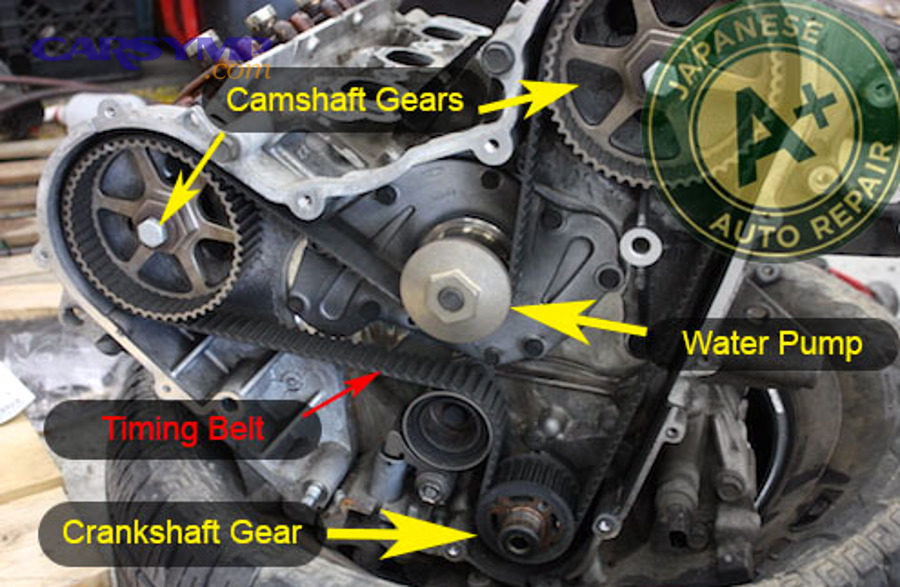
Timing belt service adds another layer to the decision. On engines where the pump sits behind the timing cover, replacing both parts together often saves labor and reduces future breakdown risk. Introduce a new idea: the sections below explain how the water pump works, how to recognize failure, when replacement makes sense, what the job costs, and how to avoid mistakes before and after the repair.
What Is a Water Pump and Why Does It Need Replacement?
A car water pump is a cooling-system component that circulates coolant through the engine and radiator, and it needs replacement when its bearings, seals, or impeller can no longer move coolant reliably.
To better understand the issue, it helps to see the water pump as the circulation center of the engine’s temperature control system. When that circulation weakens, heat builds up where it should not, pressure rises where it should not, and the cooling system stops doing its basic job.

What Does a Car Water Pump Do in the Cooling System?
The water pump pulls coolant through the cooling passages and keeps it moving between the engine block, cylinder head, radiator, and heater core. That continuous flow matters because the engine creates heat every second it runs. Without active circulation, coolant would not transfer heat efficiently away from the combustion chambers and metal surfaces that run hottest.
In practical terms, the pump supports temperature stability. It helps the thermostat regulate flow, helps the radiator shed heat, and helps the heater core deliver cabin heat. If the pump weakens, the engine may still run for a while, but it no longer cools with a proper safety margin. That is why a water pump problem often starts as a “small” issue and ends as a major cooling system repair.
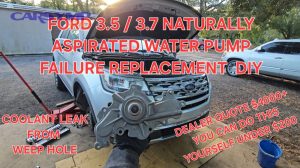
The pump itself can fail in several ways. The shaft bearings can wear and create wobble. The seal can fail and allow coolant to escape through a weep hole or around the housing. The impeller can erode, crack, or loosen from the shaft and reduce coolant movement even when there is no obvious leak. Each of those failures changes the pump’s ability to maintain pressure and flow.
According to Kelley Blue Book, the water pump is a vital part of the cooling system because it continually circulates coolant from the radiator to the engine block to prevent overheating. ([kbb.com](https://www.kbb.com/water-pump-replacement/?))
Does a Water Pump Need to Be Replaced When It Fails?
Yes, a failed water pump usually needs full replacement because the common failure points involve the seal, bearing, or impeller, and those issues make reliable repair uneconomical, temporary, or incomplete.
More specifically, most modern automotive water pumps are not serviced part by part in normal shop work. Once the bearing wears, the pulley can wobble and stress the seal. Once the seal leaks, coolant can contaminate the bearing. Once the impeller slips or erodes, the pump may look intact from outside but still fail to circulate coolant correctly. Replacing the complete unit is the standard fix because it restores the entire assembly rather than one damaged part.
That matters for long-term reliability. A driver may be tempted to keep topping off coolant or ignore a small seep, but the pump rarely heals or stabilizes. In many cases, the leak worsens, the bearing noise grows louder, or the engine starts running hotter under load, in traffic, or with the air conditioning on. What looks like a drip today can become an overheated engine tomorrow.
A replacement also creates an opportunity to reset related wear items. Many shops inspect the belt, tensioner, pulley, coolant condition, and thermostat at the same time. That broader view reduces repeat visits and helps the cooling system work as a system rather than a collection of aging parts.
According to NAPA’s replacement guidance, a water pump that leaks around the shaft or has a loose or noisy hub should be replaced rather than left in service. ([napacanada.com](https://www.napacanada.com/en/knowhow?srsltid=AfmBOoqtRas5v3igXEewh3ibOv5cc6w_MfFhGUZizTfEXrtdGHFu3tmt&))
What Signs Show You Need a Water Pump Replacement?
The most common signs you need a water pump replacement are coolant leaks, overheating, grinding or whining noise, unstable temperature readings, and weak coolant circulation.
Next, those signs make more sense when you connect them to the pump’s actual moving parts. A leaking seal points to coolant loss. A noisy bearing points to shaft wear. A worn or damaged impeller points to poor circulation. The symptom may differ, but the pattern is the same: the pump no longer supports steady cooling under real driving conditions.
What Are the Most Common Water Pump Failure Symptoms?
There are four main groups of water pump failure symptoms: leaks, noise, overheating, and circulation-related performance problems.
Specifically, leaks usually show up as coolant dripping from the front of the engine, crusty residue near the pump housing, or dampness around the weep hole. Noise often starts as a faint whining sound and develops into a grinding or growling sound as the bearing wears. Overheating can appear as a rising temperature gauge, steam, a warning light, or a pattern where the engine runs hot in traffic and cools slightly at highway speed. Circulation-related problems include weak cabin heat, temperature fluctuation, or recurring hot spots even when the coolant level seems acceptable.
These symptoms do not always appear together. Some pumps leak before they get noisy. Others lose bearing integrity first. Some impeller failures reduce coolant flow without producing a dramatic external leak, which makes diagnosis harder. That is why drivers should look for symptom clusters rather than wait for one perfect sign.
The context matters too. If the car overheats only under load, after idling, or with the A/C on, poor coolant movement may be part of the cause. If the pump area shows dried coolant tracks, the seal may already be failing. If the pulley wobbles, the pump is usually near the end of service life.
According to Kelley Blue Book, visible leakage, pulley looseness, and overheating are common indicators that a water pump may need replacement. ([kbb.com](https://www.kbb.com/water-pump-replacement/?))
Can You Drive with a Bad Water Pump?
No, driving with a bad water pump is not safe except for the shortest emergency move because coolant loss, poor circulation, and sudden overheating can quickly damage the engine.
However, many drivers continue for a short distance because the car still starts, still moves, and still seems “mostly fine.” That is the trap. A weak pump can fail more severely without much warning. The engine may overheat faster in stop-and-go traffic, on a hill, or during hot weather. Once coolant flow drops below what the engine needs, aluminum components, head gaskets, and seals face much higher thermal stress.
The safest approach is to stop driving when the temperature gauge climbs unusually high, when steam appears, or when coolant pours out near the pump area. Continuing to drive after an overheating event can multiply the repair cost far beyond the pump itself. Instead of one component replacement, the driver may end up paying for head gasket work, warped surfaces, or severe engine damage.
This is why water pump replacement should be treated as a time-sensitive repair rather than a cosmetic defect. The engine can tolerate many small annoyances. It does not tolerate repeated overheating well.
How Can You Tell Whether the Leak Is from the Water Pump or Another Cooling Part?
A water pump leak usually shows coolant around the pump body, shaft area, or weep hole, while hose, radiator, and thermostat leaks trace back to their own joints, tanks, or housings.
To better understand the difference, start with location. A hose leak usually appears at a clamp or along cracked rubber. A radiator leak often shows at the core, tank seam, or drain area. A thermostat housing leak appears near the housing neck where the upper hose meets the engine. A water pump leak is usually closer to the pump housing itself, often behind the pulley area or under the front of the engine.
Color and residue help, but location helps more. Dried coolant may leave a white, pink, orange, or green crust, depending on coolant type. If that residue runs down from the pump area, the pump becomes the prime suspect. If the residue surrounds the hose connection or radiator seam instead, another part is more likely.
A pressure test helps confirm the source because it makes the system leak while the engine is off and cool. Shops often combine a pressure test with visual inspection and pulley play checks. That combination is much more reliable than guessing based on coolant on the ground alone.
When Should You Replace a Water Pump?
You should replace a water pump when it leaks, makes bearing noise, loses coolant flow, or reaches a service point where major overlapping labor makes preventive replacement the smarter decision.
Then, the timing of the repair becomes a cost and risk question. Waiting may save money today, but it can also raise the chance of an overheated engine or duplicate labor. Replacing early may feel premature, but it often reduces future breakdown risk when the pump sits behind other labor-intensive components.
Should You Replace a Water Pump Only After Symptoms Appear?
No, you should not always wait for symptoms because preventive replacement can make sense when the pump is buried behind major engine components or when its age aligns with scheduled service.
More importantly, not all pump failures announce themselves clearly. A small bearing issue may not sound dramatic at first. An impeller problem may reduce circulation before a major leak appears. On many engines, the pump lives behind covers, brackets, or the timing system, so accessing it later means paying much of the same labor twice.
Preventive replacement makes the most sense when the engine is already apart for timing belt service or when the vehicle has high mileage and the original pump is still in place. In those cases, labor overlap changes the economics. The owner is not buying an extra full repair. The owner is often buying an extra part during a job that is already open.
That said, preventive replacement should be based on vehicle design and service context, not fear alone. A belt-driven pump with easy access does not always justify automatic replacement as early as a timing-belt-driven pump buried behind covers.
What Mileage or Service Interval Is Typical for Water Pump Replacement?
A typical water pump replacement interval varies by vehicle, but many pumps last close to the mileage range where timing belt service becomes due or where wear-related cooling issues start appearing.
Specifically, there is no universal mileage that fits every engine. Some pumps fail earlier because of contaminated coolant, belt issues, or poor part quality. Others last well past 100,000 miles. The better rule is to follow the manufacturer’s maintenance schedule and pay attention to symptom onset, coolant condition, and related service timing.
For car owners, the practical takeaway is this: use mileage as context, not as the only trigger. A low-mileage car with a leaking pump still needs repair. A high-mileage car with the original pump and an upcoming timing belt service deserves a preventive discussion.
Kelley Blue Book notes that water pumps often last at least around 100,000 miles, though actual service life depends on vehicle design, use, and maintenance history. ([kbb.com](https://www.kbb.com/maserati/auto-repair/?))
Is Preventive Water Pump Replacement Worth It?
Yes, preventive water pump replacement is often worth it when labor overlap is high, the engine is already apart, or the pump’s age and mileage make future failure a realistic near-term risk.
In addition, preventive replacement offers a planning advantage. It lets the owner choose the time, shop, and parts rather than waiting for a roadside failure or an overheating event. That shift matters because emergency repairs usually happen under worse conditions, with less price flexibility and less time to compare part quality.
The strongest case appears when the pump shares access with the timing belt. In that situation, delaying the pump means paying for repeated teardown later. Preventive replacement can also make sense when the cooling system already needs service, such as a Cooling system flush after pump replacement or related seal and gasket work.
The weaker case appears when the pump is easy to access, shows no leakage or noise, and is not tied to major overlapping service. In that situation, replacement should be based more on inspection findings than on mileage alone.
How Much Does Water Pump Replacement Cost?
Water pump replacement cost varies widely, but the total bill usually reflects part quality, labor difficulty, coolant service, and whether related parts are replaced at the same time.
Below, the main cost difference comes from labor. One vehicle may need straightforward front-engine access, while another may require major disassembly. That is why two cars can have the same failed component but very different repair bills.
| Cost factor | What it affects | Why it changes the bill |
|---|---|---|
| Vehicle design | Labor hours | A buried pump takes much longer to reach than an exposed one |
| Pump type and quality | Parts cost | OEM-level parts usually cost more than budget aftermarket units |
| Related services | Total repair scope | Coolant, thermostat, belts, seals, and tensioners can add parts and labor |
| Shop labor rate | Total price | Regional labor rates vary widely by market and shop type |
The table above shows what usually drives a water pump replacement cost estimate before a shop writes the final quote.
What Factors Affect the Cost of Water Pump Replacement?
There are five main cost factors in water pump replacement: labor access, part quality, related parts, coolant service, and regional labor rate.
Specifically, Water pump replacement labor time usually increases when the pump sits behind covers, brackets, engine mounts, or the timing system. A simple exposed pump may take far less labor than a timing-cover-intensive design. Part quality also matters. OEM vs aftermarket water pump quality affects price, warranty expectations, material durability, and sometimes impeller design.
Related parts change the bill too. Replacing thermostat and belts during water pump job adds upfront cost, but it may reduce repeat repairs. Fresh coolant, gasket materials, sealant, and shop supplies also contribute. Some vehicles need air bleeding procedures or vacuum-fill steps that add time because technicians must prevent trapped air from causing future overheating.
Kelley Blue Book currently says a water pump replacement commonly costs between about $400 and $800 depending on vehicle and repair difficulty, while RepairPal’s current national estimate places the average range higher, between about $857 and $1,106. ([kbb.com](https://www.kbb.com/water-pump-replacement/?))
Is Water Pump Replacement More Expensive on Some Vehicles Than Others?
Yes, water pump replacement is far more expensive on some vehicles because engine layout, access difficulty, and drive-system design change labor time dramatically.
For example, a pump mounted openly on the front of the engine can be much cheaper to replace than a pump hidden behind the timing cover or driven by a chain inside a more complex package. Some transverse engines cram accessories tightly against the frame rail, which adds removal time. Some SUVs and performance vehicles use designs that simply take longer to disassemble and reassemble correctly.
This explains why online estimates vary so much. A simple four-cylinder engine may land near the low to mid-range, while a more labor-intensive design can go much higher. The owner should not assume one national estimate applies to every car.
RepairPal’s model-specific pages show the spread clearly: a recent Honda Accord estimate runs roughly $740 to $997, while a Ford Explorer estimate can reach about $1,238 to $1,623 because labor rises sharply on more complex applications. ([repairpal.com](https://repairpal.com/estimator/honda/accord/water-pump-replacement-cost?))
What Other Parts Are Often Replaced at the Same Time?
The most common parts replaced with a water pump are coolant, gasket materials, belts, timing components, thermostat, and sometimes pulleys or tensioners.
More specifically, these parts are grouped by opportunity and by wear pattern. Coolant is often renewed because the system must be drained. Gaskets and seals are replaced because they are disturbed during the job. Accessory belts may be changed if they show age or cracking. Timing components may be replaced if the pump shares the same labor area. The thermostat may be changed if the cooling system has already shown temperature instability or if the owner wants to reduce future repeat labor.
This bundled approach supports better post-repair reliability. A new pump with old contaminated coolant, a weak thermostat, or a worn belt may still leave the cooling system less stable than it should be. That is why many professional quotes include at least an inspection of those related parts.
Should You Replace the Water Pump with the Timing Belt?
Yes, you should usually replace the water pump with the timing belt when both share the same labor area because it saves labor, reduces duplicate teardown, and lowers the chance of a second major repair bill.
Let’s explore why this advice appears so often. It is not because every pump always fails with every timing belt. It is because the cost structure of the job changes when the engine must already be opened to that depth. When access overlap is large, replacing only one component can be false economy.
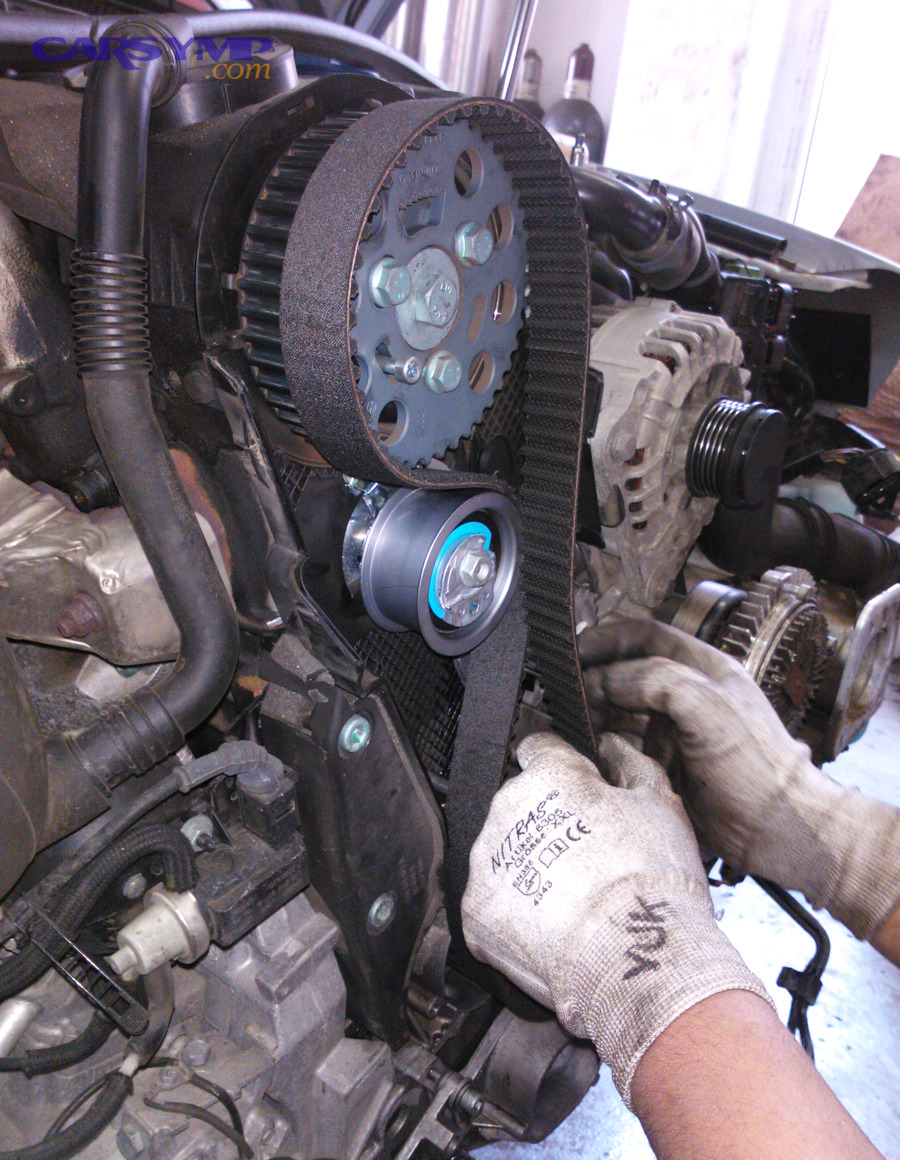
Is It Smart to Replace a Water Pump During Timing Belt Service?
Yes, replacing a water pump during timing belt service is usually smart because the parts share access, the labor overlaps heavily, and preventive replacement reduces future downtime.
More importantly, timing-belt service already involves significant disassembly on many engines. If the pump fails months later, the owner may pay for much of that labor all over again. Replacing the pump while the belt job is open turns one large service into one complete service rather than two separate labor charges.
This is the clearest example of long-term value in cooling system repair. The owner spends more today on parts, but often less overall across the next service cycle. It also improves planning because the shop can inspect seals, pulleys, and belt path components at the same time.
What Is the Difference Between a Timing Belt-Driven and a Serpentine Belt-Driven Water Pump?
A timing belt-driven water pump is usually more labor-intensive to replace, while a serpentine belt-driven water pump is often easier to access and less dependent on major engine disassembly.
However, the exact layout still varies by vehicle. In a timing-belt-driven setup, the pump usually lives behind the timing cover and shares labor with belt removal, alignment, tensioning, and reassembly. In a serpentine-belt-driven setup, the pump is often external and more accessible, though not always simple.
This difference changes service strategy. Timing belt/chain-driven water pump considerations are more serious because the labor overlap is larger and the consequences of repeated teardown are more expensive. On an easier external setup, the owner may choose to replace the belt now and the pump later if inspection supports that decision.
Can Replacing Only the Timing Belt or Only the Water Pump Increase Future Repair Costs?
Yes, replacing only one of the two can increase future repair costs because duplicated labor, repeated coolant service, and another round of disassembly can erase the short-term savings.
Specifically, when the pump and timing belt share access, separating the jobs creates inefficiency. The engine must be opened, timed, and sealed again later. The coolant may need to be drained again. Shop time is spent again. That is why many mechanics recommend treating the service as a package when the vehicle design supports it.
The same logic applies to related seals and tensioners. If a high-mileage component sits in the same labor zone, inspection may justify replacing it now rather than gambling on another labor-heavy return visit.
How Do You Decide Between DIY and Professional Water Pump Replacement?
The best choice depends on access difficulty, tool requirements, timing-system complexity, and your ability to refill and bleed the cooling system correctly after the repair.

Next, this decision should be honest rather than optimistic. Some water pump jobs are reasonable for an experienced DIYer with a service manual, correct tools, and time. Others demand timing alignment, torque procedures, sealing technique, and air bleeding steps that make professional service the safer choice.
Is Water Pump Replacement a DIY Job for Most Car Owners?
No, water pump replacement is not an ideal DIY job for most car owners because access can be difficult, sealing errors can cause leaks, and coolant bleeding mistakes can create overheating after the repair.
DIY water pump replacement risks rise fast when the pump ties into the timing system or sits in a cramped engine bay. A small mistake can create a large outcome: a misrouted belt, an under-torqued fastener, trapped air pocket, coolant contamination, or a damaged gasket surface. Even when the pump physically bolts on, the repair is only successful if the cooling system remains leak-free and stable afterward.
That does not mean DIY is impossible. A simpler external pump on a well-documented engine may be manageable for a careful owner with a torque wrench, drain pan, new gaskets, the right coolant, and the factory procedure. But most owners should compare the tool investment and risk level against a professional warranty-backed repair before deciding.
According to NAPA’s step-by-step guide, proper reassembly includes new gasket installation, reconnecting hoses and accessories, adjusting belts correctly, refilling with the proper coolant mix, and checking for leaks once the engine runs. ([napacanada.com](https://www.napacanada.com/en/knowhow/water-pump-change?srsltid=AfmBOop6NvR-Npwj8bEx_T7UsgFl0rDgcuD1FL30_8RC0CMVNmgjNdRb&))
What Makes Water Pump Replacement Difficult on Some Cars?
Water pump replacement becomes difficult when access is limited, the pump sits behind timing components, the engine requires special alignment steps, or the cooling system is hard to refill and purge.
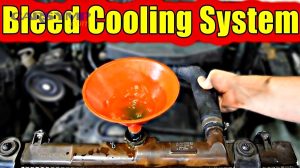
For example, some vehicles require engine mount removal or support from below. Some require timing marks to be aligned precisely. Some need specific torque sequences and sealing surfaces prepared perfectly. Others use cooling systems that trap air easily, which means Bleeding air after water pump replacement becomes just as important as installing the pump itself.
A good post-repair process includes:
- verifying the correct coolant type and fill ratio
- checking that all hose clamps and fasteners are secure
- warming the engine fully and monitoring the temperature gauge
- confirming radiator fan operation
- checking for leaks after heat cycles
- rechecking coolant level after the system cools
That process forms a practical Post-repair overheating check checklist and helps catch issues before they become repeat failures.
How Do You Choose a Shop for Water Pump Replacement?
The best shop for water pump replacement offers a clear diagnosis, an itemized estimate, strong parts quality, and a plan for coolant refill, air bleeding, and post-repair verification.
Besides price, car owners should ask what brand of pump the shop uses, whether the quote includes coolant, whether related parts were inspected, and whether the shop recommends replacing thermostat and belts during water pump job based on actual wear rather than habit alone. The owner should also ask about warranty coverage and whether the technician will road-test and recheck for leaks after the engine reaches operating temperature.
Part quality deserves special attention. OEM vs aftermarket water pump quality is not just a branding question. It can involve bearing quality, impeller material, gasket fit, machining tolerance, and warranty support. A cheaper part may lower the estimate but raise the chance of early noise, seepage, or shortened service life.
What Related Cooling System Issues Can Be Mistaken for Water Pump Failure?
Several cooling problems can mimic water pump failure, especially thermostat faults, radiator leaks, weak belts or tensioners, and, on some newer vehicles, issues involving electric water pumps rather than traditional mechanical pumps.
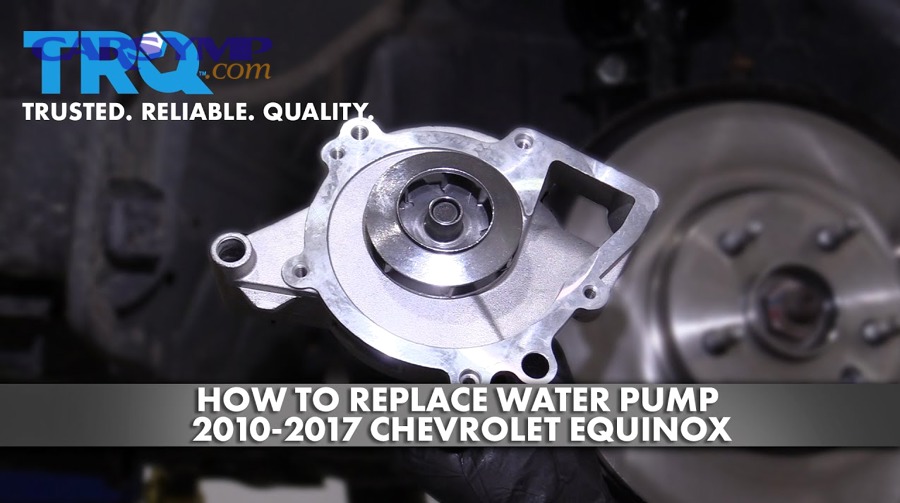
Moreover, this broader view matters because a correct repair starts with a correct diagnosis. The symptom the driver notices first—heat, coolant loss, or noise—is not always enough to identify the failed part. Misdiagnosis can waste money and still leave the overheating problem unresolved.
What Is the Difference Between Water Pump Failure and Thermostat Failure?
Water pump failure usually affects coolant movement, while thermostat failure usually affects coolant routing based on temperature.
A bad thermostat can stick closed and cause rapid overheating because coolant cannot move to the radiator when it should. It can also stick open and make the engine run cool or warm up slowly. By contrast, a weak or failing pump often shows leakage, bearing noise, wobble, or poor circulation under load. Both can cause overheating, but the symptom pattern differs. Thermostat issues often center on temperature control logic; pump issues often center on flow, noise, and leakage.
That is why a full diagnosis should consider both. A new pump will not fix a stuck thermostat, and a new thermostat will not fix a leaking or wobbling pump.
What Is the Difference Between Water Pump Failure and Radiator Problems?
Water pump failure usually starts with loss of circulation or leakage at the pump, while radiator problems usually involve blocked heat transfer, cracked tanks, damaged fins, or leaks from the radiator itself.
On the other hand, both faults can create overheating. The difference lies in how. A radiator problem often reduces heat rejection after coolant reaches the radiator. A pump problem may stop coolant from reaching the radiator effectively in the first place. Radiator leaks also tend to appear at the radiator body or seams rather than at the engine-front pump area.
This distinction matters when a driver sees coolant on the ground. The source location and the overheating pattern together often narrow the diagnosis significantly.
Can a Bad Belt or Tensioner Cause Symptoms Similar to a Failing Water Pump?
Yes, a bad belt or tensioner can mimic some water pump symptoms because slipping, chirping, wobble, and poor accessory drive performance may sound or behave like pump trouble.
For example, a loose or deteriorated drive belt can create squeal and reduce pump speed. A worn tensioner can cause belt flutter, noise, or poor tracking. Those issues may reduce coolant circulation indirectly on belt-driven setups. At the same time, a failing water pump bearing can also create noise and wobble. That overlap is why a technician should inspect the entire drive path rather than blame the pump immediately.
This is also why Replacing thermostat and belts during water pump job sometimes makes sense. The exact recommendation should depend on wear, age, and shared labor, but related drive components deserve inspection every time.
How Are Electric Water Pumps Different from Mechanical Water Pumps?
Electric water pumps use an electric motor and control strategy, while mechanical water pumps rely on engine-driven belts or timing components to spin continuously with the engine.
In newer vehicles, electric pumps can improve efficiency because the system can command coolant flow based on operating conditions instead of tying pump speed directly to engine speed. Diagnosis also changes. Mechanical pumps often fail through seal leakage, shaft wobble, or bearing noise. Electric pumps may fail electrically, electronically, or through internal motor issues, sometimes without the same belt-related clues.
For car owners, the important point is that the symptom may still look similar—overheating, warning lights, poor heater performance—but the repair logic and testing method can be different. That is one reason vehicle-specific diagnosis matters more on modern cooling systems.
In short, the right time to replace a water pump is when the signs of failure are real, when the service timing makes preventive replacement cost-effective, or when the risk of delay becomes greater than the repair cost itself. If the pump leaks, makes noise, loses circulation, or overlaps with major timing service, acting early usually protects both your budget and your engine.