


Replacing a water pump does not always require a full cooling system flush, but it often does require more than simply topping off coolant. The right answer depends on why the pump was replaced, how clean the old coolant looks, whether debris or seal material entered the system, and whether the engine has a history of overheating. In most cases, car owners should at least drain, refill, and bleed the system correctly after the repair so the new pump can circulate clean coolant without trapped air. ([gatestechzone.com](https://www.gatestechzone.com/en/news/2022-05-water-pump-installation?))
The next question is procedural: what exactly counts as a flush, a refill, and a bleed after a pump job? These terms sound similar, but they solve different problems. A flush targets contamination, a refill restores coolant volume and mixture, and a bleed removes air pockets that can cause unstable temperature readings, poor cabin heat, or post-repair overheating. )
Many drivers also want to know how to do the job correctly after water pump replacement, especially if they are trying to avoid repeat repairs. That practical concern matters because air pockets, wrong coolant chemistry, and leftover debris can reduce cooling efficiency and shorten component life. A clean, correctly filled system gives the new pump its best chance to work as intended. ([gatestechzone.com](https://www.gatestechzone.com/en/news/2022-05-water-pump-installation?))
Finally, post-repair checks matter almost as much as the refill itself. Car owners need to know how to confirm that coolant is circulating, the heater works, the fans cycle normally, and there are no leaks or temperature spikes. Introduce a new idea: the sections below explain when to flush, when a drain-and-refill is enough, how to bleed the system, and how to spot problems before they become expensive. )
Do You Need to Flush the Cooling System After Water Pump Replacement?
Yes, you may need to flush the cooling system after water pump replacement if the old coolant is contaminated, the pump failed internally, or the system shows rust, sludge, or mixed coolant residue.
To better understand that decision, the key issue is not the new pump alone but the condition of the entire cooling circuit around it. A new pump can only perform well if the coolant is clean, the passages are open, and the system is free of air and debris.
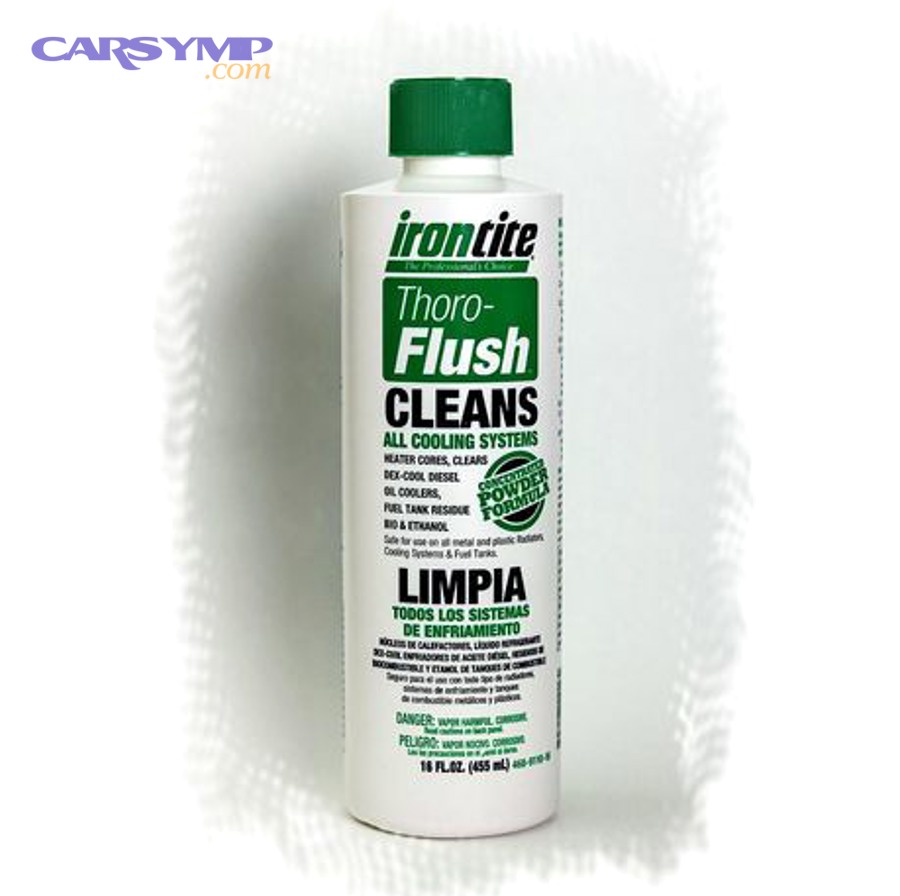
A full flush is usually the better choice when the removed pump shows corrosion, seal breakdown, cavitation marks, or signs that particles have been moving through the system. The same is true when the coolant looks brown, muddy, oily, or heavily scaled. In those cases, a simple refill leaves contamination behind, and that contamination can affect the water pump seal, thermostat movement, radiator passages, and heater core flow. Gates specifically advises checking for contamination and using the manufacturer-recommended coolant whenever the system is refilled after pump service. ([gatestechzone.com](https://www.gatestechzone.com/en/news/2022-05-water-pump-installation?))
When Is a Full Cooling System Flush Necessary After Water Pump Replacement?
A full cooling system flush is necessary when contamination, poor service history, or failure debris can compromise the new coolant or the new pump. The most common triggers include rusty coolant, visible sediment in the drain pan, evidence of mixed coolant types, recurring overheating, and pump failure that may have released bearing or impeller material into the system.
This is especially important after a neglected cooling system repair. If the coolant has not been serviced for years, the fresh pump may become the newest part in a dirty system. That is not ideal, because old coolant loses corrosion inhibitors over time. Once that protection declines, metal surfaces inside the system become more vulnerable to scale and corrosion. Those deposits do not stay in one place; they circulate until they lodge in narrow passages or wear on seals and bearings.
A full flush also makes sense when the removed pump failed because of poor coolant condition rather than simple age. If the old pump shows heavy corrosion around the impeller or seal, the new part may fail early unless the fluid and debris problem is corrected at the same time. This is one reason many technicians pair pump service with broader cooling system cleanup instead of treating it like an isolated part swap. That same logic also affects any Water pump replacement cost estimate, because a proper pump job often includes coolant service, bleeding time, and follow-up checks rather than the pump alone.
When Is a Drain-and-Refill Enough Instead of a Full Flush?
A drain-and-refill is often enough when the coolant is still clean, the service interval is recent, the pump was replaced preventively, and there are no signs of contamination or overheating. In that scenario, the goal is to restore the proper coolant level and mixture without introducing unnecessary extra steps.
For example, if a timing-belt-driven water pump is replaced on schedule and the drained coolant still looks clean and matches the correct chemistry, many owners can reasonably choose a controlled drain-and-refill rather than a chemical or water flush. The system still needs to be filled with the correct coolant and bled carefully, but the evidence for a deep flush is weaker. The decision should be based on actual fluid condition, not on habit alone.
The table below shows the practical difference between the two approaches:
| Service choice | Best used when | Main purpose | Main caution |
|---|---|---|---|
| Drain-and-refill | Coolant is clean and recently serviced | Restore level and chemistry | Still requires proper bleeding |
| Full flush | Coolant is dirty, mixed, rusty, or system was neglected | Remove deposits and contamination | Must be followed by correct refill mixture |
According to Gates technical guidance on water pump installation, technicians should inspect the system for contamination and use the correct coolant when refilling; Gates also warns that inadequate flushing can ruin a newly installed water pump in contaminated systems. ([gatestechzone.com](https://www.gatestechzone.com/en/news/2022-05-water-pump-installation?))
What Does “Flush and Refill” Mean in a Cooling System After Pump Replacement?
“Flush and refill” means removing old coolant, cleaning the system when needed, refilling it with the correct coolant mixture, and then bleeding trapped air so the new water pump can circulate coolant properly.
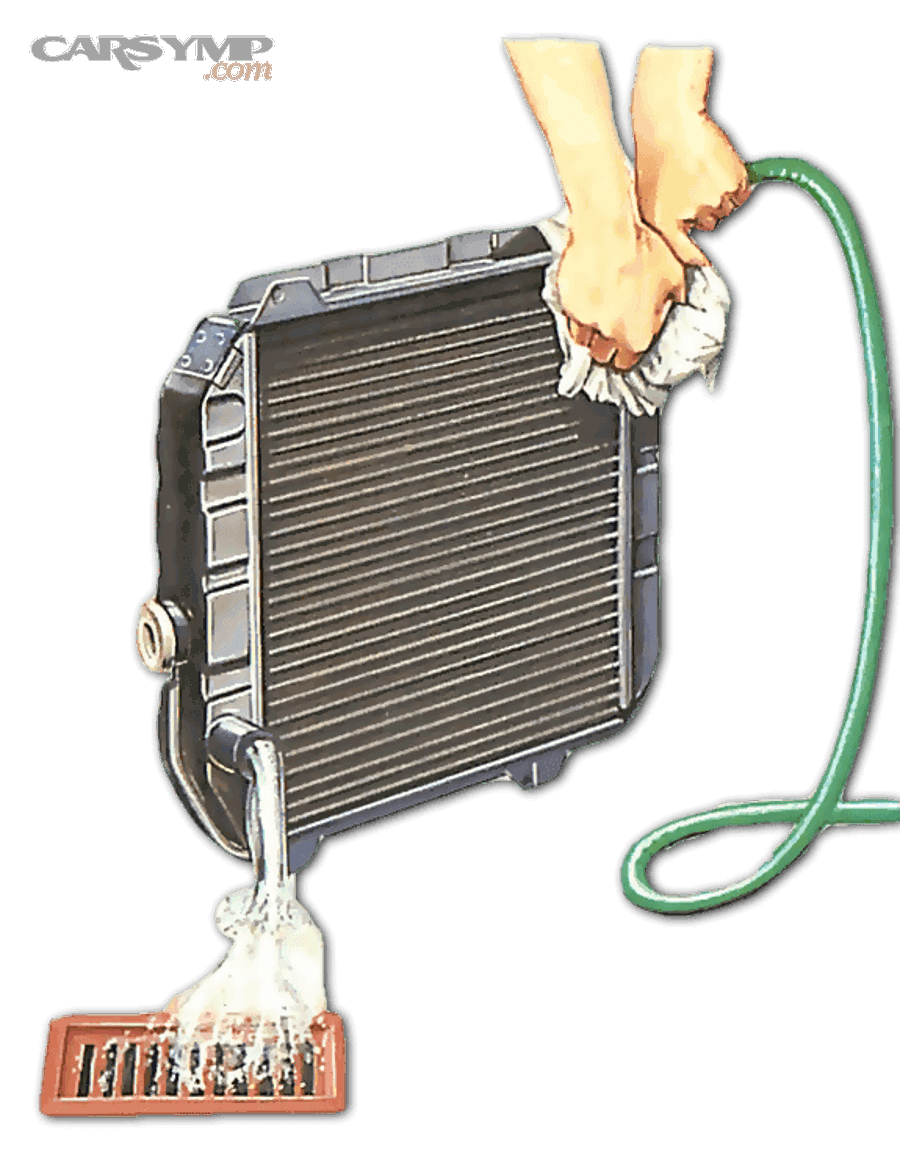
More specifically, this phrase combines several related but separate actions. Many DIY guides blur them together, but each action addresses a different problem. That distinction matters because some post-repair overheating complaints happen not from a bad new pump, but from incomplete bleeding or incorrect coolant mixture.
A drain simply removes coolant. A flush goes further by using water or a flush product to push contaminants out of the engine block, radiator, and sometimes the heater core. A refill restores the proper fluid mixture and level. A bleed removes trapped air that can block coolant flow or reduce heat transfer. If one of those steps is skipped when needed, the system may appear full but still perform poorly. )
What Is the Difference Between a Coolant Flush, a Drain-and-Refill, and a Bleed?
A coolant flush cleans, a drain-and-refill restores fluid, and a bleed removes air. That is the simplest way to separate the three. A drain-and-refill is lighter maintenance, while a flush is corrective maintenance for contamination.
A drain-and-refill usually removes only part of the old coolant unless the system design allows nearly complete draining. Some coolant remains trapped in the engine block, heater core, and passages. That is acceptable when the old coolant remains healthy. A flush is different because it is intended to displace dirt, rust, and old coolant residue with water or a cleaning agent before the final fill. A bleed is different again because it addresses air, not dirt. Air pockets can sit high in the system and prevent smooth circulation even when coolant level appears correct.
This is also where many Signs of incorrect installation get misread. Owners may blame the new water pump when the real issue is trapped air, an unsealed hose connection, or coolant that was mixed incorrectly. Understanding the difference between these service terms helps separate a bad part from a bad post-repair process.
Which Parts of the Cooling System Are Involved During a Flush After Pump Replacement?
The main parts involved during a flush are the radiator, engine block, hoses, thermostat area, heater core, reservoir, and the new water pump itself. These parts work as one hydraulic and thermal system, so contamination in one section can affect the whole circuit.
The radiator sheds heat, the water pump circulates coolant, the thermostat regulates flow based on temperature, and the heater core acts like a small radiator inside the cabin. Hoses connect the entire path. If rust or seal residue collects in the heater core or thermostat area, coolant flow may be uneven even after the pump is replaced. Likewise, if the reservoir contains sludge or mixed coolant residue, refilling the system through that reservoir can contaminate fresh coolant immediately.
For that reason, flush decisions should be system-based, not part-based. A pump is only one part of the cooling system, and meronymy matters here in a practical sense: the water pump is the component, but cooling performance depends on the larger assembly around it.
According to AutoZone’s coolant service guidance, a proper cooling system service includes draining the old coolant, flushing when needed, and then refilling and bleeding the system rather than stopping at the drain step alone. )
How Should You Flush and Refill the Cooling System After Water Pump Replacement?
The correct method is to cool the engine, drain the old coolant, flush only when contamination justifies it, refill with the specified coolant mixture, and bleed the system until circulation and temperature stabilize.
Let’s explore that sequence carefully, because the order matters. Rushing to the refill step before the system is clean and closed up properly can leave behind debris, trapped air, or a wrong coolant ratio.
Begin with a fully cool engine. Remove the cap only when pressure has dissipated, position a drain pan, and drain the system through the radiator petcock or the lowest practical hose connection. If the coolant was visibly contaminated, refill with water or a flush product according to the product and vehicle instructions, then run the engine only as directed and only long enough to circulate fluid safely. After that, drain again and repeat if the discharge remains dirty. Both Prestone and NAPA describe a process in which the heater is set to hot so coolant can circulate through the heater circuit during cleaning. )
What Are the Correct Steps to Flush the Cooling System After Replacing a Water Pump?
The correct flush process has five essential stages: cool and inspect, drain, circulate cleaner or water if needed, drain again, and verify cleanliness before final fill. Those stages keep the process controlled and reduce the chance of trapping contamination behind the new pump.
First, confirm the installation is complete and leak-free enough for a refill. That means the gasket or O-ring is seated correctly, bolts are torqued to specification, hoses are reattached, and the drain point is closed. Second, drain the old coolant completely into a proper container. Third, if contamination is present, refill with the appropriate flush medium and circulate it with the heater set to hot. Fourth, shut the engine down before temperature rises beyond normal and drain the system again. Fifth, inspect what comes out. If the discharge still carries visible scale or sludge, repeat the rinse stage.
This is the point where DIY water pump replacement risks become real. Many failures blamed on a new pump actually come from dry-running the pump, applying the wrong sealant, mixing incompatible coolant, or skipping contamination control. Gates explicitly warns against rotating a new pump dry and against applying sealant where the pump already uses a gasket or O-ring. Those are process mistakes, not part defects. ([gatestechzone.com](https://www.gatestechzone.com/en/news/2022-05-water-pump-installation?))
How Do You Refill the Cooling System Correctly After a Flush?
You refill correctly by using the exact coolant type recommended for the vehicle, mixing it at the proper ratio if concentrate is used, filling slowly through the correct fill point, and topping off only after circulation and bleeding are complete.
Slow filling matters because fast pouring can trap air in upper passages. On some vehicles, the radiator neck is the primary fill point; on others, the reservoir or a dedicated service point is used. If the system uses bleed screws, open them as directed while filling so trapped air can escape as coolant rises. Set the heater to hot where applicable so coolant can reach the heater core. Start the engine only after the system is filled to the initial mark, then allow it to warm gradually while monitoring temperature and coolant level.
Owners should resist the temptation to substitute “universal” coolant without checking compatibility. The wrong coolant chemistry can undermine corrosion protection or create sludge if mixed with incompatible residue. Prestone and other coolant-service guides emphasize using the correct mix and topping off only after the level settles from initial circulation. )
According to NAPA’s cooling system maintenance guidance, the engine should be cold before opening the system, the heater should be set to hot during service, and the system should be refilled and checked methodically rather than quickly topped off. ([napacanada.com](https://www.napacanada.com/en/knowhow/cooling-system-maintenance?srsltid=AfmBOoqcFSDu-B8JnylNS2ogEjgIc_dCJHV4KXvTpBHkrgUDZvizgrmW&))
How Do You Bleed Air from the Cooling System After Water Pump Replacement?
You bleed air by filling the system correctly, opening any bleed points, running the engine under controlled conditions, circulating coolant through the heater circuit, and topping off until bubbles stop and the temperature remains stable.
Then, reconnect the issue to post-repair performance: a system that still contains air may seem full but will not cool like a fully liquid-filled system. Air compresses and blocks circulation much more easily than coolant, which is why trapped pockets can create hot spots and erratic gauge behavior.
The basic process is simple in concept but vehicle-specific in detail. Raise the front of the vehicle if the design benefits from making the fill point the high point. Use a spill-free funnel or the correct service funnel when possible. Open bleed screws where equipped. Start the engine and let it idle while monitoring the coolant level and watching for bubbles. Keep the heater on hot so the heater core fills and purges. When the thermostat opens, the level may drop and more air may escape. Only cap the system when the major bubbling has stopped and the level has stabilized. )
What Are the Signs of Air Trapped in the Cooling System After Refill?
The most common signs are a fluctuating temperature gauge, weak or inconsistent cabin heat, gurgling noises, sudden coolant level drops after warm-up, and intermittent overheating. These signs point to circulation problems rather than simple low coolant alone.
Air in the heater core often shows up first as poor cabin heat. Air near the thermostat or high engine passages can create erratic temperature readings because hot coolant does not move smoothly past the sensor area. Some vehicles also push coolant into the overflow reservoir and then pull the level back down as trapped air shifts position. That pattern can mislead owners into thinking the system “just needed a little extra coolant” when it actually needed a proper bleeding procedure.
When those symptoms appear soon after water pump replacement, the diagnosis should start with bleeding and leak inspection before assuming the new part is defective. That approach is practical and cost-effective because a trapped-air problem is much cheaper to fix than replacing parts again.
Which Bleeding Methods Work Best for Different Cooling Systems?
Bleed screws work best on systems designed for them, spill-free funnels work well on many common passenger vehicles, and vacuum filling is the most reliable method for hard-to-bleed systems with complex routing. Each method matches a different level of system complexity.
A simple radiator-neck system can often be bled with a funnel, heater-on circulation, and patient topping-off. Systems with dedicated bleed screws should use them because they vent trapped air from high points that a funnel alone may not purge. A vacuum fill tool is especially useful after major cooling system work because it removes air by drawing a vacuum first and then pulling coolant into the empty system. That method reduces the risk of hidden pockets and saves time on difficult designs.
For shops and experienced DIYers, vacuum filling is often the cleanest choice after extensive cooling system work. For casual DIYers, the safest rule is to follow the vehicle-specific bleeding procedure exactly and stop if the temperature behavior becomes unstable.
According to AutoZone, air pockets in a cooling system can cause poor cabin heat and severe engine overheating because air reduces heat transfer and can block coolant flow; NAPA also notes that vacuum tools are designed specifically to eliminate those air pockets. )
What Problems Can Happen If You Skip the Flush or Refill the System Incorrectly?
Skipping the flush when contamination is present or refilling the system incorrectly can cause overheating, poor heater performance, leaks, corrosion, repeated coolant loss, and shortened life for the new water pump and related parts.
In addition, the consequences are often delayed rather than immediate. The car may leave the driveway apparently fixed, then develop fluctuating temperature, coolant loss, or noise after several drive cycles. That delayed pattern is why careful post-repair checks matter.
Dirty coolant can abrade seals, leave deposits in the radiator and heater core, and reduce the ability of the system to transfer heat. Wrong coolant mixture can weaken corrosion protection or affect freeze and boil-over margins. Incomplete bleeding can leave hot spots and erratic circulation. Bad hose seating or incorrect gasket handling can create leaks that only show up after pressure builds. Together, these are the most common Signs of incorrect installation after pump service, and they usually appear as system behavior problems before they become obvious visual failures. ([gatestechzone.com](https://www.gatestechzone.com/en/news/2022-05-water-pump-installation?))
Can Dirty Coolant Damage a New Water Pump or Other Cooling Components?
Yes, dirty coolant can damage a new water pump because debris, corrosion products, and depleted inhibitors can attack seals, reduce flow, and create abrasive wear across the cooling system. That risk extends to thermostats, radiators, and heater cores as well.
A new pump depends on clean lubricant-like coolant at the seal interface and on unobstructed circulation through the system. If the coolant carries rust or scale, those particles can circulate repeatedly through the pump housing and narrow passages. Even when that damage does not destroy the pump immediately, it increases wear and reduces efficiency. Deposits also reduce heat exchange in the radiator and heater core, which forces the pump and the rest of the system to work harder.
This is one reason experienced technicians rarely separate pump condition from coolant condition. A pump is not just a spinning part; it is part of a thermal and fluid system. If the fluid is compromised, the part’s service life changes with it.
How Can You Check That the Cooling System Is Working Properly After the Repair?
You check proper operation by verifying a stable temperature gauge, consistent cabin heat, no visible leaks, normal fan cycling, a settled coolant level after heat cycles, and the absence of warning lights or coolant smell. That checklist confirms both circulation and sealing.
Start with the engine at idle, then watch the temperature climb normally toward operating range without sudden spikes. Feel for steady heater output once the engine warms. Inspect the pump area, hose junctions, drain points, and reservoir for leaks. After the thermostat opens, confirm that the upper hose warms as expected and that the cooling fans cycle normally if the vehicle is stationary. Let the engine cool completely, then recheck the level and top off if the manufacturer procedure calls for it.
This is also the point where practical ownership questions connect to cost. If the system still shows instability after proper bleeding, the repair may need reinspection for installation error, thermostat issues, or hidden contamination. A realistic Water pump replacement cost estimate should therefore include not only the pump and labor, but also coolant, seals, possible thermostat service, and the time needed for bleeding and verification. Cutting those steps can make the repair look cheaper on paper while increasing the odds of a comeback.
According to Gates technical bulletins, contamination control and correct refill practices are part of preventing repeat water pump problems, while consumer coolant-service guides from NAPA and AutoZone emphasize post-service bleeding and stable operating temperature as the signs of a successful cooling system repair. ([gatestechzone.com](https://www.gatestechzone.com/en/news/2022-05-water-pump-installation?))
What Related Cooling System Factors Should Car Owners Check After Water Pump Replacement?
Car owners should also check coolant compatibility, related component cleanliness, advanced bleeding options, and any evidence that the old pump sent debris through the system.
Moreover, these secondary checks expand the meaning of a proper post-repair service. A water pump replacement is not only about installing a part; it is about restoring the cooling system to stable long-term operation.
How Does Coolant Type Compatibility Affect Cooling System Refill Quality?
Coolant compatibility affects refill quality because modern coolant formulas use different inhibitor packages, and mixing incompatible types can reduce protection or create deposits. The safest choice is always the coolant specification recommended by the vehicle manufacturer.
The practical issue is not color alone. Two coolants may look similar but use different chemistry. If old residue remains in the block or radiator, refilling with the wrong type may lead to gel formation, deposit buildup, or weakened corrosion resistance over time. That is why flushing becomes more valuable when service history is unclear or when the old fluid type cannot be trusted.
Should You Flush the Heater Core and Radiator at the Same Time?
Yes, you should consider flushing the heater core and radiator at the same time when the system shows contamination, poor heat output, or evidence that debris circulated beyond the pump area. A partial cleanup can leave weak links inside the same closed system.
The heater core is especially vulnerable because its passages are narrow. If the old coolant carried rust or seal material, cabin heat may remain weak even after the water pump replacement is complete. The radiator also deserves attention because reduced flow there directly affects heat rejection. Cleaning those parts when contamination exists makes the new pump’s job easier.
Can a Vacuum Fill Tool Make Post-Replacement Refill and Bleeding More Reliable?
Yes, a vacuum fill tool can make the refill more reliable because it removes air before coolant enters the system, reducing the chance of trapped pockets in high or complex passages. This is particularly useful on difficult-to-bleed vehicles.
For many shops, vacuum filling is the preferred finish to cooling system work because it saves time and reduces uncertainty. For a car owner doing the work at home, it may not always be necessary, but it becomes valuable when standard bleeding fails to stabilize the temperature or heater output after repeated attempts.
What If the Old Water Pump Failed Catastrophically and Sent Debris Through the System?
If the old water pump failed catastrophically, the system should be inspected and usually flushed more aggressively because impeller fragments, bearing material, or seal debris can circulate and lodge in narrow passages. This is the strongest case for a thorough cleanup rather than a quick refill.
When catastrophic failure occurs, the owner should inspect the drained coolant, thermostat area, and accessible hoses for particles. Any unusual noise, restricted heater flow, or repeated overheating after refill should raise suspicion that debris remains in the system. In those cases, trying to save time on cleanup often costs more later.
According to Gates technical guidance, contaminated systems and inadequate flushing can shorten the life of newly installed pumps, while vacuum filling tools are specifically designed to replace trapped air with coolant in systems that are difficult to bleed conventionally. ([gatesaustralia.com.au](https://www.gatesaustralia.com.au/-/media/files/gates-au/automotive/technical-service-bulletins/tsb_007_au-water-pump-failure-avoid-warranty-claim-rejection-system-free-of-debris–corrosion.pdf?))
In short, the best answer to the title question is conditional but practical: flush the cooling system after water pump replacement when contamination, neglect, or failure debris justifies it; otherwise, perform a careful drain-and-refill with the correct coolant and a complete bleed. That approach protects the new pump, stabilizes cooling performance, and reduces the odds of repeat overheating after the repair.