


Bleeding air after water pump replacement means removing trapped air from the cooling system so coolant can circulate normally, the thermostat can react predictably, and the engine can maintain a stable operating temperature. In practical terms, the job is not finished when the new pump is bolted on and coolant is poured back in; the system also needs to be refilled and burped correctly so hidden air pockets do not cause overheating, weak cabin heat, or an erratic temperature gauge.
Next, the first secondary question is preparation. The right coolant, a clean funnel, access to a bleed screw when equipped, and the correct heater setting all affect how efficiently trapped air can leave the system. Vehicles vary, but the principle stays the same: air rises, coolant replaces it, and the highest vent point becomes the most important point in the procedure.
Then, the second secondary question is verification. Many drivers think the process is complete as soon as bubbling slows down, but a cooling system often needs a full heat cycle, a thermostat opening event, and a cool-down recheck before the coolant level truly stabilizes. That is why a proper post-repair inspection matters almost as much as the initial fill.
Introduce a new idea: bleeding problems do not always come from trapped air alone. Persistent overheating, repeated bubbling, or ongoing coolant loss after a water pump replacement can point to installation issues, circulation problems, or related cooling system faults. The sections below move from the direct how-to process into diagnosis, mistakes, and related repair scenarios so the article answers the topic completely.
What does bleeding air after water pump replacement mean?
Bleeding air after water pump replacement is the process of removing trapped air from the cooling system so liquid coolant, not air, carries heat through the engine, radiator, and heater core.
To better understand the issue, you need to see why this happens immediately after service. When the system is drained for a water pump replacement, coolant leaves spaces inside the engine block, radiator, hoses, and heater core. During refilling, coolant does not always push that air out in one smooth motion. Instead, bubbles can remain trapped in high points, closed passages, or areas around the thermostat housing. Those bubbles reduce the cooling system’s ability to move heat consistently, which is why the bleeding step is essential rather than optional.
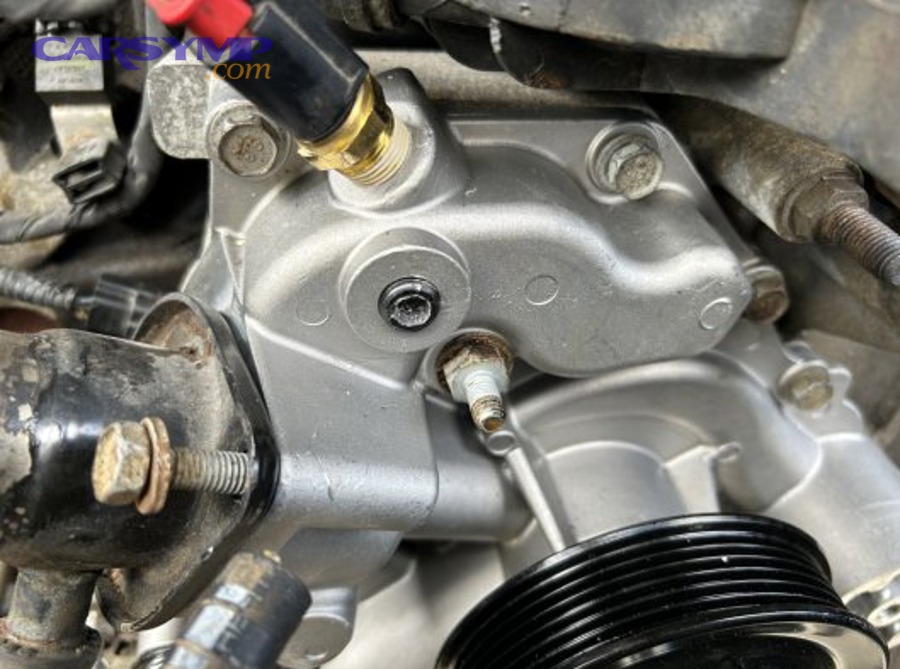
The phrase “bleeding” or “burping” describes the same core action: allowing air to escape while replacing it with coolant. Many DIY car owners hear both terms and assume they refer to different procedures. In most repair contexts, they are synonyms. “Bleeding” often sounds more technical because it suggests using a bleed screw or controlled vent point, while “burping” often describes the broader act of letting bubbles rise through a funnel or open filler neck. The goal stays the same in both cases: restore a solid column of coolant through the system.
Is bleeding the cooling system necessary after water pump replacement?
Yes, bleeding the cooling system is necessary after most water pump replacement jobs because trapped air can cause overheating, poor heater output, and unstable coolant levels.
More specifically, overheating becomes the biggest risk because air does not transfer heat the way coolant does. A water pump is designed to circulate liquid. When air enters that circulation path, coolant flow becomes inconsistent and hotspots can develop in the engine. At the same time, the heater core may receive less coolant, which leads to weak or intermittent cabin heat. Finally, air expands and moves during heat cycles, so a system that looked full at first can suddenly drop in level after driving and cooling down.
Even vehicles marketed as self-bleeding still benefit from a careful refill procedure and a follow-up level check. Self-bleeding designs may purge some air during normal operation, but that does not mean every air pocket disappears immediately after service. A careful technician still warms the engine, checks for thermostat opening, watches for bubbles, and verifies the level after the system cools.
What are air pockets in a cooling system and why do they cause overheating?
Air pockets are trapped volumes of air inside coolant passages, and they cause overheating by interrupting coolant flow and reducing heat transfer in key parts of the engine and heater circuit.
Specifically, an air pocket can sit near the thermostat housing, inside a heater hose loop, or at another high point in the system. Because air compresses and moves differently than liquid, the thermostat may not “see” the correct coolant temperature at the right time. That can delay opening, which slows circulation to the radiator. The result is a temperature gauge that rises too quickly or fluctuates in ways that seem inconsistent.
Air pockets also affect pressure balance. A cooling system is designed to run as a sealed, pressurized circuit. When air remains inside, the system can gurgle, push coolant into the reservoir unevenly, or show bursts of bubbling that make the driver suspect a bigger problem. In many cases, the real issue is simply incomplete bleeding after the original water pump replacement.
According to AutoZone’s cooling system service guidance, trapped air left after refill can lead to overheating and poor heater performance, while Haynes explains that a bleed screw exists specifically to purge air from closed automotive fluid systems after maintenance.
What tools, parts, and conditions help bleed air out correctly?
There are five main factors that help bleed air out correctly: the right coolant, a controlled fill tool, an open vent path, proper heater settings, and enough time for a full heat cycle.
Below, the preparation matters because air removal becomes much easier when the cooling system is set up to encourage upward flow. A rushed refill, the wrong funnel, or a closed heater circuit can leave air behind even when the new pump itself is fine. Good bleeding is part technique and part setup.
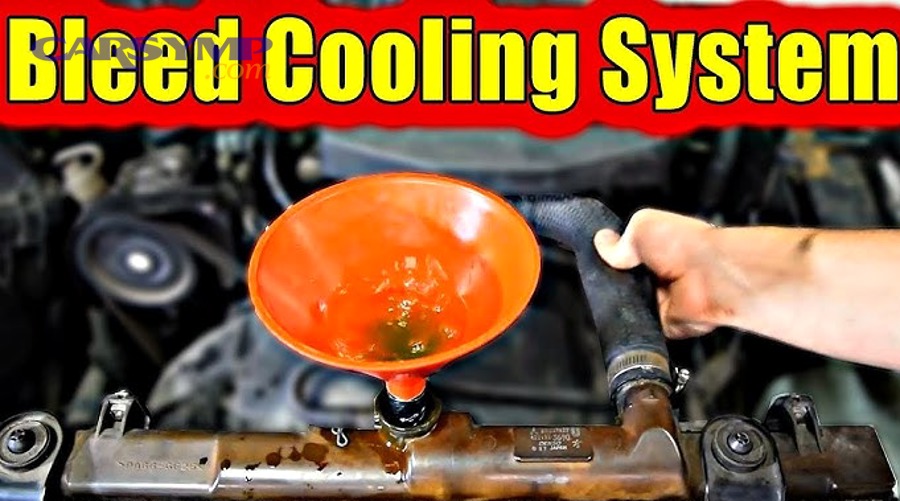
What tools and supplies do you need to bleed air from the cooling system?
There are seven common items you need to bleed air from the cooling system: correct coolant, clean water if required for mixing, a funnel, gloves, a catch pan, a basic hand tool for a bleed screw, and light shop towels.
The most important item is the correct coolant type and mixture specified for the vehicle. Mixing incompatible coolant chemistries can create maintenance problems later, so always confirm the required specification before topping off. A spill-free funnel is especially useful because it raises the fill point above the engine, giving trapped air a place to collect and escape more smoothly. A catch pan also matters because bleeding often requires topping off more than once as the level drops.
Optional tools can make the job easier. A vacuum coolant refill tool is the most notable upgrade because it evacuates air from the system before drawing coolant in. This method can reduce the chance of trapped air after a water pump replacement, especially on vehicles with complex hose routing or hard-to-access bleed points. A scan tool may also help on certain modern vehicles if fans, pumps, or thermal controls require a service mode during refill, though that depends on the platform.
- Manufacturer-approved coolant
- Distilled water if concentrate must be mixed
- Spill-free funnel or refill funnel
- Flathead, hex, or socket for the bleed screw
- Catch pan and absorbent towels
- Gloves and eye protection
- Optional vacuum refill tool for stubborn systems
Which cooling system parts affect how the bleeding process works?
The parts that affect bleeding most are the radiator or expansion tank, bleed screw, thermostat, heater core, upper hoses, and the water pump itself.
For example, the radiator cap or reservoir cap determines where the system can vent during filling. The bleed screw, when present, gives trapped air a controlled exit at a high point. The thermostat affects timing because some air remains trapped until the engine warms enough for the thermostat to open and let coolant circulate through the full system. The heater core matters because many procedures require the heater to be set to maximum heat, which opens the heater circuit and allows coolant to move through that branch.
The water pump matters in a more direct way. Its job is circulation, but it cannot create ideal flow through large air pockets. That is why the system often needs to be partially de-aerated before normal circulation becomes steady. If the upper hose stays oddly cool, the heater blows cold, or the reservoir bubbles continuously, those signs often point back to flow being disrupted by trapped air rather than immediately proving the new pump is defective.
The table below summarizes what each component contributes to the bleeding process.
| Part | Role in bleeding | Common problem if air remains |
|---|---|---|
| Radiator / filler neck | Main fill point and escape path for bubbles | Coolant level drops suddenly after warm-up |
| Bleed screw | Vents trapped air at a high point | Air remains near thermostat housing |
| Thermostat | Controls full-system circulation timing | Delayed opening or erratic gauge readings |
| Heater core | Secondary coolant path that can trap air | Weak or intermittent cabin heat |
| Upper hoses | Carry hot coolant and help indicate flow | Gurgling or uneven hose temperature |
| Water pump | Circulates coolant once the system is full | Poor circulation symptoms if air blocks flow |
According to Haynes, bleed screws are used to purge air from closed automotive fluid systems after service, and AutoZone notes that raising the front end and using the heater can help move trapped air toward the vent point during bleeding.
How do you bleed air after water pump replacement step by step?
The main method is a controlled refill followed by venting, warm-up, thermostat opening, topping off, and cool-down recheck, which together remove air and restore normal coolant circulation.
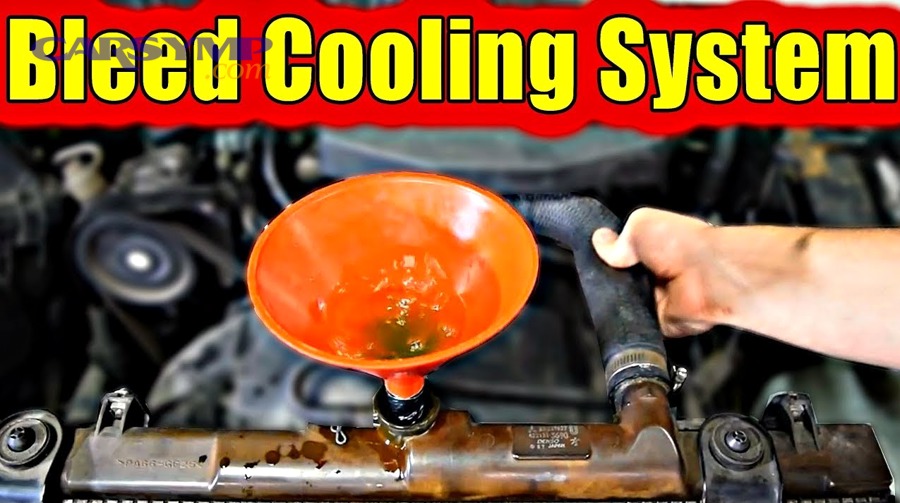
Let’s explore the process in order, because sequence matters more than speed. If you skip directly to idling the engine without venting high points or setting the heater correctly, the trapped air can simply move somewhere else inside the cooling system. A methodical refill gives the air a predictable path out.
How do you refill and burp the cooling system after replacing the water pump?
You refill and burp the cooling system in six practical steps: start cold, fill slowly, open bleed points, run the heater, warm the engine until circulation stabilizes, and recheck the level after cool-down.
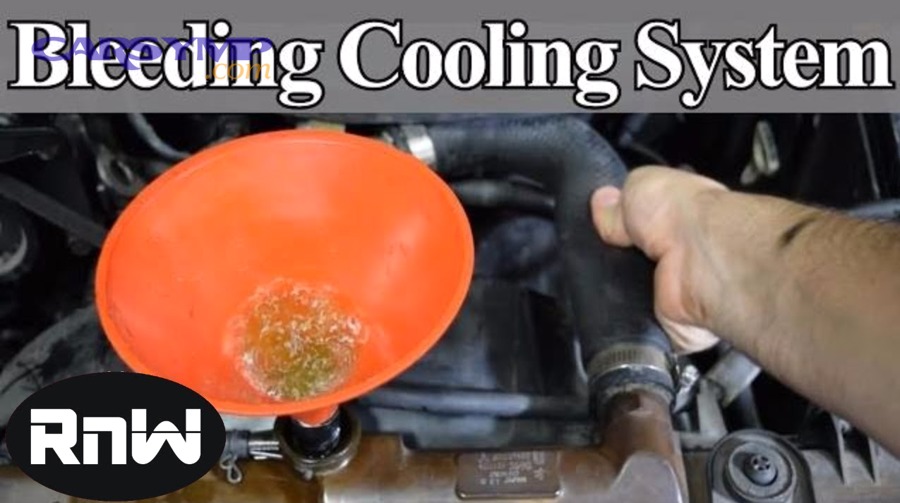
To begin, make sure the engine is fully cool. Open the radiator cap or reservoir cap only when the system is safe to open. If the vehicle has a bleed screw, crack it open slightly before or during the refill according to the service design. Fill slowly so coolant has time to displace air rather than seal pockets underneath it. A spill-free funnel helps because it keeps the fill point higher than nearby passages and gives bubbles room to escape.
Then set the cabin heater to maximum heat. On many vehicles, that step opens the heater core circuit and lets trapped air in that part of the system move back toward the fill point. Continue adding coolant until the level stabilizes and, if equipped, coolant begins to emerge from the bleed screw without obvious air bubbles. At that point, close the bleed screw carefully and continue monitoring the level.
Next, start the engine and let it idle. Keep watching the funnel or fill neck for bubbles. As the engine warms, the thermostat will eventually open, and the coolant level may drop sharply as circulation expands through the rest of the system. Add more coolant as needed. You can gently squeeze the upper radiator hose on some systems to help encourage bubble movement, but do this carefully and only when it is safe.
Once the bubbling slows and the heater blows consistently warm air, install the cap, bring the engine to operating temperature, and watch the temperature gauge. After the engine cools completely, recheck the radiator or reservoir level and top off to specification. That final cool-down check is one of the most overlooked parts of the job.
- Start with a cold engine.
- Open the cap and bleed screw if equipped.
- Fill coolant slowly through the highest practical point.
- Set the heater to full hot.
- Run the engine and wait for thermostat opening.
- Recheck and top off after a full cool-down.
How do you bleed a cooling system with a bleed screw versus one without a bleed screw?
A bleed screw system wins for controlled venting, while a no-bleed-screw system is best handled with a raised fill point, slow refill, heater-on warm-up, and repeated level checks.
However, the difference is less about difficulty and more about where the air exits. With a bleed screw, you usually vent the highest trapped area directly. Coolant enters, air leaves, and you know the passage is full when a steady stream of coolant appears. That makes the job faster and often cleaner. It also reduces guesswork around the thermostat housing or upper hose area.
Without a bleed screw, you rely on gravity, temperature, and the highest available fill point. A spill-free funnel becomes more valuable here because it extends the fill neck upward and gives bubbles a place to collect. Raising the front of the vehicle can help on some platforms because it places the radiator or fill point above more of the engine’s coolant passages. AutoZone specifically notes this as one way to help trapped air move upward during manual bleeding.
The table below compares the two common bleeding approaches.
| Method | Best advantage | Main limitation | Best use case |
|---|---|---|---|
| Bleed screw method | Direct air release at a high point | Depends on access and screw condition | Vehicles designed with a coolant bleeder |
| Funnel / burping method | Works on many vehicles without special vents | May require more heat cycles and patience | Systems without a dedicated bleeder |
| Vacuum refill method | Fast de-aeration and controlled refill | Requires extra equipment | Complex or stubborn cooling systems |
According to CarParts, a vacuum coolant filler can remove air pockets in a more controlled way, while AutoZone’s repair guidance explains that manual bleeding without special tools commonly uses slow refill, heater operation, and a raised front end to encourage bubble release.
How can you tell if air is still trapped after bleeding?
There are five common signs that air is still trapped after bleeding: temperature fluctuation, weak heater output, bubbling in the reservoir, sudden coolant level drop, and gurgling sounds in the hoses or dash area.
In addition, these symptoms matter because they appear after the refill seems complete. Many DIY car owners assume a stable level at idle means the work is done, but the real test comes after the thermostat opens, the heater is checked, and the engine goes through at least one full warm-up and cool-down cycle.
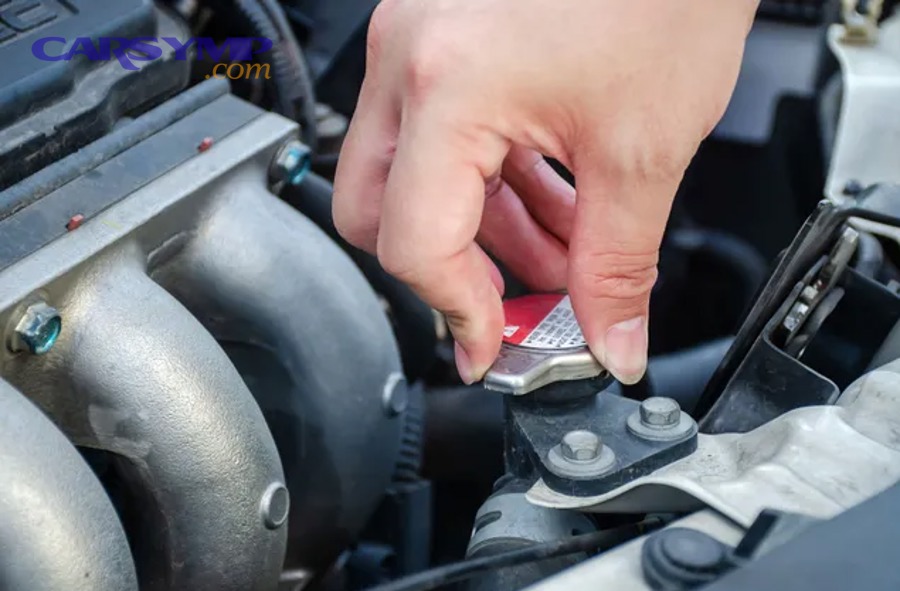
What signs show that the cooling system still has trapped air?
There are six main signs of trapped air: erratic temperature readings, intermittent cabin heat, gurgling sounds, visible bubbles, repeated level drop after cooling, and sudden overheating under light load.
The most obvious sign is an unstable temperature gauge. Instead of rising smoothly and then holding near its normal position, the gauge may climb, dip, and climb again. That pattern often points to inconsistent coolant contact around the temperature sensor or thermostat. Weak heat from the vents is another classic clue because the heater core is one of the first places trapped air can interrupt flow.
Gurgling is also highly relevant. If you hear sloshing behind the dashboard or in upper hoses after shutdown, that usually means air and coolant are still moving around inside passages that should already be full. Repeated coolant level drops after each cool-down cycle also support the same conclusion. In many cases, the system is simply completing its purge, but the pattern should gradually stop. If it continues, you need to inspect for leaks, circulation issues, or incomplete bleeding.
Is bubbling in the reservoir normal after water pump replacement?
Yes, brief bubbling in the reservoir can be normal after water pump replacement, but continuous bubbling, repeated overflow, or bubbling combined with overheating is not normal.
Specifically, normal bubbling happens when trapped air rises out of the system during the first heat cycles. That bubbling should gradually decrease as the coolant level stabilizes. You may also see the level change when the thermostat opens because coolant suddenly begins circulating through a larger part of the system. That behavior alone does not automatically indicate a failed repair.
Abnormal bubbling is different. If the reservoir keeps bubbling after multiple proper bleed attempts, pushes coolant out repeatedly, or appears alongside strong overheating symptoms, the problem may extend beyond trapped air. You then need to check the water pump installation, the thermostat, the cap, hose routing, or other cooling system faults. A misdiagnosis here can waste time because the symptom pattern looks similar at first.
AutoZone notes that air pockets can contribute to abnormal coolant behavior, including overflow-related symptoms, while beginner-focused bleeding guides also explain that burping is intended to remove those bubbles so the system can operate efficiently.
What mistakes commonly cause bleeding problems after water pump replacement?
There are seven common mistakes that cause bleeding problems: filling too fast, skipping the heater setting, closing the system too early, ignoring the cool-down recheck, missing hidden bleed points, underfilling, and assuming every symptom comes from the pump.
More importantly, these mistakes usually create a false diagnosis chain. The owner sees overheating, suspects the new part, and starts doubting the water pump replacement when the real problem is incomplete de-aeration or a related installation detail. Avoiding that chain saves both time and money.
What are the most common mistakes when bleeding a cooling system?
The most common mistakes are rushing the refill, not using the highest practical fill point, failing to open the heater circuit, and not waiting for the thermostat to open before judging the result.
A rushed refill traps air under coolant. When fluid is poured too quickly, it can bridge over passages and seal bubbles below. That is why experienced technicians prefer slow filling and often use funnels designed to extend the neck upward. Another frequent mistake is reinstalling the cap too early. If the system is sealed before the main air pockets have reached the vent point, those pockets simply relocate during warm-up instead of leaving the system.
Skipping the heater setting creates another avoidable problem. On many vehicles, the heater circuit must be open to let coolant and air move through the heater core properly. If that circuit remains closed, a large air pocket can stay trapped there and later cause weak cabin heat or delayed overheating. Finally, many people end the procedure too soon. A system may appear stable at idle, then pull additional coolant after the thermostat opens and again after a full cool-down. Ignoring that final check is one of the biggest reasons the repair seems to “come back” the next day.
- Filling coolant too quickly
- Not using a spill-free funnel when needed
- Forgetting to set heater controls to hot
- Closing the cap before bubbles stop
- Skipping the bleed screw if the system has one
- Not verifying level after cool-down
- Ignoring small external leaks during refill
How do trapped-air symptoms compare with signs of incorrect water pump installation?
Trapped air usually causes fluctuating heat and temperature behavior, while incorrect water pump installation more often causes persistent leaks, belt issues, or continuous circulation failure that does not improve after proper bleeding.
Meanwhile, the overlap between these two problems is what confuses many readers. Both can cause overheating after a water pump replacement. The difference is trend and persistence. Air-related symptoms often improve as the system is bled correctly and heat cycles are completed. Installation-related symptoms tend to remain consistent or worsen. For example, if coolant leaks from the gasket area, the pulley alignment is wrong, or the system never develops normal flow even after several correct bleed attempts, the issue may be mechanical rather than procedural.
Use this comparison as a diagnostic shortcut after the repair:
| Symptom pattern | More likely trapped air | More likely installation issue |
|---|---|---|
| Gauge fluctuates, then improves after refill | Yes | Less likely |
| Heater blows cold, then warm after burping | Yes | Less likely |
| Visible leak at pump gasket or housing | No | Yes |
| Belt noise or pulley misalignment | No | Yes |
| Persistent overheating after repeated correct bleeding | Possible, but less likely | More likely |
If the system also needs a Cooling system flush after pump replacement, perform the flush only according to the vehicle’s service guidance and refill procedure, because flushing changes how much air enters the system and increases the importance of a careful final bleed. AutoZone’s coolant service guidance notes that a flush affects not only the radiator but also the engine block and heater core, which is why refill and de-aeration should be treated as part of the same service sequence.
How does bleeding air after water pump replacement relate to other cooling system repair situations?
Bleeding air after water pump replacement relates closely to thermostat, radiator, and coolant service because each repair opens the cooling system and can introduce the same trapped-air problems, even though the air enters from different locations.
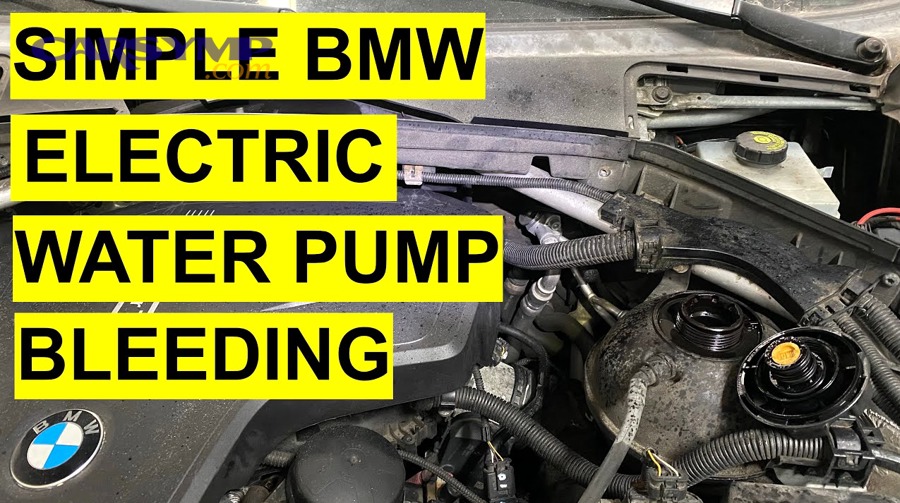
Besides, this broader view helps readers build real diagnostic confidence. Once you understand how the cooling system traps and releases air, you can apply the same reasoning to adjacent maintenance tasks instead of treating every repair like a completely separate mystery.
How is bleeding the system after water pump replacement different from bleeding after a thermostat or radiator replacement?
Water pump replacement most often introduces air around the pump housing and circulation path, thermostat replacement centers the issue around the thermostat housing, and radiator replacement usually adds air through the large front-side cooling loop.
That difference matters because the highest trapped point can shift depending on the repair. After a thermostat service, air may remain near the housing and delay normal opening behavior. After radiator work, air may be easier to purge from the main loop but still remain in the heater core or engine block if the refill is rushed. After a water pump replacement, both circulation startup and venting become central because the pump cannot stabilize flow until the coolant path is mostly full.
In short, the same bleeding principles apply, but the likely air pocket locations change with the component that was serviced. That is why a vehicle-specific service manual still matters even when the general process seems familiar.
Can a vacuum fill tool remove air better than manual burping?
Yes, a vacuum fill tool can remove air better than manual burping in many situations because it evacuates the system before drawing coolant in, which reduces the chance of stubborn trapped pockets.
To illustrate, manual burping relies on gravity, heat, and bubble movement. It works well on many vehicles, especially simple systems with accessible fill points. A vacuum refill tool changes the process by creating negative pressure first. When the tool confirms the system can hold vacuum, it then uses that pressure difference to pull coolant into passages more evenly. This approach can be especially useful after a major water pump replacement, after a large coolant drain, or when a cooling system flush after pump replacement has emptied multiple components at once.
That does not mean manual bleeding is wrong. Manual bleeding is still the practical default for most DIY car owners. The vacuum method is simply more controlled and often faster on systems known for trapping air.
What should you do if your vehicle has no bleed screw or uses a reverse-flow cooling system?
If your vehicle has no bleed screw or uses an unusual coolant flow design, use the highest fill point available, fill slowly, run the heater, complete several heat cycles, and follow any platform-specific refill guidance closely.
More specifically, a no-bleed-screw vehicle needs patience and careful observation. A spill-free funnel becomes more important because it effectively creates a temporary high point where air can escape. If the engine layout places the radiator low relative to parts of the engine, raising the front of the vehicle may help move bubbles upward. On specialized systems, the service method may involve a sequence of warm-up, cool-down, and reservoir checks rather than one immediate “done” moment.
Rare layouts and reverse-flow designs add one more reason to avoid assumptions. When coolant flow does not follow the common path most DIY guides describe, the wrong shortcut can leave air in a difficult spot. In those cases, use the general principles in this article, but always let the vehicle-specific refill instructions override the generic method.
When does persistent overheating after bleeding suggest a problem beyond trapped air?
Persistent overheating after repeated correct bleeding suggests a problem beyond trapped air when the symptom does not improve across heat cycles or appears alongside leaks, pressure loss, no circulation, or ongoing coolant contamination.
That threshold matters because some residual air symptoms can look dramatic during the first warm-up. However, a properly bled system should show a clear trend toward stability. If the gauge still spikes hard, the heater stays cold, coolant keeps pushing out, or visible leaks remain after the level is set correctly, you should investigate the thermostat, radiator flow, cap sealing, hose collapse, fan operation, and the pump installation itself.
This is also where broader ownership questions come in. A reader looking at a Water pump replacement cost estimate often focuses on the price of the part and labor, but the real cost difference frequently comes from repeat diagnosis when the final refill and bleed are not done correctly the first time. Spending more time on the de-aeration process can prevent another overheating event, another coolant loss episode, and another round of labor. In that sense, proper bleeding is not just a finishing step; it is one of the most cost-effective parts of the entire repair.
According to beginner and repair-focused cooling system guidance from AutoZone and CarParts, effective bleeding or vacuum refill is essential to remove air pockets after service so the system can operate normally and avoid heat-related drivability problems.