


Keeping your car aligned starts with prevention, not repair. wheel alignment problems usually begin with small impacts, neglected tire care, or worn suspension parts, and the best way to avoid them is to combine careful driving, routine inspections, and timely maintenance before handling or tire wear gets worse.
Prevention also becomes easier when you understand the basics. Drivers who know what wheel alignment affects, what usually throws it off, and which symptoms appear first can respond earlier and protect their tires, steering feel, and suspension from unnecessary stress.
The next part of the picture is practical action. You need to know which road hazards matter most, how potholes and curb hits affect alignment, which DIY checks are useful before visiting a shop, and when a professional alignment check makes more sense than waiting for the problem to grow.
Introduce a new idea: this guide walks from definition to prevention, then expands into related topics such as Alignment vs balancing differences, Toe/camber/caster explained simply, and Alignment cost estimate and what’s included so you can make better maintenance decisions as a driver.
What Are Wheel Alignment Problems and Why Should Drivers Prevent Them Early?
Wheel alignment problems are changes in the wheel angles and tracking path that reduce straight-line stability, increase tire wear, and place extra stress on steering and suspension parts.
To better understand wheel alignment, it helps to connect the concept to what drivers actually feel on the road rather than treating it as a purely technical shop term.
What Does “Wheel Alignment” Mean in Practical Driving Terms?
Wheel alignment means the wheels are positioned at the correct angles so the vehicle tracks predictably, the tires meet the road evenly, and the steering responds without pulling, scrubbing, or abnormal resistance.
In practical driving terms, wheel alignment is not only about whether the steering wheel looks straight. It is about whether all four wheels point and sit in a way that supports stable handling, even tire contact, and controlled movement at city speed and highway speed. When alignment is correct, the vehicle feels composed. When alignment begins to drift, the car may pull slightly, the steering wheel may sit off-center, and the tires may start wearing faster on one edge.
This is where Toe/camber/caster explained simply becomes useful. Toe describes whether the tires point slightly inward or outward when viewed from above. Camber describes whether the top of the tire leans inward or outward when viewed from the front. Caster describes the steering axis angle that helps the wheel return to center and supports straight-line stability. Drivers do not need to memorize shop numbers to understand the effect. They only need to know that small angle changes can produce real changes in steering feel and tire wear.
Alignment also works together with steering and suspension geometry. That means alignment is not a stand-alone condition. It depends on tires, tie rods, ball joints, control arms, bushings, struts, and shocks all staying within healthy operating condition. When one part wears or bends, alignment can shift even if the car still seems mostly normal.
A good way to think about alignment is this: the vehicle does not need a dramatic symptom to have a growing problem. Minor drift, small steering corrections, or early shoulder wear on one tire can already signal that alignment is not ideal.
Can Small Alignment Problems Turn Into Bigger Tire and Suspension Costs?
Yes, small wheel alignment problems can turn into bigger tire and suspension costs because they accelerate uneven tread wear, force constant steering correction, and increase stress across linked components.
Specifically, a tiny alignment change may not feel serious on the first day, but it can stay active every mile the car moves. If one front tire scrubs slightly more than the other, the tread wears unevenly. As that wear pattern grows, the tire loses its ability to roll evenly. The steering may feel less precise, and the driver may begin compensating without realizing it. Over time, the vehicle no longer only has an alignment issue. It may also have prematurely worn tires and extra load placed on steering and suspension parts.
The cost difference matters. A preventive alignment check is typically far cheaper than replacing two front tires early or chasing multiple worn components after months of ignored symptoms. This is one reason many drivers underestimate alignment problems at first. The initial sign feels small, but the mechanical effect compounds with use.
Early prevention protects three things at once. It protects tire life by keeping contact patches more even. It protects handling by reducing pull and wander. It protects longer-term component condition by avoiding unnecessary side loads and constant correction forces. That is why drivers should treat alignment as a maintenance issue, not just a repair issue.
In short, preventing wheel alignment problems early means protecting the entire chain of tire wear, steering quality, and suspension durability before one small deviation creates larger maintenance bills.
What Usually Causes Wheel Alignment Problems in Everyday Driving?
The main causes of wheel alignment problems are road impacts, harsh driving habits, worn steering or suspension parts, and neglected tire or chassis maintenance.
Let’s explore the issue from the ground up, because drivers can prevent many alignment problems once they know which everyday events disturb wheel angles most often.
Which Road Hazards and Driving Habits Throw Alignment Off Most Often?
The most common everyday causes are potholes, curb hits, rough roads, speed bumps taken too quickly, overloaded driving, and minor collision or parking impacts.
Road hazards change alignment because the wheel and suspension assembly absorbs force in a sudden direction. A pothole drives the tire downward and upward sharply. A curb strike pushes the wheel laterally. Even when there is no visible damage, the impact can slightly disturb settings or expose weakness in already worn parts. Repeated small impacts can matter nearly as much as one large event, especially on vehicles driven daily through damaged city streets.
Driving habits shape the risk. A driver who brakes late into speed bumps, clips curbs while parking, or takes broken pavement at full speed gives the suspension more violent load changes. By contrast, a driver who slows down for rough surfaces, approaches driveway edges at gentler angles, and avoids unnecessary impact routes reduces the chances of alignment drift over time.
Potholes deserve special attention because they combine surprise, depth variation, and high suspension shock. They may not always cause immediate symptoms, but they often start the story behind uneven front-tire wear or subtle steering pull. Curb hits are equally important because they apply side force directly through the wheel, tire, and steering linkage. After a meaningful curb strike, even if the car feels mostly normal, a check is wise.
The prevention lesson is simple: careful path choice and impact reduction are not small habits. They are part of alignment maintenance. Drivers often think alignment is only decided in the shop, but the road environment decides how often alignment is challenged.
Which Worn Parts Can Cause Repeated Alignment Problems Even After Service?
Worn tie rods, ball joints, control arm bushings, wheel bearings, struts, and shocks can cause repeated alignment problems because the underlying hardware no longer holds geometry consistently.
This point matters because some drivers pay for a wheel alignment, then feel disappointed when the vehicle drifts again soon afterward. In many cases, the alignment machine was not the problem. The worn component was. Alignment settings can only remain stable when the suspension and steering parts are capable of holding those settings under load.
Tie rods help steer the wheels accurately. Ball joints allow controlled movement between suspension members. Bushings absorb motion while keeping geometry managed. Struts and shocks control bounce and help stabilize tire contact. If those parts are loose, deteriorated, or damaged, the wheel angle changes more easily as the car accelerates, brakes, corners, or hits uneven pavement.
This is why preventive alignment care includes inspection, not just adjustment. A quality alignment visit should include a basic check for parts that are too worn to support reliable settings. If the hardware is compromised, the alignment may not last.
Drivers can watch for clues that suggest hardware wear rather than a simple one-time alignment shift. These clues include clunks over bumps, vague steering, instability during braking, feathered tire wear that returns quickly, and a vehicle that never quite settles into straight tracking. When these signs appear, the best prevention plan is not merely another adjustment. It is repairing the worn parts first so the alignment can hold.
What Are the Earliest Signs That Alignment Problems May Be Starting?
The earliest signs are slight pulling, an off-center steering wheel, uneven tire wear, wandering at speed, and a steering feel that requires constant correction.
More specifically, drivers should watch for small repeatable changes because alignment problems often begin subtly long before they become obvious or expensive.
How Can Drivers Tell the Difference Between Early Alignment Symptoms and Normal Road Feel?
Drivers can tell the difference by looking for consistent pull, repeating steering-wheel offset, and uneven wear patterns rather than one brief drift caused by road crown, wind, or pavement texture.
Normal road feel is not always perfectly neutral. Many roads slope slightly to help water drain, and that can create a gentle tendency for the vehicle to drift. Wind, grooves in the pavement, tire design, and road surface changes can also affect feel. That is why one moment of drift does not automatically mean the car is misaligned.
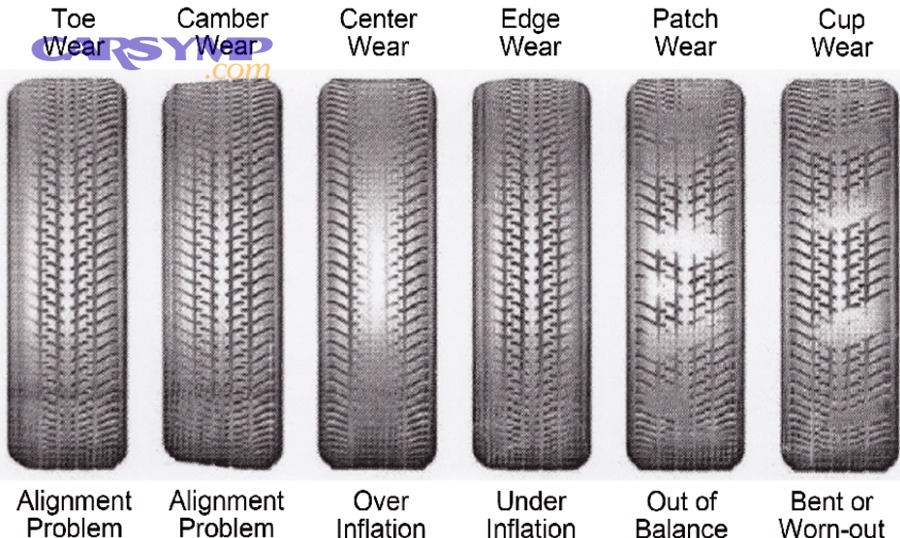
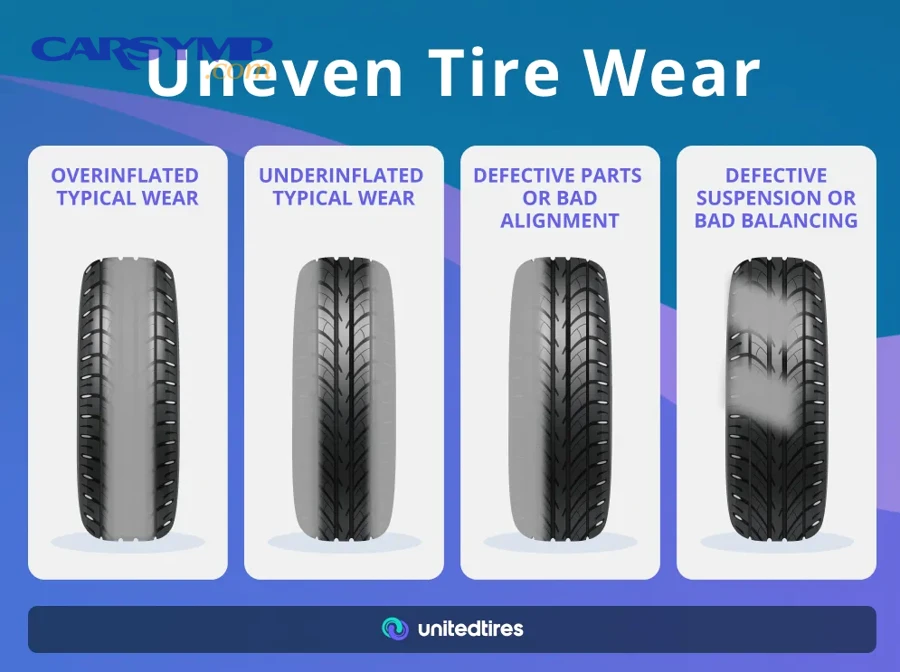
What matters is repetition. If the steering wheel stays slightly crooked on flat roads, if the car regularly pulls in the same direction, or if the driver keeps correcting the wheel to stay centered in the lane, the behavior is more likely tied to alignment or related suspension issues. The same is true if one tire edge starts wearing faster than the other. Tire wear patterns often tell the truth more reliably than driver impressions alone.
The best approach is to observe the car in more than one condition. Notice how it behaves on a level road, at moderate speed, and after confirming proper tire pressure. If the symptom remains, it deserves attention. A car that tracks straight only when the steering wheel is held slightly off-center is also giving useful information. The problem may still feel mild, but mild does not mean harmless.
Understanding the difference between normal feel and developing alignment symptoms helps drivers act earlier and avoid guessing. It also prevents unnecessary worry over one isolated road-induced sensation while still encouraging smart follow-up when symptoms repeat.
Which Tire and Steering Checks Can You Do Before Booking a Professional Alignment?
Useful DIY pre-checks include checking tire pressure, inspecting tread wear, noting steering-wheel position, reviewing recent impacts, and looking for visible tire or suspension irregularities.
These checks do not replace a professional alignment rack, but they do help drivers decide whether service is urgent and whether other issues may be involved. Start with tire pressure because underinflation or uneven inflation can mimic or worsen alignment symptoms. If one front tire is significantly lower than the other, the vehicle may pull even if alignment is acceptable.
Next, inspect tread wear across the width of each tire. Edge wear on one side, feathering, or mismatched wear left to right can point toward alignment trouble. Also check whether the steering wheel sits centered while the vehicle tracks straight. If the wheel remains crooked on a level road, that is a strong clue.
Review your recent driving history too. Did you hit a deep pothole last week? Did the tire strike a curb while parking? Did you replace suspension or steering parts? Those events make alignment drift more likely. Finally, look for obvious signs such as bulges in the tire, bent wheel damage, loose-feeling steering, or clunking sounds. Those clues may indicate that the issue goes beyond simple alignment.
A professional alignment becomes the smart next step when several of these signs appear together. DIY checks help narrow the problem, but shop equipment measures what the eye and steering feel cannot quantify precisely.
How Can Drivers Prevent Wheel Alignment Problems Through Daily Habits and Routine Maintenance?
Drivers can prevent wheel alignment problems by reducing impact loads, maintaining correct tire condition, inspecting suspension parts regularly, and responding quickly after symptoms or road impacts appear.
Next, the most effective prevention plan combines simple driving habits with disciplined maintenance instead of waiting for a clear failure.
What Driving Habits Best Protect Alignment Over Time?
The best driving habits are slowing for rough pavement, avoiding potholes when safely possible, not climbing curbs, taking speed bumps gently, and reducing repeated impact stress.
Good habits matter because alignment is challenged by force, not by time alone. Every aggressive impact sends load through the wheel, tire, steering linkage, and suspension joints. Drivers cannot eliminate every rough road, but they can reduce how hard the vehicle strikes it. Slowing down before broken pavement or speed bumps significantly lowers the shock absorbed by the system.
Parking habits also influence alignment longevity. Many drivers brush curbs more often than they realize, especially with low-profile tires. Repeated curb contact can disturb wheel position or damage sidewalls and wheels. Approaching parking spaces carefully and leaving space from high curbs protects both alignment and tires.
Lane choice helps too. On familiar routes, drivers can learn where road surfaces are most broken and avoid the worst sections when traffic conditions allow. The same principle applies to driveways, construction plates, railroad crossings, and uneven pavement joints. Small choices repeated daily produce large maintenance differences over the life of a vehicle.
Another overlooked habit is responding after impact. When the car takes a harsh hit, do not assume that no symptom means no issue. Stay alert over the next several drives for steering changes, vibration, or irregular wear. Prevention is strongest when awareness follows the event rather than months later.
What Tire and Suspension Maintenance Helps Keep Alignment Stable?
The most useful maintenance habits are keeping tires properly inflated, rotating tires on schedule, inspecting steering and suspension parts, and correcting worn components before they change wheel geometry.
Tire maintenance supports alignment in two ways. First, proper inflation keeps contact patches more even and prevents false symptoms that confuse diagnosis. Second, regular rotation helps drivers notice irregular wear patterns sooner. A tire technician or attentive owner often spots feathering or one-sided wear during routine service before the vehicle develops severe pull.
Suspension maintenance matters just as much. Alignment settings can only remain stable if the parts that hold the wheel in place stay tight and healthy. That means drivers should not ignore clunks, looseness, bouncing, uneven ride height, or vague steering. Those symptoms often signal the exact hardware wear that causes repeated alignment drift.
The table below summarizes the maintenance actions that most directly support alignment stability.
| Maintenance item | Why it matters for alignment | Practical timing |
|---|---|---|
| Tire pressure check | Prevents false pull and uneven tire loading | Monthly and before long trips |
| Tire rotation | Helps detect wear patterns early | At regular service intervals |
| Suspension inspection | Finds worn parts that cannot hold alignment | During routine service or when symptoms appear |
| Steering inspection | Detects looseness affecting tracking and centering | When steering feel changes |
| Post-impact check | Catches damage after potholes or curb hits | As soon as symptoms or concern appear |
| Post-repair alignment | Restores geometry after relevant part replacement | After suspension or steering work |
This maintenance pattern keeps the vehicle from drifting into a larger problem. It also improves shop efficiency because a technician can identify the real cause faster when the tires and components have been monitored consistently.
When Should You Get an Alignment Check Even If the Car Still Feels Fine?
You should get an alignment check after meaningful impacts, after steering or suspension work, when tire wear patterns look abnormal, and as preventive maintenance when your driving conditions are harsh.
Besides symptom-based checks, proactive timing protects tire life because many alignment problems begin before the steering feel becomes obviously wrong.
Should You Check Alignment After Potholes, Curb Hits, or Minor Suspension Work?
Yes, you should check alignment after potholes, curb hits, or minor suspension work because impacts can shift geometry and parts replacement can change the position of steering and suspension components.
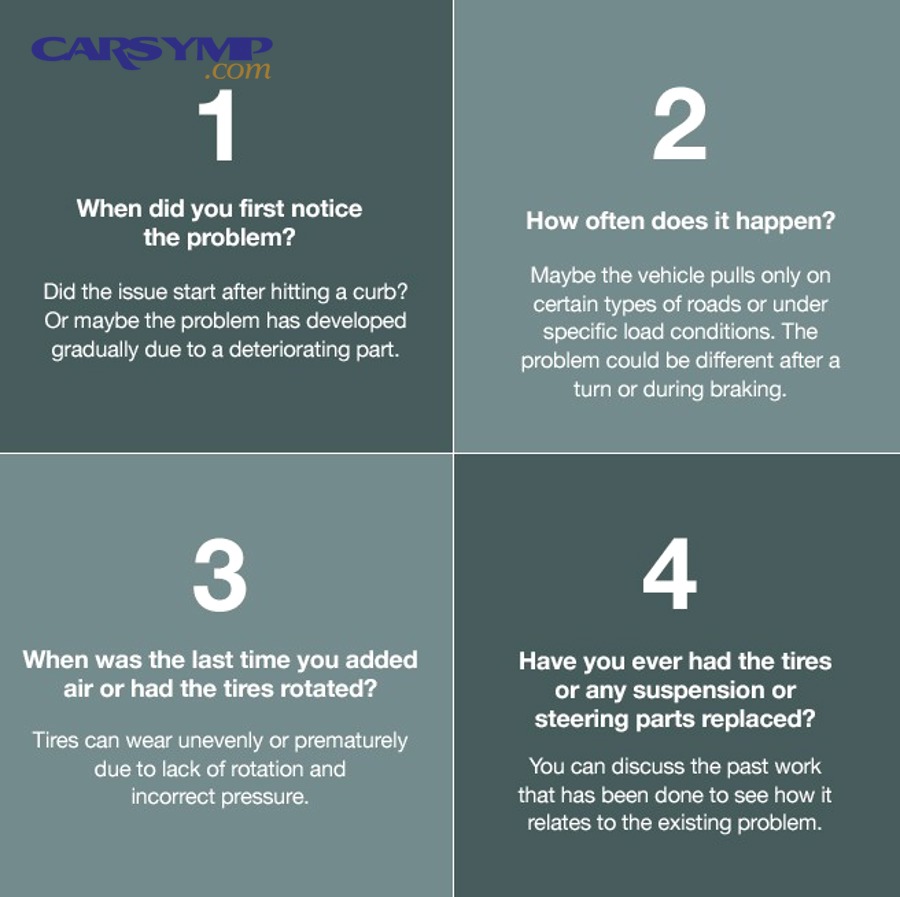
The need becomes stronger when the impact was sharp, the wheel took the hit directly, or the vehicle immediately changed behavior afterward. For example, a deep pothole at speed can alter alignment or damage a tire or wheel. A curb strike during parking can do the same, especially if the contact was sideways rather than gentle. Even if symptoms are not instant, checking soon can prevent weeks of hidden tire wear.
Minor suspension work also matters. Replacing tie rods, control arms, struts, ball joints, or similar parts often affects the geometry that alignment settings depend on. Even when the repair improves how the car feels, the new part may change angles enough that an alignment is required to finish the job properly.
This is why drivers should think beyond obvious damage. The question is not only whether something bent badly. The question is whether the event or repair changed wheel position enough to justify measurement. In many cases, the safest and most cost-effective answer is yes.
Is Preventive Alignment Different From Waiting Until Symptoms Appear?
Yes, preventive alignment is different because it focuses on preserving tire life and handling quality before visible wear or persistent pull confirms that damage is already occurring.
Waiting for symptoms may sound reasonable, but it often means waiting until the tire has already started wearing unevenly. Once a wear pattern forms, correcting alignment does not erase the damaged tread. The tire may continue making noise or feeling rough even after the geometry is fixed. That is why preventive checks are valuable in harsh driving conditions or after events likely to disturb alignment.
Preventive alignment does not mean excessive service. It means using logic based on road exposure, recent impacts, maintenance history, and early signs. A driver who regularly navigates damaged urban roads, construction zones, winter potholes, or long commutes on rough pavement places more stress on alignment than a driver on smooth suburban routes. The service approach should match the environment.
Alignment also fits into broader maintenance planning. Shops often discuss Alignment cost estimate and what’s included during inspections. A typical alignment visit may include measuring current angles, checking toe/camber/caster values, adjusting angles within specification when possible, and performing a basic front-end inspection for worn parts. The actual price varies by vehicle type, whether it is a front-end or four-wheel service, local labor rates, and whether seized components or repairs are involved. For drivers, the key point is simple: a preventive check often costs less than replacing prematurely worn tires.
What Related Vehicle Issues Do Drivers Commonly Confuse With Alignment Problems?
Drivers commonly confuse alignment problems with tire balancing issues, tire pressure problems, wheel damage, and general suspension wear because these issues can create similar vibrations, pull, or handling complaints.
To better understand the difference, it helps to compare symptoms by cause rather than assuming every steering or tire issue points to wheel alignment.
What Is the Difference Between Wheel Alignment and Tire Balancing?
Wheel alignment wins for correcting tracking and tire-angle issues, while tire balancing is best for reducing vibration caused by uneven weight distribution in the wheel-and-tire assembly.
This comparison matters because many drivers use the terms interchangeably, but the services solve different problems. Wheel alignment deals with how the wheels point and contact the road relative to the vehicle and each other. Tire balancing deals with how evenly the wheel-and-tire assembly rotates. If a car pulls left, shows uneven edge wear, or has an off-center steering wheel, alignment is more likely involved. If the steering wheel shakes at certain speeds without strong pull or uneven edge wear, balancing may be the better suspect.
Alignment vs balancing differences also appear in service timing. Alignment is especially relevant after impacts, suspension work, or irregular wear patterns. Balancing becomes relevant after tire installation, vibration at highway speeds, or evidence that a wheel weight has been lost. Some vehicles need both services, but they are not substitutes.
Understanding this distinction helps drivers describe symptoms more accurately and approve the right work. It also reduces frustration when one service does not fix a symptom caused by the other.
Can Bad Tire Pressure or Tire Rotation Issues Be Mistaken for Alignment Problems?
Yes, bad tire pressure or delayed tire rotation can be mistaken for alignment problems because both can create pull, uneven wear, steering inconsistency, and reduced ride confidence.
Uneven inflation changes rolling resistance across the axle. If one front tire is underinflated, the vehicle may drift or feel heavy on one side. Likewise, an overdue rotation can allow wear differences to become more noticeable, which can influence feel and noise in ways drivers often blame on alignment. That is why checking pressure and reviewing tire service history should happen before assuming the alignment is the only problem.
The relationship works in both directions too. Poor tire care can mimic alignment symptoms, and real alignment problems can worsen tire problems quickly. A good diagnosis respects both possibilities. This is also why many technicians start with pressure and tire condition before moving to more advanced measurement.
For drivers, the lesson is practical: simple tire basics are part of alignment prevention. Monthly pressure checks and timely rotation support straighter driving and better diagnosis.
Is 2-Wheel or 4-Wheel Alignment More Relevant for Preventive Maintenance?
Four-wheel alignment is usually more relevant for preventive maintenance on modern vehicles, while two-wheel alignment mainly applies when only the front adjustable wheels require correction.
The difference depends on vehicle design, adjustability, and service goals. Many modern cars benefit from checking all four wheels because rear-wheel alignment angles influence straight tracking, steering-wheel centering, and overall vehicle thrust line. If the rear is not positioned correctly, the front may compensate, and the car may still feel off even if the front settings alone appear acceptable.
Two-wheel alignment can still be appropriate on some vehicles or service situations, but preventive care often benefits from a full-system view. Drivers do not need to choose based on jargon alone. They need to ask whether the vehicle’s design and wear pattern justify measuring all four corners.
This broader approach aligns with the idea of prevention. A four-wheel check catches problems that a narrower view may miss, especially when tire wear or tracking complaints do not match a simple front-end explanation.
Do Seasonal Roads, Heavy Loads, or Driving Conditions Increase Alignment Risk?
Yes, seasonal roads, heavy loads, and harsh driving conditions increase alignment risk because they expose the suspension and steering system to repeated force changes, rough surfaces, and greater stress.
Winter often brings potholes, freeze-thaw pavement damage, and hidden impacts. Summer can mean road trips with extra cargo, hot pavement, and construction zones. Heavy loads compress suspension geometry and can reveal weakness in worn parts. Frequent driving on gravel, broken urban roads, or uneven industrial routes adds repeated small shocks that slowly shift or expose alignment problems.
These conditions do not guarantee misalignment, but they raise the odds and shorten the time between checks for many drivers. That is why maintenance should match real use. A vehicle driven gently on smooth roads may need less frequent attention than one used daily in damaged streets or with frequent cargo.
To sum up, preventing wheel alignment problems is not about chasing perfection. It is about reducing avoidable impacts, maintaining tires and suspension properly, noticing early signs, and using smart preventive checks after potholes, curb hits, repairs, or heavy-duty driving. When drivers understand the system and respond early, wheel alignment stays more stable, tires last longer, and the whole vehicle feels more controlled and predictable.