


A wheel alignment should usually be done immediately after suspension or steering work that can change toe, camber, caster, or ride height. That is the safest and most economical timing because even a short delay can accelerate tire wear, reduce straight-line stability, and leave the steering wheel off-center. (monroe.com)
That timing question becomes more important after common repairs such as strut replacement, control arm work, tie rod service, spring changes, or any repair that disturbs the relationship between the wheels and the chassis. In those cases, the issue is not whether the new part is “good,” but whether the vehicle geometry still matches factory targets. (monroe.com)
New tires create a related but slightly different decision. Tire installation alone does not automatically change alignment angles, yet it often exposes existing misalignment that old, unevenly worn tires were hiding. That is why many tire and service sources recommend at least an alignment check when new tires go on, especially if the old set showed uneven wear or the vehicle already pulled to one side. (bridgestonetire.com)
Drivers also want to know what to watch for after the work is finished, what damage delay can cause, and how to make sense of related topics such as wheel alignment, 2-wheel vs 4-wheel alignment differences, and How to read an alignment printout. Introduce a new idea: the sections below turn those questions into a practical decision guide you can actually use.
Do You Need a Wheel Alignment After Suspension or Tire Work?
Yes, wheel alignment is usually needed after suspension or steering work because those repairs can change wheel angles, steering centering, and tire contact with the road.
To better understand when that “yes” is definite and when it becomes “check first,” it helps to separate suspension work from tire work.
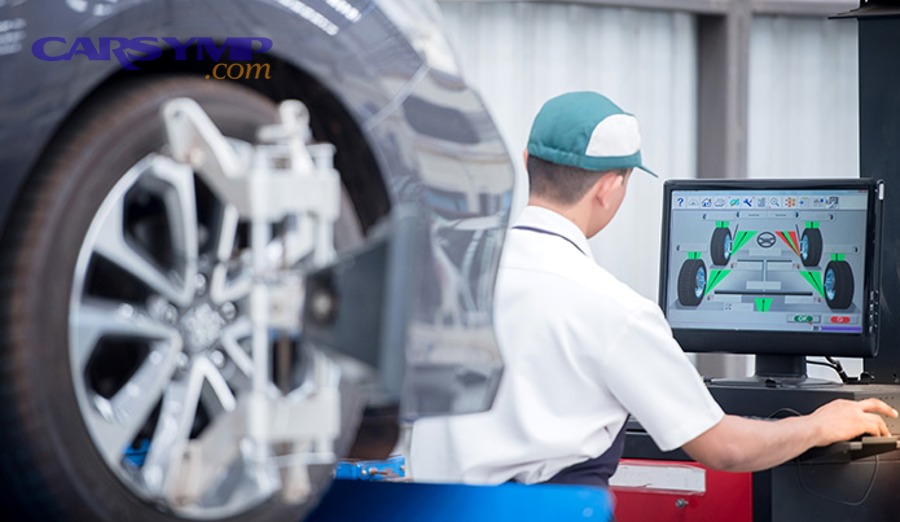
Does Suspension Work Always Require an Alignment?
Yes, suspension work often requires an alignment because many repairs alter geometry, affect ride height, or disturb the position of the steering and suspension links.
The most common examples are front struts, tie rods, control arms, ball joints, steering racks, and springs. Even when a technician reinstalls parts carefully, the vehicle can still end up slightly outside factory alignment targets because the new part changes how the wheel sits under load. Monroe’s technical guidance is especially clear on this point: alignment should be performed any time struts or other steering and suspension components are replaced. (monroe.com)
The reason is simple. Alignment is not a cosmetic check. It verifies whether the tire points where it should point and whether it meets the road at the right angle. If toe is off, the tire scrubs sideways as it rolls. If camber is off, one edge of the tread may carry too much load. If caster or steering centering is wrong, the car may wander or the wheel may sit crooked on a straight road. (bridgestonetire.com)
Not every rear-only repair has the same impact, and not every simple part swap guarantees a dramatic change. Still, the practical rule remains solid: if a repair affects steering components, suspension mounting points, or ride height, treat alignment as part of the repair, not as an optional add-on.
According to Monroe’s technical resources, alignment after strut or steering/suspension replacement helps prevent premature tire wear and repair comebacks, which is why the company recommends it anytime those components are replaced. (monroe.com)
Do New Tires Require an Alignment, or Only an Inspection?
New tires do not always require a full alignment, but they do justify an alignment check when uneven wear, pulling, impact damage, or steering symptoms are present.
That distinction matters because tires themselves do not normally move suspension angles. If you remove one worn tire and mount one new tire of the same size, you have not automatically changed camber or toe. However, you may have removed the visual clue that told you something was already wrong. Old tires often hide feathering, inner-edge wear, or one-sided wear until the next set goes on. Then the driver notices a pull, steering wheel offset, or rapid wear on the fresh tires. (bridgestonetire.com)
That is why tire makers and service centers often recommend checking alignment when new tires are installed. Michelin advises checking alignment and balancing when putting on new tires, especially if the vehicle has been through potholes, curbs, or steering instability. Bridgestone also lists uneven tread wear, pulling, and an off-center steering wheel as signs that alignment should be checked immediately. (michelinman.com)
For car owners, the practical conclusion is clear. After tire work, the smarter question is not “Did the tires cause misalignment?” but “Will these new tires wear correctly if the alignment was already off?” That shift in thinking saves money because new tires are often the most expensive wear item affected by delayed alignment.
According to Bridgestone’s published maintenance manual, irregular wear is a reason to check vehicle alignment, and Michelin lists new tire installation among the times alignment and balancing should be reviewed. (bridgestonetire.com)
What Is the Best Time to Get a Wheel Alignment After the Work Is Done?
The best time to get a wheel alignment after relevant suspension or steering work is immediately after the repair and before putting many miles on the vehicle.
That timing question comes up because many drivers hear that parts need to “settle.” In practice, alignment should follow completed installation at normal ride height, not weeks of extra driving.
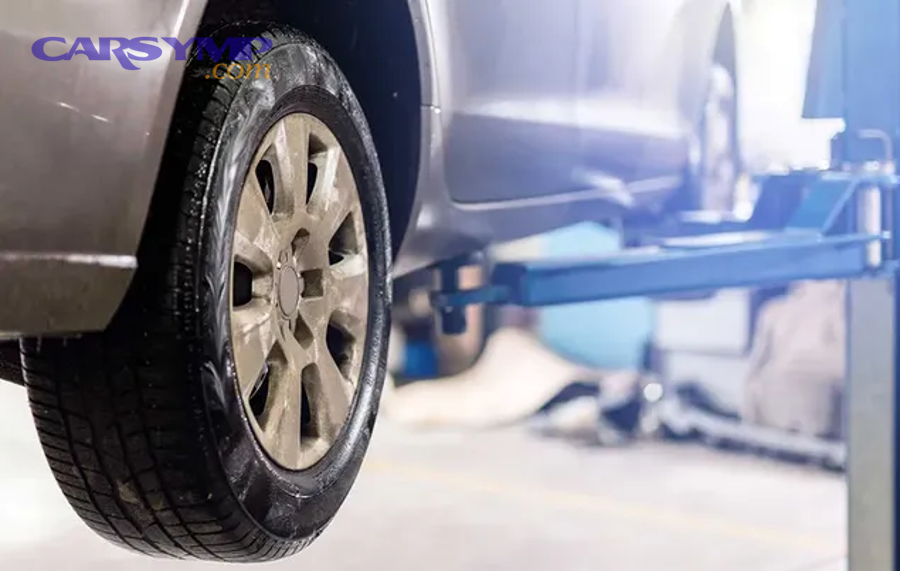
Should You Get an Alignment Immediately After Suspension Repair?
Yes, you should usually get an alignment immediately after suspension repair because early driving on incorrect angles can wear tires quickly and make handling less predictable.
The most important reason is tire protection. Misalignment works on the tread every mile, not only during hard cornering. Excessive toe can scrub the surface continuously, while bad camber can overload one edge. A driver may not notice a dramatic pull on day one, yet the wear has already started. That is why the repair process is not fully complete until the geometry is checked and adjusted where needed. (monroe.com)
Immediate alignment also confirms that the repair solved the original complaint. If the car came in with drift, pull, or steering-wheel offset, the before-and-after readings help verify that the vehicle is now within target. Some service bulletins referenced by NHTSA even instruct technicians to attach alignment printouts to the repair order and confirm steering wheel position after the work. (static.nhtsa.gov)
From a driver’s perspective, “immediately” means as part of the same service event whenever possible. If a shop replaces struts on Monday but asks you to come back later for alignment, keep driving to a minimum until that second step is done.
According to Monroe, alignment should be performed anytime struts or other steering and suspension components are replaced to avoid premature tire wear and customer comebacks. (monroe.com)
Should You Wait for New Suspension Parts to Settle Before Aligning?
No, you usually should not wait for parts to settle before aligning because a properly installed vehicle can be aligned at its final ride height right away.
This myth survives because some drivers confuse minor bedding-in with meaningful geometry change. In reality, the shop should torque components correctly, set the vehicle on the ground, roll or settle it per service procedure, and then measure alignment. That process accounts for normal installation conditions without requiring extended driving. NHTSA-linked service guidance also emphasizes that alignment should be measured with the vehicle in proper curb-weight and normal-condition setup. (static.nhtsa.gov)
There are a few edge cases. Performance suspension systems, adjustable coilovers, and major ride-height changes may benefit from a follow-up inspection after the owner confirms final desired height. But that is not the same as skipping the initial alignment. It means doing the initial alignment now and rechecking later if the setup changes again.
For everyday car owners, the better rule is this: align after installation, then recheck only when you have a specific reason, such as a height adjustment, unusual wear, or a new handling complaint.
According to manufacturer service guidance summarized in NHTSA-linked alignment bulletins, measurements should be taken with the vehicle in proper normal condition, which supports aligning after correct installation rather than delaying for routine driving. (static.nhtsa.gov)
Which Suspension or Tire Jobs Should Be Grouped as Alignment-Required?
There are three main groups of post-service alignment decisions: jobs that require alignment, jobs that strongly justify a check, and jobs that usually do not require adjustment by themselves.
That grouping helps car owners avoid two common mistakes: paying for alignment after work that never changed geometry, or skipping alignment after repairs that almost certainly did.
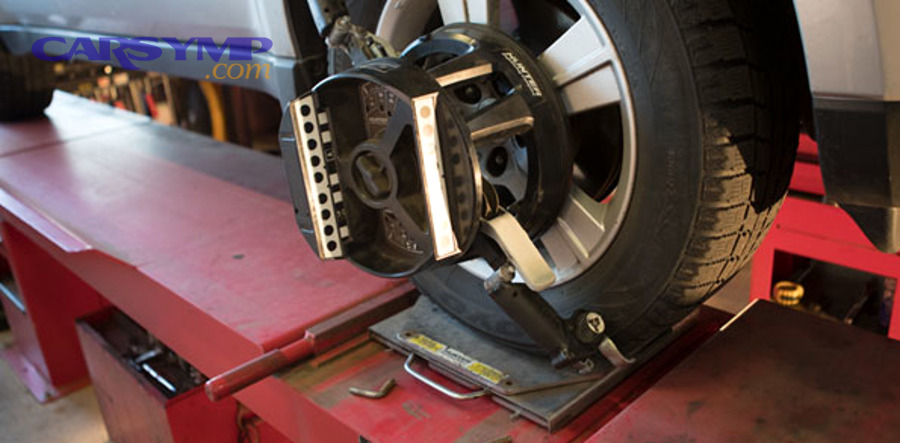
Which Suspension Repairs Usually Mean You Need an Alignment Right Away?
There are six common suspension-and-steering job types that usually mean you need an alignment right away: tie rod work, strut replacement, control arm replacement, ball joint service, steering rack work, and ride-height changes.
Tie rods sit at the center of front toe adjustment, so disturbing them can directly affect whether the front wheels point inward or outward. Struts and some ball-joint or knuckle-related repairs can alter camber, caster, and steering wheel centering. Control arms affect wheel location under the car. Steering rack replacement can leave the steering wheel off-center if the system is not centered precisely before adjustment. Springs, lift kits, and lowering components change ride height, which changes suspension geometry even if no single adjustment point was touched by hand. (monroe.com)
Subframe disturbance also belongs in this group. On many vehicles, moving the subframe even slightly can affect tracking and steering wheel position. That is why front-end collision repair, major suspension disassembly, and some drivetrain-related jobs often end with an alignment check even when “alignment” was not the main reason the vehicle entered the shop.
A useful owner shortcut is to ask one question: did this repair change where the wheel sits, points, or loads the road? If the answer is yes, alignment belongs on the invoice.
According to Monroe, replacing struts or other steering and suspension components should be followed by alignment, and additional service bulletins referenced by NHTSA include post-installation wheel alignment checks after related work. (monroe.com)
Which Tire Services May Not Require Alignment but Still Justify a Check?
There are four common tire services that may not require alignment by themselves but still justify a check: new tire installation, tire rotation, seasonal wheel swaps, and repair after impact-related tire damage.
New tires are the most important item in this group because they raise the financial stakes. A slightly misaligned vehicle might limp along on an already uneven set, but a new set can start wearing badly from the first thousand miles. Rotation is another example. Rotation does not change alignment, yet it can reveal uneven wear patterns that suggest alignment or worn suspension parts should be inspected. Bridgestone’s maintenance manual specifically notes that alignment should be checked if irregular wear is evident. (bridgestonetire.com)
Seasonal wheel swaps also belong here. Snow and summer tire changes do not inherently alter geometry, but they are a perfect time to look for feathering, edge wear, and steering complaints. Flat repair after a pothole or curb hit deserves similar caution because the tire problem may be only one piece of a larger alignment or suspension issue.
The practical takeaway is that tire service often reveals alignment problems rather than creates them. That distinction helps owners make better service decisions.
According to Bridgestone’s published maintenance manual, irregular wear is a reason to check vehicle alignment, and Michelin advises checking alignment and balancing when new tires are fitted or after pothole and curb impacts. (bridgestonetire.com)
What Signs Tell You the Alignment Should Not Be Delayed?
The clearest signs that alignment should not be delayed are pulling, an off-center steering wheel, wandering, and uneven tread wear.
Those signs matter because they move the issue from theory to evidence. Instead of guessing whether the last repair changed anything, you can read the car and the tires for practical clues.
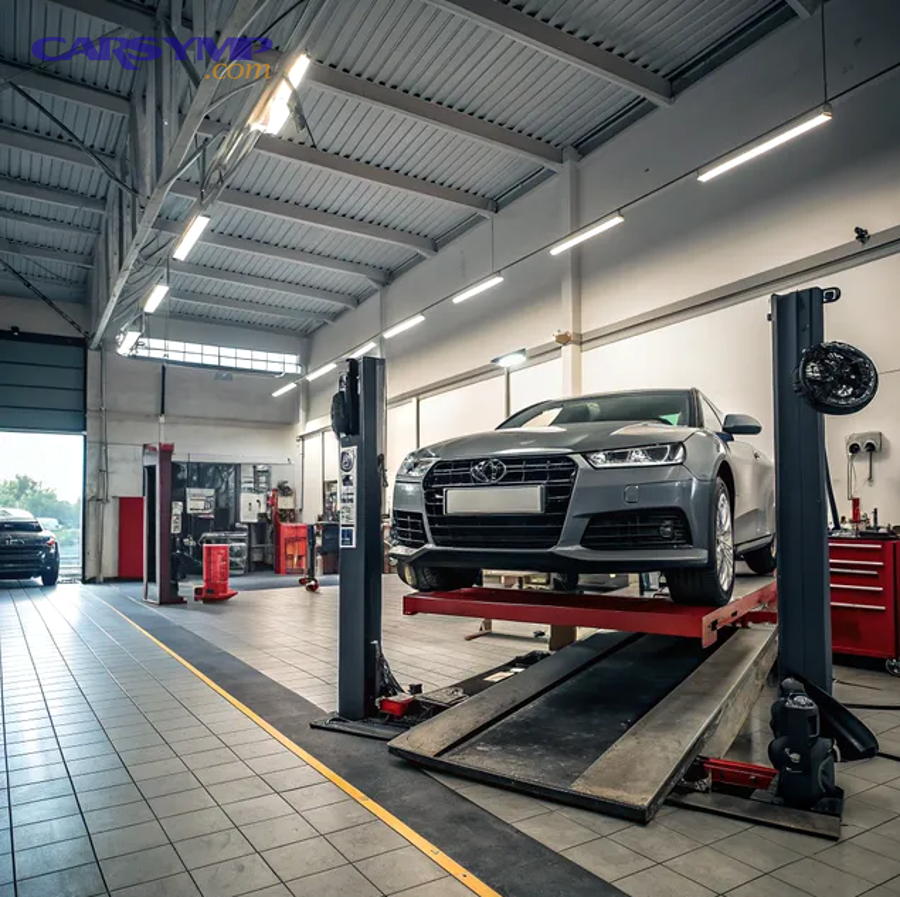
What Driving and Steering Symptoms Suggest Misalignment After Repair?
Misalignment after repair usually shows up as pulling, steering-wheel offset, wandering, unstable straight-line tracking, or a steering feel that no longer matches the car’s pre-repair behavior.
Pulling is the complaint most drivers notice first. On a level road, the car drifts left or right without a steering input. Steering-wheel offset is another classic clue: the wheel sits crooked while the vehicle travels straight. Wandering feels different. Instead of a sharp pull, the car requires repeated small corrections because it will not hold a line cleanly. Bridgestone and Michelin both list pulling and an off-center steering wheel among common alignment indicators. (bridgestonetire.com)
It is also useful to separate alignment symptoms from balancing symptoms. Misalignment tends to create directional issues and uneven wear. Tire balance problems more often create speed-related vibration. The two can coexist, but they are not identical. That matters after tire service because a driver may blame new tires for a problem that is actually a preexisting alignment condition.
If the vehicle behaved normally before suspension work and now feels different, do not dismiss that change as “just new parts.” A post-repair change in tracking or steering centering is one of the strongest reasons to inspect alignment promptly.
According to Bridgestone, uneven tread wear, pulling to one side, an off-center steering wheel, and steering-wheel vibration are key indicators that alignment should be checked immediately. (bridgestonetire.com)
What Tire Wear Patterns Suggest You Waited Too Long?
The main tire wear patterns that suggest you waited too long are feathering, one-sided shoulder wear, and rapid uneven wear across one edge or rib.
Feathering often feels like saw teeth when you run your hand lightly across the tread blocks. Michelin notes that misalignment can create a sawtooth or feathered appearance because the tread is scrubbing erratically against the road. One-sided wear, where the inside or outside shoulder disappears faster than the rest of the tread, often points toward camber or combined alignment issues. Michelin’s commercial tire guidance also links one-sided wear to alignment-spec problems such as camber, toe, or axle parallelism. (michelinman.com)
Rapid edge wear on a new set should never be ignored. A tire can lose a meaningful amount of usable life long before the owner feels a severe handling problem. That is why visual inspection matters. Look across the whole tread, compare inner and outer edges, and check both front and rear tires because some vehicles wear the rear tires unevenly as well.
This is also where How to read an alignment printout becomes useful. If a printout shows toe or camber in the red before adjustment, and your tires show feathering or edge wear, the paper and the tread pattern usually confirm the same story.
According to Michelin, feathered tread edges are a sign of misalignment, and poor alignment can create uneven front or rear tire wear severe enough to reduce durability and contribute to tire failure. (michelinman.com)
What Happens If You Skip or Delay Alignment After Suspension or Tire Work?
If you skip or delay alignment after relevant work, you risk faster tire wear, worse tracking, reduced handling confidence, and higher operating cost.
That consequence is why wheel alignment should be treated as part of the repair decision, not only as a comfort feature.

Can Driving Without Alignment Damage New Tires Faster?
Yes, driving without alignment can damage new tires faster because incorrect toe and camber scrub rubber away with every mile.
The most important factor is cumulative wear. Tires do not need months to show the effect. A small alignment error repeated over highway speed, daily commuting, and cornering load can create a clear wear pattern surprisingly early. That matters most with fresh tires because you paid full price for full tread depth and expect a long service life. Misalignment reduces that value immediately. Bridgestone and Michelin both connect improper alignment with uneven and premature tire wear. (bridgestonetire.com)
New tires can also make misalignment more noticeable because they respond more sharply than old, uneven tires. A driver may think the service “caused” the pull when, in fact, the new tires simply reveal geometry that had already drifted out of spec.
In practical terms, delaying alignment after a strut job or after mounting costly new tires is one of the easiest ways to shorten tire life without realizing it until the tread is already damaged.
According to Monroe, failure to ensure alignment is within factory specifications after strut replacement can lead to premature tire wear, and Bridgestone states that improper alignment causes uneven and early tread wear. (monroe.com)
How Does Delayed Alignment Affect Safety, Fuel Economy, and Handling?
Delayed alignment mainly affects safety and handling first, while fuel economy effects are usually smaller but still possible over time.
Handling suffers because the vehicle no longer tracks cleanly. The car may pull, wander, or need constant correction on a straight road. That increases driver fatigue and reduces confidence in emergency maneuvers. Poor alignment can also change steering response, making the vehicle feel inconsistent between left and right turns. Michelin specifically notes that changes in steering response and pulling are signs that alignment is needed. (michelinman.com)
Fuel economy is the quieter cost. When tires scrub against the road instead of rolling cleanly, rolling resistance can increase. The effect is usually modest compared with tire pressure or driving style, but it still represents wasted energy. More importantly, alignment problems can mask other issues such as worn bushings or damaged components that further affect stability and tire performance.
In short, delayed alignment is not only a tire-life problem. It is a vehicle-behavior problem.
According to Michelin, poor alignment can change handling and steering response, while Bridgestone notes that maintaining proper alignment helps avoid uneven wear and performance-related issues that can shorten tire life. (michelinman.com)
How Can Car Owners Decide Whether They Need Alignment Now, Soon, or Only a Check?
Car owners can decide by using a three-level rule: align now after geometry-changing repairs, schedule a check soon after revealing services like new tires, and monitor only when no symptoms or wear clues exist.
That rule works because it matches service urgency to actual risk instead of applying the same answer to every job.
What Is a Simple Rule for Alignment After Suspension Work?
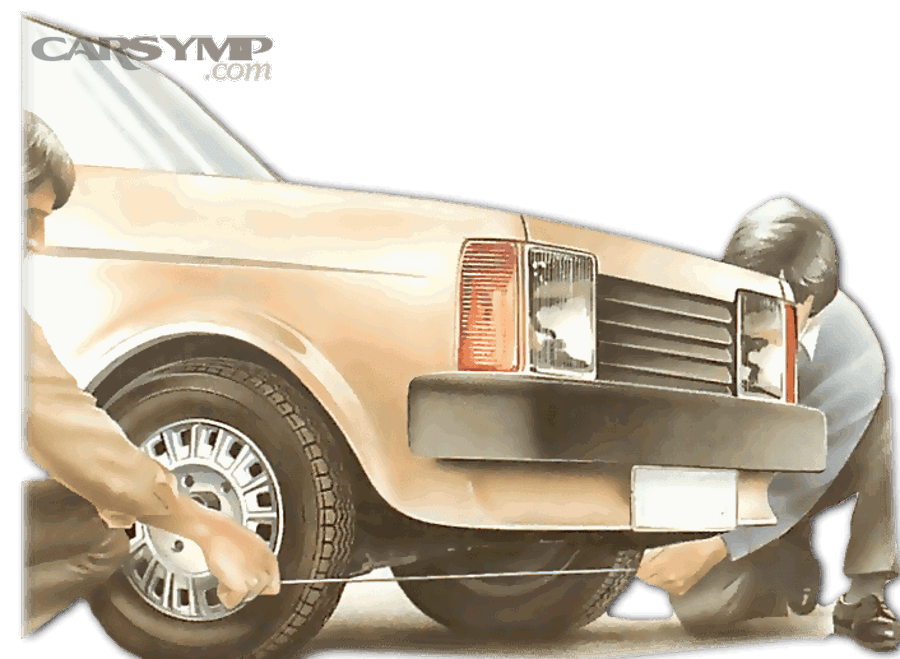
The simplest rule is this: if the repair touched steering, suspension geometry, or ride height, get the alignment now.
That covers most front-end repairs that owners worry about. Tie rods, front struts, control arms, ball joints, rack work, springs, and lift or lowering components all belong in the align-now category. Even when a shop says it “put everything back where it was,” component tolerances and worn-part replacement can still change final angles enough to matter. (monroe.com)
A helpful follow-up question is whether the car has before-and-after documentation. If the shop provides a printout, you can see what was out of spec before adjustment and what changed after. That is not just paperwork. It is confirmation that the repair ended with a measured result.
How to read an alignment printout becomes easier when you focus on three items first: toe, camber, and caster. Toe often matters most for tire wear. Camber often explains edge wear. Caster helps straight-line stability and steering return, although it is not always adjustable on every vehicle. A typical printout will also show target ranges and whether the readings are inside or outside spec.
What Is a Simple Rule for Alignment After Tire Work?
The simplest rule after tire work is this: schedule at least an alignment check when you install new tires, notice uneven old-tire wear, or hit a pothole or curb.
This category is more conditional than suspension work because tire service often reveals alignment trouble rather than causes it. If the old tires wore evenly, the vehicle tracks straight, and there was no recent impact, a mandatory adjustment may not be necessary. But if any warning sign exists, checking alignment is cheap insurance for a new set of tires. (michelinman.com)
This is also the right place to understand 2-wheel vs 4-wheel alignment differences. A 2-wheel alignment typically adjusts the front wheels only and is most relevant on vehicles where only the front is adjustable or when the rear geometry is fixed. A 4-wheel alignment measures all four wheels and is the preferred approach on most modern passenger vehicles because rear alignment can affect thrust angle, steering wheel position, and how the car tracks down the road. If the rear is out, adjusting only the front may not solve the real problem. NHTSA-linked service bulletins include rear wheel alignment procedures and emphasize normal-condition setup before measurement, reinforcing that rear geometry matters on many vehicles. (static.nhtsa.gov)
For owners reading a shop estimate, that difference matters. The better question is not “Which is cheaper?” but “Which matches my vehicle’s design and symptoms?”
According to Michelin, alignment and balancing should be checked when putting on new tires or after pothole and curb impacts, and manufacturer service guidance linked through NHTSA includes rear alignment checks and printout verification where applicable. (michelinman.com)
What Special Cases Can Change Alignment Timing or Inspection Priorities?
Special cases that can change alignment timing include ride-height modifications, wheel-and-tire fitment changes, vehicles with steering-angle or ADAS calibration needs, and impact damage that shows up during routine tire service.
These cases sit beyond the everyday repair decision, but they matter because they often explain why one vehicle needs more careful follow-up than another.
How Is Alignment After Struts, Lift Kits, or Lowering Springs Different from Standard Suspension Repair?
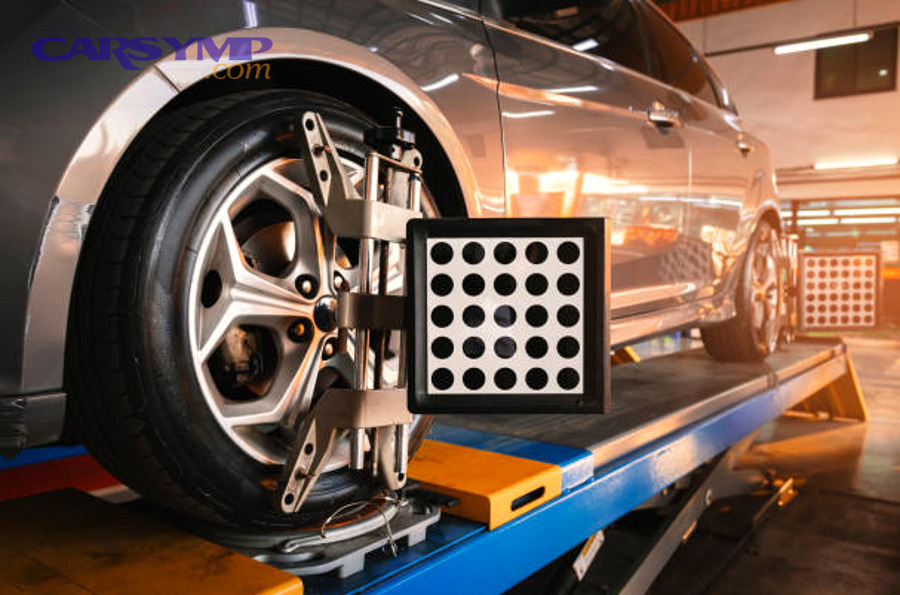
Alignment after struts, lift kits, or lowering springs is more sensitive because ride-height changes alter geometry across the full suspension range.
Standard replacement struts usually restore worn hardware toward original behavior, but lift and lowering components intentionally change the vehicle’s stance. That can shift camber, toe, and caster relationships enough that an ordinary “set the toe and go” approach may be incomplete. Monroe’s installation guidance notes that ride height must remain within manufacturer specifications to avoid damage and ensure correct tire alignment. (monroe.com)
The practical result is that modified vehicles often need a shop familiar with those setups. Some may require aftermarket correction parts, repeat adjustments after final height is chosen, or more careful owner expectations about tire wear tradeoffs.
Does Changing Wheel Size, Tire Size, or Offset Affect Alignment Decisions?
Changing wheel size, tire size, or offset does not automatically change alignment angles, but it can change how strongly existing alignment problems show up.
A wider tire may follow road grooves more aggressively. A lower-profile tire may make steering pull easier to notice. A different offset can alter scrub radius and steering feel, which may make the vehicle feel “off” even if the measured alignment numbers remain close to spec. That is why fitment changes often justify an alignment check even when no suspension part was replaced.
In practice, this means modified-wheel owners should not assume that a new shake, drift, or uneven wear pattern is only a wheel-balance issue. The new package may simply be revealing a geometry problem that the old setup masked.
Can a Steering Angle Sensor or ADAS System Need Attention After Wheel Alignment?
Yes, some vehicles can need steering-angle sensor or related system attention after wheel alignment or front-end repair.
This is most relevant on modern vehicles with stability control, lane-keeping functions, or advanced driver-assistance features that depend on accurate steering-center information. NHTSA-linked service procedures include cases where technicians verify steering wheel centering, attach alignment printouts, and adjust the steering angle sensor if necessary. (static.nhtsa.gov)
For owners, the lesson is simple: if a warning light appears after alignment or the steering wheel no longer matches the car’s straight-ahead path, ask whether sensor calibration was checked as part of the repair.
Should You Get an Alignment After a Curb Hit or Pothole Even If the Tire Work Seemed Minor?
Yes, you should get an alignment check after a curb hit or pothole because impact damage can affect tires, wheels, and suspension at the same time.
Minor tire work after an impact can distract from the deeper issue. A shop may patch or replace a damaged tire, yet the hit may also bend a component, knock toe out, or start a wear pattern that appears later. Michelin specifically recommends checking alignment and balancing after hitting potholes, curbs, or road debris. (michelinman.com)
That is why impact-related tire service belongs in the “check soon” category even if the vehicle still feels mostly normal. The cost of inspection is small compared with the cost of ruining a fresh set of tires or driving with hidden suspension damage.
According to Michelin, alignment and balancing should be checked after impacts such as potholes, curbs, or road debris because these events can create pulling, vibration, and steering instability. (michelinman.com)
In sum, the best answer to when to align after suspension or tire work is practical rather than vague: align immediately after repairs that affect steering, geometry, or ride height; schedule at least a check after new tires or impacts; and use tire wear, steering feel, and the printout itself to confirm the decision. That approach protects tire life, preserves handling, and turns wheel alignment from an upsell into a measurable part of proper repair.