


If you’re already “in there” replacing a belt, the smartest move is to verify the belt, tensioner, and pulleys as one working system—because a new belt can’t perform on worn geometry, weak spring force, or misaligned bearings.
You’ll learn what to check on the belt itself (wear patterns that matter more than cracks), how to judge tensioner travel and damping, and how to catch pulley or alignment issues that quietly destroy a fresh install.
We’ll also cover quick verification steps after reassembly so you can confirm stable tension, correct routing, and predictable noise behavior before the hood closes.
To introduce a new idea: after the core inspection, we’ll expand into edge cases—contamination, modern belt materials, and system interactions—so your replacement doesn’t become a comeback.
What belt condition should you verify before you put the new one on?
Yes—verify belt type, rib profile, and length match, and confirm the old belt’s wear pattern, because it tells you whether the failure was age-related or driven by misalignment, contamination, or a weak tensioner.
To start, treat the removed belt like a “diagnostic report”: it can reveal whether the system needs more than just a belt.
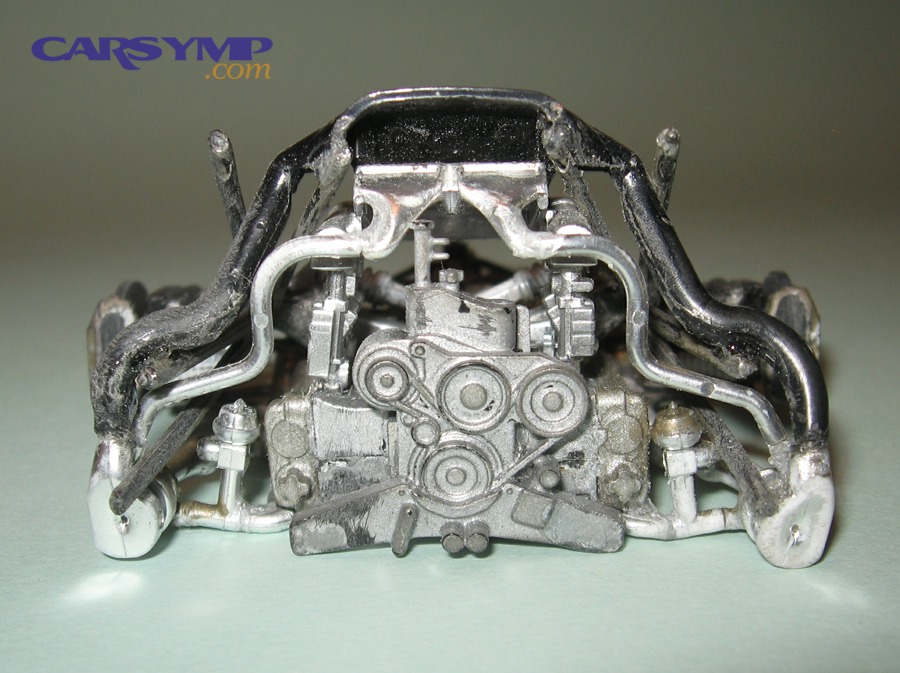
How do you read wear patterns like glazing, rib rounding, and edge fray?
Glazing usually means slip, rounded ribs point to material loss, and edge fray commonly signals misalignment or a pulley that’s not running true; the key is to match the wear location to where the belt rides and which pulley face is doing damage.
Next, use these quick “pattern → likely cause” links to keep your flow consistent:
- Shiny, glassy ribs (glazing): belt slipping from low tension, contamination, or a pulley load spike; often paired with intermittent squeal at startup.
- Ribs rounded or “U” shaped in the grooves: material loss on EPDM belts; grip declines even if cracks are minimal.
- One edge frayed or cords showing: misalignment, bent bracket, worn bearing, or improper routing that forces side-load.
- Chunks missing / deep cuts: debris ingress or a damaged pulley groove; check for nicks on pulley lands.
To connect this to real-world service decisions, it’s common to find these patterns during alternator replacement or other front-end accessory work—because the belt may have been removed and reinstalled multiple times, increasing the chance of routing errors or side-loading.
Why cracks are no longer the best “replace it” signal on many belts
Modern EPDM belts can look “fine” (few cracks) while losing rib material that reduces traction and changes how the belt seats in the pulley grooves; that’s why profile and rib depth matter more than simply counting cracks.
The practical implication is simple: don’t let a clean-looking belt convince you the system is healthy if you’re seeing slip symptoms, light-load squeal, or inconsistent accessory behavior.
The research-backed takeaway is that cracks alone can be misleading on EPDM. Theo nghiên cứu của Gates Corporation từ Technical Department, vào 2017, EPDM belts may run 100,000 miles or beyond without visible cracks, and even as little as 5% rib material loss can create drivability issues like slip.
What “match check” prevents immediate problems on install day?
Confirm the belt’s correct length and rib count, compare the routing path to the under-hood diagram (or service manual), and verify the belt sits centered on every grooved pulley; if it rides a flange or walks sideways, stop and correct alignment before running the engine.
After that, do a fast tactile check: the belt should not feel oily, tacky, or swollen—because contamination changes friction and can trigger squeal even with correct tension.
How do you check the tensioner so a new belt doesn’t slip or squeal?
Check that the tensioner moves smoothly through its travel, holds steady (good damping), and sits within the working range indicator, because weak spring force or poor damping is a top reason new belts still squeal.
Next, you’ll evaluate the tensioner like a component—not just a pulley—so you can decide whether it should be replaced with the belt.
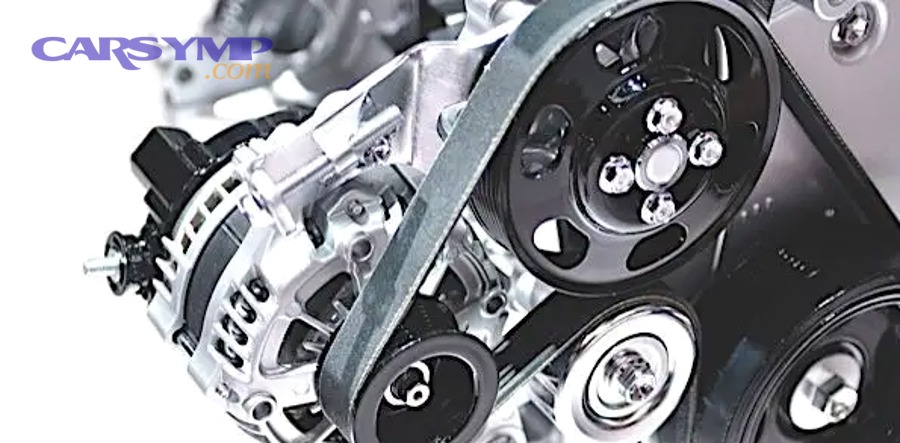
What does “range of travel” mean, and how do you verify it quickly?
Range of travel is the tensioner arm’s usable sweep where it can maintain correct belt tension as the belt stretches slightly and loads change; you verify it by releasing and reapplying tension and confirming the pointer stays inside the marked window (when present).
To be specific, you want:
- Free movement: no sticking, binding, or “notchy” feel.
- Return control: arm returns smoothly, not snapping violently or creeping slowly as if seized.
- Indicator sanity: if there’s a pointer window, it should not sit at the extreme ends with a correctly sized belt.
This is especially important after any component swap where the belt path changes slightly; for example, during Alternator replacement labor time planning, many techs treat the tensioner as a “while-you’re-here” check because access is already open and the risk of a comeback is expensive.
How can you tell if damping is weak without special tools?
With the engine off, move the arm slightly and release it: a healthy tensioner returns with controlled motion, while a weak or worn damper oscillates or “bounces,” which allows belt flutter and audible squeal under transient loads.
Then, when running (with safe clearance), observe the tensioner arm: excessive vibration, rapid flutter, or visible belt whip suggests damping or alignment issues—don’t assume the belt is the culprit.
When is it smarter to replace the tensioner with the belt?
Replace the tensioner when you see weak damping, noisy bearings, misalignment at the pulley face, or if mileage/age suggests spring fatigue; doing so prevents the new belt from being forced to operate on unstable tension.
Additionally, many service systems treat belt, tensioner, and idlers as a wear-matched set. Theo nghiên cứu của Dayco Aftermarket North America từ Tech Hub, vào February 2025, belts, tensioners, and pulleys wear at similar rates and replacing them together helps prevent comebacks and noise issues.
How do you inspect pulleys and alignment in one pass while the belt is off?
Spin, listen, and feel every pulley, then verify alignment and bracket integrity, because a slightly rough bearing or subtle misalignment can shred a new belt in weeks.
After that, you’ll translate what you feel into a clear “replace now vs monitor” decision.
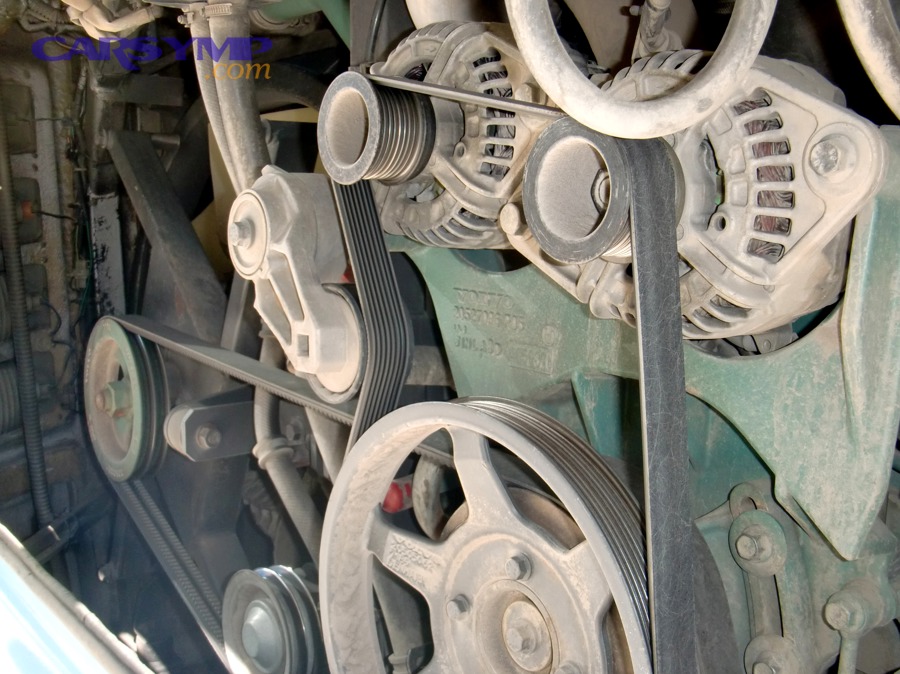
What’s the fastest bearing health test for idlers and accessory pulleys?
Rotate each pulley by hand and check for roughness, grinding, or a “dry” sound, then rock it gently to feel for play; any looseness, wobble, or gritty rotation suggests the bearing is failing or contaminated.
Next, use this simple checklist to keep your flow tight:
- Sound: quiet is normal; scraping, clicking, or growling is not.
- Feel: smooth rotation is normal; notchiness points to bearing damage.
- Play: side-to-side movement indicates wear that can cause misalignment and belt walk.
How do you spot misalignment without a laser tool?
Use a straightedge across pulley faces (or sight down the grooves) and look for one pulley sitting “in” or “out” relative to the belt plane; also check brackets for cracks or bent mounts that shift pulley position under load.
Then verify that every grooved pulley is clean and that the groove lands are not damaged—nicks or corrosion can cut belt ribs and start edge fray.
For shops using advanced alignment tools, the principle is the same: correct plane alignment reduces noise and wear. Theo nghiên cứu của Dayco Aftermarket North America từ Tech Hub, vào February 2025, using alignment verification (including laser tools) is recommended to reduce squeaks/squeals and improve system performance.
What routing mistake most often causes immediate belt walk?
Misrouting over/under an idler or around a smooth pulley incorrectly is the most common cause; it changes wrap angle and can force the belt to run off-center, especially on spring-loaded tensioners that amplify small routing errors.
To illustrate, always compare your routing to the factory diagram and confirm the belt contacts the correct side (ribbed vs smooth) of each pulley.
How do you verify correct tension and tracking after the belt is installed?
Verify the belt is fully seated in every groove, confirm the tensioner sits in its operating range, and run a short observation test for wobble, chirp, or flutter—because those early signals predict premature wear.
Next, you’ll perform quick checks that prevent “it sounded fine for 30 seconds” failures.
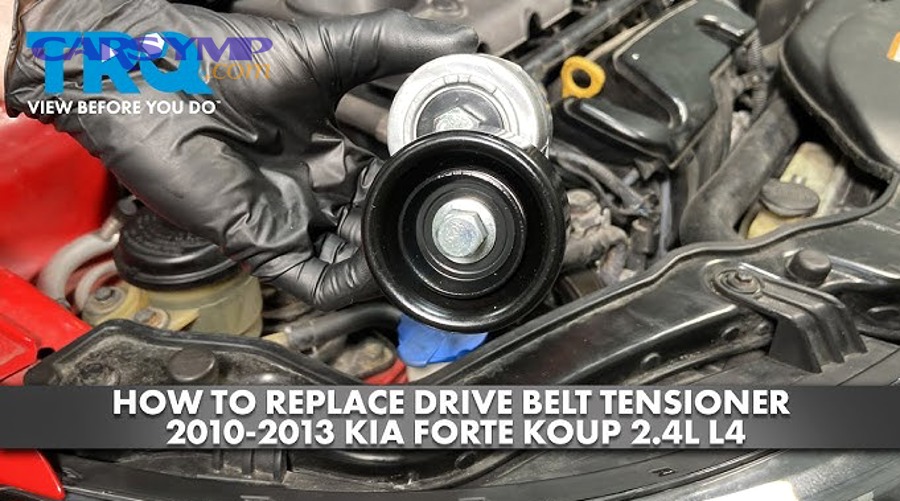
What “seating check” catches most installation errors in seconds?
Look at each grooved pulley: every rib must sit inside a groove, not riding on pulley tips or hanging over an edge; one rib out of place can destroy the belt rapidly and create a rhythmic chirp.
After that, rotate the engine by hand (when safe and feasible) or bump-start briefly and recheck seating; belts can “settle” into place, revealing misalignment that wasn’t obvious at rest.
How do you diagnose tracking problems by observing belt behavior?
If the belt wanders laterally, rides a flange, or walks toward an edge, you likely have misalignment, pulley wobble, or a tensioner arm angle issue; tracking is a geometry problem before it’s a belt problem.
To introduce a new idea, don’t ignore water-related slip behavior: reduced clearance and debris can change friction dramatically in wet conditions.
Theo nghiên cứu của Gates Corporation từ Technical Department, vào 2017, material loss can reduce belt-to-pulley clearance and contribute to “hydroplaning” behavior (slip on water/debris) similar to a tire on a wet road.
Which quick electrical checks help confirm the belt drive is stable?
Once mechanical tracking is verified, you can validate system stability by checking charging consistency and load response—because belt slip can mimic an electrical fault under high accessory demand.
For example, Alternator testing with multimeter (voltage output at idle vs with electrical loads) can reveal intermittent slip if voltage drops coincide with squeal or belt flutter; this doesn’t replace mechanical inspection, but it connects symptoms to causes.
When should you replace the belt, tensioner, and pulleys as a set instead of “belt only”?
Replace the set when mileage is high, wear signs overlap, or any pulley/tensioner bearing is questionable, because the system components age together and one weak part can quickly ruin a new belt.
Next, you’ll use mileage and symptom clustering to choose the most cost-effective scope—without gambling on a comeback.
What mileage-based rule-of-thumb supports system replacement planning?
If the drive system is past the typical wear window and you can’t verify service history, replacing belt plus tensioner and key idlers is often the lowest-risk approach; it prevents repeating labor when a bearing fails shortly after.
Here is a practical way to decide:
- Unknown history + high mileage: lean toward system replacement.
- Any bearing noise/play: replace that pulley now.
- Tensioner flutter or weak damping: replace tensioner with belt.
- Contamination exposure: replace belt and recheck seals/leaks that caused it.
Theo nghiên cứu của Dayco Products, LLC từ TECH_TIPS LD, vào 2021, over 80% of belt failures and replacements occur after vehicles pass about 85,000 miles, supporting system-level replacement planning around that threshold.
How do you compare parts cost vs repeat labor risk?
Even when parts cost is higher, replacing the system together can reduce total ownership cost by avoiding repeat teardown, repeated diagnostics, and customer downtime; the “cheap belt now” approach is only smart when the rest of the system is demonstrably healthy.
To connect this to everyday shop reality, any time you already budget for front-end access—like during alternator replacement—the incremental effort to replace a tensioner or idler can be small compared to the penalty of doing the job twice.
What symptoms point to “system problem” rather than a bad belt?
Repeated squeal after a new belt, belt dust accumulation, visible belt flutter, and intermittent accessory performance changes typically point to tensioner damping, misalignment, or pulley bearing issues rather than the belt itself.
In practice, these are also common contributors behind Common alternator noise causes complaints—because what sounds like a charging unit problem can actually be an idler bearing, a weak tensioner, or a belt slipping on the pulley.
To introduce a new idea: once the baseline checks are covered, the remaining “hard cases” are usually about materials, contamination, and how modern accessory loads interact with the belt drive.
Advanced checks that prevent rare failures and confusing comebacks
Yes—advanced checks focus on EPDM wear detection, contamination effects, and system interactions that can mimic other faults, because modern belt drives are sensitive to small changes in friction, alignment, and load spikes.
Next, you’ll use a short set of “rare but real” checkpoints to tighten your diagnostic certainty.
How does EPDM wear change what you should measure?
EPDM belts often wear by rib material loss rather than cracking, so gauge-based rib profile checks and close inspection of groove shape are more reliable than “cracks-per-inch” rules; the goal is to catch loss of traction before slip begins.
To make this concrete, focus on whether the ribs still have crisp geometry and whether the belt sits correctly in the pulley groove without bottoming out.
What contamination matters most, and why cleaning is not enough
Oil, coolant, and power steering fluid can change friction, swell rubber, and create chronic squeal; even if you wipe the belt, absorbed contaminants can persist, so replacing the belt—and fixing the leak—beats trying “belt dressings” or surface cleaning.
Also, check nearby seals and hoses because contamination usually has a source that will reappear.
How can load spikes and decouplers create intermittent belt noise?
Some systems include clutched/decoupled pulleys that smooth accessory load changes; if those mechanisms degrade, the belt drive can see pulsing loads that trigger flutter, chirp, or tensioner oscillation that’s hard to reproduce at idle.
When you encounter “noise comes and goes,” prioritize observing belt behavior under changing electrical loads and engine speed transitions.
What torque and mounting checks prevent alignment drift after installation?
Improperly torqued fasteners, missing spacers, or uneven bracket seating can tilt a pulley just enough to walk a belt; always ensure mounting faces are clean, hardware is correct, and components seat flush before final torque.
Finally, recheck alignment after the first short run, because heat and belt seating can reveal a mounting problem that wasn’t visible initially.
FAQ: Practical questions people ask before closing the hood
Yes—most belt-drive comebacks come from a few repeatable mistakes: misrouting, misalignment, ignoring tensioner damping, or overlooking a noisy idler bearing; these quick answers help you validate the job confidently.
Next, use these FAQs as a final checklist before the vehicle leaves the driveway or bay.
Should the tensioner arm move when the engine is running?
A small amount of motion is normal as loads vary, but rapid flutter, bouncing, or wide oscillation is not; excessive movement usually points to weak damping, belt slip, or misalignment that should be corrected immediately.
Is it okay to reuse a belt if it “looks fine” and was removed for access?
Sometimes yes, but only if rib profile is healthy, there’s no contamination, and the belt hasn’t been kinked or damaged during removal; if the system has high mileage or unknown history, replacement is usually safer than gambling on hidden wear.
What’s the safest first step if you hear a squeal right after installation?
Shut down and recheck routing and seating on every grooved pulley, then inspect for contamination and alignment; if everything is correct, evaluate tensioner damping and pulley bearings because new belts often reveal pre-existing system weakness.
Can belt problems mimic a charging or electrical issue?
Yes—belt slip can reduce alternator speed under load and cause voltage to dip intermittently; pairing mechanical observation with Alternator testing with multimeter helps you confirm whether the issue is drive-related or electrical.