


If your central locking is not working, the cause is usually electrical (power, signals, or control modules) or mechanical (binding latches, worn linkages, or jammed actuators). The fastest way to narrow it down is to notice whether all doors fail together or only one door fails.
When the problem feels like a power lock failure, look for patterns: does it fail only from the key fob, only from the inside switch, only when the engine is off, or only in cold/wet weather? Those patterns point directly to where the signal or power is being lost.
Another common clue is sound: a healthy system often makes a brief “click” or “thunk.” If you hear a click but the knob barely moves, the system may have power but is fighting resistance. If you hear nothing at all, you may be missing power, ground, or command.
To introduce a new idea, think of the central locking system like a chain: the battery feeds protection (fuses), protection feeds switching (relays), switching feeds control (modules), and control commands the door hardware. Break any link and the locks won’t respond—so we’ll test the chain in a logical order.
Why do all door locks stop responding at once?
When every lock stops working together, the most likely causes are shared power loss, a failed relay, a control module problem, or a system-wide signal issue rather than a single door part.
Next, focus on what the locks still do—because “what still works” tells you which part of the chain is alive.
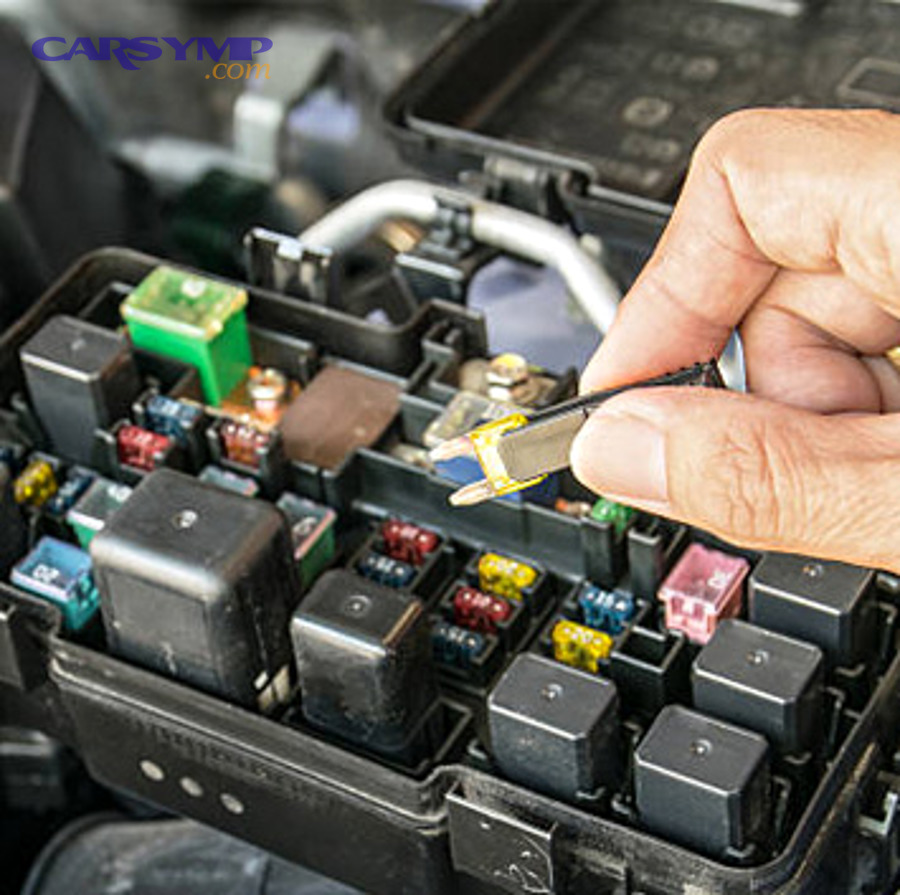
Shared power loss: blown fuse, poor battery feed, or corroded connections
If the central locking is not working from every switch, the first suspicion is that the system lost its protected power supply. Many vehicles split power door locks into multiple circuits, but there is often at least one shared fuse or feed that energizes the lock control and switch logic.
To begin, check for other symptoms of shared power loss: interior lights acting odd, windows failing, mirrors not adjusting, or the radio resetting. If multiple cabin features fail together, a shared feed or body electronics power distribution is more likely than a door-specific issue.
Also consider corrosion and heat: fuse blades and fuse-box terminals can oxidize or loosen over time, raising resistance. A circuit can look “fine” but still starve current when the locks demand a short burst of power. If the locks work intermittently when you tap the fuse box area or after the cabin warms up, suspect a marginal connection.
Relay or integrated switching failure
Some cars use a dedicated door-lock relay; others integrate switching inside a body control module. Either way, a failed switching element can silence the whole system even if the fuse is intact.
To understand this better, remember that door locks are brief high-current events. A relay contact that is pitted, burnt, or sticking can prevent enough current from reaching actuators. In practice, you might see “weak” movement on multiple doors, or the locks might respond once and then stop until the relay cools down.
If your vehicle has an accessible relay, swapping it with an identical known-good relay (from a non-critical circuit) can be a fast diagnostic shortcut. If it’s integrated, you’ll rely more on symptom grouping and scan-tool data in later steps.
Body control module or central electronics issue
If the fuse and switching power test good, the next shared point is the module that interprets the switch or remote command and then drives the locks. A glitchy module can ignore commands, misread inputs, or disable outputs after detecting abnormal current draw.
To be specific, some systems enter a protective state if a lock motor draws too much current (from a jammed latch or failing actuator). That can make it look like the entire central locking is not working, even though the module is actively preventing damage. This is why “all doors fail” can still be caused by a single door that is binding severely.
Why does only one door lock not work while the others do?
If only one door fails, the most likely causes are a failing actuator, a mechanical bind in that latch/linkage, or a broken wire where the harness flexes into that door.
After that, use the “sound and feel” test—because one-door failures usually reveal themselves through noise, stiffness, and inconsistent movement.
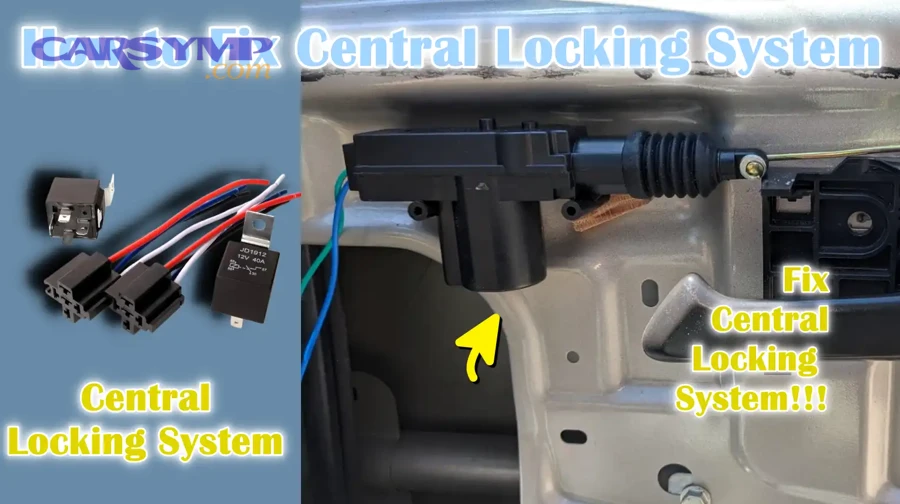
Actuator weakness: it clicks, buzzes, or barely moves
A tired actuator can still make noise but not generate enough force to move the lock mechanism through its full travel. You may notice the lock knob twitching, or the door half-locking and then popping back.
To illustrate, compare behavior door-to-door. If the driver door locks crisply but the rear door hesitates, that asymmetry is strong evidence of a door-local problem. Over time, actuator gears wear, motor brushes degrade, and internal lubrication dries out—especially in high-use doors.
In practice, a weak actuator often fails first in cold weather when grease thickens and friction rises. That’s why some one-door problems appear “seasonal” even though the part is already failing.
Mechanical binding: sticky latch, bent linkage, or misaligned door
Sometimes the actuator is fine, but the door hardware is stiff. If you feel unusual resistance when locking manually, or the inside knob doesn’t move smoothly, the latch or linkage may be binding.
Next, check for a door that needs to be slammed to close, a door that sits slightly proud of the body line, or a door that rattles. Misalignment can create latch friction. A lock mechanism fighting friction can overload the actuator, which can eventually trigger protective shutdown or accelerate failure.
Lubrication helps only when used correctly: apply a latch-safe lubricant to latch pivots and moving metal surfaces, and avoid soaking electrical actuator housings. If lubrication briefly improves operation, you’ve confirmed friction is part of the cause.
Door-local wiring: broken conductors near the hinge area
One of the most common “single door” reasons is wiring fatigue. The harness bends every time you open the door, and individual strands can break inside insulation while still looking normal from the outside.
To begin, test whether the problem changes when the door is partially open or when you gently wiggle the rubber boot between the door and body. If the lock works only at certain door angles, suspect a flex-point wire break. This can affect power, ground, or the command signal depending on design.
Because wiring faults can be intermittent, avoid forcing the lock repeatedly—rapid cycling can overheat a weak circuit or confuse the control module’s fault detection.
Can a weak battery or charging issue cause power lock failure?
Yes—low system voltage can cause a power lock failure because actuators need a brief surge of current, and modules may disable outputs when voltage falls below their operating threshold.
Next, separate “low voltage” symptoms from “signal” symptoms by testing locks with the engine off and then running.
How low voltage shows up in real behavior
Low voltage usually causes weak, slow, or inconsistent movement across multiple doors rather than a clean, single-door failure. You might hear relays clicking but locks not moving, or you might see the interior lights dim noticeably when you press the lock button.
To start, compare behavior in three states: engine off after sitting overnight, engine off immediately after a drive, and engine running. If the locks are worst after sitting and improve after driving, that points to battery state-of-charge or parasitic drain. If they remain weak even while running, charging output or a high-resistance connection is more likely.
Also remember that modern vehicles can intentionally restrict non-essential functions when the battery is weak. A vehicle may allow starting but limit convenience features to preserve energy.
High resistance can mimic a dead battery
A healthy battery can still deliver poor lock performance if there is resistance in the power path—corroded battery terminals, loose grounds, or oxidized junction points can drop voltage under load.
Next, look for clues like slow cranking, occasional dash resets, or electronics acting “haunted.” These often show that voltage is collapsing under load, not necessarily that the battery is completely dead.
If you suspect resistance, the most revealing test is measuring voltage drop during a lock command at the battery, at the fuse box feed, and at the lock circuit feed. Large differences point to the segment with the loss.
How do key fob and receiver issues mimic central locking problems?
Remote-control faults can look like central locking not working causes because the locks may still work from the inside switch, making the system seem “random” depending on how you test it.
Next, confirm whether the locks fail from the remote, from the interior switch, or from both—because that single distinction saves a lot of time.
Dead fob battery, damaged buttons, or desynchronization
A weak key fob battery can reduce signal strength enough that the car “sometimes” receives commands, especially if you are far away or if the car is in a parking structure. Worn buttons can also fail intermittently, giving false confidence when you test once and it works.
To be specific, if the vehicle locks reliably from the interior switch but not from the remote, start with the fob battery and the fob’s physical condition. Many fobs show early failure as “works only when very close” or “works only after multiple presses.”
Some vehicles also require re-synchronization after battery replacement or after a long period of non-use. If the fob suddenly stopped after a battery change, follow the vehicle’s pairing procedure.
Receiver, antenna, or interference issues
If multiple fobs behave the same way, the problem may be the receiver side: antenna connection, receiver module, or strong radio interference. Interference can be location-based, so you may notice the system works at home but not at work.
Next, try a controlled test: stand close to the driver door, then close to the rear door, and compare reliability. If the vehicle responds only in specific positions, antenna routing or body shielding may be relevant.
Also consider that some security systems disable remote locking when certain fault conditions exist, such as an open door switch that reports “door ajar” even when closed.
What wiring and ground faults commonly trigger power lock failure?
The most common wiring causes are broken door-harness conductors, poor grounds, and corroded connectors that interrupt current or commands during the lock pulse.
Next, treat wiring as a “movement problem”: any wire that flexes, rubs, or gets wet is a high-probability failure point.
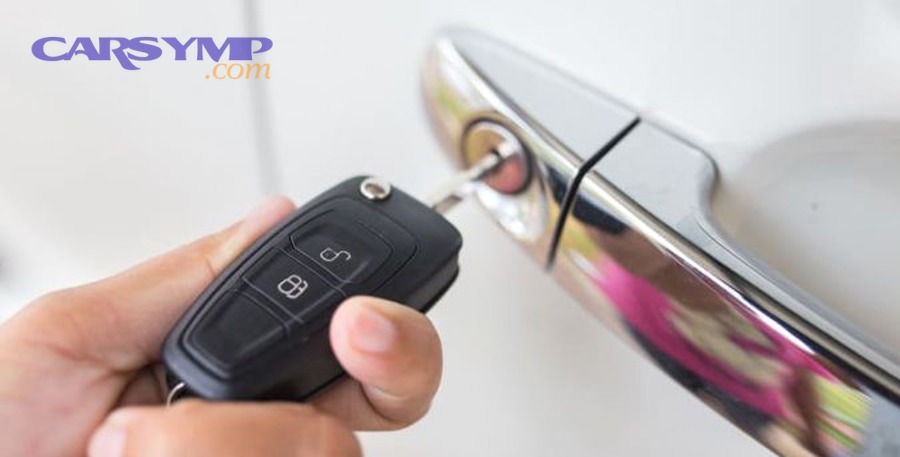
Door-jamb flex zone: the highest-stress section
The harness between the door and the body bends thousands of times. Over years, copper strands can fracture inside intact insulation, causing intermittent opens that appear and disappear with door movement.
To begin, perform a gentle wiggle test while commanding lock/unlock. If results change, you’ve localized the failure zone. At that point, inspect inside the rubber boot for cracked insulation, stretched sections, or previous repairs that have become stiff and brittle.
In the body of repair information, you may see technicians describe Wiring in door jamb failure signs as intermittent lock response, window switch glitches, or mirror issues that appear together. The key is that multiple door functions can share the same harness segment.
Ground problems: silent failures and weak movement
A poor ground can cause anything from total silence to weak, sluggish movement, because the actuator motor needs a complete circuit to deliver torque.
Next, check for other ground-related symptoms: dim interior lamps, crackling speakers when using windows, or unusual behavior when multiple accessories run together. Grounds are shared resources, so several “weird” behaviors can cluster.
Ground faults can also heat connectors. If a connector feels warm after repeated lock cycling, resistance is likely present—stop cycling and diagnose the connection to avoid melting plastic housings.
Connector corrosion and water intrusion
Connectors in door cavities can be exposed to moisture from window seals, vapor barriers, or drainage issues. Corrosion can create high resistance that only fails under load, which is why locks may work when “unloaded” but fail during real use.
To illustrate, a slightly corroded pin might pass a basic continuity check but drop most of the voltage when the actuator demands current. This is why load-testing (commanding the lock while measuring) is more informative than static continuity checks.
How do fuses and relays relate to central locking not working causes?
Fuses protect the lock circuit from overcurrent, and relays (or electronic drivers) switch current to actuators, so faults here can disable multiple doors at once or create intermittent lock behavior.
Next, identify whether you have “no sound,” “relay click only,” or “weak movement,” because each points to a different failure stage.
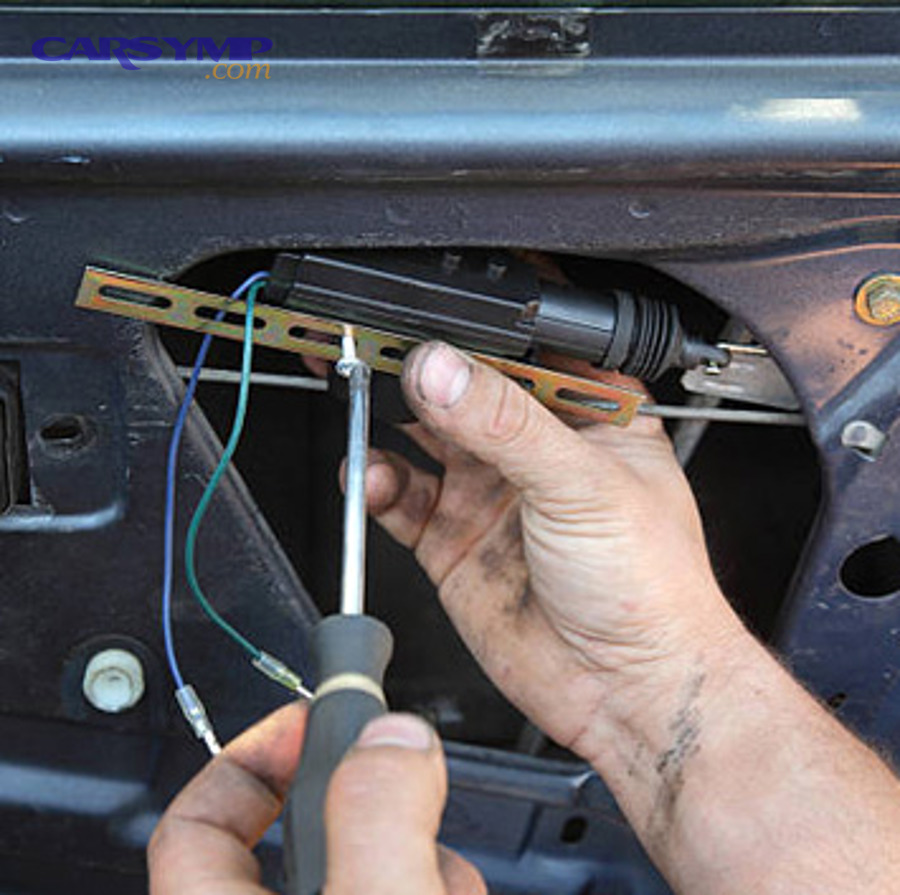
Fast checks you can do without disassembly
If you suspect a fuse, don’t just look—test both sides of the fuse with a meter or a test light under the correct conditions. A fuse can hairline-crack and pass visually, or a fuse socket can lose tension and fail only when the car vibrates.
Next, listen carefully: if you hear a relay click when pressing lock/unlock but nothing moves, power may be reaching the switching stage but not the actuators. That can indicate an open in the actuator feed, a failed driver output, or a protective shutdown due to overload.
In some repair notes, you’ll find the phrase Blown fuse and relay checks for locks used to describe a basic decision tree: confirm protected power, confirm switch output, then confirm actuator response. While the steps are simple, doing them in order prevents replacing parts blindly.
Overcurrent events: why a fuse can blow “because of one door”
It’s tempting to assume a blown fuse means “the system is bad,” but often it means “one component demanded too much current.” A jammed latch, waterlogged actuator, or shorted wire can spike current and take out the shared protection.
Next, if a fuse blows immediately after replacement, stop replacing it repeatedly. Repeated fuse blows can damage wiring and can mask the true fault. Instead, isolate the load by disconnecting door connectors one by one (if accessible) and observing whether the fuse holds.
How can weather, moisture, and mechanical resistance stop locks from moving?
Cold temperatures thicken grease, moisture adds friction or corrosion, and misalignment increases load, so the system may have power but still fail to move the lock hardware reliably.
Next, use the “temperature and timing” pattern: does it fail only on cold mornings, after rain, or after the car sits for days?
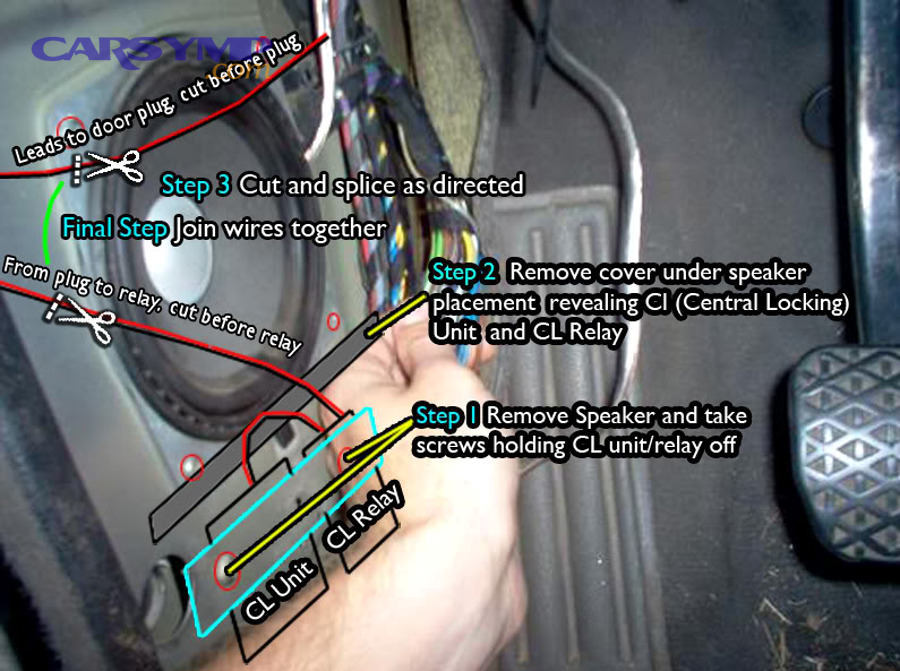
Cold-weather binding and sluggish latches
In freezing conditions, latch grease can stiffen and water can freeze around moving parts. The actuator may still click, but the lock knob will barely move or may stop halfway.
To be specific, if the lock works after the cabin warms up or after several open/close cycles, friction is likely. This is a mechanical root cause that can overload actuators and shorten their life if ignored.
Inspect door seals and vapor barriers too. If water is entering the door cavity, repeated moisture exposure accelerates corrosion and increases drag in linkages.
Door alignment and latch engagement issues
A door that sags slightly can load the latch mechanism. The central locking system then has to fight extra friction each cycle, and failures may appear gradually—first slow movement, then intermittent, then complete non-response in that door.
Next, watch for a door that requires lifting to close, or a door that makes a different sound when shutting. Correcting alignment can reduce load and make the lock function more reliable even before parts are replaced.
How to diagnose central locking not working causes step by step?
The best method is a structured 7-step test: confirm scope, confirm command paths, verify power and ground, isolate door loads, and only then replace parts.
Next, follow the steps in order, because skipping ahead is how people replace the wrong actuator or miss a broken wire.
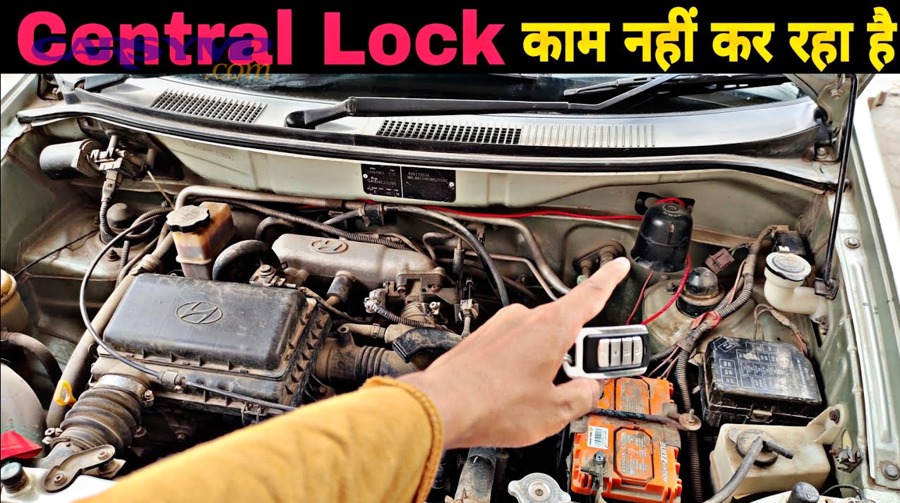
Step 1: Define the scope—all doors or one door?
Start by locking/unlocking from three inputs: the key fob, the interior switch, and the key in the door (if available). Write down what works and what fails. This immediately tells you if you’re dealing with remote-only, switch-only, or system-wide failure.
Next, note whether the locks make any sound. “Sound with no movement” suggests mechanical resistance or weak actuators; “no sound” suggests power/signal problems.
Step 2: Check system voltage and basic power health
Measure battery voltage at rest and while commanding locks. If voltage drops sharply or lights dim, low voltage or high resistance is likely. If the engine-running test improves everything, charge state is part of the story.
Next, inspect battery terminals and primary grounds. A clean, tight connection can restore function in cases that look like mysterious module failure.
Step 3: Verify fuses and related feeds under load
Test the lock-related fuses with a meter or test light, not just visually. Confirm you have power on both sides of the fuse when the circuit is supposed to be active.
Next, if your vehicle uses a relay, verify the relay is switching: you can listen/feel for activation and test the output side for voltage during a lock command. If it clicks but output is missing, the relay contact may be failing or the control side may be switching without delivering current.
Step 4: Isolate the “bad door” even when all doors seem affected
If the system sometimes works and then shuts down, one door may be drawing too much current and triggering protection. If possible, disconnect one door at a time and retest to see if the rest of the system becomes stable.
Next, prioritize the door that shows the strongest symptoms: the one that moves slowest, makes the harshest noise, or feels stiff when operated manually.
Step 5: Test the door-jamb harness and connectors
With the suspect door open, gently flex the harness boot while commanding lock/unlock. If operation changes, inspect wires inside the boot for broken strands and cracked insulation.
Next, inspect connectors for corrosion or loose pins. A pin that backs out slightly can cause intermittent failure that looks exactly like a failing actuator.
Step 6: Confirm mechanical freedom before condemning the actuator
Operate the lock manually and feel for smooth travel. If the linkage binds, fix the mechanical issue first; otherwise, a new actuator may fail quickly because the load remains high.
Next, inspect the latch area for debris and check door alignment. Reducing friction is part of a durable repair, not just a temporary fix.
Step 7: Replace the correct part only after evidence matches
If you have one door with weak/no movement, good power to that door, and no wiring flex sensitivity, the actuator is a prime suspect. If you have system-wide silence plus missing protected power, focus on fuses/feeds before anything else.
Next, document what you found so you don’t lose the pattern. A clean evidence trail prevents repeat failures and helps if you later decide to involve a professional shop.
What symptoms map to which causes most often?
A symptom-to-cause map helps you avoid guessing: the same “locks don’t work” complaint can come from remote issues, module logic, wiring opens, or mechanical binding, and the right fix depends on the pattern.
Next, use the table below as a shortlist generator, then confirm with targeted tests.
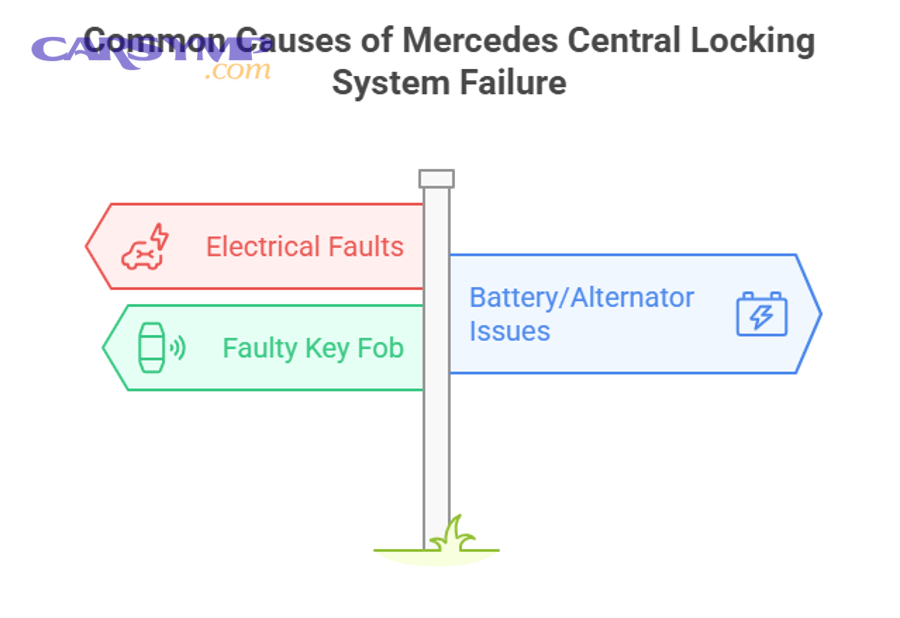
The table below lists common symptoms, the most likely causes, and the best next test to confirm the diagnosis.
| Symptom pattern | Most likely cause | Best next confirmation test |
|---|---|---|
| All doors silent from fob and switch | Shared power loss, fuse/feed issue, module not waking | Test lock-related fuses for power on both sides; verify module wake/voltage |
| Works from switch but not from remote | Fob battery/button issue, receiver/antenna issue | Try spare fob; test range close to vehicle; check door-ajar status |
| One door weak/clicks but doesn’t move | Actuator weak, latch binding, linkage friction | Manual lock feel test; compare sound/force; check for seasonal correlation |
| Locks work only with door at certain angle | Door-jamb harness broken wire | Wiggle/door-position test while commanding; inspect inside rubber boot |
| Locks slow on multiple doors, lights dim on command | Low voltage or high resistance in power/ground | Measure voltage drop during lock command; inspect terminals/grounds |
| Fuse blows repeatedly when attempting lock | Shorted wire, water intrusion, jammed actuator overcurrent | Isolate by disconnecting door loads; inspect for chafing and wet connectors |
When should you DIY versus visit a shop?
DIY is reasonable when you can reproduce the symptom safely and confirm evidence (scope, voltage, fuse status, door-specific behavior), but a shop is wiser when security systems, modules, or repeated fuse blows are involved.
Next, choose based on risk: repeated electrical mistakes can damage modules, while careful testing can save money and prevent misdiagnosis.
DIY-friendly scenarios
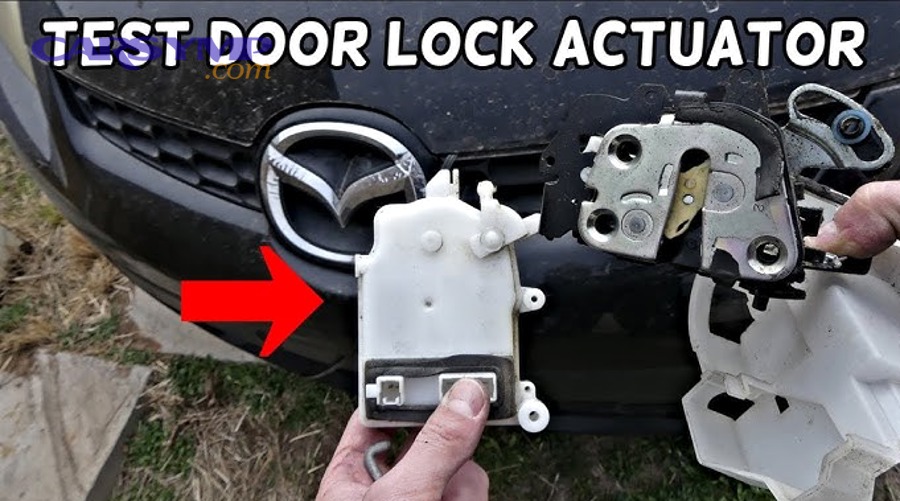
If the remote doesn’t work but the interior switch does, replacing the key fob battery and verifying a spare fob are low-risk steps. If one door is clearly the only failure and the symptom is consistent, inspecting the door-jamb harness and checking for mechanical binding are also reasonable.
Next, if you find stiff manual movement, start with mechanical cleanup and lubrication of latch pivots (done carefully) before replacing electrical components. Fixing friction first prevents repeated actuator failures.
Shop-recommended scenarios
If locks fail along with other body electronics, if the vehicle shows security warnings, or if the problem requires module programming, professional diagnostics are typically faster and safer. Repeated fuse blows, evidence of water intrusion, or burned connectors also justify expert help.
Next, consider scan-tool advantages: some shops can read body control codes, live switch status (door ajar, lock command), and driver output faults. That data can confirm a module-side problem without unnecessary part swapping.
What a good repair plan looks like
A durable repair plan fixes the root cause, not just the symptom. That means addressing moisture entry, wiring fatigue, and mechanical drag so the system doesn’t overwork new components.
Next, when the evidence supports replacement, choose quality parts and ensure door vapor barriers and harness routing are restored correctly. A missing barrier or pinched harness can recreate the same central locking problem within weeks.
Contextual Border: From here, we shift from core causes and diagnosis to micro-level scenarios, edge cases, and prevention habits that reduce repeat failures.
Extra scenarios, edge cases, and prevention habits
Beyond the main causes, some “rare but real” patterns involve security logic, sleep/wake behavior, and environmental habits that stress door hardware over time.
Next, use these cases when your symptoms don’t fit the common table or when the issue appears only in specific situations.
Why do locks work manually but not with electronics?
If the key in the door still locks/unlocks smoothly but the switch and remote don’t, your mechanical side is likely okay and the fault is in power, switching, control logic, or signal reception. That distinction matters because it keeps you from tearing into latch hardware unnecessarily.
Next, confirm whether the interior switch sends any response at all (clicks, slight movement, dash indicator changes). If nothing changes, you’re likely upstream (power/module). If something changes but the door doesn’t move, you’re likely downstream (actuator feed, wiring, or actuator motor).
In many service discussions, you’ll see the phrase central locking repair used broadly, but the most efficient “repair” is often a specific correction like restoring a ground, repairing a flexed wire, or resealing a moisture path—not replacing every lock part.
Why does one door fail first—and then others follow later?
One door can start the problem by creating overload. A stiff latch or failing actuator draws extra current, which can stress shared drivers and protection, and can cause the system to behave intermittently before more obvious failure appears.
Next, treat the first-failing door as a clue, not an isolated annoyance. If you replace one actuator but don’t fix the underlying binding, another door may fail next because the system is still working under strain.
Some DIY guides include a Door lock actuator replacement overview that focuses on panel removal and part swapping. That overview is useful, but pairing it with friction reduction and wiring inspection is what turns a “replacement” into a long-lasting solution.
Can a “sleeping module” or door-ajar sensor block locking?
Yes—if a door-ajar switch falsely reports an open door, the vehicle may refuse to lock or may immediately unlock for safety. Similarly, a module that doesn’t wake properly can ignore commands until another event (like opening a different door) triggers wake-up.
Next, watch for patterns like: locks fail after the car sits, but work immediately after you open/close a door; or the dash shows “door open” intermittently. These point to input-signal faults rather than actuator faults.
In these cases, cleaning or replacing a door latch assembly that contains the ajar switch can resolve what looks like a mysterious electronic lock failure.
FAQ: quick answers drivers ask most
These quick answers help you choose the next test without turning the problem into a parts-shopping guess.
Next, use the shortest test that can confirm or eliminate each possibility.
- Q: The remote doesn’t work, but the inside button does. A: Start with the fob battery, button wear, and range test; if multiple fobs fail, suspect receiver/antenna or interference.
- Q: One door is slow or doesn’t move, but you hear a click. A: Suspect actuator weakness or mechanical binding; compare manual feel and cold/wet patterns.
- Q: The locks worked yesterday, now nothing works anywhere. A: Check shared power protection and feeds first, then relay/module behavior, especially if other cabin features act odd.
- Q: The locks work only when the door is partly open. A: That strongly suggests a door-jamb harness break—inspect inside the rubber boot and repair the conductor properly.
- Q: Should I keep replacing fuses until it “stays”? A: No—repeated fuse blows indicate a short or overload; isolate loads and inspect for chafing or a jammed actuator.